How To Prune Gooseberries In Oregon Before Summer Heat Reduces Berry Quality
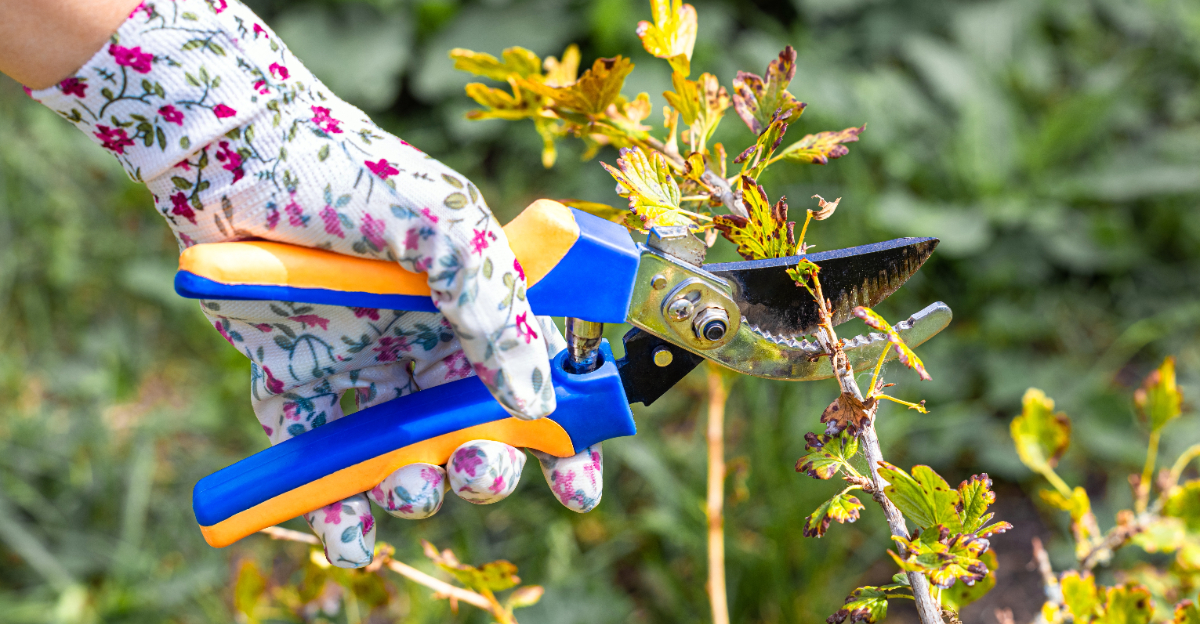
Gooseberries can be generous little plants, but they do not like being crowded. When branches get too thick, sunlight has a harder time reaching the fruit.
Airflow also drops, and that can make the plant more stressed once Oregon’s summer heat settles in. A careful prune before the hotter days arrive can help the berries size up better and taste fresher.
It also makes picking less of a thorny puzzle later on. The key is knowing what to trim without taking away too much.
Gooseberries fruit on older wood, so a random haircut can cost you berries. A smarter approach keeps the shrub open while saving the growth that matters most.
With the right timing and a light hand, your gooseberry patch can head into summer looking cleaner and ready to perform.
1. Remove Old Unproductive Canes First
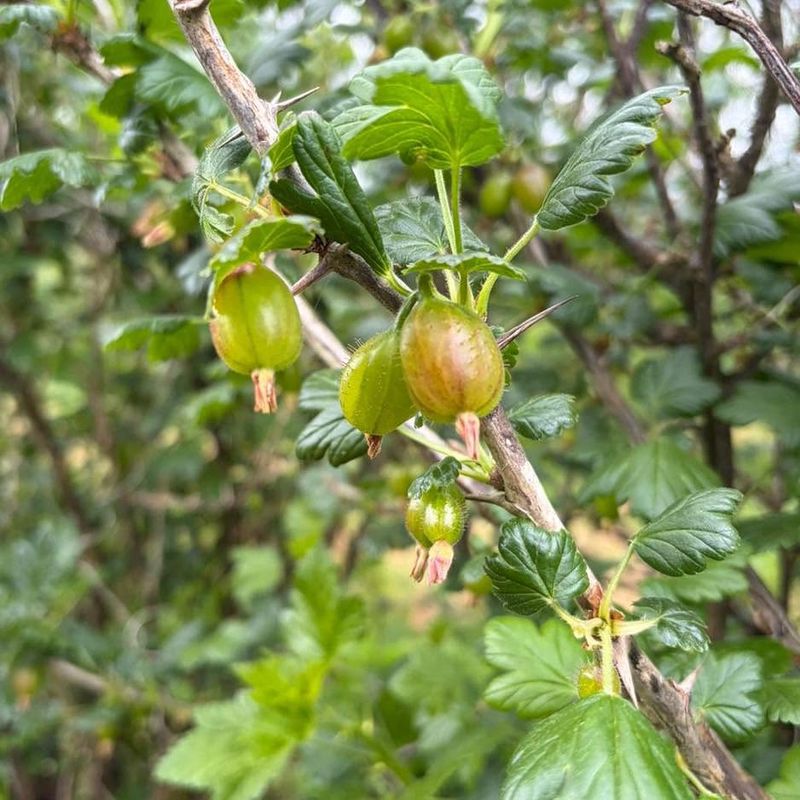
Old canes are sneaky. They look solid from the outside, but after three or four years, most gooseberry canes stop producing good fruit.
They take up space, block light, and pull energy away from younger, more productive growth. Removing them first is one of the smartest moves you can make before summer arrives.
Look for canes that are dark gray or brown, thick at the base, and rough in texture. These older canes often have fewer side shoots and smaller buds compared to younger wood.
A healthy gooseberry plant should have a mix of one-, two-, and three-year-old canes. Anything older than three years is usually ready to come out.
Use a sharp pair of bypass pruners or loppers for thicker canes. Cut as close to the base as possible without leaving a long stub.
Stubs can invite fungal problems, which is the last thing you want heading into a warm, humid summer in the Pacific Northwest.
Once the old canes are gone, you will be amazed at how much more open the plant looks. That openness is exactly what you are going for.
It lets in light and air, which helps the remaining canes produce fuller clusters of berries. Starting with this step makes every other part of the pruning process easier and more effective for the rest of the season.
2. Crowded Gooseberry Branches Reduce Airflow Fast
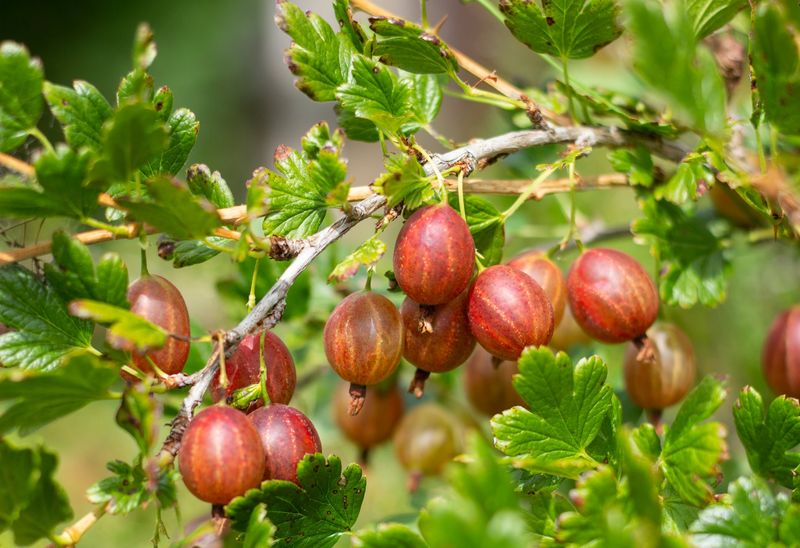
When branches rub together and overlap, trouble follows. Poor airflow inside a gooseberry plant creates the perfect environment for powdery mildew and other fungal diseases.
In our state, where spring rains linger and summer humidity can spike, crowded plants are especially vulnerable.
Walk around your plant and look at it from different angles. If you cannot see through the center or the branches are tangled and crossing each other, that plant needs thinning.
Crossing branches also wound each other as they rub, and those wounds become entry points for disease.
Start by identifying which branches are growing inward or crossing over others. These are your first targets.
Remove the weaker of any two branches that cross, keeping the one that is growing in a better direction.
The goal is to create a plant where each branch has its own space and is not competing with its neighbor.
Your Oregon Garden Changes Every Week. Your Plan Should Too.
Gardening in Oregon changes quickly throughout the season. Every Friday you’ll receive a simple weekly plan showing exactly what to plant, prune, fertilize, harvest, and protect so you never miss the right timing.
After thinning, gently shake the plant or run your hand through it. You should feel air moving through easily.
If it still feels dense, remove a few more branches. Gooseberry plants are surprisingly resilient and can handle a firm pruning without much stress.
Getting the airflow right before hot weather arrives means fewer disease problems all summer long and a much cleaner harvest when berries are ready to pick.
3. Thin The Center Before Summer Humidity Builds
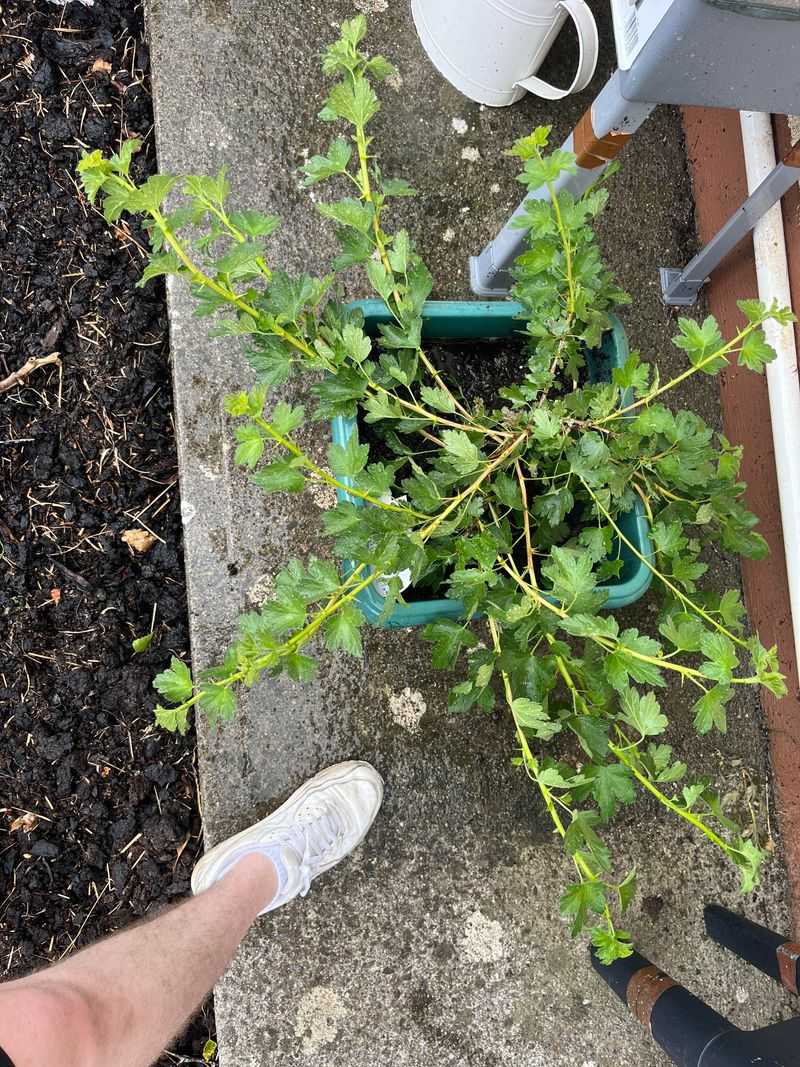
A gooseberry plant shaped like a vase handles heat and humidity much better than one that is packed tight in the middle. Thinning the center is not just about looks.
It is about giving the plant a fighting chance when temperatures climb and moisture hangs in the air.
Most experienced growers aim for what is called an open-center form. Prune out any branches growing straight up through the middle of the plant.
Also remove any shoots that are pointing downward or growing back toward the center from the outside. You want the main canes to spread outward and upward like the fingers of an open hand.
This shape allows sunlight to reach more of the plant and lets air circulate freely from the bottom to the top.
Both of those things matter a lot when summer humidity builds in low-lying valleys and river areas common across this region. Mildew and botrytis love stagnant, moist air around dense foliage.
Do this thinning step in late winter or very early spring, before buds break open. Once leaves appear, it becomes harder to see the branch structure clearly.
Working on bare wood makes it much easier to spot problem areas. Aim to remove about one-third of the interior growth each season.
Over time, you will build a plant that is naturally open, healthy, and ready to handle whatever the summer brings.
4. Weak Low Stems Rarely Produce Good Fruit
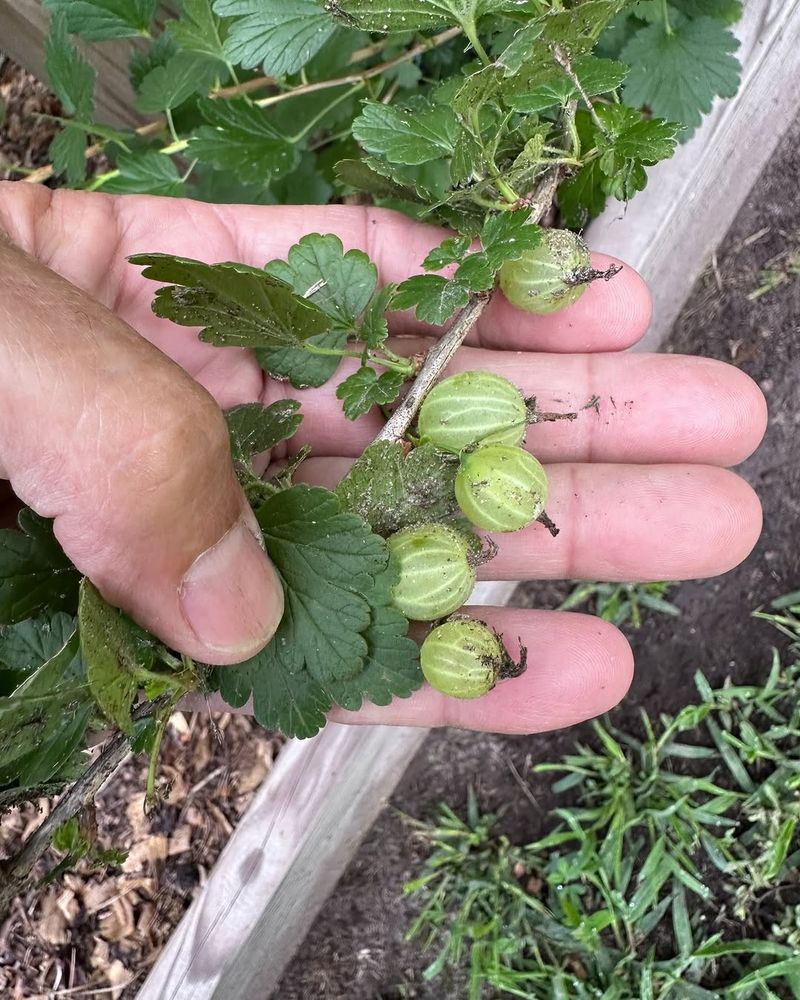
Not every stem on a gooseberry plant deserves to stay. Low-growing, spindly stems near the base of the plant are almost always underperformers.
They get shaded out by taller growth, struggle to receive enough sunlight, and tend to produce small or misshapen berries if they produce any at all.
These weak stems also sit close to the soil, which puts them at higher risk for soil-borne fungal issues.
Splashing rain or irrigation water can carry fungal spores up from the ground onto low foliage and fruit.
Removing these stems reduces that risk significantly, especially heading into the wetter parts of late spring.
Look for stems that are thinner than a pencil, growing at a low angle, or buried under other branches.
If a stem cannot stand upright on its own and reach toward the light, it is likely not earning its place on the plant. Remove it cleanly at the base.
After clearing out the weak low growth, the plant can put more energy into its stronger, higher canes. Those canes are the ones that will give you big clusters of plump gooseberries by midsummer.
Think of it like weeding a vegetable garden. Getting rid of what is not working gives everything else more room and more resources to grow well. Your harvest totals will likely reflect the effort you put into this step.
5. Summer Shade Helps Protect Ripening Berries
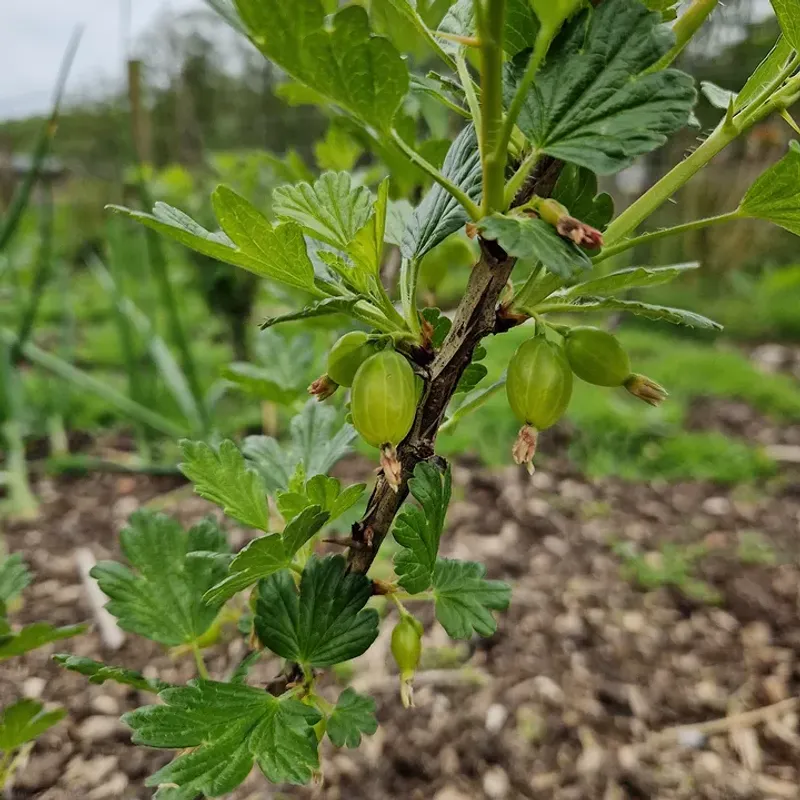
Gooseberries are not big fans of intense afternoon sun, especially during July and August when temperatures in many parts of this state can push past 90 degrees.
A little shade during the hottest part of the day can actually protect ripening berries from sunscald and keep them from getting too soft before you pick them.
Pruning plays a role here too. While you want good airflow and an open center, you do not want to strip every leaf from the plant.
Leaving enough foliage to create some natural canopy helps shield the berries underneath. The trick is balance.
Too much foliage traps moisture and heat. Too little leaves the fruit exposed and vulnerable.
If your gooseberry plant grows in full sun, think about what is nearby. Taller plants, a garden fence, or a shade cloth positioned on the west side of the plant can all help reduce afternoon heat stress.
Some growers in warmer inland valleys use a 30 percent shade cloth during peak summer weeks with great results.
Positioning matters at planting time, but even established plants can benefit from added shade solutions.
Pairing smart pruning with a little seasonal protection gives your berries the best environment to ripen slowly and develop full, complex flavor.
Berries that ripen under stress tend to be smaller and less sweet, so protecting them from intense heat is well worth the extra effort.
6. Overgrown Plants Often Produce Smaller Gooseberries
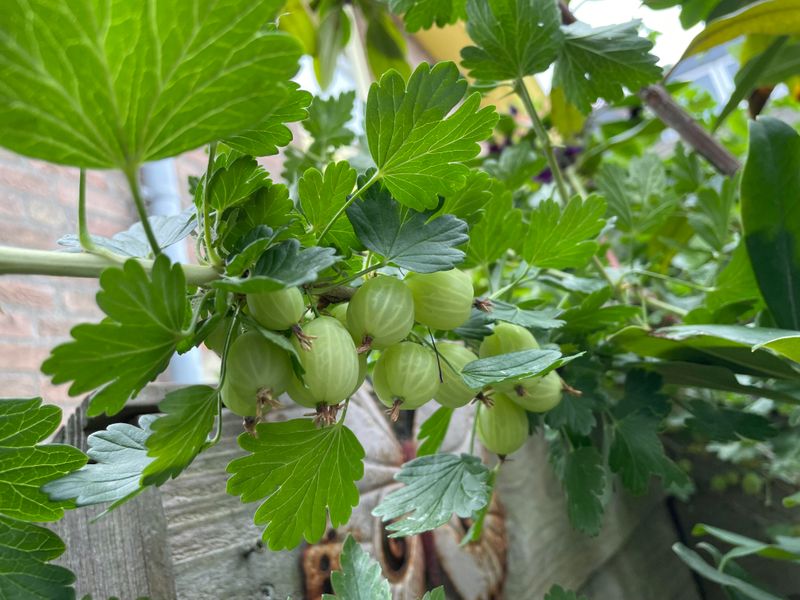
There is a common myth that bigger plants always mean more fruit. With gooseberries, that is simply not true.
An overgrown plant spreads its energy across too many branches, too many buds, and too much foliage.
The result is usually a large number of small, disappointing berries instead of a moderate harvest of full-sized, flavorful ones.
Plants that have not been pruned in several years tend to become a tangled mess of old wood and weak new growth.
The older canes shade out the younger ones, and the whole plant struggles to get enough light and nutrients to produce quality fruit.
You might still get berries, but they will likely be small, tart, and not worth the effort of picking.
Renovating an overgrown plant takes a couple of seasons but is very doable. In the first year, remove all canes older than three years and cut out any crossing or inward-growing branches.
In the second year, continue shaping and thinning to encourage strong, well-spaced new growth. By year three, most plants respond with noticeably larger and better-tasting berries.
Patience pays off with gooseberries. Many gardeners in this state have rescued overgrown plants that looked nearly hopeless and turned them into reliable producers.
Do not give up on an old plant before giving renovation pruning a real try. A little seasonal attention goes a long way toward improving berry size and overall plant health.
7. Clean Cuts Help Reduce Disease Problems
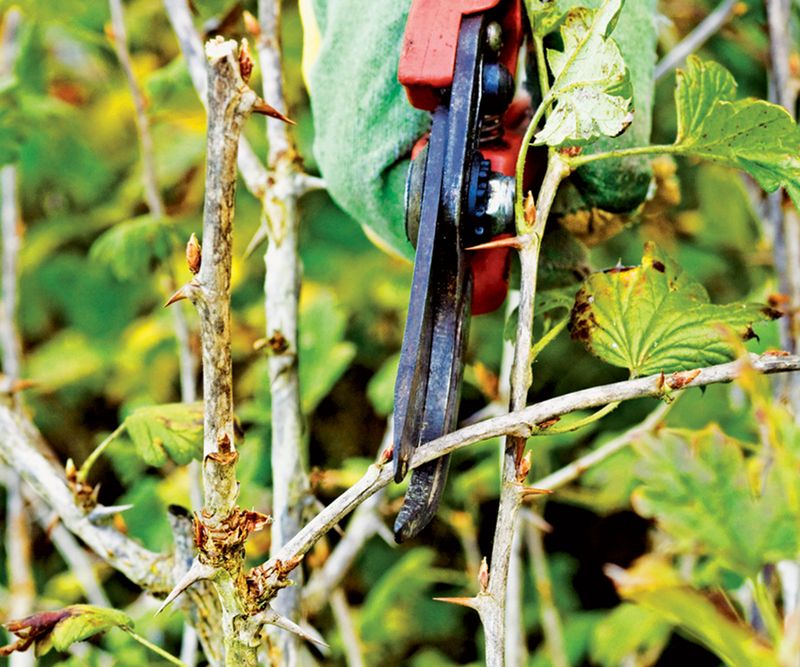
The tool you use and how you use it matters more than most people realize. A clean, sharp cut heals faster and gives disease fewer opportunities to take hold.
A ragged or crushed cut, made with dull blades, leaves damaged tissue that stays open longer and is much more likely to get infected by fungal pathogens.
Before you start pruning, wipe your blades with rubbing alcohol or a diluted bleach solution.
This simple step helps prevent spreading any fungal or bacterial issues from one plant to another, or even from one part of the same plant to another.
It takes about thirty seconds and can save a lot of heartache later.
When making cuts, angle them slightly so water drains away from the wound rather than pooling on top of the cut surface.
Make each cut just above an outward-facing bud, about a quarter inch above it.
This encourages new growth to head away from the center of the plant, which supports that open-center form you are building.
Sharpen your pruners at least once a season. A simple whetstone or pull-through sharpener works fine for most home gardeners.
Bypass pruners are generally better than anvil-style for this kind of work because they create a cleaner cut with less crushing of the stem tissue.
Good tools, properly maintained, make every cut count and keep your plants healthier through the warm months ahead.
8. Mulch Helps Roots Handle Summer Heat Better
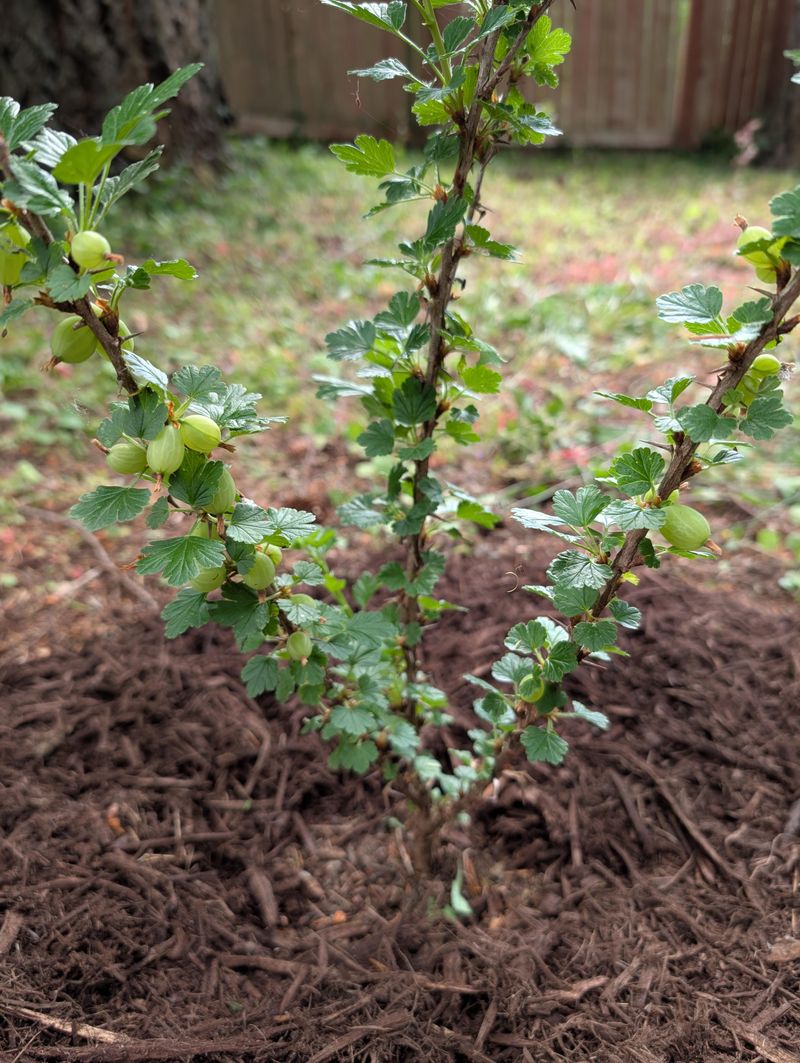
Pruning gets a lot of attention, but what you do after pruning matters just as much.
Applying a good layer of mulch around the base of your gooseberry plant is one of the most effective ways to help it survive and thrive through a hot summer.
Mulch insulates the soil, holds in moisture, and keeps root zone temperatures from spiking on hot afternoons.
Wood chips, straw, and shredded leaves all work well. Aim for a layer about three to four inches deep, spread out to the drip line of the plant.
Keep the mulch a few inches away from the main stems so it does not trap moisture directly against the bark, which can encourage rot at the base.
Mulch also suppresses weeds, which compete with gooseberry roots for water and nutrients. During a dry Oregon summer, that competition can really add up.
Fewer weeds mean the plant gets more of what it needs without extra effort on your part.
As the mulch breaks down over the season, it adds organic matter to the soil, which improves drainage and soil structure over time.
Reapply as needed to keep that protective layer consistent throughout the summer.
Pairing good pruning with a solid mulching routine gives your gooseberry plants a strong foundation for handling seasonal heat.
Together, these two habits can noticeably improve both plant health and the quality of your summer berry harvest.