This Texas Wildflower Looks Like A Harmless Weed But It’s Toxic To Pets
Texas roadsides, open fields, and even backyard edges are full of wildflowers that most people walk past without thinking twice. Most of them are harmless, and a lot of them are genuinely beneficial to pollinators and native wildlife.
There is one that fits in visually with everything around it, looks like the kind of thing that just grows wild without consequence, and gets pulled or left alone based entirely on how it happens to fit into the landscape that day.
What most Texas pet owners do not know is that this plant poses a real toxic risk to dogs and cats that come into contact with or ingest any part of it.
It is not an exotic or obviously dangerous looking plant. It is the kind of thing that grows in and around yards across Texas without drawing any attention, which is exactly what makes the risk worth understanding before a pet encounter turns into an emergency vet visit.
Texas Milkweed Looks Harmless But Be Careful
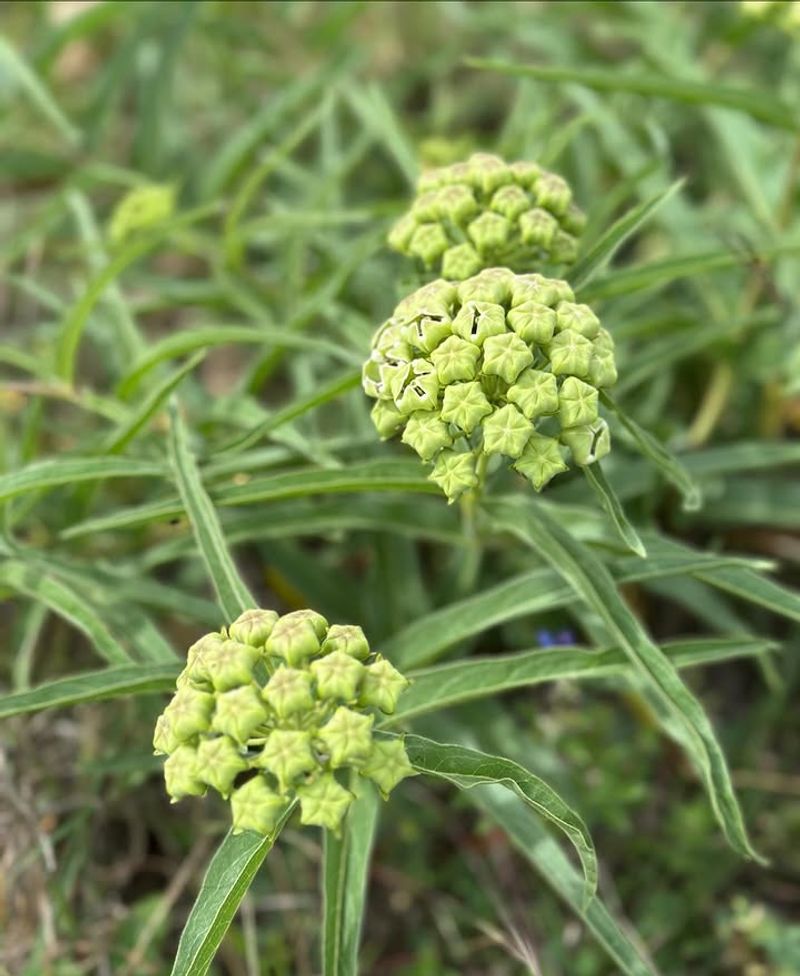
Growing quietly along Texas roadsides and in backyard gardens, Texas Milkweed is one of those plants that seems totally ordinary at first glance.
Its upright green stems and clusters of pink-purple flowers blend right into a typical garden bed. Many people walk past it every day without giving it a second thought.
Texas Milkweed, known scientifically as Asclepias texana, is a native wildflower that thrives across Central and South Texas. It prefers open, sunny spots like prairies, meadows, and garden borders.
You will often spot it growing alongside grasses and other native plants, looking just like any other leafy weed poking up from the ground.
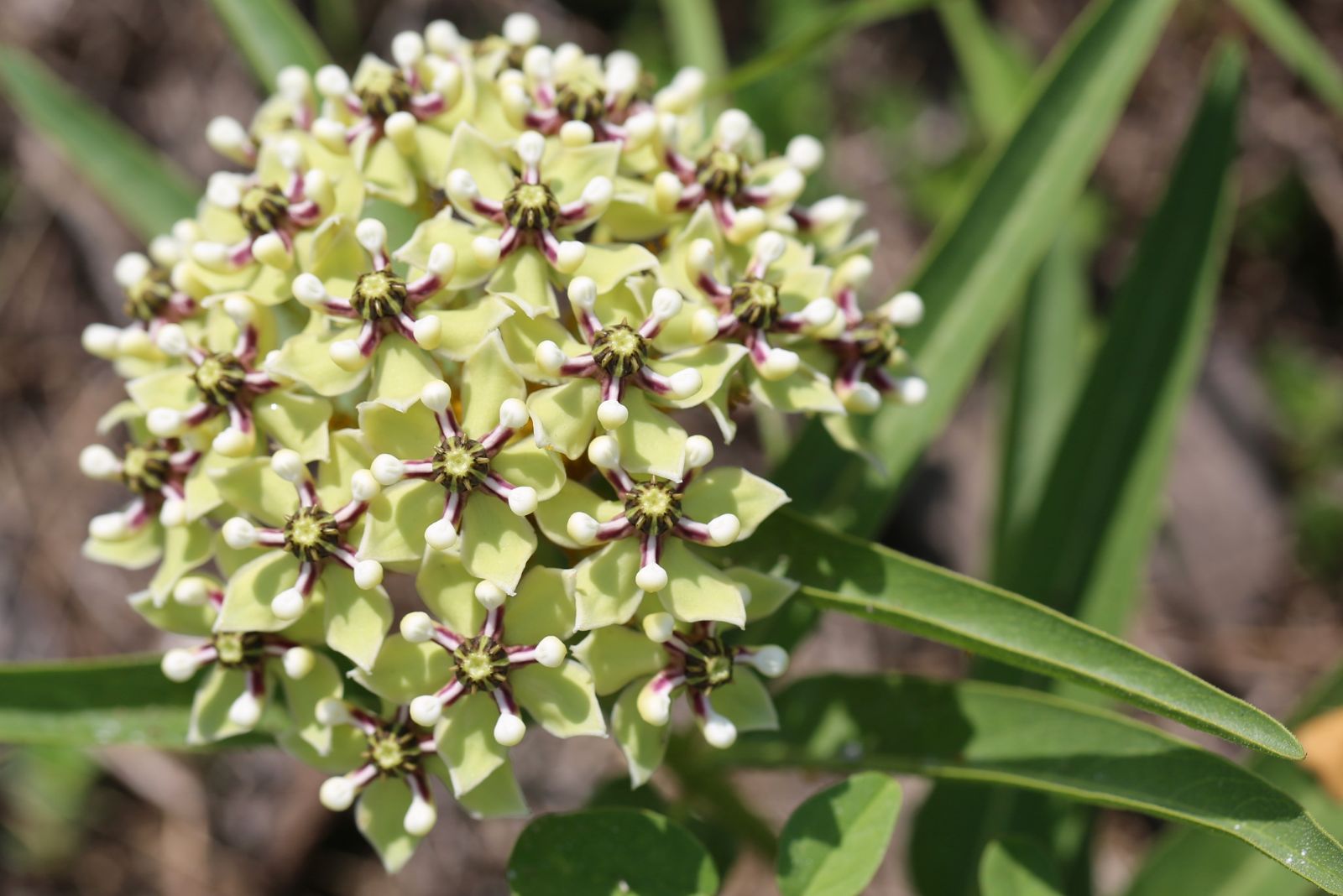
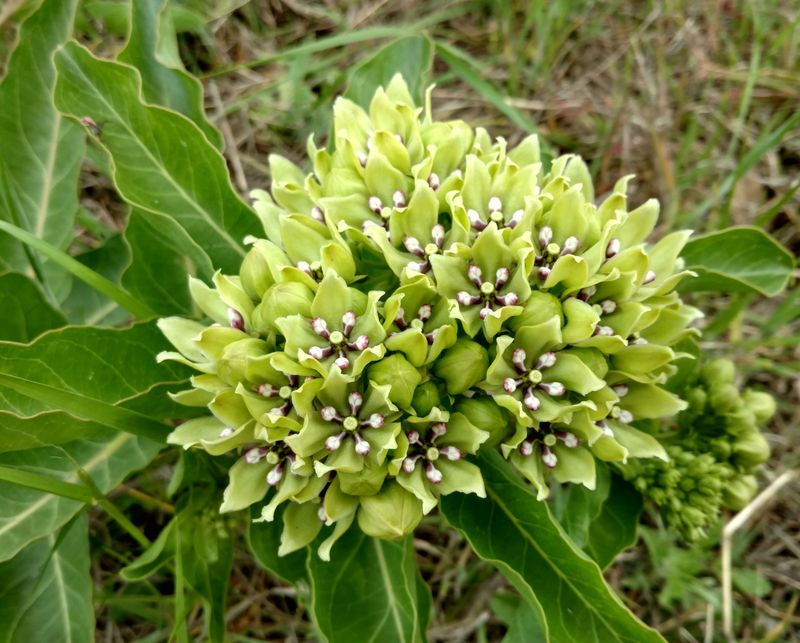
What makes this plant stand out is its flower clusters. Those small, star-shaped blooms in shades of pink and purple are actually quite striking up close.
They release a sweet scent that draws in bees, butterflies, and other beneficial insects from all around.
Gardeners who love native plants often welcome Texas Milkweed because it supports local ecosystems without needing much attention. It grows naturally in the Texas climate and does not demand constant watering or fertilizing.
That low-maintenance quality makes it appealing to busy homeowners who want a garden that mostly takes care of itself.
Still, looks can be deceiving. Despite its cheerful flowers and helpful role in the garden, Texas Milkweed has a side that pet owners need to take seriously.
Before adding this plant to your yard, it is worth getting to know it fully, including both its benefits and the risks it carries for the animals in your home.
Toxicity To Pets
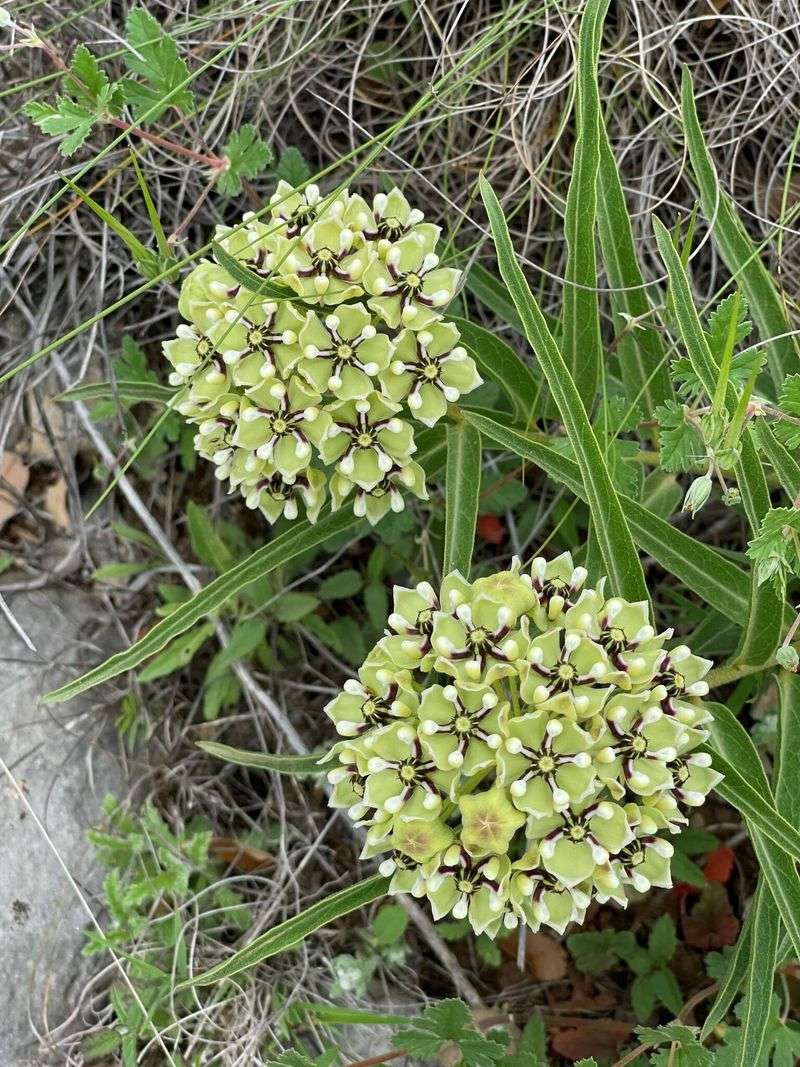
Here is something that might surprise you: every single part of Texas Milkweed is toxic to pets. The leaves, stems, and even the seeds all contain compounds called cardiac glycosides.
These are natural chemicals that can seriously affect an animal’s heart and digestive system.
When a dog or cat chews on or swallows any part of this plant, the results can be alarming. Common signs of trouble include vomiting, diarrhea, and unusual tiredness or weakness.
Your Texas Garden Changes Every Week. Your Plan Should Too.
Gardening in Texas changes quickly throughout the season. Every Friday you’ll receive a simple weekly plan showing exactly what to plant, prune, fertilize, harvest, and protect so you never miss the right timing.
In more serious cases, the cardiac glycosides can interfere with normal heart function, which can become a medical emergency fast.
Cats tend to be more sensitive to plant toxins than dogs, but neither animal is safe around Texas Milkweed. Even small amounts can trigger a reaction, especially in younger or smaller pets.
If you notice your pet acting strange after being in the garden, contact your vet right away. The tricky part is that pets do not always know what is harmful to them. Dogs especially love to chew on plants out of curiosity or boredom.
A plant that smells interesting might be enough to tempt them into taking a bite. Knowing the warning signs early can make a huge difference in getting your pet the help they need quickly. Symptoms usually show up within a few hours of ingestion.
Keep an eye on your pet if you think they may have eaten any part of a milkweed plant, and never wait to see if things get better on their own. Quick action is always the safest choice when it comes to plant-related pet health scares.
Importance To Wildlife
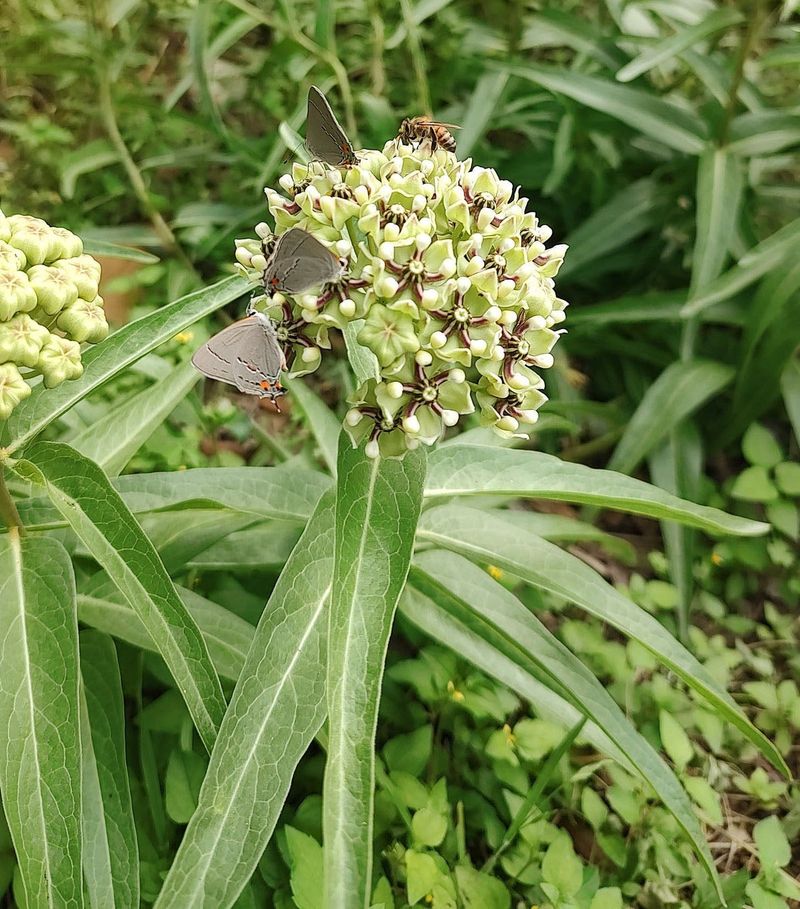
Flip the story around, and Texas Milkweed becomes one of the most important plants in the entire Lone Star State for wildlife. Monarch butterflies depend on milkweed more than almost any other plant in North America.
Without it, their population would struggle to survive. Monarch butterflies lay their eggs exclusively on milkweed plants. When the caterpillars hatch, they feed on the leaves as their primary food source.
Texas Milkweed, being native to the region, plays a major role in supporting the monarch migration route that passes directly through Texas each year.
Beyond monarchs, the plant’s nectar-rich flowers attract a wide variety of pollinators. Bees, wasps, hummingbirds, and other butterfly species all visit Texas Milkweed regularly. A single plant can become a buzzing hub of wildlife activity during peak blooming season.
For anyone interested in ecological gardening, this plant is a genuine treasure. Planting it helps restore habitat for insects and birds that have lost ground due to urban development and land changes.
Even a small patch of milkweed in a backyard can contribute to a healthier local ecosystem. The challenge for pet owners is finding the right balance.
You want to support wildlife and create a pollinator-friendly space, but you also need to protect the animals living inside your home.
The good news is that with smart planning, you can have both. Placing Texas Milkweed in a thoughtful spot allows it to serve its ecological purpose while reducing the chance that your pets will ever come into contact with it.
Responsible gardening is all about working with nature, not against it.
How To Identify It
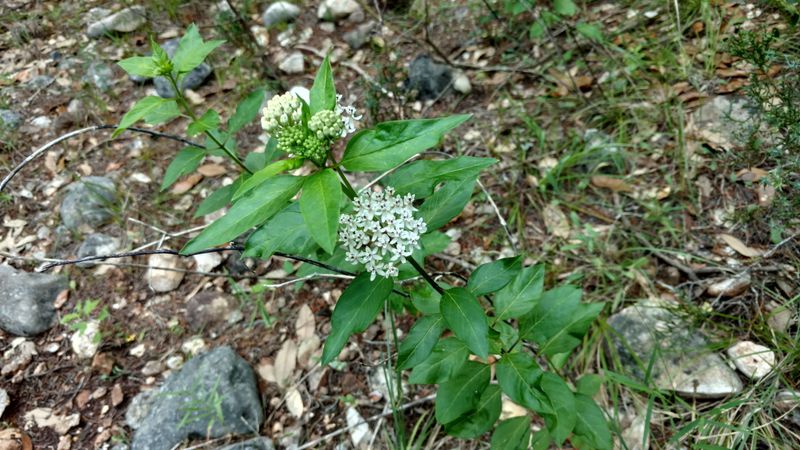
Spotting Texas Milkweed before your pet does is one of the best things you can do as a responsible pet owner. The plant has a few key features that set it apart once you know what to look for.
Getting familiar with those features takes only a few minutes of attention. Texas Milkweed grows in upright, sturdy stems that can reach anywhere from one to three feet tall. The leaves are long, oval-shaped, and arranged in pairs along the stem.
When you break a stem or leaf, a thick, milky white sap oozes out. That sap is actually where the plant gets its name, and it is a reliable identification clue.
The flowers are the most eye-catching part. They grow in rounded clusters at the tops of the stems and along the upper branches.
Each tiny flower is star-shaped with five petals and usually comes in shades of pink, lavender, or soft purple. Up close, they look almost delicate and ornate.
The tricky part is that younger milkweed plants, before they flower, can look a lot like common garden weeds. The upright stems and paired leaves can resemble several other harmless plants.
This is why it is smart to do a thorough check of your garden, especially in spring when new plants begin to sprout.
If you are ever unsure about a plant in your yard, take a photo and use a plant identification app or bring it to a local nursery.
Texas Master Gardeners and extension services are also great free resources. Never assume a plant is safe just because it looks familiar or unremarkable in your garden.
Safe Garden Placement
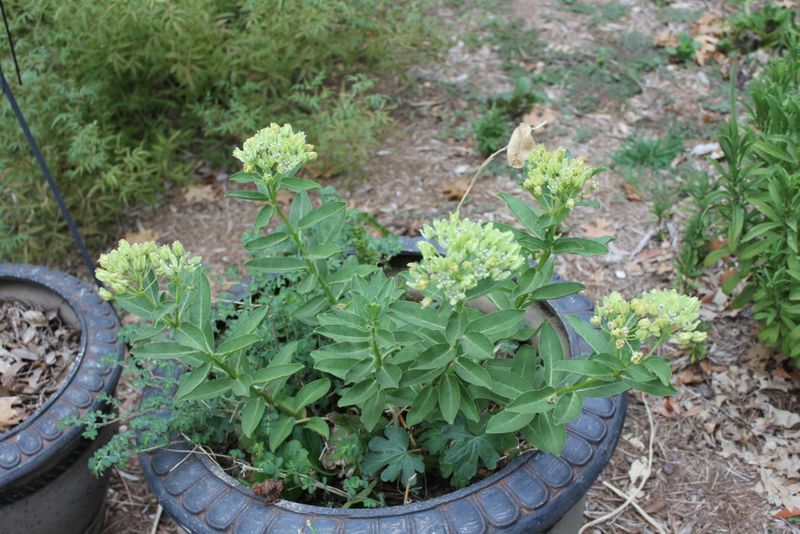
Smart placement is everything when it comes to growing Texas Milkweed in a pet-friendly yard.
The goal is to enjoy the plant’s natural beauty and wildlife benefits while making sure your pets never have easy access to it. A little planning upfront saves a lot of worry later.
One of the easiest strategies is to plant Texas Milkweed in areas of your yard that pets simply do not frequent. Think about the pathways your dog or cat uses most and avoid planting near those routes.
Side yards, front garden borders near the street, or back corners of the property tend to work well.
Raised garden beds are another smart option. Elevating the plants off the ground makes it physically harder for most pets to reach them.
Pairing raised beds with a low decorative fence adds an extra layer of protection without making your garden look like a fortress.
For households with especially curious or adventurous pets, a dedicated fenced-off garden section can make a big difference. Even a simple wire border around a milkweed planting area can serve as a visual and physical barrier.
Dogs especially tend to respect boundaries once they are consistently reinforced. Container gardening is also worth considering. Placing Texas Milkweed in large pots on a high deck or porch keeps it well out of reach.
Containers also give you the flexibility to move the plant around as needed with the seasons or as your pet’s habits change.
Always think about your specific pet’s behavior when making placement decisions. A calm older dog might not bother garden plants at all, while a young, energetic puppy might investigate everything in sight. Knowing your pet helps you garden smarter.
Maintenance And Care Tips
One of the best things about Texas Milkweed is how little fuss it requires once it is established. This plant was literally made for Texas conditions.
It handles intense summer heat, dry spells, and rocky or sandy soil without complaint. Full sun is where it truly thrives.
Well-drained soil is key for keeping Texas Milkweed healthy. It does not like sitting in wet or waterlogged ground for long periods.
If your garden tends to hold water after rain, consider amending the soil with sand or gravel to improve drainage before planting.
Watering is minimal once the plant takes root. During the first growing season, some regular watering helps it get established.
After that, rainfall in most Texas regions is usually enough to keep it going. In extended dry periods, a deep watering once a week is more than sufficient.
In late fall or early winter, cut the stems back to a few inches above the ground. This encourages fresh, vigorous growth when spring arrives and also allows the plant to reseed naturally.
Letting some seed pods mature and open before cutting back helps spread new plants across your garden organically.
Pairing Texas Milkweed with other native pollinator plants creates a layered, wildlife-friendly garden that is also manageable and beautiful. Good companion plants include black-eyed Susans, purple coneflowers, and Texas lantana.
Together, they create a buzzing, colorful habitat that supports bees and butterflies throughout the growing season.
Even with minimal care, always wear gloves when handling milkweed. The milky sap can irritate skin and eyes.
Wash your hands thoroughly after any garden work involving this plant to stay safe and comfortable.