When To Cut Back Coneflowers In Virginia For A Longer Bloom Season
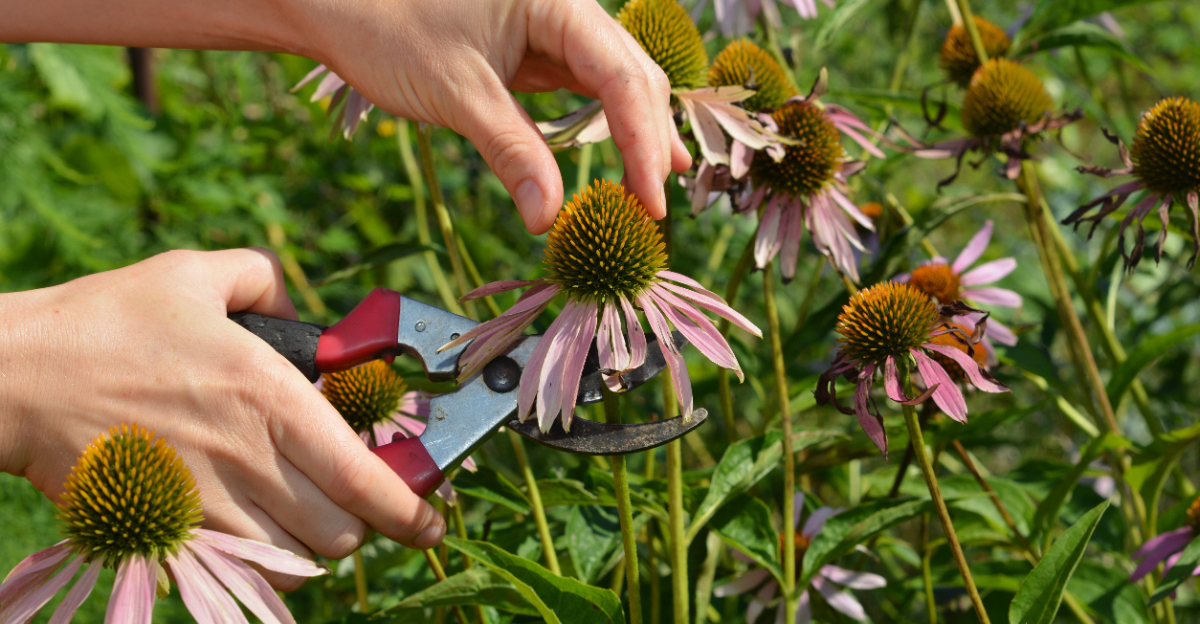
Coneflowers reward you the moment you learn their real rhythm. Timing decides everything you get from a Virginia summer. Cut early and you lose bees still working the blooms.
Wait too long and you miss the entire rebloom window. Every gardener you know makes this mistake at least once. Humidity changes how fast your stems recover from each summer cut.
Storms roll through Virginia gardens you planted without warning. Your pruners become the most powerful tool you own right now. Nothing about your coneflower care stays the same once heat arrives.
Petals fade fast, but your plants are already planning ahead. Confidence replaces guesswork once you understand what triggers regrowth. Precision beats habit every single time you pick up shears.
Growth pushes forward whenever you cut with real intention. Clarity starts the moment you stop guessing and start watching. Everything you thought you knew about pruning is about to change.
1. As Petals Begin To Droop
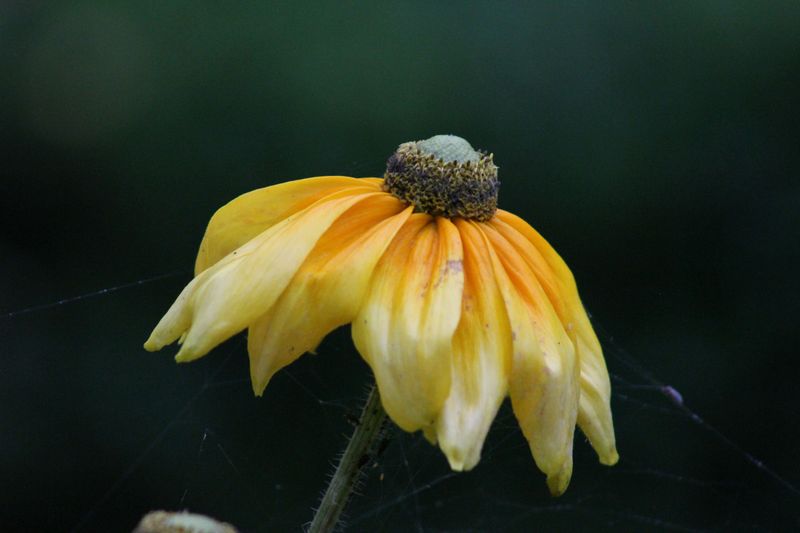
Your coneflowers are sending you a signal. When those vivid purple petals start bending downward, the plant is telling you the bloom is winding down.
This drooping stage is your first and most important cue to act. Catching it early keeps energy from going into seed production before you are ready.
Trimming at this stage redirects the plant’s resources back into root strength and new bud formation. You are essentially tricking the plant into thinking it needs to try again.
Grab a clean pair of pruning shears and cut the stem back to the nearest set of healthy leaves. Make the cut at a slight angle so water runs off cleanly.
Virginia’s summer heat speeds up the drooping process, so check your plants every few days during July and August. A quick walk through the garden with shears in hand becomes a satisfying habit to build into your week.
Drooping petals do not mean the plant is struggling. They simply mean a bloom cycle is closing, and a new one is ready to begin if you help it along.
Gardeners who skip this step often wonder why their coneflowers slow down in mid-August. The answer is almost always that spent blooms were left on the plant too long.
Stay attentive during this stage and your reward is a garden that keeps firing out fresh color well into fall. That drooping petal is not a goodbye, it is an invitation.
2. Once The Cone Turns Brown
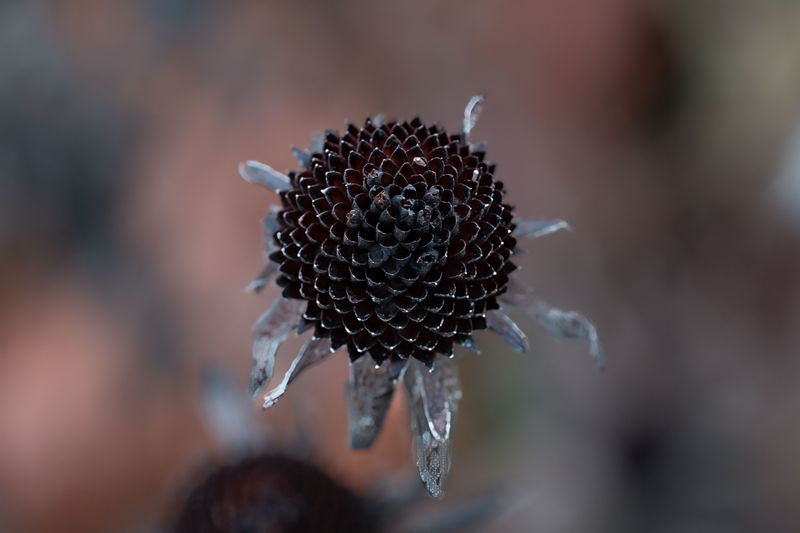
That dark, spiky cone center is more than decoration. Once it shifts from green to deep brown, the bloom has fully matured and seed development is underway.
At this point, you have a choice to make. Leave it for the birds, or cut it back now to encourage fresh blooms before the season ends.
For a longer bloom season, cutting back when the cone turns brown is one of the more effective techniques for extending blooms. The plant stops investing in seeds and pivots back toward flowering.
Use sharp, clean shears and cut the stem down to a healthy leaf node. Dull blades crush stems and invite disease, so keep your tools in good shape.
Your Virginia Garden Changes Every Week. Your Plan Should Too.
Gardening in Virginia changes quickly throughout the season. Every Friday you’ll receive a simple weekly plan showing exactly what to plant, prune, fertilize, harvest, and protect so you never miss the right timing.
Virginia’s goldfinches absolutely love brown coneflower cones, so consider leaving a few stems standing for wildlife. Balance is the key here, not an all-or-nothing approach.
Leaving every cone on the plant signals that reproduction is complete. The plant then begins to slow down naturally, which shortens your bloom window considerably.
Timing this cut in late July or early August gives new buds enough warm weeks to develop before the first fall frost arrives. Virginia’s growing season is generous, so use every week wisely.
When to cut back coneflowers in Virginia often comes down to watching that cone color shift. Brown means the clock is ticking, and your shears are the best tool you have.
3. Before Seed Heads Fully Form
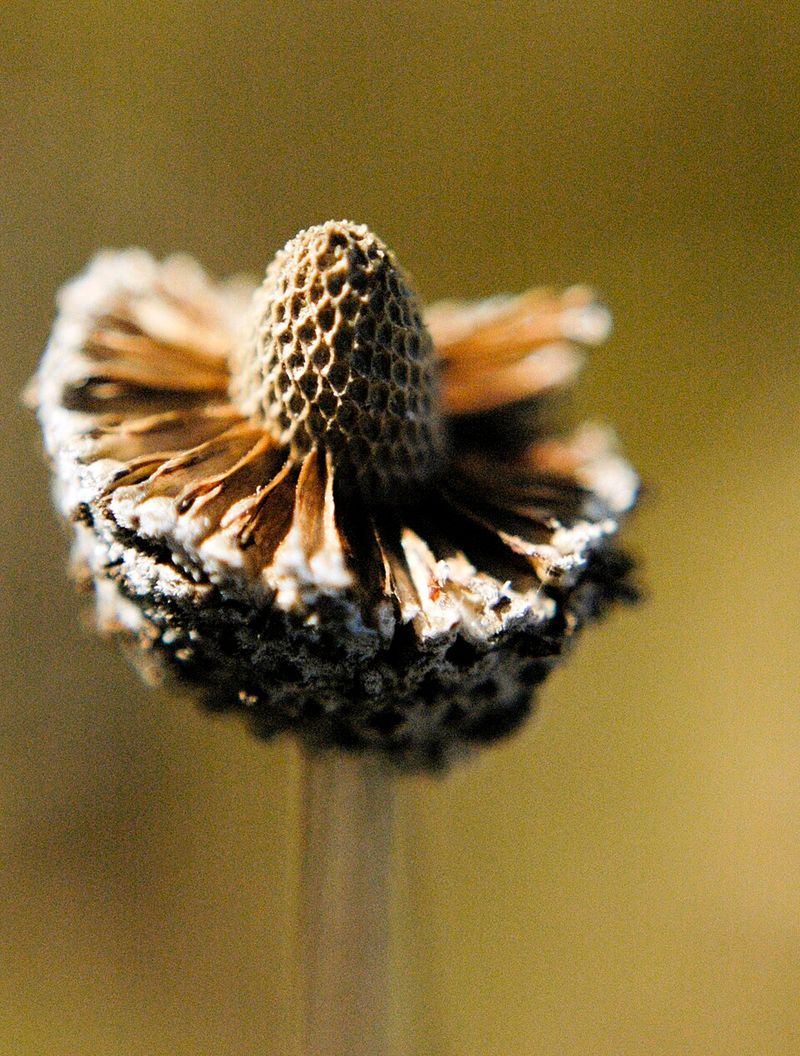
Timing is important in gardening, and catching coneflowers before their seed heads fully harden is an effective technique. At this stage, the seeds are still soft and the plant has not committed fully to reproduction.
Cutting at this point sends a signal to the plant to bloom again. This technique works especially well in central and northern Virginia, where the growing season typically winds down by mid-to-late October.
Every week of extra blooms counts when frost is coming. Look for the cone center to feel slightly firm but not yet rock-hard to the touch. That texture tells you the seed head is forming but not yet locked in.
Snip the stem back to a healthy lateral branch or leaf node. New growth often appears within a couple of weeks if conditions are warm and the plant is well-watered, though timing varies by plant and conditions.
Do not wait for the petals to fall off completely before making this cut. Acting a few days earlier than feels natural is usually the smarter call for maximum rebloom.
Some gardeners worry about removing too much of the plant at once. A commonly used guideline is to avoid cutting more than one-third of the total stem length in a single session.
Catching the plant before full seed development means timing the cut at just the right moment. This helps trigger a second flush of blooms.
4. Early Morning For Less Stress
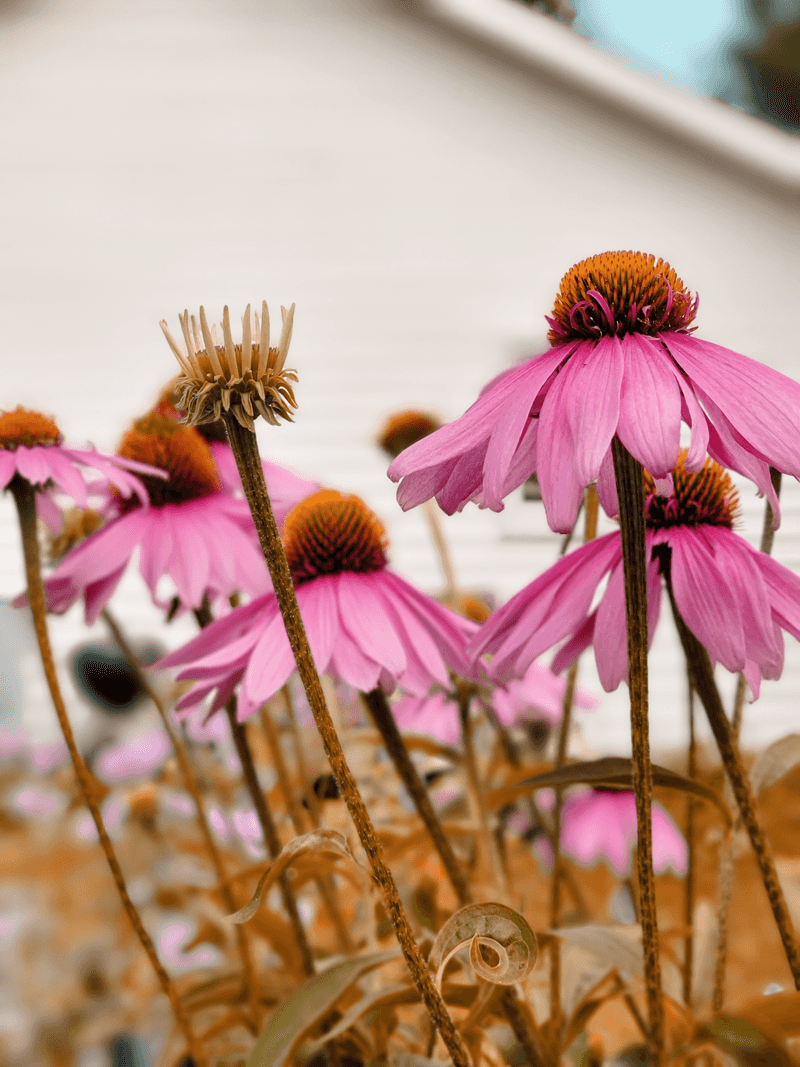
The time of day you prune matters more than most gardeners realize. Early morning, before the heat of a Virginia summer day sets in, is the best window for cutting back coneflowers.
Plants are typically more hydrated in the morning after a night of reduced water loss. Cutting a well-hydrated stem causes far less shock than cutting a wilted one in afternoon heat.
Morning pruning also gives cut stems several hours to begin healing before the hottest part of the day arrives. That head start reduces the risk of moisture loss and stem damage.
Virginia summers can push past 90 degrees by early afternoon in many areas, and that heat stresses plants significantly. Pruning during peak heat adds unnecessary strain to an already taxed plant.
Another benefit of morning cuts is that you can see the plant clearly in fresh light. Spotting which stems are spent versus which are still producing is much easier before the day gets busy.
Bring a small bucket of water with you and drop cut stems in immediately if you plan to bring them indoors. Fresh-cut coneflowers make surprisingly lovely arrangements in a simple vase.
Evening pruning is the second-best option if mornings are not possible. Avoid midday cuts whenever you can, especially during heat waves in July and August.
Starting your garden routine at sunrise feels almost meditative once you get into the habit. The garden is quiet, the air is cool, and your coneflowers will genuinely thank you for it.
5. Regularly Through Summer Months

One big pruning session is good, but regular attention through the summer is what truly extends your bloom season. Think of it less like a chore and more like a weekly garden check-in.
Coneflowers are prolific bloomers, and new spent blooms appear faster than you might expect during peak season. Staying consistent means you never fall behind.
A quick pass through your garden beds every five to seven days keeps things tidy and productive. You are looking for drooping petals, browning cones, and any stems that have clearly finished their cycle.
Regular trimming prevents the plant from entering a full reproductive mode too early. Once a plant feels it has produced enough seeds, it naturally reduces its blooming effort.
Virginia’s long, warm summers from June through September give coneflowers a generous production window. Taking advantage of that window requires consistent maintenance, not just occasional attention.
Set a specific day each week for your garden walk-through. Pairing it with another routine, like a Saturday morning coffee, makes it easier to stick with over the long haul.
Over time, you will start to notice patterns in how your specific plants behave. Some varieties rebloom faster, and some spots in your yard produce more spent blooms than others.
Consistent summer care transforms an average coneflower bed into a noticeably fuller, more colorful display. Show up for your garden regularly, and it will show up for you in color and abundance.
6. Right After First Blooms Fade
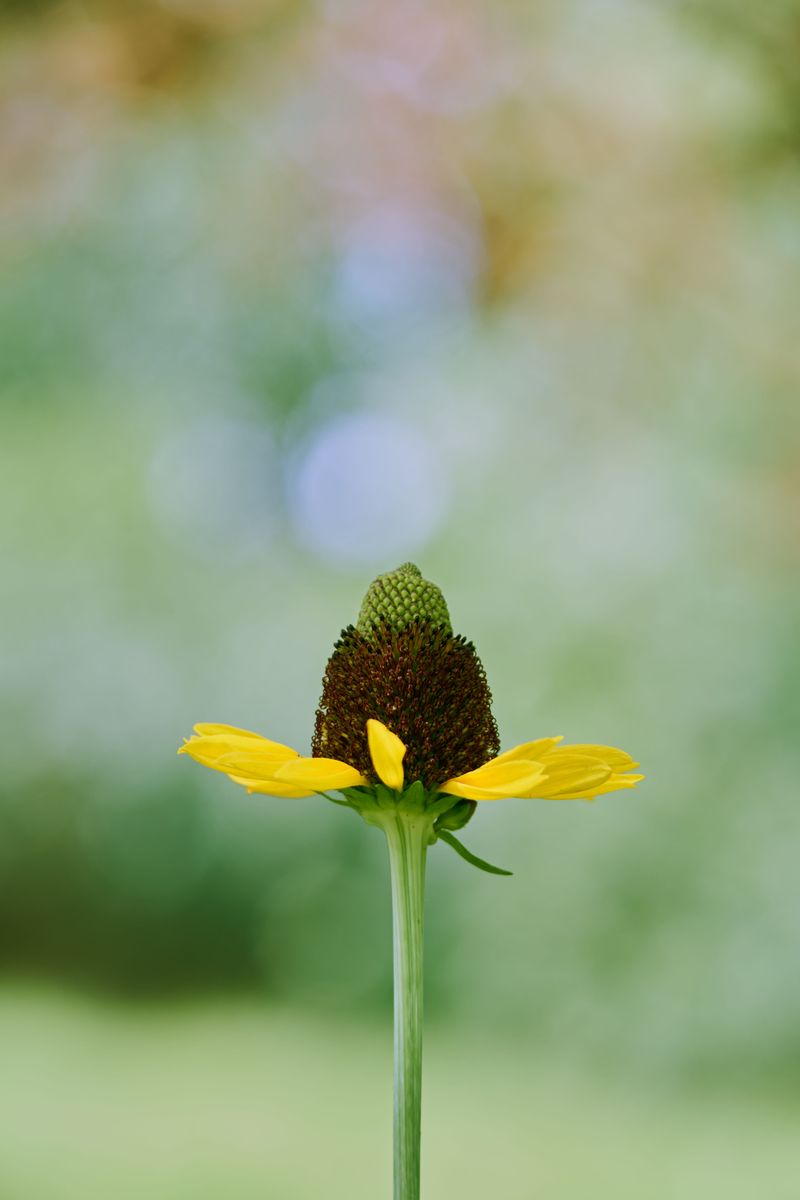
The very first blooms of the season are exciting, but they fade faster than you want them to. Acting quickly after that first flush is one of the smartest moves you can make for a longer season.
When those inaugural blooms drop their petals, cut the stems back promptly. Early action sets the tone for how productive your plants will be all summer long.
Many gardeners make the mistake of leaving early-season spent blooms in place, thinking the plant needs time to settle. In reality, the opposite is true for maximum performance.
Cutting back right after first blooms fade signals the plant to ramp up production rather than wind down. The plant interprets the cut as a reason to keep trying.
In Virginia, the first coneflower blooms typically appear in late June or early July. That means your first trimming session often falls right around the Fourth of July weekend.
Use that timing as a helpful mental bookmark. When fireworks are going off, check your coneflowers and give them their first seasonal trim if the blooms are fading.
This early-season cut also helps you identify which plants are the strongest performers. The ones that rebloom quickest after the first cut are the ones worth dividing and expanding next spring.
Getting ahead of the bloom cycle from the very start gives you more control over the whole season. That first snip is small, but it has a meaningful effect on your garden’s future color.
7. Weekly During Peak Bloom Season
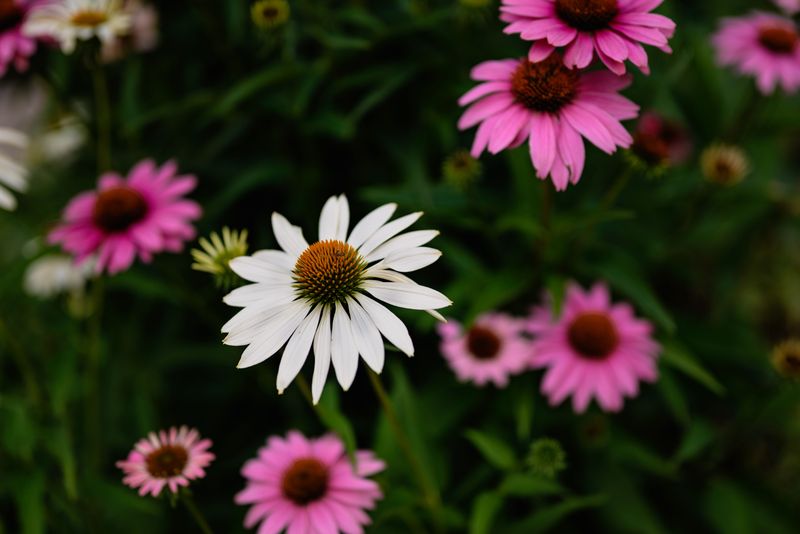
Peak bloom season for coneflowers in Virginia runs roughly from mid-July through mid-August. During these four to five weeks, your plants are working overtime, and so should you.
Weekly trimming during this period keeps the plant focused on producing new flowers rather than maturing seeds. It is one of the most impactful habits during peak season.
Set a weekly schedule and stick to it without skipping. Missing even one week during peak season can allow multiple seed heads to fully develop, which slows the whole plant down.
When to cut back coneflowers in Virginia is most critical during this peak window. The decisions you make in July and early August shape how long your garden stays colorful.
Look for spent blooms on every stem, not just the main central flower. Side shoots produce secondary blooms that are easy to overlook but incredibly important for extended color.
Carry a small basket or bucket as you work through the bed. Collecting cut stems keeps the garden tidy and prevents seeds from dropping where you do not want new plants sprouting.
If your schedule is unpredictable, aim for every five days instead of every seven. More frequent light maintenance is always better than infrequent heavy cutting sessions.
Peak bloom season is the most active stretch for your garden, and weekly attention is what keeps it performing well. Stay consistent through August and you will be rewarded with color stretching deep into fall.
8. Immediately After Heavy Rain

A heavy Virginia rainstorm can flatten coneflower blooms in a matter of hours. Thick downpours weigh down petals and bend stems, often accelerating the decline of blooms that were already fading.
Checking your garden immediately after heavy rain is a habit worth building. You will often find spent or damaged blooms that need cutting right away.
Wet conditions can also promote fungal issues on bruised or broken stems. Removing compromised blooms quickly reduces the risk of disease spreading through your bed.
Wait until the foliage dries slightly before pruning if possible, since cutting wet stems can spread pathogens. Even a few hours after the rain stops makes a meaningful difference.
Virginia’s summer storm season runs from June through September, often delivering intense afternoon thunderstorms. Each one is a potential trigger for post-storm garden maintenance.
After trimming storm-damaged blooms, take a moment to gently straighten any bent stems. Staking particularly tall coneflower varieties before storm season helps prevent breakage in the first place.
Post-rain pruning also gives you a chance to assess overall plant health. Look for yellowing leaves, crowded stems, or signs of powdery mildew while you are already in the garden.
Rain benefits your garden overall, but the aftermath requires a little attention. Grab your shears after the storm clears, tidy up the damage, and watch your coneflowers recover well.