8 Ways To Protect Young Trees From Deer Rubbing In Pennsylvania This Month
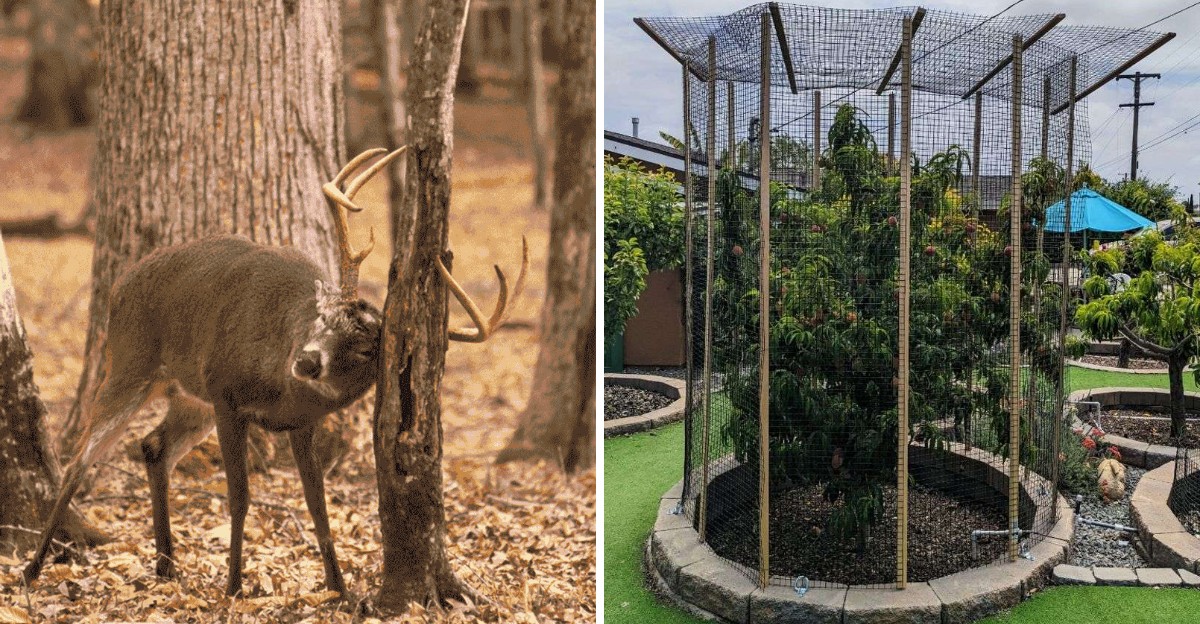
A single antlered visitor can rub hundreds of saplings in one autumn, according to wildlife researchers studying rutting behavior.
Each rub leaves forehead scent behind, a woodland message board that other animals stop and read all season.
Young trunks about the width of a broom handle seem to attract the most attention from these visitors. Smooth thin bark tears away easily, and the living inner bark underneath carries food made in the leaves down to the roots.
I lost a pretty little red maple in my Pennsylvania yard one November, and it stung for weeks. You might notice shredded strips of bark hanging near the ground before you ever spot the culprit himself.
Across Pennsylvania, this stretch of autumn brings peak breeding season, so the scraping pressure climbs fast right now. Which cheap, simple defenses actually hold up when a determined animal comes calling after dark?
1. Wrap Trunks In Rigid Plastic Tree Guards
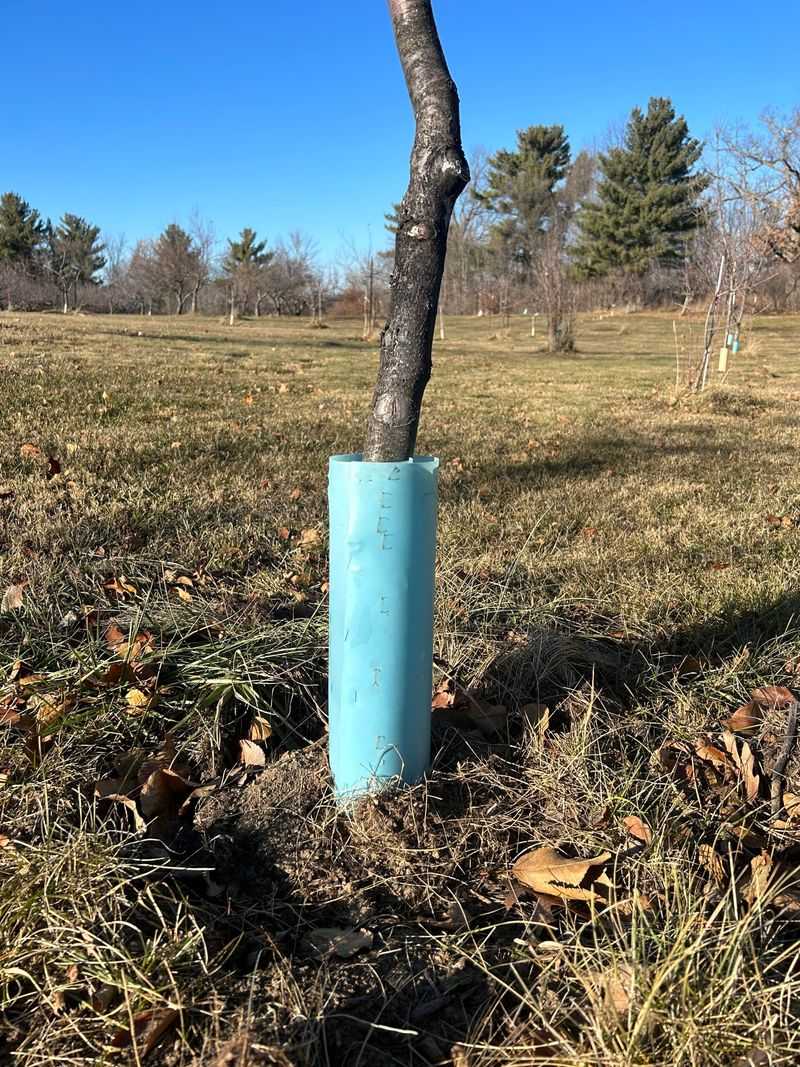
Nothing makes my stomach drop faster than spotting curled ribbons of bark at the base of a new tree. In Pennsylvania, where deer numbers run high, a rigid plastic guard is my first fix, and it takes about two minutes per trunk to install.
Bucks usually rub from just above the ground to roughly four feet high, depending on their size. Pick a guard tall enough to cover that zone, or stack two short sleeves for extra reach.
Corrugated drain pipe slit down one side works nicely and costs very little at most hardware stores. Spiral wraps are handy too, but thicker ones resist sharp antler tines better than flimsy thin styles.
Leave a little breathing room between the plastic and the bark so moisture does not get trapped inside. Snug guards can rub the trunk themselves, which defeats the whole point of adding protection this month.
I like pushing the bottom edge slightly into mulch so voles and mice have a harder time sneaking under. Still, check underneath every few weeks, because small rodents sometimes nest in warm sheltered spots like these.
Remove spiral wraps once spring arrives, since leaving them on through summer can invite insects and bark problems.
Rigid pipe guards can stay longer, but loosen them as the trunk grows wider each season, which matters with the fast growing seasons we get across Pennsylvania.
Honestly, this cheap plastic sleeve has saved more of my young trees than any fancy gadget I have bought. Start here, and you will sleep a lot easier during the busy late autumn rutting weeks ahead in Pennsylvania.
2. Surround Saplings With Sturdy Wire Mesh Cages
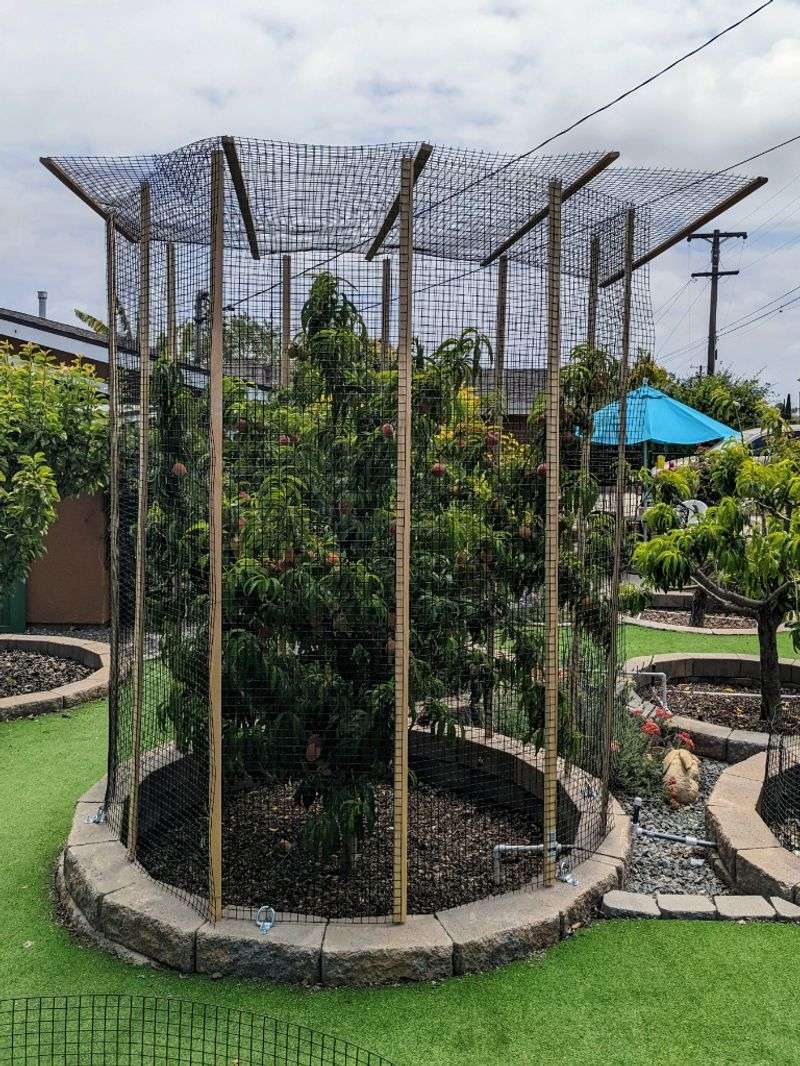
Wider trees with low branches can laugh at a simple sleeve, because bucks just rub the limbs instead. A wire cage solves that problem by keeping the whole animal a few feet away from bark.
Welded wire or woven fencing with openings around two by four inches holds up well against heavy antlers. Chicken wire is cheaper, though it can bend and sag when a large buck leans into it hard.
Aim for a cage at least four to five feet tall, which covers the usual rubbing height nicely. Leave a gap of about a foot between the wire and the trunk on every side.
That spacing matters more than people expect, since antlers poke through mesh if the bark sits too close. It also gives branches room to spread without growing into the wire over the next few years.
Anchor each cage with two or three metal stakes driven firmly into the soil before the ground freezes. Loose cages tip over easily, and I learned that lesson after finding one flattened in my flower bed.
Zip ties work great for fastening wire to stakes, and they rarely loosen during windy winter storms. Pliers and gloves make the job much easier, because cut wire ends can scratch your hands quickly.
Cages look a bit clunky at first, but I stopped noticing mine after about one week outside. Your sapling, meanwhile, gets a quiet safe zone to grow while the rut carries on beyond the fence.
3. Slide Tall Tree Shelter Tubes Over Tiny Seedlings
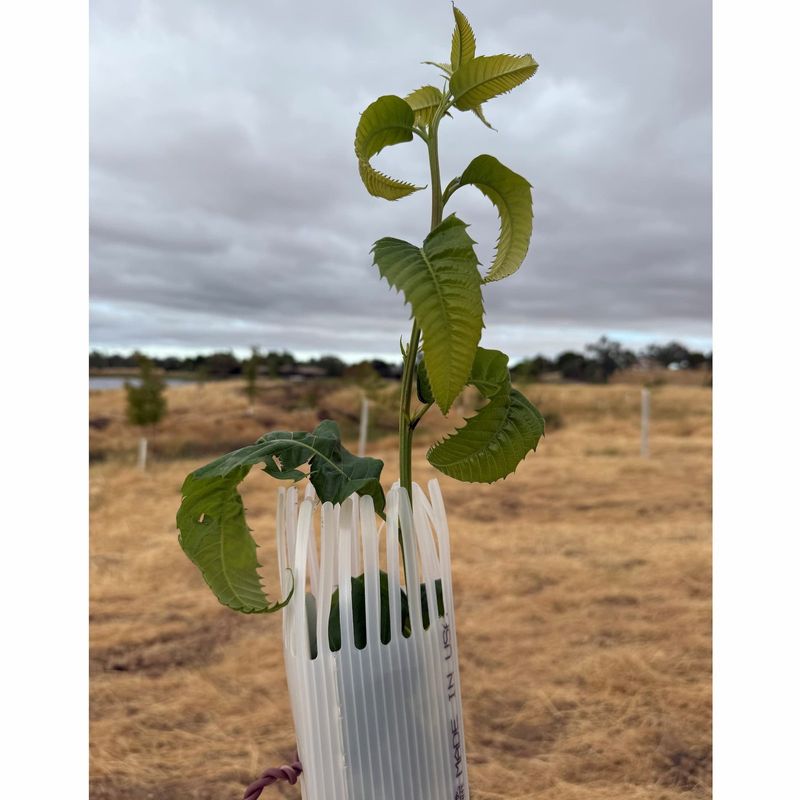
Freshly planted seedlings look like snack sticks to deer, and a curious buck can snap one with a single swipe. Tree shelter tubes wrap the whole little plant inside a tall plastic tunnel that antlers cannot reach.
Many shelters come in heights between four and five feet, which keeps the tender top safely out of reach. Foresters use them widely in Pennsylvania reforestation projects, so they have a solid track record in our woods.
Inside the tube, the air stays a bit warmer and calmer, which often helps young trees grow taller faster. I watched a tiny oak shoot up inside one, and it felt like a magic trick.
Every tube needs a strong stake, usually wood or fiberglass, tied snugly with the ties included in the kit. Without that support, wind and wandering animals can push the shelter over in a single stormy night.
Check that the bottom sits firmly on the soil, because gaps invite mice that like nibbling on tender bark. A few inches of tube pressed into the ground usually closes that sneaky entry point well enough.
Some shelters include mesh vents, which let trees harden off before cold weather arrives in late autumn. Solid tubes work fine too, though you may want to remove them once trunks grow thick and sturdy.
Plan on keeping shelters in place for several years, until the main stem rises well above the tube top. After that, swap in a trunk guard, since bucks still love rubbing those smooth young stems.
4. Drive Wooden Stakes In A Ring Around Young Trunks
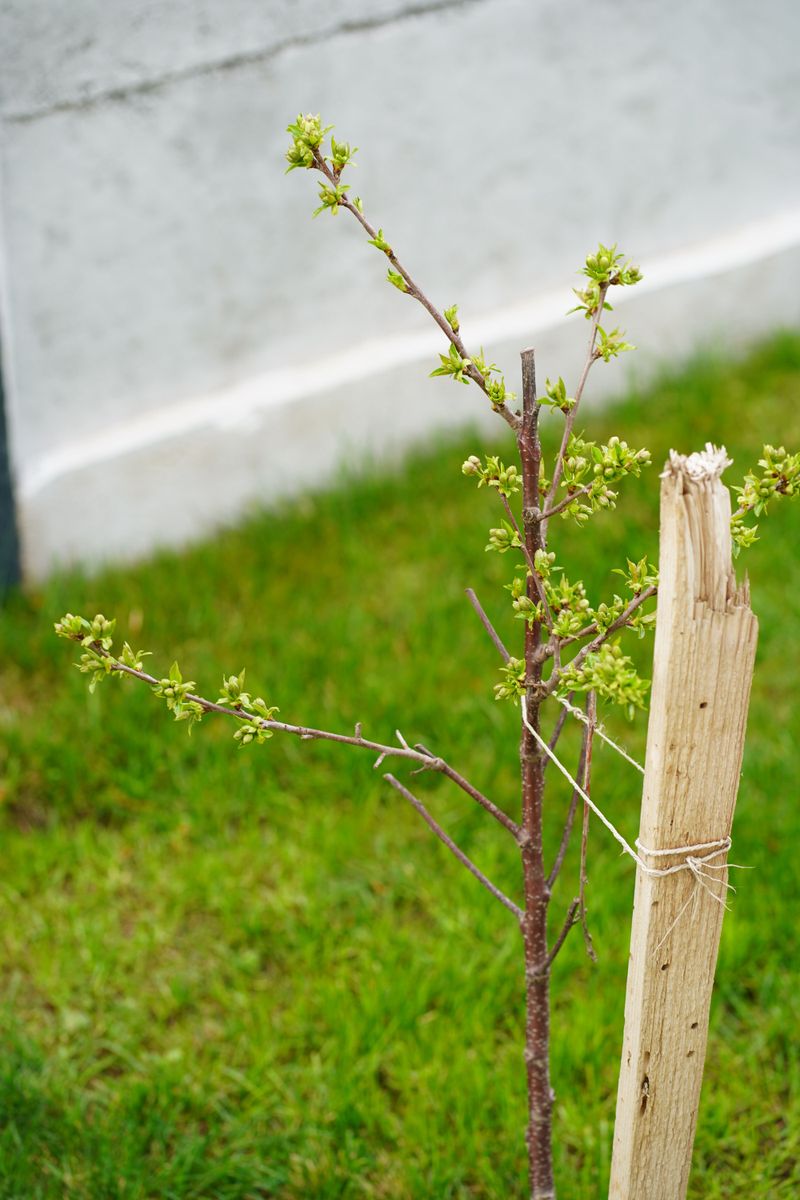
Bucks avoid awkward angles, and a ring of upright stakes turns a tempting trunk into a clumsy obstacle course. This trick costs almost nothing if you have leftover lumber or a few metal fence posts lying around.
Wildlife extension guides often suggest setting three or four stakes in a circle around each young tree. Place the ring roughly a foot or so away from the trunk, and space the stakes close enough together that antlers cannot squeeze between them easily.
Make sure each stake stands taller than the usual rubbing zone, ideally around four or five feet high. Short stakes look nice in the yard, yet bucks simply lower their heads and rub right above them.
I drive mine in at a slight outward angle, which feels sturdier and makes the barrier look busier. Rebar with safety caps works well, though bright caps also help you avoid poking yourself while mowing nearby.
Pound stakes deep enough that a strong push will not wobble them, usually at least eighteen inches down. Late autumn soil can harden quickly, so get them in before the first hard freeze settles across your yard.
Some gardeners string twine between the stakes, adding one more annoying layer that deer would rather avoid. I like that idea for larger trees, since it fills gaps without needing a full wire cage.
Staking barriers will not stop browsing on low branches, so pair them with repellents if nibbling is common. Still, for pure rubbing protection, this humble ring of posts punches way above its tiny price tag.
5. String Deer Netting Around Clusters Of Young Trees
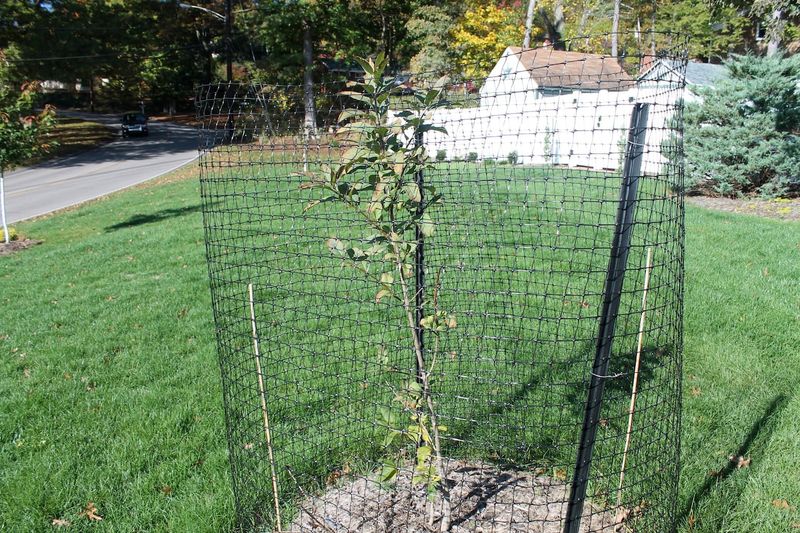
Guarding twelve saplings one at a time gets old fast, as my sore knees reminded me last fall. Temporary netting lets you circle a whole group of young trees in a single afternoon of work.
Polypropylene deer netting is lightweight and fairly hard to see from a distance in the yard. That near invisibility is a plus for looks, though it also means deer sometimes stumble into it unexpectedly.
Height matters a lot here, since whitetails can clear fences around eight feet tall when they feel motivated. Most experts recommend at least seven or eight feet for netting meant to keep deer out of an area.
Tie strips of white flagging tape to the netting so deer notice the barrier before they run into it. Snow fencing is another option, but its shorter height works better as a visual block than a true wall.
Use sturdy posts every ten to fifteen feet, and pull the netting tight so it does not sag. Pin the bottom edge to the ground with landscape staples, or deer may simply push underneath like curious dogs.
Small, cramped enclosures often work better than you might expect, since deer dislike jumping into tight spaces. Leave enough room inside for mowing and watering, though, so chores stay easy for you all season.
Once spring arrives and the rut is a distant memory, you can roll up the netting for storage. Reusing it next autumn makes this one of the more budget friendly fixes for bigger plantings.
6. Run A Penn State Style Electric Deer Fence
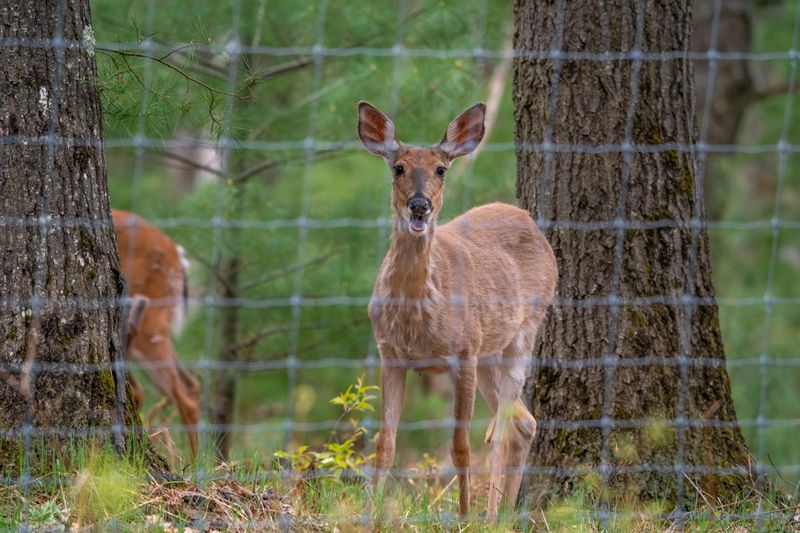
Researchers at Penn State tested electric deer fences decades ago, and their simple designs still guide many homeowners today. A mild shock teaches deer to respect a line of wire, much like an invisible fence trains dogs.
The well known five wire vertical design uses smooth high tensile wire strung between posts at spaced heights. A low impedance energizer powers the wires, delivering a quick zap that startles deer without causing lasting harm.
I love that one fence can protect a whole orchard or nursery corner, instead of guarding single trunks. For larger properties with heavy deer pressure, electric fencing often costs far less than tall woven wire.
Some gardeners smear peanut butter on foil flags attached to the wires, which lures deer into a nose touch. That one surprising lesson usually keeps them backing away from the fence line for a long time afterward.
Check local rules before installing, since some towns and homeowner associations limit electric fences near sidewalks or neighbors. Add warning signs too, so visiting kids and guests know to keep their hands away from the wire.
Weeds touching the bottom wire can drain power, so trim the fence line regularly throughout the growing season. Snow can cause similar trouble in winter, so test the voltage with a simple fence tester after storms.
Electric fencing takes more planning than other choices on this list, but it rewards patient gardeners nicely. Turn it on before rutting activity peaks, and your young trees get a quiet season behind the wires.
7. Spray Bitter Repellents On Bark And Low Branches
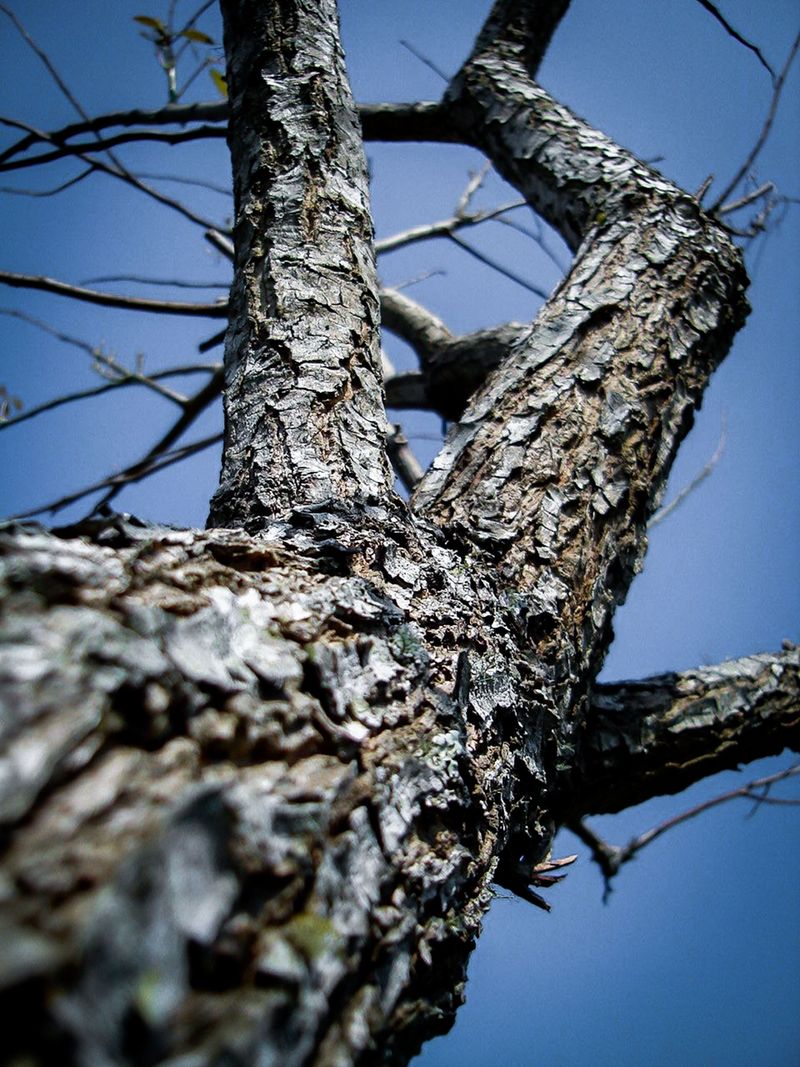
Rotten egg smell is not my favorite garden perfume, yet deer seem to dislike it even more than I do. Many commercial repellents use egg solids or hot pepper to make plants smell or taste unpleasant.
Two main kinds exist, and odor repellents push deer away while taste repellents work after the first bite. Contact products tend to last longer on bark, while odor sprays can protect a wider area around plantings.
A quick honest note is needed here, because repellents work best against browsing and are weaker against rubbing. A buck rubbing during the rut cares more about marking territory than about tasting the bark he scrapes.
Use sprays as backup support around guarded trees, especially on low branches that guards and cages might miss. Applying on dry days above freezing helps the product stick and dry properly on bark and dormant buds.
Rain and melting snow wash repellents away, so plan on reapplying every few weeks through the colder months. Read every label carefully, since products differ in how often they need refreshing and where they can go.
Deer adapt quickly when food runs short, so rotating between two different products can keep them guessing longer. I switch brands midwinter, and it seems to keep hungry visitors from getting too comfortable around my yard.
Think of repellents as the seasoning on your protection plan, rather than the main dish on your plate. Paired with physical barriers, they add one more reason for deer to wander off somewhere else.
8. Inspect Rubbed Bark And Help Young Trees Recover
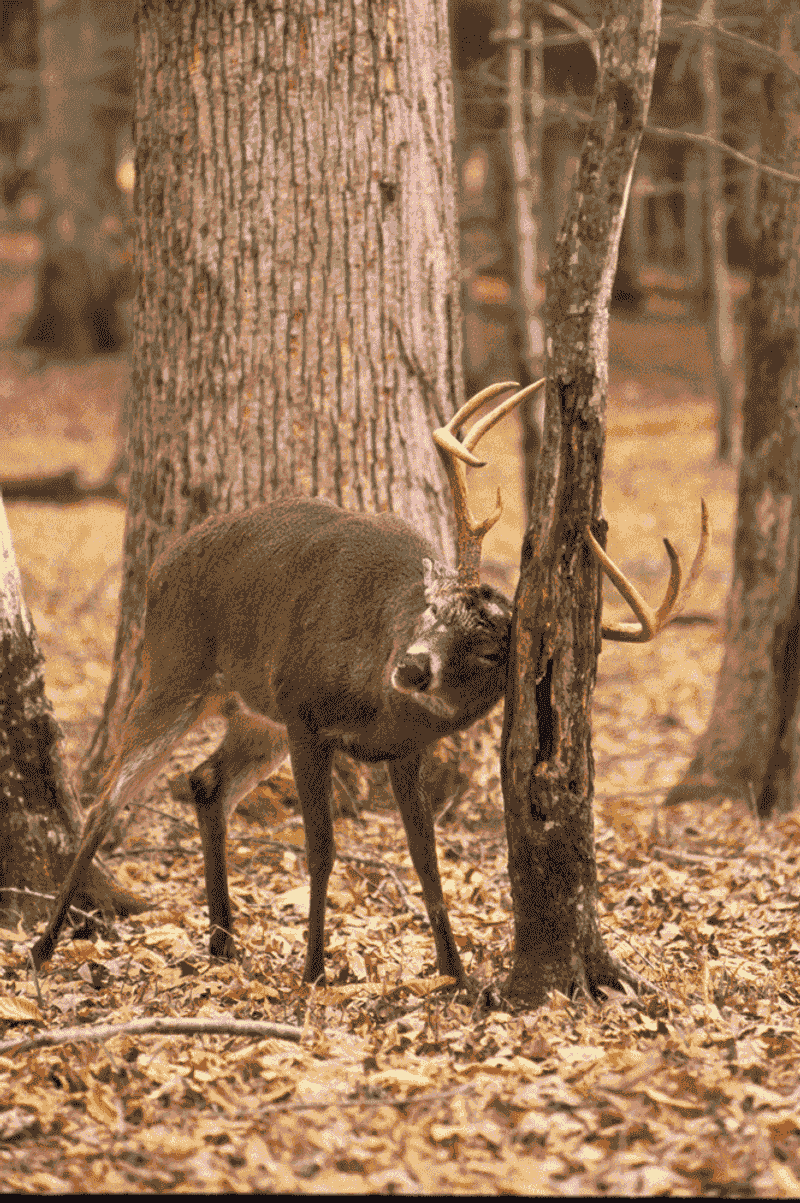
Finding a fresh rub feels like discovering a rude message carved into your favorite sapling overnight. Take a breath, though, because many rubbed trees bounce back if the bark was not stripped all the way around.
Walk your yard every week during the rut, looking for torn bark and pale exposed wood near the ground. Early spotting lets you add guards quickly before the same buck returns to finish his work.
Damage that wraps fully around the trunk, called girdling, cuts off the flow of food from leaves to roots. Trees with that kind of injury often decline, so replacing them may be the most practical choice.
Partial wounds usually heal on their own over time, especially when the tree stays healthy and well watered. Carefully trim ragged bark edges with a clean sharp knife so the wound can form a callus more smoothly.
Skip wound paints and sealers, because extension experts say they rarely help and can sometimes trap moisture inside. Fresh air does a better job, letting the tree close the wound in its own slow, steady way.
Bucks often return to the same rub lines year after year, so mark damaged spots on a simple yard map. Next late summer, protect those trees first, before bucks shed their velvet and begin rubbing.
I keep a little notebook of rubs, and it has made my Pennsylvania planting choices much smarter over time. Your notes can become a handy guide for spacing new trees and planning protection each autumn.