The Midnight Noises In Your New Jersey Attic May Belong To An Animal That Sails Between Trees
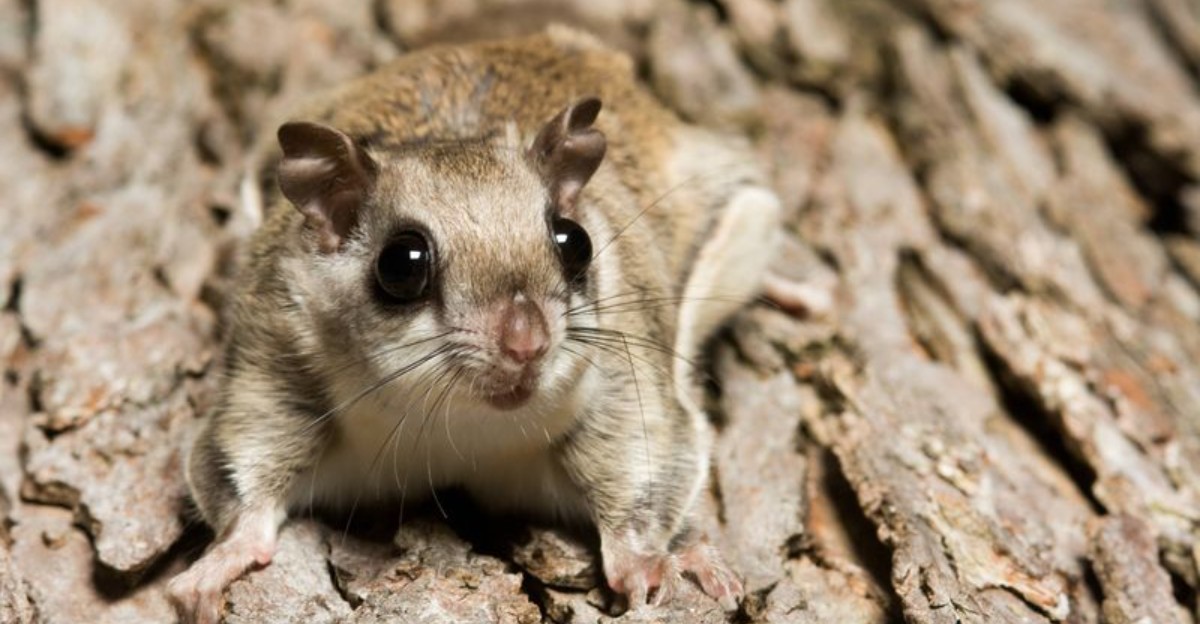
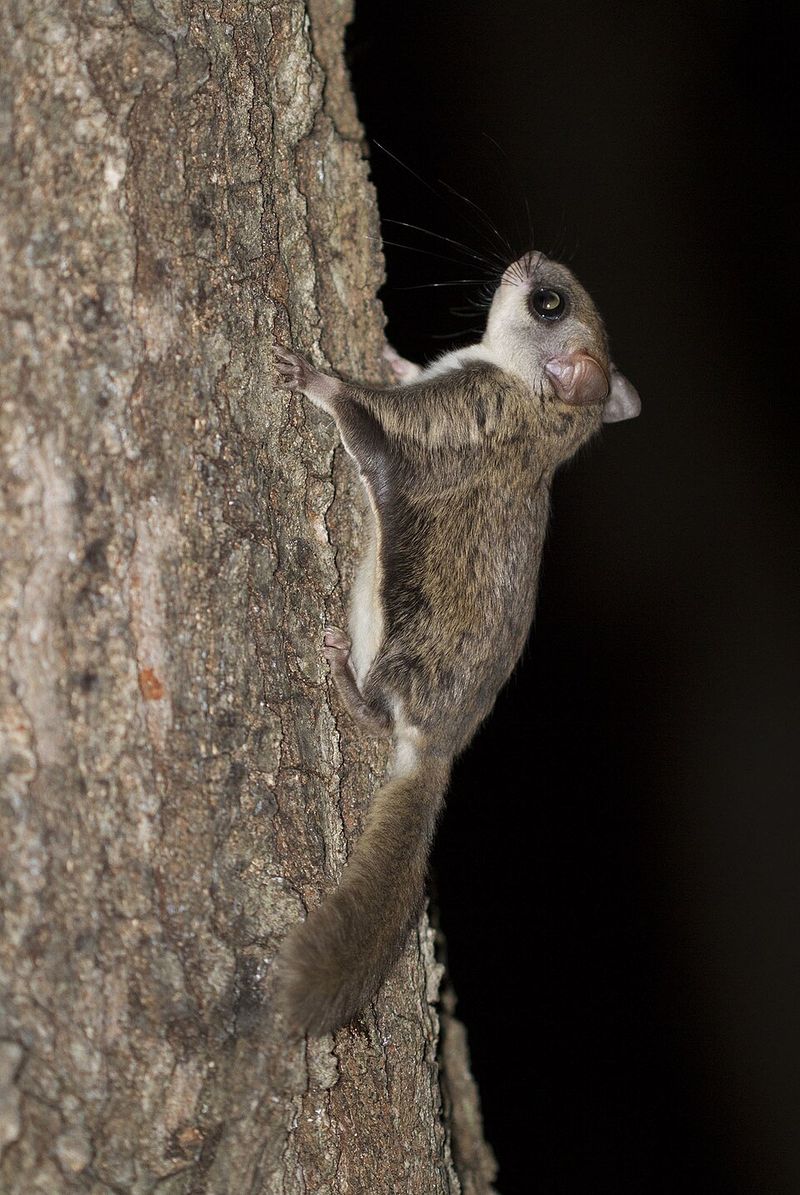
The marble rolling above your ceiling is not a marble. Likely, it’s an acorn. Your surprise tenant is a southern flying squirrel, hoarding acorns in your attic. Picture a furry cape stretching from wrist to ankle.
With that cape spread, your squirrel sails farther than a basketball court. A flattened tail steers and brakes, dropping it onto your shingles with precision.
Shine an ultraviolet flashlight on its fur, and you’ll see it glow pink. Those squeaks you mistook for giggles? Some chatter climbs too high for your ears.
In New Jersey, they thrive across the state, yet you seldom spot them. Winter draws them into cozy groups, so your attic may host the whole clan.
Meanwhile, they nibble wiring, burrow into insulation, and leave messes above you. Before spring brings a fresh litter, you need a New Jersey exclusion plan.
Southern Flying Squirrels Behind The Ceiling Racket
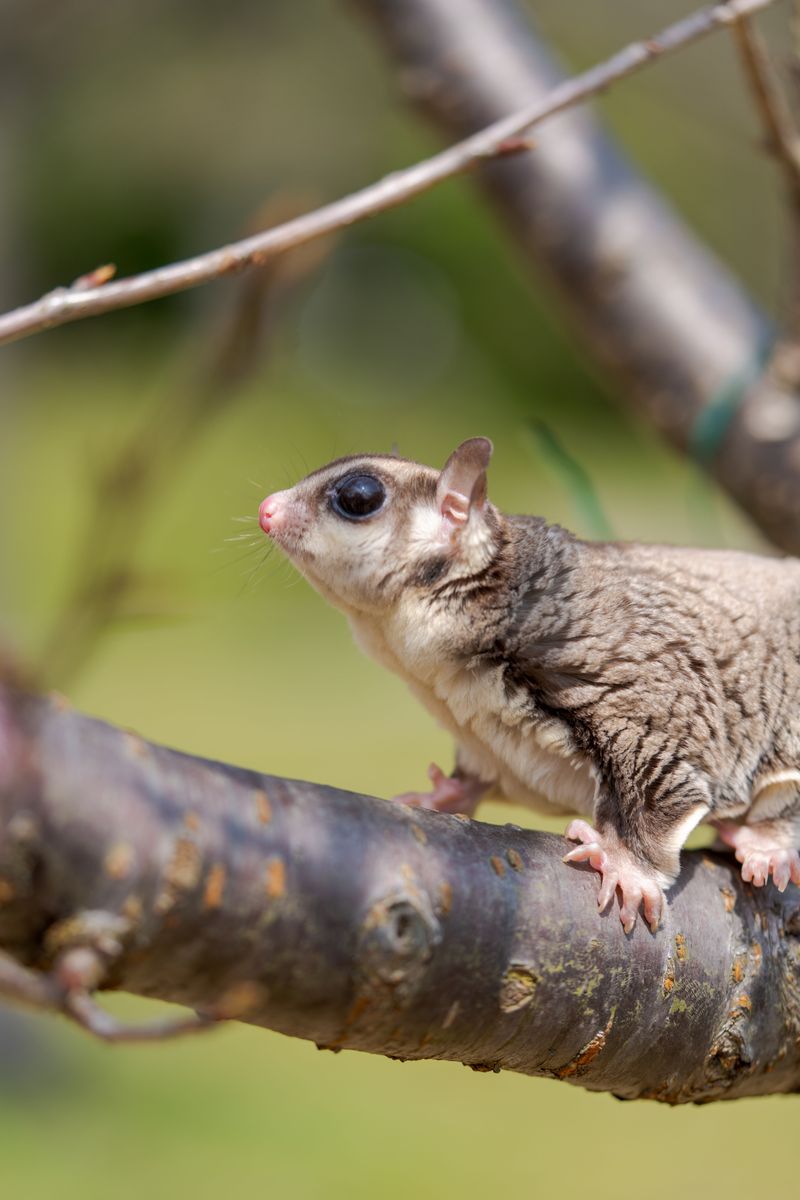
Picture a creature not much longer than a soda can, gliding silently across your backyard like a paper airplane. That tiny pilot is the southern flying squirrel, and it may be living right above you.
Despite the name, these squirrels do not truly fly. Instead, they stretch a furry skin flap between their wrists and ankles, then glide from tree to tree.
Most glides cover 20 to 30 feet, but some stretch longer than 150 feet, about half a football field. Their flat tails work like rudders, helping them steer and brake before landing.
Southern flying squirrels are common across New Jersey, yet many residents never realize they are there. They come out only after dark, so daytime folks rarely spot one.
Their huge black eyes help them see in very low light. Adults weigh about two ounces, roughly the same as a couple of AA batteries.
In your attic, they create a very specific soundtrack. Listen for scampering, rolling nuts, thumps near the walls, and high chirps that sound almost like birds.
Unlike gray squirrels, which get busy in the morning, flying squirrels party at night. Noise that starts around sunset and fades near dawn is a big clue.
Try this simple test tonight by sitting outside near your roofline with a dim red flashlight. You might catch a small shadow sailing in through a gap under the eaves.
Knowing your visitor matters because the right fix depends on the right species. Guessing wrong can waste money and leave the noise going strong.
Warm Attics And The Search For A Winter Den
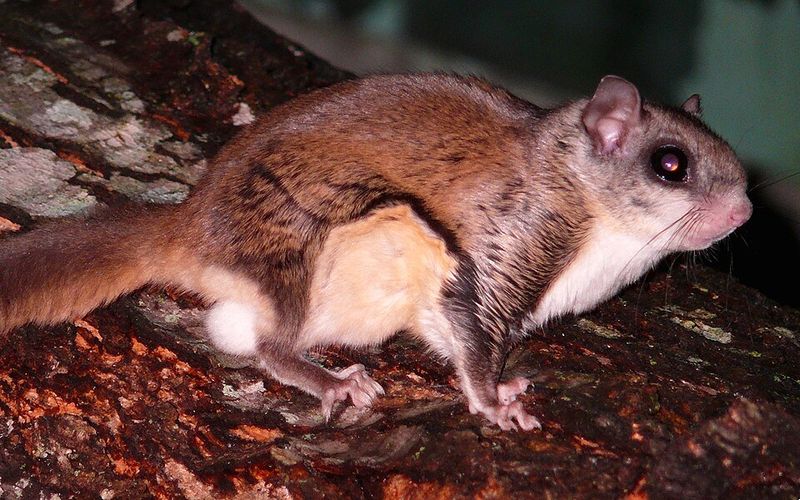
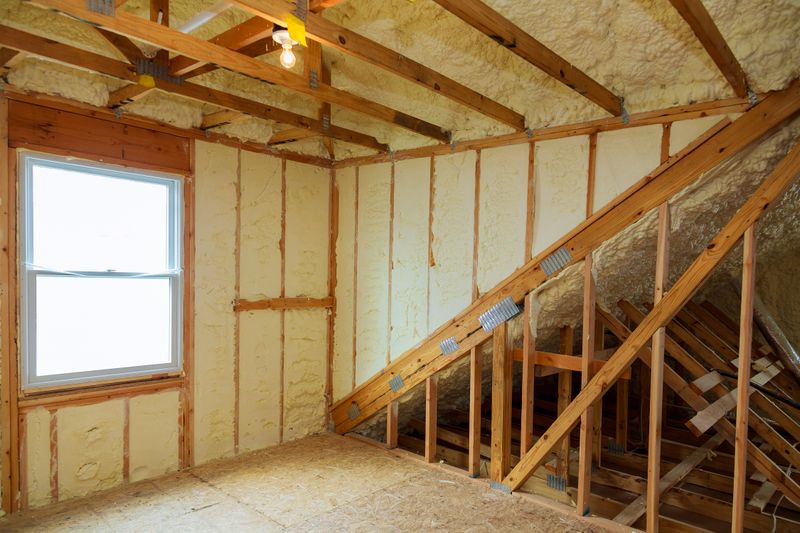
Think like a squirrel for a moment, and your attic starts looking like a five-star hotel. It is dry, dark, quiet, and packed with fluffy insulation for bedding.
In the wild, southern flying squirrels nest in old woodpecker holes and hollow trees. Those spots are cozy, but mature hollow trees can be scarce in developed neighborhoods.
Your house fills that gap nicely, especially if it sits near oaks, hickories, or beech trees. Those trees drop acorns and nuts, which happen to be squirrel favorites.
Your New Jersey Garden Changes Every Week. Your Plan Should Too.
Gardening in New Jersey changes quickly throughout the season. Every Friday you’ll receive a simple weekly plan showing exactly what to plant, prune, fertilize, harvest, and protect so you never miss the right timing.
Getting inside is easier than you might think for such a small animal. A flying squirrel can squeeze through a gap as small as 1 to 1.5 inches wide.
Common entry points include gaps around roof vents, loose soffits, and worn fascia boards. Chimneys and uncapped plumbing vents can also work as doorways.
Here is a surprising fact that explains a lot of noise. Flying squirrels are social and often share one den to stay warm together.
Researchers have found groups of ten or more huddled in a single nest during cold months. In colder months, one squirrel in the attic often means several roommates you have not met yet.
Food storage is another reason your attic appeals to them. They stash nuts in corners and inside walls, like tiny survivalists preparing for a long winter.
Trim branches back from your roof to remove the easiest launch points. Because these squirrels glide so far, trimming helps, but sealing entry points matters much more.
September Nights And The Big Move Indoors
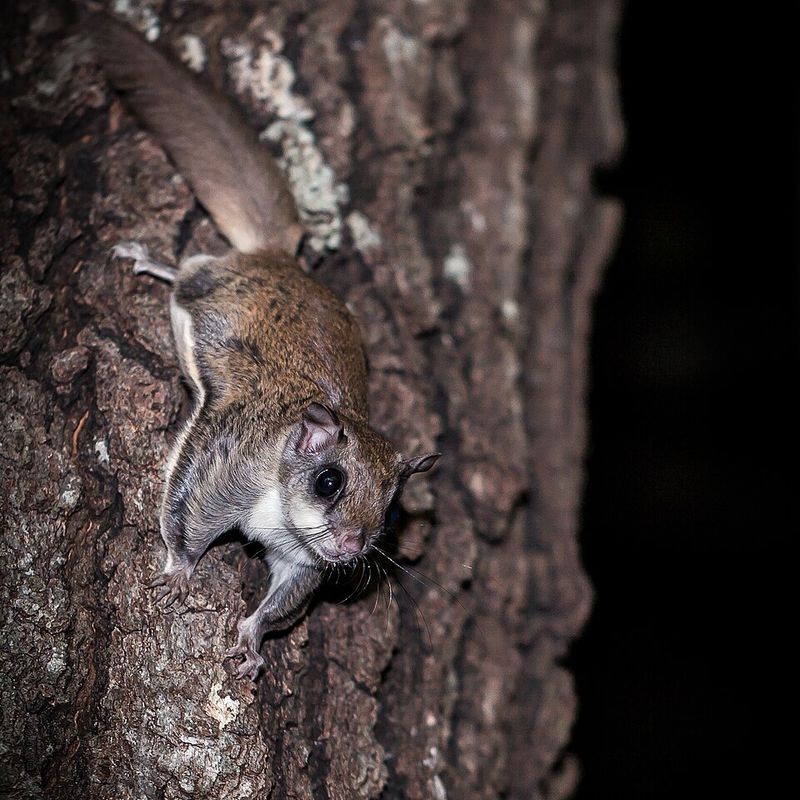
Right about now, as September cools the evenings, the attic action often picks up. It is not your imagination, and the timing is certainly no accident.
Southern flying squirrels usually have two litters a year, one in spring and one in late summer. By September, those summer babies are growing fast and eager to explore.
Young squirrels start practicing glides about two months after birth. That means more thumps, more scrambling, and plenty of clumsy crash landings above your head.
At the same time, adults sense that colder weather is coming. They begin hunting for snug winter shelters and gathering a hefty food supply.
Acorns and hickory nuts drop heavily across New Jersey in early fall. Squirrels grab them by the mouthful and carry them back to their hidden pantry.
Once you hear rolling sounds, you are probably listening to nuts being moved or hidden. It sounds a bit like someone playing tiny bowling in the ceiling.
Early fall is a smart time to act, once any late-summer babies can leave the nest and before the family settles in for winter. Waiting until January can mean dealing with a much bigger, more stubborn crowd.
Keep one caution in mind if you notice activity in late August or September. Very young babies may still be in the nest and cannot leave on their own yet.
A wildlife professional can check for little ones before any eviction begins. Handling this step carefully protects the babies and keeps mom from chewing new holes to reach them.
The Trouble With Traps And Poison
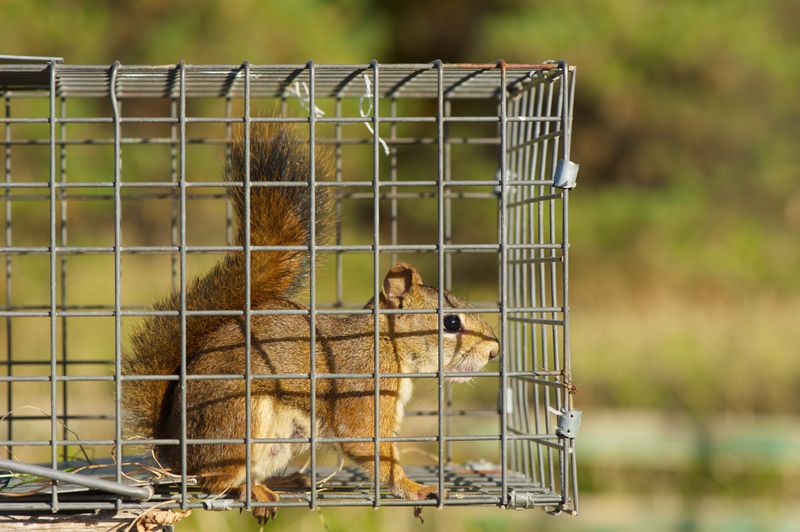
Many frustrated homeowners reach for the quickest fix they can find at the hardware store. Unfortunately, the quick route often turns a small problem into a smelly, expensive mess.
Poison tends to cause the most trouble. A squirrel that eats bait may crawl inside a wall before it passes, and the odor can linger for weeks.
Poisons also threaten pets, owls, hawks, and other wildlife that might eat an affected animal. In New Jersey, state wildlife rules limit how homeowners can trap or remove wildlife, so check with the NJ Division of Fish and Wildlife or hire a licensed wildlife control operator.
Traps come with their own headaches. Catching one or two squirrels rarely solves anything because the rest of the group stays behind.
Relocating them far away sounds kind, but it rarely ends well for the animal and may require a permit. Moved squirrels often struggle to find food and shelter in unfamiliar territory.
Another common slip is sealing every hole right away while the squirrels are still inside. Trapped animals panic and chew new exits, sometimes straight into your living space.
Mothballs and ultrasonic gadgets get plenty of hype online, but flying squirrels tend to ignore them. Using mothballs against wildlife also goes against their label directions, and the fumes can irritate people living below.
Loud radios and bright lights might bother them for a night or two. Sooner or later, these clever little gliders get used to the fuss and ignore it.
Save your money and your patience by skipping these tricks. A calm, planned approach works far better than a panicked shopping spree.
Your nose, your wallet, and your neighborhood owls will all thank you. Honestly, fewer shortcuts mean fewer regrets.
One-Way Doors And A Gentle Eviction
Imagine a door that lets your guests leave but locks them out when they try to return. That clever gadget is the secret weapon wildlife pros use against flying squirrels.
The process starts with a slow, careful inspection of your roof, vents, and soffits. Any gap wider than about 1 inch gets marked, because these animals find even small openings.
Next, all openings except the main entry get sealed with sturdy materials. Steel mesh, metal flashing, and hardware cloth work well since squirrels chew through wood and foam.
Over the main hole, the expert installs a one-way exclusion door or tube. Squirrels head out at night to feed, then cannot find their way back inside.
The door usually stays in place for about a week. That window gives every single member of the group a chance to exit safely.
Once the attic is quiet, the door comes off and the final hole gets sealed tight. Many companies also add a warranty in case anyone sneaks back.
Cleanup after exclusion matters more than many homeowners expect. Squirrel droppings and urine can soak insulation, leaving odors and attracting other pests.
Wear gloves and a mask if you remove soiled insulation yourself. Better yet, hire a crew with the right safety gear, since droppings can carry germs.
Flying squirrels in the eastern United States can carry a type of typhus, though human cases are rare. Careful cleanup keeps your family on the safe side.
A Sealed House And Peaceful Nights Ahead
Nothing beats that first silent night after months of mystery thumps overhead. Keeping it that way takes a little effort, but the payoff is sweet, uninterrupted sleep.
Start with a walk around your house every fall, ideally in September before the big move. Look up at the roofline with binoculars and scan for gaps, chew marks, or stains.
Dark smudges around a hole often mean animals have been rubbing past it. Fresh chew marks look lighter than the surrounding wood.
Cap your chimney and cover roof vents with sturdy metal screening. Replace rotted fascia boards quickly, because soft wood is basically an open invitation.
Tree care plays a huge role too. Keep limbs trimmed back from the house to cut down on easy launch points near your roof.
Bird feeders can draw flying squirrels close to your home at night. Try moving feeders farther into the yard or bringing them in after sunset.
Here is a fun twist for nature lovers. You can hang a nest box on a distant tree, offering them a cozy sublet.
Watching them glide from a safe distance is far more fun than hearing them overhead. Some families even set up trail cameras to catch their midnight acrobatics.
Protecting your home does not mean disliking these charming little neighbors. It simply means everyone gets their own address, and you finally get your ceiling back.
Mark your calendar for a yearly roof check each September. A few minutes with a ladder and flashlight can spare you another season of midnight bowling.