9 Tidewater Virginia Fall Yard Problems Piedmont Gardeners Face Differently
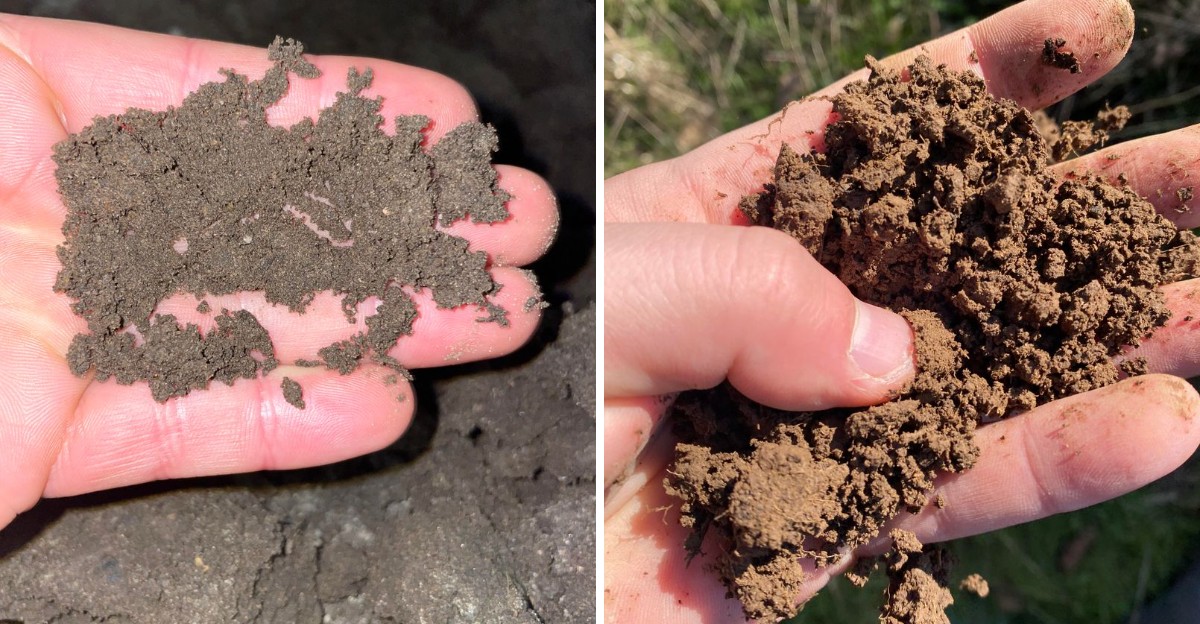
Virginia yards can behave very differently. A Tidewater yard may struggle with sandy soil and drainage, while a Piedmont yard can face heavier soil and different moisture patterns.
Fall has a way of exposing those differences. What works in one region may not work the same way in another.
Neighbors may share confident advice over the fence, but local conditions matter. Soil, drainage, wind, and water can all change how your yard responds.
Knowing how your own yard behaves can save money and avoid wasted work. Learn the fall problems common in one region and how they differ in the other.
1. Sandy Tidewater Soil Dries Faster After Fall Planting
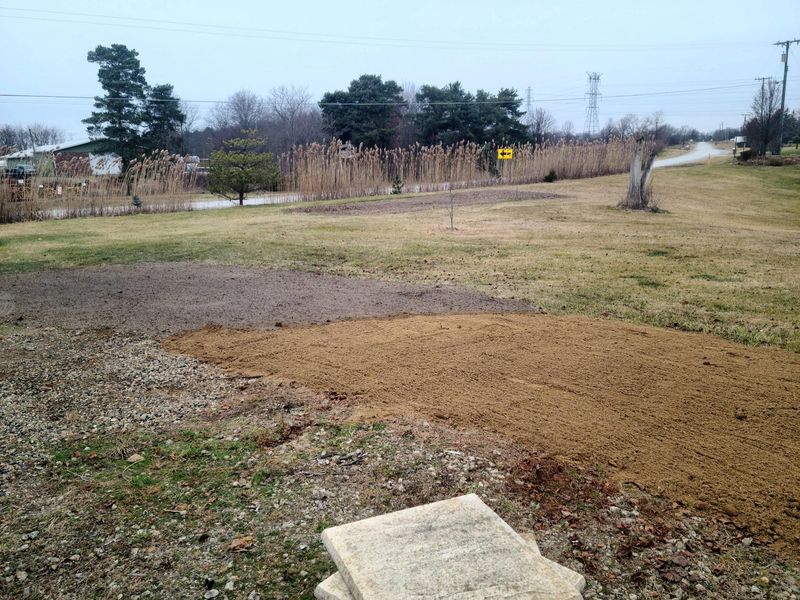
Scoop a handful of Tidewater ground and it often crumbles apart like damp beach sand. That gritty texture comes from ancient marine sediments left behind by the coastal plain.
Water slides between those large particles quickly, heading down past thirsty young roots. A soaking rain on Monday can feel like a distant memory by Wednesday afternoon.
New fall plantings in this region usually need checking every two or three days. Push a finger two inches into the soil and judge moisture by feel.
Deep, slow watering beats quick sprinkles because it encourages roots to chase moisture downward. Shallow sips train roots to loiter near the surface, where things dry out fastest.
Two or three inches of shredded bark mulch works like a lid on the soil. Keep it pulled back slightly from trunks so bark stays dry and healthy.
Compost mixed into planting beds gives sandy ground something to hold water with. Organic matter acts like tiny sponges scattered through an otherwise loose, fast-draining mix.
Fun bit of history: much of this sand was once an ocean floor. Plants growing there today are basically gardening on a very old beach.
Drip lines or soaker hoses deliver steady moisture without wasting water to coastal breezes. Set a simple timer and let autumn handle the rest of the schedule.
Group new shrubs with similar water needs so one hose run serves them all. Your back will thank you, and so will every plant getting settled before winter.
2. Clayey Piedmont Soil Holds More Fall Moisture
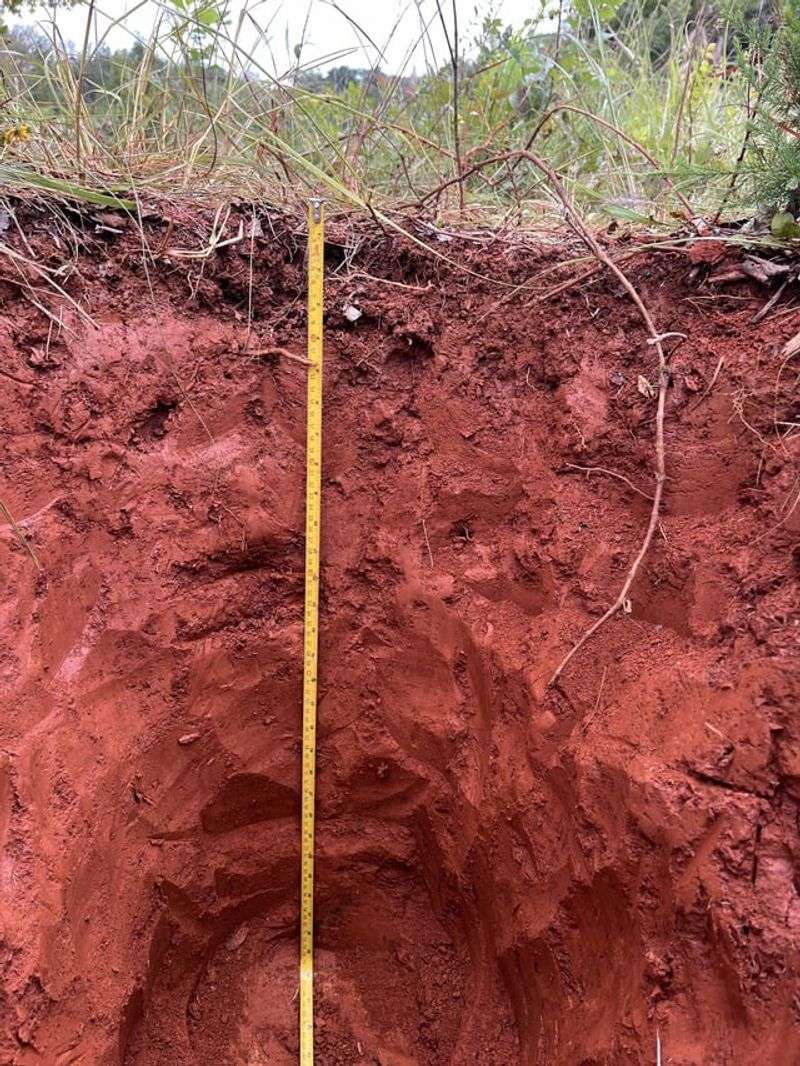
Red clay has a stubborn habit of sticking to boots, shovels, and personal dignity alike. Piedmont Virginia soil is packed with particles so fine they cling together tightly.
Those tiny particles trap water and release it slowly over many days. After a fall storm, beds can stay damp long after the sky clears.
Holding moisture sounds wonderful until plant roots sit in soggy ground for a full week. Air pockets disappear, and roots need oxygen just as much as they need water.
Watering schedules that suit sandy coastal yards will drown plants in Piedmont clay. Check moisture first, then water only when the top few inches feel dry.
Planting holes deserve extra attention here, since smooth sides can glaze over like pottery. Rough up the walls with a fork so roots can push outward freely.
Setting root balls slightly high, about an inch above grade, helps excess water escape. Mound soil gently around the edges rather than burying the crown too deeply.
Your Virginia Garden Changes Every Week. Your Plan Should Too.
Gardening in Virginia changes quickly throughout the season. Every Friday you’ll receive a simple weekly plan showing exactly what to plant, prune, fertilize, harvest, and protect so you never miss the right timing.
Clay carries a hidden gift, since it holds nutrients better than loose sand. Feeding is less frequent, which saves both money and a few Saturday hardware store errands.
Cool spring soil warms slowly in these dense beds, delaying early season growth. Fall planting gives roots a head start while the ground stays comfortably warm.
Compost, leaf mold, and pine fines improve structure better than sand ever could. Adding sand to heavy clay can create something uncomfortably close to backyard concrete.
3. Poor Drainage Creates Bigger Problems In Wet Sites
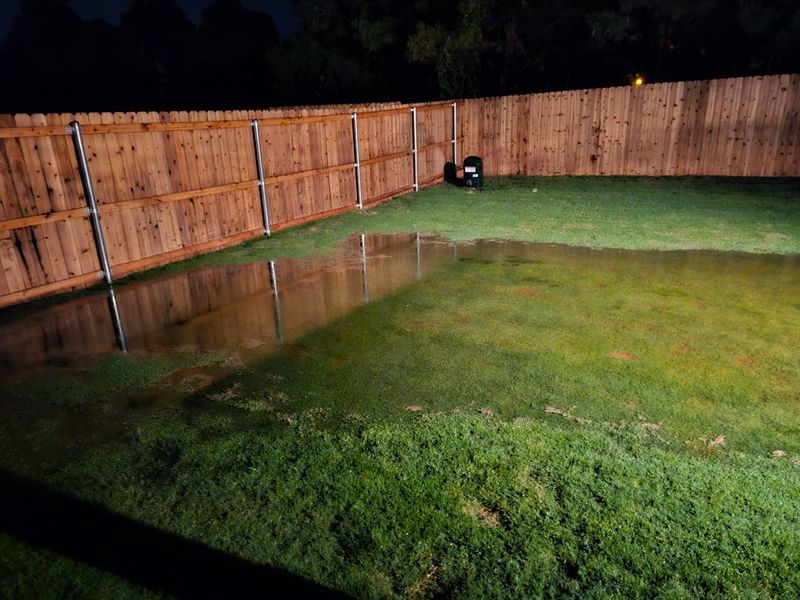
Standing water after a storm is your yard waving a small red flag at you. Puddles that linger more than a day signal drainage trouble underneath the surface.
Roots sitting in saturated soil lose access to oxygen within a short time. Stressed plants then become easy targets for rot organisms already living in the ground.
Low-lying Tidewater neighborhoods face an extra wrinkle called a seasonally high water table. Groundwater rises close to the surface in autumn, leaving little room for drainage.
Piedmont yards run into the same wall, just from a different direction entirely. Dense clay slows water movement, so autumn rain lingers right in the root zone.
A simple percolation test tells you plenty for the price of one afternoon. Dig a foot-deep hole, fill it with water, and time how fast it empties.
Raised beds solve stubborn wet spots better than most expensive drainage gadgets do. Eight inches of lift can change a soggy problem area into a productive bed.
French drains, swales, and rain gardens redirect water instead of fighting it head on. Wet-loving natives like inkberry and swamp milkweed turn a problem into a feature.
Downspouts dumping beside the foundation cause more soggy yards than weather ever does. Extend them ten feet away and watch that stubborn mushy corner slowly improve.
Grading matters too, since ground should slope gently away from your house. A quarter inch of fall per foot keeps water moving where it belongs.
4. Coastal Winds Increase Stress On New Plantings
Wind off the Chesapeake carries salt spray farther inland than most folks expect. Tidewater plantings feel that steady push every single week of autumn.
Constant breeze pulls moisture from leaves faster than roots can replace it. Young transplants with small root systems struggle hardest during those breezy stretches.
Salt spray burns leaf edges, leaving brown margins that look like scorching. Rinsing foliage with fresh water after big storms washes much of it away.
Wind also rocks new trees, creating a widening gap around the trunk base. That loose collar lets air reach roots and dries them out quickly.
Staking helps for the first season, but leave a little flexibility in the ties. Slight movement builds stronger trunk tissue, much like exercise builds muscle.
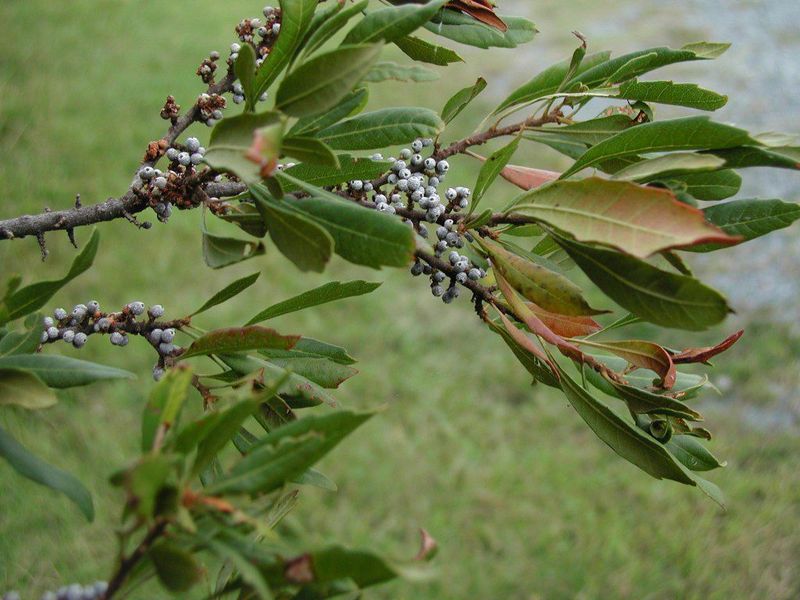
Layered windbreaks work wonders along exposed property lines and open backyards. Wax myrtle, eastern red cedar, and yaupon holly shrug off salty gusts.
Native choices generally handle coastal conditions better than fancy imported nursery selections. Bayberry, live oak, and switchgrass evolved right here with wind in mind.
Gardeners here deal with wind too, though usually without the salt factor. Ridge tops and open farmland can funnel surprisingly strong gusts across a yard.
Mulch rings and temporary burlap screens buy tender plants time to settle. One season of shelter often decides whether a shrub thrives or sulks.
Watering deeply before a windy cold snap protects roots better than any spray. Moist soil holds warmth and keeps thirsty leaves supplied through the gusts.
5. Fall Lawn Choices Differ Across Regions

Two lawns, two playbooks, and one very confused homeowner moving across the state. Grass type drives nearly every fall decision you make about your turf.
Tidewater Virginia leans warm-season, with Bermudagrass and Zoysiagrass covering a great many yards. Centipedegrass and St. Augustinegrass also hold their own in that eastern heat.
Piedmont lawns usually feature Tall Fescue, sometimes blended with a little Kentucky Bluegrass. Fine fescues fill shady corners where sun-loving varieties tend to thin out.
Cool-season grasses treat September and October as their two favorite growing months. September and October are key months for seeding, feeding, and aerating cool-season lawns.
Warm-season lawns take the opposite view and start winding down for rest. Overseeding them during fall usually creates competition rather than a thicker, greener stand.
Seeding dates matter more than most homeowners realize across both regions. Fescue seeded late in the fall has less time to establish a strong root system before cold weather arrives.
Mowing height shifts too, since fescue prefers three inches or slightly taller. Bermudagrass stays much shorter, often near one inch through the active growing season.
A quick soil test from your local extension office removes plenty of guesswork. Results arrive with clear recommendations for lime and fertilizer amounts for your yard.
Fall is also prime time for controlling weeds while grass is actively growing. Timing your product to the grass type keeps results strong and damage low.
Knowing which grass you own beats copying whatever your neighbor happens to do. Two blocks can hold two different lawn types with two different needs.
6. Warm Season Turf Changes The Tidewater Fall Routine
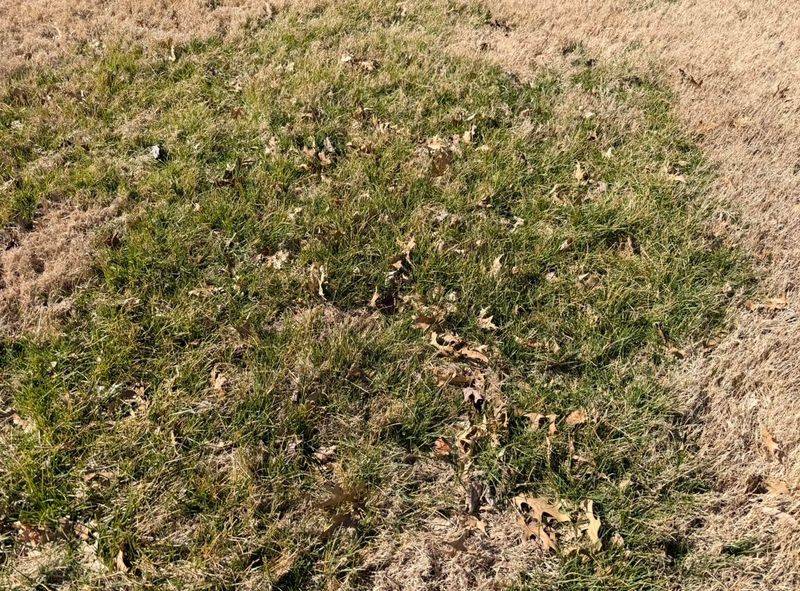
Bermudagrass turning brown in November startles newcomers who assume something has gone wrong. Dormancy is simply a long nap, not a problem needing emergency treatment.
After the first hard frost, Tidewater warm-season lawns shift into rest mode. Color fades to soft tan, and growth slows until warm weather returns.
Fertilizer timing changes dramatically compared with cool-season Piedmont lawns up the road. Late nitrogen pushes tender growth that cold weather can easily damage.
Aim to finish nitrogen feeding about a month before your area’s expected first frost for bermudagrass or St. Augustinegrass. For zoysiagrass and centipedegrass, fertilize during their active growing season and follow soil-test recommendations.
Mowing continues until growth truly stops, then you can park the mower. Leaving blades slightly taller going into winter shelters crowns from cold winds.
Overseeding with annual ryegrass gives winter color, though it comes with tradeoffs. Spring competition can slow your warm-season grass right when it wakes up.
Fallen leaves smother dormant turf faster than many homeowners tend to expect. Mulch them with the mower and let the pieces feed your soil.
Weed control shifts too, since winter annuals sprout while your lawn naps. A pre-emergent application in early fall stops many of them before germination.
Foot traffic on dormant turf leaves marks that stick around until spring. Give the lawn a break during those quiet brown months if possible.
Watering drops way down once dormancy settles, but give dormant turf some moisture during prolonged dry spells.
7. Compacted Piedmont Soil Can Slow Root Growth
Push a screwdriver into your lawn and see how far it travels. If it stops after two inches, compaction is quietly limiting your plants.
Piedmont clay compacts easily because those fine particles pack together like stacked plates. Foot traffic, mowers, and construction equipment press out the air spaces roots need.
Roots cannot push through tight soil, so they circle near the surface instead. Shallow roots mean thirsty plants during the first dry stretch of summer.
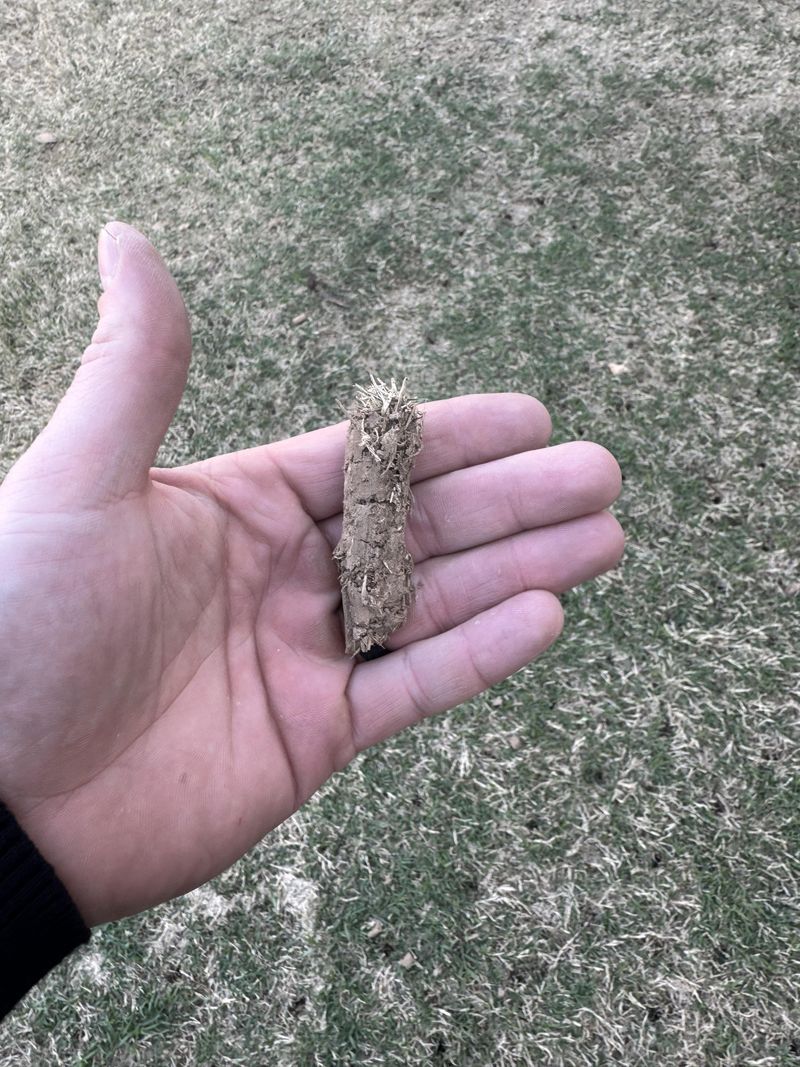
Core aeration pulls plugs of soil out and leaves room for air. Fall works well for Piedmont fescue lawns recovering from a hot summer.
Topdressing with a thin layer of compost after aeration doubles the benefit. Organic matter filters down into the holes and slowly improves structure below.
Earthworms do surprising amounts of tunneling once organic matter becomes available. Feed the soil life well and it will loosen the ground for you.
Avoid working wet clay, since squeezing saturated soil makes compaction much worse. Wait until a handful crumbles rather than smearing between your fingers.
Stepping stones and mulched paths keep traffic off planting beds year round. Designating walkways protects soil structure far better than repeated repair work later.
Tidewater sand compacts too, though usually less stubbornly than Piedmont clay. Both regions benefit from adding a fresh layer of organic matter each autumn.
Deep-rooted cover crops like daikon radish drill natural channels through packed ground. Nature does the digging while you sit inside with warm coffee.
8. Coastal Plain Soils Need Careful Nutrient Management
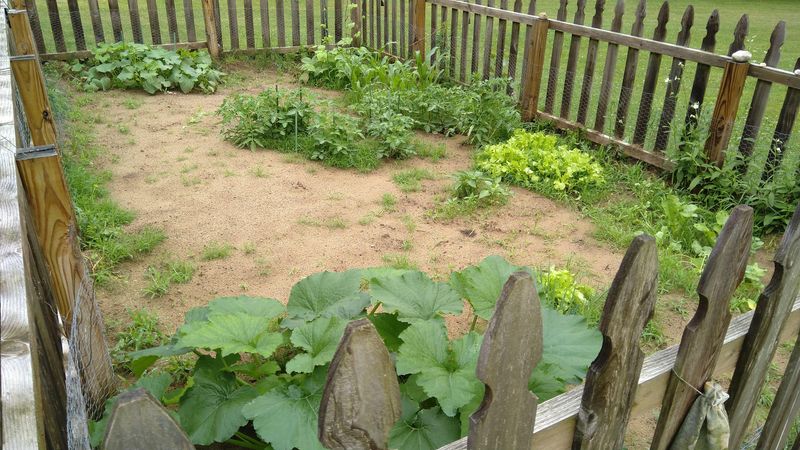
Fertilizer in Tidewater sand behaves a bit like water in a colander. Nutrients wash downward quickly instead of waiting politely for roots to find them.
Coastal Plain soils carry low cation exchange capacity, a mouthful worth understanding. Simply put, the soil holds fewer nutrients on its particles than clay does.
Nitrogen leaches fastest, slipping past the root zone after heavy autumn rain. Phosphorus generally stays put, while potassium can also leach from sandy soil, so soil testing helps determine what your lawn actually needs.
Split applications solve most of the problem without extra product or expense. Two or three smaller feedings beat one heavy dose every single time.
Slow-release formulas meter nutrients out gradually, matching how plants actually use them. Look for coated or slow-release nitrogen sources on the label before buying.
Soil testing through Virginia Cooperative Extension costs little and removes the guesswork. Results include pH readings, which matter more than most people assume.
Sandy coastal ground often runs acidic, and lime corrects that over time. Wrong pH locks up nutrients even when plenty sit in the ground.
Compost improves holding capacity, giving those loose particles something to grab onto. Each year of steady amending makes the following growing season noticeably easier.
Nearby waterways benefit when fertilizer stays in your yard instead of running off. The Chesapeake Bay watershed appreciates every careful gardener out there.
Timing matters as much as amount, so feed when plants are actively growing. Nutrients applied to sleeping plants mostly take a trip toward groundwater.
9. Local Drainage Patterns Shape Fall Yard Care
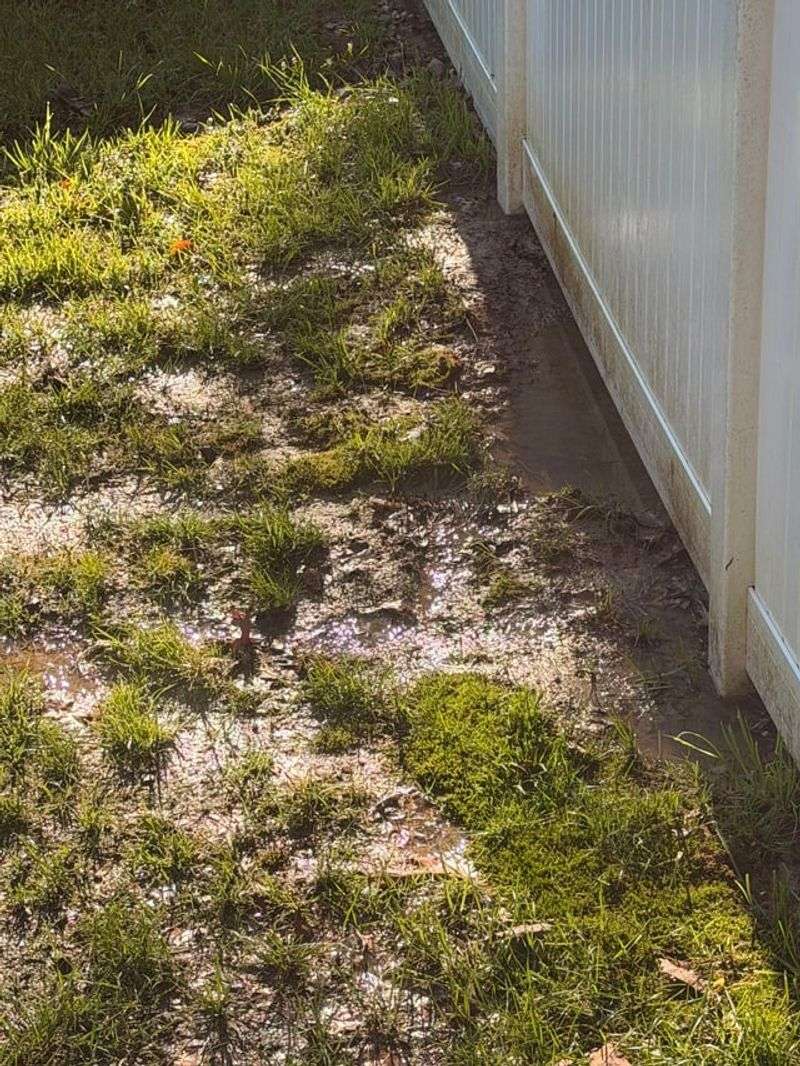
Every yard has a personality, and drainage writes most of that story. Two houses on one street can handle rainfall in surprisingly different ways.
Walk outside during the next steady rain and watch where water travels. Fifteen minutes of observation teaches more than an hour of online reading.
Piedmont clay holds water, so beds stay damp for days after storms. Tidewater sand drains within hours, sending you back out with the hose.
Slope, tree cover, and past construction all shift how a single yard drains. Builders often strip topsoil, leaving subsoil that behaves nothing like natural ground.
Map your wet and dry zones on paper before buying another plant. Matching species to conditions saves more plants than any fancy product will.
Downhill corners collect runoff and suit moisture-loving natives like river birch. Upper slopes dry quickly and reward tough choices such as little bluestem.
Fall planting timing follows drainage closely across both regions. Well-drained spots can be planted later, while soggy areas need earlier attention.
Gutters, driveways, and patios redirect huge volumes of water during a storm. A single downspout can flood one bed while starving the bed beside it.
Rain barrels capture that runoff and hand it back during dry weeks. Free water, less erosion, and a smaller bill sound like a fair trade.
Keep a simple notebook of soggy spots and dry patches through the season. Next autumn, your own notes will outperform any general advice you find.