What Freezing Nights Do To Michigan Jack-O’-Lanterns And The Right Way To Compost Them
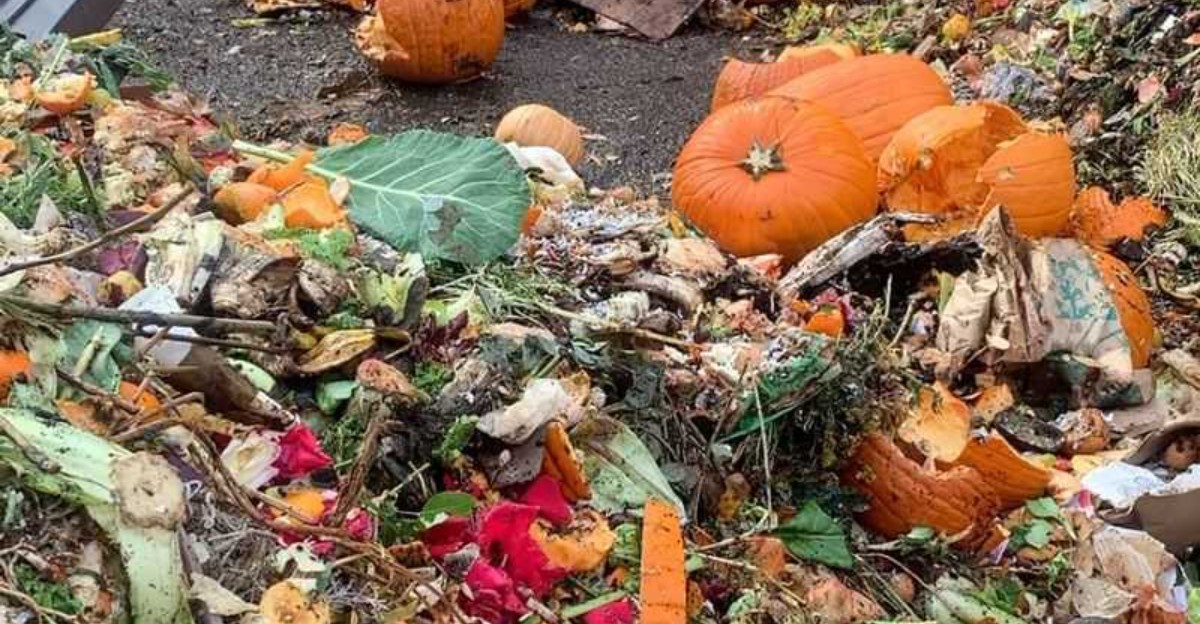
The pumpkin that smiled on the porch on Halloween looks very different after a hard freeze. The face sags, the skin wrinkles, and one cold night can turn firm flesh into slush. Most people see a mess and send it to the curb. Gardeners see a decision.
A frozen pumpkin breaks down differently from a fresh one, and Michigan’s cold changes how fast it rots, who visits it, and what it leaves behind. Candle wax, paint, and glitter complicate things.
So do seeds, which have a surprising habit of showing up again in spring. Some methods make rich compost, and others attract rats to the yard for the whole winter.
A few small details decide which result you get, and the order of the steps matters most.
1. Freezing Turns Pumpkins To Mush
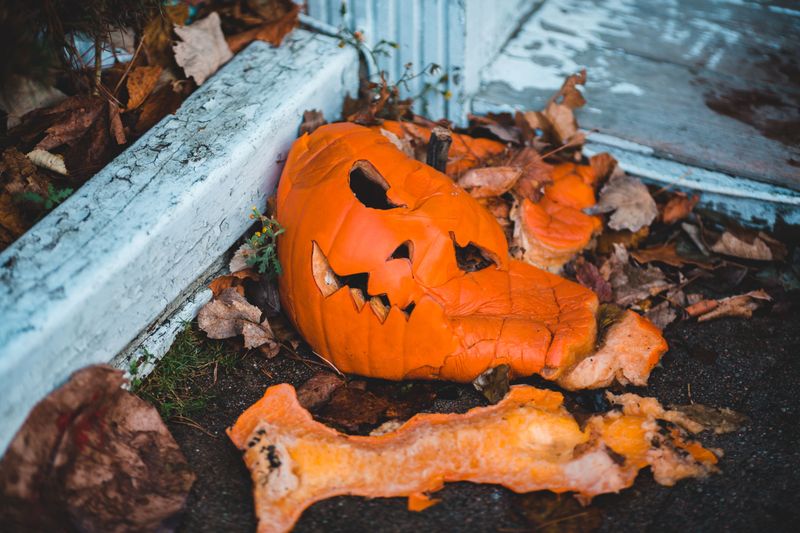
Your jack-o’-lantern looked fierce on Halloween eve, but one frosty Michigan morning can leave it slumped like a deflated balloon. The reason sits right inside the pumpkin.
About 90 percent of a pumpkin is water, and that water behaves in a surprising way when temperatures drop.
Water expands as it freezes. Inside the pumpkin flesh, tiny ice crystals form and push against the walls of every cell, tearing many of them open.
You cannot see the damage while the pumpkin is still frozen, because the ice holds everything stiff and firm.
Trouble shows up once the sun warms things again. With the cell walls broken, the juice inside leaks out, and the flesh loses its firm structure.
The pumpkin turns soft, watery, and starts to sag, often caving in around the carved eyes, nose, and mouth first since those thin edges have the least support.
So what should you expect after a hard freeze? Within a day or two, a carved pumpkin often looks shriveled, sunken, or slimy.
The skin may wrinkle, the grin may droop, and the inside can feel mushy when you touch it. A light frost does less harm, but a night in the mid-20s usually does serious damage.
Michigan makes this lesson extra useful. Hard freezes are common across much of the state by late October and early November, and northern areas and the Upper Peninsula often see them even sooner.
Checking the overnight forecast during Halloween week gives you a heads-up, so a surprise cold snap never catches your carving masterpiece off guard.
2. Freeze And Thaw Cycles Speed Up Rot
Michigan weather loves to play tricks in late October. A morning might start at 28 degrees, and by lunch you could be raking leaves in a light sweater at 55. People enjoy those mild afternoons, but your pumpkins pay the price.
Every freeze breaks more cells inside the flesh. When the pumpkin warms up again, that damaged tissue becomes an open buffet for mold and bacteria.
They move in fast, feeding on the soft, sugary flesh and spreading fuzzy spots and slimy patches far quicker than they would on a firm pumpkin.
Your Michigan Garden Changes Every Week. Your Plan Should Too.
Gardening in Michigan changes quickly throughout the season. Every Friday you’ll receive a simple weekly plan showing exactly what to plant, prune, fertilize, harvest, and protect so you never miss the right timing.
One freeze is bad enough, yet several cycles in a row can turn a carved pumpkin into a mess within days. A jack-o’-lantern kept cool and steady, around 50 to 60 degrees, breaks down much more slowly. Steady temperatures are the secret.
Want your carving to last until trick-or-treaters arrive? Keep an eye on the forecast, and on nights when a hard freeze is expected, carry your pumpkin into the garage, a mudroom, or onto a covered porch.
Setting it back out the next afternoon takes only a minute and can add several good days to its life.
Uncarved pumpkins deserve the same care. A whole pumpkin with an intact skin can last for weeks, or even a couple of months, when kept somewhere cool and dry. Freezing temperatures cut that time short, so tuck them away from frosty nights too.
For busy Michigan families, a simple habit helps: check the weather app at dinnertime. A quick glance tells you whether the pumpkins need a sleepover inside.
3. Skip Bleach And Sealants If You Plan To Compost
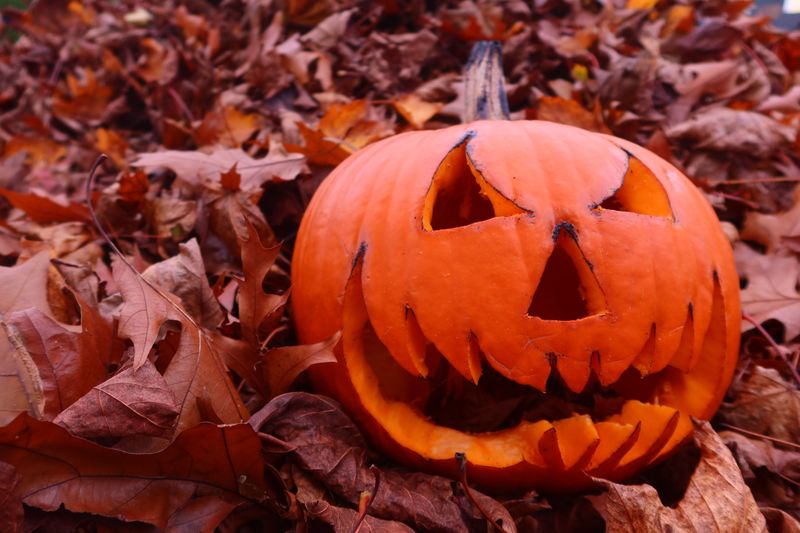
Plenty of pumpkin carvers swear by little tricks to keep their creations fresh. Some rub petroleum jelly on the cut edges, while others spray the inside with a bleach solution or coat the whole thing in a clear sealant.
These methods can slow rot for a few days, so they sound tempting. Here is the catch. Your compost pile depends on billions of helpful living things, including bacteria, fungi, earthworms, and tiny bugs.
Bleach is made to wipe out microbes, and that is exactly the crew you need to turn scraps into soil.
Petroleum jelly and spray sealants bring their own problems. They are made from oil-based or synthetic ingredients that do not belong in garden soil, and they can coat pumpkin pieces so microbes have a harder time breaking them down.
Nobody wants those leftovers mixed into the bed where next summer’s tomatoes will grow.
A simple rule keeps things easy. If you plan to compost your jack-o’-lantern, skip chemical preservatives entirely and enjoy it for its natural lifespan.
Keeping it cool and out of direct sun is a safe way to stretch its time on the porch. Already treated your pumpkin? No worries at all.
Pumpkins coated with sealants, painted with craft paint, or sprinkled with glitter should simply go in the trash instead of the compost bin.
Michigan gardeners know good soil is worth protecting, especially with our short growing season. Clean, untreated pumpkins make the richest compost, packed with nutrients that help flowers and vegetables thrive once the snow finally melts.
4. Remove Candles, Wax, And Decorations First
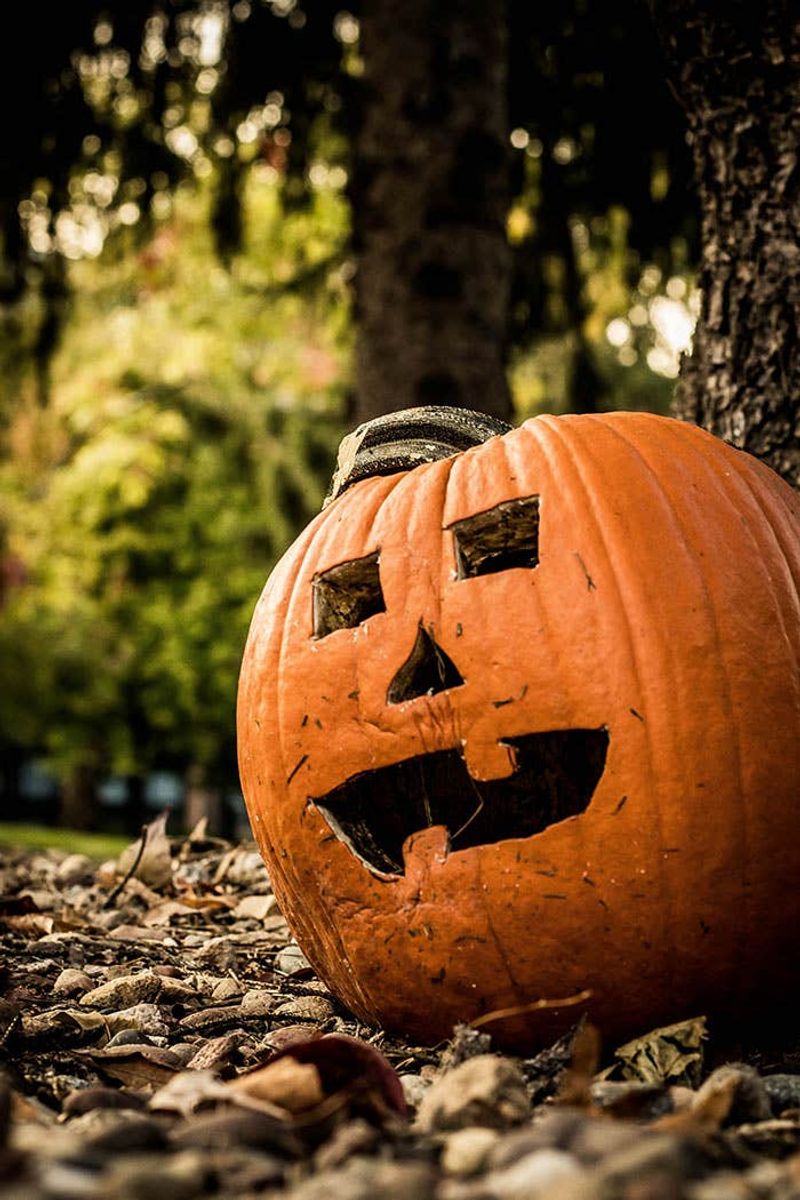
Think back to Halloween night. Your pumpkin probably glowed with a flickering candle or a battery light, and maybe the kids added googly eyes, marker designs, or a plastic witch hat for fun. All of that made it charming, but much of it cannot go into compost.
Candle wax, the little aluminum or plastic tea light cups, plastic pieces, paint, glitter, and marker ink will not break down in a compost pile. Instead, they sit there for years or leave behind bits you will find later in your garden beds.
Tiny glitter flecks are especially sneaky and hard to remove once mixed in. Cleaning up takes just a few minutes. Start by pulling out any candles, tea lights, or LED lights, and save the battery lights for next year.
Next, use a spoon or butter knife to scrape away wax drips stuck to the bottom and sides. After that, check the outside carefully. Pull off stickers, pins, toothpicks with decorations, and anything plastic.
If a pumpkin was painted, colored with marker, or covered in glitter, set it aside for the trash rather than trying to clean it.
A handy tip is to lay down newspaper or an old tray while you work. Wax flakes and small pieces stay in one spot, so cleanup goes quickly.
In many Michigan homes, pumpkin carving is a big family event, complete with candles on the porch and craft supplies on the kitchen table. Getting everyone to help strip the decorations makes a nice end to the season and keeps your compost clean.
5. Smash Or Chop Them Into Pieces
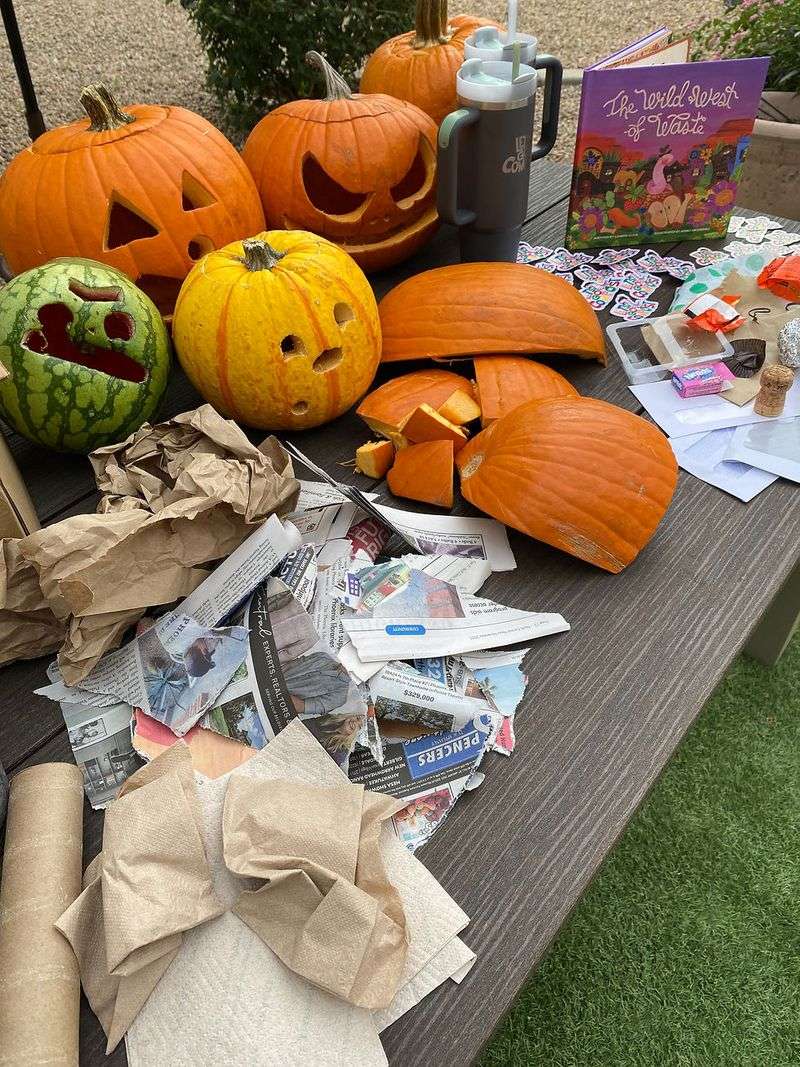
Kids rarely get permission to smash things, so this step tends to be everyone’s favorite. Breaking up your old jack-o’-lantern is not just fun, though. It makes a real difference in how fast the pumpkin turns into compost.
A whole pumpkin has a tough outer skin that protects the flesh inside. Microbes in your compost pile work from the surface inward, so a big round pumpkin can sit for months with only its outside softening.
Smaller pieces expose much more surface area, giving those hungry microbes many more places to get to work.
Getting started is simple. Spread an old tarp on the ground and drop or stomp the pumpkin until it cracks apart.
You can also chop it with the edge of a flat shovel or a sturdy spade, aiming for chunks about the size of your fist or smaller.
Seeds deserve a quick thought. Pumpkin seeds often survive the compost pile and sprout as surprise volunteer plants next summer.
Some gardeners love that bonus, but if you would rather avoid a pumpkin jungle, scoop out the seeds first and roast them for a crunchy snack.
Once your pieces are ready, dig a hole into the center of your compost pile and mix them in. The middle stays warmer than the edges, which helps everything break down faster.
Michigan winters slow composting almost to a stop when piles freeze solid. Smaller chunks get a head start before deep cold arrives, and they finish breaking down sooner once spring thaws the pile again.
6. Balance Them With Plenty Of Fall Leaves
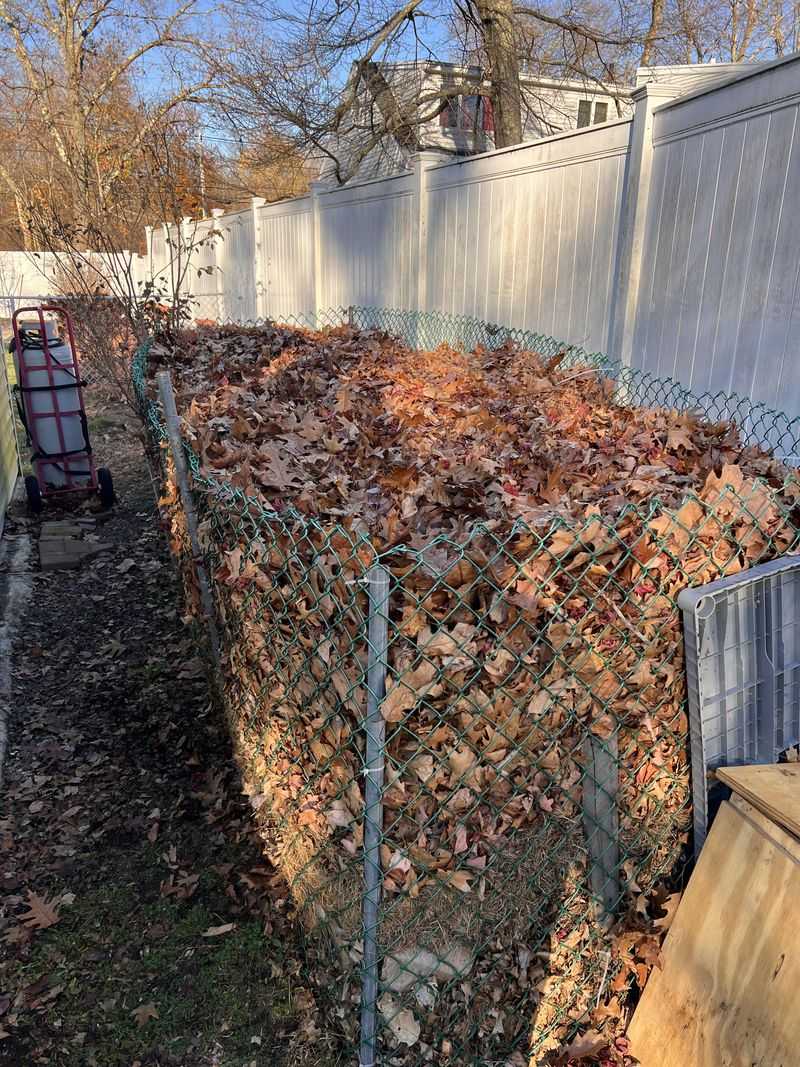
Good compost works a lot like a balanced meal. Gardeners talk about greens and browns, and getting the mix right makes the difference between rich, earthy soil and a smelly, slimy heap.
Pumpkins count as greens. They are wet and full of nitrogen, which feeds the microbes but can turn soggy and sour if piled up alone.
Browns, such as dry leaves and straw, bring carbon, soak up extra moisture, and let air move through the pile so it breaks down the right way.
Aim for two to three times as much brown material as pumpkin. Start with a layer of shredded leaves, add a layer of chopped pumpkin, then cover it with more leaves.
Shredded leaves work best because whole ones tend to mat together, and running a lawn mower over a leaf pile does the job quickly.
Animals may come sniffing around, too. Raccoons, squirrels, and skunks enjoy a pumpkin snack, so bury the pieces in the center of the pile and cover them well with leaves. Hidden pumpkin is much less tempting.
Turning the pile adds air and speeds things up. Give it a stir with a pitchfork every couple of weeks while it is not frozen, and let it rest once winter locks it up.
Timing in Michigan could not be better. Maples, oaks, and other trees drop their leaves right around Halloween, so the perfect partner for your pumpkin practically falls into your yard. Save a few extra bags of leaves for adding more browns through the winter.
7. Use Community Programs If You Don’t Compost
No compost pile? You still have great choices for your jack-o’-lantern. Tossing it in the trash is easy, but it is far from the best option for the planet.
Pumpkins sent to a landfill get buried under heaps of garbage with very little air. Without oxygen, they break down slowly and release methane, a greenhouse gas that traps much more heat than carbon dioxide.
Composting does the opposite, turning that same pumpkin into healthy soil. Start by checking your city or township yard waste program.
Many accept pumpkins along with leaves and branches, as long as candles, wax, paint, and decorations are removed. Your local website or trash hauler usually lists the rules, including collection dates.
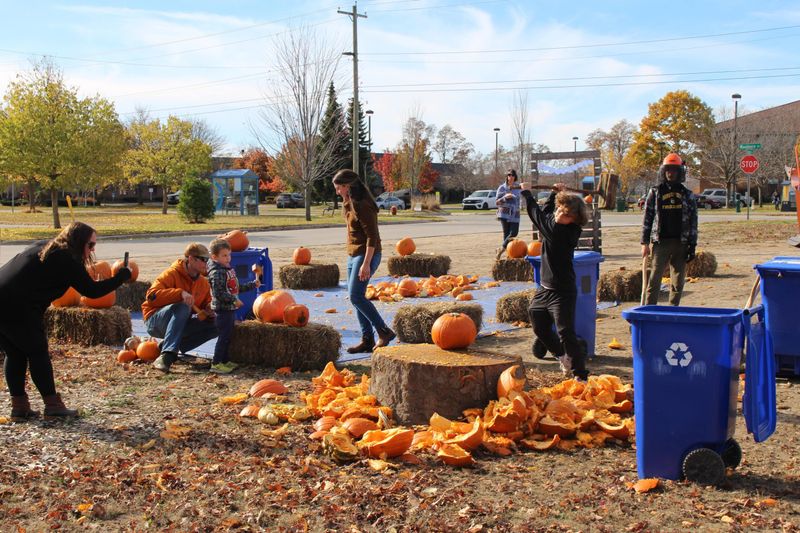
Pumpkin smash events are another fun choice. After Halloween, some parks, farms, nature centers, and community groups host gatherings where families toss old pumpkins into big bins or onto piles that later get composted.
Kids love it, and it turns cleanup into a celebration. Got a garden? Burying pumpkins works nicely too.
Chop them into small pieces, dig a hole or trench in an empty bed, drop them in, and cover them completely with several inches of soil so animals stay away. By spring, the soil in that spot will be richer and ready for planting.
Across Michigan, many communities collect pumpkins with fall yard waste, so a cleaner option is often just a phone call or quick search away. Either way, your Halloween pumpkin gets one more job, helping the earth grow something new next year.