8 Venomous Species Texas Residents Should Watch For As Temperatures Drop
The first cool morning of fall feels like a gift, and I bet you rushed outside to enjoy it. Plenty of hidden neighbors in the yard felt that same pleasant change, and they started moving too.
Cooler air does not send every stinging or biting creature into hiding across Texas right away, sadly. Some become easier to spot in October, tucked under pots, woodpiles, porch steps, and fallen oak leaves.
I believe a little knowledge turns a nervous gardener into a calm and careful one in no time. You definitely need to know which fuzzy or scaly visitors deserve a respectful step backward this season.
Some on this Texas list could hide on a single leaf, while others stretch nearly as long as a rake. Each one earned its spot for a good reason, and the last entry carries the loudest warning of all.
1. Puss Caterpillar
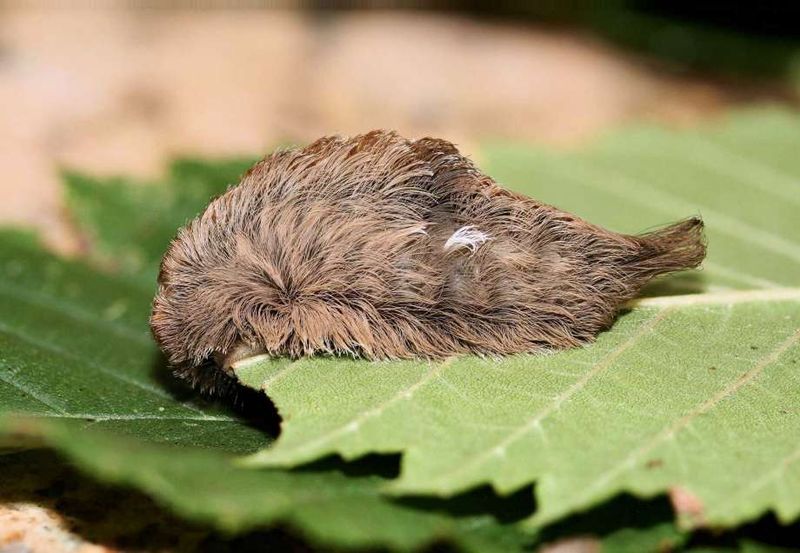
Shaped like a tiny furry toupee, this caterpillar looks soft enough to pet, which is exactly the problem. Hidden under that silky coat are venomous spines that deliver one of the most painful stings in North America.
Experts call it the southern flannel moth caterpillar, though many folks know it as the puss caterpillar or asp. Texas A&M AgriLife notes it often shows up in larger numbers during fall, especially on oaks and elms.
You may spot one clinging to a tree trunk, a shrub branch, a fence rail, or even a picnic table. Colors range from cream to rusty orange to soft gray, and the body grows to about one inch long.
A sting usually brings sharp, throbbing pain right away, and it can spread up an arm within minutes. Some people also notice red grid-like marks on the skin, swelling, headache, or an upset stomach afterward.
If you get stung, gently press clear tape over the spot and lift it to pull out broken spines. An ice pack can ease the burn, and a doctor visit makes sense if symptoms feel strong or worsen.
Kids love collecting caterpillars in October, so a quick chat about this fuzzy one is time well spent. I’m sure a simple rule like look but do not touch will stick better than any long lecture.
Gardeners should also wear gloves while pruning shrubs or raking leaves under oak trees this time of year. Those cocoon cases left on bark can hold loose spines too, so avoid brushing them with bare hands.
2. Striped Bark Scorpion
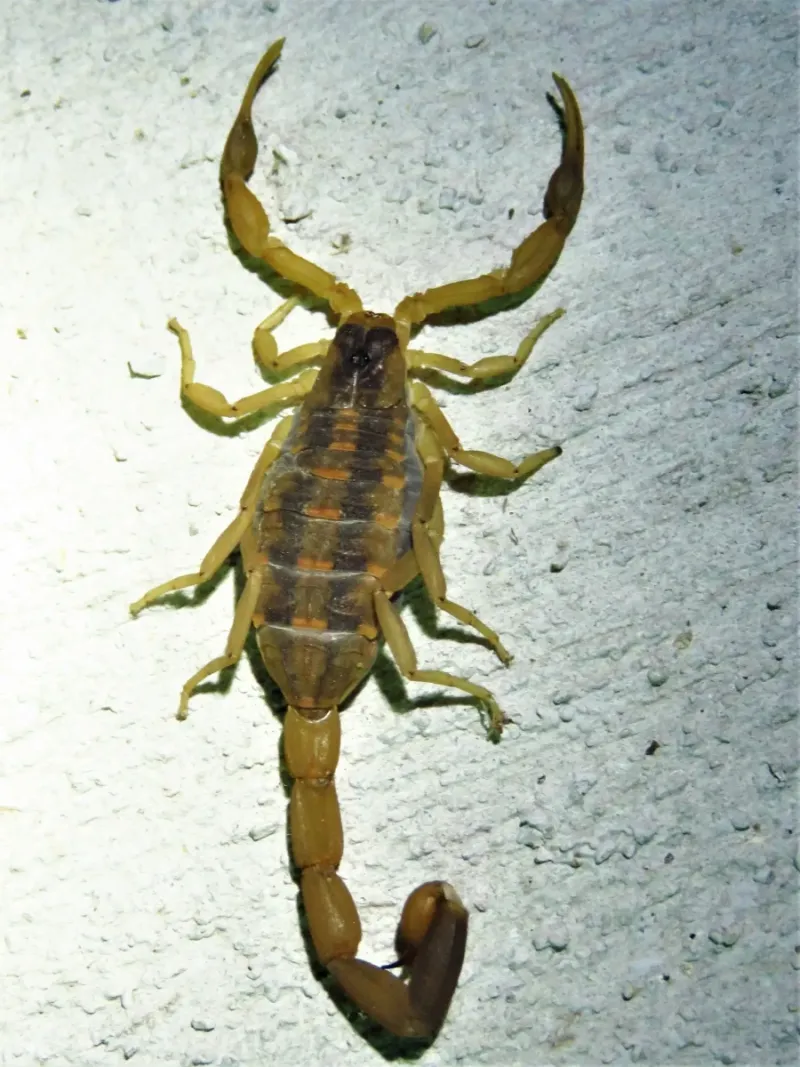
Scorpions glow a spooky blue green under a black light, which makes nighttime yard checks oddly fun in fall. The striped bark scorpion is the most common species in the state, and it rarely takes cooler weather off.
Look for a yellowish tan body with two dark stripes running down its back from head to tail. Adults usually measure around two to two and a half inches long, including that curled stinger.
As nights cool down, these scorpions often slip into garages, attics, and closets searching for shelter and insects. They can climb walls easily, so finding one in a bathtub or on a ceiling is not unusual.
Your Texas Garden Changes Every Week. Your Plan Should Too.
Gardening in Texas changes quickly throughout the season. Every Friday you’ll receive a simple weekly plan showing exactly what to plant, prune, fertilize, harvest, and protect so you never miss the right timing.
A sting feels like a hot needle jab, followed by local swelling, tingling, or numbness that fades within hours.
Serious reactions are rare, but young kids, older adults, and anyone with allergies should get medical help quickly.
Shaking out shoes, gloves, and towels before using them is a smart habit during these transition months. I wonder how many stings could be avoided if everyone checked folded laundry left on the floor overnight.
Sealing gaps around doors and windows helps keep them outside, along with moving firewood away from the house. Trimming plants back from walls also removes easy bridges that let scorpions reach your siding and roof.
Wearing gloves while lifting stones or flowerpots in garden beds adds another layer of easy protection. A flashlight at night reveals far more than daylight checks, because these hunters stay hidden until sunset.
3. Brown Recluse Spider
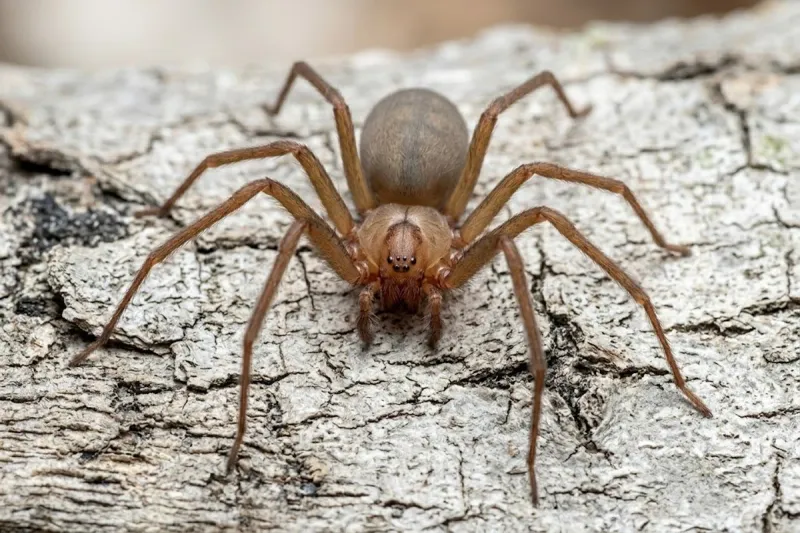
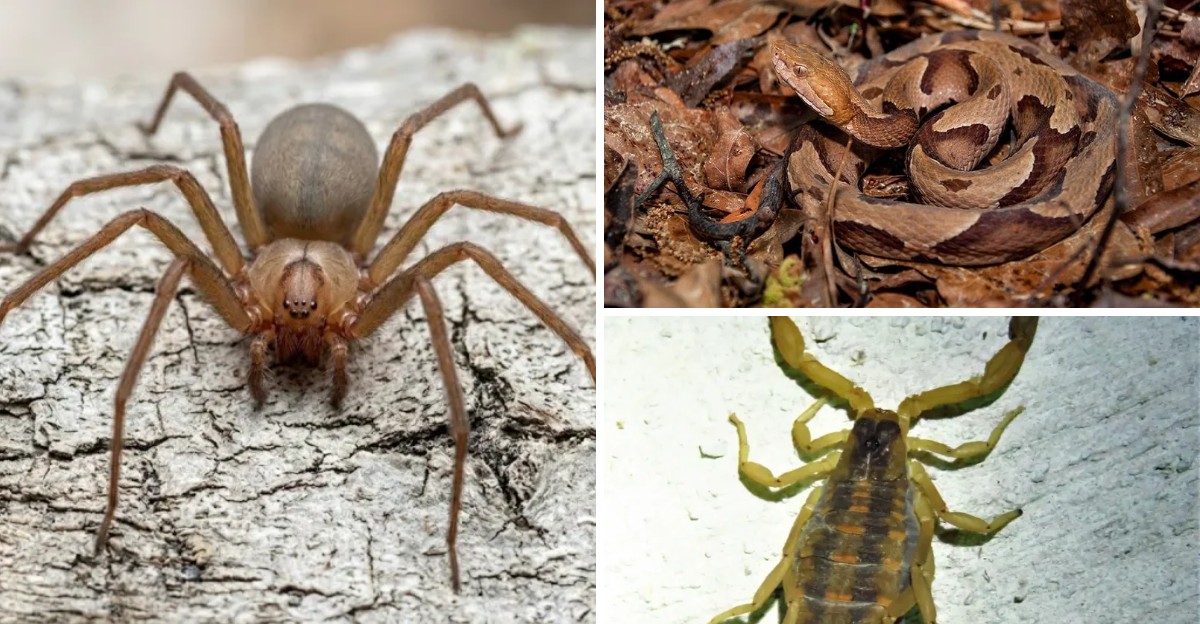
Six eyes instead of eight make the brown recluse stand out, though you would need to get uncomfortably close. Most people rely on the dark violin shape on its back, which points toward the spider’s rear end.
Its body is light tan to grayish brown, and the legs are long, thin, and evenly colored without bands. Outdoors, these spiders stay busy from spring into fall, hunting at night under bark, rocks, and boards.
Inside climate-controlled homes, they may stay active year round, which means October cleanup deserves a careful eye.
Cooler weather nudges many of them toward quiet garages, closets, attics, and storage boxes that rarely get moved.
Holiday decoration bins pulled down this month can be a favorite hiding spot, so open them slowly. Bites often feel painless at first, and many people do not notice anything until hours later.
Most bites heal on their own, but some form slow healing sores that need a doctor’s attention. The spiders bite mostly in self defense, often when trapped against skin inside clothing or bedding.
Shaking out stored jackets and garden gloves before wearing them removes much of that risk right away.
Sticky traps placed along walls and behind furniture help you see whether recluses share your home.
Storing items in sealed plastic bins instead of cardboard boxes also gives them fewer cozy places to hide. I can’t imagine a better excuse to finally clean out that cluttered garage before winter arrives.
4. Black Widow Spider
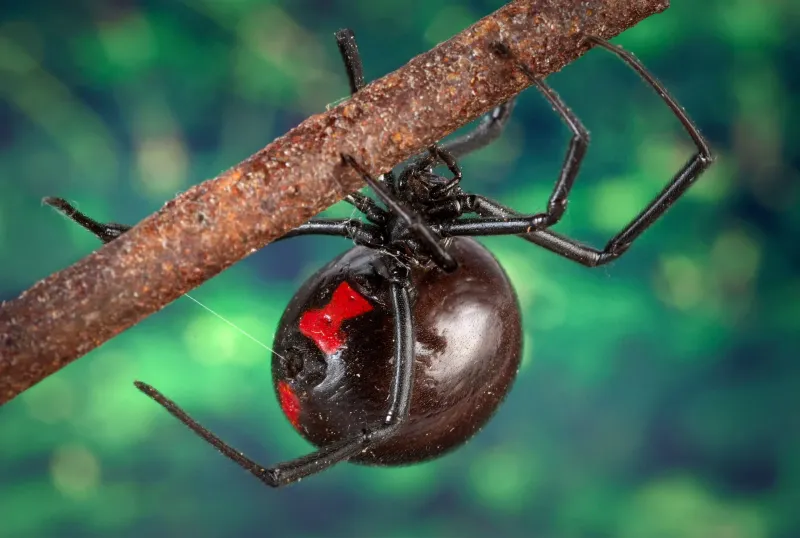
That famous red hourglass sits on the underside of the belly, so you often spot it upside down in a web.
Females have shiny black bodies about half an inch long, with legs spanning roughly one and a half inches.
Their messy, tangled webs usually hang low in sheltered corners, like under deck rails or inside water meter boxes.
Late summer into fall brings peak activity, and females produce papery egg sacs that often overwinter until spring.
As temperatures drop, some widows move into sheds, garages, and crawl spaces looking for steady shelter. Woodpiles stacked against a house are another classic hideout, so grab firewood with thick gloves this season.
Their venom affects nerves and can cause strong muscle pain, cramping in the belly, and heavy sweating. Bites are rarely life threatening for healthy adults, yet children and older folks should get prompt care.
Washing the bite with soap and water and applying a cool compress can help while you call for advice. Poison control centers can guide you on next steps, and the national number works around the clock.
Males are smaller and lighter in color, and they pose little threat compared with the females. I believe that knowing the difference makes a garden check feel less like a horror movie scene.
Reaching blindly under patio furniture or into old flowerpots is where most trouble starts this time of year. A quick look with a flashlight takes seconds and can save you a very unpleasant afternoon.
5. Southern Copperhead
Baby copperheads wiggle bright yellow tail tips like tiny worms, luring curious frogs and lizards within striking range. Many of those babies arrive from late August into October, so fall can mean more snakes around your yard.
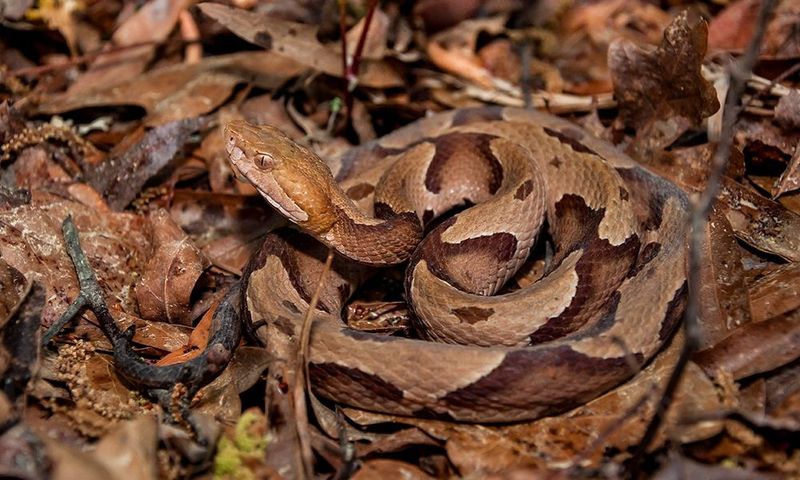
Adults have a pale tan to coppery body crossed by darker bands shaped like hourglasses or Hershey’s Kisses. Most grow between two and three feet long, and their pattern blends beautifully with fallen leaves.
Spring and fall are their busiest seasons, and autumn mating sends males wandering farther than usual in search of partners.
As nights cool, copperheads switch from night hunting to daytime activity, soaking up warmth on sunny afternoons.
Their camouflage is so good that most bites happen when someone steps on or grabs one by accident. Leaf piles, mulch beds, and stacked lumber are favorite spots, so look carefully before reaching in with bare hands.
Copperhead bites hurt and swell, but they are rarely life threatening when people get medical care promptly. Stay calm, keep the bitten limb still, and head to an emergency room instead of trying home remedies.
Skip cutting the wound, sucking out venom, or applying ice, since those old tricks often make things worse.
Wearing sturdy boots and using a flashlight on evening walks lowers your odds of a surprise encounter.
Copperheads also eat plenty of mice and insects, so they help keep some garden pests in check. Giving one plenty of space and letting it move along is usually the smartest and safest choice.
6. Texas Coral Snake
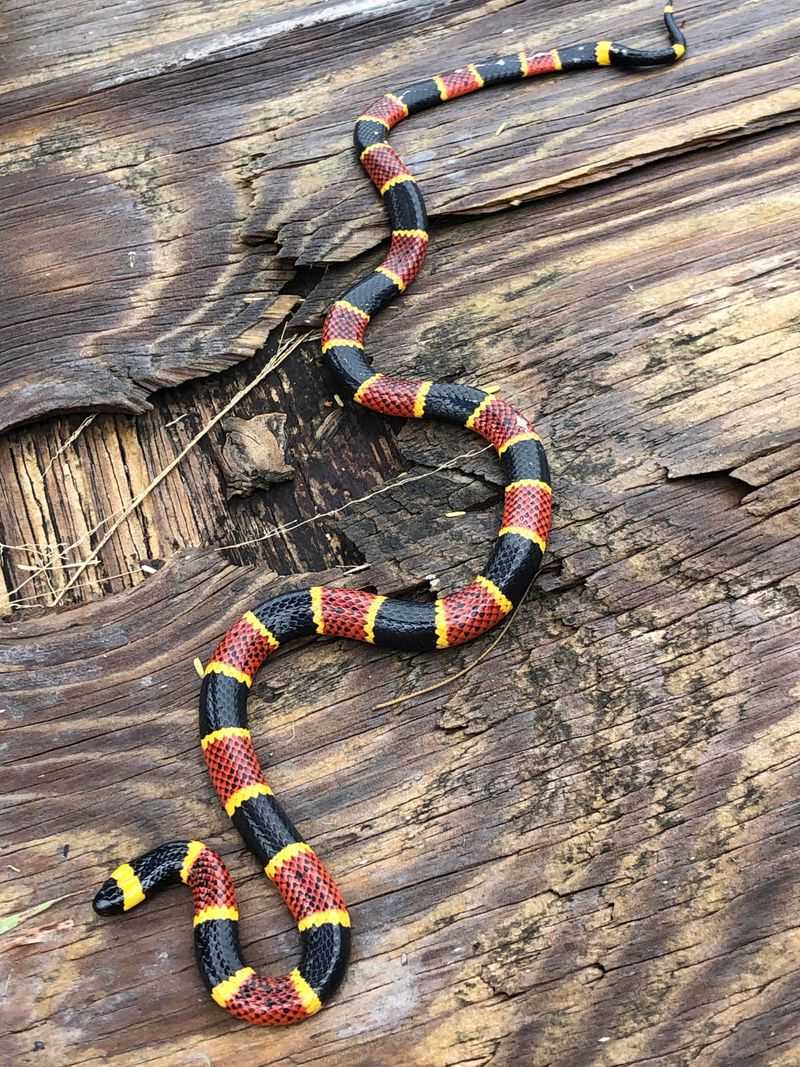
Red touches yellow is the warning to remember, because that color order marks the only coral snake in the state.
Harmless lookalikes, such as milk snakes, usually have red bands touching black instead of yellow across most regions.
Bold rings of red and black, separated by thin yellow bands, circle the whole slender body. Adults typically reach about two feet, and their small black snout looks almost like it was dipped in ink.
Cool, sunny mornings in fall often bring them out to hunt under leaf litter and rotting logs. Their favorite meals are other small snakes and lizards, which they track down in thick ground cover.
Young coral snakes, only about six or seven inches long, may also turn up in autumn flower beds. Their tiny size makes them easy to mistake for a colorful worm, so keep little hands away.
Coral snake venom affects the nervous system, and symptoms can be delayed for hours after a bite. Anyone bitten should seek emergency care right away, even if they feel perfectly fine at first.
Thankfully, these shy reptiles rarely bite unless someone picks them up or handles one roughly with bare hands. I’m sure the bright colors tempt kids, so teach them to admire this snake from several steps away.
Raking leaves with long tools and wearing gloves while weeding shady garden beds adds simple protection this month. Leaving some leaf litter in far corners of the yard gives them space away from busy paths.
7. Western Cottonmouth
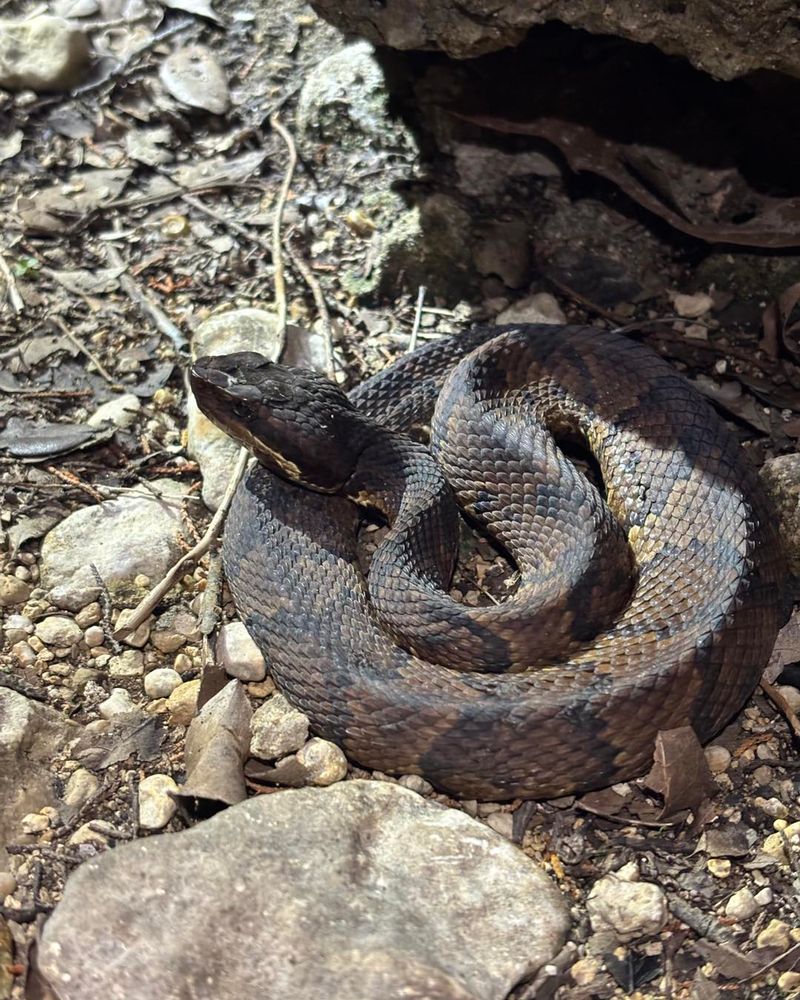
Few snakes greet trouble quite like a cottonmouth, which flings open its jaws to flash a bright white lining. That cotton colored gape is a warning, and it means you should back away slowly and give it room.
Also called water moccasins, these heavy pit vipers live near creeks and ponds across the eastern half of Texas. Adults are often dark olive, brown, or nearly black, and older snakes may lose their banded pattern.
Like other pit vipers, they have heat sensing pits between the eyes and nostrils for finding warm prey.
Their thick bodies and blocky heads help tell them apart from harmless water snakes that share the same banks.
As fall cools things down, cottonmouths may wander in search of warm resting spots and future winter shelter. Sunny banks, rock piles, and fallen logs near water become popular basking spots on crisp October afternoons.
Many harmless water snakes get mistaken for cottonmouths, so not every swimming snake is a reason to panic.
Cottonmouths often float high on the surface, while most water snakes swim with bodies mostly underwater.
Bites are serious and need emergency care, so call 911 or get to a hospital without delay. Keep the person calm and still, and remove rings or tight items before swelling sets in.
Fishing trips and pond cleanups call for boots and a careful look before stepping over logs. I wonder how many close calls happen simply because someone reached into tall grass to grab a lure.
8. Western Diamondback Rattlesnake
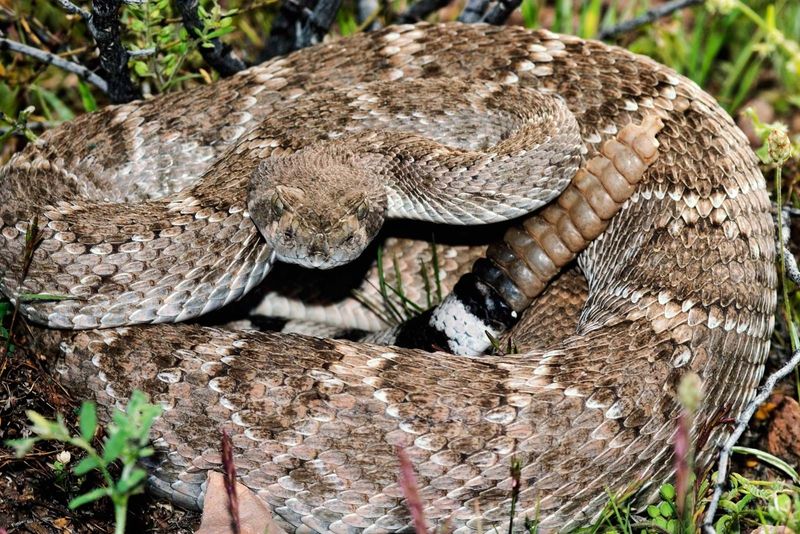
That buzzing rattle is one of nature’s clearest warnings, and you will remember the sound after hearing it once.
Western diamondbacks can grow longer than five feet, making them among the largest venomous snakes in the region.
Their gray to brownish bodies carry dark diamond shapes outlined in lighter scales from neck to tail. Just before the rattle, bold black and white bands circle the tail, earning them the coon tail nickname.
Fall sends these snakes searching for winter dens, often rocky crevices, old burrows, or spots under buildings. Cool mornings slow them down, so they often bask on warm rocks, roads, and sunny trails during the day.
That basking habit can put them right where hikers, ranchers, and gardeners walk on pleasant October afternoons. Watching where you place your hands and feet matters most around rock walls, brush piles, and tall grass.
Rattlesnakes may strike without rattling first, so silence does not mean the path ahead is clear. A bite is a true medical emergency, and antivenom at a hospital is the best treatment available.
Skip tourniquets and cutting the wound, and instead keep the person calm while help is on the way. Snapping a quick photo from a safe distance can help doctors, but nobody should try catching the snake.
I believe respect beats fear every time, since these snakes mostly want to warm up and be left alone. Giving one a wide berth lets it finish its trip to a winter den without any drama for you.