Acorns Are Everywhere In Virginia Yards This Fall, And They Can Make Your Dog Seriously Sick
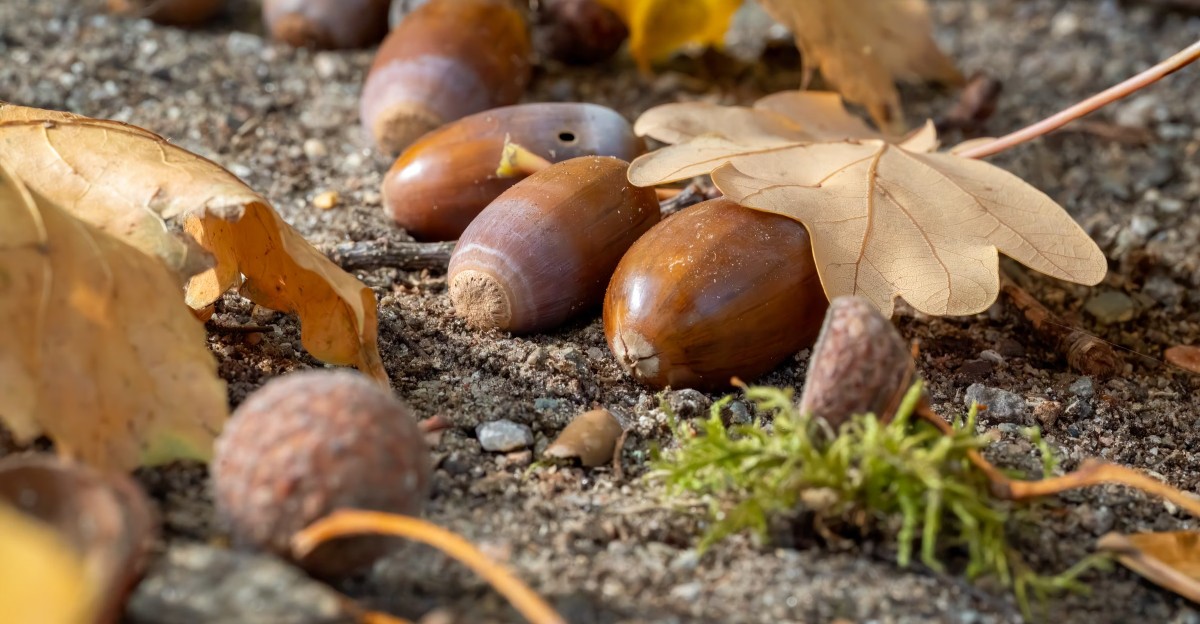
A single oak tree can drop thousands of nuts in one good autumn. Some years the trees seem to coordinate, flooding whole neighborhoods at once while other years stay oddly quiet. In many parts of Virginia, acorns are falling heavily this fall.
I stepped outside last week and heard them pinging off my shed roof like tiny hail. My Virginia lawn turned crunchy overnight, and my beagle treated it like a buffet line.
Turns out those shiny brown snacks are not as innocent as they look. They carry a bitter compound inside, and their hard shells can cause trouble far beyond a sour stomach.
You probably love fall cleanup about as much as I do. Still, a few smart habits can spare your pup a miserable night and you a surprise vet bill. Acorns are small, but the risk is real, so don’t wait to take them seriously.
That Bitter Taste in Every Oak Nut Is a Warning Sign
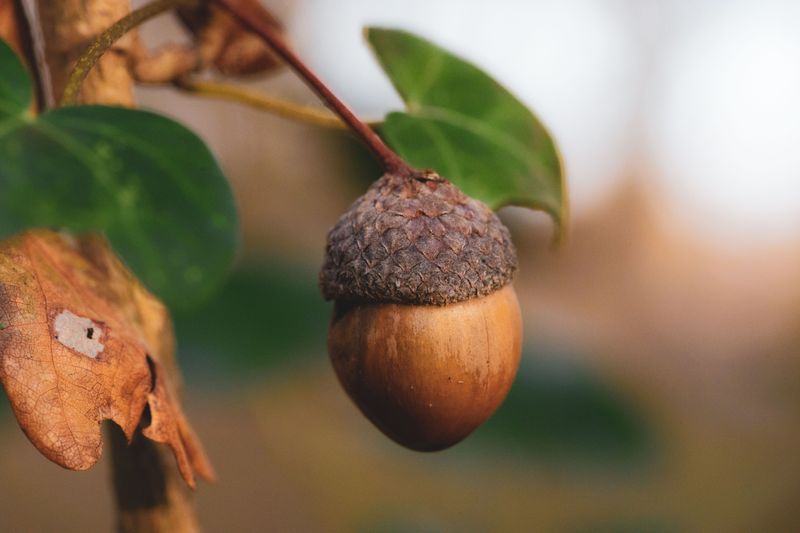
Bite into a raw acorn and your mouth puckers right away. That dry, bitter feeling comes from tannins, natural compounds oak trees use to discourage hungry animals.
Tannins show up in oak leaves, bark, and nuts, according to the ASPCA and many veterinary sources. In a dog’s stomach and intestines, they act as irritants. The result is often an upset belly, and larger amounts can strain the kidneys and liver.
Green, unripe acorns tend to hold more tannins than mature brown ones. Many Virginia oaks drop early green nuts during windy weeks in September, so the riskier batch can land first.
Red oak types, like northern red oak and pin oak, usually carry more tannins than white oaks. Squirrels often bury red oak acorns to eat later, while they tend to eat white oak acorns right away.
Your dog, sadly, lacks that kind of patience. A pup who chews and swallows a handful in the yard takes in the full bitter load at once.
Size matters too. A small terrier eating five acorns faces more risk than a big Lab eating the same number, since the dose hits a smaller body. Puppies deserve extra caution because they explore everything with their mouths.
A Swallowed Acorn Shell Can Cause a Blockage in Your Dog
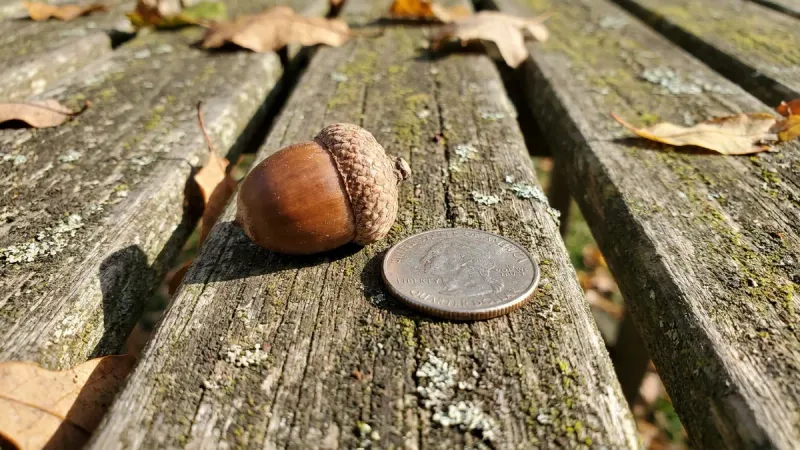
Chemistry is only half the story. The other half sits inside that tough, slick shell. Acorns are about the right size to slip down a small dog’s throat whole. Vets warn that this can lead to choking, and swallowed nuts may lodge in the stomach or intestines.
That kind of obstruction is an emergency and sometimes needs surgery. Picture a marble-sized lump with a pointed tip moving through a narrow gut. Shell fragments can also scrape the lining on the way down, which adds pain and irritation.
Dogs who gulp rather than chew face the biggest blockage risk. If your pup inhales food in three seconds flat, you already know which category you live with.
Watch for repeated vomiting, especially if your dog cannot keep water down. A swollen or tender belly, straining to poop, or passing very little stool are also red flags.
Choking looks different. Pawing at the mouth, gagging, and noisy breathing call for immediate help.
I keep my vet’s number and the nearest emergency clinic saved in my phone every fall. It takes thirty seconds and saves frantic searching when panic sets in.
Caught Your Pup Chewing Acorns? Call the Vet First
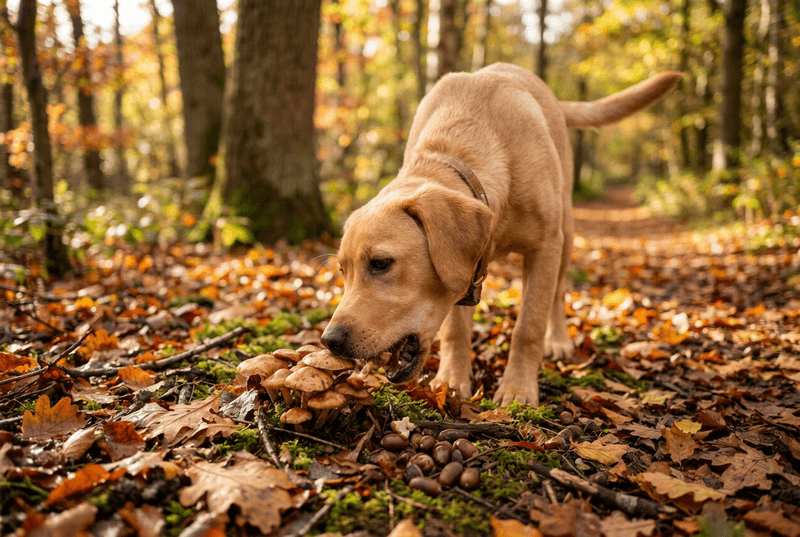
My heart sank the first time I saw acorn bits in my dog’s mouth. Here is what vets recommend doing next.
Move your dog away from the area so the snacking stops. Then gently check the mouth and remove any pieces you can safely reach.
Call your veterinarian or a pet poison line, such as the ASPCA Animal Poison Control Center at 888-426-4435. A consultation fee may apply, but the guidance is worth it.
Have your dog’s weight handy, plus a rough count of how many acorns went down and when.
Do not try to make your dog vomit at home unless a vet tells you to. Sharp shell pieces can cause more harm coming back up, and some home remedies carry their own risks.
Your vet may suggest watching at home if only one or two nuts were eaten by a large dog. In other cases, they may induce vomiting at the clinic, give fluids, or take X-rays to check for a blockage.
Even if your pup seems fine, stay alert for the next couple of days. Calm, quick action beats waiting to see what happens.
Vomiting, Diarrhea, and Other Acorn Trouble Signs in Dogs
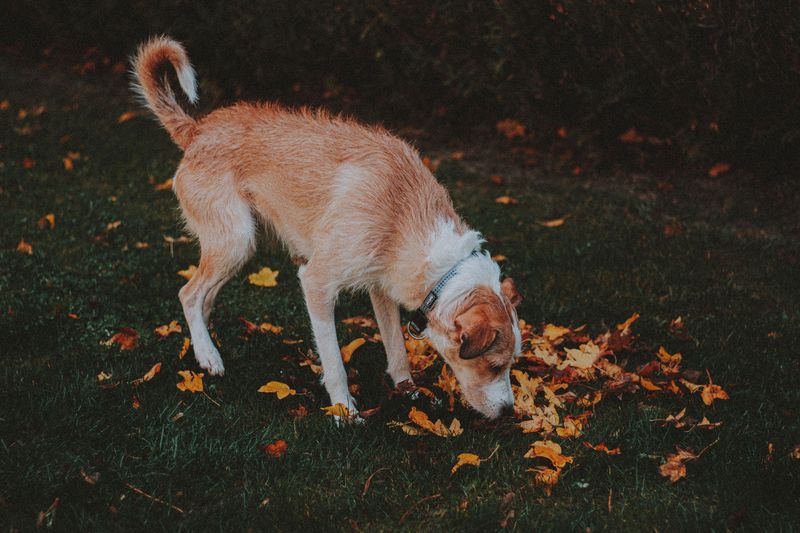
Mild cases often show up within a few hours. Upset stomachs are by far the most common outcome.
Vomiting and diarrhea lead the list. You might also see drooling, a dog who skips dinner, or one who curls up and seems sore around the middle. Sometimes the stool or vomit contains a little blood.
Lethargy is another clue. A normally bouncy dog who suddenly wants to lie in a corner is telling you something.
More serious problems are uncommon but possible, especially after a large amount. Veterinary sources note that heavy tannin exposure may affect the kidneys or liver, and those signs can lag a day to three days behind.
Watch for increased thirst and urination, weakness, or yellowish gums and eyes. Any of those deserve a same-day vet visit.
Dehydration can sneak up after repeated vomiting or diarrhea. Gently lift the skin on your dog’s shoulders; if it snaps back slowly, fluids may be needed.
Jot down what you notice and when. That simple timeline helps your vet a lot. Phone photos of anything unusual in the yard can help too, even if snapping them feels a little gross.
Virginia Oak Trees Drop Bumper Acorn Crops in Mast Years
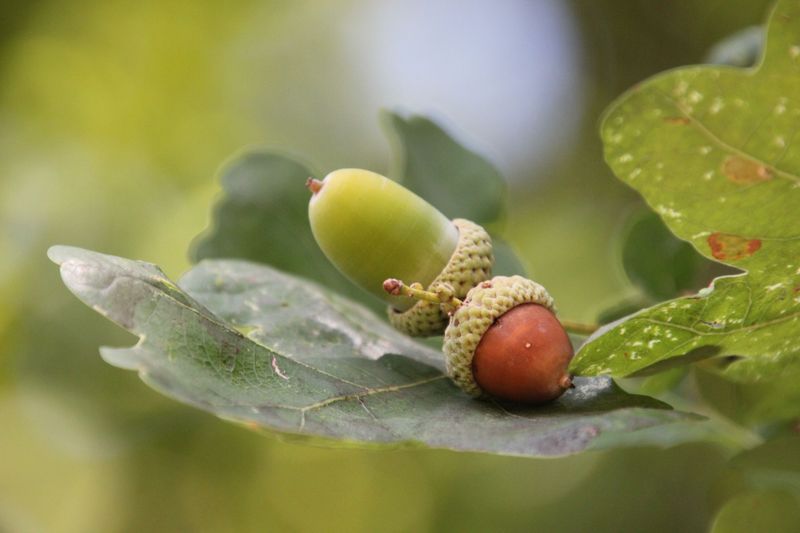
Some autumns feel like it is raining nuts. Foresters call those heavy years mast years. Oaks do not produce the same crop every season.
Instead, trees in an area often swing between light years and huge ones, a pattern scientists link to weather, pollination conditions, and the trees’ stored energy.
One leading idea is that big boom years overwhelm squirrels and deer, letting more acorns survive to sprout.
Virginia hosts many oak species, from white and chestnut oaks to northern red, southern red, willow, and pin oaks. White oaks usually ripen acorns in one season, while red oaks take two years.
Because of that split timing, a yard full of red oaks and one full of white oaks can have very different falls. Crops also vary across the Coastal Plain, Piedmont, and mountain regions.
Virginia Department of Wildlife Resources tracks mast crops each year to help predict deer and bear movement. Their surveys show conditions differ widely by species and region.
Bottom line, your neighbor across town might see a handful while your lawn turns into a crunchy carpet. Treat any heavy drop near your house as a cue to tighten up pet safety.
An Acorn Rake or Nut Roller Clears Your Lawn Fast
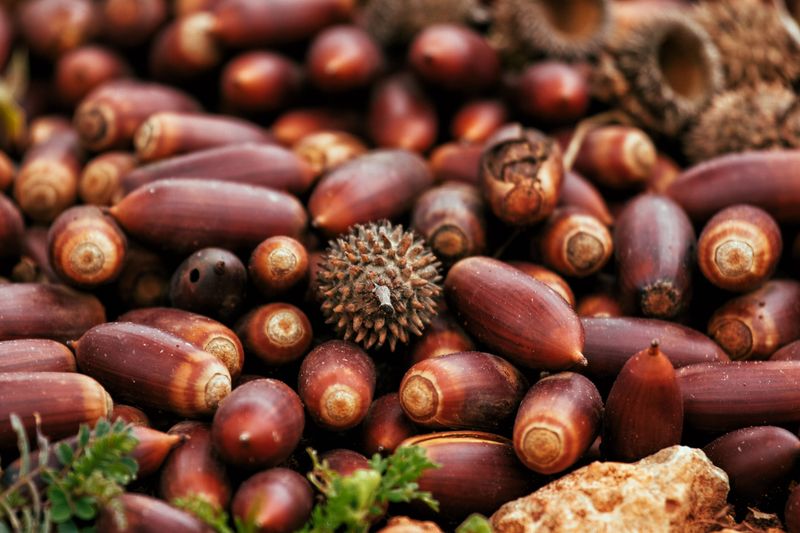
Raking acorns on hands and knees gets old by the second afternoon. Luckily, a few tools make the job almost fun.
A rolling nut gatherer, sometimes called a nut wizard, has a wire cage that pops acorns inside as you roll it across the grass. You stay standing, your back stays happy, and you can empty the cage into a bucket in seconds.
For bigger lawns, a push or tow-behind lawn sweeper grabs acorns along with leaves. Sweepers work best on dry grass and short mowing heights.
A sturdy leaf rake handles small patches and garden beds. Dry days help, since wet acorns stick in matted leaves.
Leaf blowers can herd acorns into piles near a patio edge for easy scooping. Some blower and vacuum combos can pick them up too, though hard nuts may be rough on certain impellers, so check the manual.
Bag collected acorns and put them in yard waste or a compost spot your dog cannot reach. Wildlife may enjoy a pile far from the house.
Plan quick sweeps every few days during peak drop. Little and often beats one exhausting weekend slog.
Teaching Leave It Keeps Curious Snouts Off Fallen Acorns
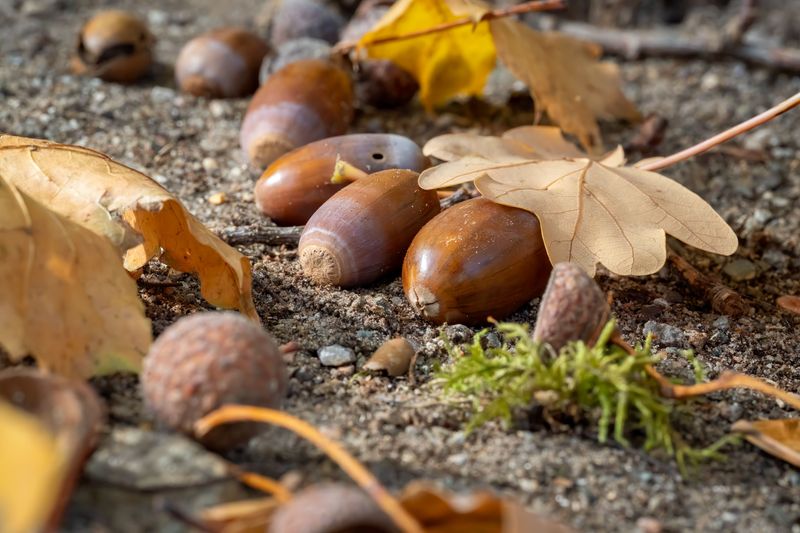
My beagle believes every sidewalk is a snack aisle. Training changed our walks more than any gadget did.
Start practicing a solid leave it cue indoors. Hold a low-value treat in a closed fist, wait for your dog to stop nudging, then reward with a better treat from your other hand. Gradually move to treats on the floor, then outdoors.
A drop it cue matters too, for times when something is already in the mouth. Trade generously so your dog learns that letting go pays off.
On walks under oaks, keep a short leash during peak fall drop. Bring high-value rewards like small bits of cooked chicken to keep attention on you.
Chew toys and puzzle feeders help bored dogs who scavenge out of restlessness. A tired, busy pup forages less.
Determined foragers may benefit from a well-fitted basket muzzle. Unlike tight fabric muzzles, basket styles let dogs pant and drink while blocking snacking.
Introduce one slowly with treats so it feels like a good thing. Supervise yard time rather than opening the door and walking away. A few minutes of watching beats a long night at the emergency clinic.
Your Oak Trees Can Stay, With a Few Dog-Safe Fall Habits
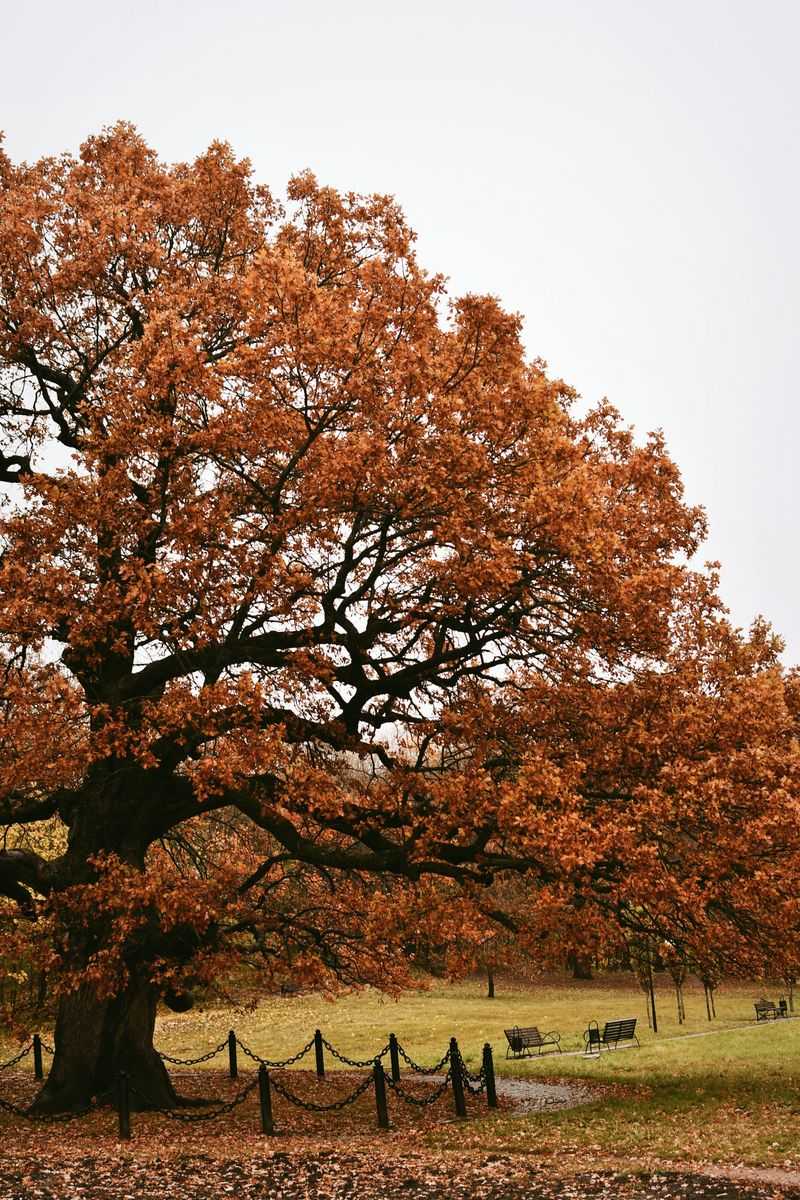
Please do not reach for the chainsaw. Oaks are some of the most valuable trees you can have.
Native oaks support hundreds of caterpillar species, which feed songbirds raising their young. Their acorns help deer, turkeys, squirrels, blue jays, and black bears get through Virginia winters. So the goal is balance, not removal. A few habits go a long way.
Set up a fenced play zone away from the biggest oaks during peak drop, usually September through November. Sweep that zone first and most often.
Check the yard quickly before letting your dog out each morning. Wind and storms bring fresh drops overnight.
Watch for oak leaves too, since they also carry tannins. Most dogs ignore them, but puppies sometimes chew everything.
Keep your vet and poison line numbers posted on the fridge. Share them with sitters and family members who walk your dog.
Spring brings sprouted seedlings in lawns and beds. Pull them while small, or pot up a few for friends who want a native tree.
Fall in an oak-shaded yard can stay a joy. With some watchfulness, you and your pup can enjoy every crunchy step together.