What A Strong El Niño Winter Could Mean For Your Ohio Garden
Meteorologists agree on one thing about this winter. Nearly everything else about it is up for debate.
A powerful El Niño has taken shape in the Pacific, and some forecasters say it could rank among the strongest on record. Ohio sits a long way from that ocean, yet the effects can land right in your garden beds.
The experts don’t agree on exactly how, so expect conflicting headlines all month.
Your plants don’t read forecasts. They respond to what actually happens, and a winter that swings between mild spells and sudden freezes can do strange things to a yard.
Roots, buds, and mulch all react in different ways.
A few choices you make this fall decide how your beds handle whatever shows up. Some of them cost nothing at all.
Skim the outlook, then plan for more than one outcome. A smart gardener hedges the bet.
1. NOAA Expects A Strong-To-Very Strong El Niño This Winter
Weather forecasters at NOAA are waving a big flag this season. They say a strong-to-very strong El Niño is likely to stick around through January to March 2027.
The odds are high, too. NOAA’s October outlook gives this El Niño an 83 percent chance of remaining strong to very strong through January to March 2027.
That is a strong signal, but it is still a forecast, not a guarantee.
So what makes an El Niño strong? It all comes down to ocean water in a part of the Pacific called the Niño 3.4 region.
When the average water temperature there runs 2.0 degrees Celsius or more above normal for three months, scientists call it very strong. That might sound like a tiny change, but it pushes the jet stream around like a giant hand.
For Ohio gardeners, that shift can mean different temperatures, rain, and snow than you are used to. This year’s event also grew quickly, which surprised many forecasters.
Here is a smart first step for your yard. Start a simple garden journal and jot down weather notes each week.
Write down frost dates, rain totals, and how your plants look. By spring, you will have your own record of how this unusual winter treated your soil and shrubs.
That notebook can guide your choices for years. Think of it as your personal weather diary with a green thumb.
2. This One Could Be The Strongest On Record
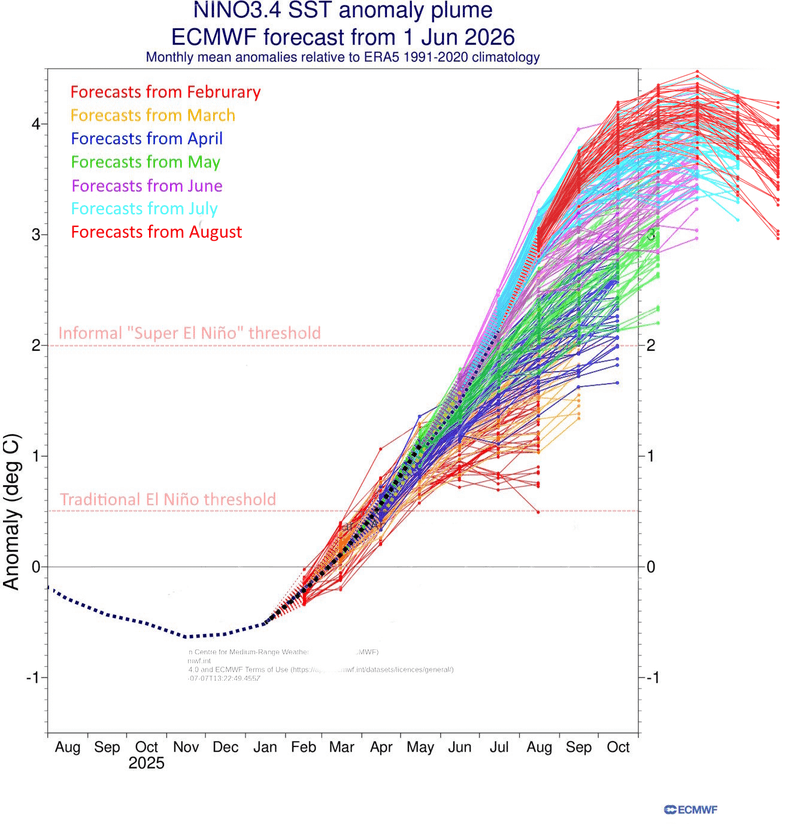
This El Niño could become one of the strongest on record. NOAA’s October outlook gives the event a strong chance of reaching historic strength, based on a measure called the Relative Oceanic Niño Index, or RONI.
Numbers like that make weather scientists sit up straight. For this measure, a three-month reading of plus 2.5 degrees Celsius or higher falls into the historic-strength category.
Records for El Niño go back to 1950. Scientists will keep watching ocean temperatures as the event develops to see how it ultimately ranks.
It is also expected to peak in November or December 2026. After that, it should hang on through early 2027.
Your Ohio Garden Changes Every Week. Your Plan Should Too.
Gardening in Ohio changes quickly throughout the season. Every Friday you’ll receive a simple weekly plan showing exactly what to plant, prune, fertilize, harvest, and protect so you never miss the right timing.
Here is a fun bit of history for you. The famous 1997-98 El Niño, which caused wild weather around the globe, now sits in second place for forecast strength.
What does a record breaker mean for your garden beds? Mostly, it means you should watch the weather more closely than usual.
Record events can bring big swings and odd patterns. A warm spell might trick bulbs or shrubs into waking up too early.
Keep some frost cloth or old bedsheets handy in your garage. If tender buds start popping in February, a quick cover on a cold night can protect them.
A little readiness goes a long way during a history-making season.
3. Past Strong El Niños Brought Mild Winters
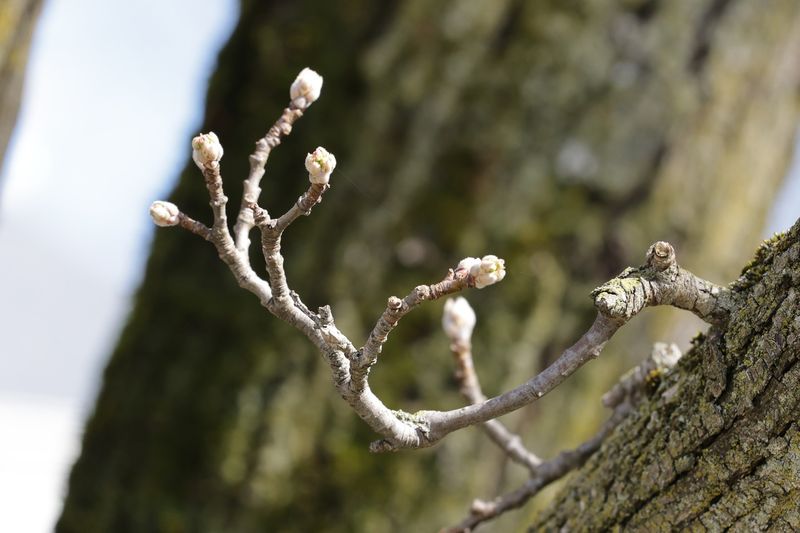
Grandpa might remember that strange winter when he barely needed his heavy coat. Chances are, an El Niño was behind it.
During El Niño years, winters in the Ohio Valley and lower Great Lakes usually run warmer than normal. In one study of eight events, five brought above-normal cold season temperatures.
On average, those winters ran about 0.45 degrees Fahrenheit warmer. That does not sound like much, but it can mean fewer long, bitter cold stretches.
Still, mild does not mean steady. Temperatures can bounce up and down, and cold air can still rush in now and then.
For your garden, these ups and downs matter a lot. Warm days followed by a hard freeze can cause frost heaving, which pushes plants right out of the soil.
Perennials planted this fall are most at risk. Their roots have not had much time to grab hold.
A thick layer of mulch, about two to four inches, helps keep soil temperatures more even. Shredded leaves, straw, or wood chips all work nicely.
Wait to spread it until the soil has cooled down a bit. That way, you keep the ground chilly and calm instead of trapping warmth that wakes plants too soon.
4. Snowfall Often Runs Below Normal
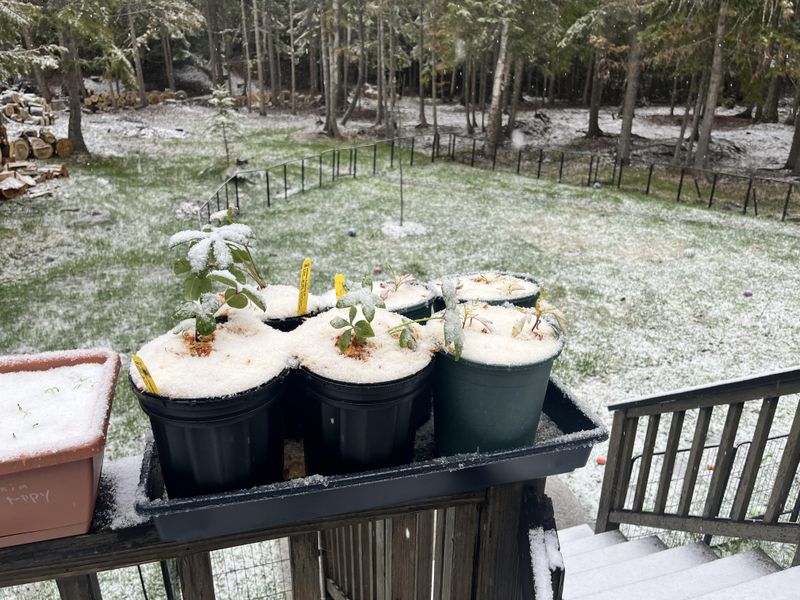
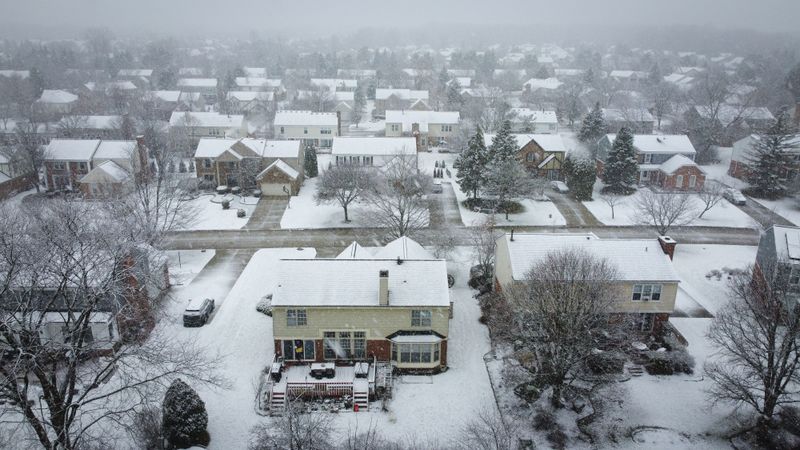
Sled fans, brace yourselves. Strong El Niño winters often bring less snow to the state, especially in places away from the Lake Erie snowbelt.
Back in the big 1997-98 El Niño, Columbus picked up 24.2 inches of snow. Its usual average is around 28 inches, so the city came up a little short.
Total winter moisture tends to drop too. In seven out of eight studied El Niño events, the Ohio Valley saw less precipitation than normal, missing about 1.82 inches on average.
Why should gardeners care about missing snow? Snow works like a fluffy blanket for plants.
It holds warmth in the soil and shields roots from biting wind. When it melts slowly in spring, it also soaks gently into the ground.
Without that cover, roots of perennials, strawberries, and young shrubs face harsher conditions. Bare soil can freeze deeper and dry out faster.
You can make your own blanket instead. Pile evergreen boughs from holiday trees over tender beds after Christmas.
They trap some leaves and light snow, and they look pretty too. Straw over strawberry rows is another classic trick that farmers have used for generations.
Your plants will appreciate the cozy covering when the sky refuses to share.
5. Dry Spells Become A Bigger Risk Later In Winter
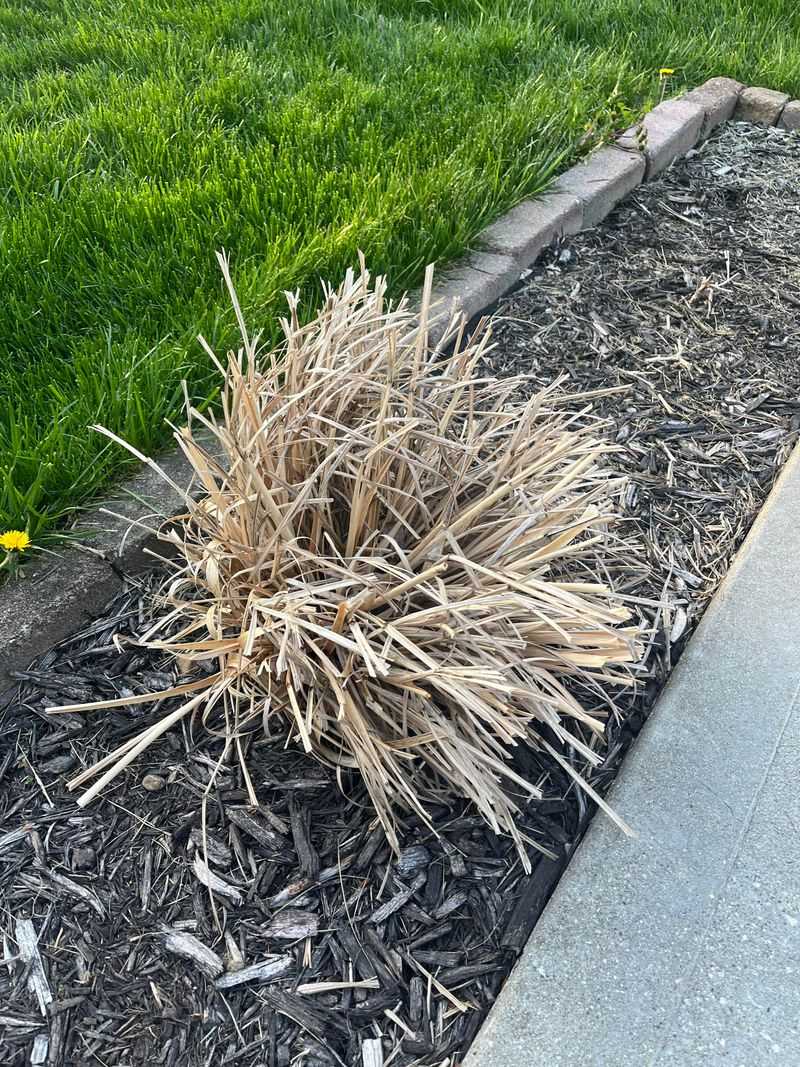
Quiet, dry weeks can sneak up on a garden. During El Niño winters, the Ohio River Valley has a higher chance of dry weather, while southern states tend to get the rain.
El Niño winters have often brought below-normal precipitation to parts of the Ohio Valley, but every event is different. Dry spells are worth watching, even though a drier-than-normal winter is not guaranteed.
Interestingly, late 2026 may still end with above-normal rain. The worry is what happens after the calendar flips.
Dry winter soil is tough on roots. They keep working slowly even when plants look asleep, and they need some moisture to stay healthy.
A cheap rain gauge is one of the best tools you can own this season. Place it in an open spot and check it after each storm.
If a month goes by with less than an inch of rain or melted snow, your yard is probably thirsty. That is a good time to water on a mild day above 40 degrees.
Try to water around midday so it soaks in before nightfall. Then disconnect the hose and drain it so it does not crack in the next freeze.
Small habits like these help your garden glide into spring with strong, happy roots.
6. Water Evergreens Well Before The Ground Freezes
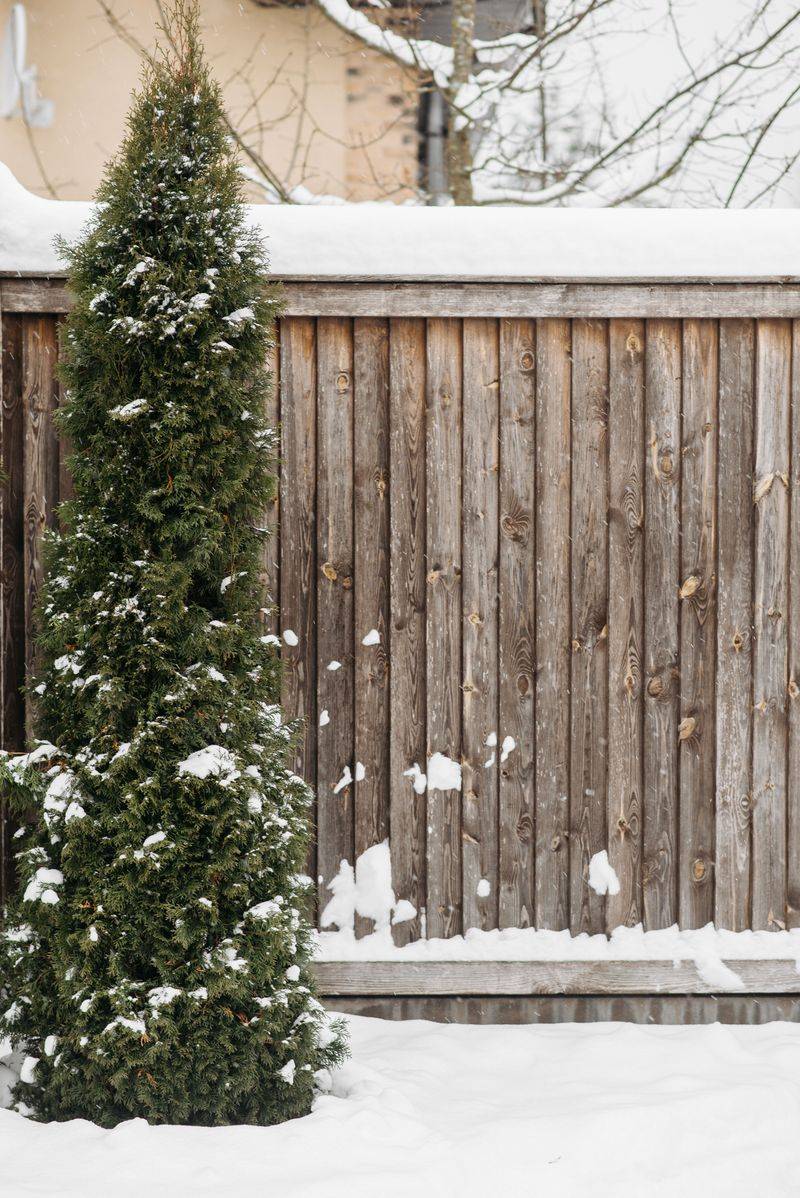
Brown, crispy needles in March are a heartbreaker. That ugly look is often winter burn, and a dry, mild winter makes it more likely.
Evergreens like pines, spruces, arborvitae, rhododendrons, and boxwoods keep their leaves all year. Those leaves lose moisture every day, even in January.
If the ground is dry, roots cannot replace that water. The plant slowly dries out, and the damage shows up in spring.
The fix is simple and cheap. Give your evergreens slow, deep drinks throughout fall until the ground freezes.
A soaker hose or a garden hose set to a trickle works well. Let it run long enough to wet the soil several inches down around the drip line.
Newly planted trees and shrubs need extra love. Their roots are still small and settling in, so they dry out much faster.
Here is the good news about a mild winter. If the ground stays unfrozen, you can keep watering on warmer days.
A layer of mulch over the root zone helps hold that moisture in place. Some gardeners also use anti-desiccant sprays on broadleaf evergreens for extra protection.
Your hedges will look lush and green when the neighbors’ shrubs look toasted.
7. Northeast Ohio Could Still Get Heavy Lake-Effect Snow
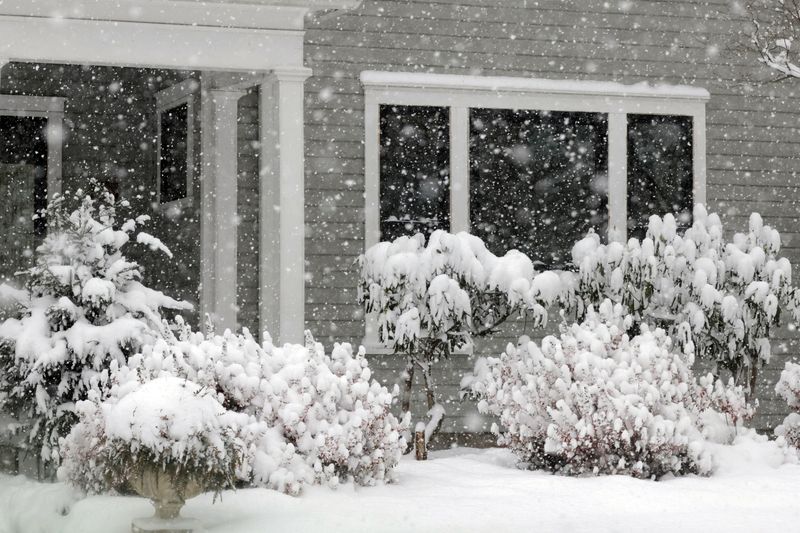
Cleveland gardeners, do not put away the snow shovel just yet. Lake Erie has its own ideas about winter.
The National Weather Service in Cleveland studied past El Niño years. It found no clear link between El Niño and lower snowfall in the city.
The reason is lake-effect snow. When cold air blows across the open, warmer lake, it grabs moisture and dumps it as snow on the shore.
Warm winters can actually help this happen. Less ice forms on the Great Lakes, leaving more open water to feed snow bands.
The 2002-03 El Niño winter proved the point. Cleveland got 95.7 inches of snow, and parts of the snowbelt saw more than 150 inches.
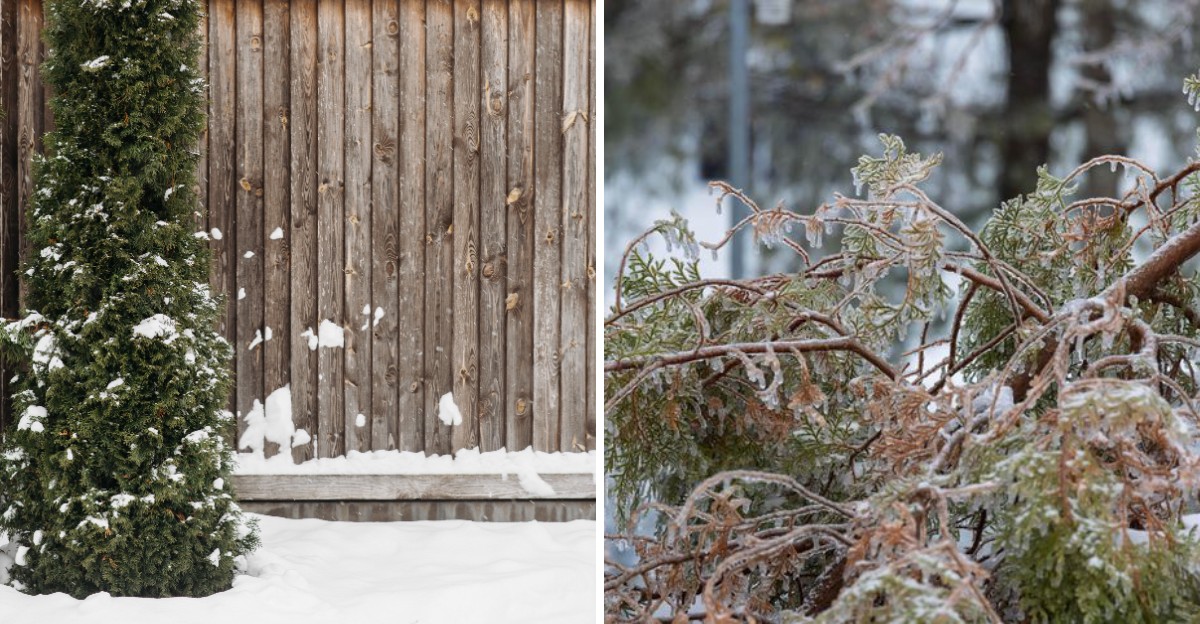
Heavy, wet snow is rough on shrubs. It can split upright arborvitae and junipers or snap branches on small trees.
Wrap tall, narrow evergreens loosely with twine or bird netting before winter. That keeps their branches tight together so snow slides off.
After a storm, brush snow off gently with a broom using upward strokes. Skip chipping away at ice, which can break limbs.
Also, shovel salty snow away from garden beds, since road salt can harm roots and soil.
8. A Mild Pattern Doesn’t Rule Out A Big Storm
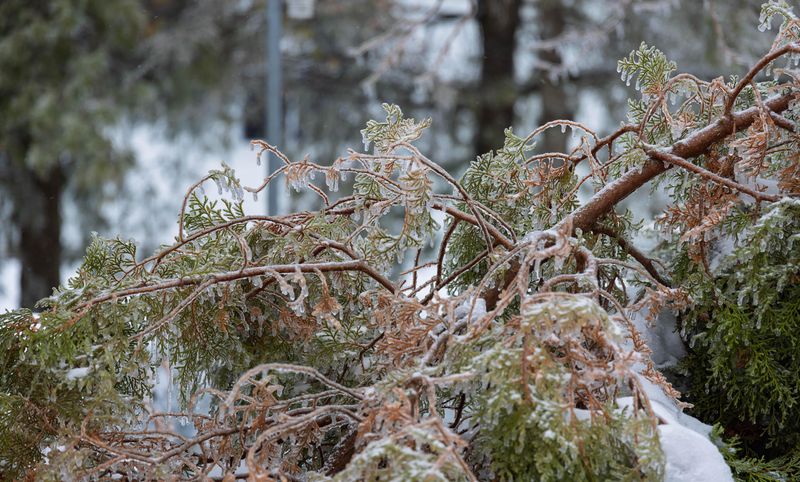
Remember the winter of 2015-2016? It was a very strong El Niño year, yet Southern Ohio and Northern Kentucky still got hit with several big snow events.
That is a good lesson for every gardener. A warmer-than-normal season can still deliver a nasty surprise.
Arctic cold snaps, ice storms, and heavy snow can all pop up during El Niño winters. Ohio’s state climatologist urges people to prepare for changing conditions rather than expecting gentle weather the whole time.
So build a little storm kit for your yard. Think of it like a first aid box for plants.
Keep frost blankets, stakes, twine, and a sturdy broom in one bin by the door. Add a bag of pet-safe ice melt so you avoid harsh salt near flower beds.
Potted plants on the porch are especially at risk. Their roots sit above ground, so a sudden freeze hits them hard.
When a cold blast is coming, move pots into a garage or group them against the house. Wrapping them in burlap adds a bit more warmth.
Watch weather apps a few days ahead. With a ready kit and some warning, a surprise storm becomes a small chore instead of a garden disaster.
9. A Record-Strength Event Means Less Certainty
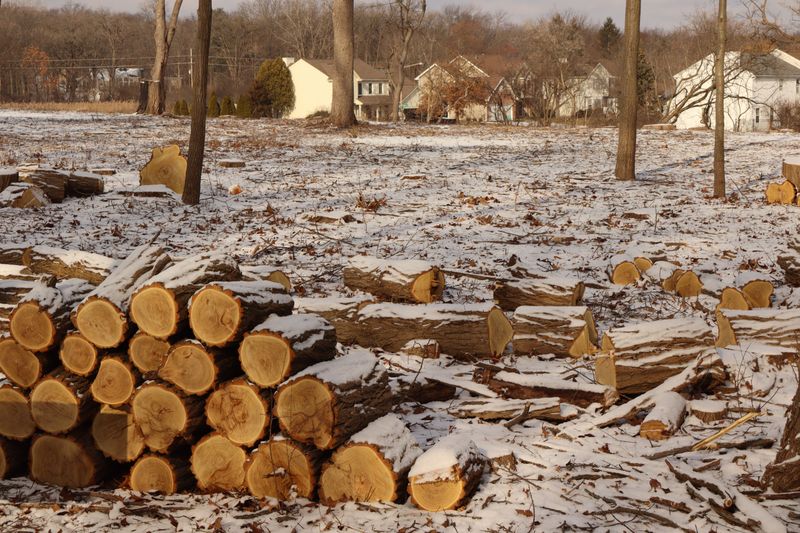
Strange as it sounds, even a very strong El Niño cannot tell us exactly what winter will bring to the state. Historical patterns give forecasters useful clues, but local weather still depends on the jet stream, cold-air outbreaks, lake-effect snow, and other factors.
Every El Niño has its own personality, and its effects can vary from one part of the state to another.
Forecast models do not always agree, either. Some show eastern region getting more winter precipitation than average, while others hint at a slightly drier season.
Scientists handle this by blending many models together and checking real-world data. They know every El Niño has its own personality.
For gardeners, the smartest plan is to stay flexible. Prepare for dry weeks, heavy snow, and wild temperature swings all at once.
Check the Climate Prediction Center outlooks each month. Your local extension office, like Ohio State University Extension, also shares helpful tips for the season.
Use this winter to plan, too. Flip through seed catalogs and pick drought-tough plants for next year.
Native choices like coneflowers, little bluestem, and black-eyed Susans handle ups and downs well. A garden full of tough plants will stay cheerful no matter what surprises the sky delivers.