What California Gardeners Should Know Before Planting Cool Season Vegetables In September
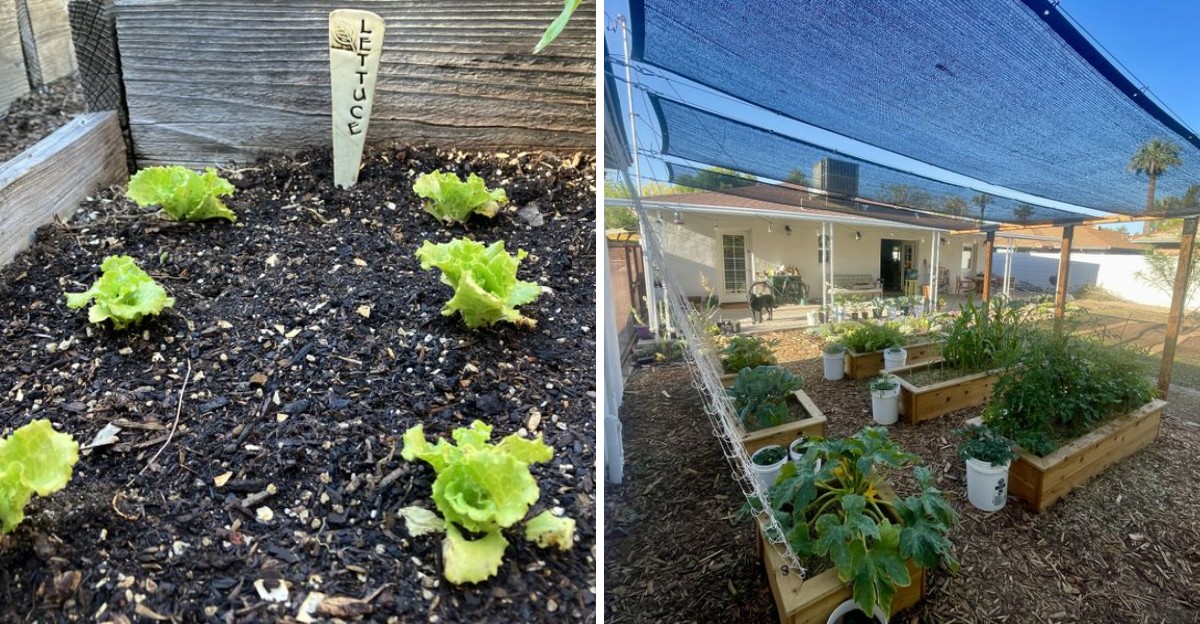
Two gardeners, same state, same September weekend, completely different reality unfolding in their backyards.
One tucks lettuce seedlings into cool, foggy soil without a second thought. The other stares at a thermometer reading 108 degrees, knowing full well that anything planted today would bake by afternoon.
Both live in California. Their gardens run on entirely different clocks.
Something about this state’s geography splits one calendar into several, and most gardeners never quite realize how much that gap changes what belongs in the ground right now.
Curious why your own backyard might be running on a schedule nobody printed on a seed packet? The answer starts with a simple question about fog.
Regional Climate Shifts Your Planting Window
Three gardeners on the same September weekend, one near foggy Half Moon Bay, another in sunny Fresno, a third close to Palm Springs, share a state yet garden like they belong on different planets entirely.
Planting advice gets split by region for exactly this reason.
Coastal zones stay mild, so cool-season crops can go in during September with little fuss. Inland valleys, like the Sacramento and San Joaquin valleys, often still see hot afternoons, so many gardeners start with transplants and wait for the heat to ease.
Desert areas are a whole other story.
September highs there can stay well above 100 degrees, which pushes many plantings toward late September, October, or even later. Your local extension program usually posts a planting calendar built for your county.
So how do you figure out your zone?
Start by asking a few simple questions. How close are you to the ocean, how high is your elevation, and how hot did last September feel?
Mountain and foothill gardens add another twist, since early frost can arrive sooner there.
Some higher spots may already be near the end of their window by late September. When in doubt, a quick call to your county extension office beats guessing.
Think of the calendar as a rough map, not a strict rule. Your region, not the date on the fridge, decides the real schedule.
Soil Temperature Matters As Much As The Date
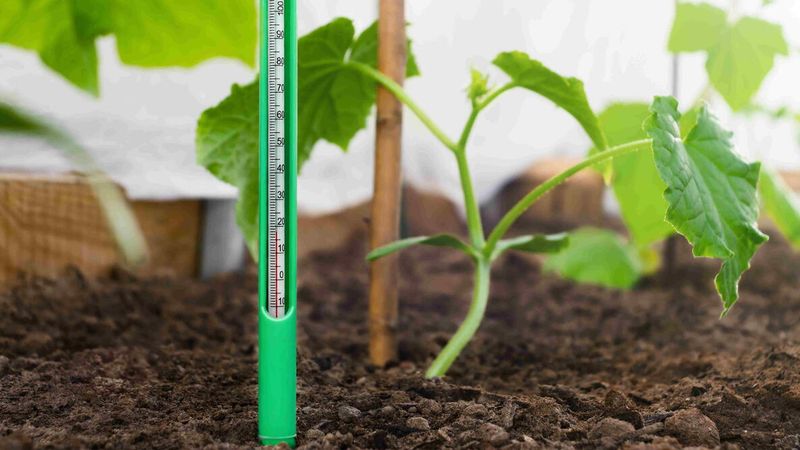
Seeds cannot read a calendar, but they can feel the dirt, and that simple truth trips up plenty of gardeners every fall.
Air might feel cooler in the evening, while the soil a few inches down is still holding on to summer heat.
Many cool-season seeds are picky about warmth.
Lettuce and spinach, for example, often germinate poorly when soil climbs much above the mid-70s to around 80 degrees Fahrenheit. Seeds may sit there, fail to sprout, or come up weak and leggy instead of strong and bushy.
Checking is easier than you might think.
A basic soil thermometer costs only a few dollars at most garden centers. Push it about two to four inches deep in the morning, then check again in the afternoon to see the range.
Crops like broccoli, cabbage, and kale seem more forgiving as seeds, yet they still grow better once the heat breaks.
Your California Garden Changes Every Week. Your Plan Should Too.
Gardening in California changes quickly throughout the season. Every Friday you’ll receive a simple weekly plan showing exactly what to plant, prune, fertilize, harvest, and protect so you never miss the right timing.
Carrots and beets like steady moisture and moderate temperatures to come up evenly. If your readings run hot, starting seeds indoors or buying transplants gives you a head start without the risk.
Quick note on accuracy: exact germination ranges vary by variety and source, so check your seed packet and treat any single number as a helpful guide rather than a law of nature.
Here’s a fun trick worth knowing. Mulch can drop soil temperature a few degrees, which may help seeds wake up sooner in warm spots.
Coastal Areas Get More Planting Flexibility
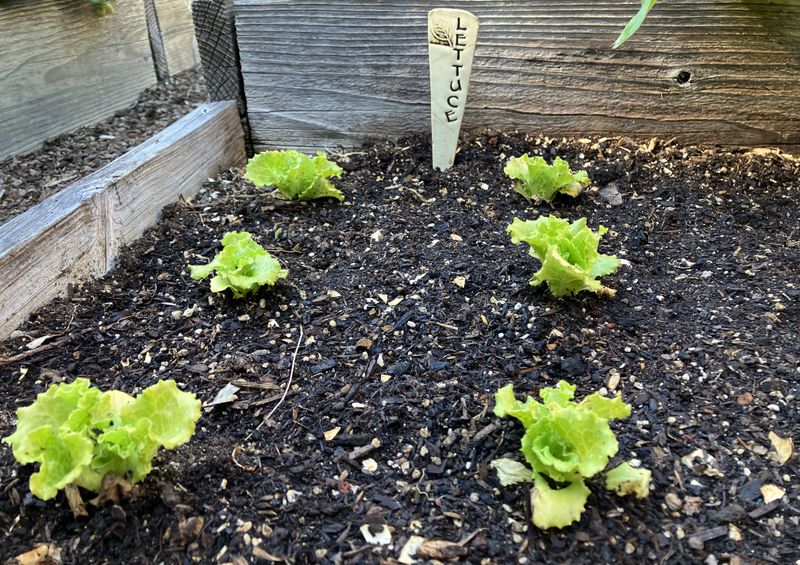
Lucky you, coastal gardeners.
That gray morning fog people love to complain about is actually your secret weapon. It keeps temperatures mild and gives you one of the longest cool-season planting windows in the state.
Along much of the California coast, from San Diego up through the Bay Area and beyond, September is often a great time to plant.
Many cool-season crops are generally suitable for coastal planting from late summer well into fall. Some gardeners keep sowing lettuce, peas, and greens into winter.
That flexibility opens the door to succession planting.
Instead of sowing all your lettuce at once, try planting a small row every two or three weeks. You get a steady harvest rather than a giant pile of salad greens all ready on the same day.
Coastal gardens do have their own quirks, though.
Fog can keep leaves damp, which may invite powdery mildew and other fungal problems. Giving plants a little extra space for airflow helps a lot.
Heat waves can still sneak in, too.
Some of the hottest days in coastal cities happen in September and October, when offshore winds push warm air toward the ocean. Keep an eye on the forecast during those first few weeks.
Microclimates matter here more than you might guess. A garden a mile inland can run noticeably warmer than one right by the beach.
Desert Regions Need To Wait Longer
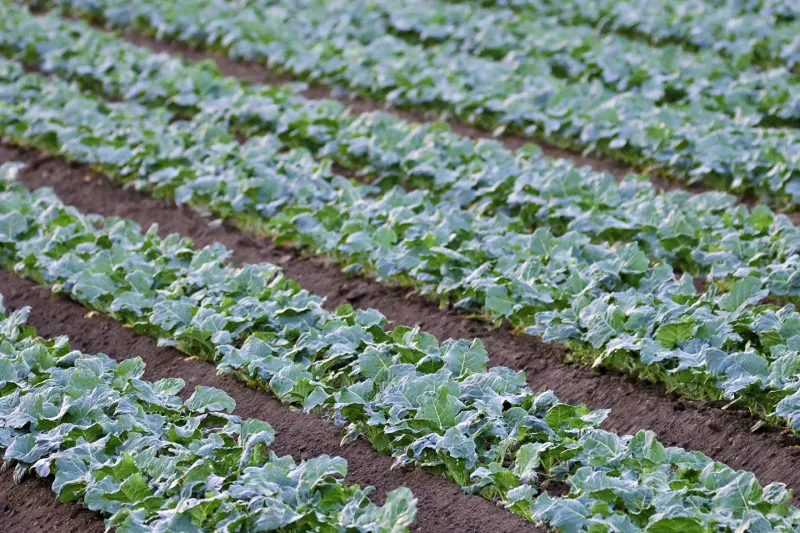
If you garden in Palm Springs, El Centro, or anywhere in the Coachella or Imperial valleys, you already know September can feel like July wearing a disguise.
Temperatures above 100 degrees are common. Tender seedlings planted too early can fry in a single afternoon.
Low desert gardens actually have a long cool-season growing period, just a later one.
Local planting calendars for desert areas often point to late September through November for many cool-season crops, depending on the crop and the weather. Lettuce, carrots, and spinach often do best once nights finally cool down.
High desert areas, like Lancaster and Victorville, play by different rules.
Cooler nights and earlier frosts there can shorten the season, so timing is trickier. Check your county’s specific guidance, since the high and low desert calendars differ a lot.
Waiting does not mean doing nothing.
Use September to prep beds, mix in compost, and set up drip lines. You can also start broccoli or cabbage seeds indoors, so they’re ready to move outside when the heat breaks.
Watch the nighttime lows, not just the daytime highs.
When nights start dipping into the 60s, it’s often a good sign that planting season is arriving. A few extra weeks of patience usually pays off with healthier, sweeter harvests.
Here’s a desert bonus worth knowing. Many low desert gardeners harvest fresh greens all winter long while much of the country shovels snow.
Consistent Watering Still Matters At First
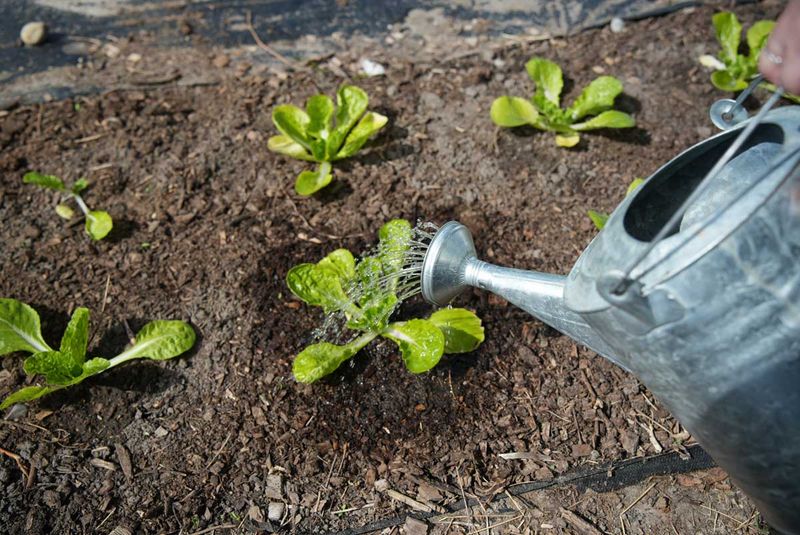
A perfect row of kale starts, watered well, then left alone for a long weekend, can flop over like tired noodles by Monday.
Cool-season crops are tough later, but as babies they need steady care.
Newly planted seeds and transplants have tiny root systems.
Those roots can only reach the top few inches of soil, which dries out fast in warm September weather. Until plants settle in, missing even one or two waterings can set them back.
For seeds, aim to keep the soil surface evenly moist until they sprout.
Carrot seeds are famous for this, since a dry crust can stop them from breaking through. A light sprinkle once or twice a day may be needed during hot spells.
Transplants need deep, regular soaking for the first week or two.
Water right at planting, then check the soil daily by poking a finger an inch or two down. If it feels dry, it’s time to water again.
Drip irrigation and soaker hoses make life easier, especially in inland and desert gardens.
A simple timer keeps things consistent even when you get busy. Mulch helps hold moisture in the ground, too.
Be careful not to overdo it, though.
Soggy soil can rot roots and invite disease, particularly in foggy coastal gardens. Once plants show new growth, you can slowly water less often but more deeply.
Shade Cloth Can Ease A Rough Start
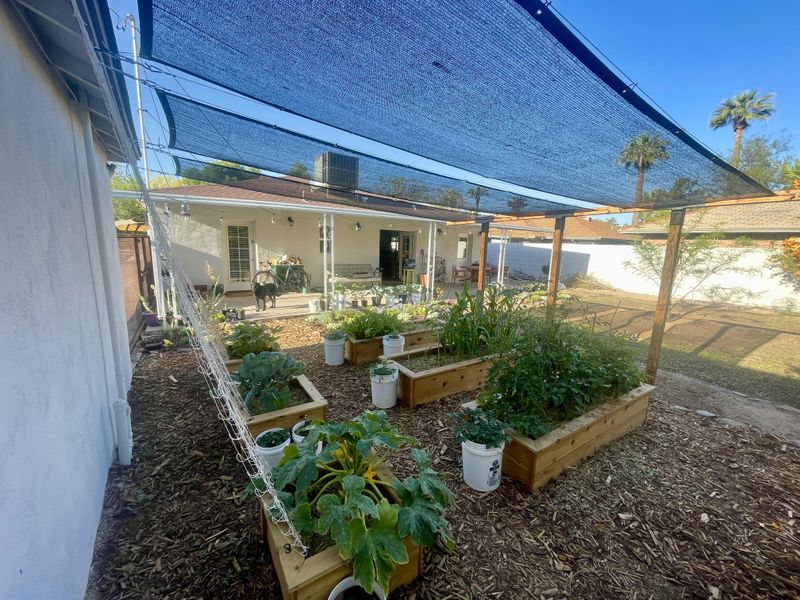
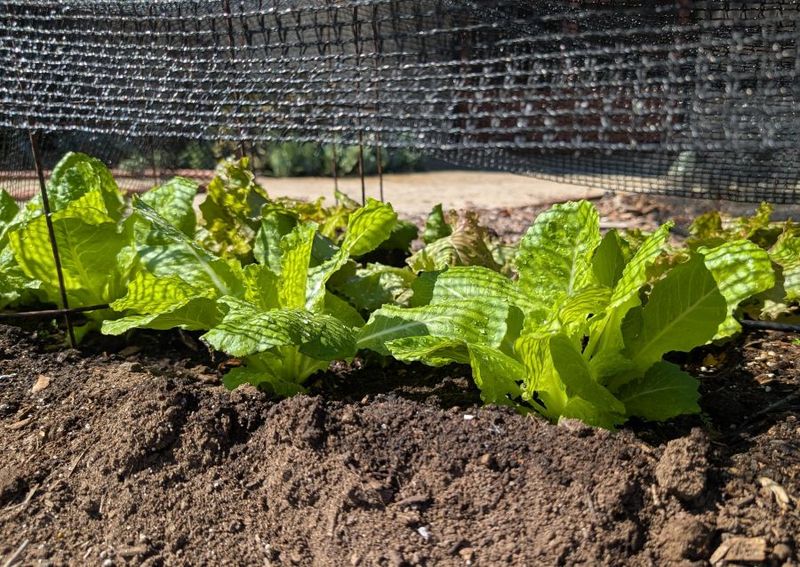
Think of shade cloth as a beach umbrella for your baby vegetables.
It will not stop a heat wave, but it can make one much easier to survive. For September plantings in warm parts of California, that little bit of relief can mean the difference between thriving and wilting.
Shade cloth comes in different densities, usually labeled by the percentage of sunlight it blocks.
Many vegetable gardeners choose something in the 30 to 50 percent range for young transplants. Heavier cloth can block too much light, leading to stretched, floppy plants.
Setting it up is simple.
Drape the cloth over hoops, stakes, or a basic frame so it sits above the plants rather than on them. Leaving the sides open helps air move and keeps things from getting stuffy underneath.
Inland valley and desert gardeners tend to get the most benefit, especially during surprise September heat spells.
Coastal gardeners may only need it for the occasional hot, dry day. Some people even use old window screens or lightweight sheets in a pinch.
Remember that shade cloth is a temporary helper.
Most cool-season crops need plenty of sun to grow well, so plan to remove it once the weather cools. A week or two is often enough for transplants to toughen up.
Here’s a fun fact worth knowing. Commercial growers have used shade structures for decades to protect delicate crops.
Match The Crop To Your Real Conditions
Every California garden tells its own weather story.
A calendar printed for the whole country, or even the whole state, cannot know that your backyard sits in a warm pocket or a foggy hollow. The smartest planting plan starts with paying attention to your own patch of ground.
Crop choice is one of your best tools.
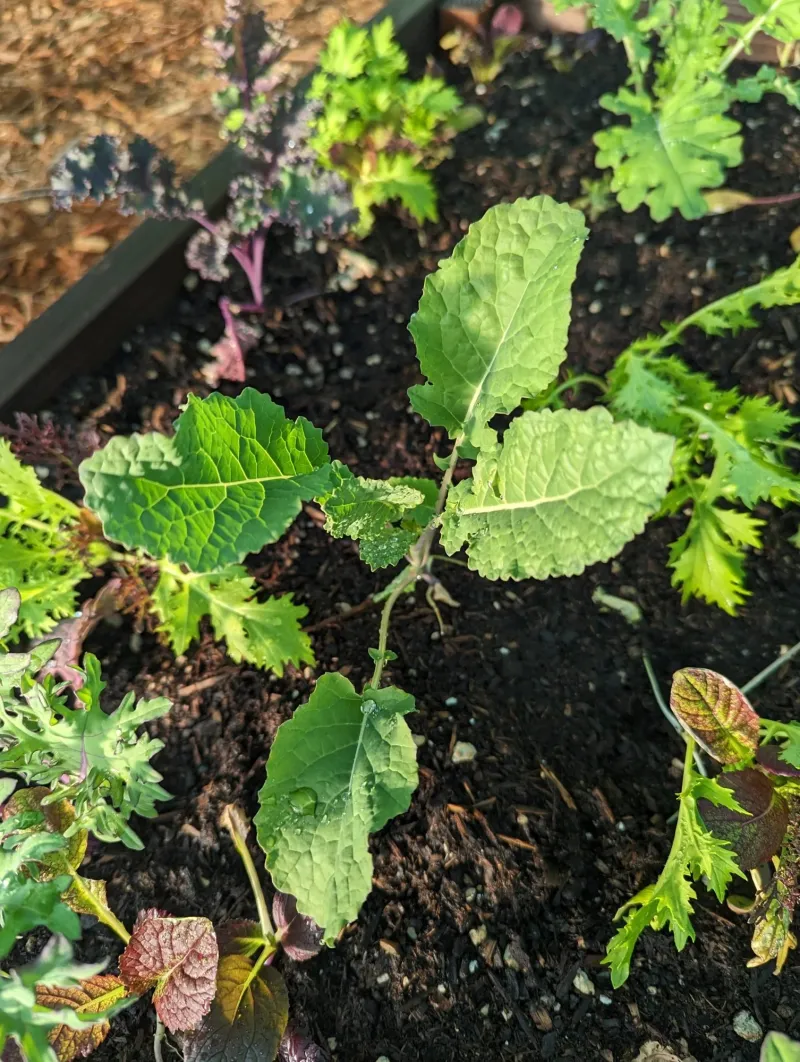
Heat-tolerant greens like Swiss chard and some kale varieties can handle a warm start better than delicate lettuce. Quick crops like radishes let you test the waters without a big commitment.
Variety matters too.
Seed catalogs often label lettuce as bolt-resistant or slow to bolt, which means it holds up better when temperatures swing. Reading the packet closely can save you a season of disappointment.
Keep a simple garden journal this fall.
Write down planting dates, soil temperatures, and how each crop performed. Next September, you’ll have your own local guide that beats any generic chart.
Local experts are your best backup.
Extension volunteers in most California counties answer questions, host workshops, and share planting calendars built for your region. Many of these resources are free.
Mistakes will happen, and that’s okay. A failed row of spinach still teaches you something useful about your yard.