What Crepe Myrtle Roots Actually Do To A Texas Yard Over Time
Crape myrtles are one of those plants that inspire a surprising amount of underground anxiety.
You plant one, it starts growing beautifully, and then at some point someone mentions the roots and suddenly you are out there wondering what exactly is happening beneath your driveway.
Foundation damage? Cracked pavement? A root network quietly plotting against your landscape? The rumors can sound pretty alarming.
Here is the good news: crape myrtle roots are generally shallow and fibrous rather than deeply aggressive, which puts a lot of those fears in a more reasonable perspective.
That said, their long-term effects on a Texas yard do deserve a closer look rather than a complete dismissal.
Understanding what is actually happening underground, from spreading roots and moisture competition to occasional suckering near the base, can help you make genuinely smarter decisions about where and how you plant these popular trees.
1. Shallow Fibrous Roots Spread Outward With Time
Walk around the base of a mature crape myrtle after a heavy rain, and you might notice the soil near the trunk looks a little different from the rest of the lawn.
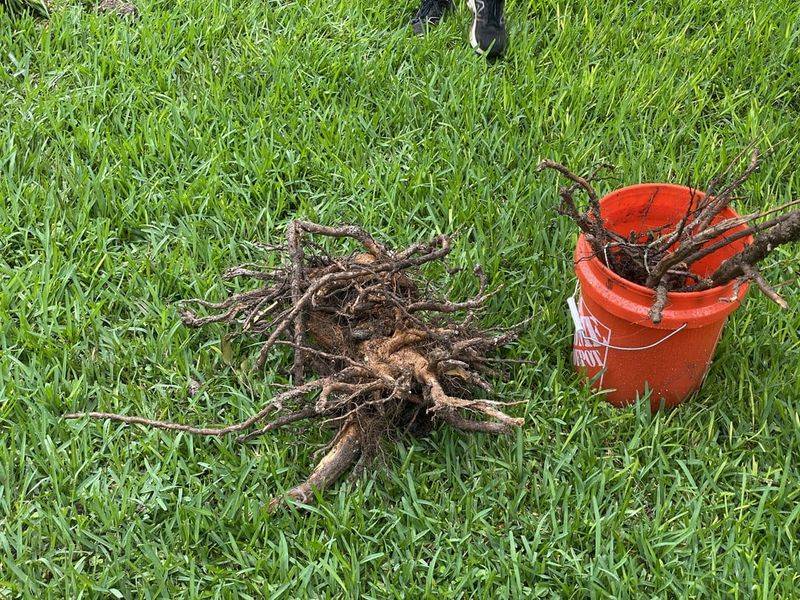
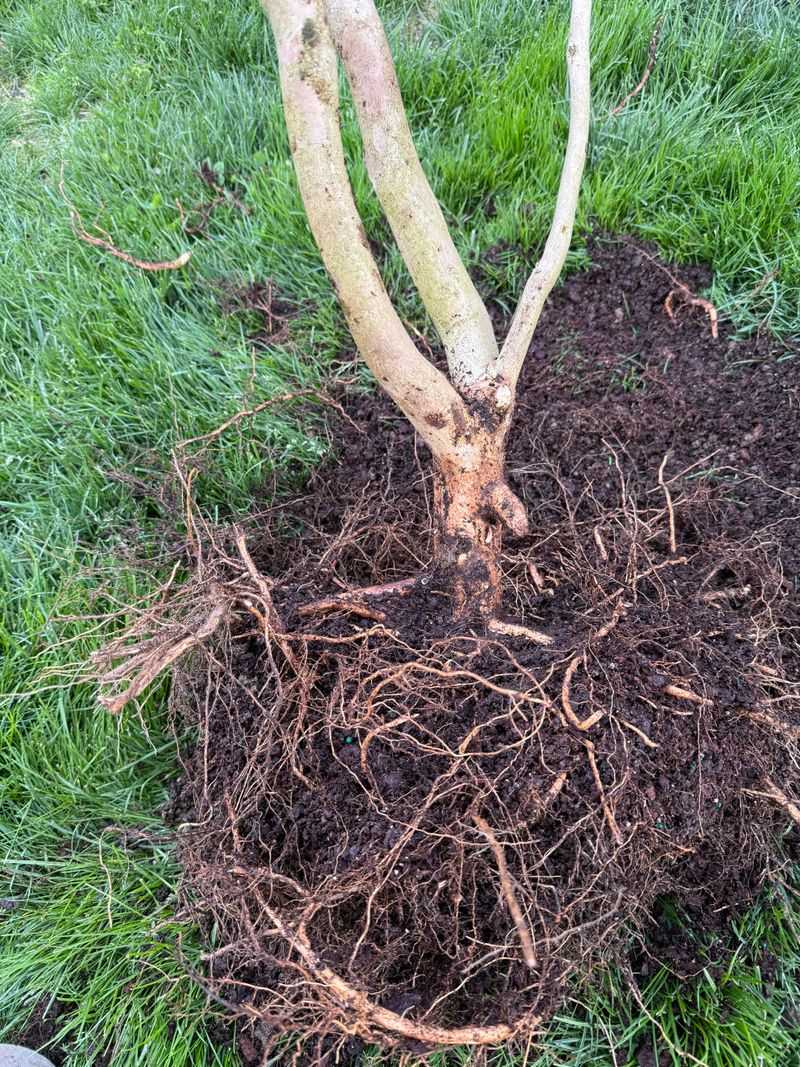
That is partly because crape myrtles develop a fibrous, branching root system rather than a single thick taproot driving straight down into the earth.
Many of those absorbing roots occupy the upper layers of soil, where oxygen and moisture are most available.
As the tree matures over several years, that root network gradually expands outward in all directions. Shallow does not mean weak, though.
A broad fibrous system is actually quite efficient at gathering water and nutrients from a wide area of soil.
The exact depth of individual roots varies depending on soil structure, drainage, and moisture levels at a given site. Texas soils range widely from sandy loam in some regions to heavy clay in others, and root behavior responds to those local conditions.
A crape myrtle planted in loose, well-drained soil may develop roots that reach somewhat deeper than one planted in compacted clay. What stays consistent is the general pattern of spreading outward rather than drilling downward.
Over time, that gradual outward expansion is simply normal tree growth, not a sign that the roots are becoming destructive or out of control.
2. Mature Roots Can Reach Beyond The Canopy
Most people look up at a crape myrtle and assume the roots stay roughly within the shadow of the branches. Underground, though, the story is a little more expansive.
As a crape myrtle reaches full maturity, its root system can extend well beyond the visible drip line, which is the outer edge of the canopy directly above.
Roots follow paths of least resistance, moving toward available moisture, loose soil, and open space. If a neighboring flower bed holds more moisture than compacted turf, roots may naturally migrate in that direction.
Obstacles like utility lines, buried concrete, or dense caliche layers can redirect root growth as well.
The exact ratio of root spread to canopy width can vary considerably from tree to tree and site to site. Factors like tree age, cultivar size, soil conditions, irrigation patterns, and surrounding landscape features all play a role.
Your Texas Garden Changes Every Week. Your Plan Should Too.
Gardening in Texas changes quickly throughout the season. Every Friday you’ll receive a simple weekly plan showing exactly what to plant, prune, fertilize, harvest, and protect so you never miss the right timing.
A large standard crape myrtle that has been in the ground for fifteen or twenty years in a Texas yard may have roots exploring a considerably wider area than its canopy suggests at a quick glance.
Understanding this helps homeowners plan around the tree rather than being surprised when roots show up in unexpected spots.
Knowing the underground zone is broader than the branches above is simply part of managing any maturing landscape tree responsibly.
3. Surface Roots Draw Moisture From A Wider Area
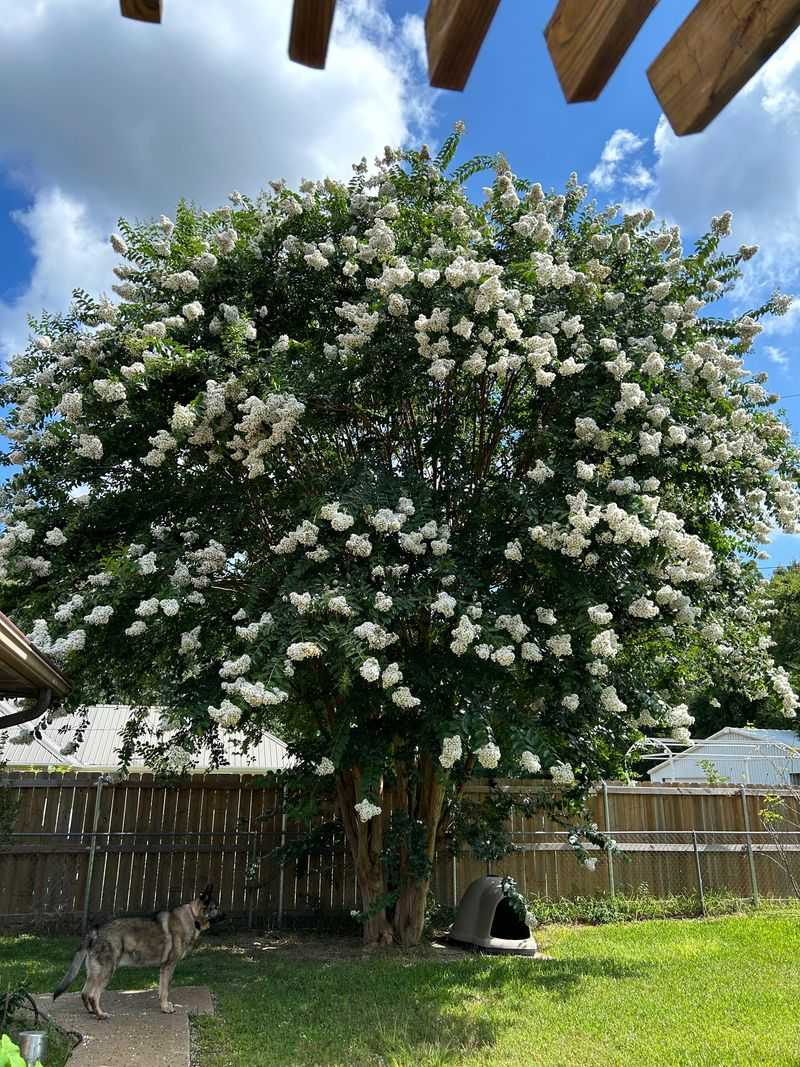
Gardeners who plant flowers or shrubs beneath a crape myrtle sometimes notice that those plants seem to dry out faster than others elsewhere in the yard. That observation is not imagination.
A broad, shallow root system can draw moisture from a substantial area of surrounding soil, and nearby plants may find themselves competing for the same water supply.
During the hottest and driest stretches of a Texas summer, that competition becomes more noticeable.
Lawn grasses, perennials, and shallow-rooted annuals growing within the root zone of a mature crape myrtle may need more frequent watering than plants growing in open ground.
The crape myrtle is not deliberately stealing anything, of course. Root competition is simply a natural part of how plants share space and resources underground.
Choosing companion plants that tolerate drier conditions or adding a layer of mulch over the root zone can help neighboring plants cope better with the competition.
Mulch slows evaporation, moderates soil temperature, and creates a more hospitable environment for all the roots in the area.
Drip irrigation targeted at the base of companion plants can also help ensure they receive adequate moisture even when a crape myrtle is drawing from the same general soil zone.
Paying attention to these dynamics early makes the whole planting area healthier over time.
4. Established Roots Help Trees Handle Texas Dry Spells
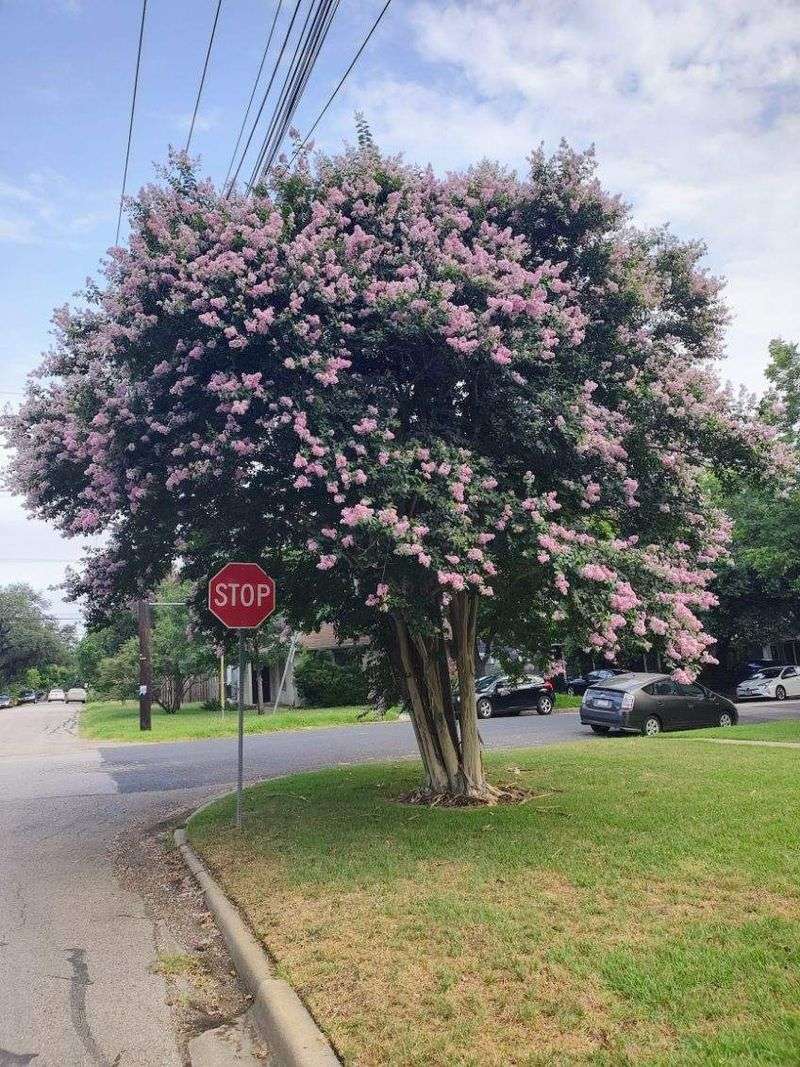
Few trees seem as unbothered by a blazing Texas August as a well-established crape myrtle. While nearby lawn grasses turn brown and annuals wilt by noon, a mature crape myrtle often keeps blooming without missing a beat.
That resilience is directly connected to what the root system has been doing quietly underground for years.
An established root network spread across a broad area of soil gives the tree access to moisture stored in a much larger volume of ground than a young, recently planted tree could reach.
Texas A&M AgriLife Extension recognizes crape myrtles as relatively drought-tolerant once established, and that reputation is earned through years of gradual root expansion.
The key word here is established. A crape myrtle planted within the last year or two has not yet developed a root system wide enough to sustain itself through extended dry periods without help.
Young trees still need regular irrigation while their roots are getting settled into the surrounding soil. Even mature crape myrtles may benefit from supplemental watering during unusually prolonged droughts.
Drought tolerance does not mean zero water needs under every condition.
It means the tree is better equipped than many other species to manage moisture stress once it has had adequate time to develop a healthy, spreading root system throughout the surrounding Texas soil.
5. Root Suckers Can Start Appearing Around The Tree
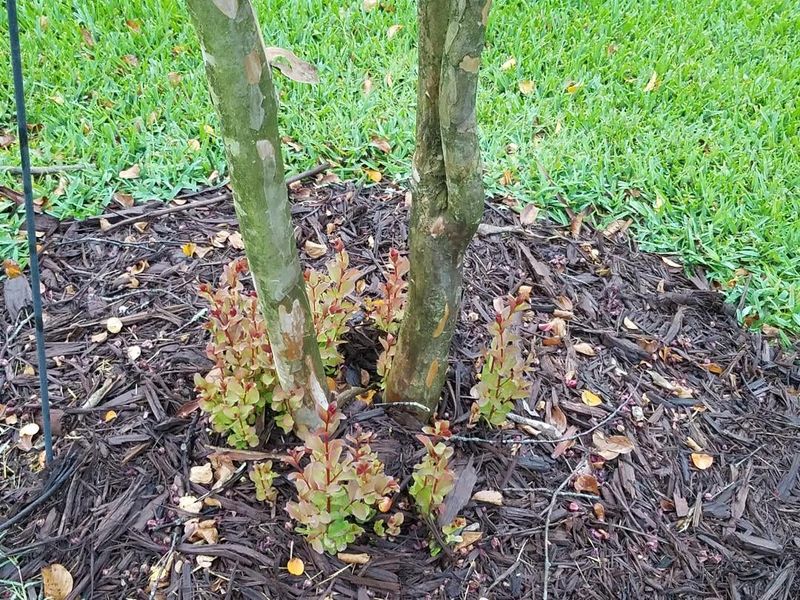
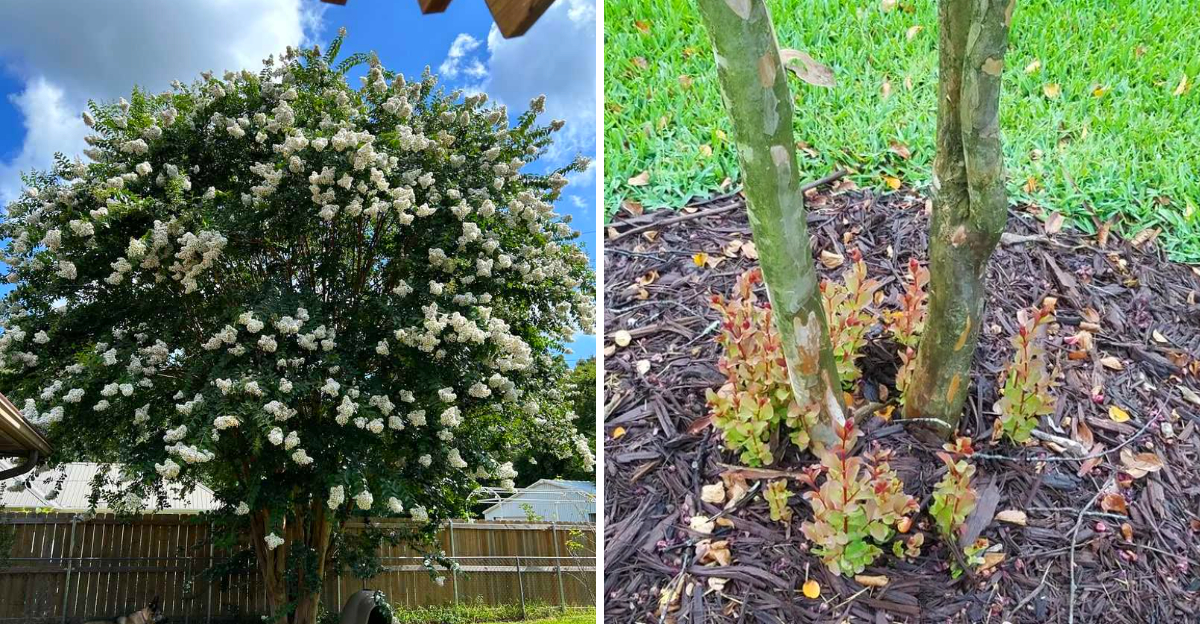
Spend enough time maintaining a crape myrtle, and you may eventually notice small green shoots popping up around the base or even a short distance away from the main trunk.
Those are root suckers, and they are a fairly common occurrence with crape myrtles, particularly as the tree matures and its root system spreads outward through the yard.
Suckers emerge when shoots develop from root tissue or from buds at the base of the plant rather than from the main stems.
Certain cultivars produce more suckers than others, and the tendency can increase when the roots or base of the tree experience stress, physical disturbance, or damage from lawn equipment.
Edging, mowing too close to the trunk, or nicking surface roots can all trigger extra sucker production.
For homeowners who prefer a clean single-trunk or tidy multi-trunk form, suckers represent an ongoing maintenance task. Removing them promptly by pulling or cutting them as close to their point of origin as possible helps discourage regrowth.
Leaving suckers to grow unchecked can gradually change the appearance of the tree and create a thicket-like base over time.
Not every crape myrtle produces suckers in large numbers, and many established trees in Texas yards stay relatively tidy with minimal intervention.
Staying observant during the growing season makes it easier to catch and remove suckers before they become a bigger project.
6. Heavy Pruning Can Encourage Even More Sprouts
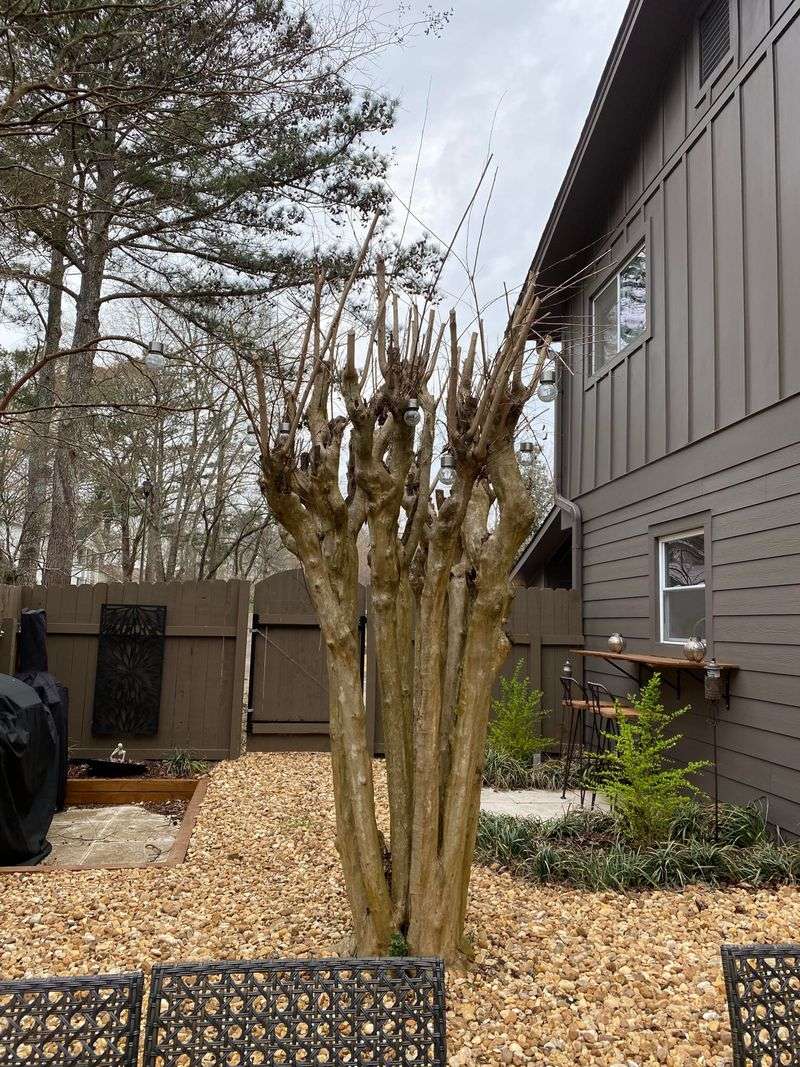
Topping a crape myrtle, sometimes called crape murder among Texas gardeners and horticulturists, is a pruning practice that removes large portions of the main branches.
Many homeowners do it hoping to keep the tree smaller or tidier, but the results underground and above ground often go in the opposite direction of what was intended.
When a crape myrtle is severely pruned, the tree responds by pushing out large numbers of vigorous new shoots from the cut areas, the base of the trunk, and sometimes from roots nearby. That flush of growth is the tree attempting to restore the leaf area it lost.
The underground root system is not reduced by heavy pruning above ground, and in fact the imbalance between a large established root system and suddenly reduced top growth can drive even more aggressive sprouting.
Research-based pruning guidance from Texas A&M and other university Extension programs consistently recommends light, selective pruning for crape myrtles rather than severe topping.
Removing crossed or rubbing branches, trimming spent flower clusters, and shaping lightly during the dormant season are approaches that maintain the tree’s natural form without triggering excessive sucker and sprout production.
Heavy pruning does not help manage roots and can create more maintenance work, not less.
Choosing an appropriately sized cultivar for the available space from the start is a far better long-term strategy than relying on repeated severe pruning to control the tree.
7. Poor Placement Can Bring Roots Into Conflict With Pavement
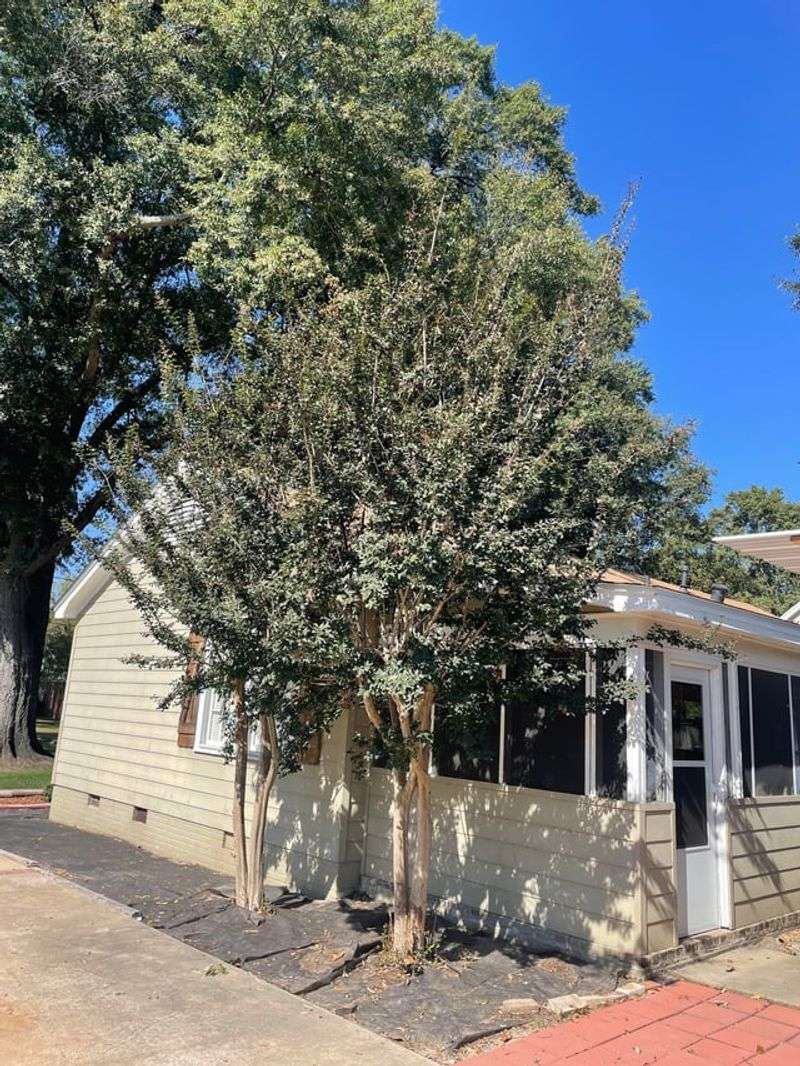
Cracks or lifted sections of sidewalk near a mature tree are a familiar sight in many Texas neighborhoods.
While crape myrtles are generally considered far less aggressive than species like silver maple, willow, or large oaks when it comes to pavement conflicts, placement still matters considerably.
A crape myrtle planted too close to a sidewalk, driveway, or paved edge may eventually produce individual roots that grow beneath the hardscape and contribute to displacement over time.
Roots naturally seek out moisture and loose soil, and the gap beneath pavement can actually offer a favorable environment in some conditions.
As roots thicken with age, they can exert gradual upward pressure that may contribute to lifting or cracking when space is limited.
This is not inevitable for every crape myrtle near pavement, but the risk increases when the tree is planted within a very tight distance of hardscape without adequate soil volume to accommodate root spread.
Thinking carefully about placement before planting is the most practical approach.
Allowing enough space for the tree’s mature canopy and root zone to develop without crowding nearby pavement can prevent conflicts from developing in the first place.
If a crape myrtle is already established near hardscape and surface roots are becoming a concern, consulting a qualified arborist before attempting any root pruning is a wise step.
Cutting major roots without professional guidance can affect tree stability and overall health in ways that may not be immediately visible.
8. Foundation Problems Are Less Common Than Root Myths Suggest
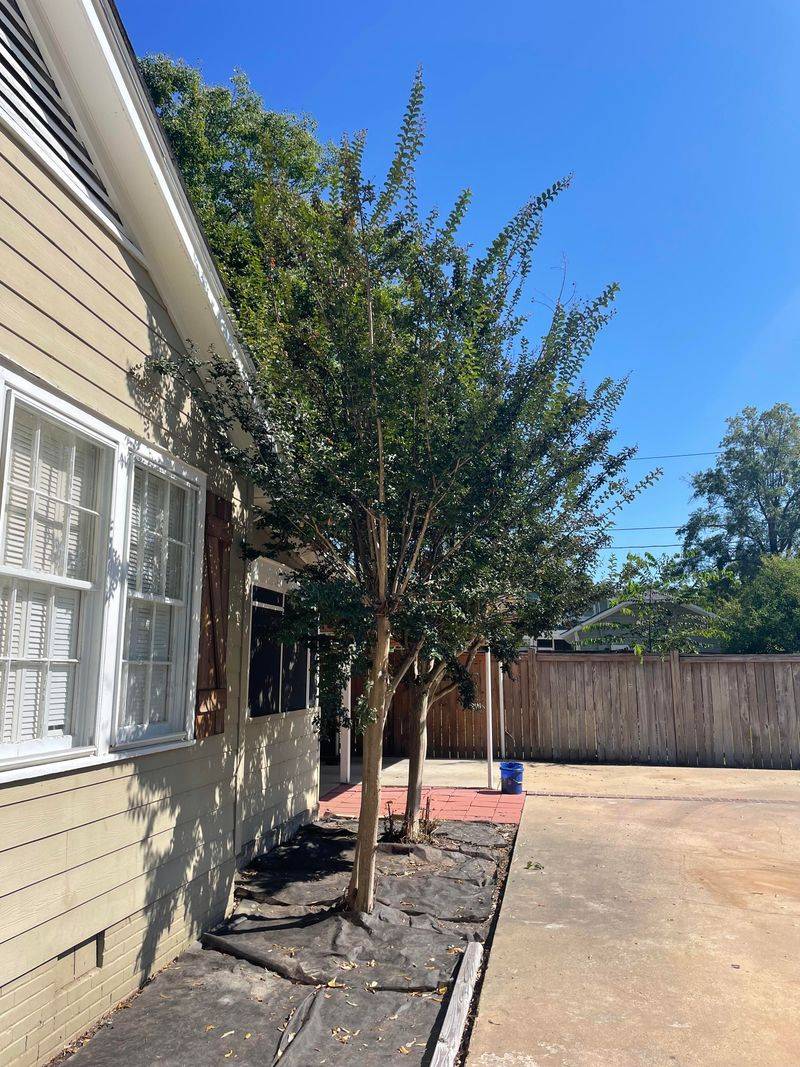
One of the most common worries Texas homeowners share about crape myrtles involves the foundation. The concern is understandable, especially in areas with expansive clay soils that shift with changes in moisture.
But crape myrtle roots are not generally classified among the highly aggressive, foundation-threatening root systems that arborists and builders most frequently caution against.
Research-based horticultural guidance commonly considers crape myrtles suitable for relatively constrained landscape spaces compared with many larger tree species.
Direct root invasion of sound concrete foundations is not typical behavior for this species.
Foundation movement in Texas is a complicated issue influenced by soil type, seasonal moisture fluctuations, drainage patterns, foundation design, and the combined effect of all nearby vegetation, not just one tree.
That said, no one should claim that a crape myrtle near a foundation is completely without any possible influence.
In areas with highly expansive clay soils, large plants of any kind can affect the moisture content of the surrounding soil, and changes in soil moisture are a primary driver of foundation movement in Texas.
A crape myrtle drawing moisture from soil adjacent to a foundation during a prolonged drought could contribute to soil shrinkage in that area. Foundation concerns should be evaluated individually rather than automatically blamed on one nearby plant.
If a homeowner has genuine concerns about a tree near a foundation, getting a professional assessment from a structural engineer or certified arborist is a much better approach than acting on generalized root myths.