What Florida Gardeners Are Planting Instead Of Golden Dewdrop
You are standing at the fence with coffee, watching butterflies work your neighbor’s hedge.
Drooping purple flowers, constant motion, exactly the kind of thing you want along your own property line.
Then somebody mentions the list.
That shrub sits on a do-not-use list in Florida, flagged for invasion risk with fruit that causes problems for people and pets.
Birds eat the berries and carry seed into hammocks and pinelands well beyond the yard where it started.
So a lot of Florida gardeners have quietly changed direction over the past few years.
They are not giving up the butterflies or the color. They are choosing plants that deliver both without the complications.
Some bloom in January. One smells like nutmeg. Another fruits in colors nobody expects from a shrub.
Curious what is going in instead?
1. Firebush Brings Similar Color Safely
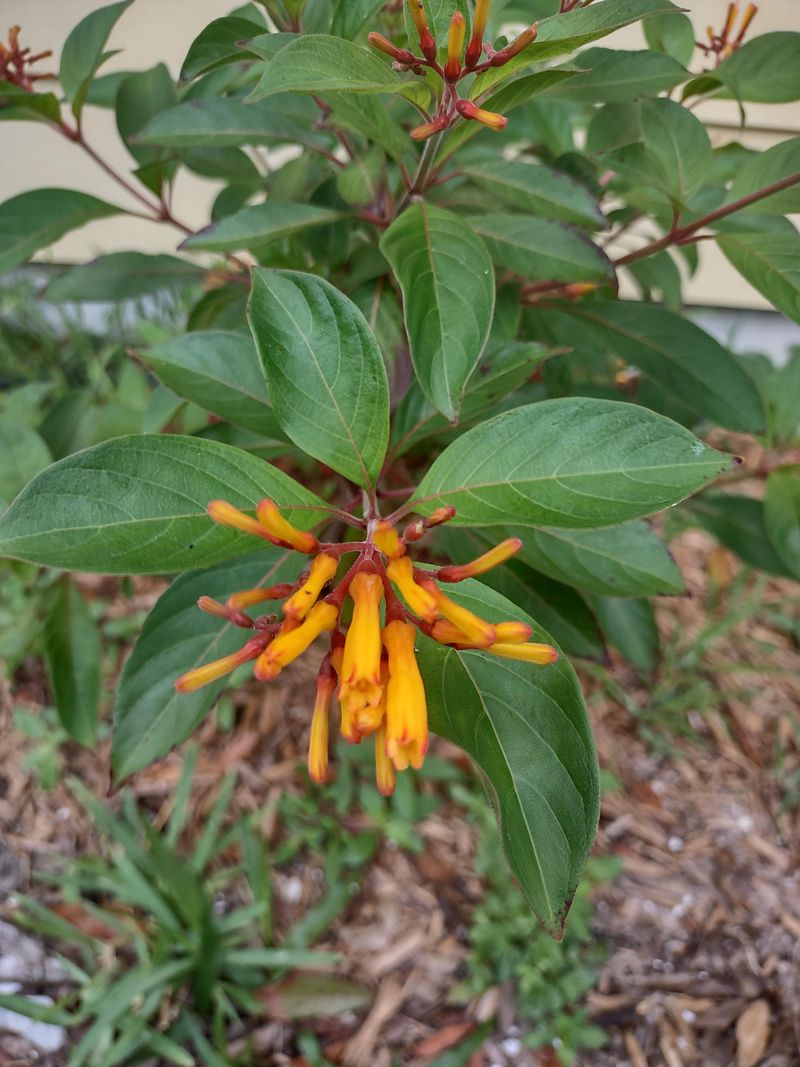
Hummingbirds keep firebush on speed dial, arriving for the skinny orange-red tubes almost as soon as they open.
Hamelia patens grows fast and full, reaching six to twelve feet in frost-free areas.
Farther north it dies back in cold winters and returns from the roots. Reliable rather than permanent.
It appears among Florida-Friendly shrubs worth planting for good reason.
Zebra longwing and gulf fritillary butterflies feed on the flowers while cardinals and mockingbirds pick at the small dark fruit.
Read labels closely at the nursery. Compact plants tagged dwarf firebush or Bahama firebush are a different non-native form.
Ask specifically for native Hamelia patens if you want the full wildlife benefit. The distinction matters.
Placement counts more than pampering here. Full sun produces the heaviest bloom and the reddest leaf tips.
Part shade works with fewer flowers. Sandy soil suits it fine once roots establish.
Established plants handle summer dry spells with only occasional water. Low maintenance once settled.
Pruning keeps things reasonable. Cut back hard in early spring, then trim lightly through the season rather than shearing into a box.
Unlike golden dewdrop, firebush carries no invasion flag in Florida and no known poisoning hazard for people or pets.
Anyone missing the activity around a dewdrop hedge will hardly notice the swap. Purple sprays become an orange glow.
2. Simpsons Stopper Adds Native Berries For Birds
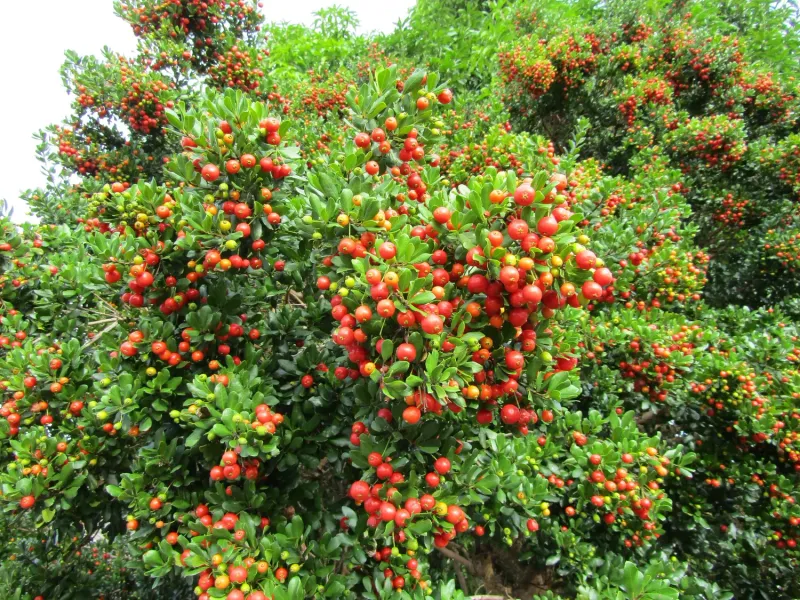
Rub a Simpson’s stopper leaf between your fingers and a faint nutmeg scent drifts up. That smell earned it the old nickname nutmeg tree. Unexpected from a hedge plant.
Myrcianthes fragrans grows slowly into a dense small-leaved shrub or multi-trunked small tree. Mature size often runs ten to twenty feet, with peeling reddish bark that looks genuinely good up close.
Clusters of fluffy white flowers appear in spring and again after summer rains. Orange-red berries follow, and mockingbirds, cardinals, and catbirds strip them quickly. Popular fruit.
Bird value is the main selling point here. The fruit is edible and safe. No worry about a dog or a curious kid finding fallen berries on the lawn. That difference matters to families.
Hedge growers appreciate the tight branching, which holds shape without heavy shearing. It handles salt spray, drought, and both sun and light shade comfortably.
Your Florida Garden Changes Every Week. Your Plan Should Too.
Gardening in Florida changes quickly throughout the season. Every Friday you’ll receive a simple weekly plan showing exactly what to plant, prune, fertilize, harvest, and protect so you never miss the right timing.
Patience helps though. Growth runs far slower than golden dewdrop’s rush.
A three-gallon plant may take two or three seasons to fill a gap. Space plants three to five feet apart for a screen. Southern and central Florida suit it best, since hard freezes damage young plants in the Panhandle.
Fragrance drifting through evening air is the bonus nobody expects. Less flashy flowers, better bark, safer berries.
3. Beautyberry Offers Fall Color And Safe Fruit
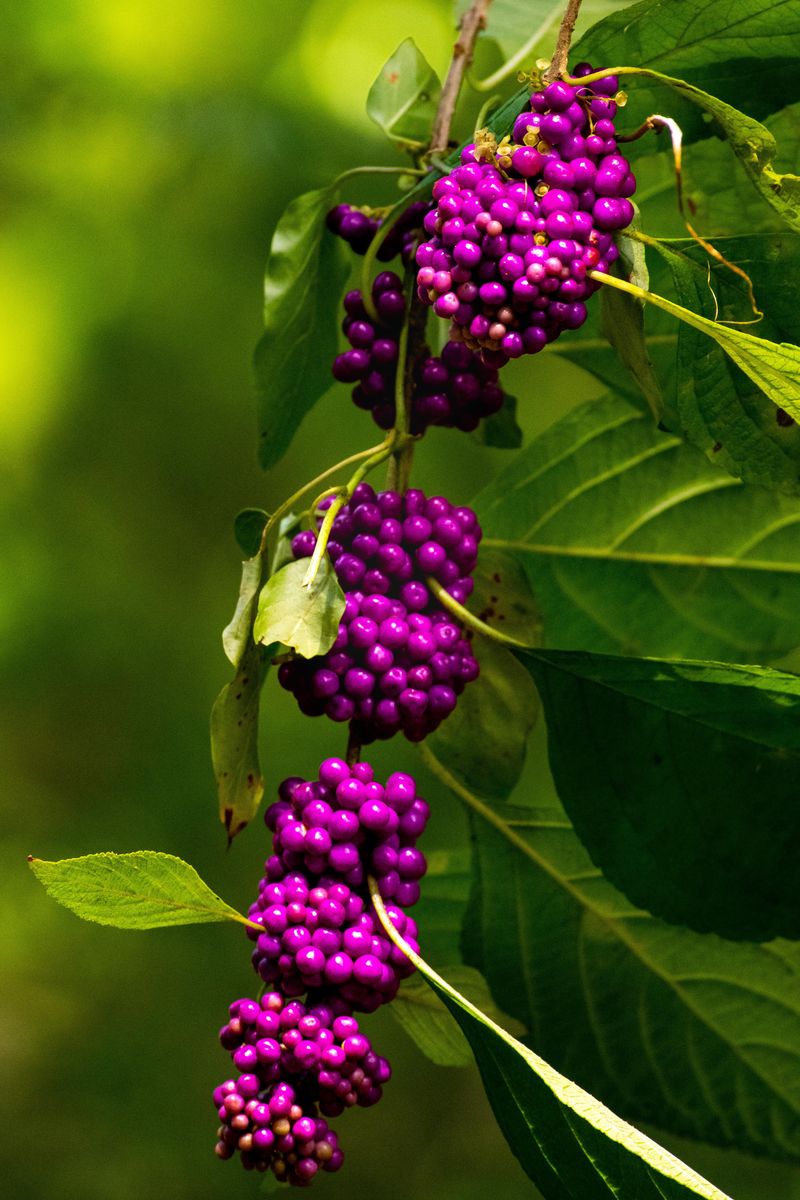
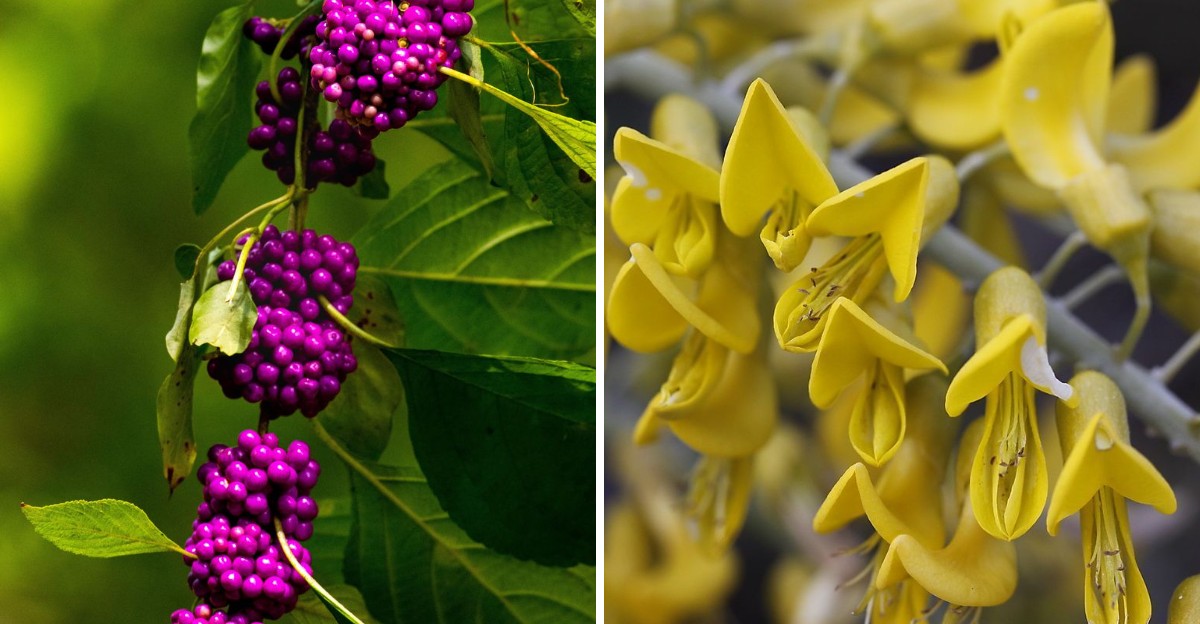
Few Florida plants put on a show as improbable as beautyberry in September.
Branches look strung with grape-colored beads. Nothing else in the yard does that. Callicarpa americana grows wild in pinelands and along fence rows across the whole state.
That distribution tells you how little help it needs. Genuinely undemanding once planted. Arching stems reach five to eight feet, and the loose open shape differs completely from a clipped hedge.
Plan on a relaxed informal look rather than a solid green wall. Different aesthetic entirely. Pale pink flowers line the stems in spring and summer for bees. Fruit then ripens into tight magenta clusters.
Mockingbirds, thrashers, and even raccoons work through those clusters. Popular across a lot of species.
Cooks have used beautyberry for generations. Raw fruit tastes flat and mealy. Boiled, strained, and mixed with sugar and pectin it makes a rose-colored jelly. Longtime Southern country tradition.
Growing conditions run forgiving. Part shade to full sun, sandy or loamy soil, and no fertilizer once established.
Cut stems back to about a foot in late winter and the plant returns thicker with heavier fruit set.
Cooler counties bring bare winter branches, so pair it with something evergreen for year-round screening.
Gardeners leaving dewdrop for safety reasons get an easy win here. Berries that threaten no pets, plus a color show your neighbors will ask about.
4. Porterweed Keeps Butterflies Coming All Season
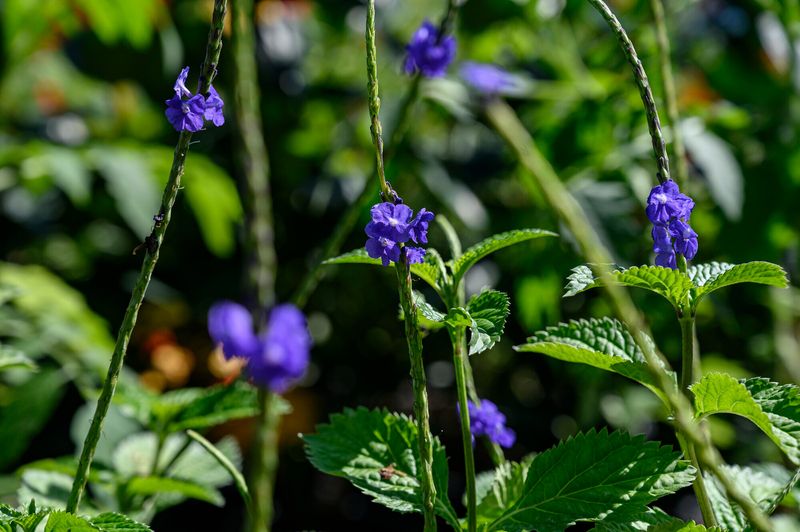
Porterweed looks small until the butterflies arrive.
Then the whole plant starts feeling much bigger.
This low-growing Florida native creates a busy little landing zone with slender flower spikes covered in tiny violet-blue blooms.
The flowers open gradually, which keeps the show going instead of putting on one quick performance and disappearing.
Stachytarpheta jamaicensis works well for gardeners who want activity closer to the ground. It usually stays around one to three feet tall, making it a great partner in front of taller shrubs or along pathways where you can watch visitors pass by.
The magic happens when the insects find it. Skippers, hairstreaks, buckeyes, and bees may stop in throughout the season. A small planting can turn into a tiny neighborhood café for pollinators.
Pay attention at the nursery, because porterweed has a few lookalikes. The native sprawling blue form is the one many Florida gardeners seek for wildlife-friendly spaces.
Plant it in full sun with well-drained soil, then give it room to spread. It does not need constant attention once established. A quick trim of old flower spikes can encourage more blooms and keep it looking fresh.
Frost may slow it down in cooler areas, but it often returns when warmer weather arrives.
Porterweed will not replace a tall hedge. That is not its job. It is the lively front-row performer, bringing tiny wings, bright color, and plenty of garden action without needing a spotlight.
5. Necklace Pod Adds Bright Yellow Blooms
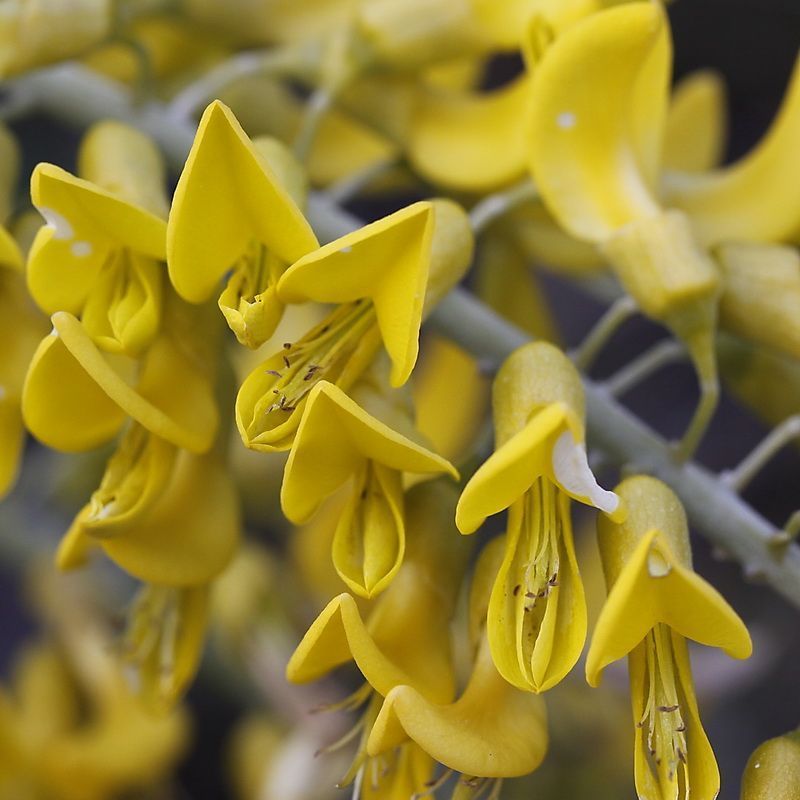
The flowers are the first thing you notice. Bright yellow blooms hang from the branches like little garden lanterns, adding warmth during seasons when other plants may take a quiet break.
Sophora tomentosa var. truncata fits especially well in coastal Florida landscapes. It handles sandy conditions, salt spray, and the kind of tough spots that leave many shrubs searching for an easier job.
This plant grows into a loose, arching shrub that can reach six to ten feet tall. It creates a softer screen rather than a perfectly trimmed wall. The shape feels relaxed, like the garden decided to loosen its tie.
The seedpods add another surprise. They dry into bead-like strings that explain the necklace name. Nature occasionally enjoys a little jewelry design.
Hummingbirds and butterflies visit the yellow flowers, adding movement around the plant. Place it where you can see the blooms, because this shrub earns its attention.
Choose the native Florida variety when shopping. Plant names can get confusing, and the right selection makes a difference for a wildlife-friendly yard.
Full sun and good drainage help this shrub stay happy. Avoid planting it in soggy areas, since wet roots can create problems.
A light trim after flowering keeps the growth neat while allowing future blooms to develop.
A garden does not need every plant to be flashy. Sometimes one golden shrub quietly changes the entire mood of the space, especially when winter arrives and your yard could use a little sunshine.
6. Wild Coffee Thrives In Shadier Spots
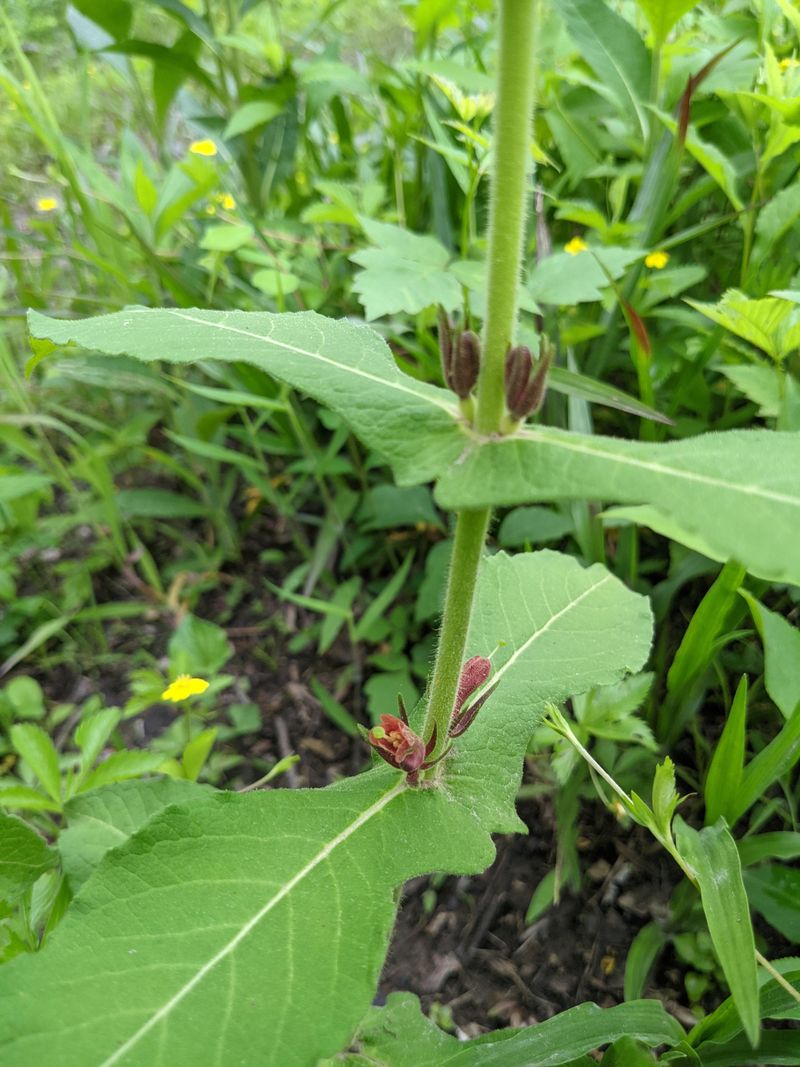
The shadiest corner of your yard may be hiding its next star.
Many gardeners struggle with those spots under trees where flowers refuse to cooperate. Wild coffee takes a different approach. It does not chase the spotlight. It brings texture, berries, and year-round greenery instead.
Psychotria species such as glossy wild coffee and shortleaf wild coffee grow naturally in Florida habitats. Their evergreen leaves create a rich background for layered landscapes, especially beneath oaks or along protected areas.
The leaves are the first attraction. Glossy wild coffee has deeply veined foliage that catches attention after rain, almost like someone polished every leaf by hand.
Small white flowers appear during warmer months, then red fruits follow. Birds such as cardinals, mockingbirds, and catbirds may visit for the seasonal food source.
Here is where this plant becomes useful. Instead of fighting a shady location, it works with it. Your difficult corner becomes part of the garden instead of a forgotten space behind the fence.
Give new plants regular water while roots settle in. After that, mulch and natural leaf litter can help keep the soil comfortable.
Too much sun can cause stress, so watch the leaves. Yellowing or scorched foliage may mean the plant needs a calmer location.
Wild coffee will not copy a bright flowering hedge. It offers something different: a cool woodland feeling with wildlife quietly moving through the leaves.
Sometimes the best garden upgrades happen in the places you almost stopped noticing.
7. Firecracker Plant Keeps Constant Hummingbird Traffic
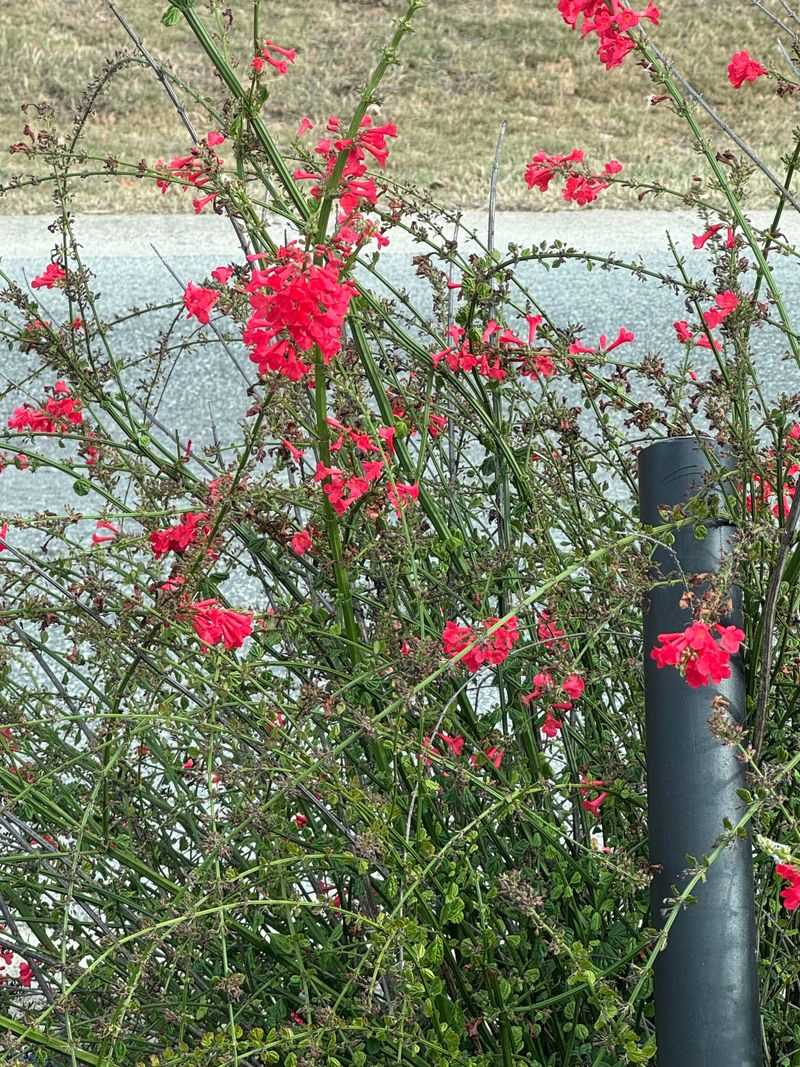
Slender arching stems covered in narrow red tubes give this plant its name, and hummingbirds find it fast.
Russelia equisetiformis produces those flowers nearly year-round in warm parts of Florida.
The habit reads more like a fountain than a shrub. Fine stems arch outward and cascade, reaching three to five feet.
That form suits raised beds, wall edges, and containers where growth can spill over. Different look from a hedge entirely.
Foliage stays sparse, so the flowers carry the show. Bright red is the common form, though white and pink selections circulate.
Full sun produces the heaviest bloom. Part shade works with noticeably fewer flowers.
Sandy well-drained soil suits it, and established plants handle dry spells reasonably well.
One honest note. This plant comes from Mexico rather than Florida, so it’s a well-behaved non-native rather than a native.
It carries no invasion flag in Florida, which puts it in a different category than dewdrop entirely.
Cold knocks it back in Central Florida and it returns from the roots. South Florida keeps it evergreen.
Cut back hard in early spring to renew growth. Stems get woody and thin without that reset.
Pair it in front of taller natives where the cascading habit shows. Hummingbirds work it from March through fall, which makes the placement worth thinking about.
8. Walter’s Viburnum Is Great For A Dense Evergreen Screen
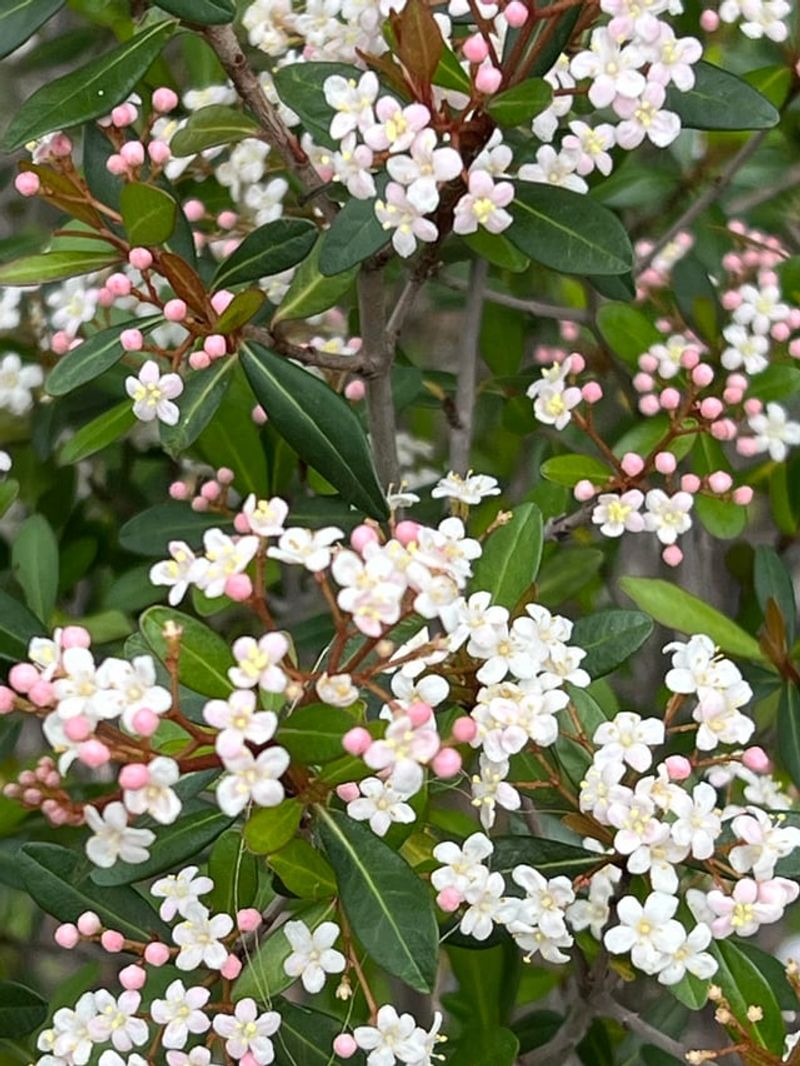
Anyone replacing a hedge for privacy rather than flowers should start here.
Viburnum obovatum is a Florida native that forms genuinely dense growth, which most native shrubs do not.
Small glossy leaves cover fine branching, and the plant takes shearing better than almost anything else on this list.
That combination makes it the closest native match for a formal clipped hedge. Structure without the invasion problem.
Mature size varies considerably by selection. Full-size forms reach fifteen to twenty feet while dwarf cultivars stay under six.
Whorled Class and Mrs. Schiller’s Delight are both compact selections worth asking about by name.
White flower clusters cover the plant in early spring, sometimes before leaves fully emerge. Pollinators work those flowers heavily during a season when little else is blooming. Useful timing.
Small dark fruit follows, and birds take it readily. Safe around pets and children. Sun or part shade both work, and it tolerates a range of soils including damp spots.
Drought tolerance improves considerably once established. Low maintenance after the first year.
Prune after flowering rather than before, since spring bloom comes from growth formed the previous season.
Cold hardiness extends further north than most Florida natives, which suits Panhandle gardens where wild coffee and firebush struggle.
For a hedge that actually behaves like a hedge, this is the one gardeners keep coming back to.
9. Coontie Works Where Nothing Else Does
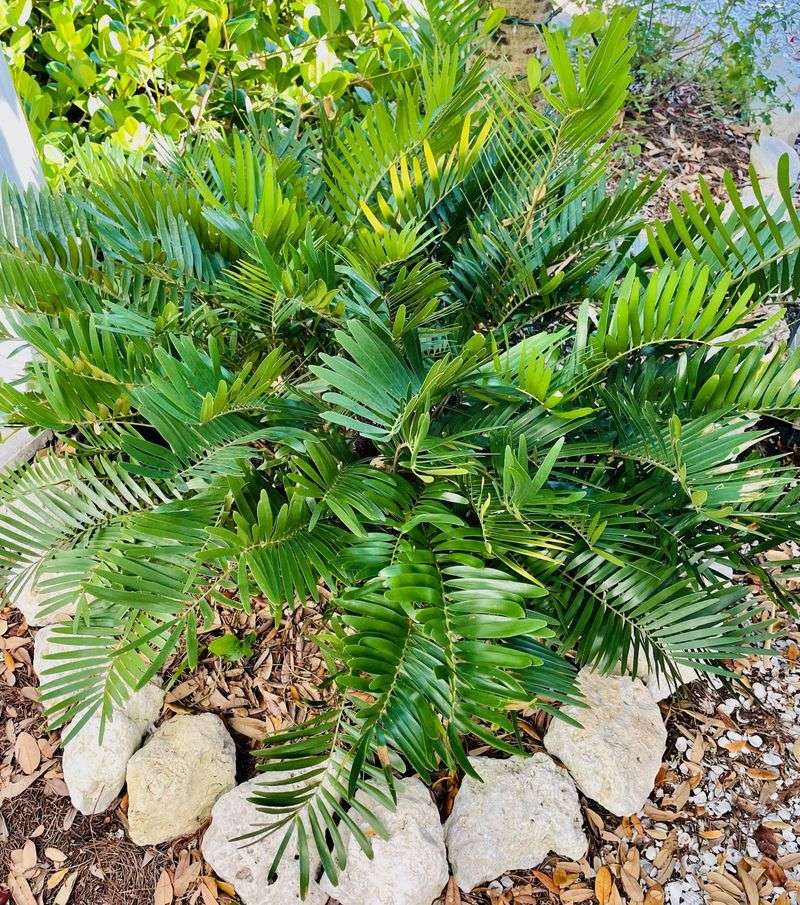
Coontie looks like a small fern and behaves nothing like one. Zamia integrifolia is Florida’s only native cycad, a plant group considerably older than flowering plants.
Stiff arching fronds emerge from an underground stem, forming a low mound two to three feet across. That form gives a bed permanent structure without any pruning. Evergreen and essentially unchanging.
Toughness is the selling point. Coontie handles drought, salt, sandy soil, sun, and deep shade. Once established it survives on rainfall alone across most of Florida. Genuinely low input.
The wildlife connection is specific and worth knowing. Atala butterflies depend on coontie as their host plant. That species nearly disappeared from Florida and recovered partly as coontie returned to landscapes.
Growth runs slow, so buy the largest plant your budget allows. Patience is the main cost here.
Seeds and all plant parts contain compounds that are toxic if eaten, so placement away from play areas matters.
Bright orange seed cones appear on female plants, which look striking and should stay off the ground near pets.
Use it as a foundation planting, along a walkway, or massed under trees where turf fails.
Nothing about coontie replaces a flowering hedge, and it solves the difficult spots that defeated the dewdrop anyway.