What To Do With Georgia Tomato Plants In July To Keep Them Producing
Georgia July does not go easy on tomato plants, and it doesn’t go easy on the gardeners growing them either.
Blazing afternoons, warm humid nights, surprise downpours, and dry stretches that arrive without warning can all show up in the same week, making this one of the most unpredictable months in the vegetable garden.
Ripening fruit, fungal pressure, thirsty roots, hungry insects, and mulch that breaks down faster than expected all demand attention at the same time.
The approach that works best in July isn’t doing more, it’s doing the right things at the right moments and understanding what the season actually allows.
High heat slows fruit set even on strong-looking plants, so thoughtful, steady care focused on support rather than production pressure is really the name of the game this month.
1. Water Deeply And Keep Moisture Even
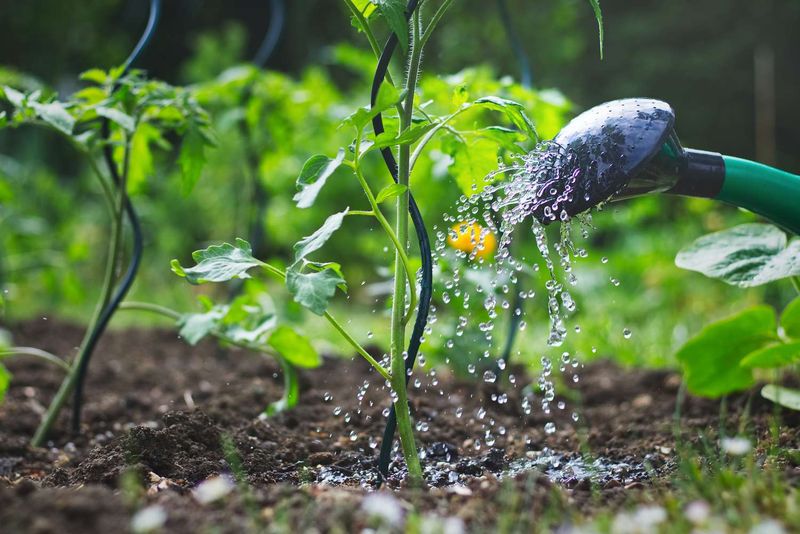
Cracked soil around the base of a tomato plant is one of the clearest signs that watering habits need attention. In Georgia’s July heat, soil can dry out faster than expected between waterings, especially in raised beds and sandy soils.
Uneven moisture is one of the main causes of blossom end rot and cracked fruit, both of which show up more often during Georgia’s hot summer months.
Watering deeply encourages roots to grow further down into the soil, where moisture stays more stable even when the surface dries out. Shallow, frequent watering tends to keep roots near the surface, where heat stress hits hardest.
A slow, thorough soak at the base of each plant does more good than a quick sprinkle across the whole garden.
Aim for consistent soil moisture rather than swinging between wet and dry. Checking the soil a few inches down before watering gives a better picture of what the plant actually needs.
During dry stretches in Georgia, deep watering every few days is often more effective than watering a little each day.
Consistent moisture helps the plant focus its energy on holding and maturing fruit rather than managing stress from unpredictable soil conditions throughout the season.
2. Water Early And Keep Leaves Dry
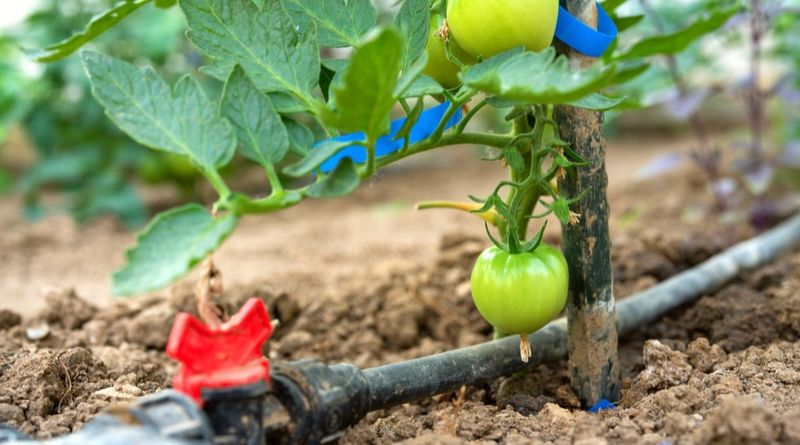
Damp foliage sitting on tomato plants through the night is a familiar problem for Georgia gardeners who water in the evening.
Georgia’s summer humidity is already high, and wet leaves that stay moist overnight create exactly the kind of environment where fungal diseases take hold quickly.
Shifting watering to early morning makes a real difference over the course of a July growing season.
When water is applied early, any moisture that splashes onto leaves has time to dry off as the morning warms up.
That simple shift reduces the hours that leaf surfaces stay wet, which lowers pressure from diseases like early blight and Septoria leaf spot, both of which are common in Georgia summer gardens.
Drip irrigation and soaker hoses are especially helpful because they deliver water directly to the root zone without wetting the foliage at all.
Overhead watering with a sprinkler or hose spray is harder to avoid in some home gardens, but timing it for early morning rather than afternoon or evening keeps the risk lower.
Your Georgia Garden Changes Every Week. Your Plan Should Too.
Gardening in Georgia changes quickly throughout the season. Every Friday you’ll receive a simple weekly plan showing exactly what to plant, prune, fertilize, harvest, and protect so you never miss the right timing.
Tomato plants in Georgia need moisture support through July, but the way that water is delivered matters just as much as how much is applied.
Keeping leaves as dry as possible is one of the quieter but genuinely useful habits a Georgia gardener can build during the summer months.
3. Refresh Mulch Around The Plants
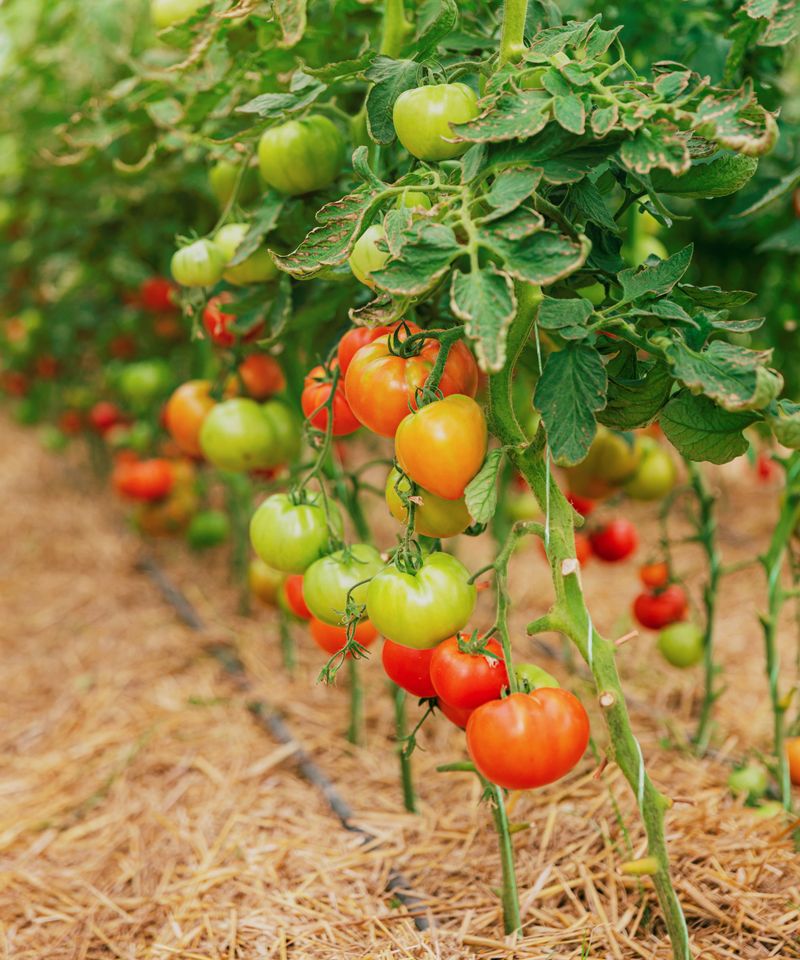
Mulch that looked thick and fresh back in May can compress, thin out, and lose its effectiveness by the time July arrives in Georgia. Summer rain, foot traffic near the beds, and natural decomposition all work together to reduce mulch depth over time.
A quick look at the base of each tomato plant will often reveal bare soil peeking through where a solid layer used to be.
Refreshing mulch in July helps in several important ways. It slows soil moisture loss between waterings, which is especially valuable during the dry stretches that Georgia summers are known for.
It also helps moderate soil temperature, keeping roots cooler during the hottest part of the afternoon when surface temperatures can climb significantly. Cooler, more stable soil gives roots a better environment to function through the heat.
Organic mulches like straw, pine straw, or shredded leaves work well around tomato plants.
A layer of roughly two to three inches around the base of each plant, kept a few inches away from the main stem, provides good coverage without encouraging moisture buildup right at the crown.
Refreshing mulch in July is one of the lower-effort tasks in the garden, but its effect on soil moisture, soil temperature, and overall plant comfort during Georgia’s hottest weeks makes it genuinely worth doing before the mulch gets too thin.
4. Harvest Ripe Tomatoes Promptly
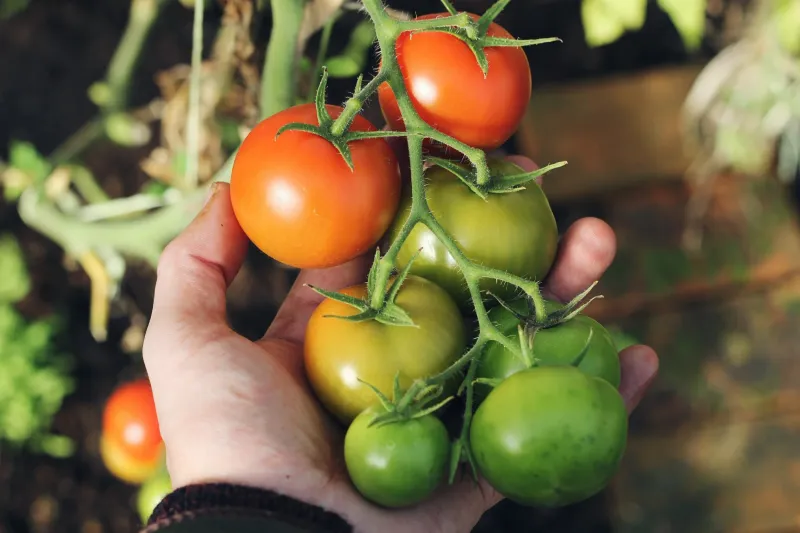
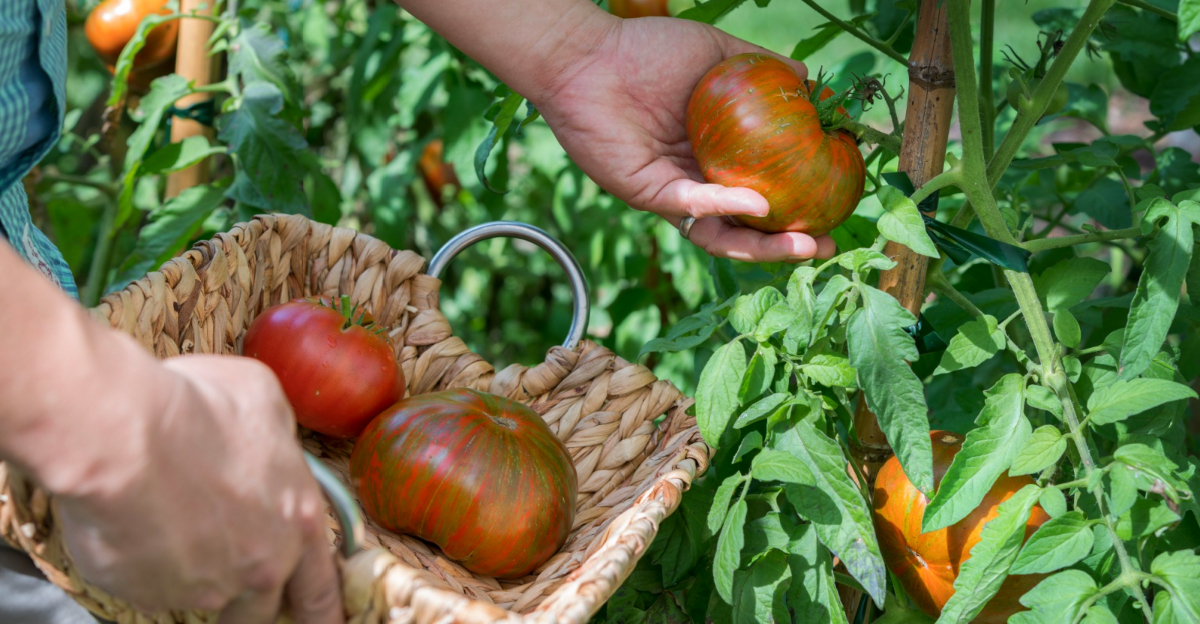
Ripe tomatoes left on the vine too long in Georgia’s July heat can soften quickly, crack after a rain, or attract insects and disease before they ever make it to the kitchen.
Checking plants every day or two during peak ripening season helps catch fruit at the right moment, which is better for flavor and for the plant itself.
When ripe fruit is removed promptly, the plant can redirect its energy toward holding and developing the next round of tomatoes rather than continuing to support fruit that has already peaked.
This is a quiet but real benefit of staying on top of harvesting during July.
A plant carrying overripe or splitting fruit is also more likely to attract insects and fungal issues, which can spread to healthy parts of the plant quickly in Georgia’s humid summer conditions.
Tomatoes do not need to be fully red on the vine to be harvested. Fruit that has started to color and begun to soften slightly at the blossom end will continue ripening indoors at room temperature without losing quality.
Bringing tomatoes in at the breaker stage, the point where color has just begun to develop, can actually protect them from heat damage, cracking, and pest pressure.
Regular harvesting keeps the garden tidy and supports the plant’s ongoing production through the rest of the Georgia summer season.
5. Scout Often For Insects
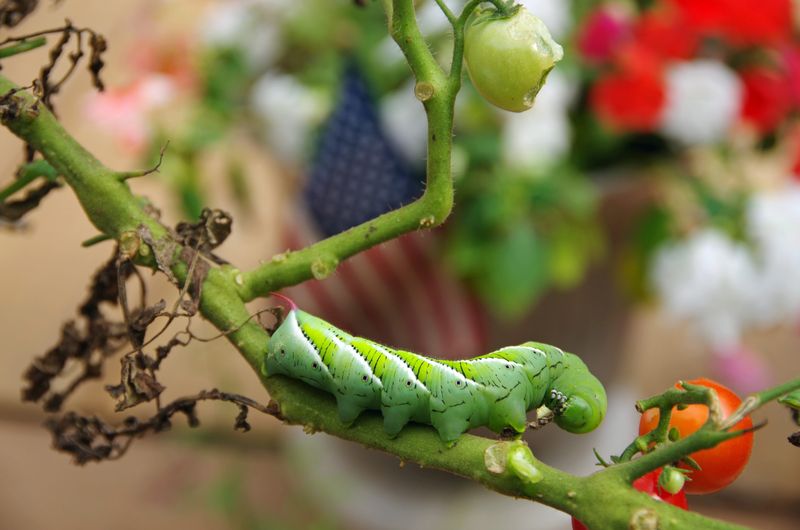
Sticky residue on leaves, ragged holes in foliage, or fruit with small entry wounds are the kinds of things Georgia gardeners start noticing in July when insect pressure picks up.
Summer heat and humidity create conditions that support rapid pest population growth, and a small problem can become a larger one within just a few days if it goes unnoticed.
Walking through the garden and looking closely at plants every few days is one of the most effective things a home gardener can do during July. Check the undersides of leaves for aphids, spider mites, and small caterpillars.
Look along the stems and near new growth where soft tissue attracts feeding insects.
Tomato hornworms can be surprisingly hard to spot because they blend in so well with green foliage, but their dark droppings on leaves below them are a reliable sign of their presence.
Catching insects early gives gardeners more options. Hand-removing hornworms, knocking aphid colonies off with a water spray, or using targeted treatments appropriate for vegetable gardens are all easier when a problem is still in its early stages.
Waiting until damage is widespread makes recovery slower and harder on the plant.
In Georgia’s July garden, regular scouting is not an extra task but a core part of keeping tomato plants healthy and productive through the heat of the summer growing season.
6. Watch Closely For Leaf Diseases
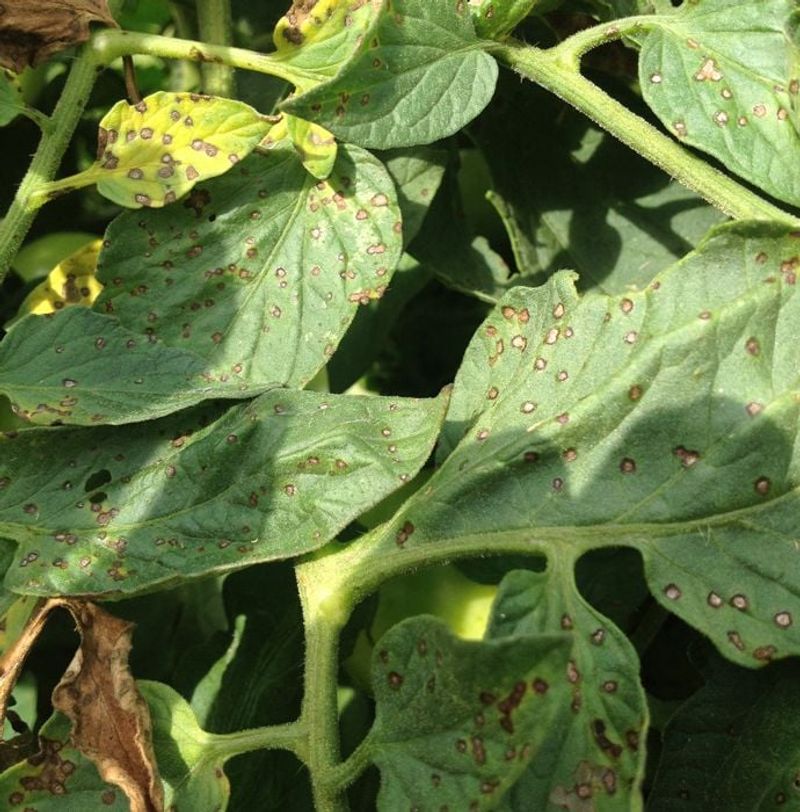
Small brown spots with yellow rings, dark lesions near the leaf edges, or lower leaves that begin yellowing and dropping are signs that leaf diseases have arrived in the Georgia tomato garden.
July’s combination of heat, humidity, and occasional rain creates conditions where fungal diseases can spread quickly from plant to plant if they are not caught early.
Early blight and Septoria leaf spot are two of the most common leaf diseases in Georgia summer tomato gardens. Both typically begin on the lower, older leaves and work their way upward over time.
Removing affected leaves as soon as they are noticed and disposing of them away from the garden can help slow the spread. Leaving diseased leaves on the ground under the plants allows spores to splash back up onto healthy foliage during rain or irrigation.
Good air circulation around the plants helps reduce the environment where these diseases thrive. Pruning some of the lower foliage and avoiding overhead watering both contribute to drier leaf surfaces, which gives fungal spores less opportunity to establish.
In Georgia, where summer air is often thick with humidity, managing the microclimate around tomato plants matters more than it might in drier regions.
Staying observant and addressing early signs of disease quickly gives the plant a better chance of holding its foliage and continuing to produce fruit through the rest of the season.
7. Side-Dress Only If The Plants Need It
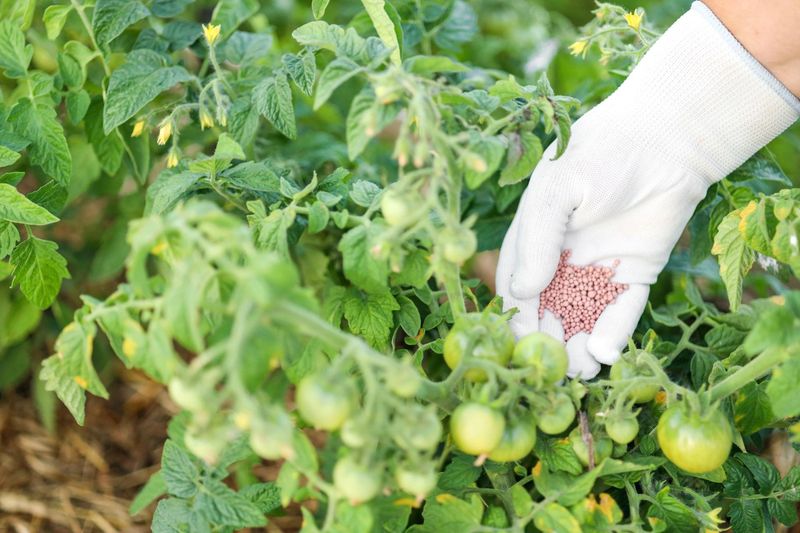
Tomato plants in Georgia that are setting fruit, holding dark green foliage, and showing steady growth may not need additional fertilizer in July at all.
Over-fertilizing during hot weather, especially with nitrogen-heavy products, can push plants toward producing more leafy growth instead of supporting the fruit that is already developing on the vine.
If plants are showing pale foliage, slow growth, or other signs that nutrients may be running low, a light side-dressing with a balanced or low-nitrogen fertilizer can provide gentle support.
Applying fertilizer to dry soil and then watering it in helps prevent root irritation, which is a real concern during July when roots are already managing heat stress.
Less is generally more when it comes to mid-summer feeding in the Georgia garden.
Container-grown tomatoes and plants in raised beds with fast-draining soil may need feeding more regularly than in-ground plants, since nutrients can wash through quickly with frequent watering.
Watching the plant rather than following a rigid feeding schedule is a more reliable approach in July.
A tomato plant that looks balanced and is actively ripening fruit is likely doing fine without additional input.
Feeding plants that do not need it adds unnecessary stress during one of the most challenging months in the Georgia growing season, so observing before acting is always the smarter move in summer.
8. Avoid Deep Cultivation Around Roots
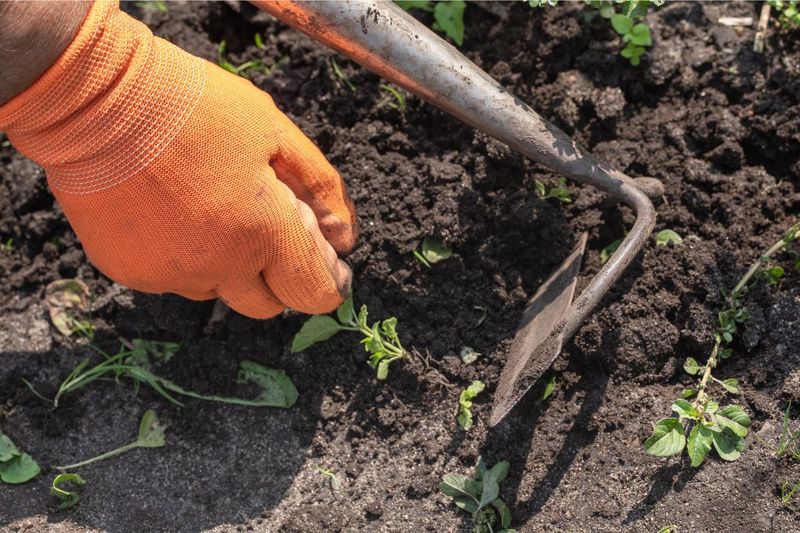
Dry pathways and bare soil between tomato plants in July often tempt gardeners to reach for a hoe and loosen things up, but deep cultivation close to the plant’s base can cause real problems.
Tomato roots spread outward and upward near the soil surface, and aggressive hoeing or digging can sever those roots without any visible warning until the plant begins to show stress a day or two later.
Shallow, careful weeding is a better approach during July. Pulling weeds by hand or using a light surface scrape with a hand tool near the plant’s drip line removes competition without disturbing the root system.
Weeds left to grow compete with tomato plants for soil moisture and nutrients, which matters more during Georgia’s hot, dry summer stretches when resources are already limited.
A refreshed layer of mulch, as mentioned earlier, is one of the most effective ways to suppress weed growth without touching the soil at all. Fewer weeds mean less hand-pulling and less risk of accidentally damaging roots during July garden maintenance.
Georgia gardeners working in raised beds, in-ground rows, or backyard tomato patches all benefit from keeping soil disturbance minimal around established plants.
Protecting the root zone in July is a straightforward way to reduce stress on plants that are already working hard to produce fruit through the heat of a Georgia summer.