What Georgia Gardeners Should Finish In The Vegetable Garden Before The First Frost
The first frost can end more than the last few harvests if unfinished garden jobs are left behind. Your vegetable beds need careful attention before that colder night arrives.
Start by looking at what is still growing and what has already finished for the season.
That check helps you separate crops worth protecting from areas ready for cleanup. Across Georgia, frost timing varies, so your local forecast should guide when final jobs happen.
There is no reason to rush everything on an afternoon.
Work through the garden while conditions are comfortable, leaving yourself enough time for tasks needing attention. Finishing these tasks now can also make the beds easier to manage later.
Prepare before frost reaches your garden, and you will head into the colder season with far fewer loose ends.
1. Bring In Mature Tomatoes And Peppers Before Frost Arrives
Frost does not negotiate with tomato plants. One cold night at or just below 32 degrees can turn healthy fruit soft and unusable.
Watch the ten day forecast starting in mid October if you garden in north Georgia, and a few weeks later if you are farther south. Local frost dates swing widely across the state.
Pick anything showing color, even partial color.
Peppers handle a light chill slightly better than tomatoes, but they still suffer once temperatures dip near freezing. Bell types especially bruise easily after cold exposure.
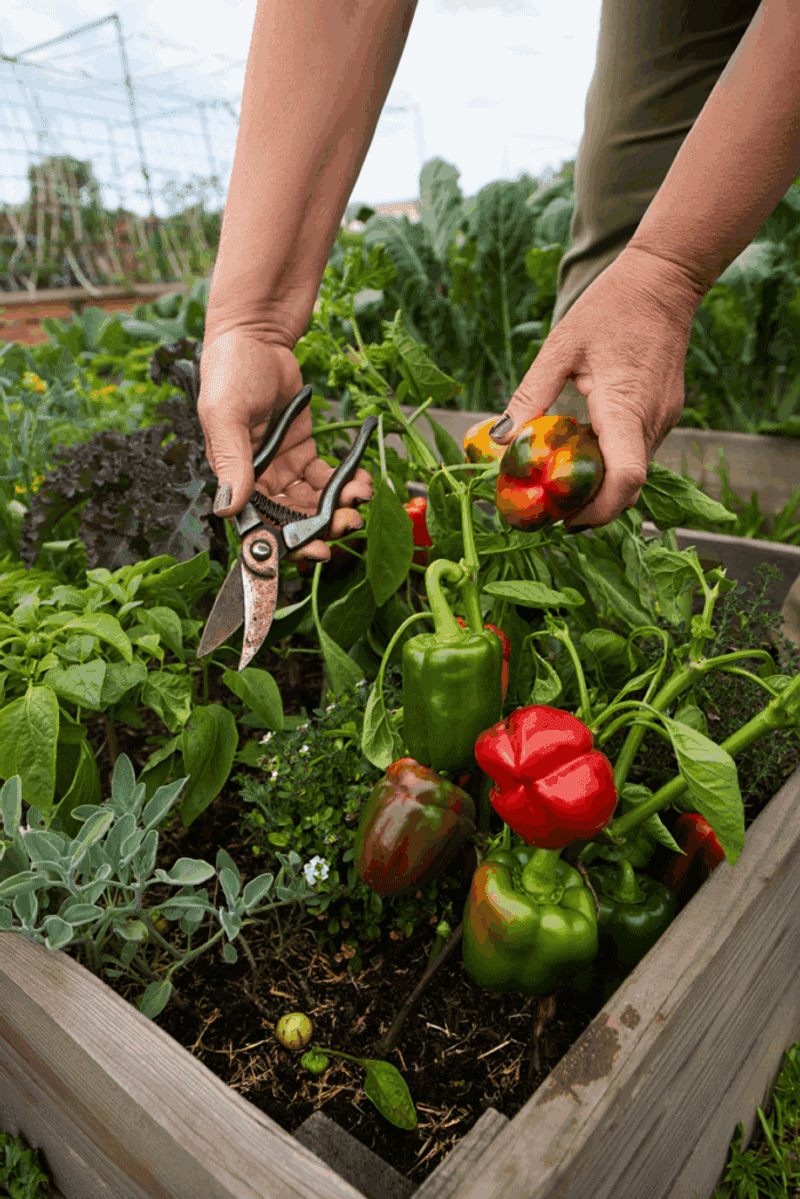
Harvest peppers with a bit of stem attached using clippers instead of pulling. Yanking them often snaps branches you may still want.
Store picked tomatoes on the counter, never in the refrigerator, where cold flattens the flavor.
If a surprise cold snap catches you off guard, an old bedsheet thrown over the plants at dusk can buy one more night. Remove it the next morning so the plants get sun and airflow.
Sort your harvest as you bring it inside. Fruit with cracks or soft spots should be used first, since it will not hold long.
Anything blemish free can sit out for a week or more depending on ripeness.
Roasting and freezing extra peppers takes about twenty minutes and stretches the harvest well into winter cooking.
2. Dig Sweet Potatoes While The Weather Still Cooperates
Sweet potatoes hide their whole harvest underground, which makes timing tricky. Wait too long and cold soil can damage the roots you worked all summer to grow.
Most varieties planted in late spring are ready roughly 90 to 120 days later, usually sometime in October across much of Georgia.
Vines yellowing is a common cue, though not a perfect one.
Dig on a dry day if you can. Wet soil clings to the roots and makes curing harder later.
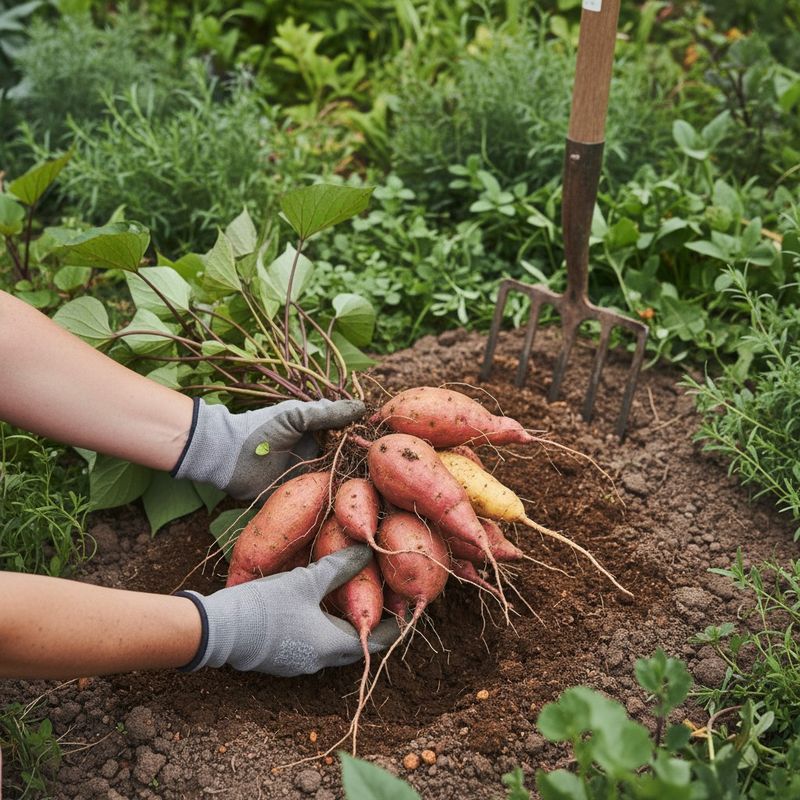
Start about eighteen inches out from the crown and work inward with a garden fork. Sweet potatoes travel farther than people expect, and a careless jab ruins a good root.
Handle them like eggs.
Their skin is thin at harvest and scrapes easily, which opens the door to rot in storage. Brush off loose dirt instead of washing them.
Your Georgia Garden Changes Every Week. Your Plan Should Too.
Gardening in Georgia changes quickly throughout the season. Every Friday you’ll receive a simple weekly plan showing exactly what to plant, prune, fertilize, harvest, and protect so you never miss the right timing.
Curing matters more than the digging itself. Keep them somewhere warm and humid, ideally around 80 degrees with high humidity, for about a week to ten days.
A closed room with a small heater and a pan of water works fine for home gardeners.
After curing, move them to a cool spot near 55 to 60 degrees. Properly cured roots often keep for months and taste noticeably sweeter than freshly dug ones.
3. Gather Tender Herbs And Preserve Them For Later
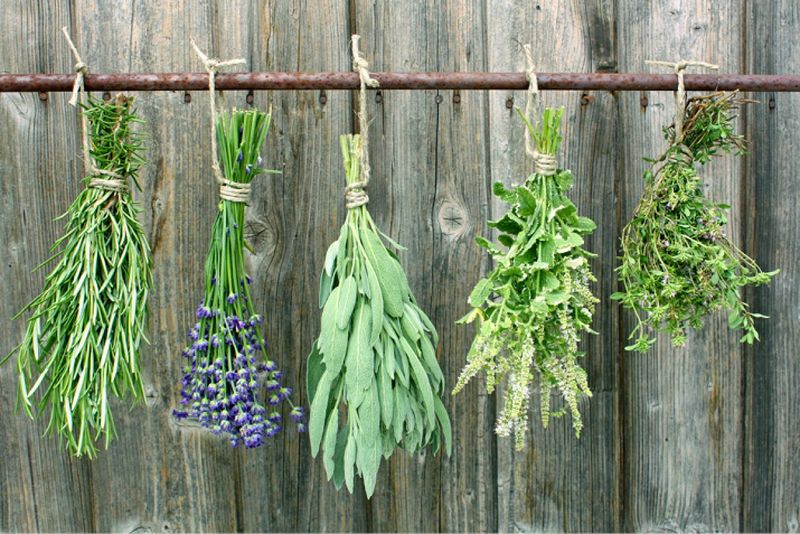
Basil is the first thing in the garden to complain about cold. Temperatures in the low 40s already turn the leaves dark and limp, well before any actual frost.
Cut it back hard while the leaves still look good, and take the whole plant if the forecast turns.
Parsley, cilantro, and dill are tougher and often push through Georgia winters with only light protection.
Rosemary, sage, and thyme handle cold well in most parts of the state. Those can stay put unless you want cuttings for the kitchen.
Harvest herbs in the morning after dew dries, when the oils are strongest.
Freezing beats drying for basil, hands down. Chop the leaves, pack them into ice cube trays with olive oil, and freeze.
Pesto freezes beautifully too and thaws with most of its color intact.
Hardier herbs dry well hanging in small bundles somewhere warm with decent airflow. Avoid direct sun, which fades both color and flavor.
A paper bag with a few holes punched in it keeps dust off while they dry.
Potting up a small rosemary or thyme plant for a sunny windowsill gives you fresh sprigs through January. Indoor herbs grow slowly in winter, so harvest lightly and let them rest.
4. Pick Green Tomatoes That Can Finish Ripening Indoors
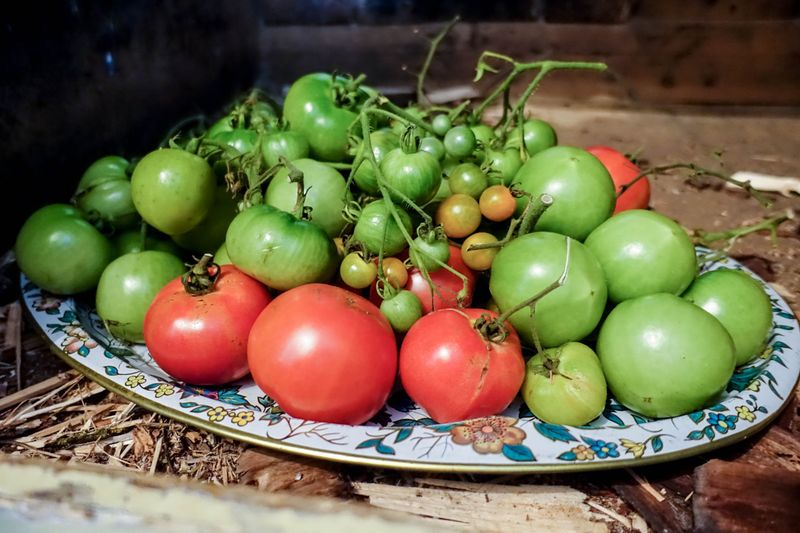
Not every green tomato is a lost cause. Fruit that has reached full size and shows a pale yellowish green blossom end will usually ripen on your counter.
Small, hard, dark green tomatoes rarely finish well, so leave those for the compost pile.
Check the blossom end before you pick, since that is where color starts.
Wipe each tomato dry and skip washing until you are ready to eat them. Moisture on the skin encourages mold during storage.
Keep them in a single layer, stem side up, out of direct sunlight.
Room temperature around 65 to 70 degrees works best for ripening. Cooler rooms slow the process, which can actually help if you want to stretch the supply over several weeks.
Tucking a ripe banana or apple into the box speeds things along thanks to the ethylene they release.
Some Georgia gardeners pull entire plants and hang them upside down in a garage or shed. Fruit continues ripening off the vine for a while, though results vary with plant health and temperature.
It is worth trying if you have space and nothing to lose.
Anything that stays stubbornly green has its own uses. Fried green tomatoes, green tomato relish, and pickles all turn an early frost into something worth eating.
5. Clear Spent Plants From Beds That Have Finished Producing
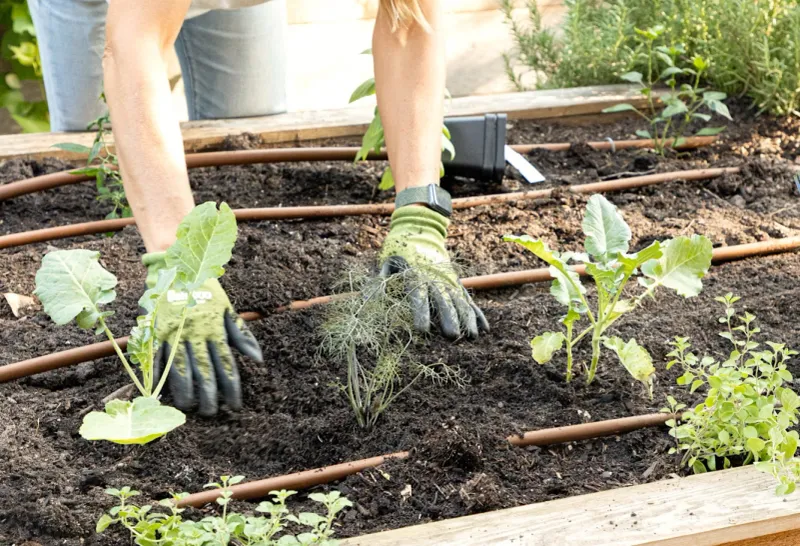
Old squash vines and finished bean plants do nothing but harbor problems once they stop producing. Pests and fungal spores overwinter in that leftover material and wait for spring.
Pull them out roots and all, then shake the soil back into the bed.
Squash bugs and vine borers are especially fond of leftover debris in Georgia gardens.
Healthy plant material can go straight into the compost pile. Anything showing powdery mildew, blight, or heavy insect damage is better bagged and taken away.
Home compost piles rarely get hot enough to handle diseased tissue reliably.
Tomato cages, trellises, and stakes should come out at the same time. Metal left in wet soil corrodes faster, and a quick rinse now saves scrubbing in March.
Store them somewhere dry if you have the room.
Once a bed is empty, decide whether to plant a cover crop or mulch it over. Crimson clover and cereal rye both do well planted in October here and protect soil through winter rain.
Bare soil erodes and compacts faster than covered soil.
Take five minutes to jot down what grew where. Rotating families like tomatoes and squash to a different bed next season helps keep soil borne trouble from building up.
6. Keep Cool Season Vegetables Watered As Fall Turns Drier
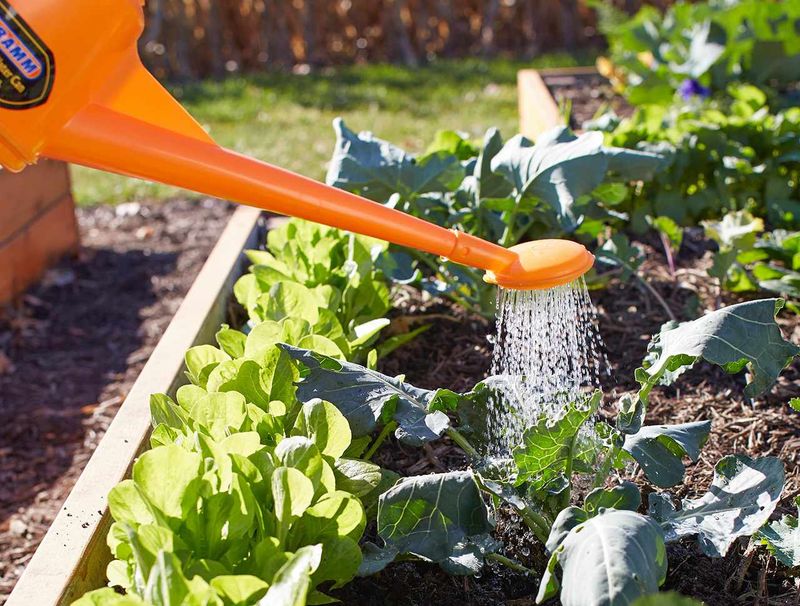
Cooler air fools people into thinking the watering can stay in the shed. Fall in Georgia often runs dry, and October has produced some genuinely parched stretches over the years.
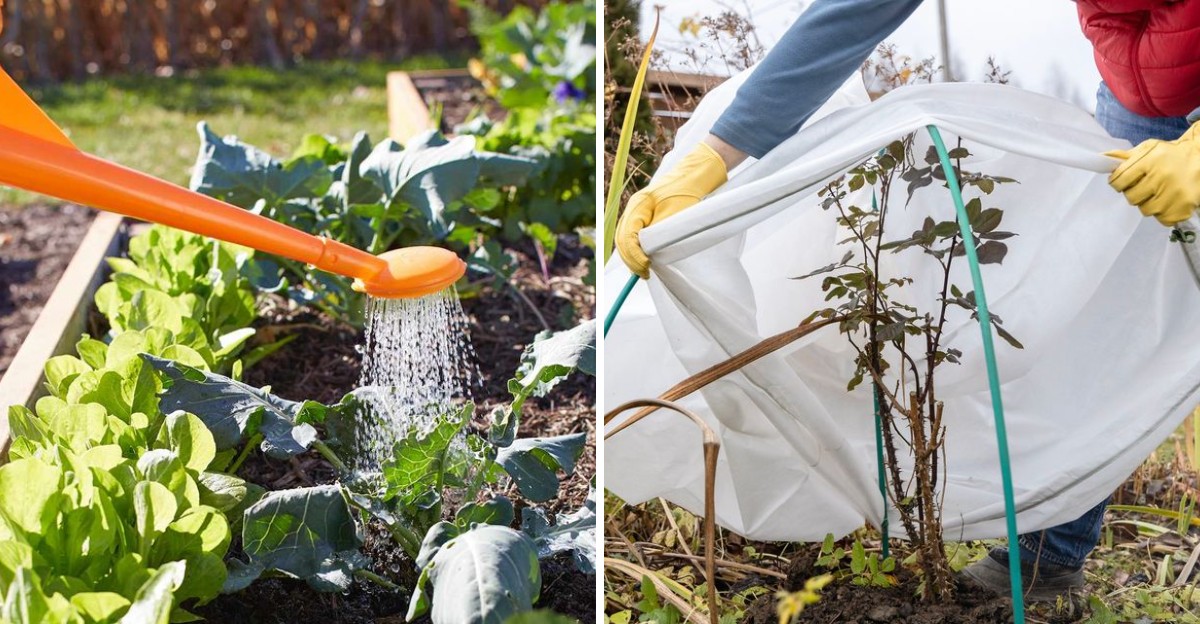
Collards, kale, cabbage, and lettuce still need steady moisture to keep growing.
Roughly an inch of water per week is a reasonable target, rain included.
Stick a finger two inches into the soil before you water. Damp soil means wait, dry soil means go.
Guessing by the surface leads to overwatering more often than not.
Morning watering suits fall best. Leaves dry before evening, which cuts down on the fungal issues that thrive in cool damp nights.
Aim the hose at the soil rather than the foliage.
Root crops like carrots, turnips, and radishes crack when watering swings between soaked and bone dry. Consistency gives you smoother roots and better texture.
A soaker hose handles this better than hand watering if you travel or forget.
Plants going into a freeze with dry roots take more damage than well hydrated ones. Watering the day before a cold night gives cool season crops a real advantage.
Moist soil also holds daytime heat longer and releases it slowly overnight, which can nudge bed temperatures up a degree or two.
7. Refresh Mulch Around Crops Staying In The Garden
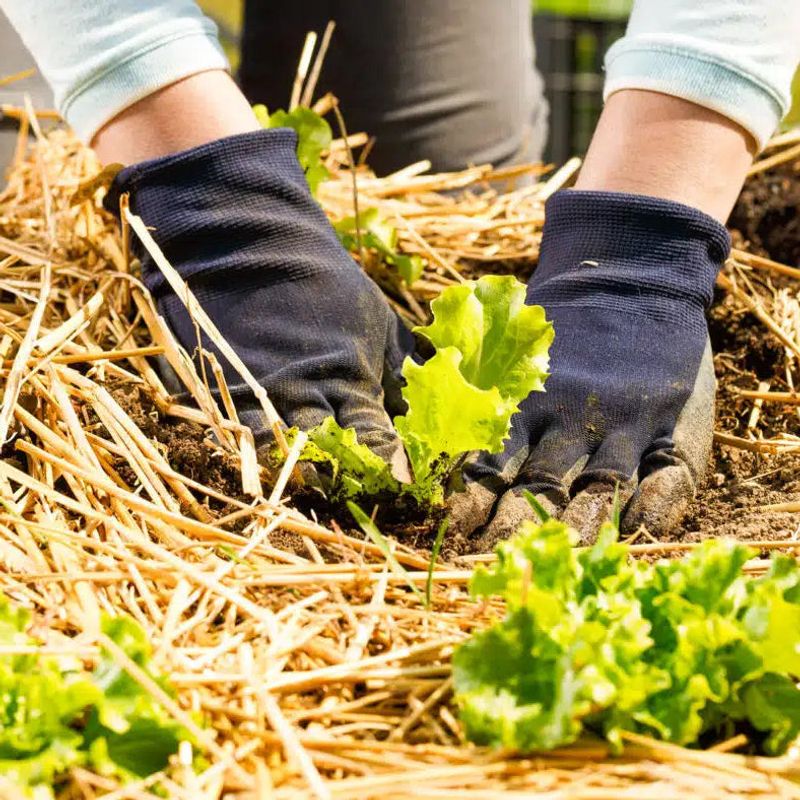
Mulch is the cheapest frost insurance in the garden. A few inches of straw or shredded leaves keep soil temperatures steadier when nights swing hard.
Summer mulch has usually broken down by October and needs topping up.
Shredded leaves cost nothing and work as well as anything you can buy.
Run the mower over a pile of leaves before spreading them. Whole leaves mat down and shed water instead of letting it soak in.
Two to three inches is plenty for most beds.
Pull mulch back an inch or so from plant stems. Material packed tight against stems traps moisture and invites rot at the soil line.
Give each plant a little breathing room.
Carrots, beets, and turnips left in the ground benefit most from a thick layer. Georgia gardeners often harvest these straight through December because the mulch keeps soil workable during cold snaps.
Pine straw is widely available here and works fine, though it breaks down slower than leaves.
Skip fresh grass clippings, which mat and heat up as they decompose.
Come spring, most of that mulch will have partly rotted into the soil. Turn what remains in or rake it aside before planting, and your beds start the season in better shape.
8. Have Frost Covers Ready For Vegetables Growing Into Winter
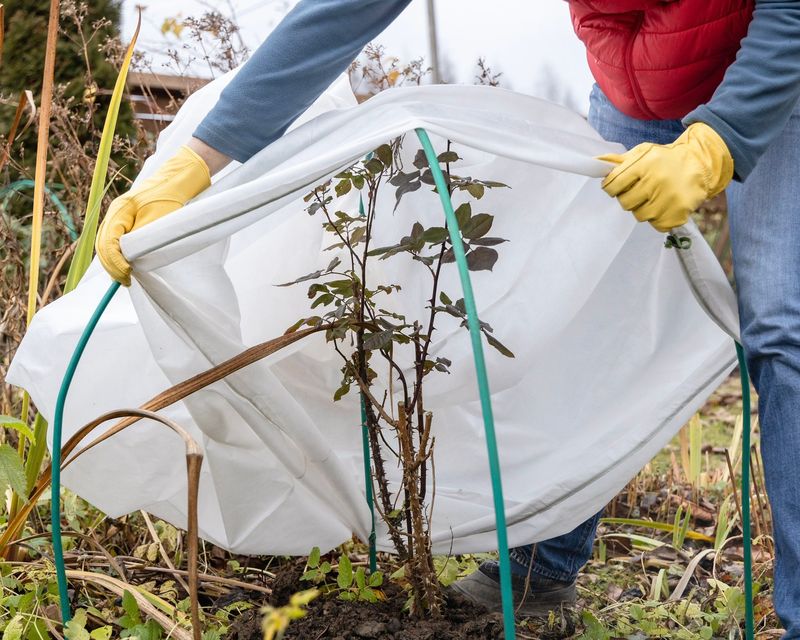
Scrambling for a cover at 9 p.m. with a freeze warning on your phone is no fun. Sort out your frost protection in advance and cold nights stop being stressful.
Floating row cover fabric is the standard choice and gives a few degrees of protection depending on weight.
Old sheets and blankets work in a pinch for a single night.
Plastic alone is a poor cover because it transfers cold wherever it touches leaves. Use hoops or stakes to hold any material off the foliage.
Wire hoops made from coat hangers cost nothing and do the job.
Anchor the edges with bricks, boards, or landscape staples. Wind will find any loose corner and peel the whole thing back.
Trapping ground heat is the entire point.
Cover in the late afternoon while warmth is still in the soil, then uncover the next morning once temperatures rise. Leaving covers on through sunny days can overheat plants underneath.
Collards, kale, spinach, and turnips shrug off light frost in Georgia and often taste sweeter afterward.
Lettuce and young transplants are the ones that really need help.
Store covers folded and dry in a bin near the back door. Having them within arm’s reach makes the difference between using them and watching a hard freeze roll through.