Grandma’s Four O’Clocks Have A Fall Secret Georgia Gardeners Should Know
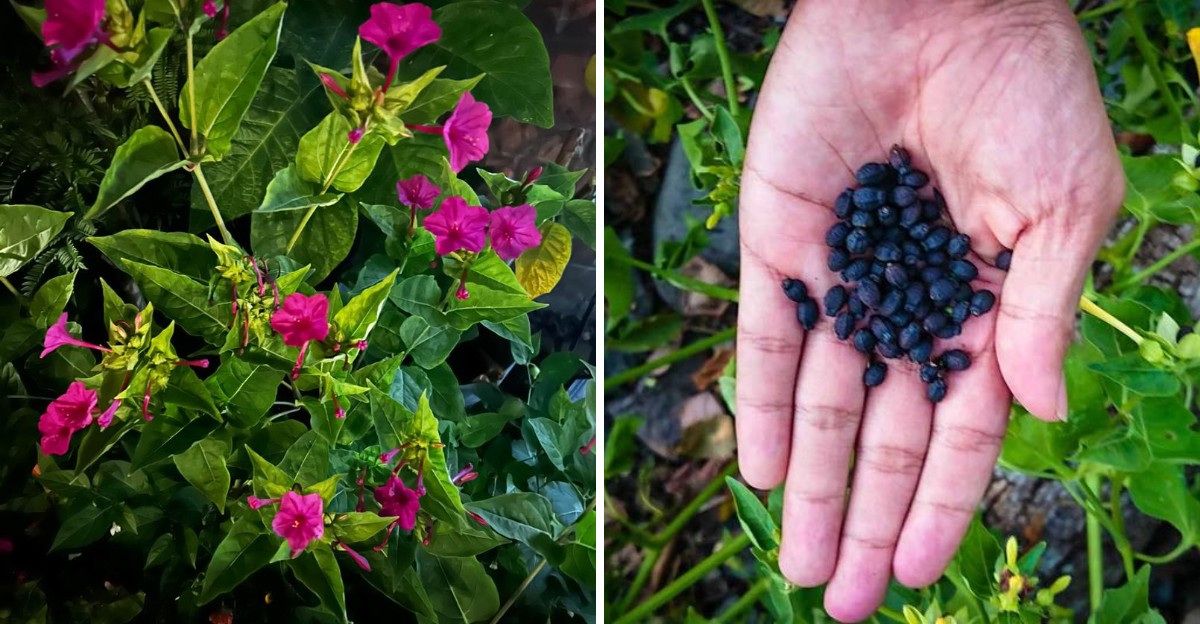
Four o’clocks that opened every evening all summer can look finished as nights cool.
Many gardeners know them as old-fashioned flowers passed down from a parent or grandparent, often grown from seeds shared over the fence.
Fewer realize what these plants are doing below ground as the season winds down. A thick root has been building all summer, and it shapes how the plant returns.
Depending on how cold winter gets, that root can help the plant come back larger next year.
The black seeds forming now also offer a simple way to grow more plants or share them with friends.
Before frost knocks the plants back, decide which option makes sense where you live. A Georgia garden in the mountains needs a different plan than one near the coast.
1. Those Old Fashioned Flowers Are Hiding Something Below The Soil
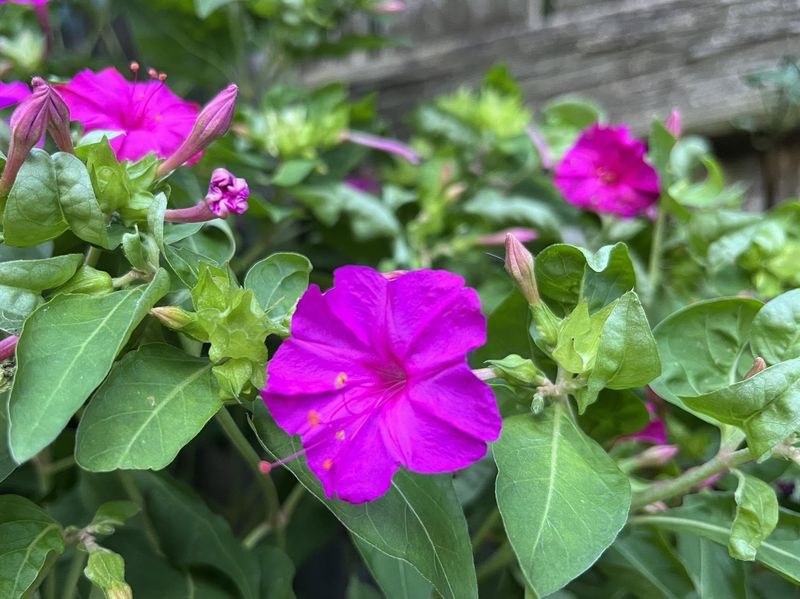
Faded stems in October can fool almost anyone into thinking the season is finished. Four o’clocks often have a different plan tucked away underground.
As the plants grow through summer, they can form thick, tuberous roots that hold stored energy.
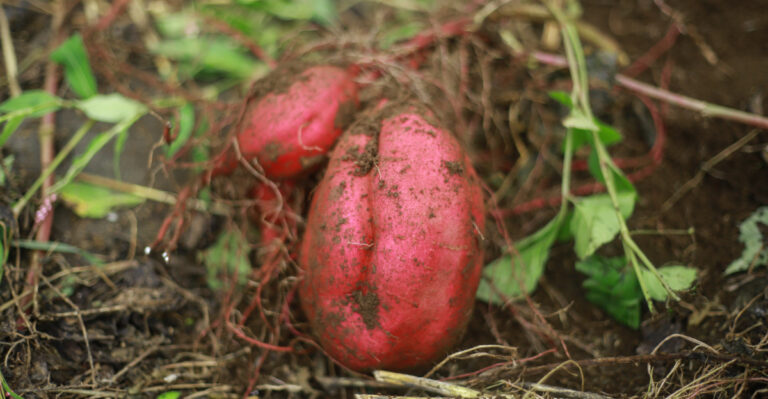
Those roots look a bit like a long, knobby sweet potato or a dark carrot. They help the plant rest through the cooler months while the top growth fades away.
In much of Georgia, those roots may make it through winter and push up new shoots in spring.
Results can vary from yard to yard. Soil drainage, plant age, and how cold the winter turns out all play a part.
So before you yank out brown stems this fall, pause and consider what might be below.
Cutting back the old top growth is fine once frost has browned it. You can leave the root in place and mark the spot with a small stake so you do not dig into it by mistake.
Gardeners who want to see the root for themselves can gently loosen the soil near the base.
Be careful with your hands, since all parts of the plant, including roots and seeds, are considered toxic if eaten. Keep curious kids and pets away from any roots you dig up.
2. Established Plants Can Develop Surprisingly Large Tuberous Roots
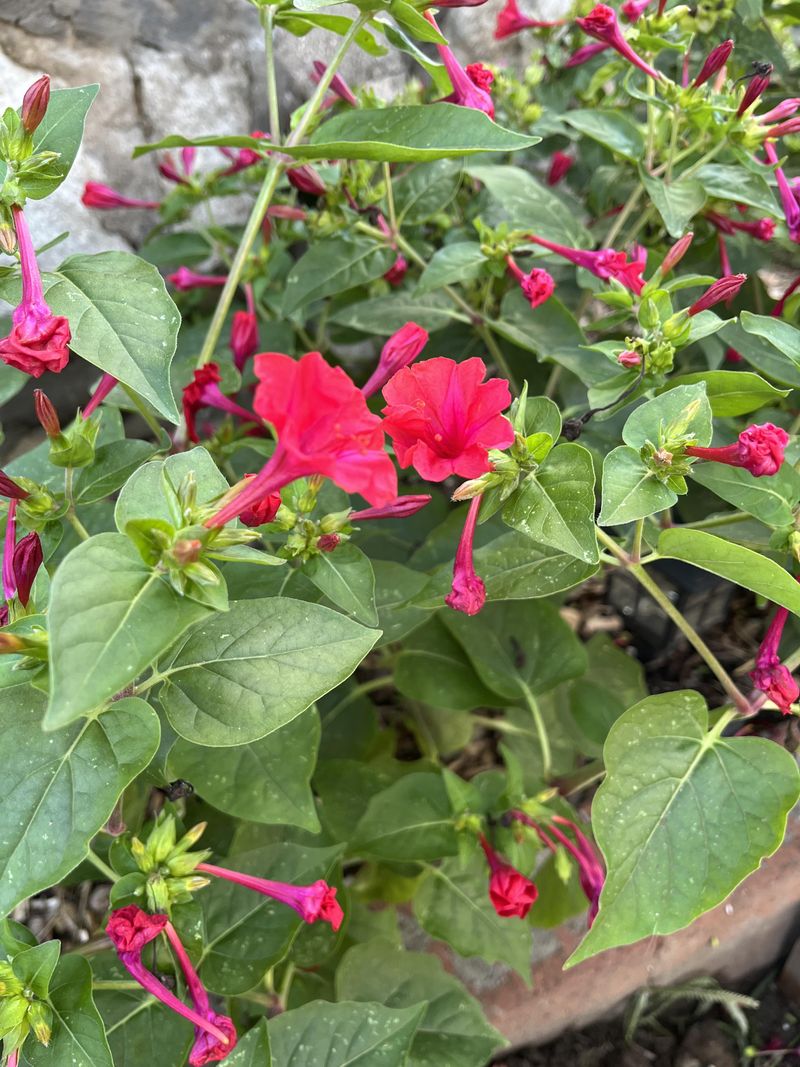
Size can be the biggest surprise when you finally see an older root. A first-year plant grown from seed usually has a fairly modest tuber.
After a few seasons in the same spot, though, the root can grow much thicker and heavier.
Gardeners sometimes describe older tubers that reach the size of a large sweet potato or bigger. How big yours gets depends on soil, sunlight, water, and how many years the plant has been growing.
Loose, well-drained soil tends to give roots more room to spread out.
Heavy red clay, which shows up in plenty of Georgia yards, can slow root growth and hold extra water. Mixing in compost when you first plant can help, although clay soil can still produce healthy plants.
If you plan to move an older plant, dig wide and deep around it.
Your Georgia Garden Changes Every Week. Your Plan Should Too.
Gardening in Georgia changes quickly throughout the season. Every Friday you’ll receive a simple weekly plan showing exactly what to plant, prune, fertilize, harvest, and protect so you never miss the right timing.
Big roots can snap when pulled too fast. Use a garden fork and work slowly from the outside edge toward the center.
Moving a well-rooted plant is easiest when it is resting in fall after frost or in early spring before new shoots appear.
Wear gloves while handling these roots. A large tuber can be a fun thing to share with a neighbor, much like the old tradition of passing plants along.
3. Winter Survival Depends On How Cold The Garden Gets
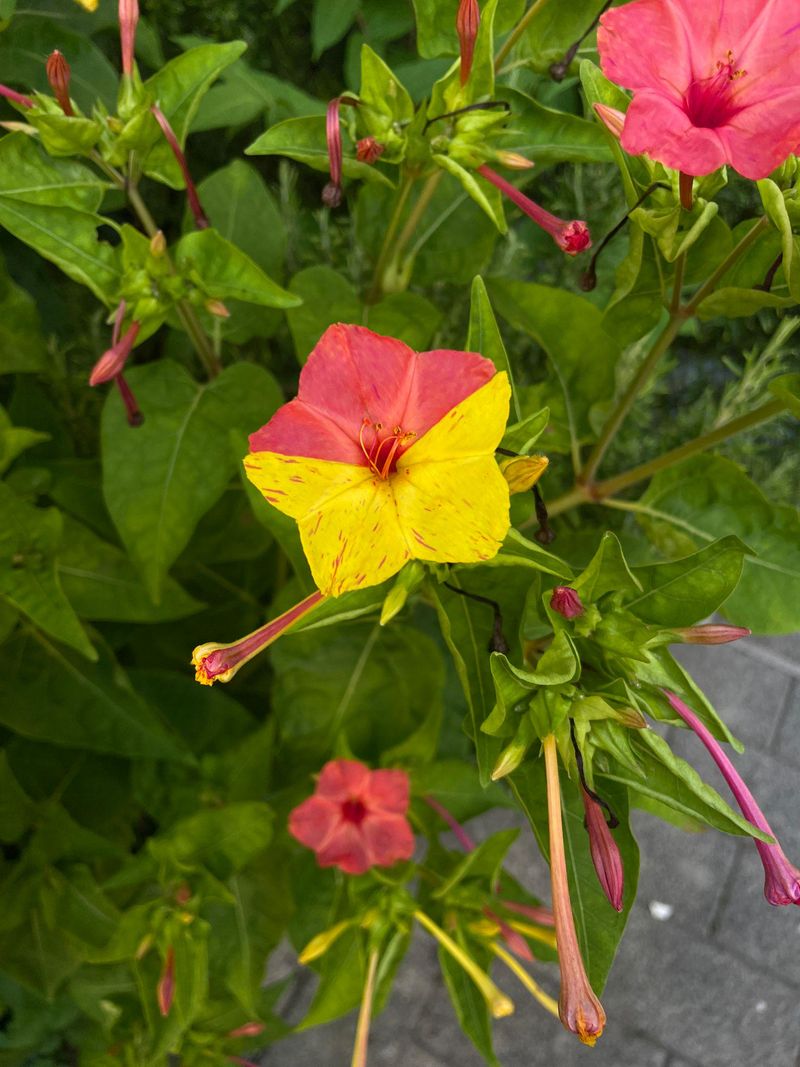
Location matters more than luck here. Four o’clocks are usually listed as perennial in USDA zones 7 through 11 and treated as annuals in colder areas.
Most of Georgia falls into zones 7 and 8, with parts of the far south reaching zone 9.
Gardeners in south and middle Georgia often see roots return with little trouble. Up in the north Georgia mountains, colder nights and deeper freezes make winter survival less certain.
Even within one yard, conditions can change.
A spot near a warm brick wall may stay milder than an open bed in a low area where cold air settles. Wet soil adds another risk, since soggy roots in winter are more likely to rot.
Drainage can matter as much as temperature.
Raised beds or slightly mounded soil help water move away from the root. If your bed stays muddy for days after rain, the tuber may struggle even in a mild winter.
Unusual cold snaps can also happen anywhere in the state.
A hard freeze that lasts several days may reach roots that usually stay safe. Because weather varies year to year, a plant that returns one spring may not return the next, and that is normal.
4. Mulch Can Give Underground Roots Extra Protection From Cold

A simple blanket of mulch can make a real difference. Once frost browns the stems, cut them back near the ground and cover the area.
Pine straw is easy to find and works well around the base of the plant.
Shredded leaves and fine bark are good choices too. Aim for a loose layer a few inches deep so air and water can still move through it.
Gardeners in north Georgia may get the most benefit from mulching, since their winters run colder.
Mulch helps soften swings in soil temperature. It cannot stop every hard freeze, but it can reduce how deeply cold reaches the root.
Watch out for piling mulch too thick on poorly drained soil.
A heavy, wet layer can trap moisture around the tuber. In soggy spots, a thinner layer or better drainage may do more good than extra mulch.
Marking the plant before you mulch is a smart habit.
Once everything is covered, it is easy to forget where the root sits. A plant tag or small stake keeps you from stepping on it or digging there by accident.
When spring warms up, pull some mulch back so the soil can warm and new shoots can push through.
5. Plants That Return In Spring Can Grow Larger Each Year

Second-year plants often look like they got a head start. Stored energy in the root lets them push up new stems quickly once warm weather settles in.
Over several seasons, a returning plant can fill out into a fuller, bushier clump.
Bigger plants usually mean more blooms during summer evenings. Of course, sunlight, water, and soil quality still shape how well each plant grows.
Give them space when you plan your beds.
A mature four o’clock can spread wider than you might expect from a seedling. Crowding them next to smaller flowers may leave those neighbors shaded and struggling.
Across Georgia, these plants handle summer heat fairly well once established.
A deep watering during long dry spells can help keep them blooming. Heavy feeding is usually not needed, since rich soil can lead to lots of leaves and fewer flowers.
Some gardeners love how much a returning plant grows.
Others find it gets too large for the spot. If yours outgrows its home, you can dig and move the root during its resting season.
Growth can slow in years with poor drainage, extra shade, or a rough winter. Keep an eye on each plant and adjust its spot if it seems weaker over time.
6. Seeds Offer Another Way For Four O’Clocks To Come Back
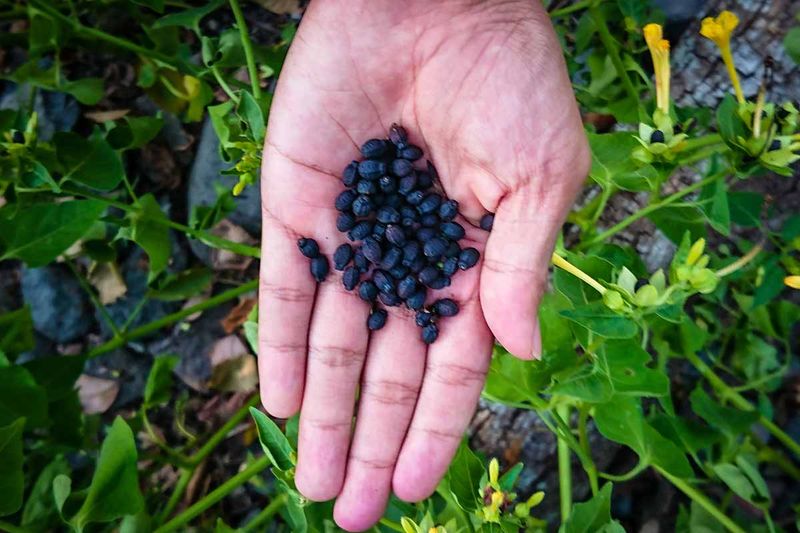
Roots are only half the story. Four o’clocks also make plenty of seeds, and those seeds give the plant a second way to return.
After the flowers fade, look for small, black, wrinkled seeds that resemble tiny grenades.
Many of them drop right below the plant by late summer and fall. When spring weather warms the soil, some of those seeds may sprout on their own.
Self-sown seedlings are common in Georgia gardens where the soil is left undisturbed.
Gathering seeds yourself gives you more control. Collect dark, dry seeds, let them dry a bit more indoors, and store them in a paper envelope somewhere cool.
Sow saved seeds outside after your last spring frost.
Soaking them overnight before planting may help them sprout a little faster. Seedlings usually bloom in their first summer, which makes them a handy backup if an old root does not return.
Seeds are also how this flower has been passed between neighbors and families for so long.
Keep in mind that four o’clocks can spread readily by seed. Pull unwanted seedlings while they are small, and store saved seeds away from children and pets, since the seeds are toxic if eaten.
7. Waiting Until Spring Reveals Which Plants Made It Through Winter
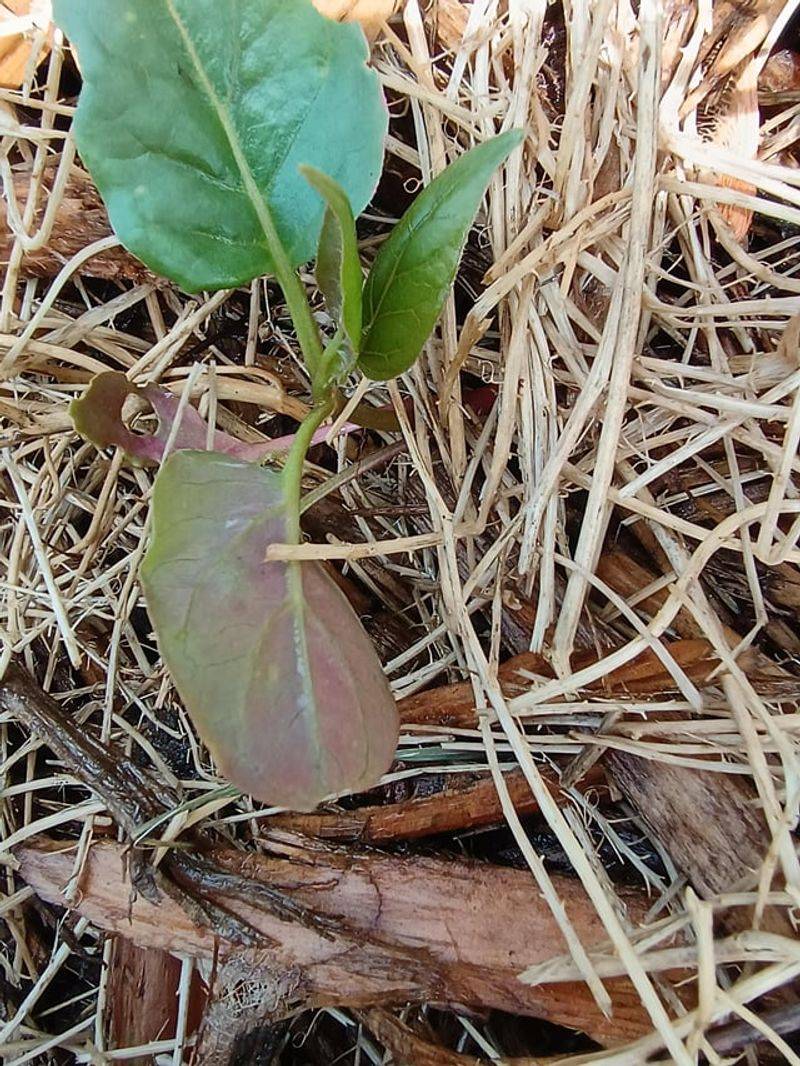
Patience pays off with these plants. Four o’clocks tend to wake up later than many other perennials, so bare soil in early spring is not a reason to worry.
New shoots usually appear once the soil has warmed up well.
In south Georgia, that may happen earlier than in the mountains. Your timing will depend on your local weather and how quickly your beds warm each year.
Hold off on digging around marked spots until late spring.
Gently scratching away a bit of soil can show whether the root still feels firm. A healthy tuber should feel solid, while a soft or mushy one has likely rotted.
Fresh green shoots are the clearest sign of success.
They often come up thick and fast, using the energy saved in the root. Pull back any remaining mulch so they get plenty of sun and air.
Spots with no growth by early summer probably did not survive.
Look nearby for seedlings, which may have sprouted from fallen seeds. You can also fill empty spaces with seeds you saved last fall.
Writing notes about which spots returned can help you plan better each autumn. Over time, you will learn what works best in your own yard.