The Underrated California Native Flower That Thrives In Deep Shade
Every yard seems to have one stubborn corner. Tall trees or a nearby wall block the sky, and most plants placed there simply sulk.
Lawn thins out, sun lovers stretch and flop, and bare soil slowly takes over.
One quiet native has spent a very long time perfecting life in exactly those conditions. Few gardeners know its name, and fewer still have spotted it in a nursery.
Its forest home sits far from bright meadows and sunny hillsides, tucked among some of the tallest trees on Earth.
Glossy leaves, curious little flowers, and an easygoing nature give it plenty of charm once it settles in.
The darkest spot in the garden may turn out to be the most rewarding one.
Meet Inside-Out Flower, The Shade Specialist
Hikers moving through a redwood grove in Humboldt County often step right past it. Low, leafy, and quiet, inside-out flower blends into the forest floor as if painted there.
Many locals know it as redwood ivy. Native plant nurseries usually list it under its botanical name, Vancouveria planipetala, which helps when shopping.
Despite the nickname, it isn’t an ivy at all. The plant belongs to the barberry family, which also includes Oregon grape.
Its closest garden cousin is epimedium, a shade plant from Asia sold by many nurseries. California gardeners can skip the import, though, since this local version handles the state’s climate beautifully.
In the wild, inside-out flower grows in moist, shady woodlands. It often shares space with redwoods, Douglas fir, tanoak, sword fern, and redwood sorrel.
Thick layers of fallen leaves and needles cover the soil there. That spongy, rich ground keeps roots cool and helps hold moisture through dry months.
The plant tops out around a foot tall, sometimes a bit less. Its stems rise straight from the soil instead of trailing like a vine.
Over time, those stems form a soft, even mat of leaves across a shady bed. The effect resembles a living layer of forest mulch.
Gardeners hoping for a native, low-fuss cover for heavy shade have a solid candidate here. Other shade-loving natives exist, but few look quite this polished.
Dainty Blooms Flip Their Petals Back
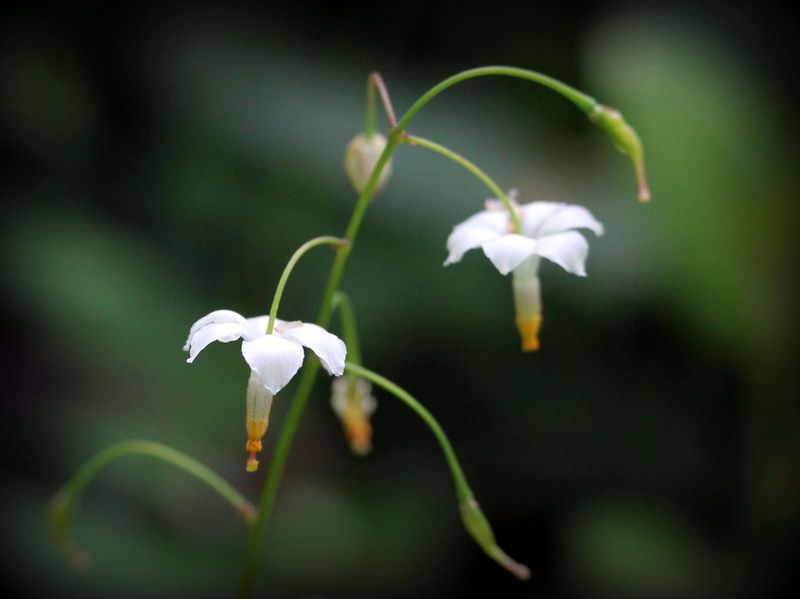
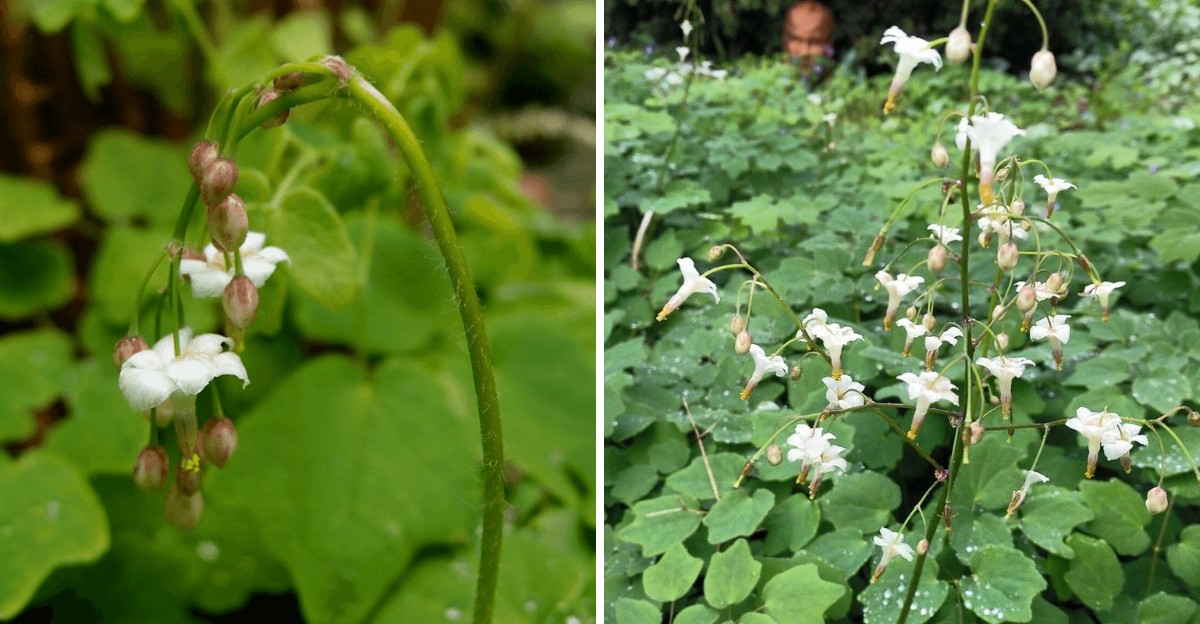
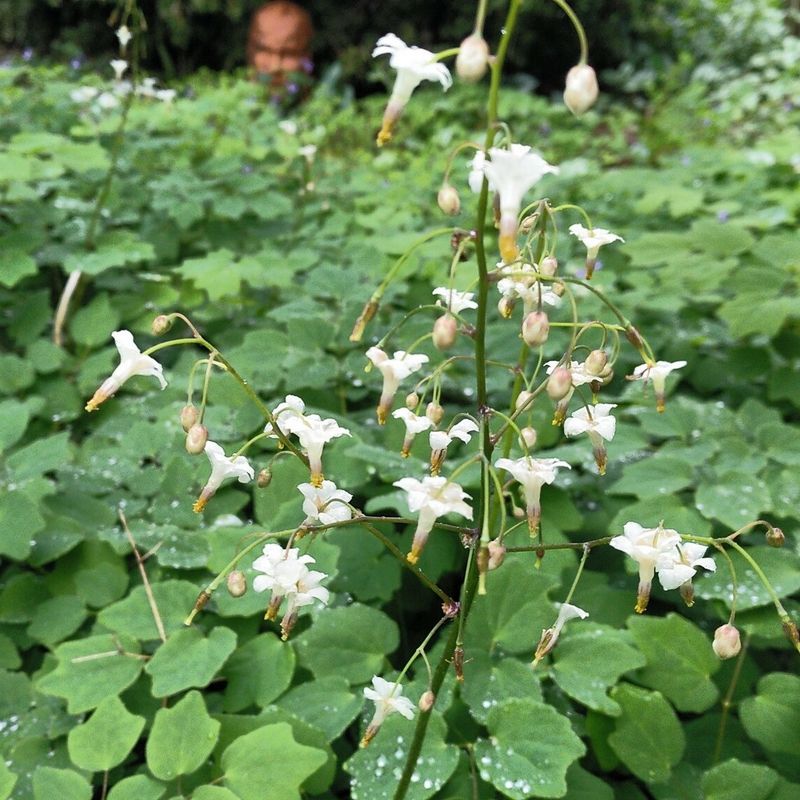
A badminton shuttlecock shrunk to the size of a grain of rice comes close to describing each bloom. Dozens of them dangle from thread-thin stems at once.
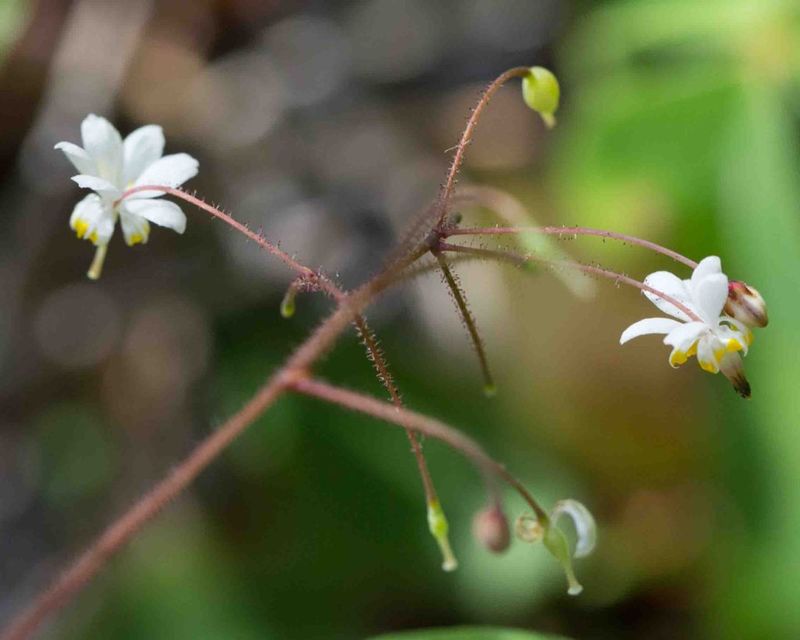
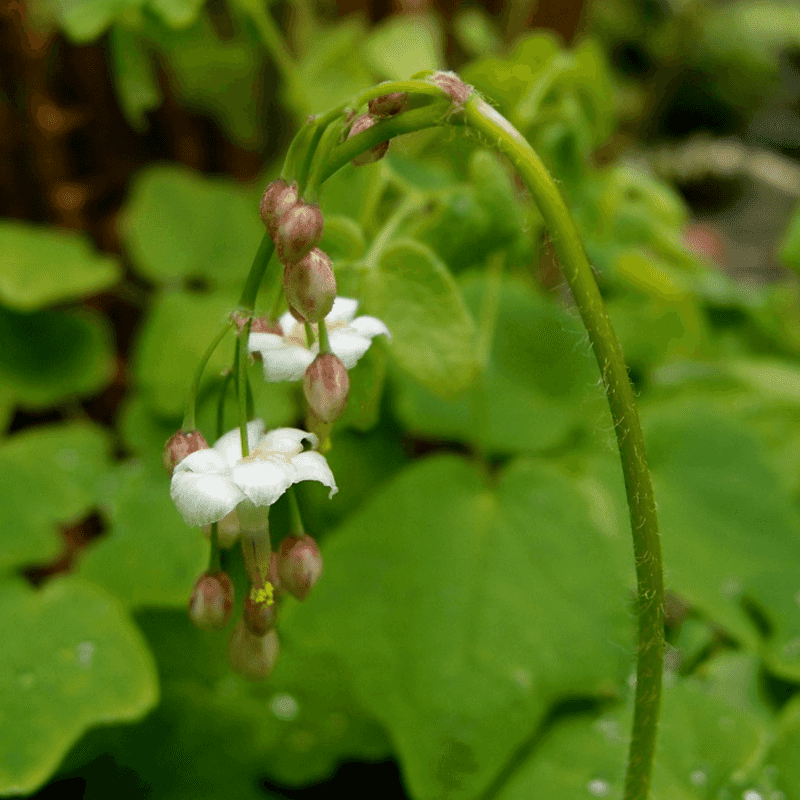
Each tiny flower is white, sometimes with a soft lavender blush. The petals and sepals sweep sharply backward, away from the center.
That shape makes the flower look turned inside out, which is exactly how it earned its common name. Up close, it resembles a little rocket blasting off.
Blooms usually appear from late spring into early summer. Wiry stems lift loose sprays of flowers just above the leaves, creating an airy cloud over the green foliage.
On a still day, they barely move. A light breeze, though, sets the whole cluster fluttering like a crowd of tiny moths.
The flowers are small, so this plant rarely shouts from across the yard. Its charm works best up close, where the details reveal themselves.
A patch beside a path, a bench, or a doorstep lets people stop and look. Kids especially enjoy spotting the backward petals once they know what to look for.
History adds another layer of interest. The genus name Vancouveria honors Captain George Vancouver, the British explorer who sailed the Pacific Coast in the 1790s.
Each spring, those little flowers quietly carry a piece of West Coast history above the leaves, a small tribute hiding in the shade.
Evergreen Leaves Carpet The Ground
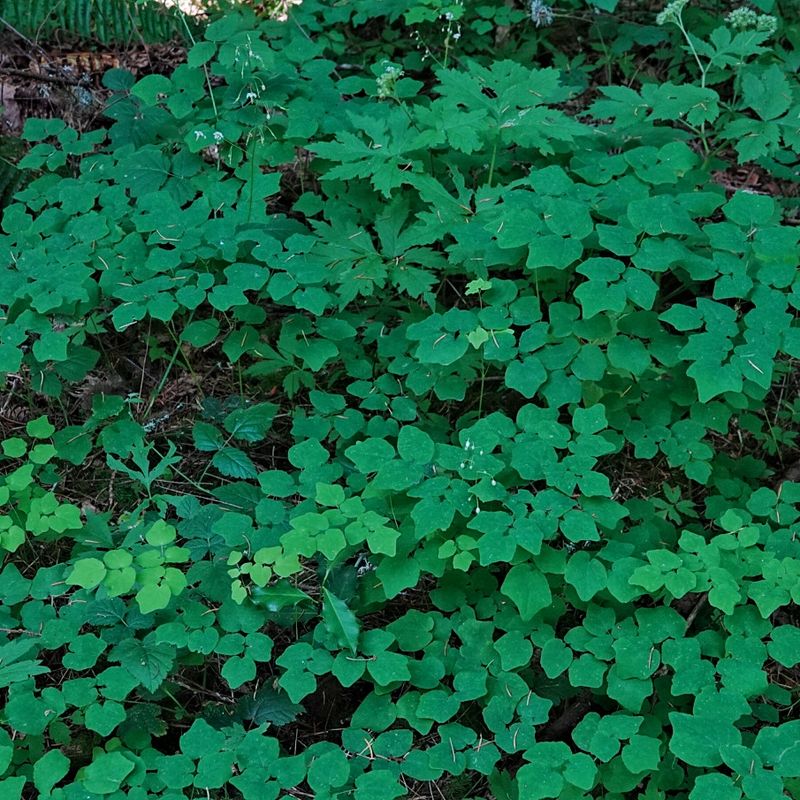
January in a shade garden can look pretty bleak. Hostas have vanished, and many perennials sit as brown stubs poking out of bare soil.
Inside-out flower, meanwhile, keeps looking fresh and green. Its evergreen leaves stay on the plant all year.
Each leaf splits into several small leaflets with gently wavy edges. Many people say they resemble little duck feet or tiny three-lobed hearts.
Their surface is smooth and somewhat glossy, so they catch whatever light slips through the trees. That subtle shine brightens dim corners.
Because the stems rise straight up from underground runners, the leaves form an even layer. A mature patch looks like a neat green rug about a foot deep.
Weeds struggle to break through that cover. Soil stays shaded, cool, and less likely to wash away during heavy winter rains.
The foliage also mixes well with other textures. Bold fronds of western sword fern, the tall leaves of Pacific coast iris, and the rounded leaves of wild ginger all make fine neighbors.
Each plant helps the others stand out. Together, they create a layered woodland look that feels natural rather than planted.
A little tidying keeps things sharp. Snipping off tattered or tired leaves in late winter makes room for fresh growth.
New leaves often unfold with a soft bronze tint, and the whole bed soon looks newly planted. That small chore takes just minutes.
It Thrives Where Little Else Grows
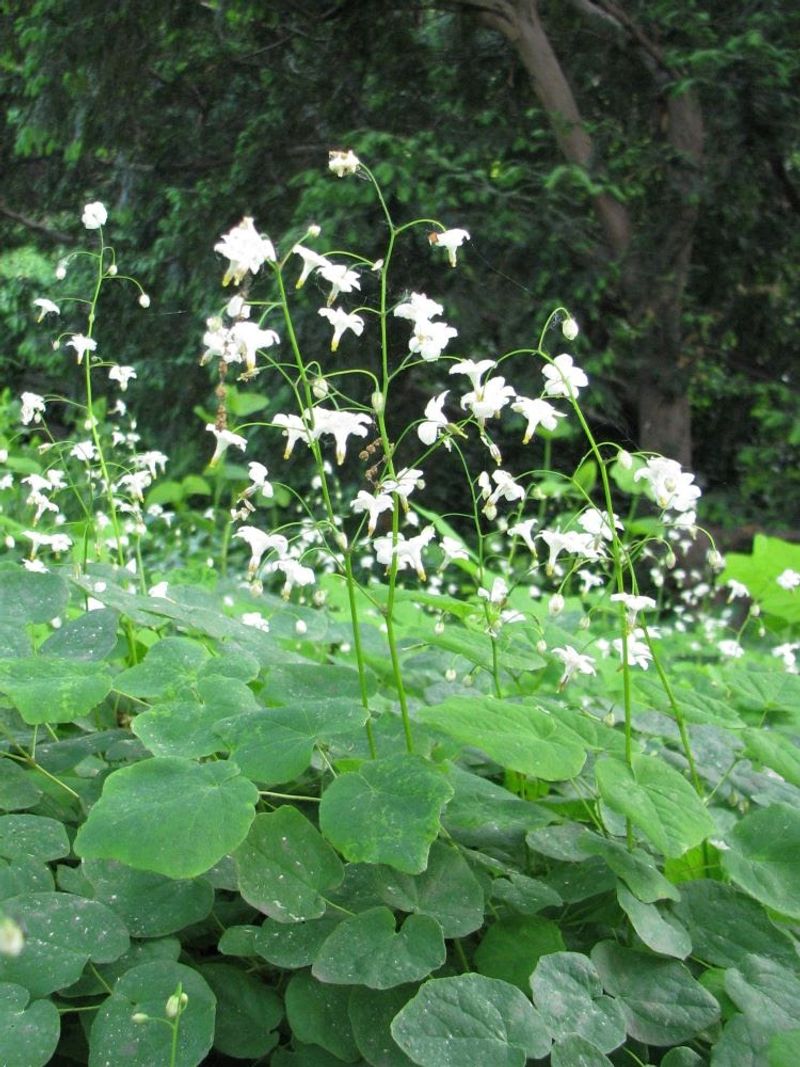
Most gardens have a spot that feels like a lost cause. The north side of the house or the gloomy strip under a big tree often fits that description.
Lawn struggles there, and sun-loving flowers stretch and flop. Inside-out flower actually prefers that kind of place.
In nature, it grows on forest floors where tall trees block most of the sky. Its leaves are built to make the most of weak, filtered light.
Full sun, especially inland, can scorch the foliage and leave it crispy and pale. Shade works as an ally here rather than an obstacle.
Partial shade suits it, and so does fairly deep shade. Bright shade under high branches tends to produce the fullest growth and the most flowers.
Very dark corners still support healthy leaves, just with a slower spread. A bit of waiting brings rewards there.
Soil matters almost as much as light. Rich, loose soil full of organic matter works best, topped with leaf litter, shredded bark, or compost.
Fallen oak leaves left where they land work even better. They break down into the same kind of forest duff this plant grows in naturally.
Aggressive neighbors cause the most trouble. English ivy and big periwinkle can overrun a young patch quickly.
Clearing those invaders first gives this native groundcover room to shine. The darkest corner may soon become the most peaceful spot in the yard.
Dry Shade Suits It Once Established
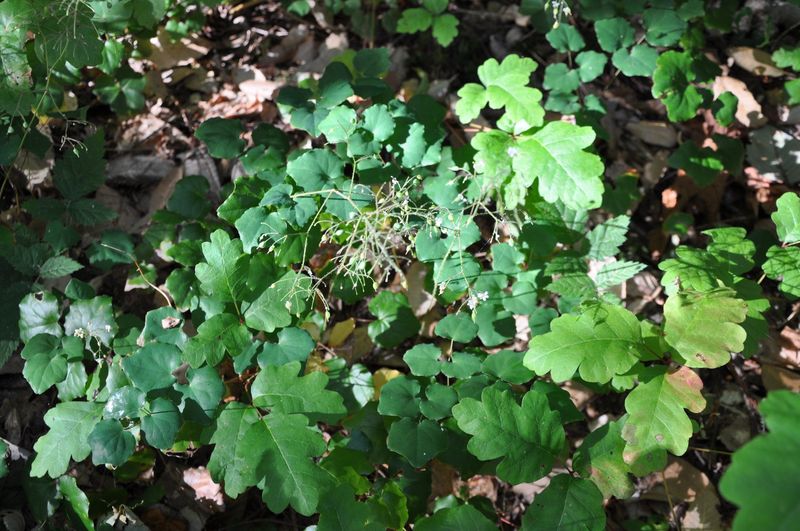
Dry shade ranks as one of the trickiest combinations in gardening. Big trees soak up water with thirsty roots, and their branches block rain, too.
Few plants handle both low light and dry soil at once. Inside-out flower can, given enough time.
Once roots settle in, usually by the end of the first year or two, it handles dry shade under trees well. That makes it a strong pick for the ground beneath native oaks.
Coast live oaks dislike summer watering near their trunks. A tough, low-water groundcover makes a real gift in that setting.
Skipping water entirely rarely works everywhere, though. Hot inland gardens may need an occasional deep soak in summer, while foggy coastal gardens often get by on winter rain alone.
The leaves offer helpful signals. Dull color or drooping on hot days suggests the plant would welcome a good drink.
Mulch makes a big difference here. A few inches of leaf litter slows evaporation and keeps roots cool, and a small gap around tree trunks protects the bark.
During a long, dry stretch, some leaves may brown at the edges. That change looks worse than it is.
Rhizomes underground stay healthy and push out fresh growth when cooler, wetter weather returns. This plant knows how to ride out a drought and bounce back.
That resilience earns it a spot among the most dependable natives for California shade.
It Spreads Slowly By Rhizomes
Patience pays off with this plant. Underground, slender creeping stems called rhizomes travel outward, sending up new leaves along the way.
The patch widens a little each year at a slow, steady pace. Patios and paths stay safe from any sudden takeover.
That gentle growth makes it easy to manage and suitable for planting near more delicate woodland natives. It won’t fill a big area overnight, though, so a little planning helps.
Small pots set about 12 to 18 inches apart give the quickest coverage. Wider spacing works, too, for gardeners willing to wait a few seasons.
A staggered, zigzag pattern looks more natural than straight rows. It also helps the patch knit together evenly as runners meet in the middle.
Placement deserves some thought. Edges of shady paths, the base of a tree, and gaps between ferns all make good choices.
Slopes under trees offer another smart spot, since the rhizomes help hold soil in place. A little open ground around each plant gives the runners room to roam.
Free plants come as a bonus. Once a clump is well established, dividing it in fall or winter yields new sections with roots and rhizomes attached.
Those divisions settle in best when replanted promptly in shade and watered well. Sharing extras with neighbors makes a lovely way to spread a native plant around the block.
Coast Range Roots Suit Coastal Gardens
Fog rolls in off the Pacific, drifts through the redwoods, and settles on the forest floor. That cool, damp world is home sweet home for inside-out flower.
Its native range runs through the coastal forests of northern California and into southwestern Oregon. It turns up in the Coast Ranges and parts of the Klamath region.
Typical neighbors include redwoods, Douglas fir, tanoak, and mixed evergreen woods. These areas share mild temperatures, winter rain, and summer fog that keeps the air moist.
Gardeners near the coast enjoy a big head start. From the Bay Area up through Mendocino and Humboldt, conditions often closely match the plant’s wild home.
Shady yards there can grow lush patches with little extra care. Summer fog acts like a free, gentle sprinkler.
Inland and Southern California gardens can still succeed with a few tweaks. The coolest, shadiest spot available, ideally on the north or east side of a building, gives the best start.
Plenty of organic matter in the soil helps, too. More regular summer water than coastal growers need makes sense, especially during heat waves.
Growing a local native also benefits nature. Plants from a gardener’s own region fit the soils, weather, and wildlife they evolved alongside.
Native plant nurseries and plant sales hosted by CNPS chapters often carry inside-out flower. Calscape, the CNPS plant website, helps confirm whether it suits a specific location.