The Native Florida Shrub That Beats Schefflera For A Full, Tropical Look
Schefflera shows up in Florida yards for one reason. It looks lush, tropical, and full without asking much in return.
That appeal is real right up until the plant outgrows every space it was put in. Then it starts showing up on invasive plant lists in counties across the state.
The tropical look is not exclusive to schefflera. A Florida native shrub produces the same layered, full presence.
Without the invasive spread. Without the size problem. Without the ecological baggage of a plant that does not belong here.
It also produces berries that Florida wildlife actually uses. Birds find it. Pollinators work it.
The yard gets the tropical aesthetic and a functioning piece of the local ecosystem at the same time. Schefflera solved one problem and created several others.
This native solves the same problem and stops there.
1. Wild Coffee Brings Glossy Tropical Texture
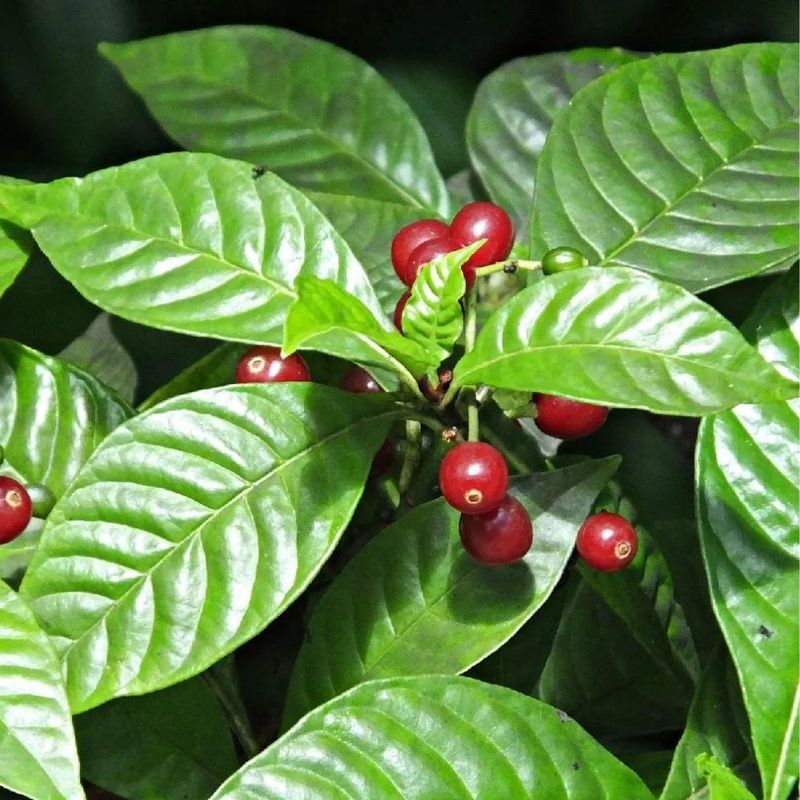
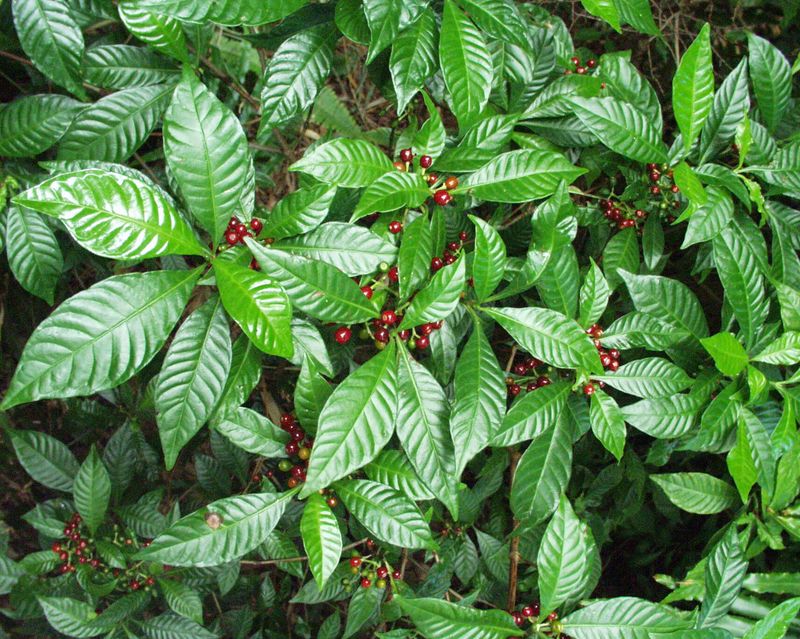
Glossy leaves with deep, defined veins are one of the first things you notice about wild coffee. The scientific name is Psychotria nervosa, and those textured leaves are part of what makes this shrub feel so visually rich.
When light catches the surface, the foliage almost shimmers, giving shaded beds a lush, finished look that rivals any tropical planting.
Schefflera is a common go-to for homeowners who want that bold, full, shiny look. It delivers on texture, but it can grow very large and become difficult to manage in smaller beds or tight foundation spaces.
Wild coffee offers a similar glossy appeal with a softer, more manageable form in the right site.
This shrub grows best in part shade or filtered light. Full, baking sun can stress the foliage and reduce that rich green color.
Shaded patios, under-canopy beds, and north-facing foundation areas tend to suit it well.
The leaf texture alone makes it stand out. Paired with natural mulch and clean bed edges, wild coffee can transform a dull shaded corner into something that looks intentional and designed.
It works best when site conditions match what the plant actually needs, so always check light, drainage, and mature size before planting.
2. Native Leaves Look Lush Without Getting Massive
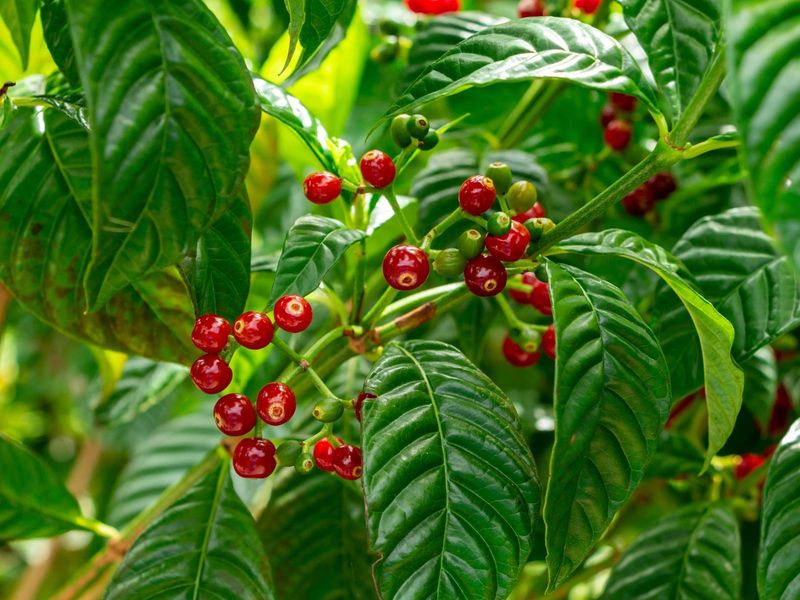
One of the real frustrations with schefflera in home landscapes is how fast it can take over. What starts as a tidy accent plant can become a towering, woody mass that blocks windows, shades out nearby plants, and requires aggressive pruning to keep in check.
Wild coffee grows more modestly, which makes it a better fit for beds that need fullness without bulk.
According to UF/IFAS, wild coffee typically reaches six to fifteen feet in height depending on conditions, cultivar, and site. That is still a meaningful size, so it is not a tiny shrub.
Plan for its mature width and height before planting, and give it enough room to develop naturally without crowding walls or walkways.
The branching pattern is what creates that full, layered look without the plant feeling overwhelming. Leaves grow in pairs along the stems, building up density gradually as the plant matures.
Your Florida Garden Changes Every Week. Your Plan Should Too.
Gardening in Florida changes quickly throughout the season. Every Friday you’ll receive a simple weekly plan showing exactly what to plant, prune, fertilize, harvest, and protect so you never miss the right timing.
Young plants may look a bit sparse at first, but with proper establishment care they fill in nicely over time.
Spacing matters a lot here. Planting too close to structures or other shrubs will force crowding and reduce airflow.
A well-spaced wild coffee in the right bed feels lush and intentional, not jammed in or fighting for room.
3. Shade Beds Fill In With A Softer Shape
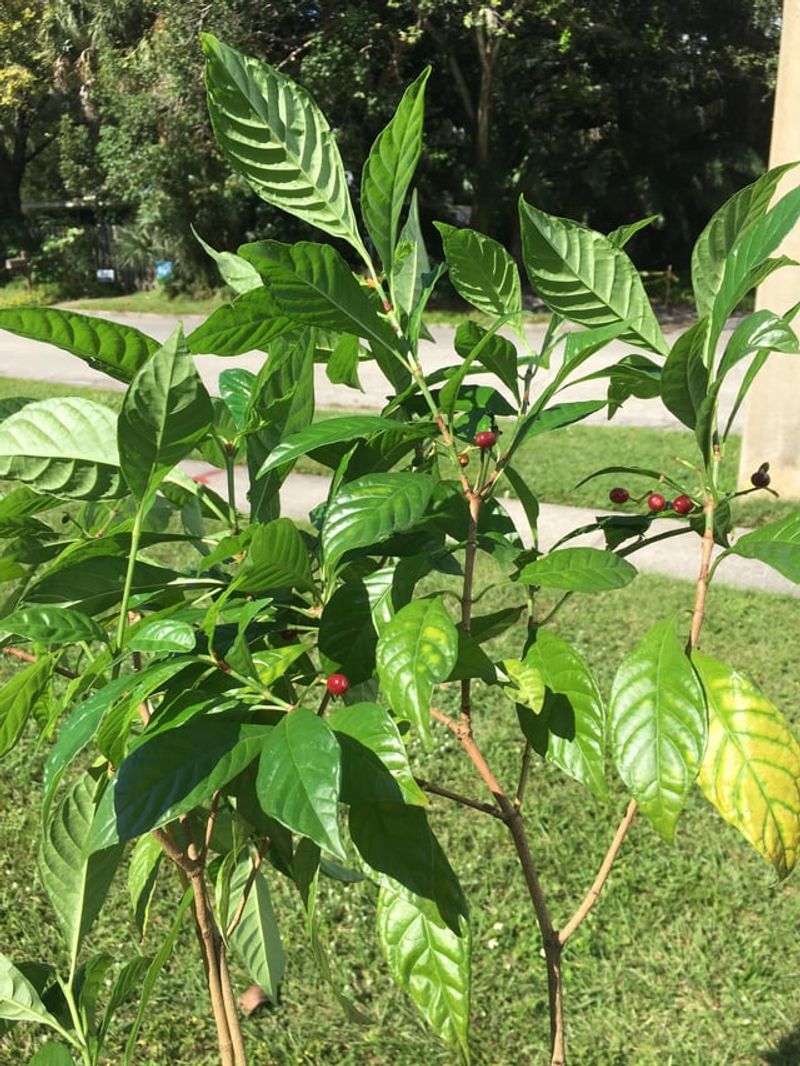
Under-tree beds are some of the hardest spots to plant well. Most sun-loving shrubs struggle in heavy shade, and many tropical-looking plants need more light than a canopy allows.
Wild coffee is one of the few native shrubs that genuinely performs in filtered or part shade. It is practical for awkward bare patches under oaks, palms, or large ornamental trees.
The key to success in these spots is soil preparation and establishment watering. Tree roots compete for moisture and nutrients, so new plantings need regular watering during the first growing season.
A two-to-three-inch layer of mulch helps retain moisture and moderate soil temperature, but keep mulch pulled back from the base of the stem to avoid rot.
Avoid planting wild coffee directly over large surface roots or in areas with extremely compacted soil. Root damage to established trees is a real concern, and digging aggressively in those zones can cause problems for both plants.
Choose spots between root zones where soil is workable and drainage is reasonable.
Once established, wild coffee fills shaded corners with a softer, rounded shape that feels natural rather than stiff. That gentle, layered form is part of its appeal.
It makes bare shaded areas look designed and cared for without demanding full sun or constant attention.
4. Red Berries Add Wildlife Value After Flowers
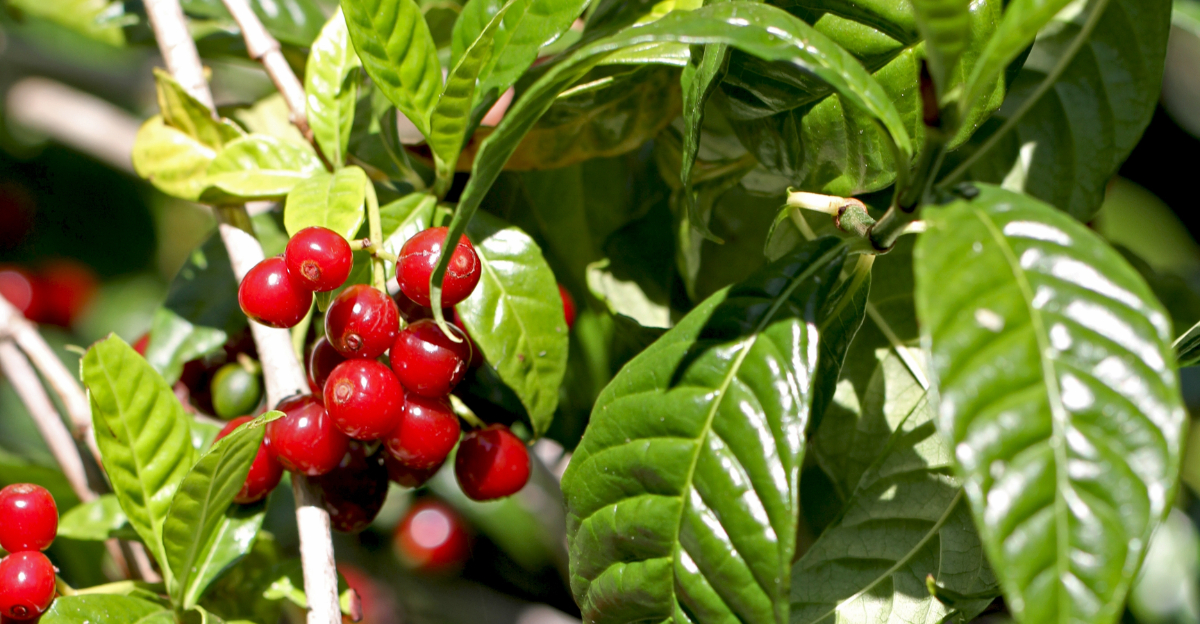
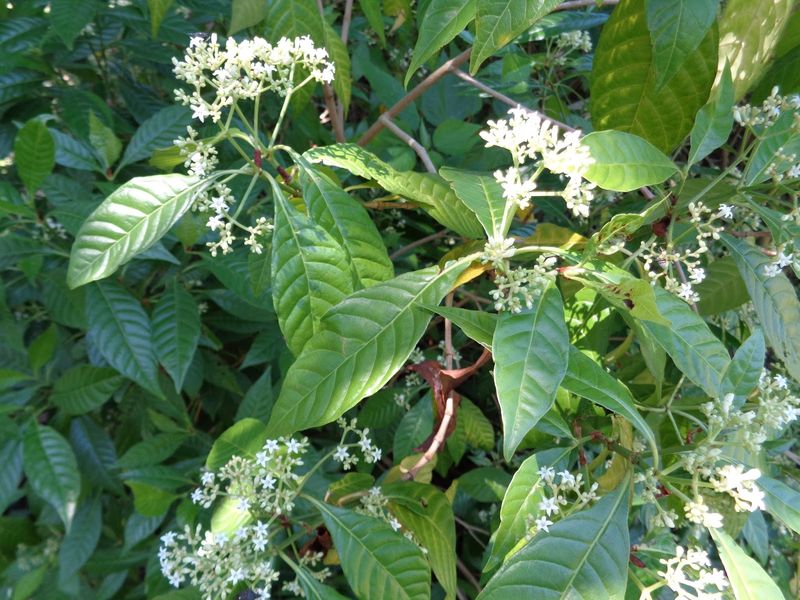
Small clusters of white flowers appear on wild coffee during warmer months, attracting pollinators to shaded garden spaces where blooms are often scarce. The flowers are modest in size but still contribute to the overall interest of the planting.
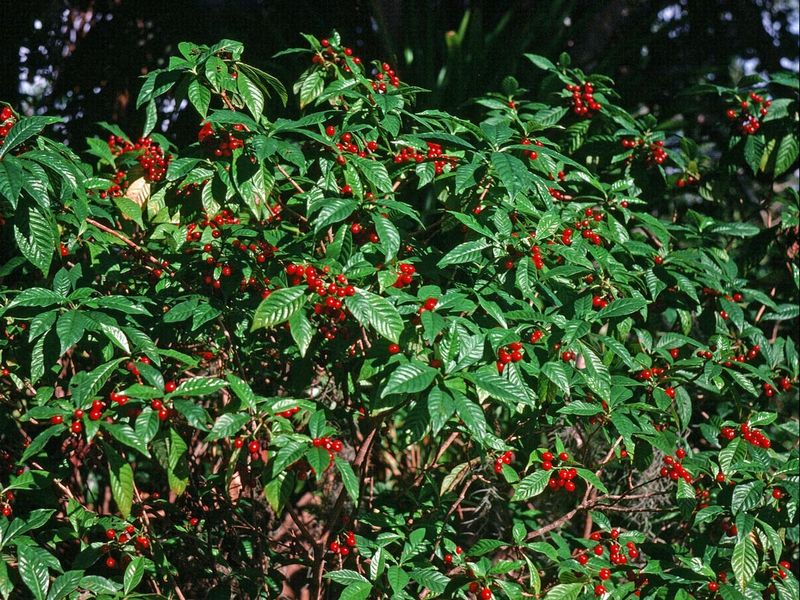
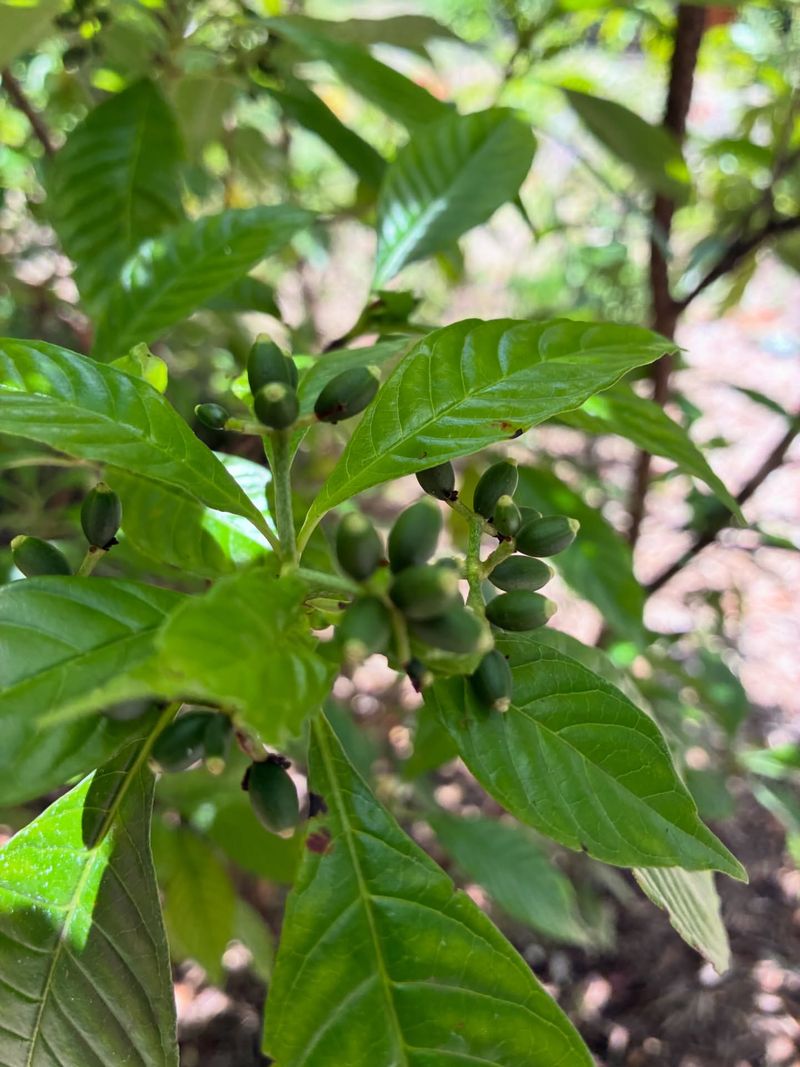
After pollination, the plant produces small berries that ripen from green to bright red, adding a pop of color to the foliage.
Those red berries are a known food source for birds. Florida Native Plant Society and UF/IFAS Extension resources note that wild coffee berries are eaten by several bird species.
That makes the plant useful in wildlife-friendly landscapes. Adding native fruiting shrubs to your yard supports local bird populations in a meaningful way.
It is worth being clear that wild coffee berries are not recommended as a food source for people. The plant is called wild coffee because of its relation to the coffee family, not because the berries are a safe or practical substitute for culinary use.
Focus on its ornamental and wildlife value rather than any human consumption angle.
Fruiting performance can vary based on plant maturity, light levels, moisture, and pollinator activity in the area. Do not expect heavy berry production every season or from every plant.
A well-established shrub in a suitable spot with good light exposure tends to fruit more reliably over time.
5. Dense Growth Makes Bare Corners Look Finished
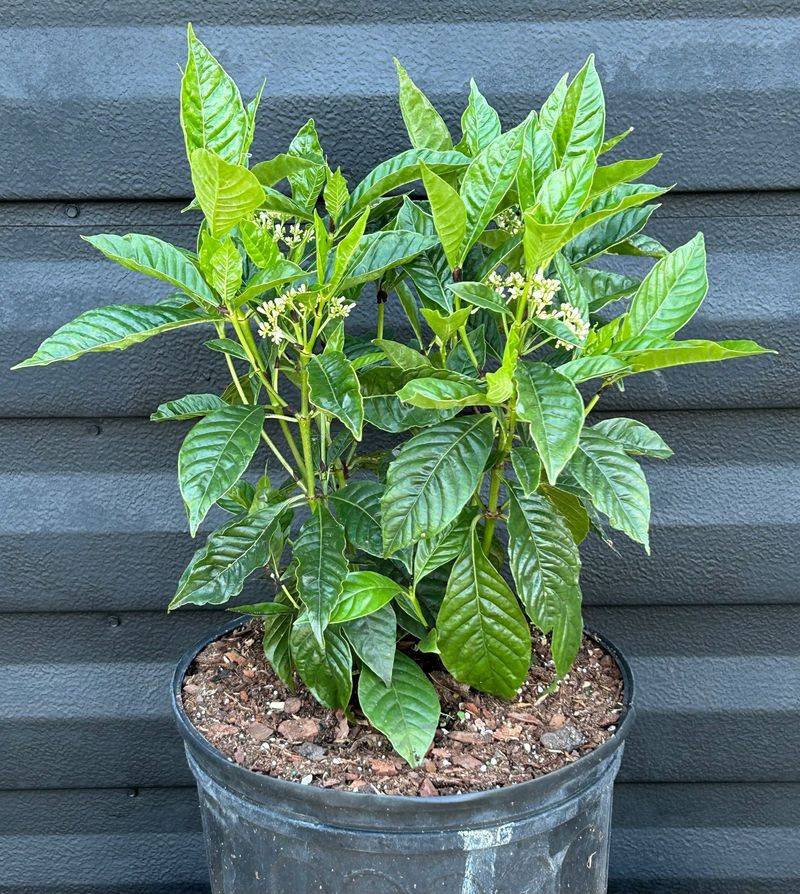
Awkward corners are a common design problem in residential yards. Fence lines that meet at odd angles, gaps between patios and garden beds, or side-yard spaces that get little sun often end up looking bare and neglected.
Wild coffee can fill those spots with dense, layered growth that makes even overlooked corners feel like they belong in the overall design.
The shrub builds density from the ground up when given enough room and the right light. Multiple stems branch outward as the plant matures, creating a full silhouette that covers a surprising amount of visual space.
In shaded foundation beds or along privacy fences, that density adds a sense of enclosure and lushness that thin, single-stem plants cannot match.
Design placement matters as much as plant selection. Wild coffee should not be crammed into narrow spaces between walls and walkways where it will eventually crowd foot traffic or block access to AC units, meters, or vents.
Give it room to spread, and keep pathways clear. A well-placed plant looks intentional; a cramped one looks like a maintenance problem waiting to happen.
Clean mulched edges around the base of the planting help define the bed and make the dense growth look polished rather than overgrown. Good mulch depth, proper spacing, and occasional light shaping keep the corner looking finished throughout the year.
6. It Fits Where Schefflera Often Gets Too Big
Schefflera has earned its place in warm-weather landscapes because it delivers bold, tropical fullness fast. The large compound leaves and quick growth make it appealing for homeowners who want results right away.
That same vigorous growth becomes a problem when the plant outpaces its space. It can push against windows, crowd entry doors, or shade out neighboring plants entirely.
Umbrella tree, the common schefflera species often sold at garden centers, can reach heights of twenty feet or more in the ground without regular pruning.
Some species have also shown invasive behavior in southern regions of the state, where conditions allow seeds to spread into natural areas.
The Florida Exotic Pest Plant Council lists certain schefflera species as invasive, so it is worth checking which species you are working with before planting.
Wild coffee does not come with that same concern. It is native to Florida and well-suited to shaded, humid beds in the right region.
For homeowners in central or southern Florida who want a glossy, full-looking shrub, wild coffee is worth serious consideration. It will not block the living room view in three years.
Matching plant to site is the real goal here. Wild coffee is not a universal replacement for schefflera.
But in shaded beds with limited space, it often performs better over time without the size and management issues.
7. Clean Pruning Keeps The Shrub Looking Polished
A well-maintained wild coffee looks polished without much effort, but that does not mean it never needs attention.
Light pruning helps the shrub keep a clean, natural shape and prevents any one branch from getting too leggy or out of proportion with the rest of the plant.
The goal is to preserve the shrub’s soft, rounded form rather than forcing it into a rigid box shape.
Heavy shearing removes the natural branch tips where new growth and flowers emerge. Avoid cutting the entire plant back to uniform flat surfaces, which disrupts the layered texture that makes wild coffee look so appealing.
Instead, use bypass hand pruners to remove stray stems, crossing branches, or growth that is heading toward a wall, walkway, or neighboring plant.
Timing matters in Florida’s climate. Pruning after a flowering period rather than just before it helps protect any developing blooms or berries.
UF/IFAS guidance on native shrubs generally recommends avoiding heavy pruning during extreme heat or dry periods when plants are already under stress.
Beyond pruning, clean bed edges and fresh mulch make a big difference in how the whole planting looks. A neatly edged bed with two to three inches of mulch pulled back from the stem frames the shrub beautifully.
Small details like these separate a tidy, designed landscape from one that just looks planted and forgotten.
8. A Native Tropical Look Works Better In The Right Spot
Every plant performs better when the site matches its needs, and wild coffee is no exception. It thrives in part shade to full shade with well-drained, moist soil and some humidity.
In those conditions, it develops the glossy, dense, tropical look that makes it such a compelling native alternative to schefflera. Put it in the wrong spot, and the results will be disappointing.
Southern and central regions of the state offer the warmest, most consistent conditions for wild coffee. In northern regions, it can still grow but may be more sensitive to cold snaps, so site selection and some protection during rare freezes can help.
Always check your specific hardiness zone and local extension resources before planting.
Drainage is easy to overlook but critical. Wild coffee does not perform well in soggy, waterlogged soil.
If your shaded bed stays wet after rain, improve drainage before planting or choose a raised bed area where water moves through more freely. Getting the drainage right from the start saves a lot of frustration later.
Wild coffee can genuinely beat schefflera for a full, tropical look in the right shaded or partly shaded landscape.
It offers glossy texture, wildlife value, manageable size, and native plant benefits without the aggressive growth or invasive concerns some schefflera species carry.
Choose the right site, give it room, mulch well, and this shrub will reward you with years of lush, polished beauty.