What It Means When Fence Lizards Vanish From Your California Yard
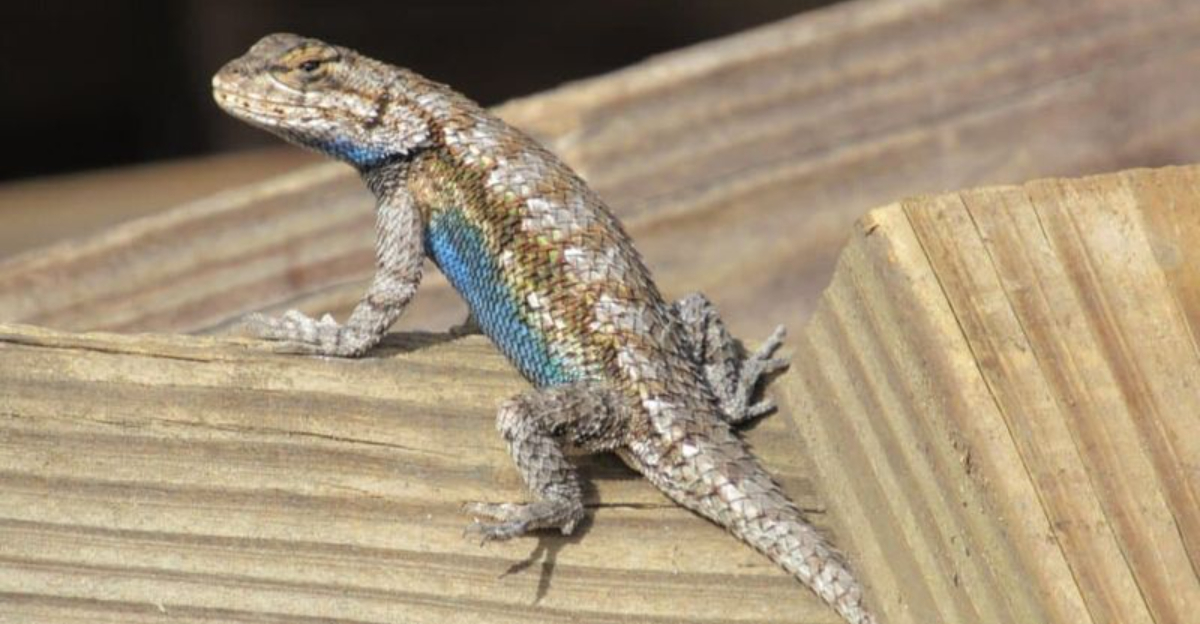
Your fence used to have residents.
Little gray-brown lizards, half a dozen of them, doing push-ups on the posts every afternoon. Darting into the woodpile when you walked past.
Then one week the posts are just posts.
Nobody basking. No quick movement in the corner of your eye. The whole yard feels a little less occupied.
The obvious explanations arrive fast. Something got them. The neighbor sprayed. Your yard changed somehow.
Almost certainly none of that happened.
Here’s what’s actually going on, and it involves a word most people have never heard applied to reptiles.
Those lizards are probably within thirty feet of where you last saw them. They just made a decision about the season, and their bodies are running on entirely different terms now.
Understanding it makes an empty fence considerably less mysterious.
Curious where they went?
1. Cooler Weather Sends Them Into Hiding
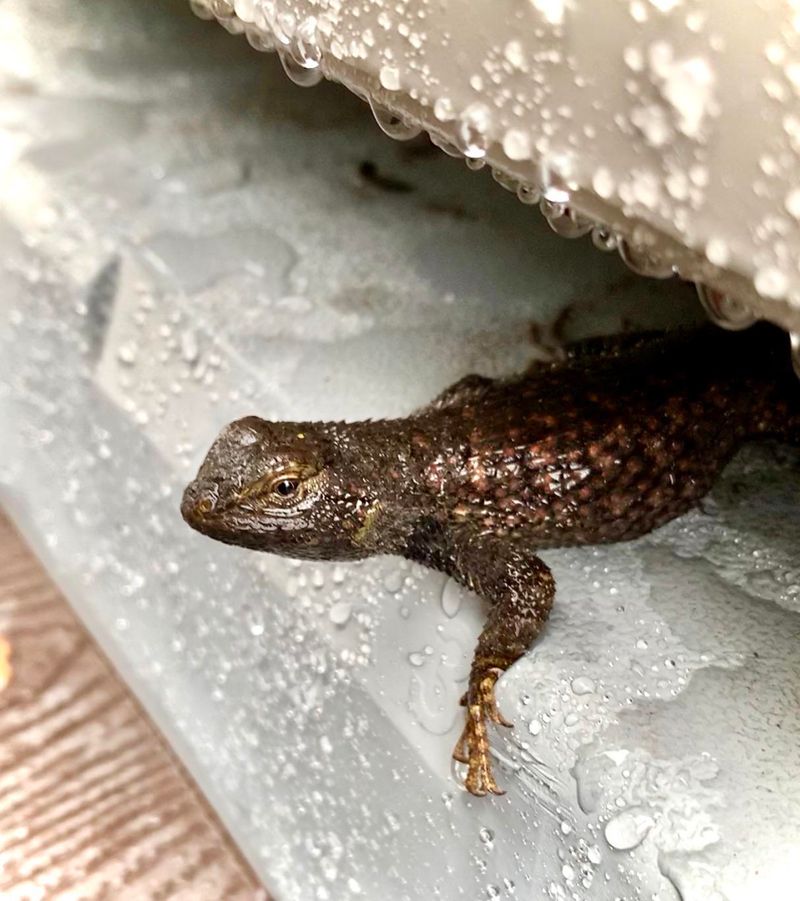
One chilly morning, a fence that seemed crowded in July looks strangely empty, and temperature starts the whole story.
Western fence lizards depend on external warmth, so cooler air slows their bodies and signals that active days are ending.
As fall settles in, basking spots stop holding heat long enough, particularly in coastal, shaded, or higher elevation yards.
Seasonal hiding is normal behavior rather than abandonment.
Lizards register small weather shifts people barely notice, including cooler nights, shorter days, and fewer genuinely warm hours on wood surfaces.
A yard feeling pleasant at noon may still turn too cold near dawn, and that overnight low matters considerably.
Instead of racing across posts, they spend more time tucked away, conserving energy rather than fighting temperatures that drop.
That explains why disappearances happen gradually. Fewer sightings first, then whole days when your sunning spots stay blank.
Body temperature drives everything for these animals. They need to reach roughly 90 degrees to hunt and digest efficiently, which becomes difficult once ambient temperatures fall.
Elevation shifts the schedule substantially, so mountain neighborhoods see early retreat while milder areas stay active longer.
Local shade, fog, and rain all factor in, which is why no single statewide date predicts when activity slows.
Watching those first brisk mornings explains their absence better than worrying about what changed in your yard.
2. Brumation Replaces Active Summer Behavior
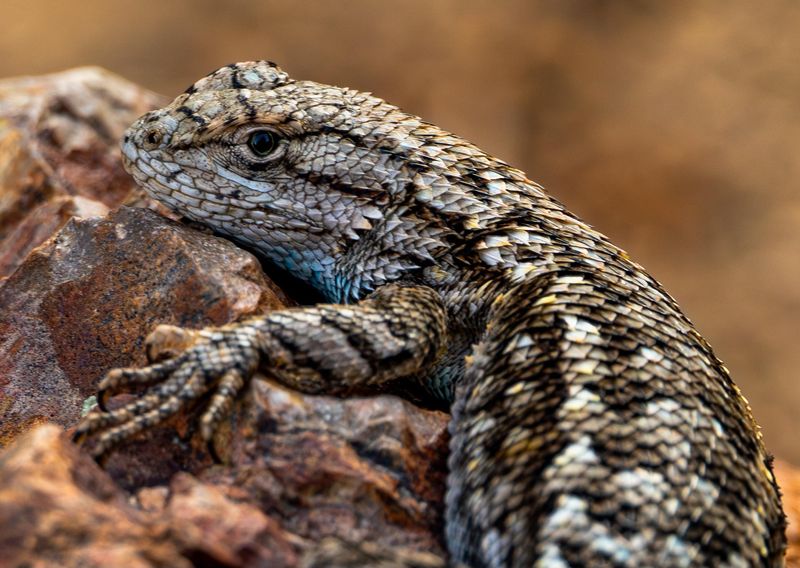
Summer makes them look bold and busy. Winter brings a quieter arrangement called brumation, which is the reptile version of dormancy.
Unlike mammals in deep hibernation, lizards don’t sleep continuously, though activity drops sharply for months.
Breathing, movement, and food requirements all slow down because cold conditions make normal hunting and basking impractical.
Some days a lizard may briefly stir when shelter warms, which shows brumation differs from mammalian hibernation in a meaningful way.
Herpetologists describe the state as energy conservation, helping reptiles survive months when warmth and insects are both limited.
That shift explains why the quick dashes, push-up displays, and rock hopping of summer give way to hidden stillness.
A missing lizard is often not gone at all, just running on a slower seasonal setting beneath bark or stone.
Your California Garden Changes Every Week. Your Plan Should Too.
Gardening in California changes quickly throughout the season. Every Friday you’ll receive a simple weekly plan showing exactly what to plant, prune, fertilize, harvest, and protect so you never miss the right timing.
Metabolism drops considerably during this period, so unnecessary movement wastes resources needed for months of survival.
People mistake the quiet season for disappearance when it’s better understood as a hidden chapter in an annual cycle.
Watching western fence lizards across seasons makes this obvious, since a yard can feel crowded in August and silent by November.
A warm stretch may bring a few out briefly, then send them back to shelter when cold returns.
Knowing brumation replaces summer behavior makes an empty fence far easier to interpret.
3. Lizards Tuck Into Rocks And Bark
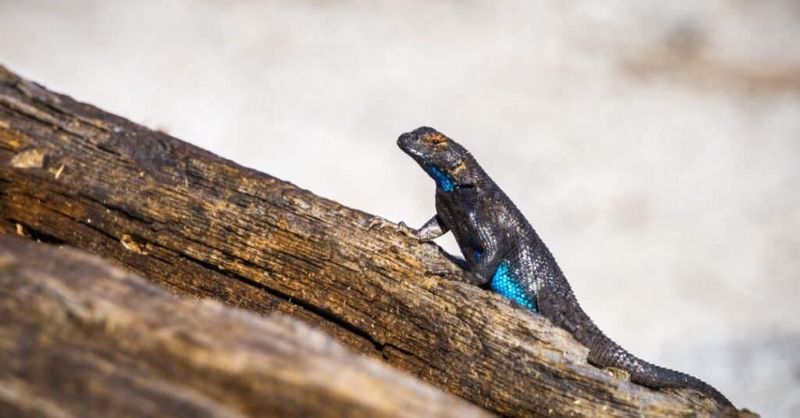
Look beside a rock pile or under loose bark and you’re seeing the shelter these animals prefer.
Western fence lizards need places protected from wind, rain, and sharp temperature swings through the cool season.
Natural cracks between stones work well, especially where sunshine reaches nearby surfaces and creates a warmer pocket.
Old logs, stacked wood, and rough tree bark all provide narrow hiding spaces.
Some use existing animal burrows or gaps under garden debris, though specific choices depend on yard layout and local climate.
At higher elevations deeper shelter matters more, since cold persists longer and nighttime temperatures drop considerably further.
Homeowners miss these locations regularly because the entrances are small, shaded, or concealed behind ordinary yard materials.
A fence lizard needs no elaborate retreat, just a stable pocket where cold snaps feel less severe.
Tidy yards can still host brumating lizards provided some cracks, crevices, or cover remain available.
Rock walls and rip-rap are particularly good, which is one reason these lizards do well around foundations and retaining walls.
Fewer baskers on open posts may simply mean they moved a few feet into better protected corners.
Rocks, bark, and brush look rustic and function as genuine shelter when California weather cools.
An empty fence and full shelter can coexist without you ever spotting a single animal.
4. Nothing Is Wrong With Your Yard
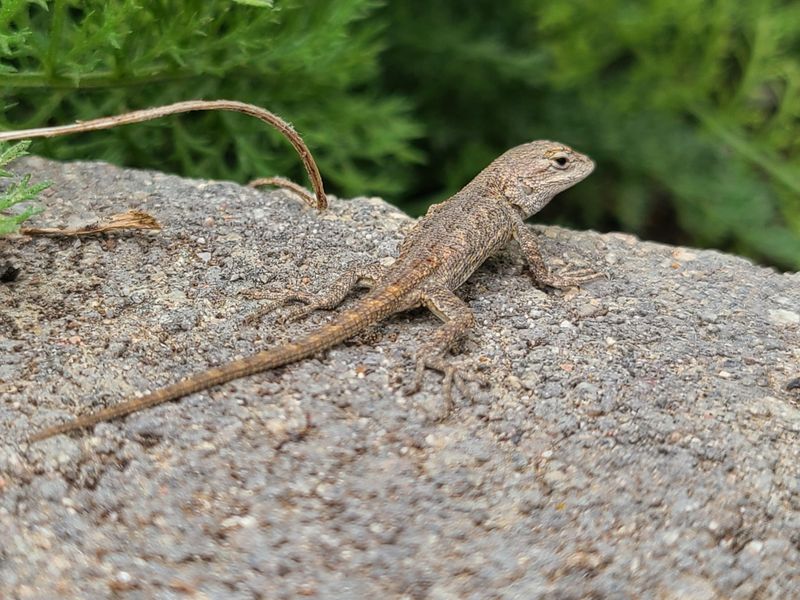
When favorite sunning spots go quiet, blaming pesticides, pets, or some overnight change comes naturally.
Most of the time western fence lizards vanish seasonally because their bodies are following normal cold-weather rhythms.
Brumation explains most of it, which means absence alone doesn’t signal habitat damage or population decline.
A healthy yard can look empty in winter the same way a healthy tree looks bare without being in trouble.
Timing varies enormously across California, so comparing your yard to a friend’s in another region misleads more than it helps.
Coastal neighborhoods may keep seeing occasional lizards while inland valleys and foothill homes notice longer quiet stretches much earlier.
Yard practices still matter at the margins, and a drop in sightings doesn’t prove anything went wrong.
The least dramatic explanation is usually correct. Cooler conditions arrived and the lizards responded appropriately.
Fewer sightings also don’t mean every lizard left, since many remain hidden within the same small area they used all summer.
Territory size for these lizards is genuinely small, often measured in dozens of feet, so they haven’t gone far.
Supporting them in summer with sun, cover, and insects means those same features may be helping them stay concealed now.
Seasonal silence disappoints kids especially, and it usually reflects a functioning backyard ecosystem doing exactly what it should.
5. Insect Prey Becomes Harder To Find
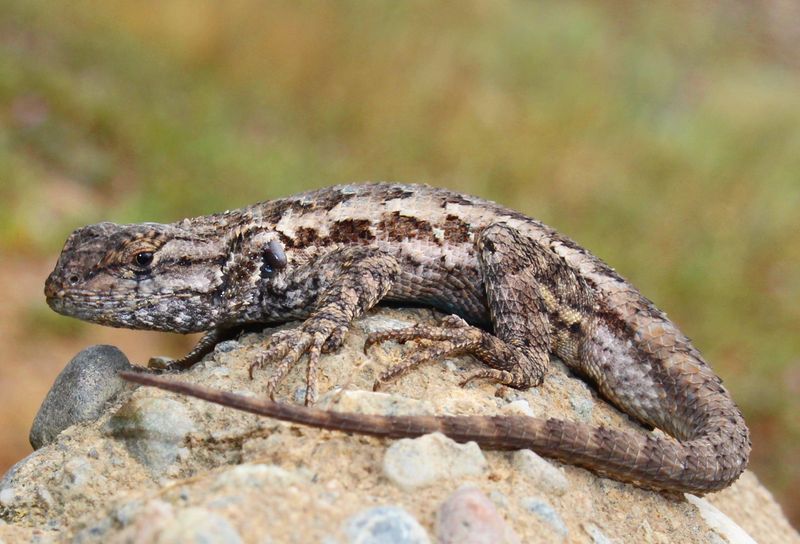
The yard doesn’t just cool in fall. It also gets considerably quieter for the insects these lizards eat.
Ants, beetles, flies, spiders, and other small prey all become less active as temperatures drop and days shorten.
That matters because western fence lizards need regular hunting opportunities, and cold weather makes successful feeding unreliable.
A lizard facing fewer insects has an additional reason to stop roaming and start conserving energy in shelter.
Food and temperature work together, which is why disappearance cannot be explained by cold alone.
Even on a mild afternoon, insect numbers may stay well below summer levels, reducing the payoff for basking and hunting.
Young lizards particularly benefit from conserving energy when meals become scarce, since they carry smaller reserves.
Brumation is generally linked to both low temperatures and reduced food availability rather than temperature by itself.
So noticing fewer lizards alongside fewer buzzing insects reflects a genuine connection between the two.
Digestion is the other piece. These lizards need warmth to process food, so eating without adequate basking temperature causes problems.
Summer yards offer abundance while cooler months provide slim pickings for small hunters requiring daily warmth.
Because prey dwindles, hiding becomes a sensible strategy rather than a sign something chased them off.
The empty fence reflects a whole seasonal slowdown, with insects and lizards both stepping back together.
6. Expect Their Return Come Spring Warmth
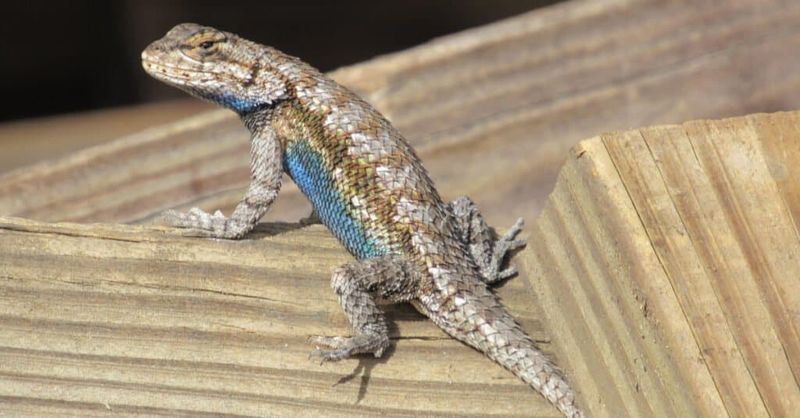
After months of stillness, the first lizard back on a sunny fence functions as a small spring announcement.
Warmer days let their bodies work properly again, so basking, hunting, and quick movement gradually become possible.
The return follows no fixed statewide date, since California climates differ enormously from coast to mountains.
Lower warmer areas see earlier reappearance while colder elevations stay quiet considerably longer.
A few warm spells in late winter may produce brief appearances, though sustained activity usually waits for steadier spring conditions.
That slow comeback is normal, and numbers build over days or weeks rather than overnight.
You’ll likely spot one basking quietly before the familiar chases and push-up displays resume.
Males typically become active before females and show the brightest blue side patches during breeding season, which makes early spring sightings distinctive.
Moisture, shade, and local insect levels all shape timing, giving you another reason to avoid strict calendar expectations.
A yard staying empty a while longer may reflect neighborhood weather patterns rather than anything you changed.
Spring re-emergence works best understood as a gradual reopening rather than a single dramatic day.
Watching morning sun spots during warming weather usually provides the earliest clue that they’re back.
Once the season genuinely shifts, that fence starts telling a better story again.
7. Shelter Now Helps Them Survive Winter
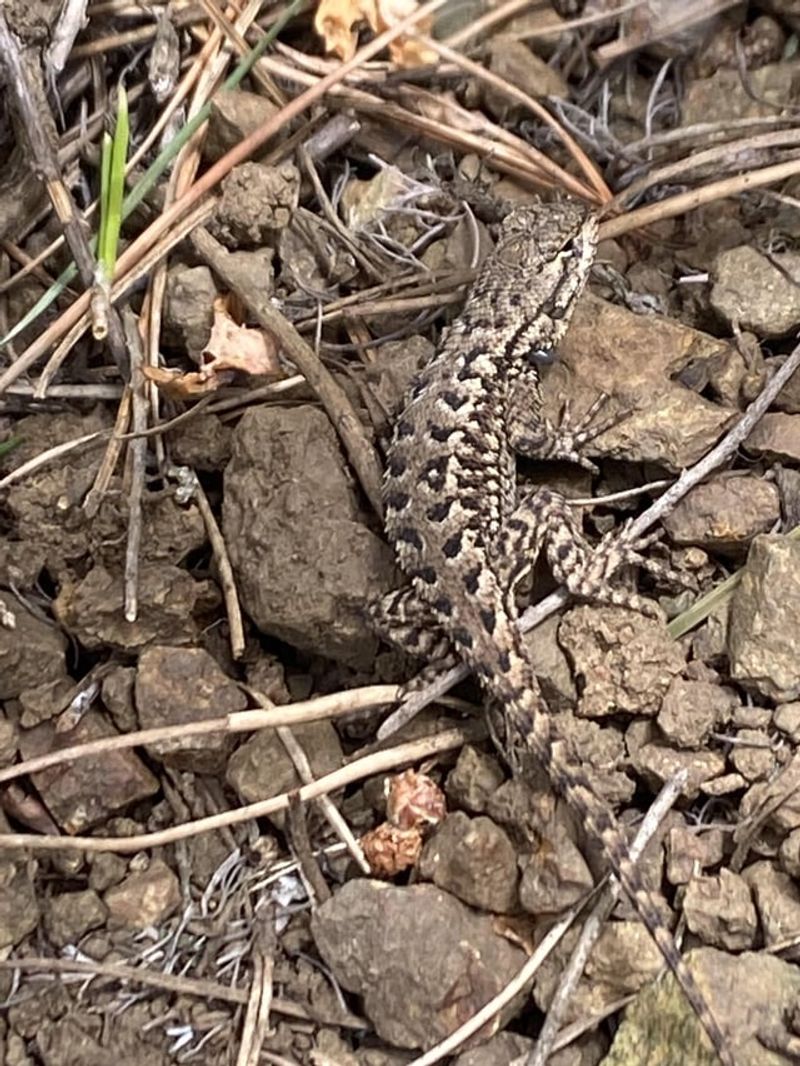
A messy corner turns surprisingly useful in winter, since shelter matters more to lizards than a polished yard does.
Rock piles, stacked logs, bark slabs, and undisturbed brush all create workable brumation space across California yards.
Small gaps carry real value because they buffer wind and cold while hiding lizards from predators.
Simple natural materials help considerably, particularly when positioned near areas that warm during fair weather.
Leaving one quiet section undisturbed through winter supports lizards better than clearing every leaf, branch, and loose board.
The goal involves no construction. A few protected nooks where temperature swings feel less severe covers it.
Yards offering both sun and cover serve lizards well across seasons, even when winter makes them invisible.
Avoiding repeated disturbance around likely hiding spots matters too, since constant movement interrupts their resting period.
Cats deserve a mention here, since outdoor cats take a substantial toll on lizard populations and keeping them indoors helps more than any habitat feature.
Skipping broad-spectrum insecticides preserves the prey base these lizards depend on when they emerge.
Brushy edges, natural mulch, and old wood all contribute to a yard functioning for wildlife year-round.
Fence lizards disappearing each cool season and returning each spring suggests your shelter is doing its job.
Their winter absence can actually indicate that hidden spaces on your property are working exactly as intended.
8. Tell Them Apart From Other Yard Visitors
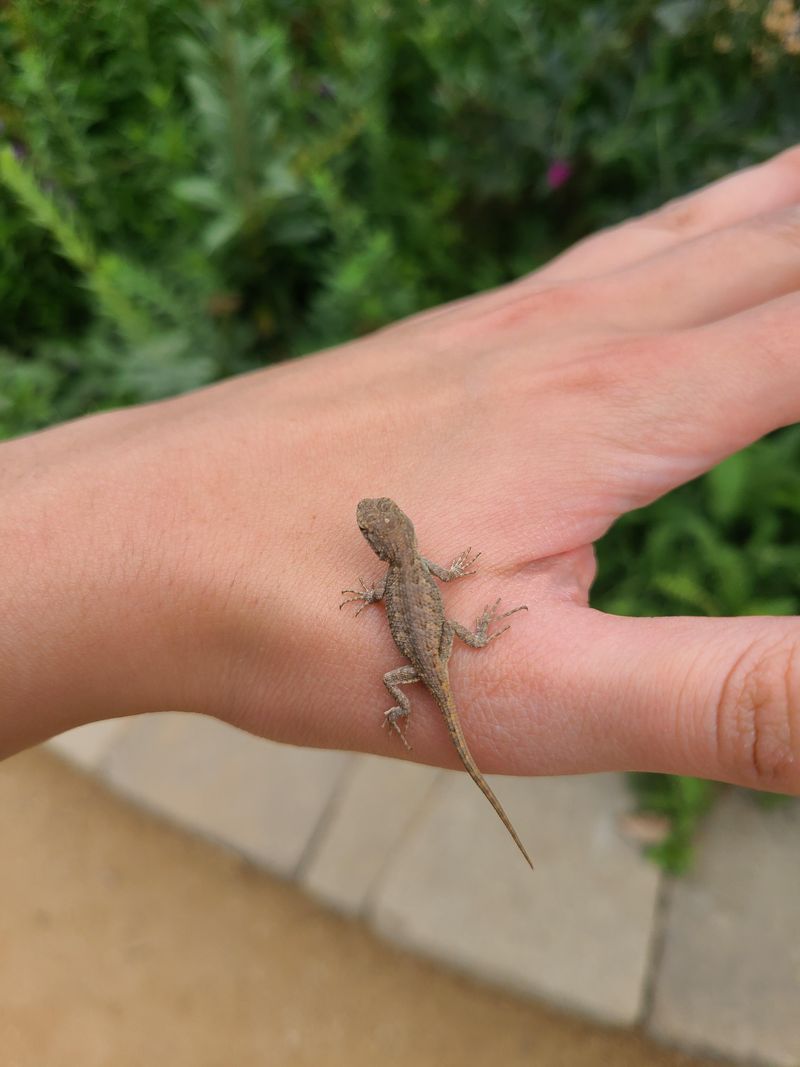
Not every lizard on your fence is the same species, and knowing the difference explains some of the coming and going.
Western fence lizards are gray to brown with blotchy patterns, rough spiny scales, and roughly six inches of total length including tail.
Males show bright blue patches along the belly and throat, which is where the nickname blue-belly comes from.
Females run duller with less blue, sometimes showing orange on the sides during breeding season.
Alligator lizards are the other common yard resident across much of California, and they behave completely differently.
Longer bodies, smoother appearance, shorter legs, and a preference for ground cover rather than open basking spots.
They also tolerate cooler damper conditions, so an alligator lizard may still turn up when fence lizards have gone quiet.
Side-blotched lizards appear in drier southern and inland areas, smaller and faster with a dark blotch behind each front leg.
Skinks show up occasionally, recognizable by smooth shiny scales and bright blue tails on the young ones.
Non-native Italian wall lizards have established in some California neighborhoods too.
That variety matters for interpretation. A quiet fence in November may still have lizards nearby, just species that use different spaces.
Watching which ones use your yard across a full year tells you considerably more than any single week does.