Maryland Lawns Are Sprouting Mushrooms In Rings That Keep Getting Wider
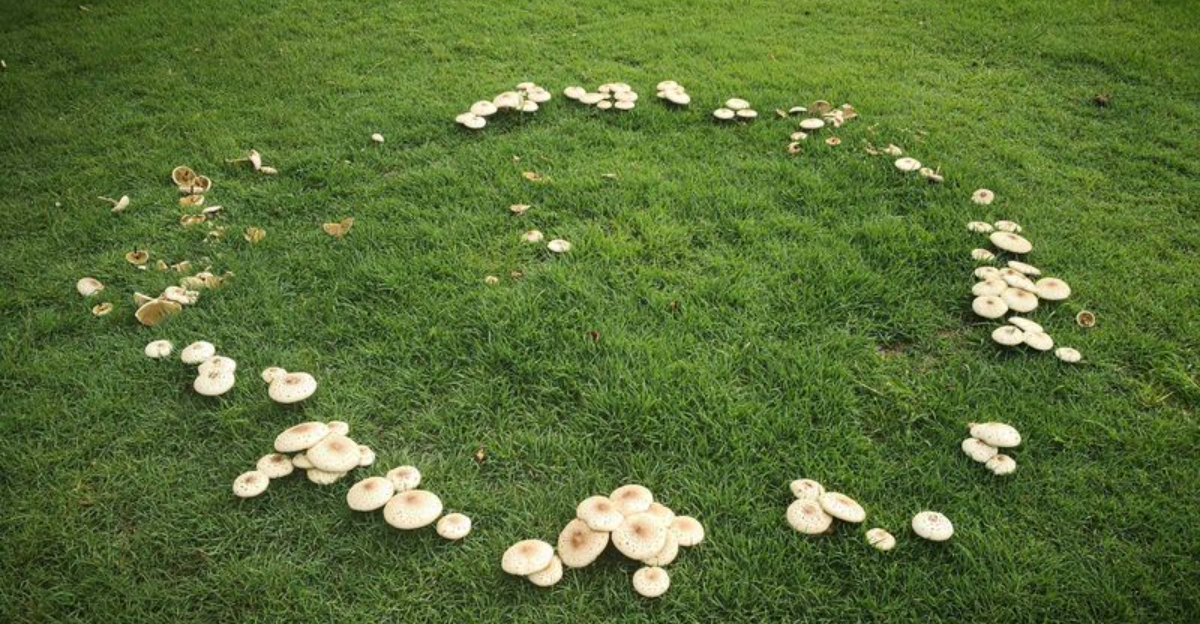
You step outside with coffee on a damp Maryland morning and notice something strange near the old maple. A curve of grass looks greener than everything around it, arcing across the yard like someone traced it with chalk.
Last summer that curve was smaller, or maybe you simply were not paying much attention to it. Now it stretches wide enough that your mower drifts along the shape without meaning to follow it.
Homeowners from Frederick down to Salisbury have been squinting at the very same outline in their own yards. Something beneath the surface is drawing it, patiently pushing a few inches farther out every season.
The cause makes sense, and the fix is mostly steady soil work. Here is what is going on under your grass, and the steps that genuinely make a difference.
The Underground Fungus Behind Those Widening Circles
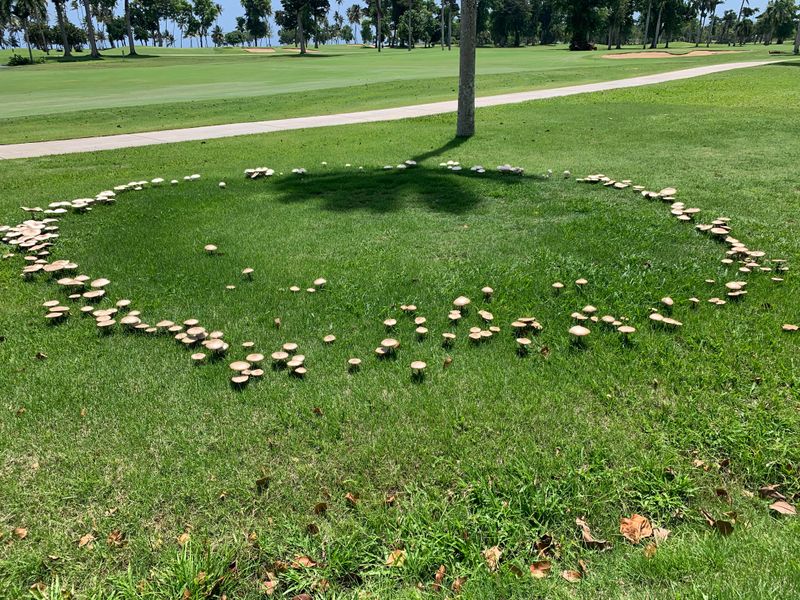
Under your grass, a fungus has been quietly working outward from one small starting point for years. Because it feeds and grows evenly in every direction, the edge of that colony traces a near perfect circle.
The mushrooms you see are only the fruiting part, sort of like apples on a hidden tree. The real organism is a web of thin white threads called mycelium, breaking down old wood and releasing nitrogen the grass soaks up.
That extra nitrogen explains the dark green band many Maryland homeowners notice before any caps appear. Right behind it, the soil can turn water repellent, so grass in that band looks thirsty even after a rainy week.
Each season the colony pushes out several inches to a foot or more, so the circle keeps widening. Old rings in pastures and parks have been measured at hundreds of feet across after many decades.
Nothing about the circle means your soil is ruined or your lawn is in trouble. It usually points to buried wood, an old stump, or years of built-up thatch feeding the colony.
Knowing the cause also saves you money, since fungicides rarely reach mycelium buried that deep. A better plan starts with soil care, and that is where most of your effort belongs.
Old Tree Roots And Buried Wood Feeding The Circle
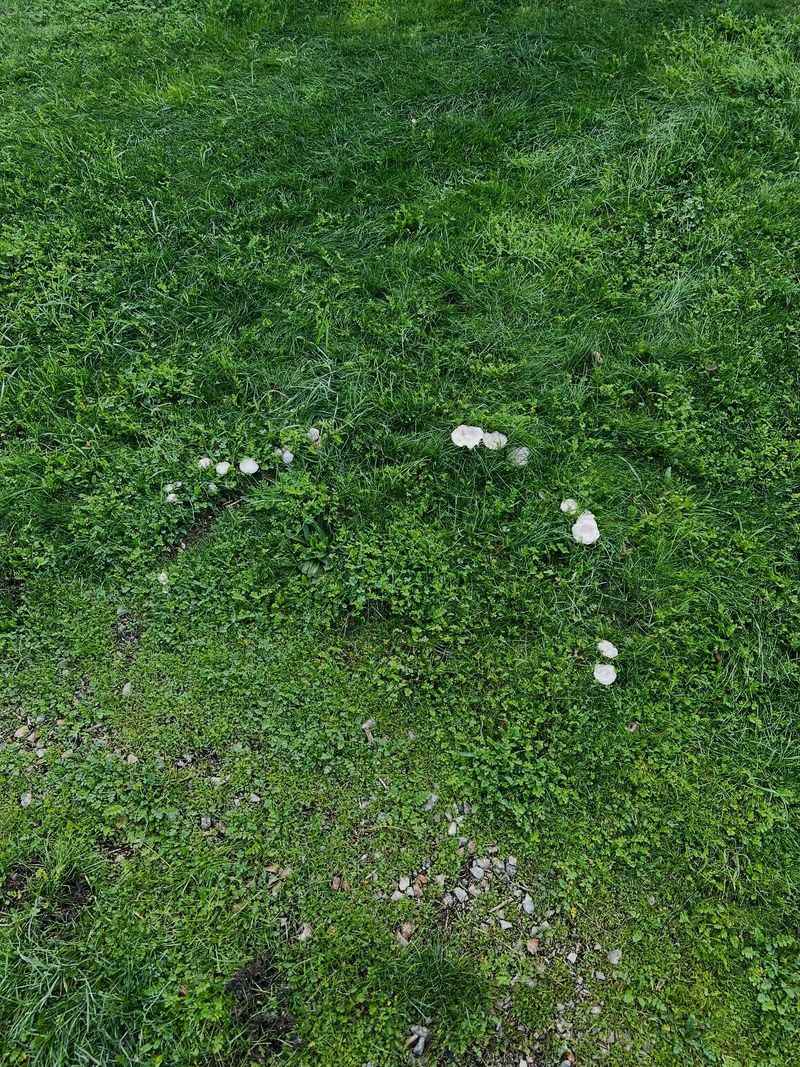
Builders in many Maryland neighborhoods cleared trees, then buried stumps, roots, and scrap lumber right in the yard. Decades later, that hidden wood becomes a buffet for fungi, and the circles start showing up.
Homes built on former farmland or woodlots see this more often. Sandy soils let fungal threads travel faster, while heavier clay elsewhere slows the spread, so rings widen more gradually.
Fence posts that rotted away, old firewood piles, and even thick layers of mulch can start a colony. Once the fungus finds fuel, it eats outward from the center and abandons the ground behind it, so the middle often looks normal while the edge stays busy.
Thatch matters too, since a spongy layer thicker than half an inch acts like stored food. Lawns that get heavy fertilizer and light aeration build thatch quickly, giving fungi a steady supply.
Your Maryland Garden Changes Every Week. Your Plan Should Too.
Gardening in Maryland changes quickly throughout the season. Every Friday you’ll receive a simple weekly plan showing exactly what to plant, prune, fertilize, harvest, and protect so you never miss the right timing.
Digging out a stump sounds satisfying, though it means removing soil a foot or two deep. Most homeowners find that impractical for a whole ring, so managing the surface conditions gives better results for less effort.
Take a shovel and check the soil at the ring edge on a dry afternoon. If it feels bone dry and crumbly, you have found the real problem worth fixing.
Timing Of The Rings Through Maryland’s Wet Seasons
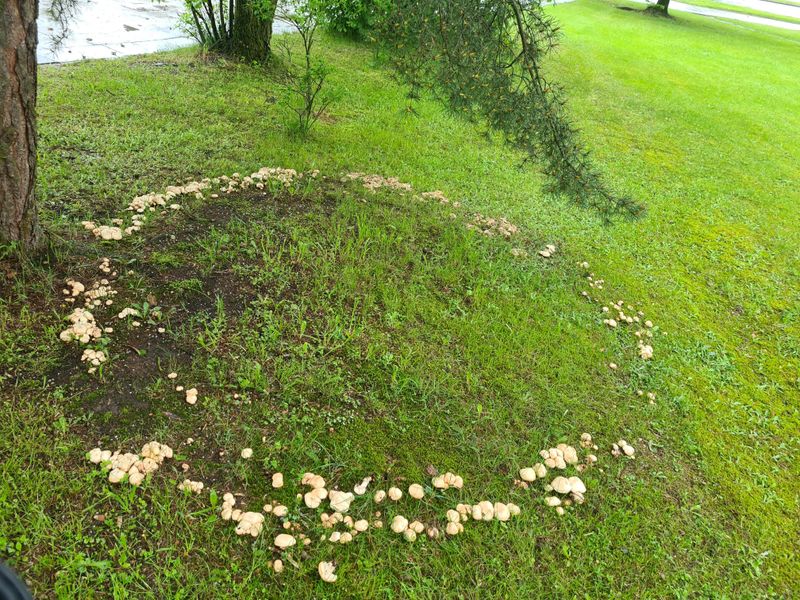
Late spring showers and humid August nights are when caps pop up almost overnight. Warm soil plus steady moisture is the combination the fungus has been waiting for all year.
Maryland averages around forty inches of rain a year, much of it in short heavy bursts. Mushrooms can appear overnight and shrivel by the next afternoon, though the green ring lingers long after.
September and October bring a second wave once the heat breaks and dew lingers on the blades. Cool season grasses like tall fescue are actively growing then, so the color contrast looks sharper.
Drought stretches in July often reveal the ring differently, as a tan arc of stressed turf. Water repellent soil sheds irrigation instead of soaking it in, and the circular shape is the giveaway.
Keeping a simple log of when the ring appears helps you plan treatments for the right week. Snap a phone photo each spring and fall, then compare the width from year to year.
Most Maryland rings expand somewhere between six and twelve inches each season. That slow creep is easy to miss until a photo from two summers ago proves it.
Timing your soil work for early spring or early fall lines up with the grass growth cycle. Recovery happens faster when the turf is already in a mood to spread and fill in.
Common Lawn Care Mistakes That Make The Circle Stand Out More
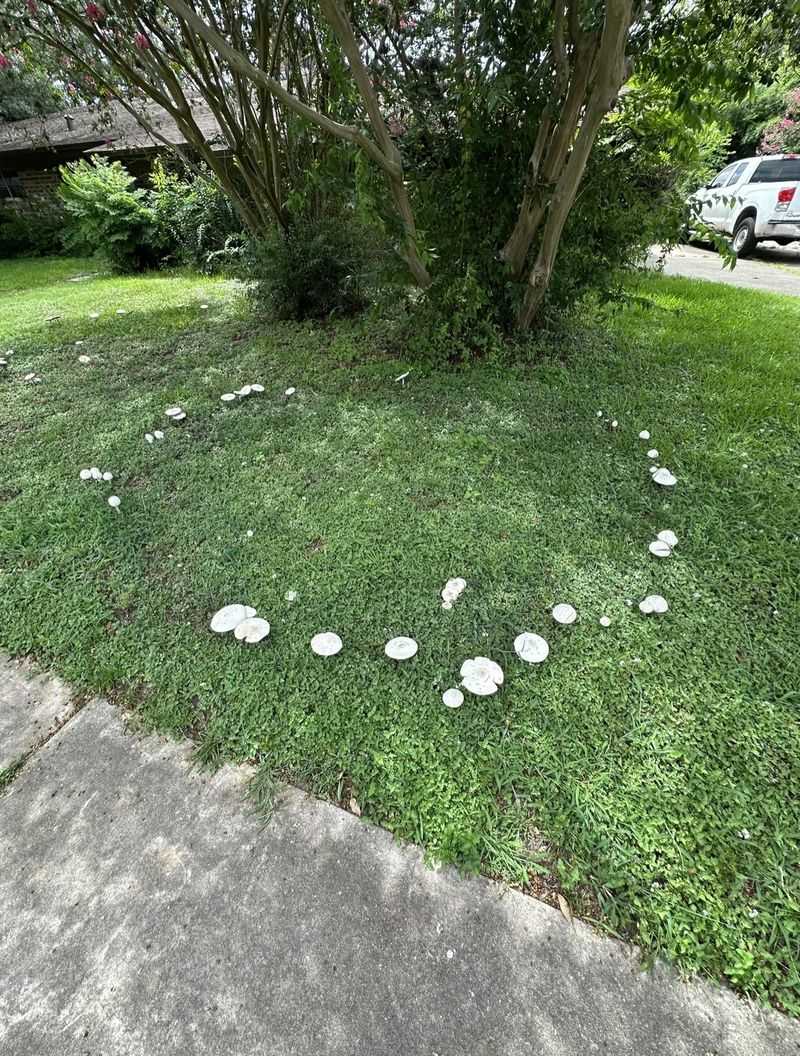
Reaching for a bag of fungicide feels like the obvious move, and it is usually wasted money. Store products coat the top inch of soil while the colony sits far below that.
Another frequent slip is dumping extra nitrogen on the whole lawn to match the dark green band. That pushes soft growth and hides the ring for only a few weeks before the contrast returns bolder.
Mowing over caps and leaving clippings in place spreads spores across the yard. Bagging clippings from that area for a couple of weeks is a small habit with real payoff.
Shallow daily watering ranks near the top of the routines that backfire. Light sprinkles wet the thatch and evaporate, so deep soakings once or twice a week reach the layer that needs help.
Some folks strip the sod and replace it without touching the soil underneath. New grass goes in over the same repellent layer, and the ring reappears within a season or two.
Skipping core aeration is the quiet mistake behind most stubborn cases in Maryland yards. Compacted clay and thick thatch keep water out, which is exactly what the fungus prefers.
Piling fresh mulch against the lawn edge adds more wood for the colony to chew through. Keep mulch beds tidy and shallow, and you remove part of the food supply.
Watering, Aerating, And Feeding To Soften The Ring
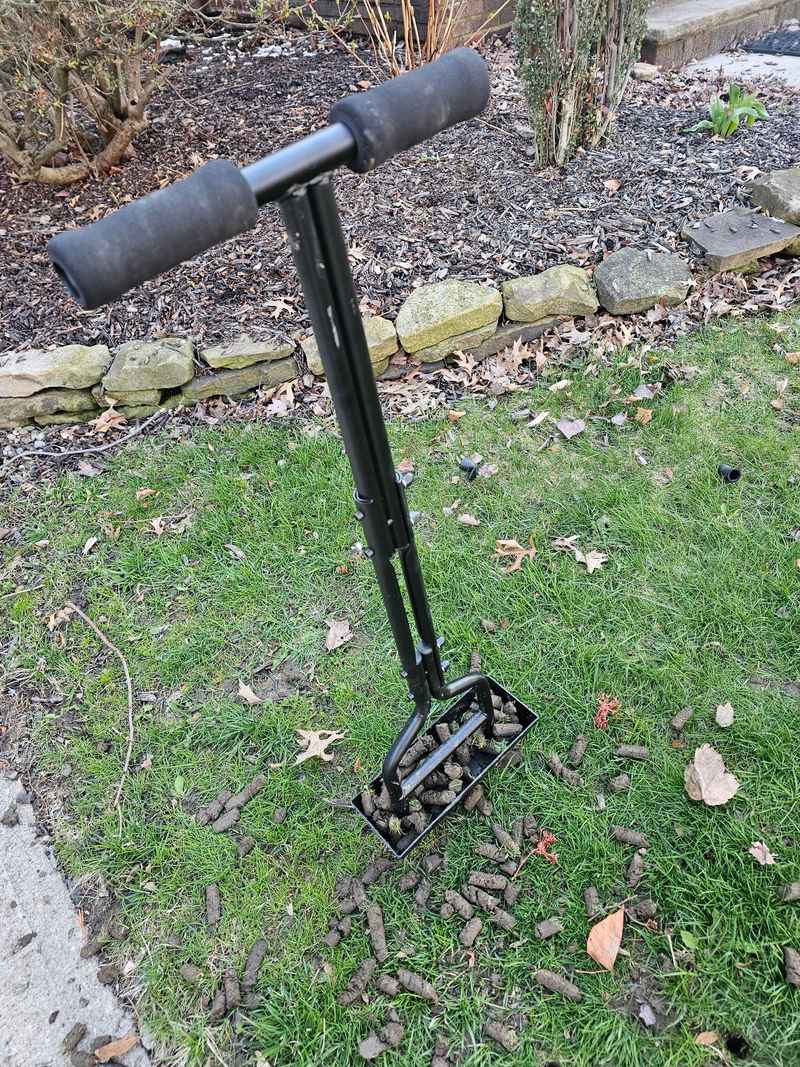
Start with a core aerator rented from a local shop, and run it over the ring twice. Pulling plugs opens channels so water and air finally reach the packed threads below.
Follow with a wetting agent, sometimes labeled a soil surfactant, which helps water sink in instead of beading. Apply it, then water deeply until the treated area soaks to six inches down.
Poking holes with a garden fork every few inches works fine for a small circle. Go eight to ten inches deep, then flood the holes slowly with a trickling hose.
A light, balanced fertilizer across the entire lawn evens out the color difference. Maryland limits phosphorus and sets application windows, and fall feeding between late August and mid November suits cool season turf here.
Raking out heavy thatch removes stored fuel and lets new seed touch actual soil. Overseed with turf type tall fescue, which handles the humid summers better than most options.
Expect the process to take two or three seasons rather than a single weekend. Consistency beats intensity, and the ring gradually blends back into the surrounding turf.
Mushroom caps can be knocked over with a rake if pets or small children play nearby. Removing caps does not stop the colony, but it cuts down on spores, and a quick handwash keeps things simple.
Living With The Circle And The Lawn That Follows
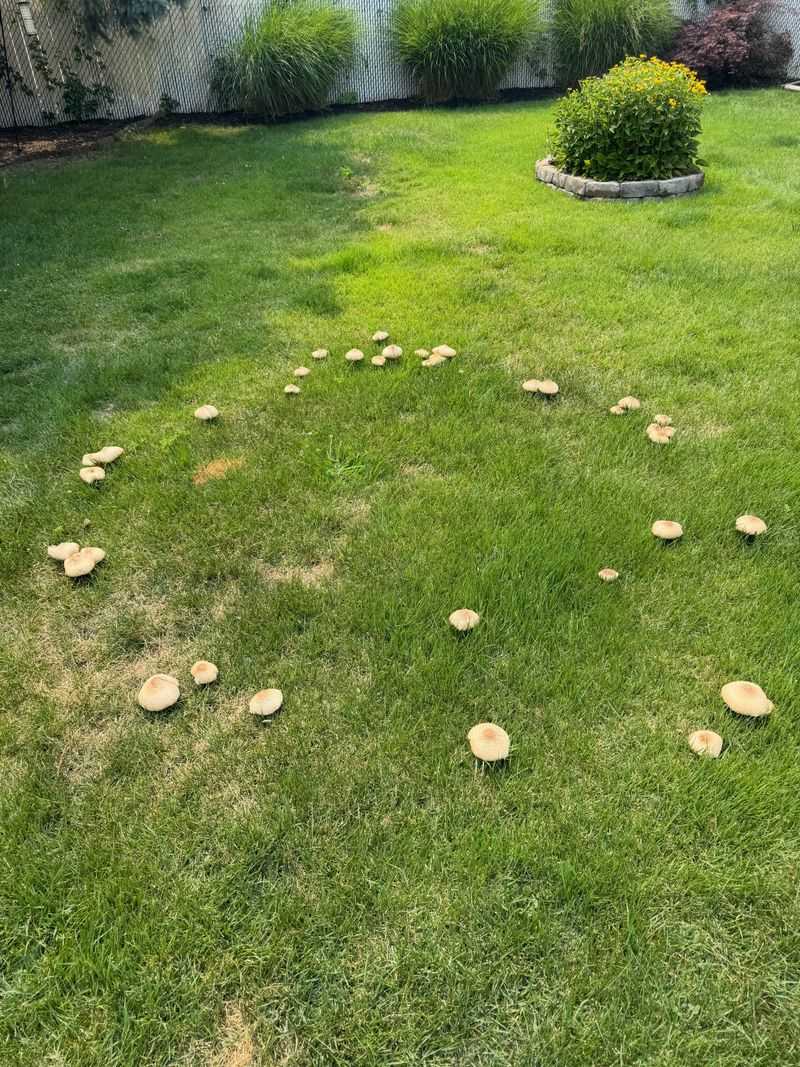
Plenty of Maryland homeowners eventually shrug and let the circle do its slow thing. Grass inside and outside the band keeps growing, and the yard stays perfectly usable.
Folklore across Europe called these shapes fairy rings, spots where dancers supposedly left marks in the grass. Farmers once believed the circles marked lucky ground, which beats worrying about them.
If the shape bothers you, planting a garden bed right over the arc hides it neatly. Shrubs, perennials, or a mulched crescent turn the oddity into an intentional feature.
Caps that show up should be treated as look but do not taste. Several species in these rings can upset a stomach, so keep curious kids and dogs away.
Rings tend to fade on their own once the buried wood is used up. That might take five years or fifteen, depending on how much material sits below.
Meanwhile, the fungus is doing free recycling work, turning old roots into nutrients for your turf. A soil test through your county extension office costs little and tells you what else the lawn wants.
Healthy, deeply rooted grass shrugs off the color difference far better than stressed turf does. Water well, mow high at three inches or more, and feed on schedule, and the circle becomes a quirky story you tell at the fence.
And when it finally fades, you might miss it a little.