The Underrated Texas Porch Plant That Makes Spider Mites Less Welcome
Spider mites target your porch plants faster than you would expect. Texas heat turns your container garden into their favorite target. Dust settles, leaves curl quickly, and you barely notice the shift spreading.
Rosemary changes that pattern, and you never asked for it. Its sharp oils redirect pests hunting for your weaker plants.
Nurseries rarely push this herb toward you, favoring bright blooms instead. Gardeners overlook rosemary’s real power, and you probably have too.
Texture matters here, and those needle-like leaves aren’t accidental. Oils packed inside them repel mites the exact moment you brush past.
Heat actually boosts rosemary’s potency, giving Texas summers a perfect stage. Few plants defend everything around them while asking nothing from you.
This herb does exactly that, quietly and steadily, all season long. Understanding why changes how you build every future porch setup. Once you see what rosemary does, ignoring it stops being an option.
Why Spider Mites Thrive On Texas Porches
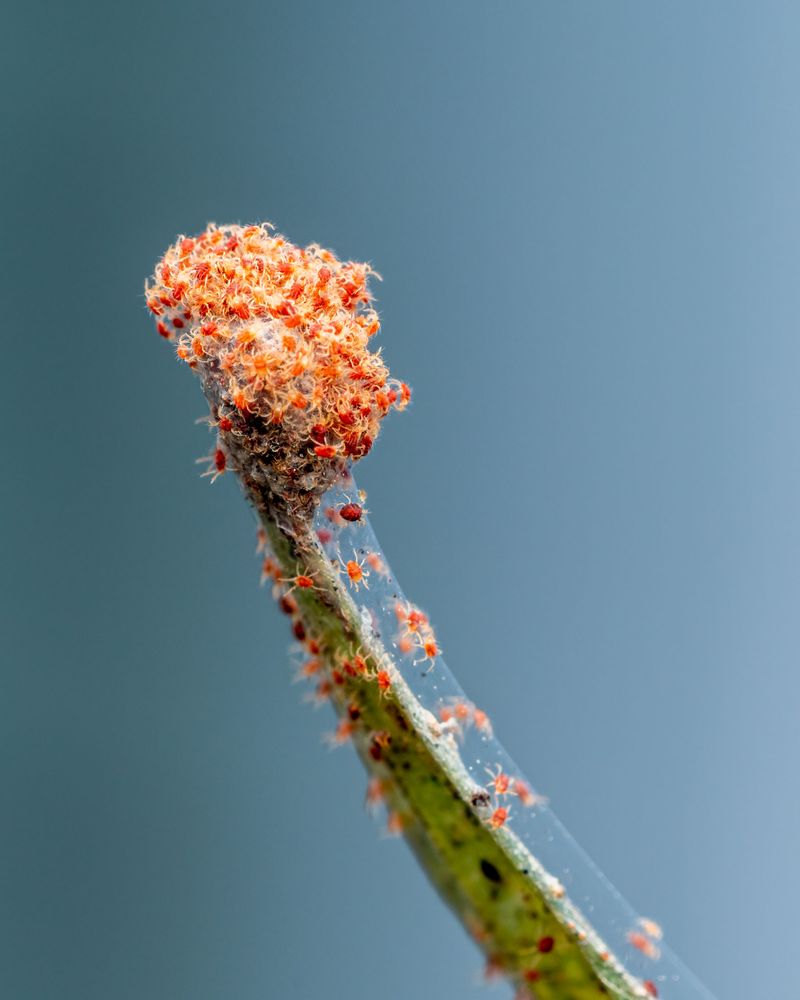
Texas summers create ideal conditions for spider mites. Hot, dry air and low humidity create the exact conditions these tiny pests love most.
Spider mites are not insects. They are arachnids, related to spiders and ticks, and they reproduce at a shocking speed.
A single female can lay up to around 100 to 200 eggs in her lifetime, depending on conditions. In warm weather, those eggs typically hatch within three to seven days.
Porches make the problem worse. Potted plants on concrete or wood surfaces dry out faster than garden beds in the ground.
When a plant gets stressed from heat and drought, its natural defenses drop. Mites are drawn to weakened plants through chemical cues.
Dusty surfaces and still air on enclosed porches help mites spread from pot to pot without much effort. They travel on the wind, on your clothes, and even on your hands.
Many Texas gardeners notice the damage before they ever spot the mites themselves. Leaves start looking bronze, stippled, or just plain tired.
Fine webbing on the undersides of leaves is usually the first clear sign. By the time you see that webbing, the colony is already large.
The porch environment also limits the natural predators that would normally keep mite populations in check outdoors. Ladybugs and predatory mites rarely visit a screened or shaded porch.
Knowing why mites thrive here is the first step toward stopping them before they take over your whole porch garden.
The Porch Plant Most Gardeners Overlook
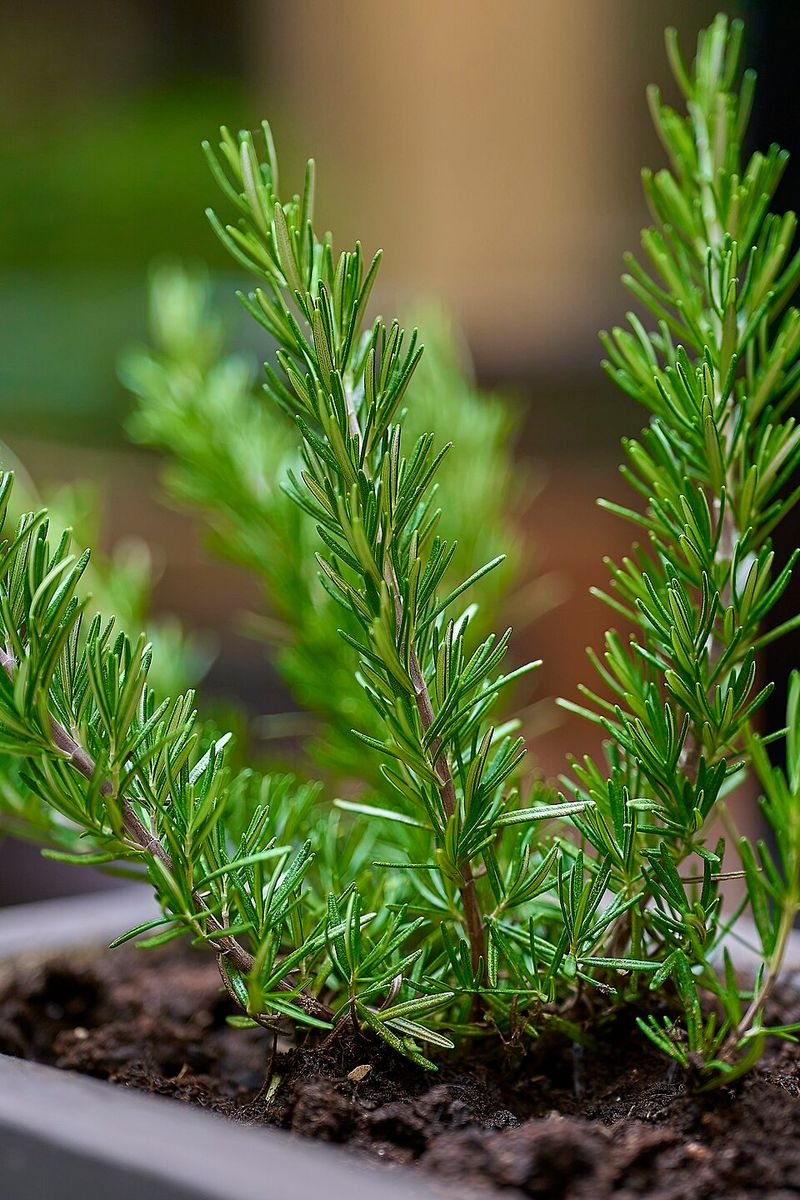
Rosemary does not get nearly enough credit as a porch plant in Texas. Most people think of it only as a kitchen herb for roasting chicken.
But this tough, woody shrub is built for heat. It comes from the dry Mediterranean coast, where summers are brutal and rainfall is scarce.
That background makes rosemary one of the most naturally heat-tolerant plants you can grow in a pot. It generally tolerates high heat well without wilting dramatically.
The underrated Texas porch plant that makes spider mites less welcome is right there in the herb section of every garden center. Most shoppers skip it without a second glance.
Your Texas Garden Changes Every Week. Your Plan Should Too.
Gardening in Texas changes quickly throughout the season. Every Friday you’ll receive a simple weekly plan showing exactly what to plant, prune, fertilize, harvest, and protect so you never miss the right timing.
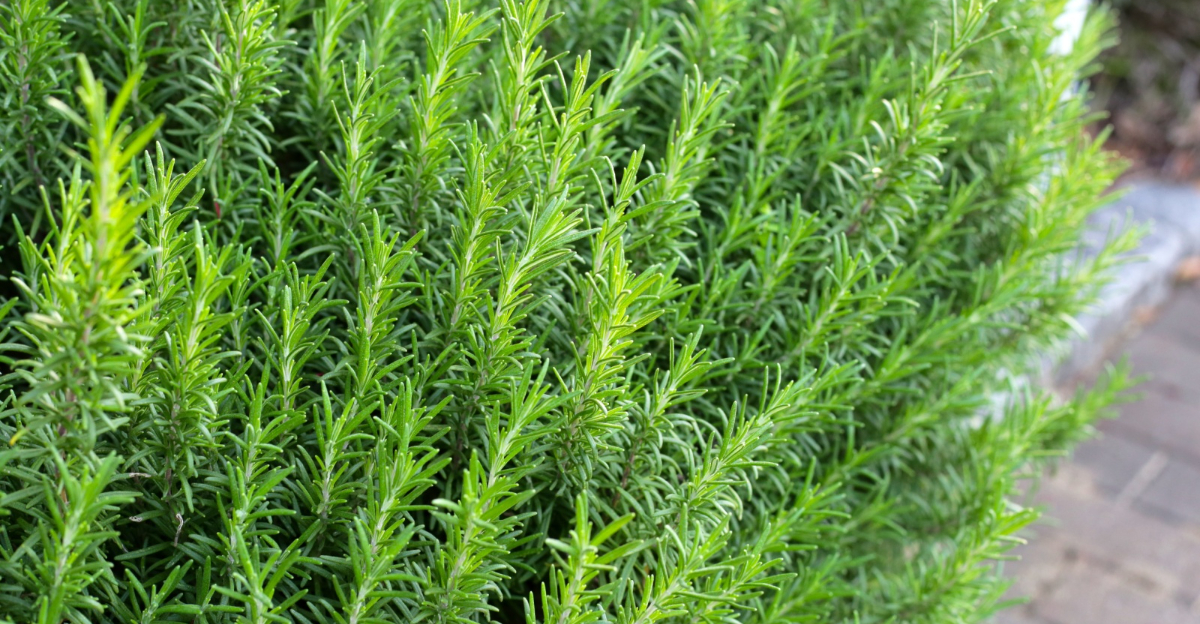
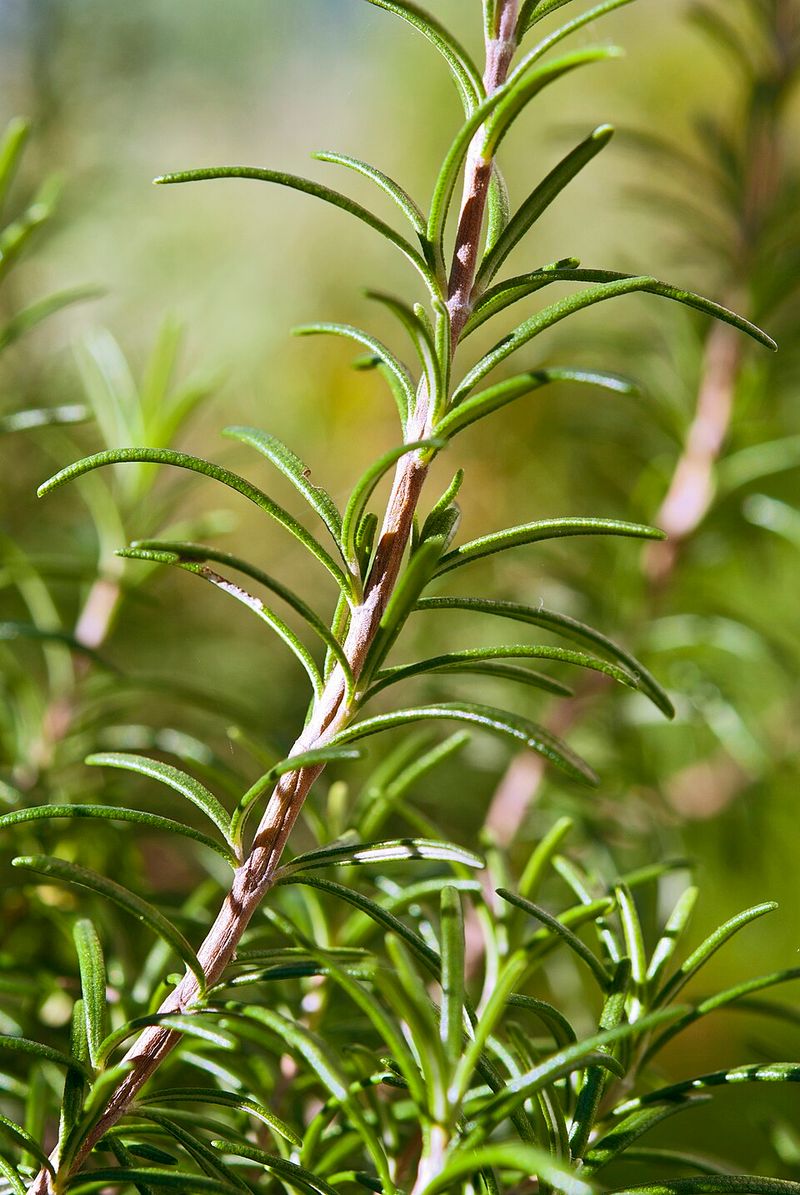
Rosemary grows into a beautiful, structured shrub with needle-like silvery-green leaves. It looks polished and intentional next to flowering plants without requiring constant fuss.
Some varieties stay compact and tidy in containers. Others spread and trail in a way that looks gorgeous spilling over the edge of a tall planter.
Beyond looks, rosemary produces tiny purple or blue flowers in spring and sometimes again in fall. Those blooms attract pollinators while the foliage works quietly in the background.
Gardeners who grow it for cooking often discover the pest-repelling benefits by accident. They notice their nearby plants just seem healthier and less bothered by pests.
Once you start seeing rosemary as a functional, beautiful, low-maintenance porch anchor, it becomes hard to imagine your outdoor space without it. This herb earns its spot every single day.
How Its Scent Keeps Mites Away
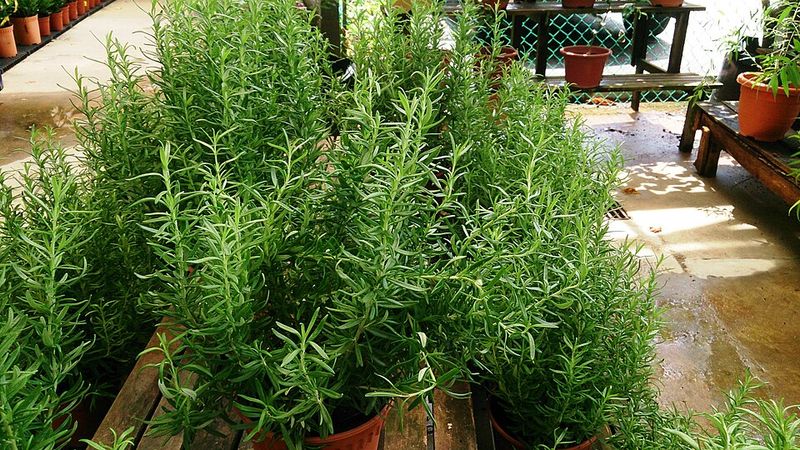
Rosemary’s scent is not just pleasant to humans. To spider mites, it is unpleasant and repellent.
The herb produces powerful essential oils called terpenes. Camphor, borneol, and 1,8-cineole are the main ones, and mites are deterred by all three.
These compounds are released constantly through the plant’s tiny leaf pores. Heat actually increases the release, which means Texas summers make rosemary more potent as a repellent.
Spider mites navigate by chemical signals. When they detect the sharp terpene cloud surrounding a rosemary plant, they tend to move away rather than settle in.
Some research on rosemary oil as a natural pesticide supports this. Studies suggest it may affect mites on contact and discourage them from settling nearby.
You do not need to spray anything. The living plant does the work passively just by growing and releasing its natural oils into the surrounding air.
Placing rosemary near plants that mites typically target creates a kind of invisible barrier. Mites are less likely to cross into that scented zone.
The effect is strongest in enclosed or semi-enclosed spaces like a covered porch. The fragrance concentrates in smaller areas instead of dispersing into open air.
Think of it as aromatherapy for your plants, calming for you and unfavorable for pests. The same scent that makes your dinner smell amazing makes your porch less hospitable to mites and keeps them guessing.
Best Placement For Maximum Effect
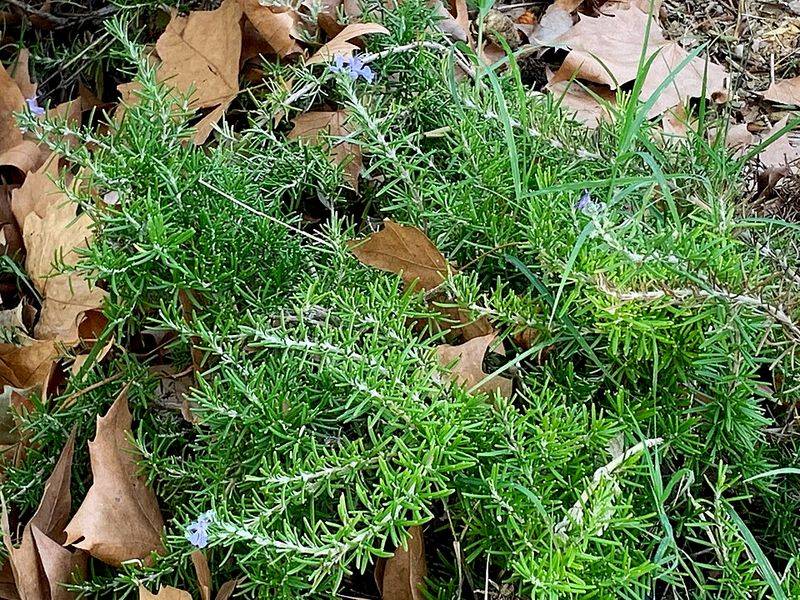
Where you put rosemary matters almost as much as having it at all. Placement is the difference between good results and great ones.
Spider mites tend to target specific plants first. Tomatoes, basil, beans, and flowering annuals are among their top targets on a porch.
Put your rosemary pots directly next to those vulnerable plants. Proximity is key because the scent cloud only extends a few feet in any direction.
One rosemary plant per cluster of three to four other pots is a solid starting point. You can always add more once you see how your porch layout works.
Corners and sheltered spots on the porch are great locations. Air tends to pool in corners, which helps concentrate the terpene scent exactly where you need it.
Avoid placing rosemary in spots that get no sun at all. It needs at least six hours of direct sunlight to stay healthy and produce strong oils.
South-facing and west-facing porches in Texas get plenty of afternoon sun. Rosemary thrives in those conditions and becomes even more aromatic under intense heat.
Elevating pots on plant stands or railings can help the scent drift downward over neighboring plants. Scent follows airflow, so working with your porch’s natural air movement helps.
Rotating the pot occasionally ensures even growth and light exposure on all sides. A full, bushy rosemary plant covers more aromatic ground than a leggy, one-sided one and gives you better pest protection overall.
Simple Care Tips To Keep It Thriving

Rosemary is forgiving, but it does have a few non-negotiable needs. Get those right and this plant will reward you for years without much fuss.
Water is the trickiest part for new rosemary growers. Too much water is far more dangerous than too little for this drought-tough herb.
Let the soil dry out almost completely between waterings. Stick your finger two inches into the soil, and only water when it feels completely dry at that depth.
Use a pot with drainage holes, always. Rosemary sitting in wet soil can develop root rot quickly, and that is a problem it often struggles to recover from.
Terracotta pots are ideal because they breathe and allow excess moisture to evaporate through the walls. Plastic pots hold moisture longer, which increases the risk of overwatering.
Fertilize lightly once a month during spring and summer with a balanced, slow-release formula. Heavy feeding actually reduces the concentration of aromatic oils in the leaves.
Trim your rosemary regularly to keep it bushy and compact. Pinching back the tips encourages new growth and prevents the plant from getting woody and sparse at the base.
Watch for powdery mildew if your porch has poor airflow. Good spacing between pots and occasional pruning prevents that issue before it starts.
A well-tended rosemary plant on your porch is not just a pest deterrent. It is a living, fragrant, edible decoration that pulls double duty every single day of the growing season.
Other Pests This Plant Helps Keep At Bay
Spider mites are not the only unwanted visitors rosemary discourages. This herb has a surprisingly long list of pests that tend to avoid it.
Aphids, for example, are commonly reported to avoid the same terpene compounds that bother mites. Rosemary planted near roses or hibiscus can help reduce aphid pressure on those plants.
Whiteflies are another common Texas porch pest. They cluster on the undersides of leaves and spread quickly, but gardeners commonly report fewer whiteflies in areas where rosemary is growing nearby.
Cabbage moths and their caterpillars are also commonly reported to avoid rosemary. If you grow any brassicas in containers, rosemary nearby may help reduce the egg-laying activity of adult moths.
Mosquitoes are a common issue on Texas porches for much of the warmer months, typically spring through fall. Rosemary does not eliminate them, but its scent is commonly reported to reduce how often they linger in a given area.
Rosemary is also said to help keep certain beetles away. Mexican bean beetles, in particular, appear sensitive to the herb’s aromatic oils.
Fungus gnats, which breed in moist potting soil, are commonly reported to be less active near rosemary’s scent. Adding a small rosemary pot near moisture-loving plants may help reduce gnat populations.
No single plant is a total pest solution, and rosemary works best as part of a thoughtful porch garden strategy. Pair it with other aromatic herbs like mint or lavender, and your porch becomes less hospitable to common pests.