What Maryland Homeowners Can Do When A Neighbor’s Cluttered Yard Brings Rats Next Door
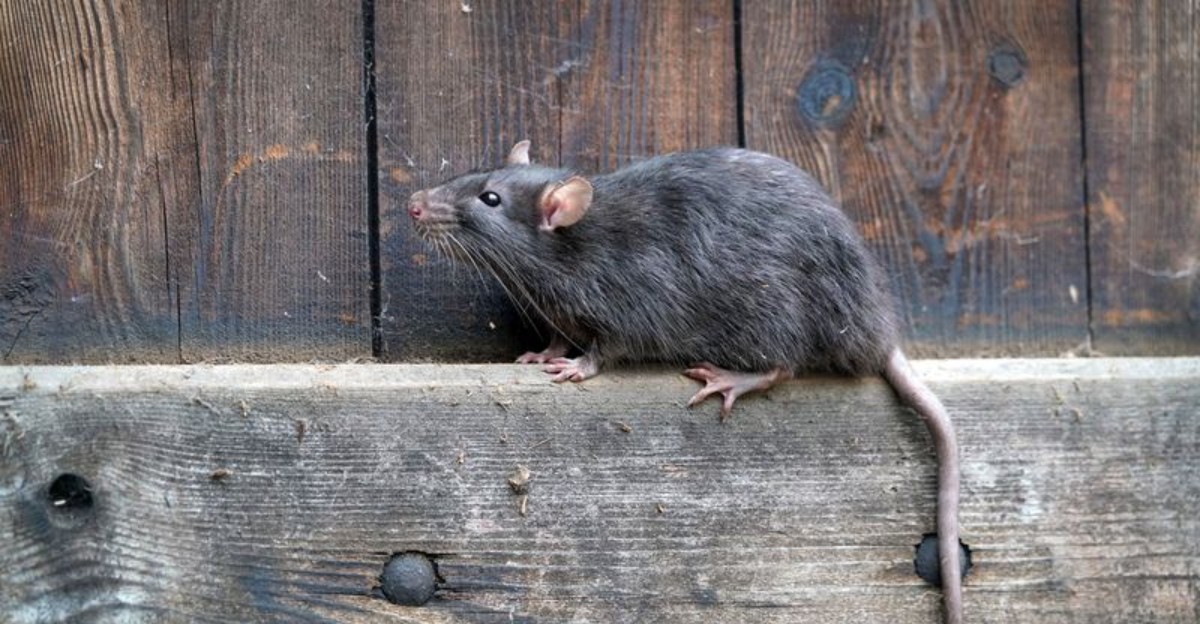
A single Norway rat can slip through a gap about the size of a quarter. I learned that the hard way, staring at a chewed hole near my tomato bed in Maryland.
Here’s what gets me. Rats rarely travel more than a few hundred feet from home, so a messy yard next door can turn your garden into their dining room. They follow fences, hug walls, and memorize routes like tiny commuters.
Not going to lie, my first reaction was anger at the junk pile over the fence. Old tires, stacked boards, and a broken grill made a cozy hideout. Then I realized fuming at the fence line wasn’t going to change a thing.
A frustrated gardener has more options than it seems, and they involve your trash cans, a few phone numbers, and one honest conversation you might be dreading
That Junk Pile Over The Fence Is A Rat Condo
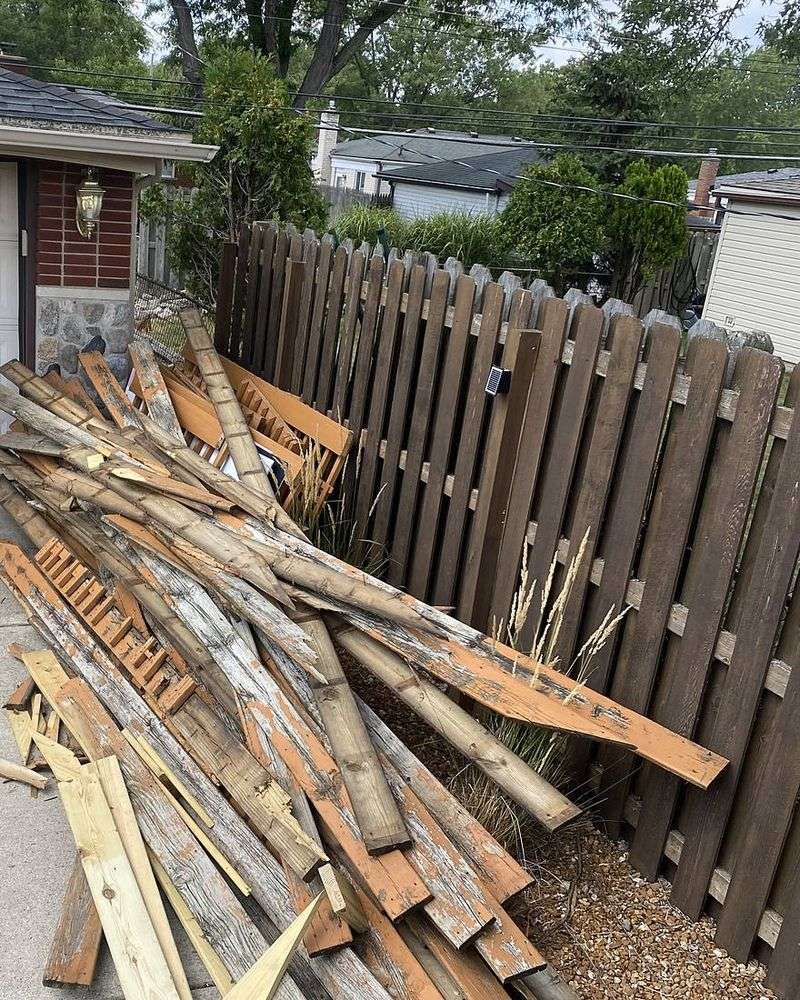
Rats want three things, and a cluttered yard hands over the best one for free. Food and water matter, but safe shelter is what keeps Norway rats settled in one spot.
Piles of lumber, old tires, stacked pots, and junked appliances create dark, dry spaces where predators can’t reach. Tall weeds and dense shrubs give rats covered highways to travel unseen. University extension experts point out that these hiding spots are often the main reason a rat population stays put.
Norway rats usually burrow in soil near cover, often under debris, decks, or sheds. From there, they forage nightly. Their home range is small, typically within 150 feet or so of the nest, which explains why the yard next door matters so much.
That’s also why your garden suddenly feels busy. A neighbor’s clutter supplies the bedroom, and your compost, bird feeder, or ripe vegetables supply dinner. Rats happily commute between the two.
Watch for clues before you assume the worst. Look for burrow holes about two to four inches wide, smooth runways in grass, greasy rub marks along fences, and dark, capsule-shaped droppings about three-quarters of an inch long. Spotting these signs helps you explain the problem clearly later.
Sealed Trash Cans And Clean Bird Feeders Starve Hungry Rats

Guilty as charged, my bird feeder was the best buffet on the block. Rats raiding fallen seed every night taught me that my own habits mattered as much as the neighbor’s mess.
Start with your trash. Use sturdy cans with tight lids, and keep them closed even on collection day. Baltimore County handles complaints through its code enforcement office.
Next, check what’s spilling or sitting out. Bring pet food bowls inside at night. Add a tray under bird feeders, or pause feeding for a few weeks while rats are active. Pick up fallen fruit, nuts, and ripe vegetables quickly.
Compost deserves a closer look. Skip meat, dairy, and oily scraps. A closed bin with hardware cloth on the bottom keeps rats from tunneling in from below.
Water counts too. Fix dripping hoses and spigots, and empty saucers under pots. Rats need regular drinks, and a leaky faucet can be their favorite fountain.
None of this clears the neighbor’s yard. It does make your property a poor place to forage, so rats are more likely to stay on their side of the fence.
A Friendly Chat Across The Fence Often Works Best
Knocking on a neighbor’s door to talk about rats feels awkward. I put it off for weeks, then discovered the conversation took five minutes and went far better than my imagination predicted.
Many people don’t know their clutter is drawing rodents. Some are dealing with illness, money troubles, grief, or a busy schedule. A calm tone keeps the door open and keeps the relationship from souring.
Try opening with the shared problem rather than blame. Something like, “I’ve spotted rats near our fence, and I’m worried they’re nesting in that wood pile,” sounds helpful instead of accusing.
Bring specifics. Mention the burrows, droppings, or runways you’ve seen, and suggest simple fixes like hauling away debris or storing wood off the ground. Offering a hand, a truck, or a shared dumpster can turn a tense moment into teamwork.
Elderly neighbors may qualify for help through local aging services or volunteer cleanup groups, so it’s worth asking around.
Keep a short written note of the date and what was discussed. If things don’t improve, that record will be useful when you contact the county. A friendly start rarely hurts your case later.
County Code Enforcement Can Order That Messy Yard Cleaned
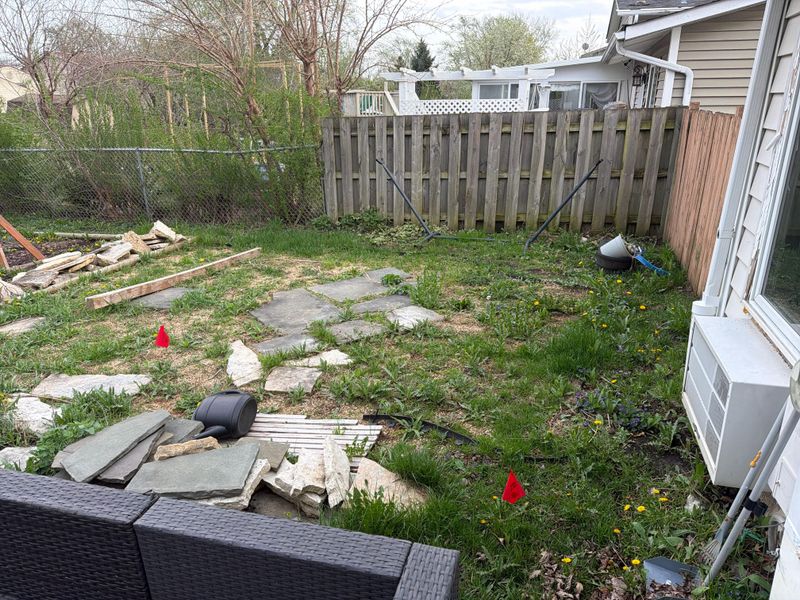
Plenty of homeowners don’t realize this, but rat harborage is often a code violation. Local governments across Maryland treat rodent-friendly conditions as a property maintenance issue, not just a neighbor squabble.
Baltimore City lets residents report rats and overgrowth through 311, and the city limits grass and weeds to 8 inches. Baltimore County handles complaints through its code enforcement office and runs a rat eradication program. Montgomery County and Prince George’s County also accept property maintenance complaints online or by phone.
Rules vary by county and town, so check your local code. Smaller municipalities like Mount Rainier have their own ordinances on trash, weeds, and rodent control.
When you file, be specific. Give the address, describe the debris, note rat signs, and include dated photos taken from your own property. Avoid stepping onto the neighbor’s land to collect evidence.
An inspector usually visits, and if violations exist, the owner gets a notice with a deadline. Repeat problems can bring fines or a county-arranged cleanup billed to the owner.
The process can take weeks, so keep protecting your own yard in the meantime. Patience pays off here.
Steel Wool And Hardware Cloth Keep Rats Out Of Your House
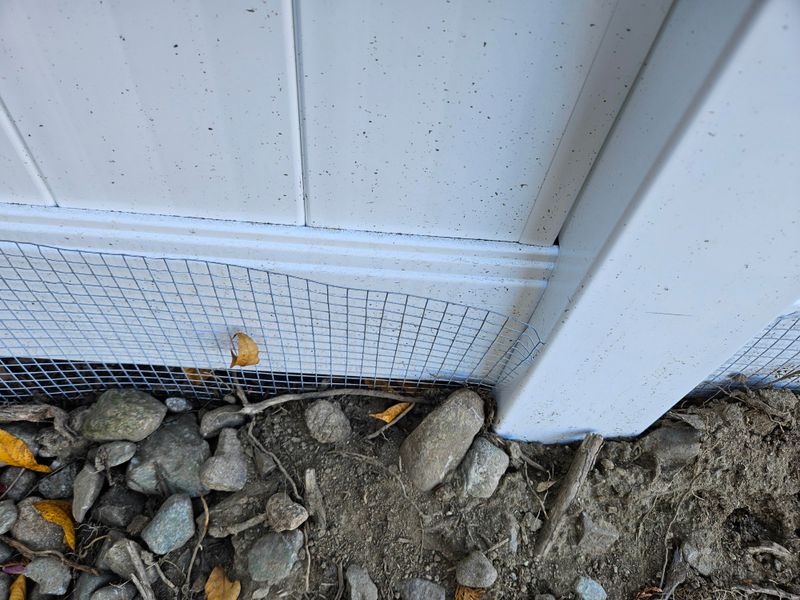
A half-inch gap looks harmless until you learn a Norway rat can squeeze right through it. House mice need only about a quarter inch, roughly the width of a pencil.
Walk around your home slowly with a flashlight. Check the foundation, spots where pipes and wires enter, dryer vents, garage door corners, crawl space vents, and gaps under decks.
Caulk alone won’t hold up because rats chew through it fast. Pack holes with copper mesh or steel wool, then seal over it. Cover larger openings with quarter-inch hardware cloth or sheet metal secured tightly.
Doors need attention too. Install sturdy door sweeps, and repair torn vent covers or screens. Garage doors with worn rubber seals are a favorite entry point.
For sheds and decks, an L-shaped barrier of hardware cloth buried about 12 inches deep and bent outward stops burrowing rats from digging underneath.
Fall is a smart time for this job. As Maryland nights cool, rodents look for warm shelter indoors. Sealing up in September or October beats chasing scratching noises in your walls in January.
Trimmed Shrubs And Raised Woodpiles Leave Rats Nowhere To Hide

Rats are nervous travelers. They prefer moving under cover, so an open, tidy yard makes them feel exposed to hawks, owls, foxes, and cats.
Mow your lawn regularly and keep edges trimmed along fences, where rats love to run. Pull ivy and dense groundcover away from foundations, since thick vines make excellent hiding spots and nesting areas.
Prune shrubs so you can see the soil beneath them. Lifting the lower branches a foot or so off the ground removes shady shelter. Cut back tree limbs touching your roof, because roof rats and climbing Norway rats use them as bridges.
Firewood and lumber need smart storage. Stack them on racks at least 12 to 18 inches off the ground and away from your house. Keep a clear gap around sheds, too.
Leave a narrow gravel strip along your foundation if you can. Rats dislike crossing open, bare ground, and the gravel makes burrows easier to spot.
I’m a sucker for a cozy, wild-looking garden, so I compromised. My back corner stays loose and pollinator-friendly, while areas near the house stay crisp and open.
Rat Droppings Carry Real Health Risks For Families And Pets
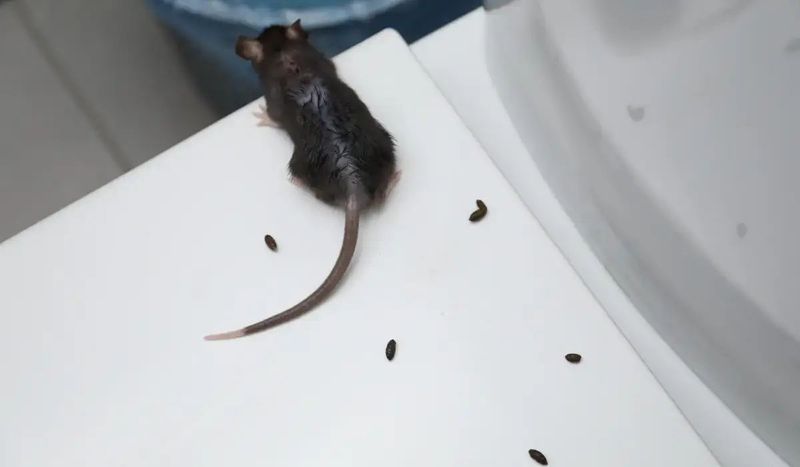
Cleaning up after rats isn’t as simple as grabbing a broom. Sweeping dry droppings can stir up particles carrying germs, and the CDC advises a much safer method.
Rats can spread leptospirosis through urine, salmonella through droppings, and rat-bite fever through bites or scratches. Hantavirus is mainly tied to deer mice and similar rodents, and it’s rare in Maryland, but careful cleanup matters anyway.
Wear rubber gloves, and consider a mask in enclosed spaces like sheds. Spray droppings and nesting material with a bleach solution of one part bleach to nine parts water, or a household disinfectant. Let it soak about five minutes, then wipe up with paper towels and bag everything.
Wash your hands well afterward, even if you wore gloves. Rinse garden produce thoroughly if rats have been nearby, and toss anything chewed.
Pets need protection too. Dogs can catch leptospirosis from contaminated puddles, so ask your vet about the vaccine.
Rats also gnaw wires, insulation, and irrigation lines, creating fire risks and repair bills. Those concerns give weight to your conversation with neighbors and county officials alike.
Snap Traps And Licensed Pros Finish The Rat Job Safely

Once cleanup and sealing are underway, trapping handles the rats already hanging around. Snap traps placed inside covered boxes along fences and walls work well and keep pets and birds safe.
Bait them with peanut butter or dried fruit, and set them perpendicular to runways with the trigger facing the wall. Rats are cautious, so leaving traps unset with bait for a few days helps them get comfortable first.
Skip glue boards, which are inhumane and messy. Be careful with poison baits too. Rodenticides can harm pets, children, and wildlife like owls and hawks that eat poisoned rats. Many experts suggest leaving bait stations to professionals.
If activity continues for weeks, call a licensed pest control company. In Maryland, commercial pest control businesses must be licensed through the Maryland Department of Agriculture, so ask to see credentials. A good company uses integrated pest management, combining inspection, sanitation tips, exclusion, and trapping.
Fair warning, rats will keep returning while the neighbor’s clutter remains. Keep pressing the county, stay neighborly, and maintain your defenses. Steady effort on your side of the fence makes a real, lasting difference.