What Ohio Law Says About Burning Leaves In Your Backyard
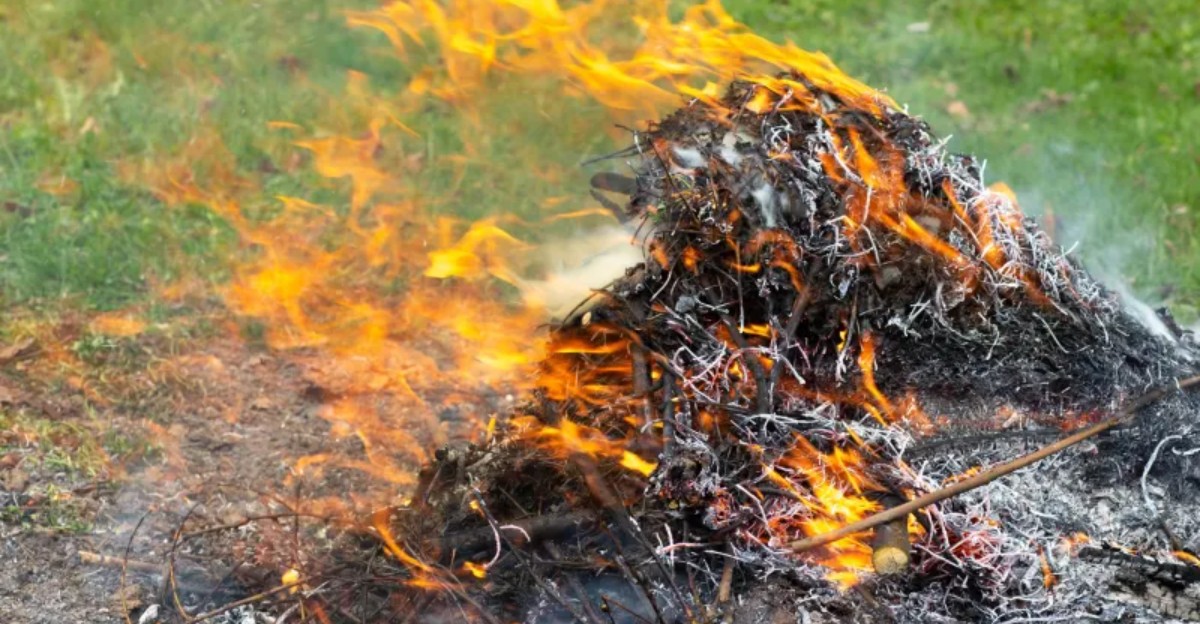
Light that pile up without checking the rulebook first, and Ohio law might have more to say about it than your neighbor does.
Burning leaves sits in a gray area for plenty of homeowners who assume it’s either flat-out legal or flat-out banned statewide. Neither assumption holds up.
Ohio does set statewide rules, but local ordinances can add stricter limits on top, so what your township allows can look completely different from the next town over.
Certain conditions tighten the rules further too, things like wind, drought status, and time of day, all factoring into whether that match in your hand is legal or a liability.
Pull up your local regulations before you strike anything this fall. State rules set the baseline, and your local rules decide the rest.
1. Leaf Burning Is Banned Inside City And Village Limits
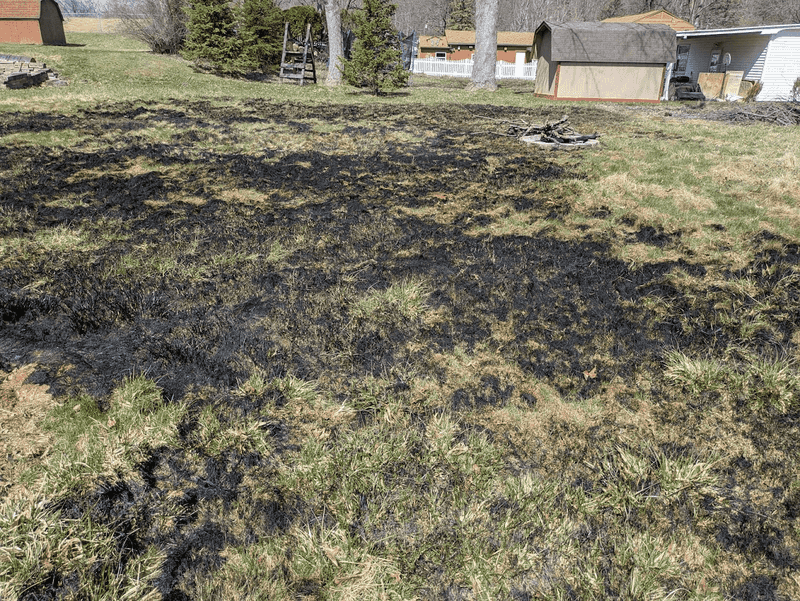
Picture a cozy street in Columbus on a crisp Saturday morning. You rake a tidy pile, but a match is off the table here.
Ohio treats land inside city and village limits as a restricted area. Open burning of yard waste, including leaves, is generally not allowed there.
The reason is simple once you think about it. Homes sit close together in town, so smoke drifts straight into windows, yards, and lungs.
Some towns spell it out even more plainly. Kettering and Bellbrook, for example, do not allow yard waste or rubbish to be burned at any time.
So what can a town dweller do with all those leaves? Plenty of cities offer curbside leaf pickup or vacuum trucks each fall.
Others run drop-off sites where leaves become free mulch for residents. You can also mow leaves right into the lawn to feed the grass.
Composting is another smart move that costs next to nothing. A simple wire bin turns a fall mess into rich garden soil by spring.
Leaf smoke may smell nostalgic, but it carries fine particles that bother people with asthma. Neighbors will thank you for choosing the rake over the lighter.
Before raking season starts, peek at your city website for pickup dates. Knowing the schedule saves you from a pile sitting soggy for weeks.
2. The Ban Can Reach A Mile Past Town Borders
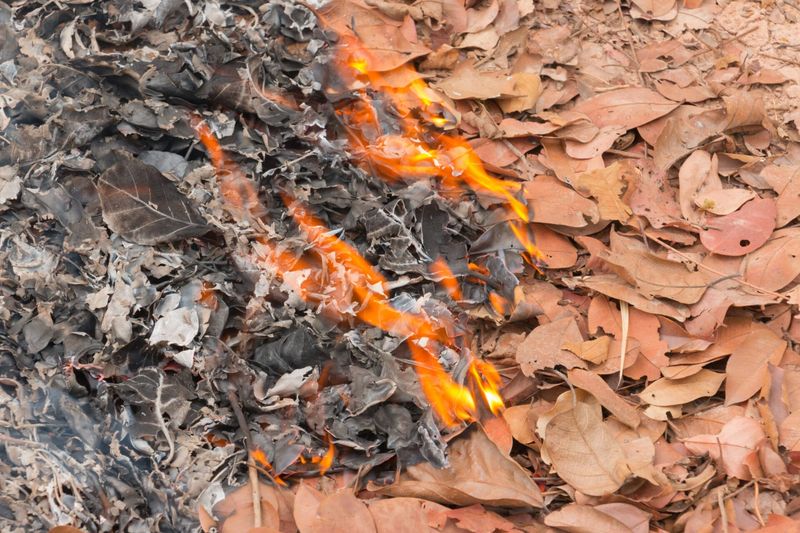
Here is a twist that surprises plenty of folks living just outside town. The no-burn zone does not stop at the welcome sign.
Ohio rules stretch restricted areas past municipal borders. How far depends on how many people live in the nearby town.
For a village or city with 1,000 to 10,000 residents, the zone reaches 1,000 feet outside the limits. That is about three football fields of extra space.
Bigger places get a bigger buffer. If the town has more than 10,000 people, the restricted area extends a full mile beyond its corporate limits.
That means a home with a rural mailbox and a township address could still fall inside the ban. Your road may feel like country, yet the law may say otherwise.
So how do you find out where you stand? A quick call to your township office or county health district can clear it up fast.
Your Ohio Garden Changes Every Week. Your Plan Should Too.
Gardening in Ohio changes quickly throughout the season. Every Friday you’ll receive a simple weekly plan showing exactly what to plant, prune, fertilize, harvest, and protect so you never miss the right timing.
Online county map tools can help too. Measure from your house to the nearest city line and compare it with the population rule.
Regional air agencies, like RAPCA in the Dayton area, also answer these questions. They handle open burning complaints, so they know the boundaries well.
Doing this homework once saves worry later. Each fall you will know right away which option fits.
3. Outside Those Zones, You Can Burn Your Own Leaves
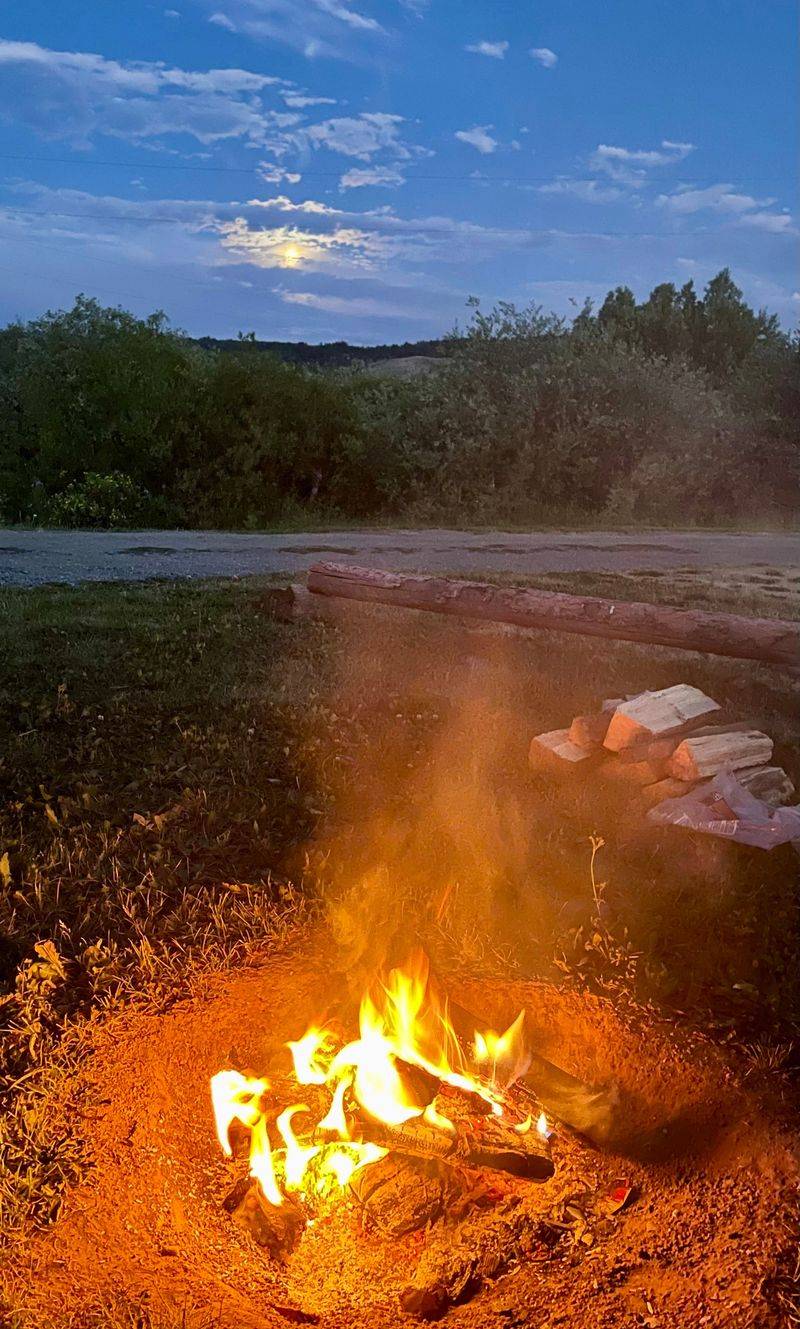
Good news for country living! If your home sits in an unrestricted area, the state may let you burn leaves that came from your own land.
The rule covers plant matter like leaves, brush, weeds, and grass. It applies to one-, two-, or three-family homes.
Farms get some room as well. Agricultural plant matter, leaves included, can be burned under specific restrictions.
Still, permission to burn is not a free pass. Distance limits, seasonal hours, and pile size rules all stay in play.
Think of it like getting a driver’s license. You are allowed on the road, but you still have to stop at red lights.
A few habits make leaf burning safer for everyone. Pick a calm day, keep a hose or rake nearby, and stay with the fire until it is out cold.
Burn small batches instead of one huge heap. Dry leaves flare fast, and a smaller pile is much easier to control.
Wet leaves smolder and make thick, stinky smoke. Letting them dry a few days first helps the fire burn cleaner and quicker.
Only plant material belongs in the flames. Tossing in trash, plastic, or old lumber turns a legal burn into an illegal one.
Finally, keep kids and pets well back. A curious puppy and a pile of glowing embers are a poor mix.
4. Keep The Fire 1,000 Feet From Neighbors’ Homes
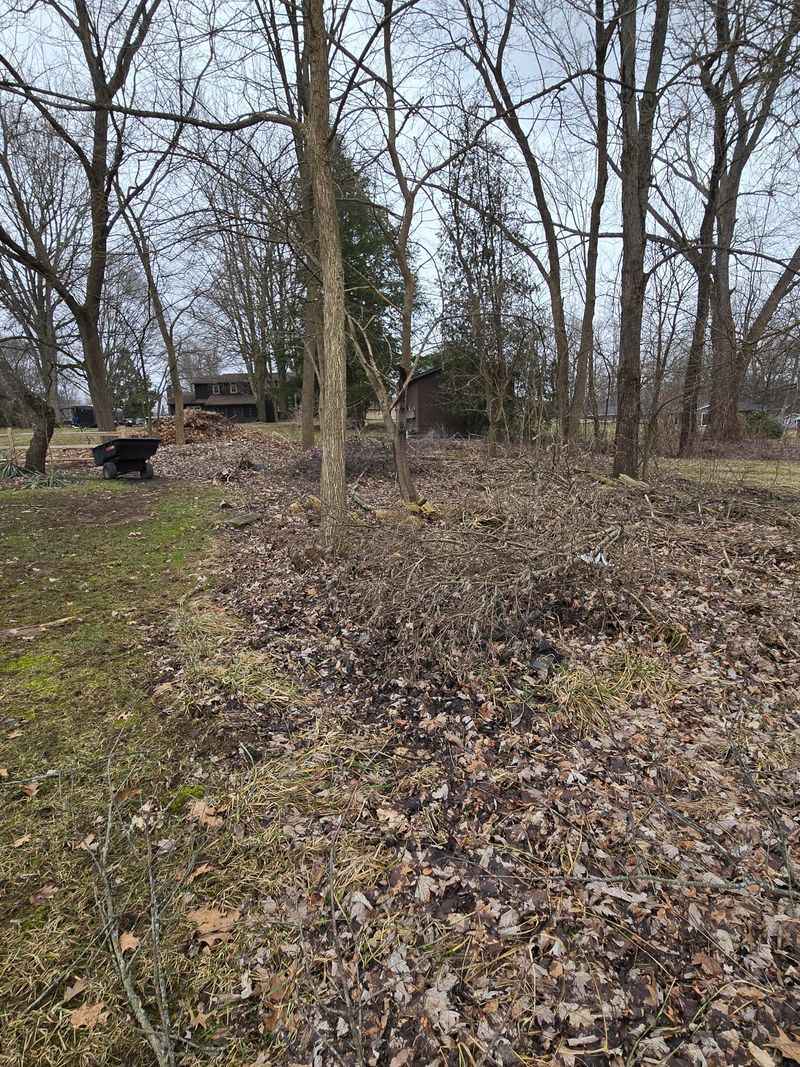
Grab a tape measure, or better yet, a map. Ohio says any open fire must sit at least 1,000 feet from any inhabited building not on your property.
That is roughly the length of three football fields. In many neighborhoods, it is farther than the next two or three houses.
The rule applies to every open fire. Leaves, brush, and farm waste all fall under the same distance requirement.
Why so far? Smoke travels, and even a light breeze can carry it straight into a neighbor’s open window.
For someone with asthma or a heart condition, that haze is more than a nuisance. It can make breathing truly hard.
Notice that the rule talks about buildings not on your property. Your own house and barn do not count toward the 1,000 feet, though safety still matters.
Many rural lots simply cannot meet this test. A five-acre parcel near another home may fall short, even out in the country.
Free mapping apps can measure the distance in seconds. Drop a pin at your burn spot and another at the closest neighbor’s house.
If the numbers do not work, you have other choices. Composting, mulching, or hauling leaves to a yard waste site keeps you legal and friendly.
Good fences make good neighbors, as the saying goes. Good distance does the same for smoke.
5. Giant Leaf Piles Require Notice To Ohio EPA
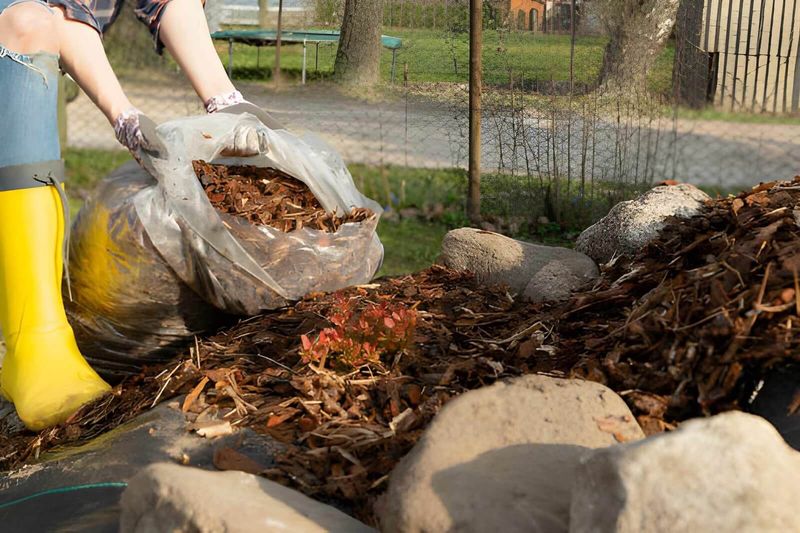
Some yards produce leaves by the truckload. When a pile gets truly massive, the state wants to hear about it first.
For residential waste, a pile larger than 10 feet by 10 feet by 10 feet needs written permission from Ohio EPA. Picture a heap as tall as a basketball hoop.
Farm piles have their own limit. Agricultural waste piles bigger than 20 feet wide by 10 feet high, or 4,000 cubic feet, also require notice to Ohio EPA.
Plan ahead, because the paperwork is not instant. Getting written permission can take up to two weeks.
Certain burns also call for a heads-up to your local fire department. You may need to notify them at least 24 hours before lighting up.
That call does more than check a box. If a passing driver reports smoke, firefighters will already know it is a planned burn.
Big piles also bring big risks. Tall flames can toss sparks into nearby trees, sheds, or dry fields.
Splitting one giant mound into several smaller ones often makes more sense. You stay under the size limit and keep the flames manageable.
Better yet, consider whether all those leaves need burning at all. A local farmer or gardener might happily take them for compost.
Keep a copy of any approval letter handy. It is useful proof if someone asks questions.
6. Skip Daytime Burning In October And November
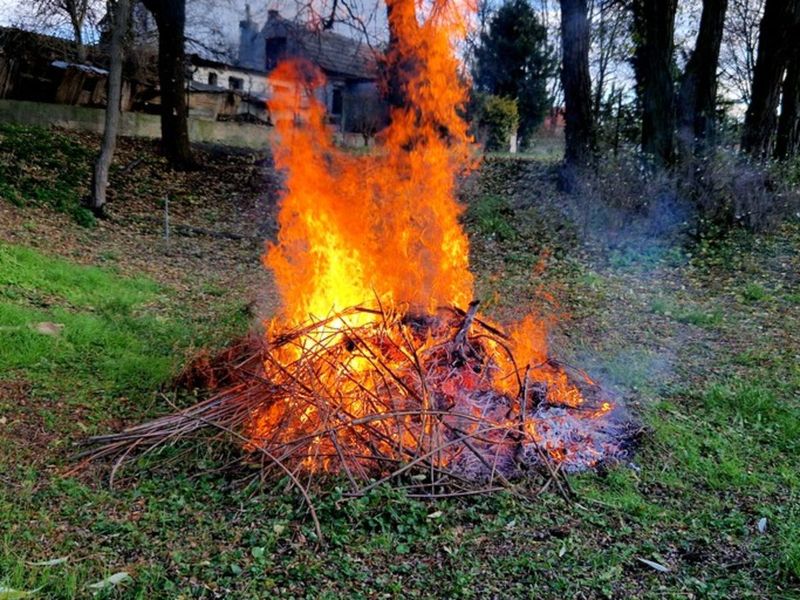
Autumn in the state brings bright colors, apple cider, and a statewide burn rule worth circling on your calendar. It comes from Ohio Revised Code 1503.18.
The law limits most outdoor open burning in unincorporated areas during March, April, May, October, and November. The ban runs from 6 a.m. to 6 p.m.
Those months are no accident. Spring and fall are when dry leaves, grass, and brush pile up and catch fire easily.
Daytime hours bring warmer temperatures, lower humidity, and stronger winds. Together, they help a small fire turn into a racing grass fire.
Evenings tend to be calmer and damper. Dew settles on fields, and breezes usually fade as the sun goes down.
So if burning is legal where you live, wait until after 6 p.m. during these months. Set a phone reminder so you do not jump the gun.
Starting late also means finishing late, so plan your pile size wisely. A small batch can burn down before bedtime.
Fun fact: this rule is enforced by the Department of Natural Resources Division of Forestry. Debris burning gone wrong is a leading cause of wildfires in the state.
Watch the weather report too. A gusty evening is a good night to leave the leaves alone.
Patience pays off here. A few extra hours of waiting is a small price for keeping fields and woods safe.
7. A Burn Barrel Won’t Get You Around The Ban
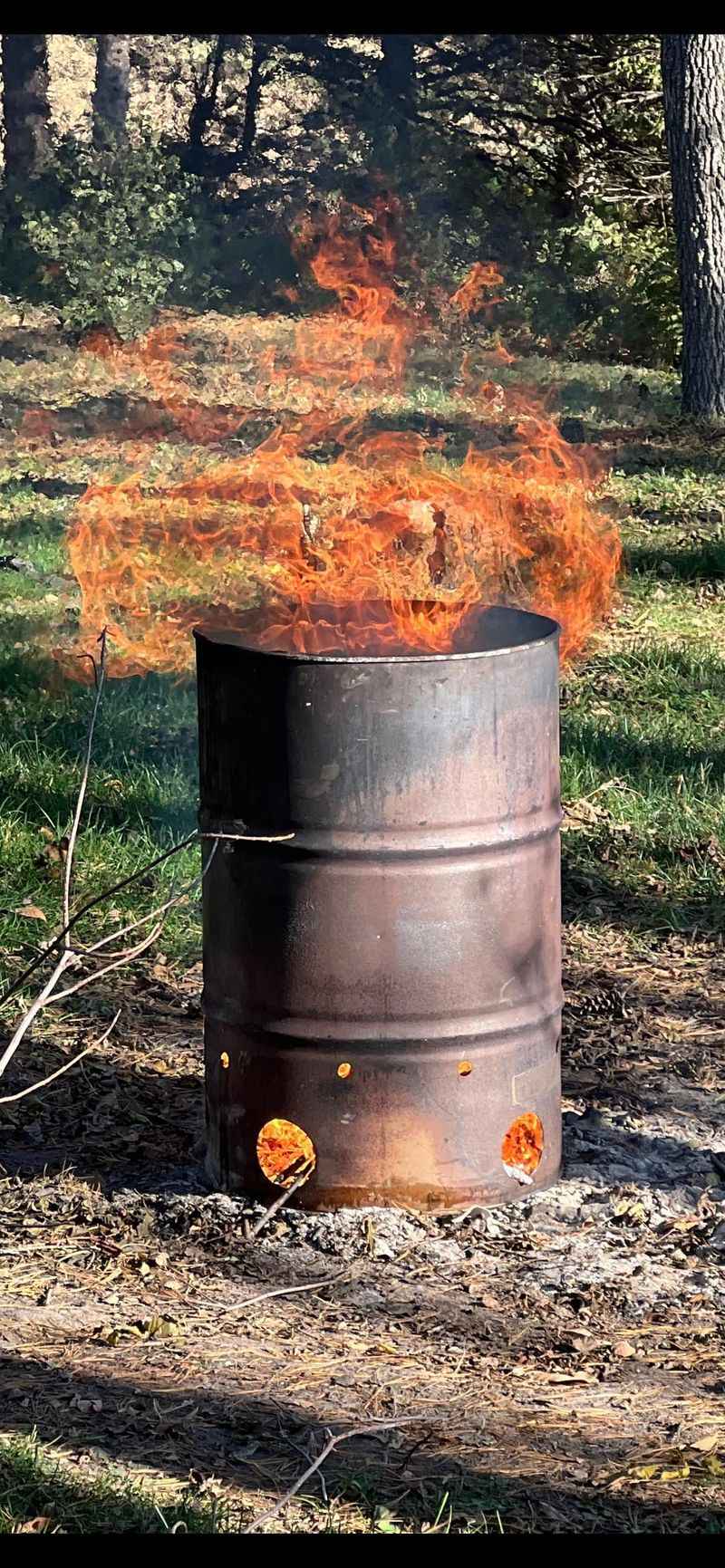
Plenty of folks figure a metal barrel makes everything okay. Sadly, the law does not see it that way.
The daytime burn ban in March, April, May, October, and November covers burn barrels too. Inside a barrel or out in an open pile, the 6 a.m. to 6 p.m. limit still applies.
Within city limits and other restricted areas, the news is even plainer. Yard waste generally cannot be burned there, barrel or not.
Health experts also discourage barrel burning. These fires often burn cool and smoky, which releases harmful chemicals into the air.
Leaves smoldering in a cramped barrel make thick, low smoke. That cloud tends to hang around yards instead of rising away.
Many people also sneak trash into the barrel along with leaves. Burning household garbage is a separate problem and is not allowed in the state.
A barrel can give a false sense of safety, too. Sparks still float out the top and can land on dry grass.
If you already own one, consider giving it a new job. Old barrels make sturdy rain catchers or leaf storage bins.
A compost tumbler is another handy swap. It turns leaves into garden gold with zero smoke.
Bottom line, the container does not change the rules. Time, place, and material still decide whether a fire is legal.
8. Never Burn Leaves Hauled In From Elsewhere

Imagine your cousin offers you three trailer loads of leaves from his yard across the county. It might sound like a fun bonfire night, but Ohio says no.
State rules say you cannot burn waste that was generated off the premises. Only material from your own property qualifies.
The rule applies to businesses as well. A tree trimming crew cannot haul branches and limbs to another site just to burn them.
Farmers face the same limit. Bringing agricultural waste from one property to another for burning is illegal.
Why the strict line? Without it, one rural lot could become a dumping and burning spot for a whole town.
That would mean nonstop smoke for nearby families. It would also sidestep the city bans meant to protect crowded neighborhoods.
Helping a friend with yard cleanup is still a kind gesture. Just point those bags toward a compost site or curbside pickup instead.
If you rent or care for a relative’s land, ask who counts as the owner. Burning their leaves on their property is different from hauling them to yours.
Keep things simple. Leaves burn where they fall, or they go to recycling.
Staying on the right side of this rule protects your wallet, too. Fines for illegal open burning can add up quickly, and the smoke is hard to hide.
9. Check Local Rules Before You Strike A Match
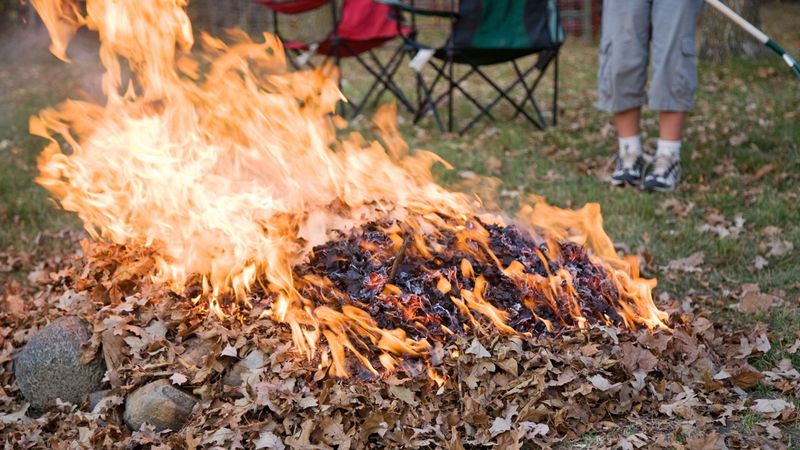
State law sets the floor, not the ceiling. Your town, township, or county can add tougher rules on top.
Local ordinances cannot be less strict than open burning laws. They can, however, be a lot stricter.
Some townships ban leaf burning on certain days. Others require a permit or ask you to call the fire department first.
During dry spells, local officials may issue a temporary burn ban. Those can pop up with little warning in a drought.
A quick phone call is the easiest fix. Your fire department’s non-emergency line can tell you what applies to your address.
Township websites and county health districts often post burning rules as well. Bookmark the page so it is ready next fall.
Homeowner associations may have their own rules, too. Even where the law allows a fire, your HOA might not.
Keep a small checklist on the fridge. Are you outside restricted areas, 1,000 feet from neighbors, past 6 p.m., and burning only your own leaves?
If every answer is yes, you are probably in good shape. If even one is no, the rake and compost bin are your friends.
Rules can feel like a hassle when the leaves keep falling. Still, they keep Ohio’s air cleaner and its fields far less likely to catch fire.