Why Some Garden Insects Vanish After The First Cold Night In North Carolina While Others Stay
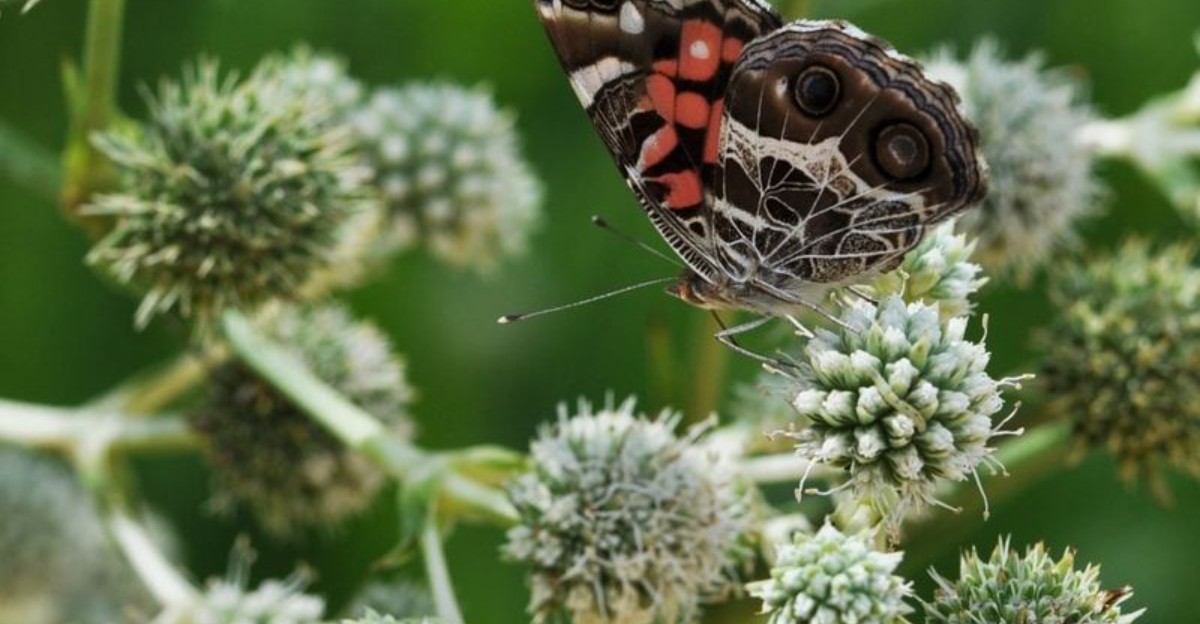
The first genuinely cold night of fall seems to wipe out certain garden insects overnight, while others continue showing up in a North Carolina yard as if nothing changed at all.
This difference comes down to each insect’s specific cold tolerance and overwintering strategy, since some species simply can’t survive freezing temperatures in any life stage.
Others have evolved ways to handle the cold entirely, whether by seeking shelter in soil, tucking into plant debris, or entering a dormant state that lets them wait out winter safely.
Because these strategies vary so much between species, a single cold night can look like it ended pest problems while really just changing where and how those insects are surviving.
Understanding these different responses helps gardeners avoid assuming a pest problem is solved just because visible activity has stopped.
1. Many Insects Aren’t Gone, They’re Resting
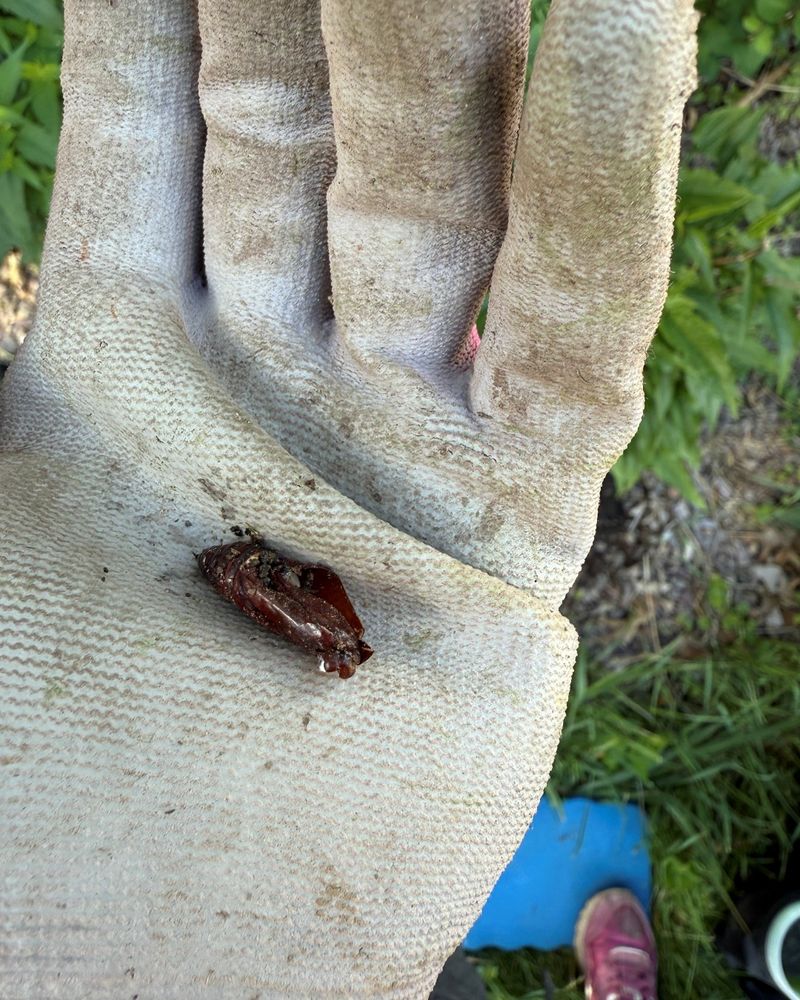
Out of sight does not mean out of the picture. When your garden goes quiet after a cold snap, many of those bugs are simply taking a long nap nearby.
Scientists call that nap diapause. Shorter days and cooler nights send a signal to insects that winter is coming, so they stop eating and stop breeding.
Then they tuck themselves under leaf litter, loose bark, mulch, or a few inches of soil and wait for spring.
Diapause is not the same as a simple chill. Insects actually prepare for it weeks ahead by storing fat and slowing their bodies down, almost like packing a suitcase before a trip.
The trigger is mostly day length, which is why the change can happen even before the first frost arrives.
So what does that mean for you? Those tomato hornworms, bean beetles, and cucumber beetles you battled in August may be sleeping only a few feet from your beds.
Old plant stems and piles of garden trash make cozy winter hotels for them. A smart fall cleanup makes a big difference. Pull out plants that were heavily infested and bag them or put them in a hot compost pile instead of leaving them in the bed.
Turning the soil lightly in problem spots can also expose hidden pupae to cold air and hungry birds.
North Carolina winters are usually mild, with plenty of days above freezing. That gentle weather helps sheltered insects make it through in great shape, so a little fall effort now can mean fewer surprises when your spring garden wakes up.
2. Tropical Migrants Like Fall Armyworms Can’t Handle Freezing
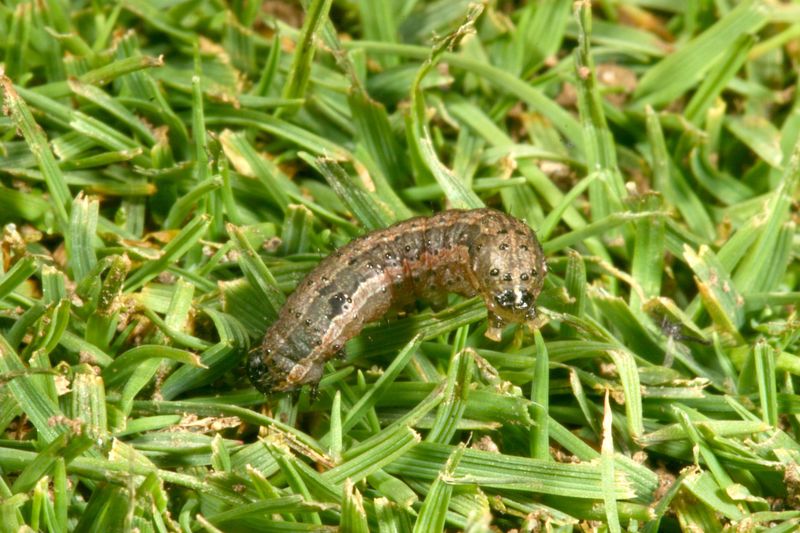
Some bugs are just summer tourists. Fall armyworms fly into North Carolina each year, eat their fill, and never learn how to handle a real winter.
These striped caterpillars come from warm places like southern Florida, south Texas, and farther south. Their bodies have no built-in antifreeze and no resting stage that can survive hard cold.
Once a solid freeze hits, local populations crash and simply cannot hang on until spring.
That is good news if your lawn looked chewed and brown in late summer. Armyworm damage usually stops after the first hard freeze, and the caterpillars you saw will not come back from your yard next year.
Your North Carolina Garden Changes Every Week. Your Plan Should Too.
Gardening in North Carolina changes quickly throughout the season. Every Friday you’ll receive a simple weekly plan showing exactly what to plant, prune, fertilize, harvest, and protect so you never miss the right timing.
New trouble depends on the moths. Each spring and summer, adult moths ride warm winds north, laying eggs as they go.
Their numbers in North Carolina can change a lot from year to year, depending on weather down south and how strong those winds blow.
Keep an eye out starting in mid to late summer. Brown patches that appear almost overnight, flocks of birds pecking at the grass, or green droppings near the soil are all clues.
Early mornings and evenings are the best times to spot caterpillars feeding. Here is a helpful trick. Mix a few tablespoons of dish soap into a bucket of water and pour it over a small section of turf.
Caterpillars hiding in the thatch will wiggle to the top within minutes, giving you a quick count before damage spreads.
Healthy, well-watered grass also bounces back faster once the freeze ends the season for these hungry visitors.
3. Whiteflies And Other Warm Weather Pests Decline With Frost
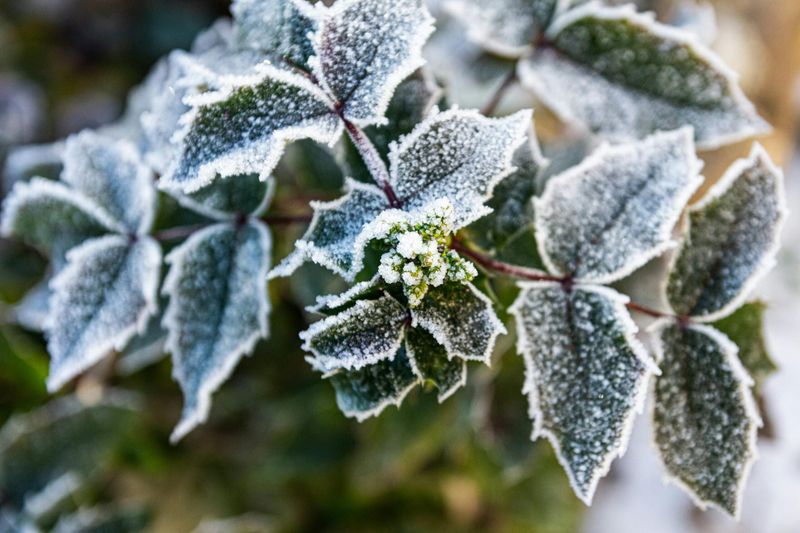
Shake a tomato plant in September and a cloud of tiny white specks might float up like dust. Whiteflies love summer crops, and in North Carolina their numbers often stay high right until frost.
Then everything changes fast. Many warm weather pests are sensitive to cold, and frost also turns their favorite food into mush.
Tomatoes, squash, beans, peppers, and basil all collapse after a freeze, leaving whiteflies and aphids with very little to eat.
Still, a few survivors can linger. Heavily infested plants left standing in the garden give them shelter and a last snack, especially on warm fall afternoons.
The fix is simple. Pull frost-damaged summer crops soon after the freeze and remove them from the garden. If leaves are crawling with pests, bag them rather than tossing them on the compost pile.
Indoor plants need a little extra care. Many gardeners bring peppers, herbs, or potted flowers inside before frost, and whiteflies often hitch a ride.
Check leaf undersides carefully first and keep new arrivals away from your other houseplants for a couple of weeks.
Greenhouses are another hot spot. Warm, protected air lets whiteflies breed all winter, so keep outdoor plants with pests out of the greenhouse.
Yellow sticky cards hung near plants are an easy way to catch adults and see if a problem is building.
A clean start pays off next summer. By clearing old crops and watching indoor plants closely, you give these tiny flyers fewer chances to jump back into your garden when warm weather returns.
4. Squash Bugs And Stink Bugs Head For Shelter
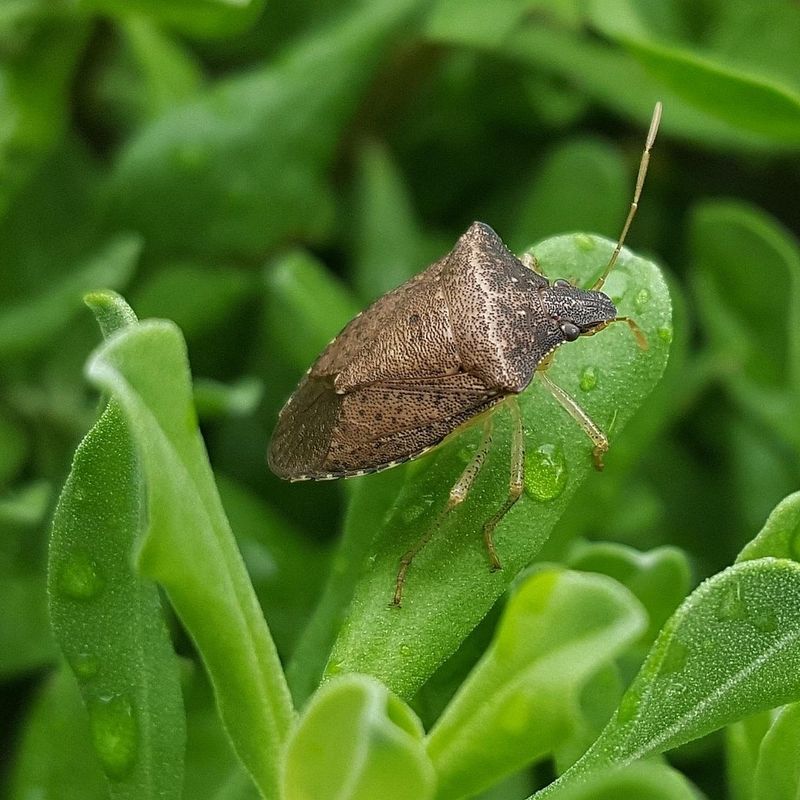
Ever notice stink bugs crawling on your window screens in October? They are not lost. They are house hunting for winter.
Squash bugs and stink bugs both survive the cold as adults. Squash bugs slip into garden debris, woodpiles, and the damp space under boards.
Stink bugs, especially the brown marmorated stink bug, often squeeze into homes, sheds, and garages through tiny cracks.
Come spring, they wake up hungry. Squash bugs head straight back to young squash and pumpkin plants to feed and lay their bronze egg clusters. Stink bugs return to fruit trees, tomatoes, and beans.
You can make winter much harder for them. After harvest, pull up old squash vines and clear away spent plants and weeds.
Flip over or remove boards near the garden, since squash bugs love to gather underneath them.
Some gardeners actually use that habit on purpose. Lay a board near squash plants in late summer, then check under it each morning and scoop the bugs into a bucket of soapy water.
For your home, grab a tube of caulk. Seal gaps around windows, doors, pipes, and siding before the fall rush begins.
Repair torn screens too. If stink bugs do get inside, a vacuum works well, just empty it outdoors right away, since they live up to their name.
North Carolina gardens see these pests return every spring from shelter sites close by. Cutting down on hiding spots in fall is one of the easiest ways to start next season ahead.
5. Cabbage Aphids Keep Going In Cool Weather
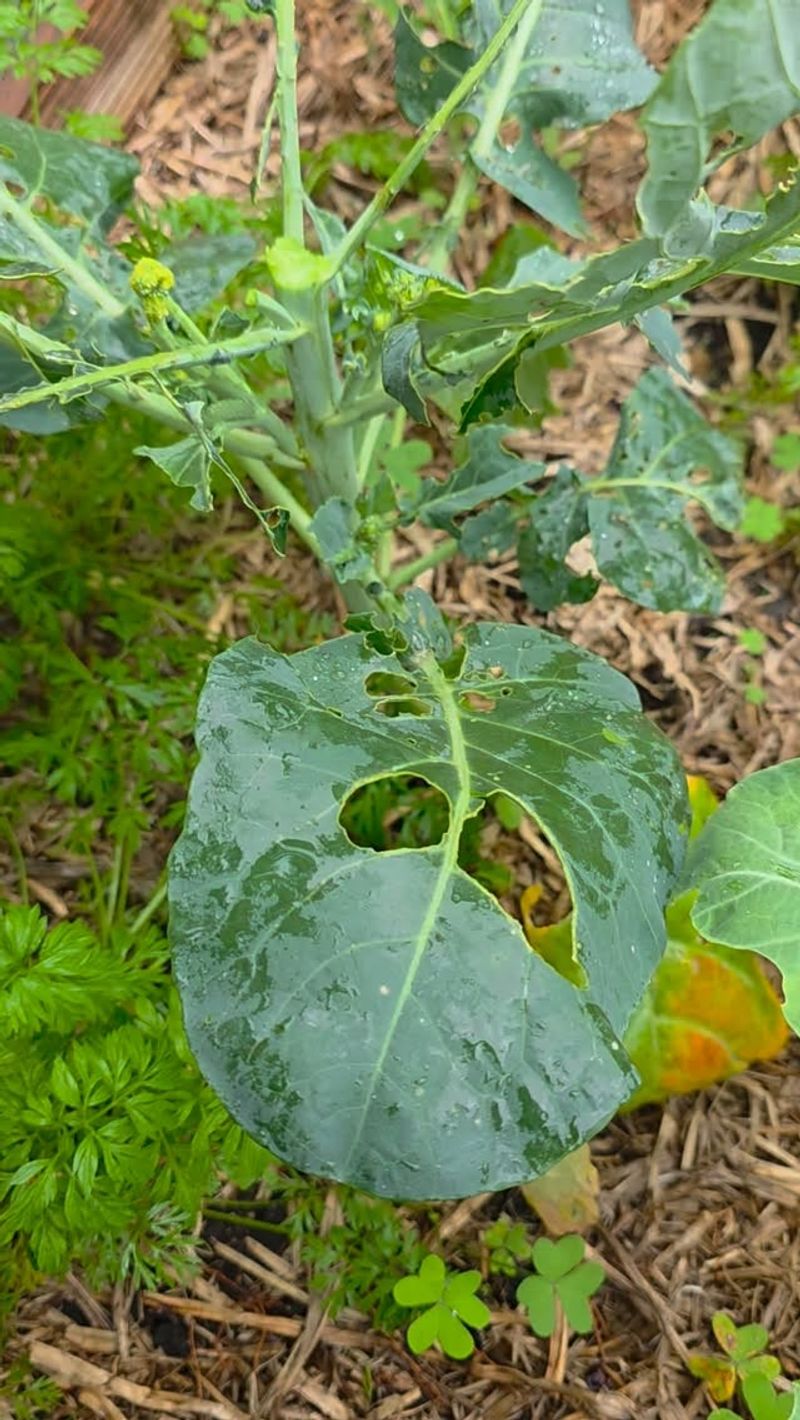
Just when you think the bug season is over, your collards grow a gray, fuzzy crust. Meet the cabbage aphid, a pest that seems to cheer up when the weather turns chilly.
Cabbage aphids handle cool temperatures well. They keep having babies on kale, collards, cabbage, broccoli, and other brassicas long after summer pests fade.
Females can give birth to live young without mating, so a small group can turn into a crowd in just a week or two.
Here is the twist. The lady beetles and tiny parasitic wasps that usually keep aphids in check slow way down in the cold. With their bodyguards off duty, aphids spread quickly.
Check your plants often, especially the tight centers and the undersides of leaves. The waxy gray coating on these aphids makes them look almost like ash, so they are easy to miss at first glance.
A strong spray from the garden hose can knock many colonies off. For bigger groups, use insecticidal soap and cover every part of the leaf, since the soap only works where it touches.
Repeat every few days if needed, and rinse greens well before eating. Cleanup matters too. After your final harvest, pull out old brassica stalks instead of leaving them to stand all winter.
Those stalks can host aphids that start trouble again in spring. North Carolina gardeners love growing greens in fall and winter, and cabbage aphids love that just as much. A little weekly scouting keeps your harvest clean and tasty.
6. Slugs Stay Active In Cool, Damp Weather
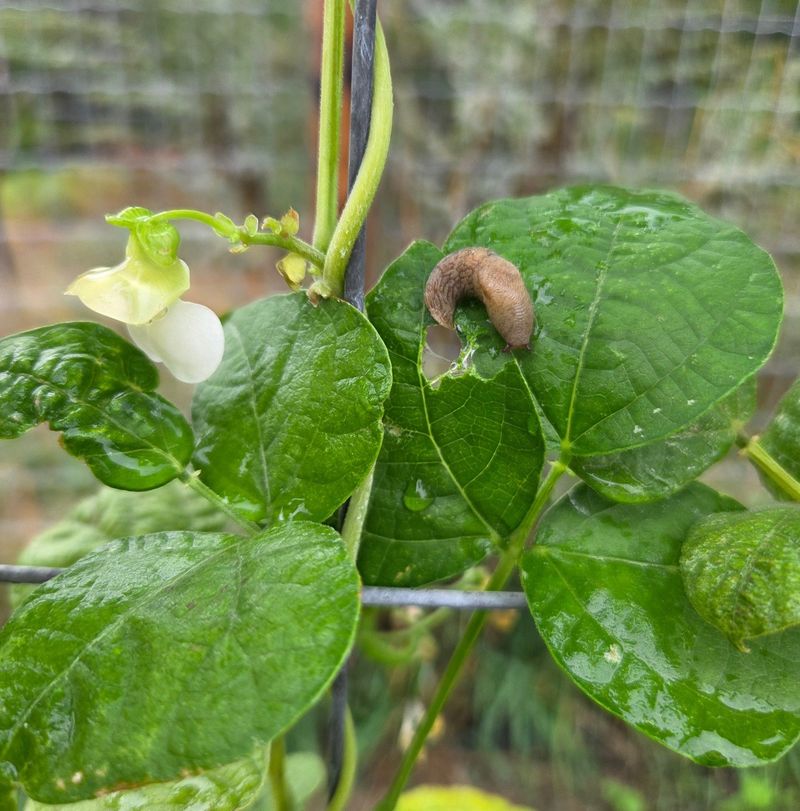
Slugs are not insects at all. They are soft-bodied mollusks, closer cousins to snails and clams than to beetles, and they have a whole different schedule.
Cool, damp weather suits them perfectly. Fall rains, heavy morning dew, and thick mulch give slugs the moisture they need to move and feed.
While many bugs slow down, slugs happily chew holes in lettuce, spinach, cabbage, and tender seedlings.
Spotting them takes a little detective work. Slugs hide during the day and come out after dark, leaving shiny slime trails and ragged holes behind.
Grab a flashlight and take a walk through the garden about an hour after sunset. Board traps work wonders. Lay flat boards or shingles between rows, and slugs will crawl under them to hide by morning.
Lift the boards each day, collect the slugs, and toss them into soapy water. Baits can help too. Look for iron phosphate slug bait labeled for vegetable gardens.
It is a safer choice around pets and wildlife than older types, and any leftover pellets break down into nutrients for the soil.
Tidy up hiding places as well. Pull weeds, clear away piles of debris, and remove boards you are not using as traps. Keeping mulch a bit thinner around young plants also helps dry things out.
North Carolina falls are often mild and moist, which makes slugs a steady problem in both vegetable gardens and flower beds. Staying one step ahead now means healthier greens all season long.
7. Fire Ants Stay Active On Warm Days
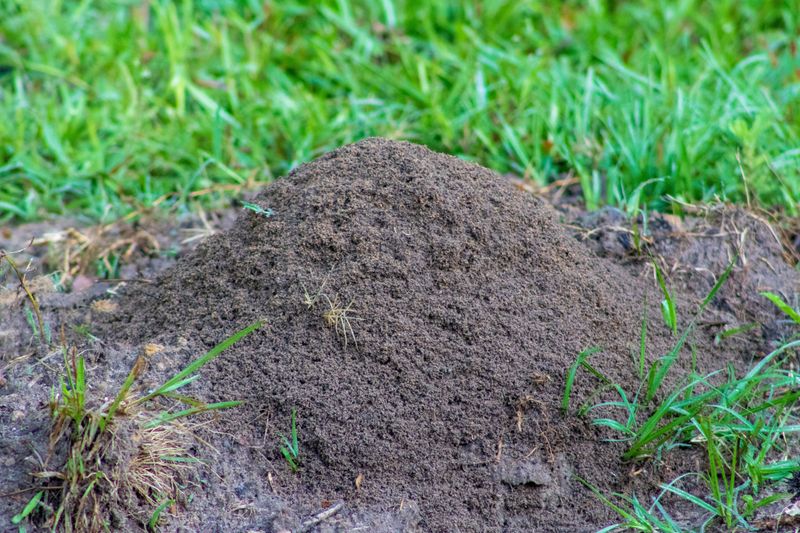
A sunny January afternoon in Raleigh can feel almost like spring, and fire ants notice right away. These stinging pests never truly clock out for winter.
When cold weather hits, fire ant colonies move deeper into the soil where it stays warmer. As soon as the ground heats up on a bright day, workers climb back to the surface to look for food.
That is why a mound that looked empty last week can suddenly boil with ants. Timing makes treatment work. Fire ant baits are most effective in fall or spring when workers are actively foraging and carrying food back to the queen.
Put bait down when ants are out, and they will do the hard work of delivering it. Not sure if they are hungry? Place a small piece of hot dog or a potato chip near the mound.
If ants swarm it within about 30 minutes, it is a good time to apply bait around the mound, following the label closely.
Skip stirring the mound first. Disturbing it can make the colony move, and you may end up with two mounds instead of one.
Protect yourself too. Always wear gloves and closed shoes when weeding or digging near mounds, since fire ants sting fast and in groups.
Fire ants are well established across the Piedmont and Coastal Plain of North Carolina. With so many mild winter days, keeping watch all year helps you stay safe and keep your garden comfortable.
8. Beneficial Insects Need Winter Shelter Too
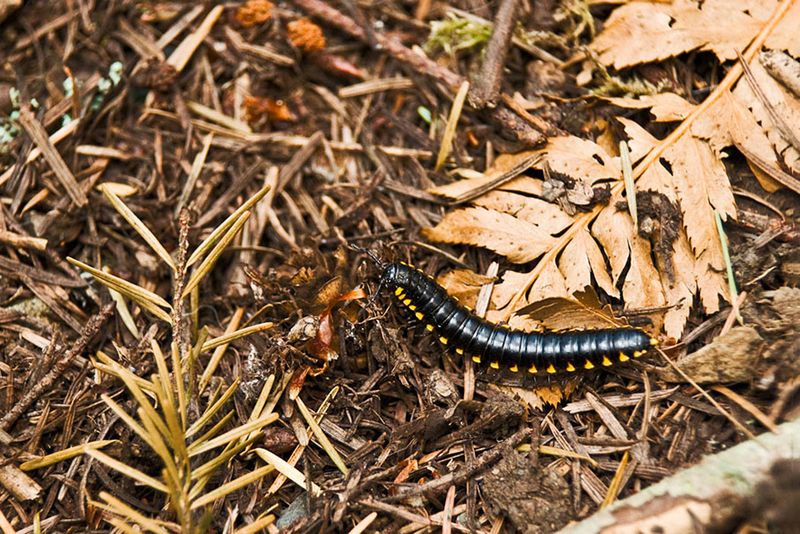
Your garden has heroes, and they need a place to stay for winter. Lady beetles, lacewings, and native bees quietly disappear in fall, but they have not gone far.
These helpers earn their keep all year. A single lady beetle can eat thousands of aphids in its lifetime, while lacewing larvae gobble up mites and caterpillar eggs.
Native bees pollinate tomatoes, squash, and blueberries, helping plants produce more food.
Winter shelter for them looks a little messy. Many hide in leaf litter, hollow plant stems, loose bark, and patches of soil nobody digs up.
Some native bees, like small carpenter bees, spend the cold months tucked right inside old stems.
Good news: helping them takes less work, not more. Leave some fallen leaves under shrubs and along bed edges instead of bagging every one.
Let hollow perennial stems from plants like coneflowers and bee balm stand until spring, then trim them back gradually.
Be careful with sprays in fall. Broad-spectrum insecticides can harm the good bugs along with the bad, especially while they are settling into winter hiding spots.
Target only the pests you actually see, using gentle options like soap sprays. A small bare patch of soil in a sunny corner also gives ground-nesting bees a safe home.
North Carolina’s mild winters help pests survive, but they help beneficial insects just as much. Give these allies a cozy place to rest, and they will be ready to guard your garden early next spring.