What To Do If You’re Bitten By A Black Widow In Your North Carolina Garden
Imagine a warm Carolina afternoon, dirt under your nails and birdsong in the air. You reach behind a flowerpot and feel a sudden, sharp pinch. Your heart races as a tiny shape darts back into the shadows.
Something just caught you off guard, and now you’re wondering what to do next. Gardens are peaceful places, but a few hidden residents deserve respect and quick action. Knowing the right steps now can turn a scary moment into a manageable one.
Stay calm, wash the area with soap and water, and keep reading. A little knowledge now means you’ll know exactly what to do if this ever actually happens to you.
1. Move Away From The Spider Safely
The moment you feel a bite, your first instinct might be to grab whatever caused it. Resist that urge, because trying to catch or squash the spider often leads to a second bite.
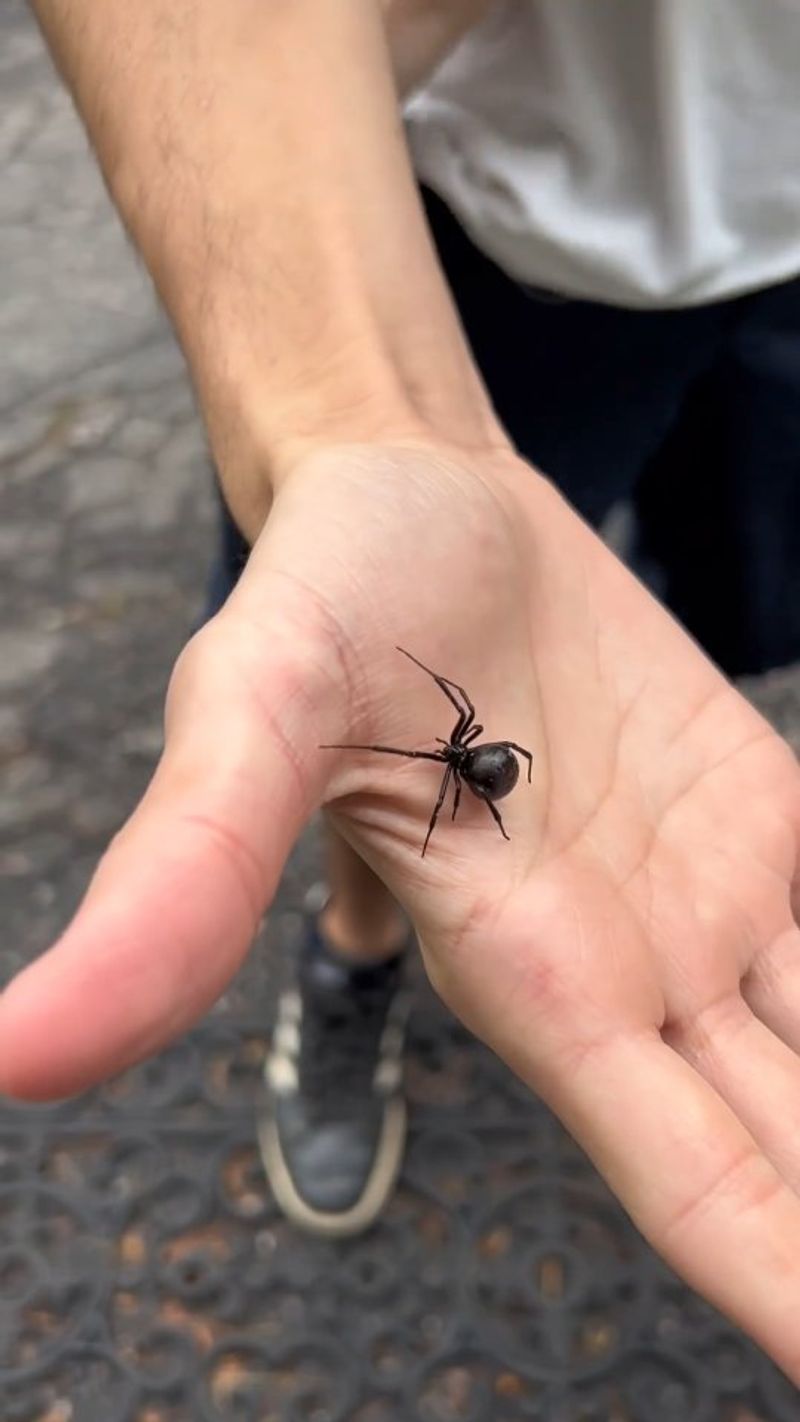
Black widows are not aggressive, and most bites happen by accident when a hand or arm presses against one hiding in a tight spot. Once you back away slowly, the spider has no reason to strike again. Give it space and let it retreat into the shadows.
Take a breath and steady yourself before doing anything else. Moving calmly to a safe, open spot in your yard is a smart way to settle your nerves.
You may want to snap a quick photo from a safe distance if the spider is still visible. A clear picture can help doctors or North Carolina Poison Control identify what bit you later on. Never risk another bite just to get that photo, though.
Set down any tools you are holding so you do not trip or hurt yourself while stepping away. Sharp shears or a heavy shovel can cause more harm than the bite itself if you stumble.
Once you are clear of the area, mark the spot in your memory or with a stick nearby. That way, you can warn family members and check the location carefully later. Safety first means giving both you and the spider room to calm down before the next step.
2. Wash The Bite Area
Once you are safely away from the spider, head straight to the nearest sink or garden hose. Cleaning the bite is one of the simplest and most helpful things you can do right away.
Use mild soap and cool or lukewarm water, and gently wash the area for a minute or two. Gardens are full of soil, bacteria, and other germs that can slip into even a tiny puncture. A good rinse lowers the chance of the wound getting infected later.
Be gentle as you clean, patting rather than scrubbing hard. Rough rubbing can irritate the skin and make swelling worse. Let the water do most of the work while your fingers guide the soap around the spot.
After washing, pat the area dry with a clean towel or paper towel. Avoid using dirty rags or the hem of your gardening shirt, since those can add more germs. A fresh cloth keeps the area as clean as possible.
Your North Carolina Garden Changes Every Week. Your Plan Should Too.
Gardening in North Carolina changes quickly throughout the season. Every Friday you’ll receive a simple weekly plan showing exactly what to plant, prune, fertilize, harvest, and protect so you never miss the right timing.
You might notice a small red mark, mild swelling, or a slight sting where the bite happened. That is common, and keeping the area clean helps your body focus on healing. Do not cover it too tightly, because the skin needs air.
Some gardeners like to apply a little antibiotic ointment afterward if they have it handy. That step is optional, but it can add a layer of protection. Washing first, though, remains the key move that sets up everything else you do to care for the bite.
3. Use Cold To Help With Pain

Black widow bites can start to ache and sting within an hour or so. A cold pack is a friendly helper when that discomfort begins to build.
Wrap a bag of ice, a frozen gel pack, or even a bag of frozen peas in a thin cloth or towel. The cloth barrier matters more than you might think. Placing ice directly on your skin can cause frostbite-like damage and add a whole new problem on top of the bite.
Hold the wrapped cold pack against the bite for about ten to twenty minutes at a time. Then give your skin a break for a while before repeating. Cold helps by numbing the area and slowing swelling, which can make the pain feel more manageable.
Pay attention to how your skin looks during each session. If it turns very pale, waxy, or overly numb, take the pack off and let the area warm up naturally. Your goal is comfort, not more harm.
Keeping the bitten limb still and slightly raised can also ease throbbing. Prop your arm or leg on a pillow while you rest and let the cold do its job.
Cold treatment helps with pain, but it does not remove venom or replace medical care. Think of it as a comfort tool while you watch for other signs.
If symptoms grow beyond mild soreness, the cold pack becomes just one small part of a bigger plan that may include calling for help.
4. Watch For Symptoms Beyond The Bite
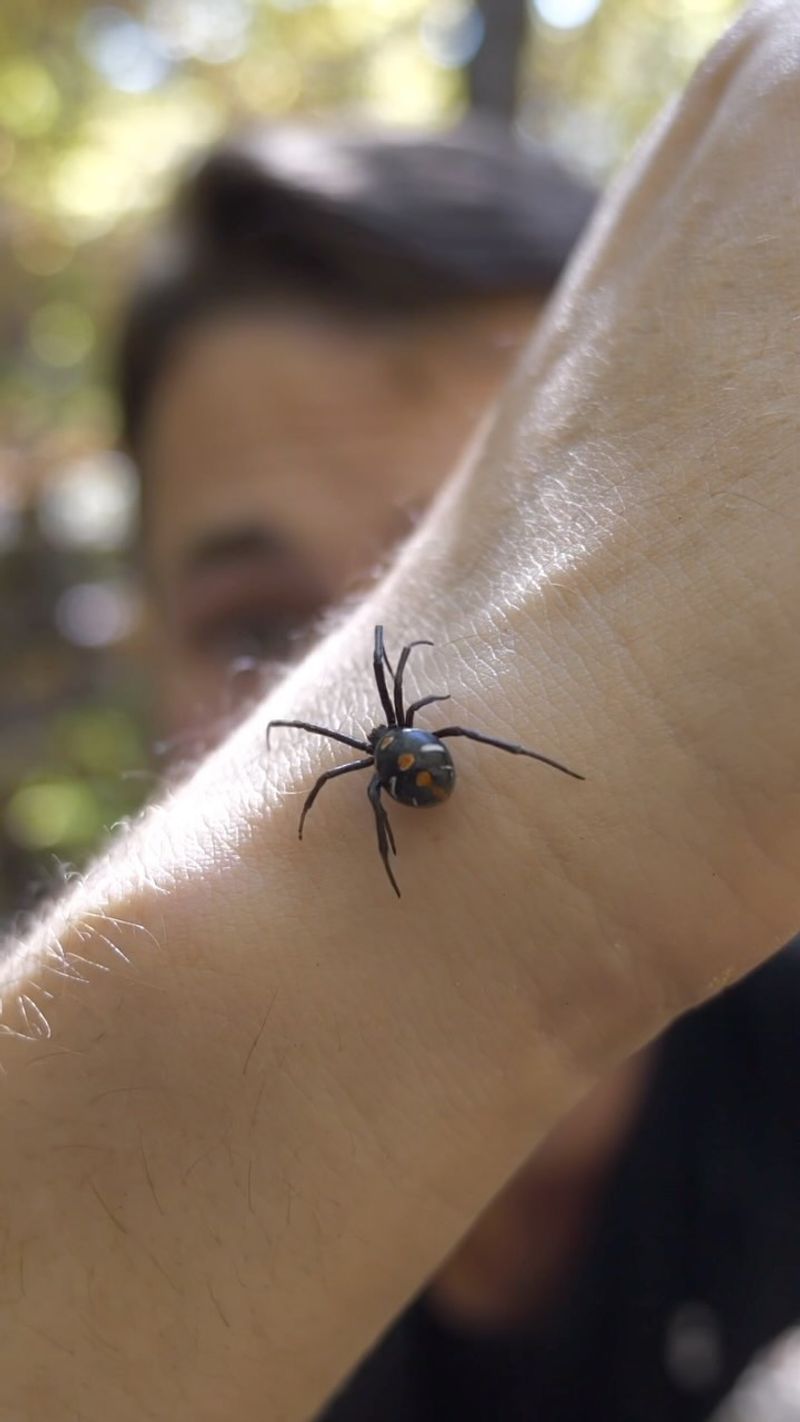
Here is something that surprises many gardeners: the bite itself may feel minor at first. Black widow venom often causes its biggest effects in the hours that follow, not in the first minute.
According to the CDC, symptoms can include increasing pain around the bite that spreads outward. Muscle cramps are especially common, and they sometimes settle in the belly, back, or the limb that was bitten. These cramps can feel intense and worrying.
Other signs to keep an eye on include sweating, chills, nausea, and general achiness. Some people notice abdominal discomfort that can feel almost like a stomach illness. Restlessness and a racing feeling are also possible as the venom works through the body.
Because these effects build gradually, it helps to jot down when the bite happened and when each new symptom appears. A simple note on your phone gives useful information to share with medical professionals later. Timing tells them a lot.
Keep in mind that reactions vary from person to person. A healthy adult might feel only moderate soreness, while someone else could experience stronger cramping and discomfort. There is no single way every body responds.
Stay near someone who can check on you during those first several hours. Having company means help is close if things change quickly.
Watching your symptoms closely is not about scaring yourself; it is about staying informed so you know when comfort measures are enough and when it is time to reach out for guidance.
5. Know When To Call For Medical Help
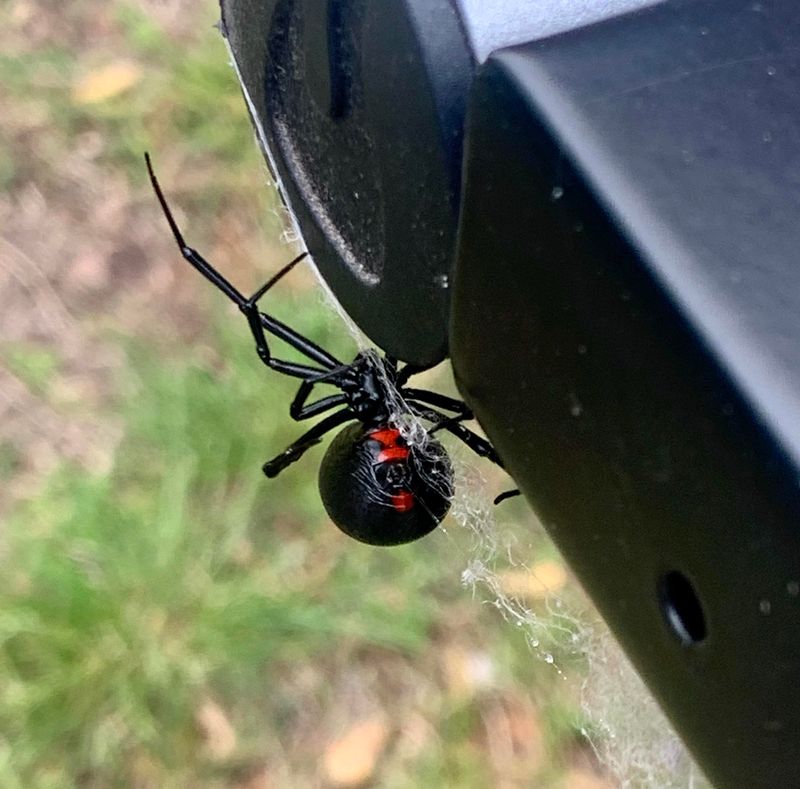
Some situations call for professional guidance sooner rather than later. North Carolina Poison Control is a free, confidential resource you can reach at 1-800-222-1222, and they answer questions any hour of the day.
Reach out promptly if you have severe pain, strong muscle cramps, trouble breathing, or pain in your chest or belly. Those signs suggest the venom is affecting you more strongly. Fast advice can help you decide whether to head to a doctor or emergency room.
Certain people face higher risks and should seek guidance quickly even with milder symptoms. Young children, older adults, and anyone with existing health conditions may react more strongly to the venom. Their bodies sometimes need extra support.
When you call, share details like the time of the bite, where it is on your body, and what symptoms you notice. Mention the photo if you managed to snap one safely. The more information you give, the better the advice you receive.
Do not feel silly about calling even if you are unsure. The experts would rather answer a simple question than have you wait too long. That is exactly what the poison control line is there for.
Keep the number saved in your phone before you ever need it, alongside your local emergency contacts.
A quick, calm phone call often brings peace of mind. Knowing when to ask for help is a sign of good judgment, not weakness, and it keeps a garden mishap from turning into something more serious.
6. Do Not Assume Every Spider Bite Is A Black Widow Bite
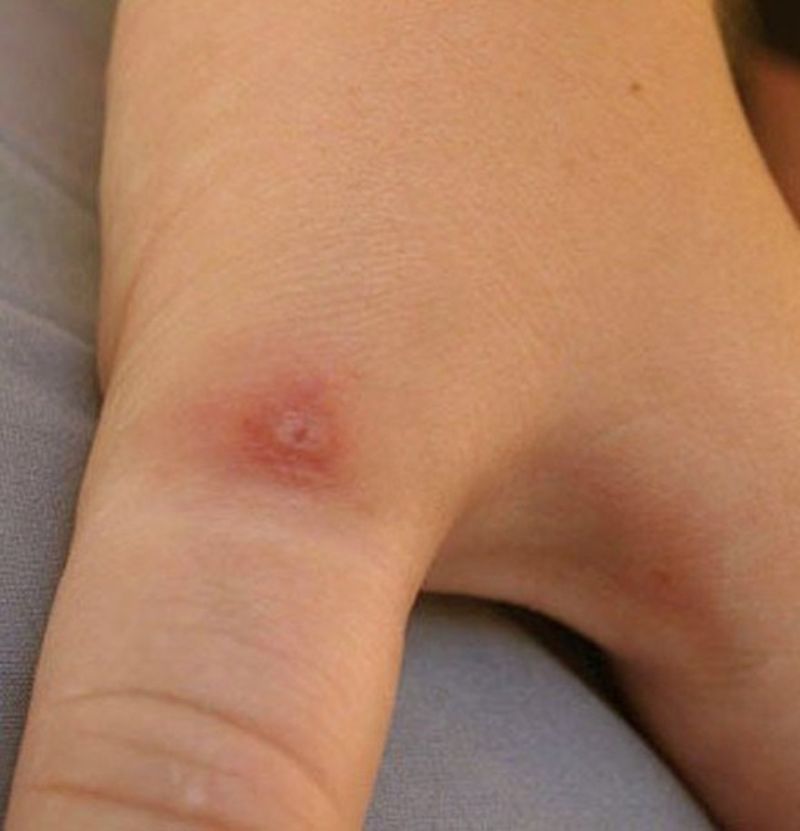
It is easy to see a red, swollen mark and immediately think the worst. In truth, many skin reactions in the garden come from something other than a black widow.
Mosquitoes, fleas, ants, and other insects leave bumps that can look alarming. Minor infections, allergic reactions, and even scrapes from thorny plants sometimes get blamed on spiders. Jumping to conclusions can cause needless worry.
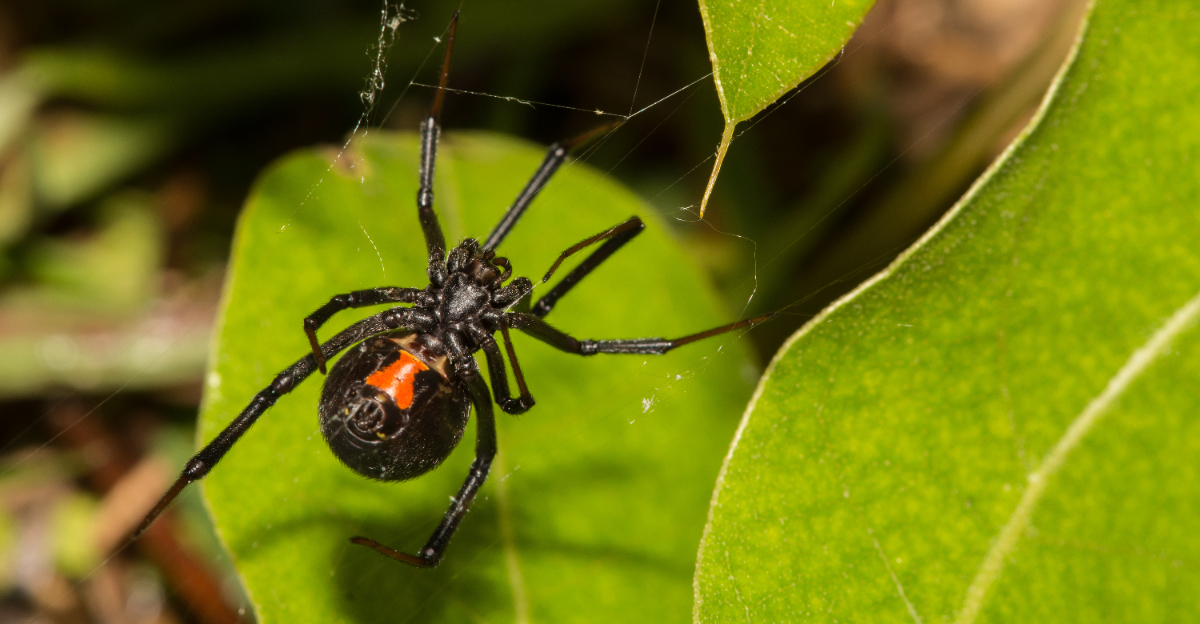
Black widows in North Carolina have a shiny black body with a red or orange hourglass shape on the underside.
If you did not actually see a spider matching that description, the cause of your mark may be something entirely different. Matching both the spider and the symptoms gives a clearer picture.
Genuine black widow bites usually bring more than a simple itchy bump. The spreading pain and muscle cramps described earlier are telltale clues. A mark that only itches mildly and fades on its own is unlikely to be from a widow.
Doctors appreciate accurate information, so avoid insisting on a diagnosis you cannot confirm. Describe what you saw and felt, and let professionals help sort it out. Guessing wrong could lead to the wrong treatment.
Staying observant helps you respond wisely instead of reacting out of fear. Not every eight-legged visitor in your yard is dangerous, and most garden spiders actually help by eating pests.
Keeping a level head means you save your energy and concern for the moments that truly call for it, rather than every little bump.
7. Check The Garden Areas Where Bites Happen
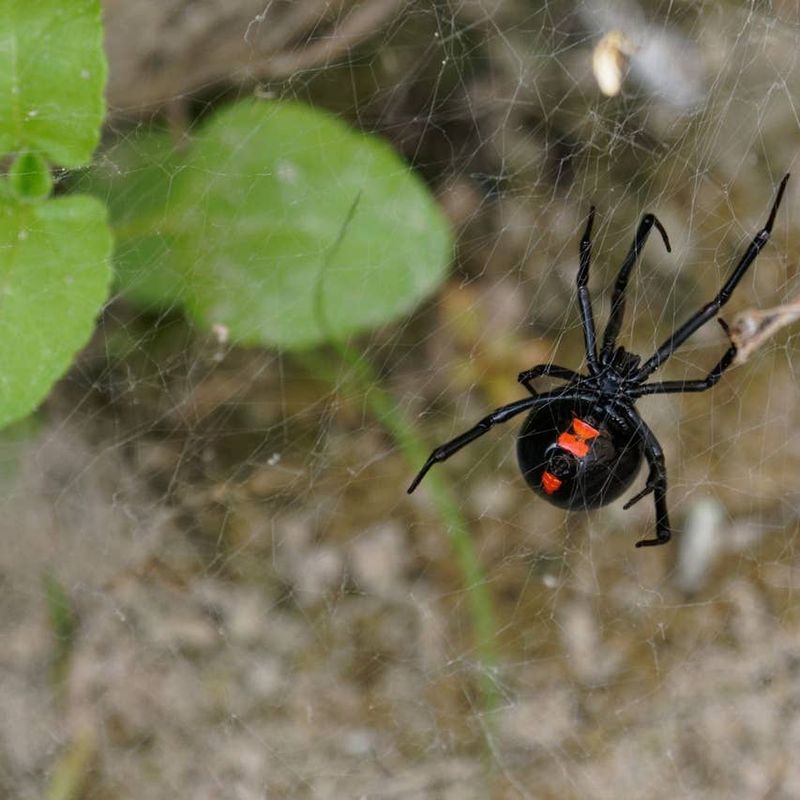
After tending to yourself, it pays to figure out where the encounter happened. Black widows love spots that are dark, quiet, and left undisturbed for long stretches.
Wood piles are classic hiding places, especially stacks that have sat untouched through the season. The gaps between logs give spiders a cozy, sheltered home. Sheds and garages offer the same kind of calm, shadowy corners they favor.
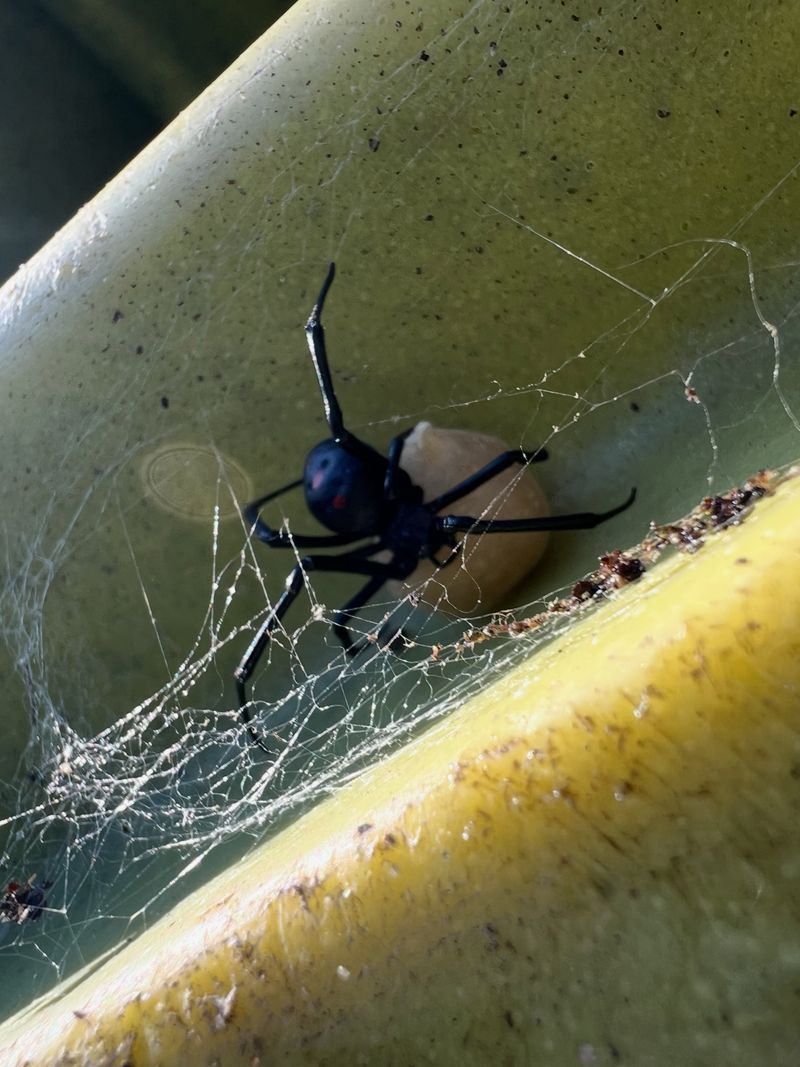
Take a look at flowerpots, watering cans, and storage containers, particularly ones flipped upside down or rarely moved. Spiders often tuck themselves into the underside or inside rim. Outdoor furniture with hollow legs and folding chairs can hide them too.
Check around the base of your home, near crawl space vents, and under decks or porches. These edges where structures meet the ground are prime real estate for a widow’s web. Cluttered areas with lots of nooks invite them to settle in.
Use a flashlight and a long stick rather than your bare hands when poking around. That habit keeps your fingers out of harm’s way while you investigate. A good beam of light reveals the messy, irregular webs that widows spin.
Knowing where the bite occurred helps you protect the rest of your household. Point out the spot to family members and mark it clearly until you can clean it up.
Understanding a spider’s favorite hiding habits turns you into a smarter gardener, and it makes your outdoor space feel a little more predictable and a lot less surprising.
8. Prevent Future Encounters While Gardening
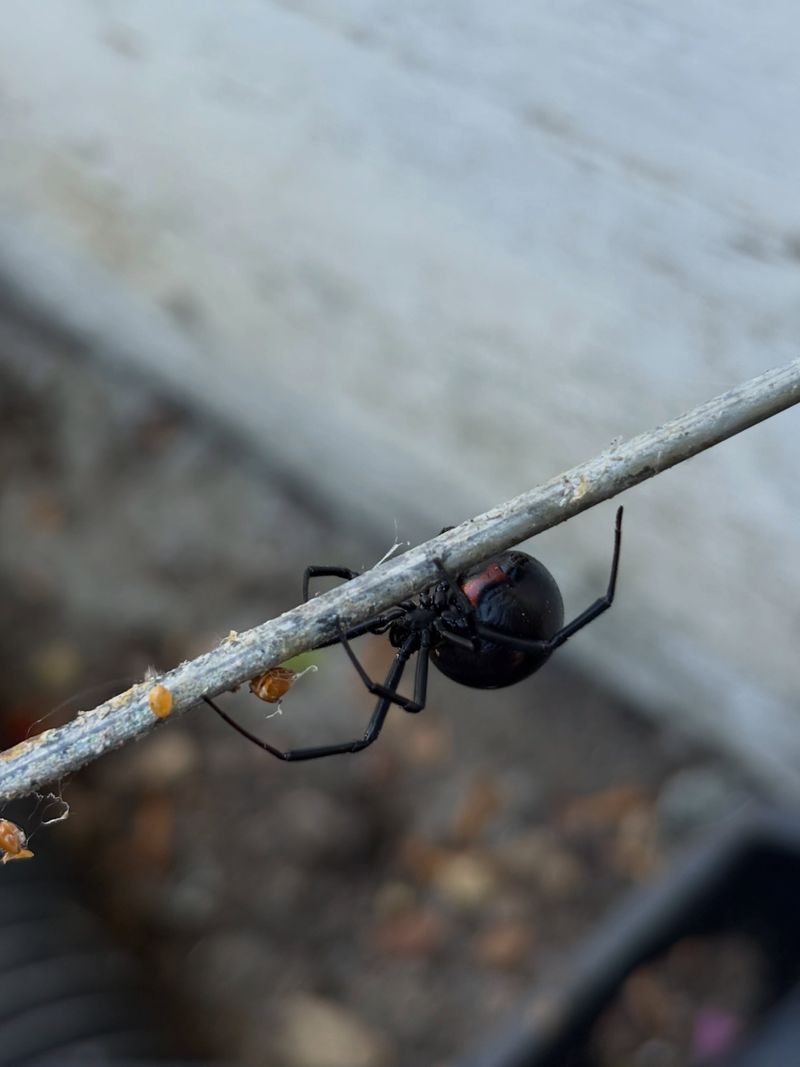
The best bite is the one that never happens. A few simple habits can dramatically lower your chances of surprising a black widow again.
Sturdy gardening gloves are your first line of defense, so slip them on before reaching into hidden spaces. Thick gloves add a barrier between your skin and anything lurking in a dark corner. Long sleeves and closed shoes offer extra coverage on busy planting days.
Move stored materials slowly and thoughtfully rather than grabbing them quickly. Bump or nudge a wood pile, pot, or box before lifting it, giving any spider a chance to scurry off. That pause makes a real difference.
Keep your garden areas tidy to remove the cozy hiding spots widows crave. Stack firewood away from the house and up off the ground when you can. Clearing clutter, sweeping away old webs, and organizing containers takes away their favorite shelters.
Shake out gloves, boots, and hats that have been sitting outside before putting them on. Small critters sometimes crawl inside when items are left unattended. A quick shake beats an unpleasant surprise.
Teach kids and other family members these same careful habits so everyone stays protected. When the whole household knows to look before reaching, the garden becomes safer for all.
Remember that black widows would rather avoid you than confront you. Give them space, stay mindful of where you put your hands, and your gardening time can stay joyful. A little caution now saves you plenty of worry down the road.