What To Do With Your Florida Crepe Myrtle In October (And What To Leave Alone)
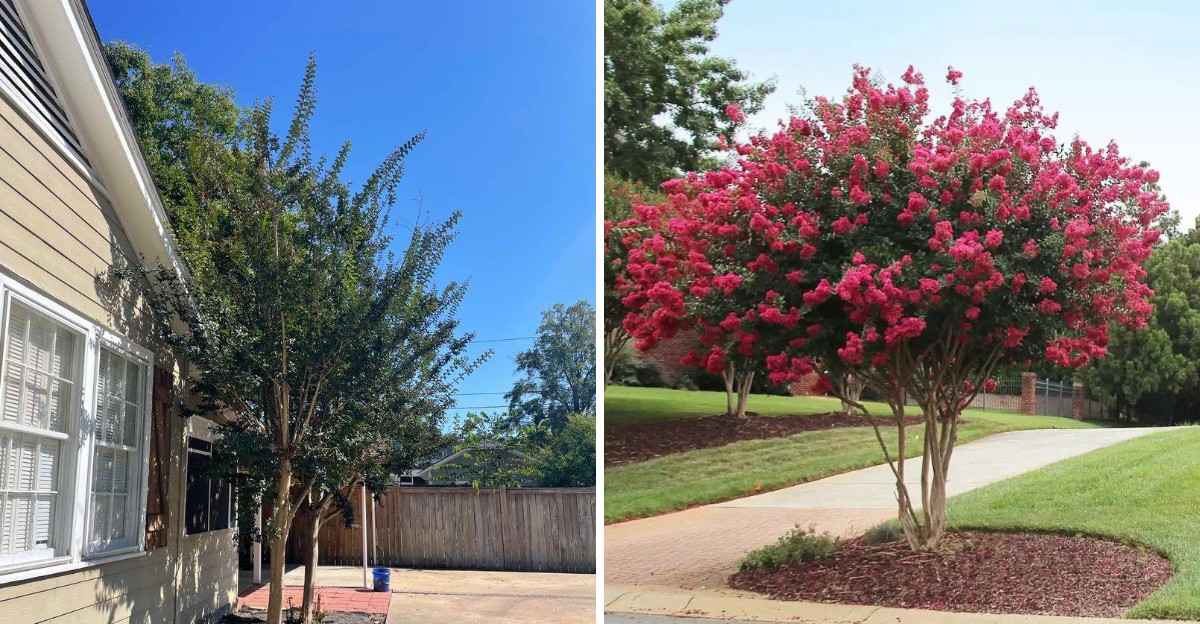
Your crepe myrtle may look like it needs a haircut, but reaching for the pruning shears could be the worst thing you do this fall.
Florida’s changing weather creates a tempting window for garden cleanup, yet one common mistake can affect the tree long after the season ends.
The tricky part is knowing what deserves your attention and what should stay completely untouched. A few withered leaves are harmless.
Certain branches can wait. Other problems may deserve action sooner than you think.
For homeowners who want fuller growth, better blooms, and a healthier tree next year, timing matters more than most people realize.
The right care now can set your crepe myrtle up for a strong growing season ahead, while one unnecessary cut can send it in the wrong direction.
Before you grab those shears, take a closer look. Your tree may be telling you exactly what it needs.
1. Enjoy The Fall Leaf Show
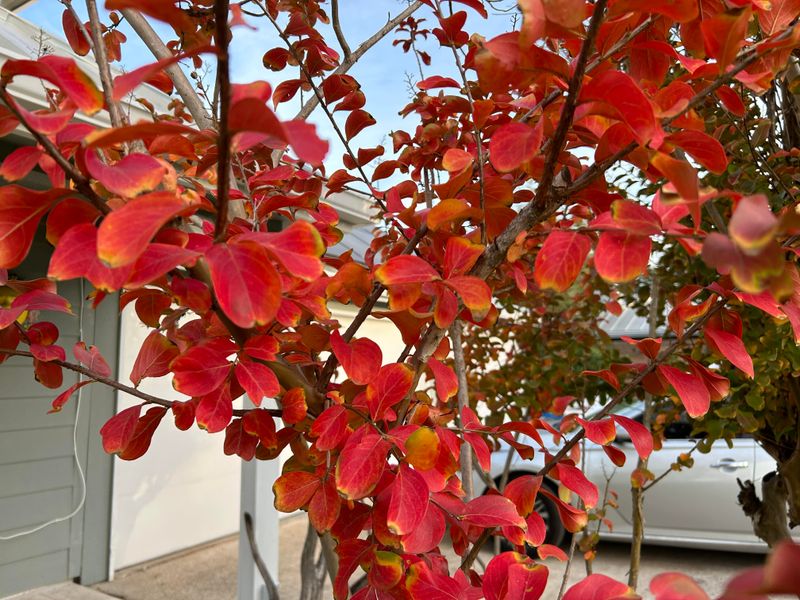
Florida does not get many maple moments, so take this one. Your crape myrtle is one of the few trees here that puts on a real fall color show.
The leaf colors often match the summer flowers in a fun way. Trees with white blooms tend to turn a sunny yellow in autumn.
Red and pink bloomers usually shift to glowing orange and deep red. Some trees mix several shades on one branch, like a sunset in leaf form.
Here is the best part about this job. You do not need any tools, fertilizer, or sprays to enjoy it.
Grab a cup of coffee and step outside in the morning light. The low sun makes the leaves look like stained glass windows.
Snap a few photos each week to track the color change. It is a neat way to learn how your tree behaves year to year.
Once the leaves drop in late fall, rake them up or toss them in the compost. They break down nicely and feed your soil later.
Fallen leaves also show off the smooth, peeling bark underneath. That bark is a winter treat that many people forget to notice.
Kids love collecting the brightest leaves for crafts. Press them in a heavy book, and you have free fall decor for the table.
2. Put Down The Pruners Until Late Winter
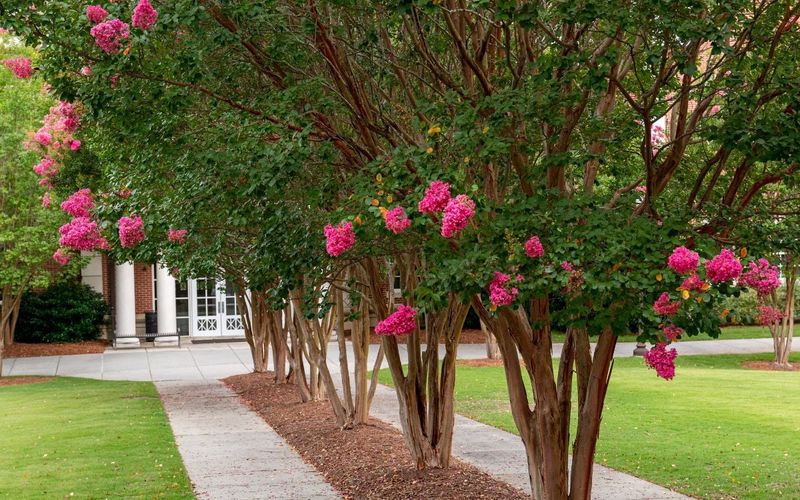
Picture your pruners taking a well earned vacation. October is their time to rest on a hook in the shed.
Cutting a crape myrtle heavily in fall can encourage new growth at the wrong time. Those fresh shoots may be tender and more vulnerable to a sudden cold snap.
North and Central Florida can still see frosty nights in winter. Fresh growth that pops out after a fall trim can get nipped and turn brown.
The tree also needs its energy stored up right now. Leaves are busy sending food down to the roots before the plant goes dormant.
So when is the right time? Most experts point to late winter or very early spring, roughly January through early March.
Your Florida Garden Changes Every Week. Your Plan Should Too.
Gardening in Florida changes quickly throughout the season. Every Friday you’ll receive a simple weekly plan showing exactly what to plant, prune, fertilize, harvest, and protect so you never miss the right timing.
By then the tree is resting and the branches are bare. You can see the shape clearly and spot crossing or rubbing limbs with ease.
Mark a reminder on your phone or kitchen calendar. Future you will be glad for the nudge when the time comes.
If a branch snaps in a storm, it is fine to clean up that break. Just make a neat cut and leave bigger shaping jobs for later.
Patience is the secret tool here. A short wait now pays off with healthier growth and better blooms next summer.
3. Leave The Seed Capsules Alone
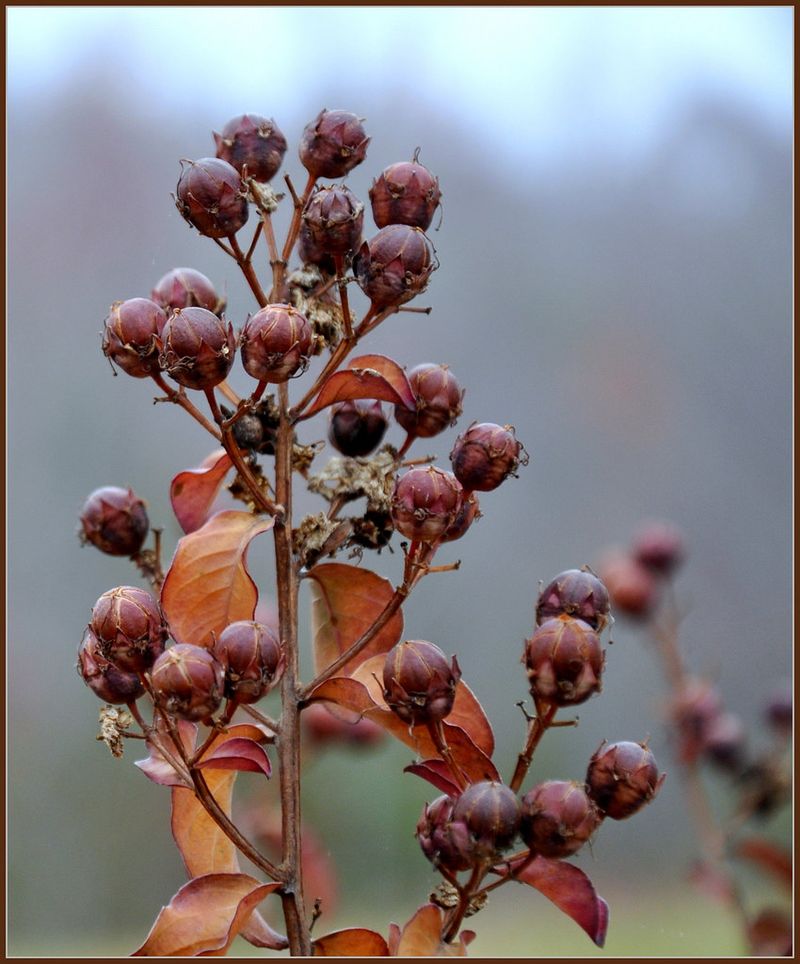
Shake a branch in October and you might hear a soft rattle. That sound comes from clusters of round seed capsules left behind by summer flowers.
These little pods can hang on all winter long. Many gardeners think they must be removed, but that is not true for plant health.
The capsules do not harm the tree at all. In fact, they add a bit of texture and interest when the branches go bare.
Some birds even pick at them during cooler months. Leaving them gives your yard a little extra wildlife action to watch.
Should you ever snip them off? Some people do it for looks, and removing spent flowers in summer may help spark another round of blooms.
By October, that rebloom window has mostly closed. So clipping pods now is mostly about style, not about helping the tree.
One thing to watch is the ground below. Seeds that fall can sprout into tiny volunteer trees in beds and cracks.
A quick sweep or rake every few weeks handles that problem. Pull any small sprouts while they are easy to grab.
Fun fact: the seeds are tiny and winged, a bit like flat confetti. The wind helps them travel farther than you might expect.
4. Never Top Your Crape Myrtle
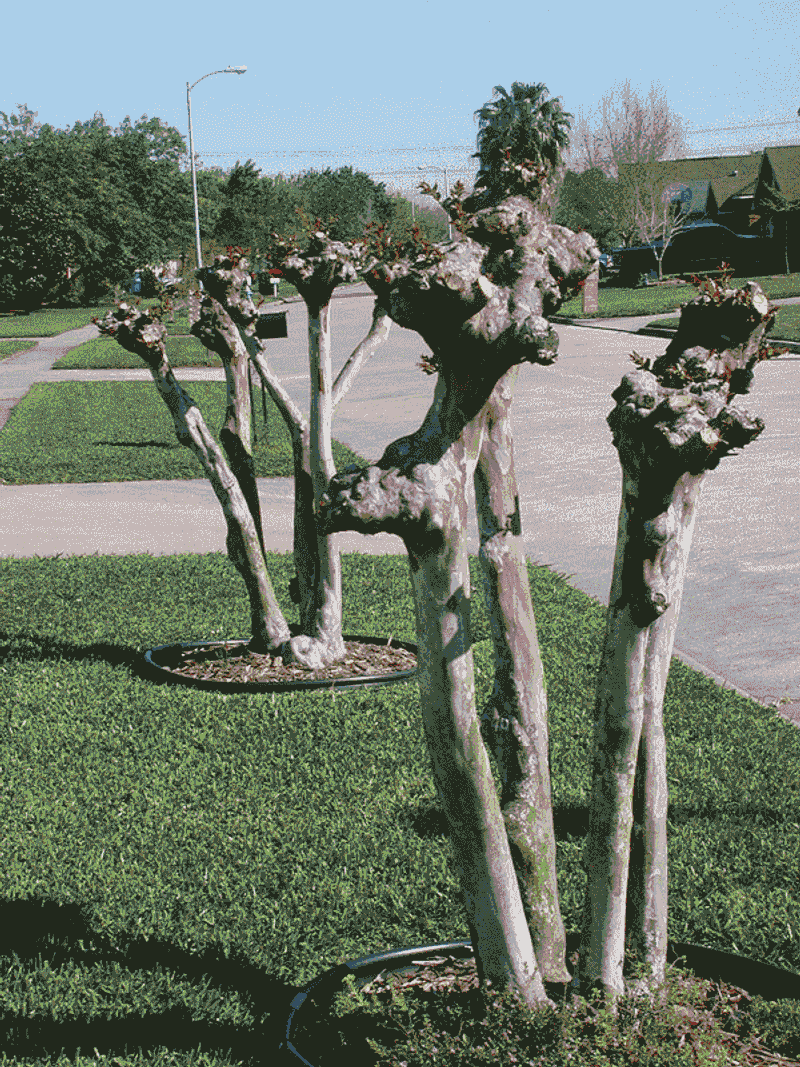
Topping crape myrtle describes chopping the whole top off a tree and leaving thick, stubby trunks.
You have probably seen these trees along roads and parking lots. They look like big fists raised to the sky every winter.
Topping might seem like an easy way to control size. Sadly, it causes far more trouble than it solves.
After a hard chop, the tree pushes out a crowd of skinny shoots. That new growth is weak and poorly attached to the old wood.
Those thin stems often bend or break under heavy flower clusters. Summer rains make the problem worse when blooms get soggy.
The tree also loses its lovely natural shape. Instead of graceful, vase like trunks, you get knobby knuckles that look worse each year.
Flowering takes a hit too. Topped trees tend to bloom later and produce fewer flowers overall.
Every big cut is also an open door for pests and decay. Over time, that can weaken the whole tree.
If a neighbor offers to top yours, politely say no thanks. A light, thoughtful trim in late winter keeps it healthy and beautiful.
5. Hard Pruning Can Delay Blooms By A Month
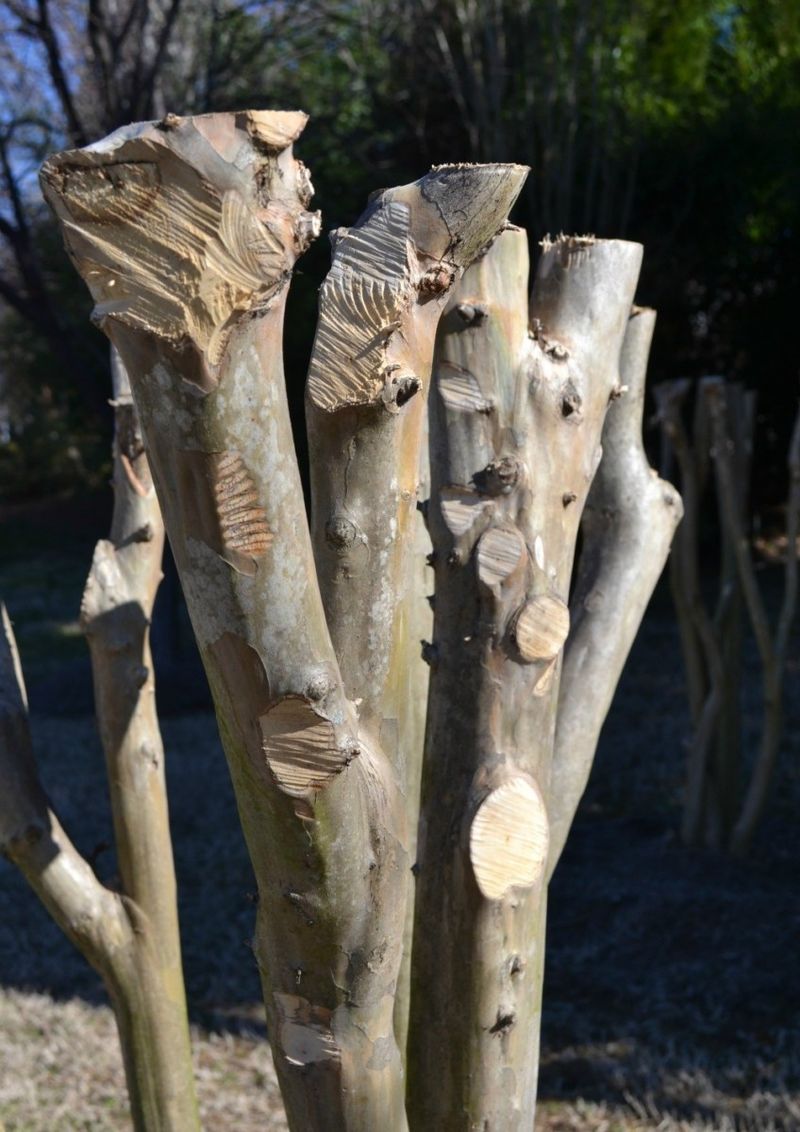
Imagine waiting all spring for pink blooms that show up late. That is often what happens after an extra heavy trim.
Crape myrtles bloom on new growth from the current season. When you cut too much, you remove the shoots that were set to carry flowers.
The tree then has to grow fresh stems before it can bloom. That extra step can push flowering back by weeks.
Topping, the harshest kind of cut, is even worse. It can push the first wave of flowers back by several weeks.
Timing matters as well as size. Pruning after spring growth has started also strips away buds that were on the way.
So what does this mean for you in October? It means today is a great day to plan, not to cut.
Walk around the tree and make a short list. Note any crossing branches, suckers at the base, or limbs rubbing a roof.
In late winter, remove only those problem pieces. Keep cuts small and limited to branches about pencil size or smaller when you can.
Your reward is a tree that blooms right on schedule. Neighbors may even ask what your secret is.
6. Big Pruning Cuts Invite Disease
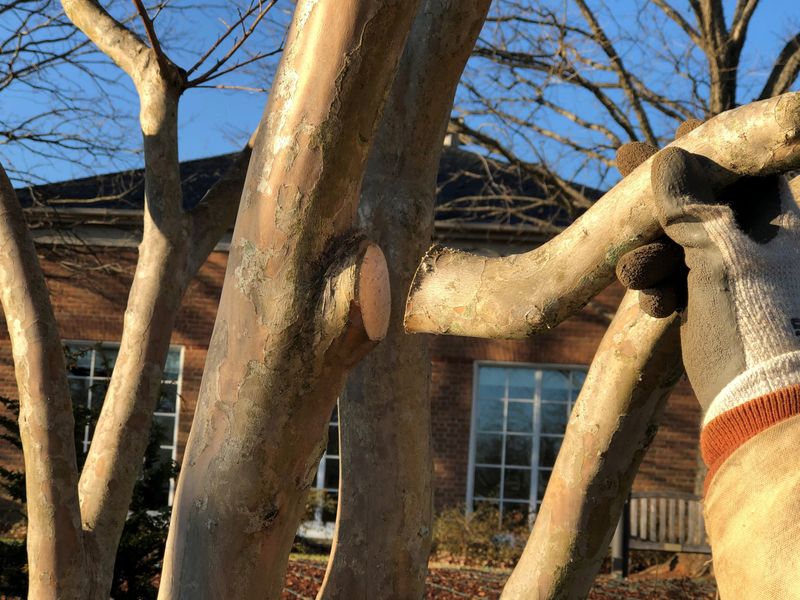
Think of a big pruning cut like a scraped knee. A small scrape heals fast, but a large one stays open much longer.
Trees work in a similar way. Large cuts leave a wide patch of exposed wood that the tree struggles to seal.
That open wood is like a welcome mat for trouble. Boring insects and wood decaying fungi can move right in.
Florida heat and humidity make things easier for these invaders. Warm, damp air helps fungi spread quickly on raw wood.
Over time, decay can creep into the trunk. This may lead to hollow spots or weak limbs that snap in storms.
The fix is simple: keep cuts small whenever possible. Thin branches heal much faster than thick ones.
When a cut is needed, make it just outside the branch collar. That is the slightly swollen ring where a branch meets a bigger limb.
Use sharp, clean tools so you get a smooth cut. Ragged, torn bark heals slowly and gives pests more places to hide.
Skip the wound paint, too. Research shows trees usually seal themselves better without it, so let nature handle the healing.
7. Check The Bark For Crapemyrtle Bark Scale
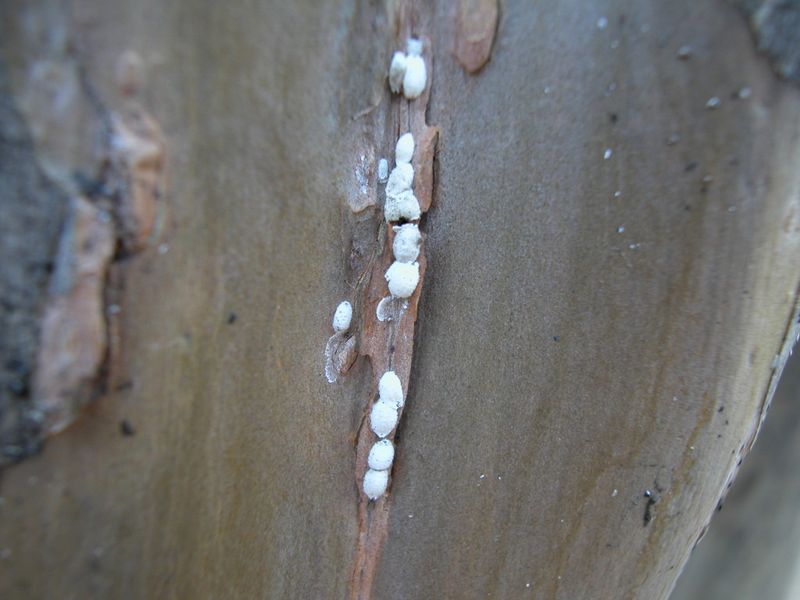
Grab a flashlight and play detective for a few minutes. October is a good time to inspect your tree for unusual insects or signs of trouble.
Crapemyrtle bark scale is a small insect that clings to bark. It shows up as white, felt like fuzz on trunks, twigs, and branches.
It has been found in parts of the United States, but it is not considered an established pest in Florida.
Look closely at bark notches and old pruning wounds. The scale loves to gather in those cozy little hiding spots.
Another big clue is black sooty mold. It coats leaves, limbs, and trunks and looks like someone dusted the tree with soot.
That mold grows on honeydew, a sticky goo the insects leave behind. If your patio furniture under the tree feels tacky, take note.
Here is a handy test. Gently press a white spot, and if it leaves a pinkish smear, you have likely found scale.
The pest is most active in warm months. Still, spotting anything that looks like bark scale gives you time to get a positive identification and check with your local county Extension office before treating the tree.
Many folks start by scrubbing reachable bark with a soft brush and soapy water. Your local county extension office can suggest next steps.
Catching it early keeps your tree healthier and your blooms brighter. A little attention now goes a long way.
8. Pull Mulch Back From The Trunk
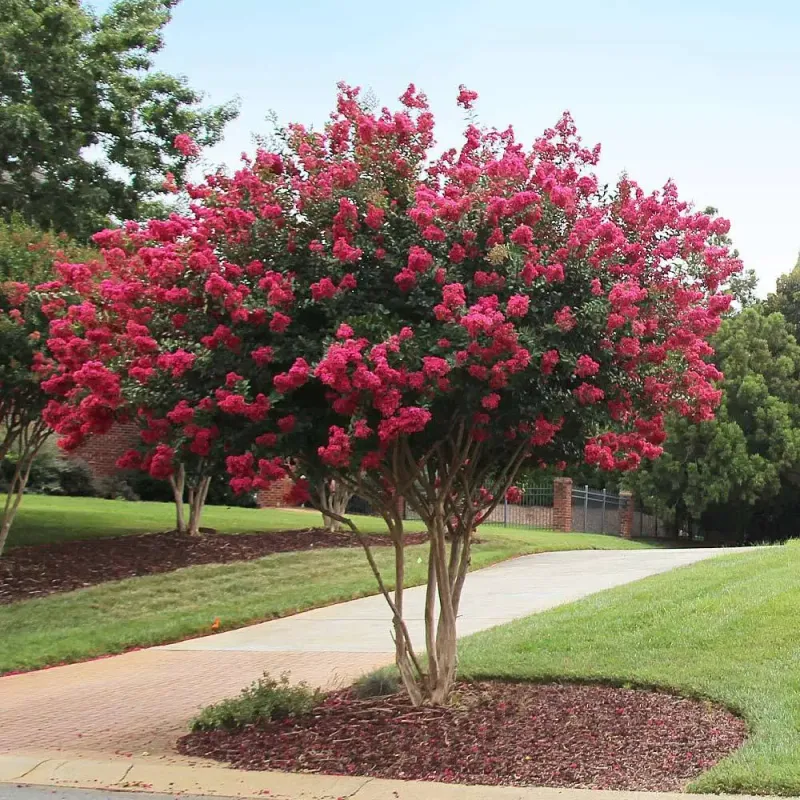
Mulch volcanoes are a sneaky landscape mistake. You see them everywhere, with mulch heaped high against the trunk like a mountain.
It may look tidy, but it causes trouble. Mulch pressed on bark holds moisture right where the tree does not want it.
Damp bark can soften and invite rot. Fungi and insects also enjoy that dark, wet hiding place.
October is a great time to fix it. Weather is cooler, so working in the yard feels much nicer.
Use your hands or a small rake to pull mulch back. Leave a gap of a few inches between the mulch and the trunk.
Aim for a donut shape instead of a volcano. The ring of mulch should sit around the tree, not on it.
Keep the layer about two to four inches deep. Pine bark, pine straw, or shredded oak leaves all work well here.
Good mulch keeps roots cooler and helps soil hold water. It also cuts down on weeds and slowly feeds the soil as it breaks down.
Bonus tip: fallen crape myrtle leaves can join the mulch ring. Just keep them away from the trunk too.
9. Plan Ahead If It Has Outgrown Its Spot
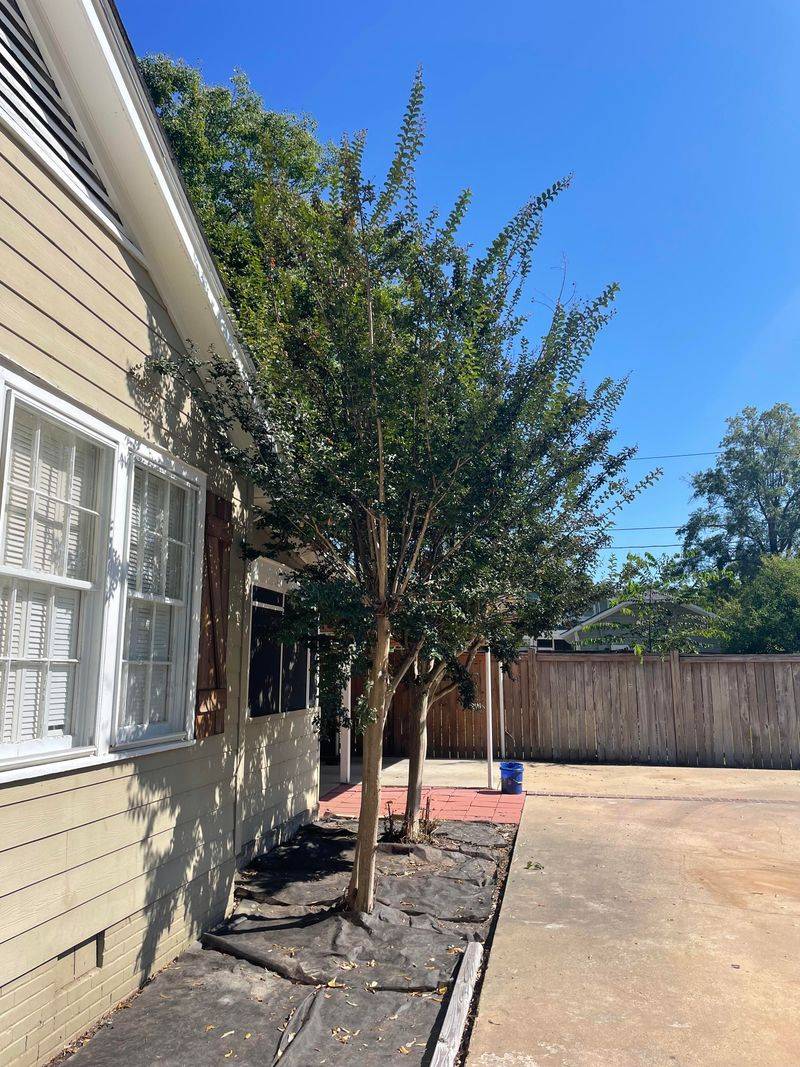
Some crape myrtles are like puppies that grow into huge dogs. That cute little tree by the window can turn into a roof scraper in a few years.
Varieties range from small shrubs to trees over twenty feet tall. Picking the wrong one for a tight space leads to a yearly battle.
If yours keeps hitting the gutters, take a breath. Hacking it back each winter is not the answer.
Severe cuts only bring weak growth and fewer blooms. The tree will just try to grow back to its natural size.
Instead, use October to think and plan. Measure the space and ask how tall and wide a tree there should really be.
One option is to relocate the tree to a roomier spot. Cooler months are a good time to move it, since the plant is less stressed.
Another choice is to replace it with a dwarf or semi-dwarf type. Many smaller cultivars stay much more compact and still put on a great show of flowers.
Check plant tags for mature height before buying. A few minutes of reading saves years of trimming.
The right tree in the right place is the easiest garden plan there is.