What To Plant This Week For A Florida Fall Pepper Harvest
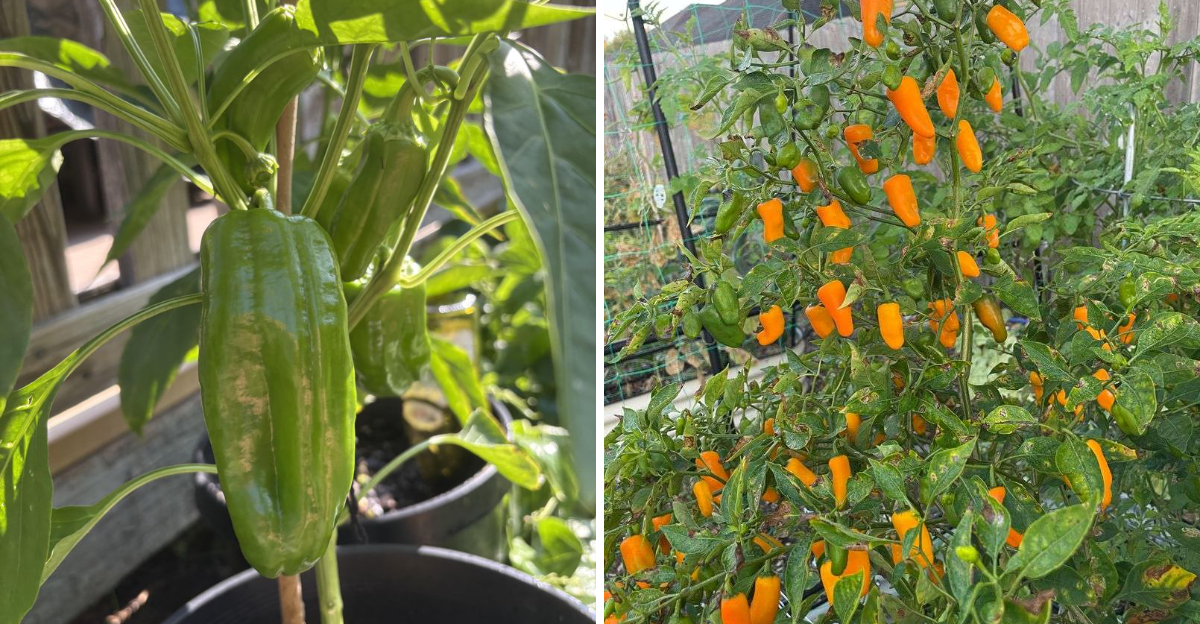
Mid-August can make a Florida vegetable bed look caught between seasons.
Summer plants may still occupy the warmest corners, afternoon storms can arrive without warning, and the soil can feel far too hot for anything associated with fall.
Yet the calendar is already opening a narrow opportunity that changes quickly from one part of the state to another.
The trick is knowing which transplants can use the remaining heat without getting trapped by it.
A choice that works near Miami may be badly timed near Tallahassee. Another may settle in now, pause through the hottest afternoons, then surge once September nights become kinder.
Variety matters too, especially when fruit size, maturity speed, and heat response determine how much harvest arrives before colder weather slows the plants.
So what deserves space in the bed this week?
The best options balance Florida timing with reliable garden performance, useful harvests, and enough flexibility to handle the awkward handoff from summer heat to the milder stretch ahead.
That window can close surprisingly fast statewide.
1. Plant California Wonder For Classic Bells
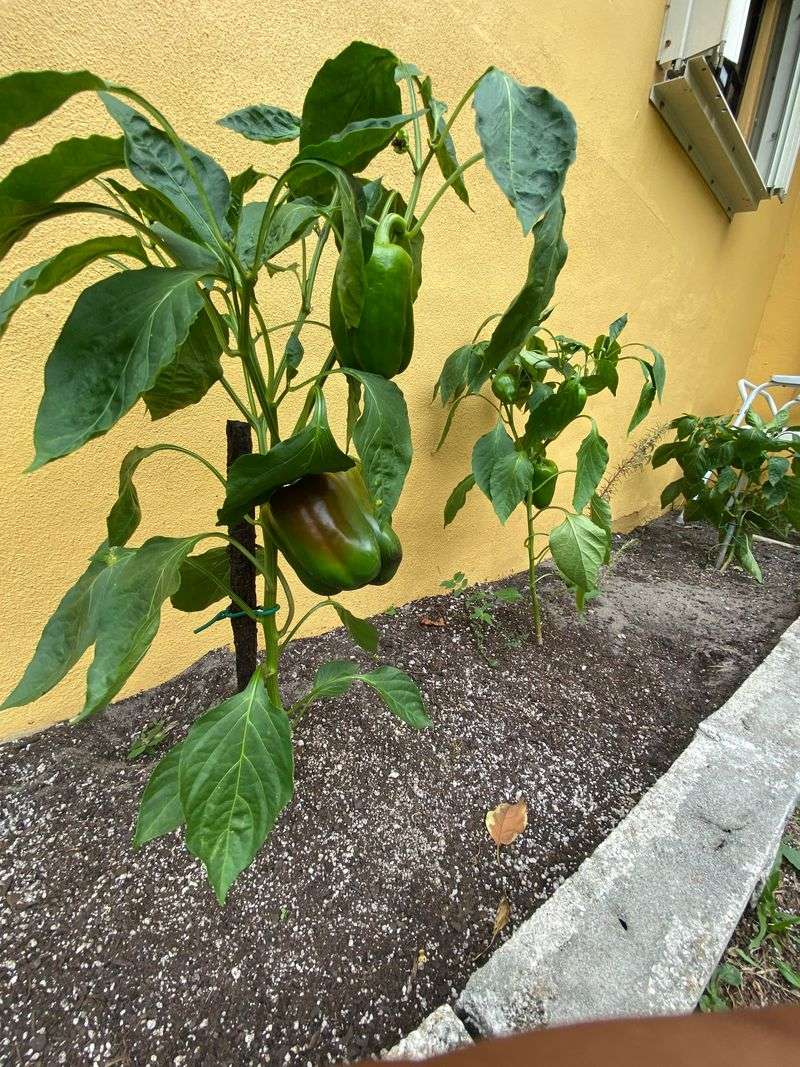
For gardeners who want a familiar blocky bell, California Wonder remains an easy place to start. It appears on Florida’s recommended garden list among the sweet pepper choices, which makes it a sensible benchmark for a fall planting rather than an experimental pick.
Mid-August timing changes with location. North Florida’s outdoor pepper window runs through August, Central Florida’s fall window spans August and September, and South Florida can plant peppers from August into winter.
Those broad windows make August 14 a legitimate planting date across the state, though North Florida has less time to waste.
Use healthy transplants rather than starting seed in the bed now. Peppers transplant readily, and the statewide guide lists about 65 to 75 days from transplanting to first harvest as a general range.
Set plants about 15 inches apart or follow the nursery tag when a selection needs more room.
Keep the root zone evenly moist as plants establish. Mulch helps slow moisture loss and moderates the hot soil surface, which matters during late-summer planting.
California Wonder is not a promise that every August flower becomes a bell. Early blossoms may struggle during the hottest stretch. The real goal is to build roots now so the plant is ready when Florida’s fall weather finally stops acting like July.
2. Grow Red Knight For Red Bell Peppers
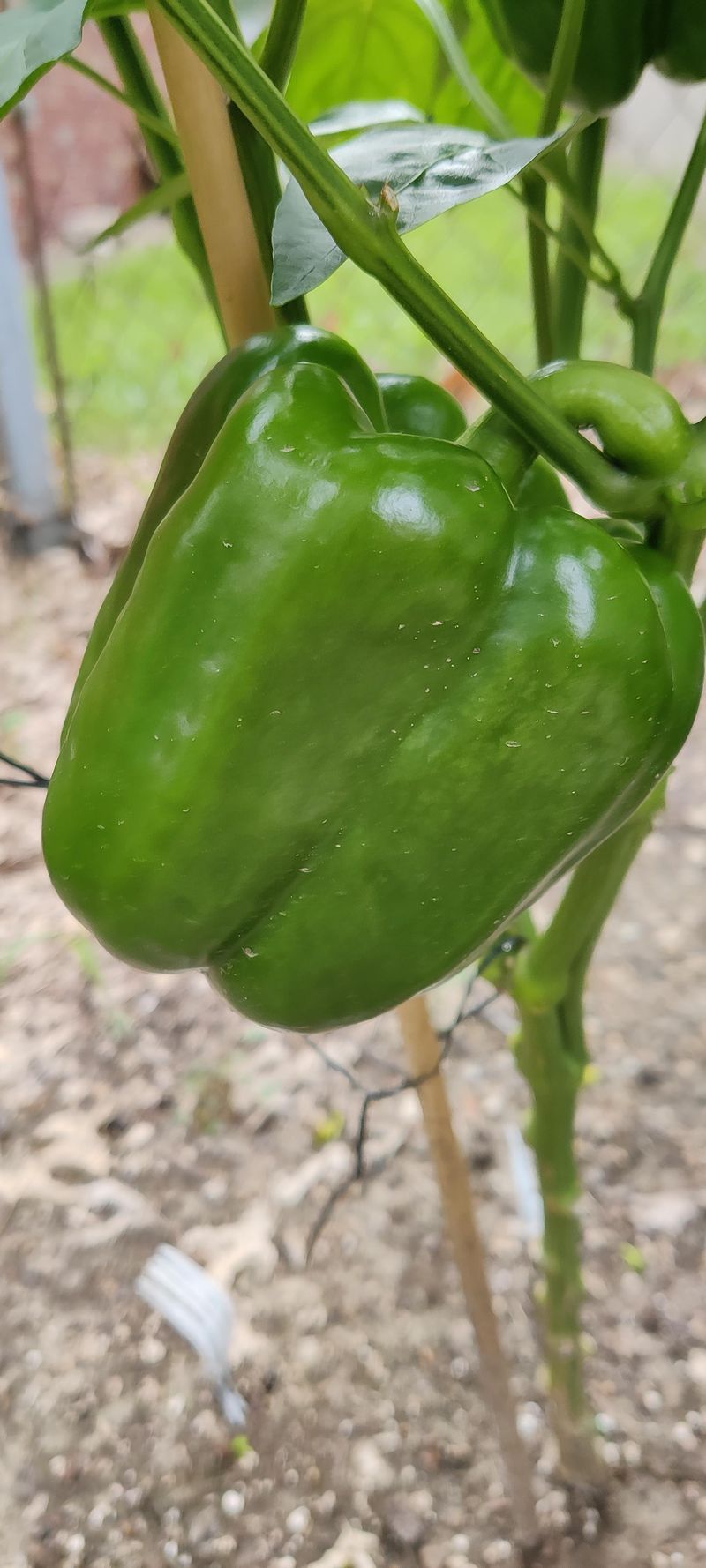
A fall pepper bed gets more interesting once some fruit stays on the plant long enough to color fully.
Red Knight is one of the sweet pepper cultivars included on Florida’s recommended garden list, giving gardeners a red-bell option with a stronger local reason for taking up bed space than an untested impulse purchase.
The first decision is not color. It is timing.
North Florida gardeners are already in the later part of their July-through-August pepper window in mid-August. Central Florida is just entering an August-through-September window, while South Florida has a much longer August-through-February season.
That makes prompt planting most important in the north.
Your Florida Garden Changes Every Week. Your Plan Should Too.
Gardening in Florida changes quickly throughout the season. Every Friday you’ll receive a simple weekly plan showing exactly what to plant, prune, fertilize, harvest, and protect so you never miss the right timing.
Give the transplant at least six hours of direct sun and well-drained, fertile soil. Florida garden guidance favors sunny sites and notes that vegetables need moisture without standing water.
Drip irrigation or another root-zone method can keep water where the plant uses it while reducing waste.
Harvesting some bells green can keep the kitchen supplied sooner. Leaving selected fruit longer allows mature color and sweeter flavor to develop, though that extra ripening time also asks more from the plant.
That is useful insurance in a fall garden. Pick some early, let others color, and avoid making every pepper wait for perfection at once. A Florida autumn can be generous, but it still keeps its own calendar.
3. Give Big Bertha Room For Big Bells
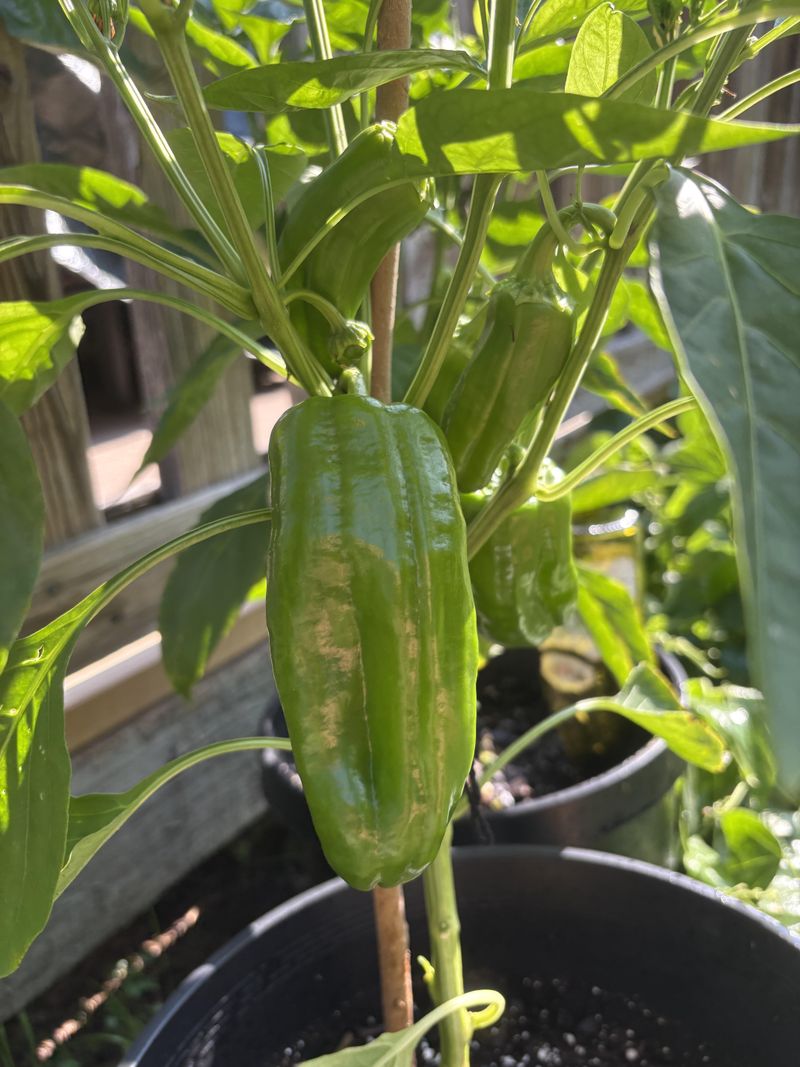
Large-fruited peppers can turn a small transplant into a top-heavy plant faster than expected.
Big Bertha is included among the recommended sweet peppers for Florida gardens, and it makes the most sense where the bed has room for support and good air movement around the canopy.
Put the stake or cage in at planting time.
Pepper plants may need support as fruit adds weight, and installing it early avoids wrestling a loaded plant later.
A simple cage or sturdy stake beside the transplant can keep stems upright through rain, irrigation, and an increasingly heavy crop.
Use the statewide spacing guidance as a starting point rather than packing plants shoulder to shoulder. The garden guide lists roughly 15 inches between pepper plants, while cultivar habit and bed access may justify a little more room.
Better airflow also makes scouting easier during Florida’s hot, pest-active late summer.
Keep moisture consistent through flowering and fruit expansion. Florida vegetables need regular soil moisture, but standing water creates a different root problem, especially after heavy storms.
Mulch can help smooth the swing between saturated soil and a rapidly drying surface.
Big Bertha earns its spot when the goal is substantial bell fruit rather than maximum plant count. Give one plant enough room to carry its crop comfortably.
A flimsy cage discovered after the branches lean is less support system and more garden apology.
4. Add Sweet Banana To The Fall Bed
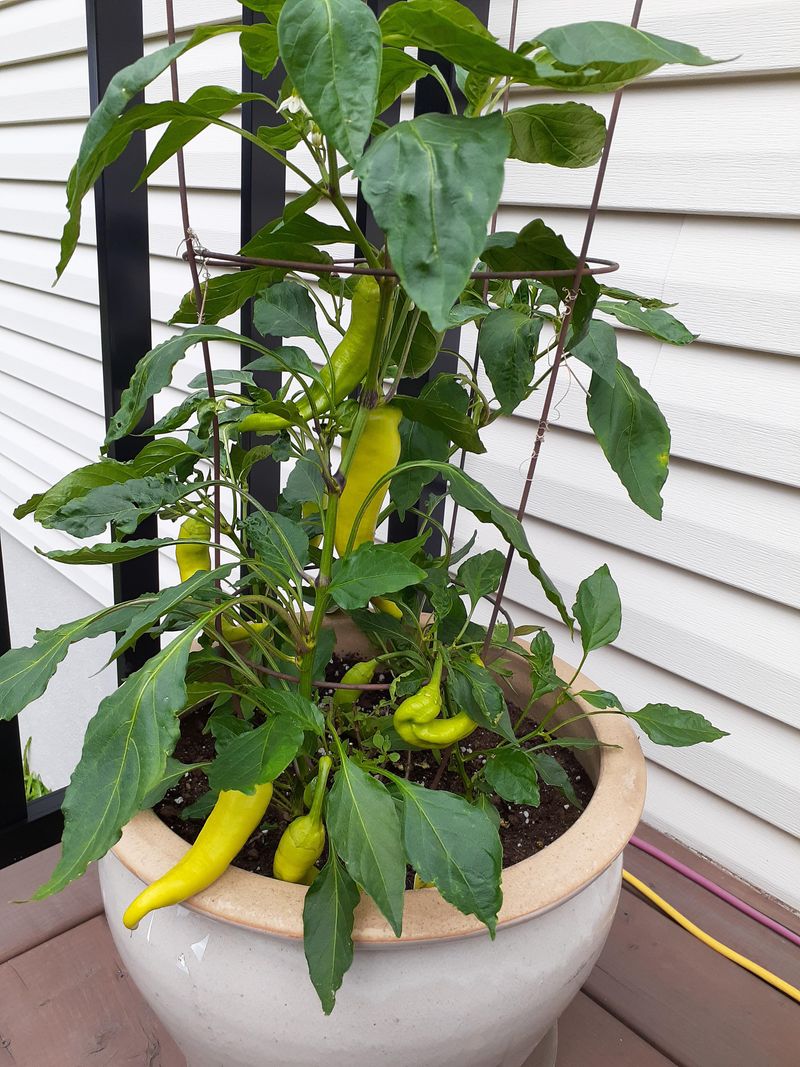
Sweet Banana brings a different harvest rhythm to the fall bed.
It is listed among sweet pepper choices recommended for Florida gardens, and its elongated fruit gives gardeners something to pick alongside blocky bells rather than waiting for every plant to reach the same stage.
August works statewide, but the urgency varies.
North Florida’s pepper window closes after August, so transplants belong in promptly. Central Florida remains within its August-through-September window.
South Florida has the broadest schedule, with outdoor pepper planting listed from August through February.
Plant in full sun with good drainage and keep the root zone moist during establishment. Mulch is especially useful around peppers because it reduces evaporation and buffers the soil surface while late-summer heat remains strong.
Sweet banana peppers can be harvested before full mature color, which gives gardeners flexibility. Picking younger fruit supplies the kitchen sooner, while leaving selected peppers longer allows color and sweetness to deepen.
Regular harvesting also keeps ripe fruit from sitting forgotten in a humid canopy.
This is a good plant for gardeners who dislike waiting for one dramatic harvest day. The crop arrives in installments.
That makes August planting feel less like gambling on a holiday basket and more like building a steady fall snack drawer, except this drawer grows outside and occasionally has aphids.
5. Try Giant Marconi For Sweet Italian Fruit
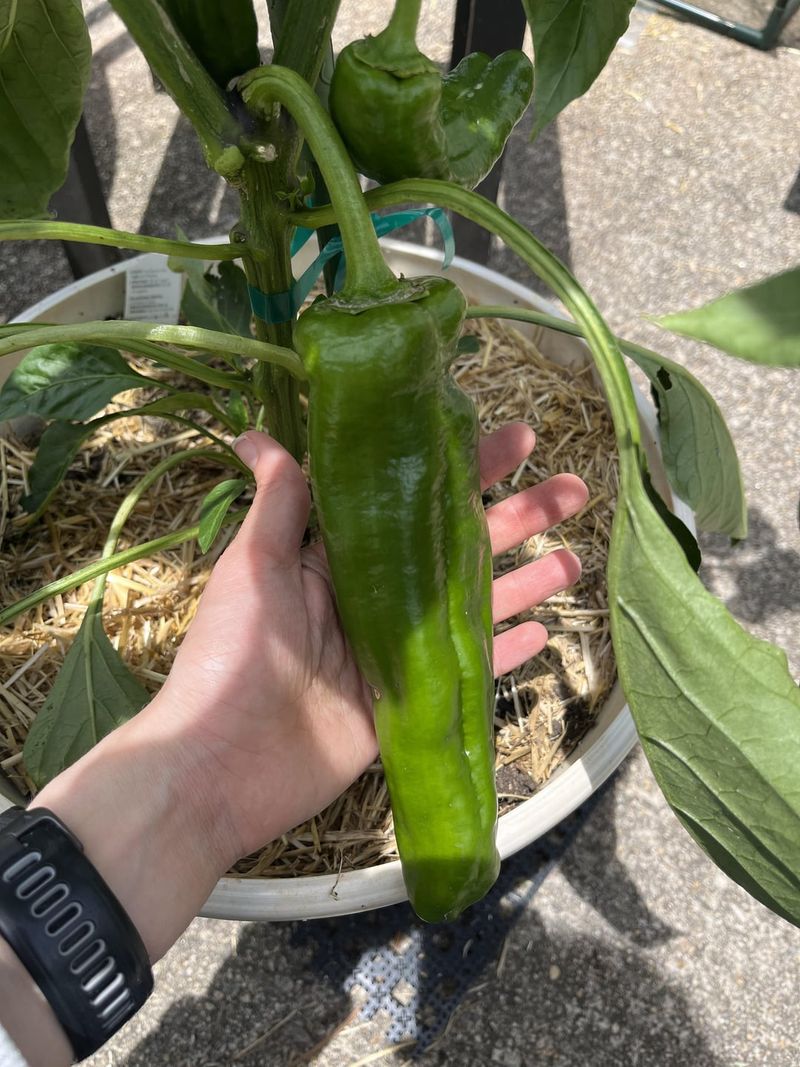
A row of bells does not have to carry the entire sweet-pepper harvest. Giant Marconi is another cultivar on Florida’s recommended list, and its long Italian-style fruit adds a different shape and kitchen use without changing the basic fall planting plan.
Start with a transplant in mid-August rather than seed outdoors.
The statewide guide notes that pepper transplants are often more successful than direct seeding, and the general first-harvest range from transplants is about 65 to 75 days.
North Florida therefore benefits most from getting established plants into the bed promptly, while Central and South Florida have a longer fall runway.
Give the plant support before fruit begins pulling branches outward. Long peppers can create leverage on soft stems, so a stake placed during transplanting is much easier than a rescue operation after a thunderstorm.
Keep fertilizer measured rather than generous.
Florida garden guidance recommends fertilizing according to soil needs and warns that some soils already contain enough phosphorus.
Light applications during the season can be used as needed, but a soil test gives better direction than feeding every pepper on habit alone.
Harvest can happen at the green stage or later after mature color develops. That flexibility gives the gardener two useful choices from the same plant.
Giant Marconi is the pepper for the cook who wants the fall bed to produce something built for roasting rather than another vegetable shaped like a lunchbox.
6. Grow Cubanelle For A Florida Favorite
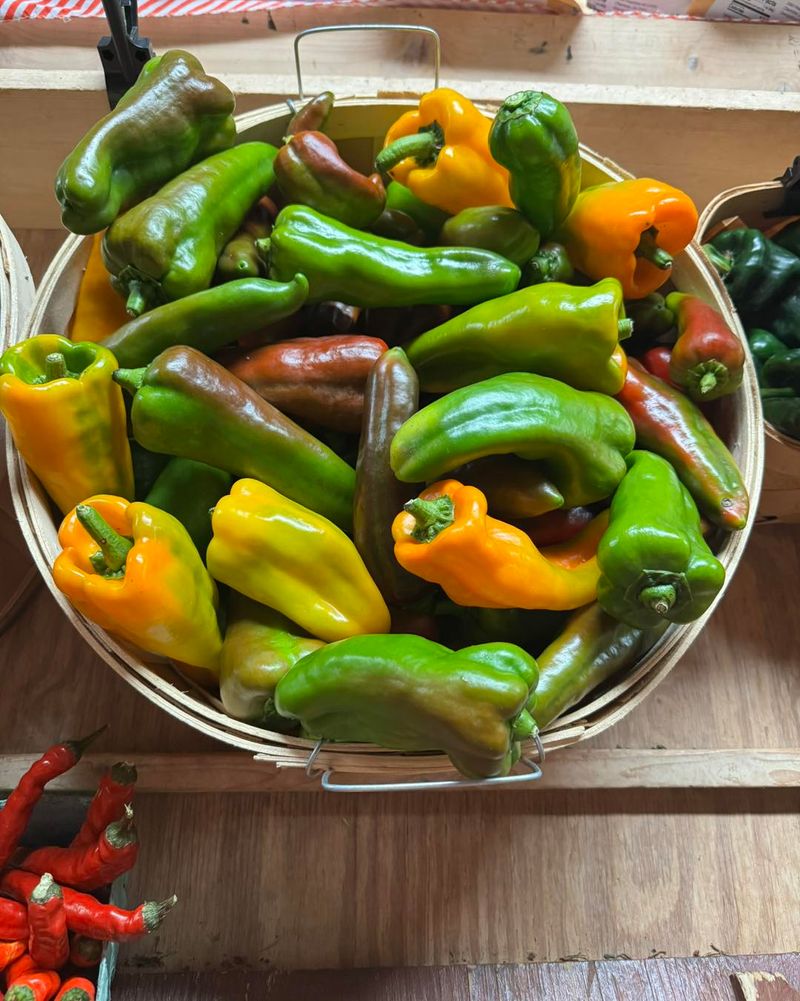
Cubanelle belongs in the conversation because it appears on Florida’s recommended sweet-pepper list and is also recognized among the specialty peppers grown successfully in the state.
Its thinner-walled, elongated fruit gives the fall bed a useful frying type beside heavier bells.
Use the regional calendar before the cultivar name.
Now, North Florida gardeners are inside the final month of the recommended fall planting window for peppers. Central Florida remains open through September, and South Florida’s outdoor window continues from August through February.
Set healthy transplants into a sunny bed with well-drained soil. The general garden guide places pepper plants about 15 inches apart and emphasizes consistent soil moisture without prolonged standing water.
Mulch can reduce evaporation and help keep the root zone more even as the season shifts.
Cubanelle fruit can be picked before full mature color for a mild, crisp cooking pepper, then left longer when a sweeter, riper flavor is wanted. That flexibility is useful during a fall season that may move faster in North Florida than farther south.
Do not assume thin walls mean a flimsy plant.
Fruit load still adds weight, and a simple stake can help keep branches out of wet soil after storms. Peppers often benefit from support as fruit develops.
Cubanelle earns space by doing a different kitchen job. Bells stuff nicely. This one heads for the skillet and rarely asks for a formal introduction.
7. Plant Early Jalapeno For A Hot Crop
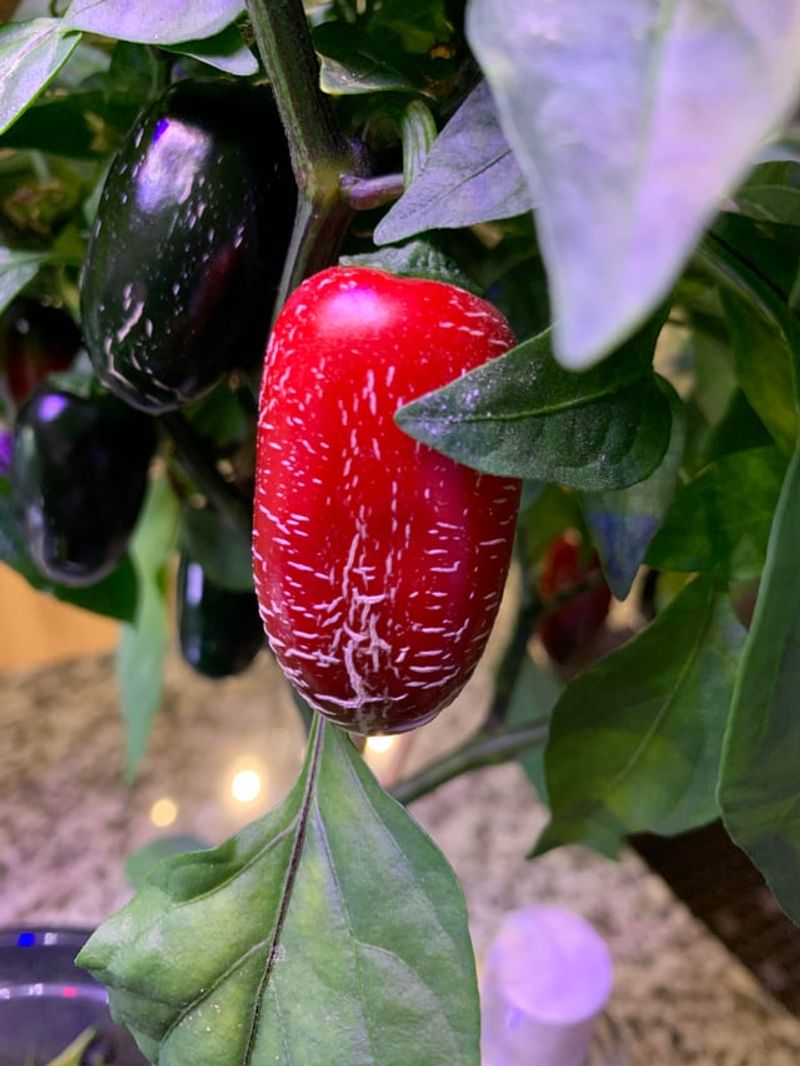
A shorter fall runway makes maturity speed especially valuable, which gives Early Jalapeno an obvious role in an August planting.
It appears among the hot pepper cultivars recommended for Florida gardens, alongside Jalapeno M and several other chile types.
Transplants are the practical choice this week.
Florida guidance notes that peppers transplant easily and that transplants are often more successful than direct seeding.
The statewide table gives a general range of about 65 to 75 days from transplanting to first harvest, though cultivar, weather, and plant condition can move that date.
Give the plant sun, good drainage, and steady moisture.
A container also works well when bed space is tight, provided the pot drains freely and has enough soil volume to keep roots from drying sharply during late-summer heat. Pepper plants prefer moist rather than saturated soil, and mulch helps conserve water in beds.
Harvest green fruit once it reaches usable size and firmness, or allow selected peppers to mature further for deeper color.
Wear gloves during kitchen prep when capsaicin contact tends to irritate your skin, and keep cut peppers away from eyes.
The cultivar’s biggest advantage is not that hot peppers are magically immune to Florida weather. They are still peppers with roots, flowers, and limits.
Early Jalapeno simply gives a late-season gardener a crop designed around a quicker finish, which is exactly the sort of friend North Florida needs in August.
8. Add Datil Pepper For Florida Flavor
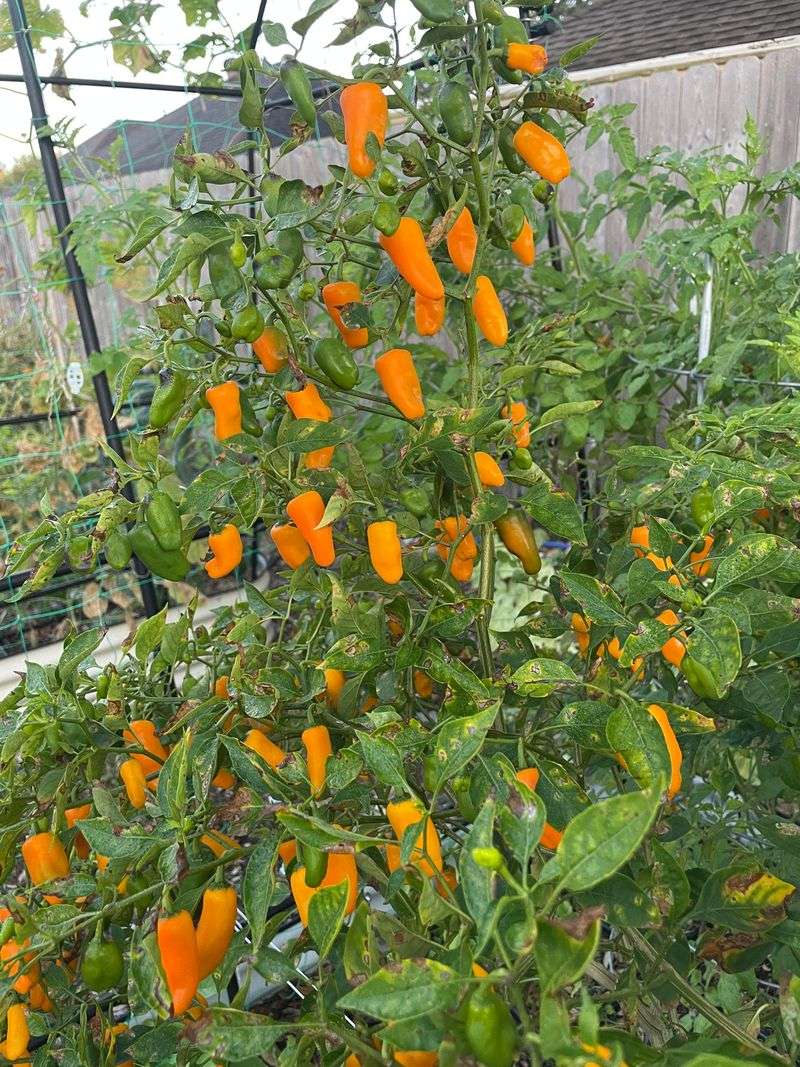
One pepper on this list carries a particularly strong Florida identity.
Datil pepper, Capsicum chinense, has a long association with Northeast Florida and St. Augustine, where its fruity heat has become part of local food traditions. It is also recognized as a Florida garden option rather than merely a novelty.
The fruit starts green and matures toward bright yellow-orange. Mature datils can reach a heat range comparable with habanero peppers, so this is not the plant for absent-minded snacking while pulling weeds.
Gloves are a sensible choice during harvest and kitchen preparation.
Datil deserves one timing distinction from the other entries.
General Florida pepper guidance supports midsummer starts for early fall planting, and the statewide outdoor pepper window includes August in every region.
Datil-specific guidance also notes that the plant can grow through Florida summer heat and commonly produces through the warmer season.
Give it well-drained soil and regular moisture. A raised bed or container can work where garden soil drains poorly or where keeping a hot pepper away from busy paths makes sense.
Datil is not simply another hot pepper added to fill the eighth slot. In a Florida fall garden, it brings place, history, and a harvest that tastes unmistakably different from a standard jalapeno.
Just label the basket. Surprise is charming in gardening. At the dinner table, 100,000-plus Scoville units deserve paperwork.