What to Put on Gravel in Arizona to Help Prevent Winter Annual Weeds
Rock yards are supposed to be easy, yet green fuzz keeps popping up between the stones every winter. The trouble is that not all weeds grow at the same time, so one product on one day cannot fix everything.
A little planning in the fall can make a real difference for low-desert yards. Here is how to match your plan to the weeds you actually have.
Which weed season are you targeting?
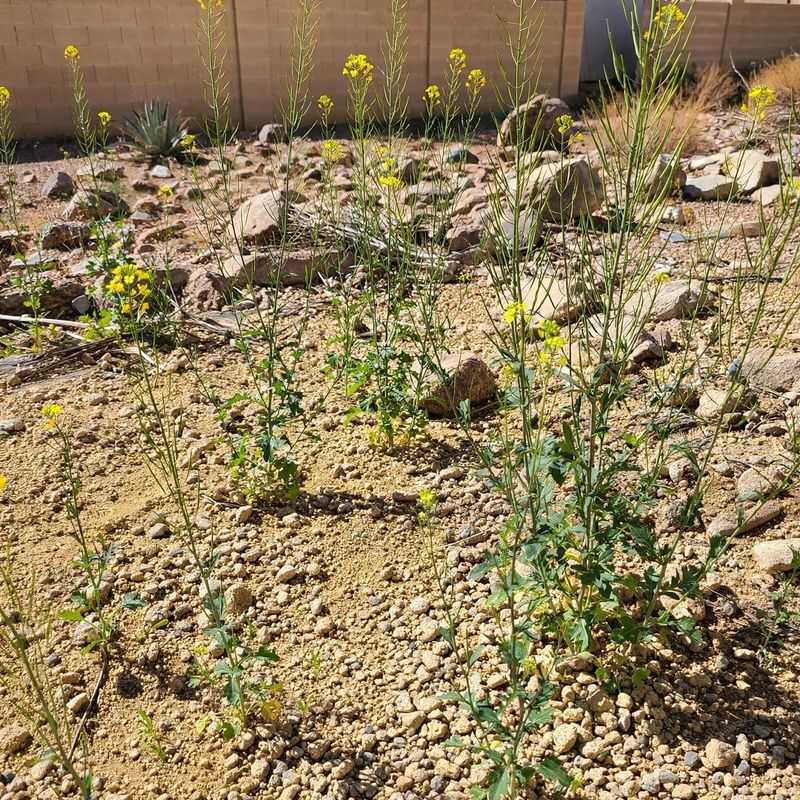
Ask five neighbors what a spring weed is and you may get five answers. Some weeds sprout in the cool months and are already green when spring arrives.
Others wait for warm soil and show up later.
Arizona Extension guidance separates these groups. Cool-season annuals grow through winter and are handled with a fall treatment.
Warm-season annuals have their own early-spring treatment window.
That split is why one application now cannot cover every weed you might see in spring. A fall product may help prevent winter annuals, but it is not a catch-all.
Stinknet is one example, and University of Arizona stinknet guidance points to fall timing before the rains and before germination.
Timing also shifts with the weed, your elevation, and local weather. Take a look at what grew in your gravel last year and note when it showed up.
That simple record tells you which season to plan around.
Remove existing weeds before preventing new ones
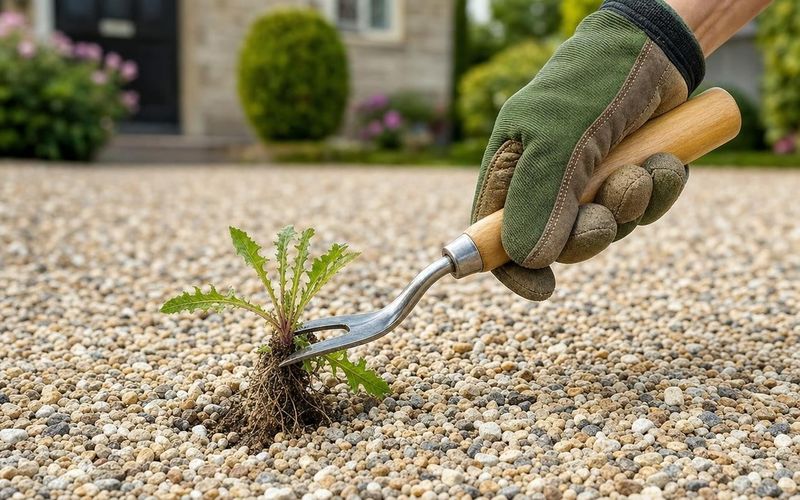
Clear the ground first. A pre-emergent works on seeds that are just sprouting, so plants already up and growing will keep right on growing underneath it.
Pull or hoe the weeds you see, and get annuals out before they set seed. Every seed head left behind is a head start for next season.
Arizona backyard gardener guidance notes the limits of pre-emergents on established plants.
Perennial weeds are a different problem. Plants with deep roots or runners, like bermudagrass, may need a separate management plan, and pulling the top growth alone often is not enough.
If only a few weeds are present, hand removal is a practical choice. Extension weed management notes describe manual removal as workable for low weed populations.
Bag the pulled weeds so seeds do not scatter back onto the rock.
For winter annuals, consider treatment before fall rains
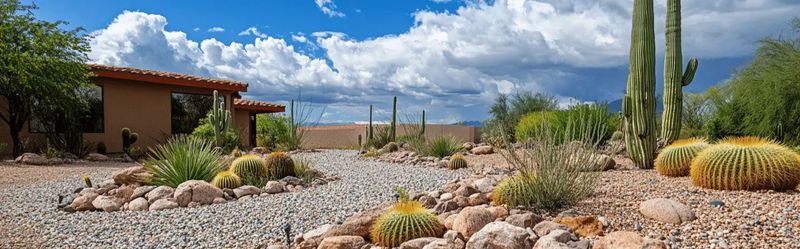
Once the gravel is clear, homeowners targeting winter annuals can consider a pre-emergent labeled for their site. The goal is to get it down before the relevant rains and before the seeds germinate.
The product acts on germinating seedlings. It does not help with weeds that are already up, which is why the clearing step comes first.
In the low desert, October is a typical timing guide, and an older Arizona Extension publication uses it alongside March for spring. It is a guide, not a promise.
Your weed, your elevation, and your fall weather can all move the date.
Watch the forecast. Stinknet guidance ties treatment to the time before fall rains trigger germination.
If seedlings are already showing, you have missed the window for that batch and should pull them instead.
Your Arizona Garden Changes Every Week. Your Plan Should Too.
Gardening in Arizona changes quickly throughout the season. Every Friday you’ll receive a simple weekly plan showing exactly what to plant, prune, fertilize, harvest, and protect so you never miss the right timing.
Choose a product by its label and site
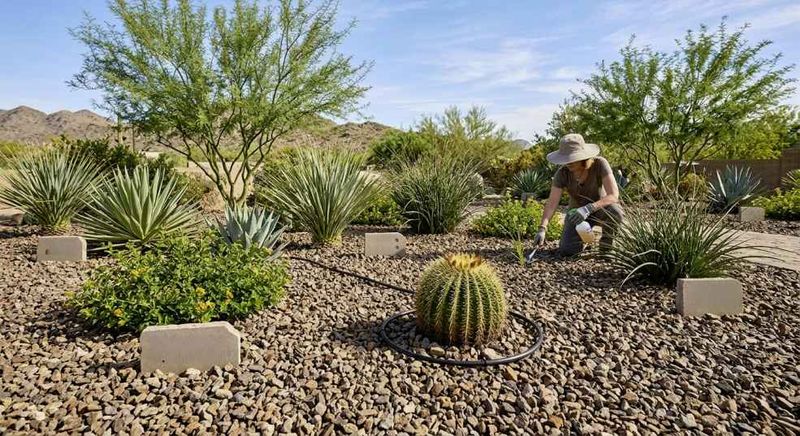
The words weed preventer on the front of a bag tell you very little. The label is what counts.
It lists the sites where the product may be used, the weeds it targets, and the rate to apply.
Follow the safety directions too, such as gloves or keeping pets and kids off the area. Many products also need water to work.
Rainfall or irrigation carries them into the zone where seeds germinate, and the label explains how much is needed. See also the University of Arizona product cautions.
Not every pre-emergent is safe near every plant, and some can interfere with desirable seedlings. If you want wildflowers to come up from seed, skip treating that spot.
Around trees, shrubs, and ornamentals, check that the label allows use near them. Arizona guidance on decomposed granite weed control also stresses reading directions before you spread anything.
Keep fine soil from building up in the gravel
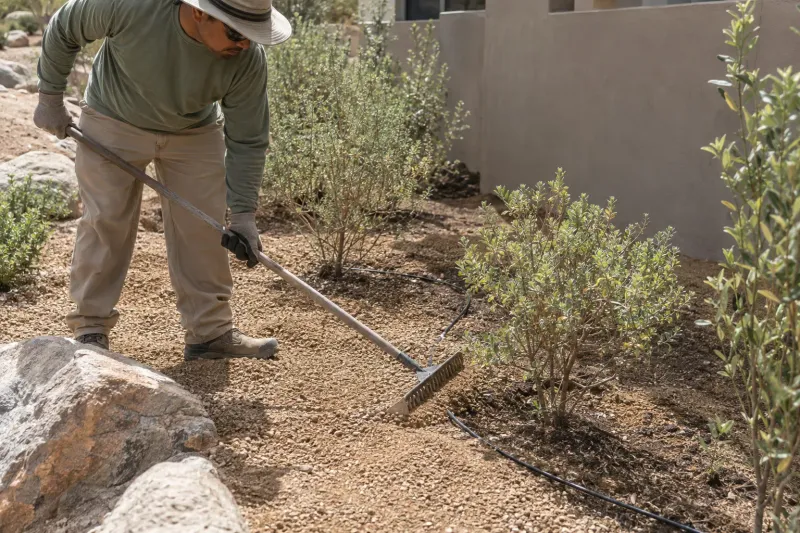
Wind and water carry dust into rock beds all year. Leaves, dirt, and dropped seed pods settle between the stones and make a small seedbed right on the surface.
Regular raking helps. Cornell turf and landscape weed guidance lists raking as a way to limit soil buildup and weed establishment in gravel.
Pick up debris after windstorms and clear dropped plant litter before it breaks down into soil.
Landscape fabric under the rock does not change this. Soil that gathers above the fabric can support weeds, and Arizona Extension makes the same point.
Their roots can even grip the fabric itself.
Think of raking as upkeep, not a replacement for good timing. A tidy surface gives fewer places for seeds to take hold, but it will not stop every one.
Warm-season annuals have a separate spring window
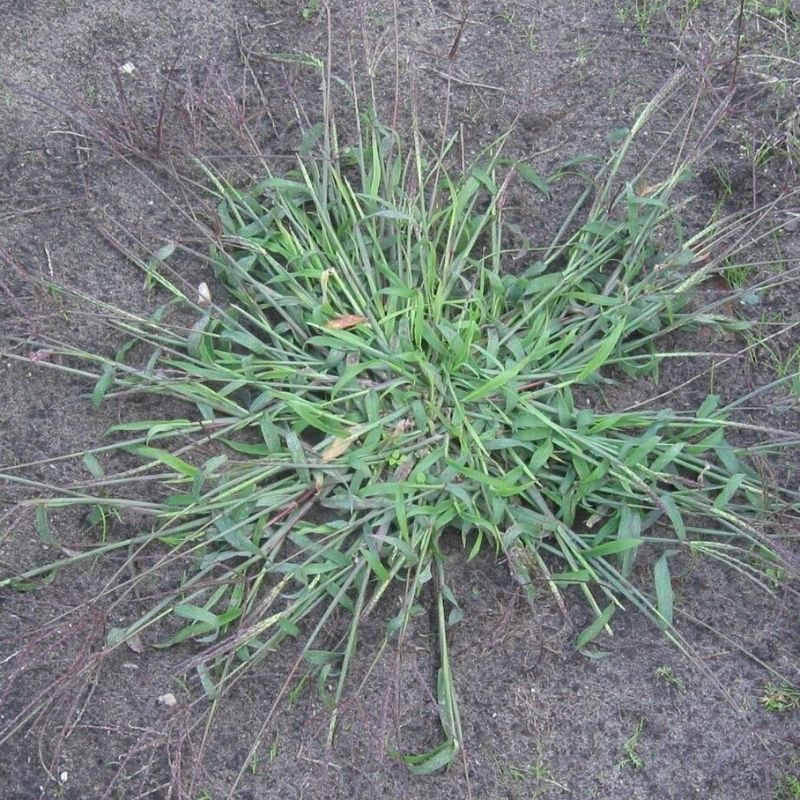
Spring has its own job list. Weeds that thrive in summer heat, called warm-season annuals, sprout when the soil warms up, and a fall product is not meant to cover them.
Arizona Extension weed guidance describes a separate early-spring treatment for these weeds. March is the typical low-desert guide, as noted in an older Arizona publication.
Treat that month as a starting point. Warm soil, spring rains, and your part of the desert all change when seeds wake up.
Phoenix and higher-elevation areas can differ by weeks.
A useful habit is to jot down the date when you first spot summer weeds each year. Next season, plan to treat before that date, and read the label for the weeds it covers.
Pull any seedlings that beat you to it.
Expect to monitor and manage new growth
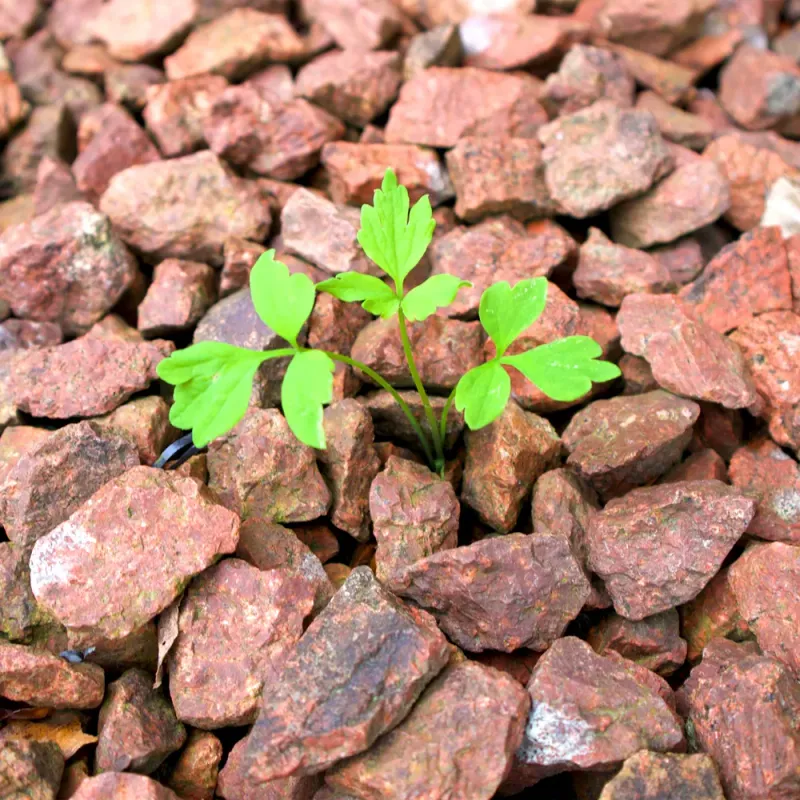
Even a well-timed plan leaves some work. Seeds do not all sprout at once, and some weeds come up in waves.
University of Arizona guidance says stinknet may germinate in staggered flushes and need repeat management.
New seeds also blow in and settle into debris on top of the rock or fabric. A quick walk through the yard every couple of weeks lets you catch trouble while it is small.
If you would rather skip herbicides, hand-pull young weeds before they set seed. Arizona Extension also advises against soil sterilants, which can hold back plant growth for years and harm nearby plants.
Pairing quick pulls with raking, as Cornell guidance suggests, keeps the surface clean.
A rock yard stays low-maintenance, not no-maintenance. Ten minutes of attention now beats an afternoon of pulling later.