The Best Evergreen Native Trees For Year-Round Texas Privacy
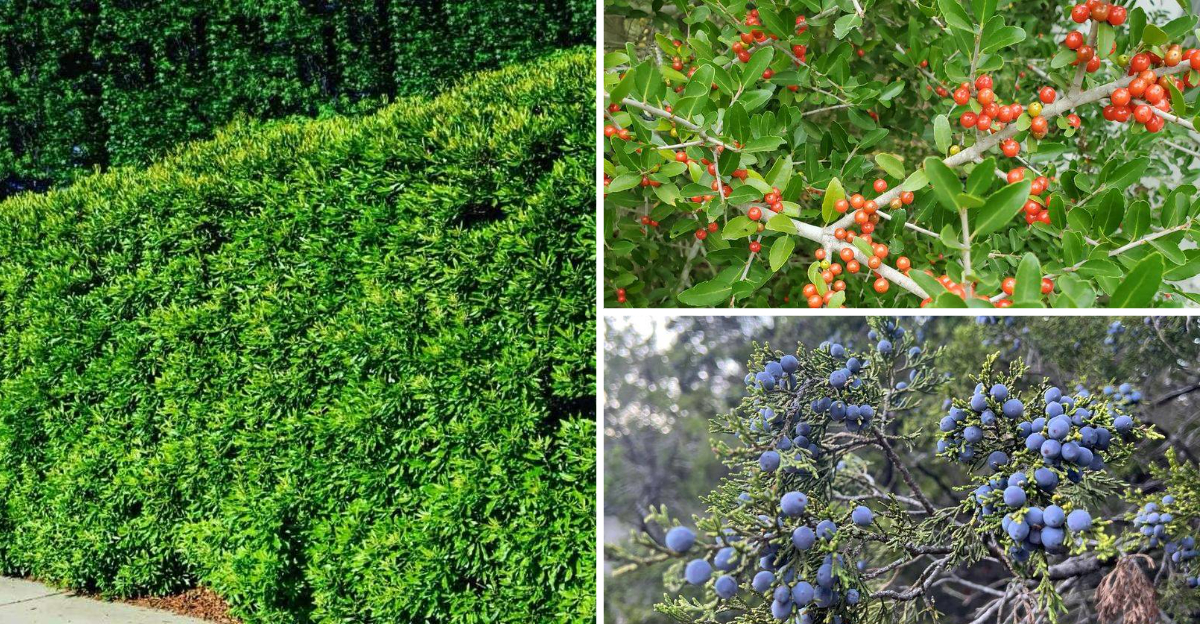
New neighbors move in, and suddenly your backyard feels like a stage with the curtain stuck open. A wooden fence helps, but eight feet of pickets only hides so much.
Something taller, softer, and greener handles the job better, and it keeps working in July heat and January wind alike. The trick is picking plants that were already thriving here long before anyone laid out a subdivision.
Texas ground swings from sticky black clay to limestone that can bend a shovel, so the smart choice depends on your zip code. Water bills matter too, and locally adapted options tend to sip rather than guzzle.
What follows is a practical lineup of eight leafy screens that hold their color through all four seasons. Bring a tape measure, because spacing is where most privacy plans quietly go sideways.
1. Eastern Red Cedar Fast Dense Screening
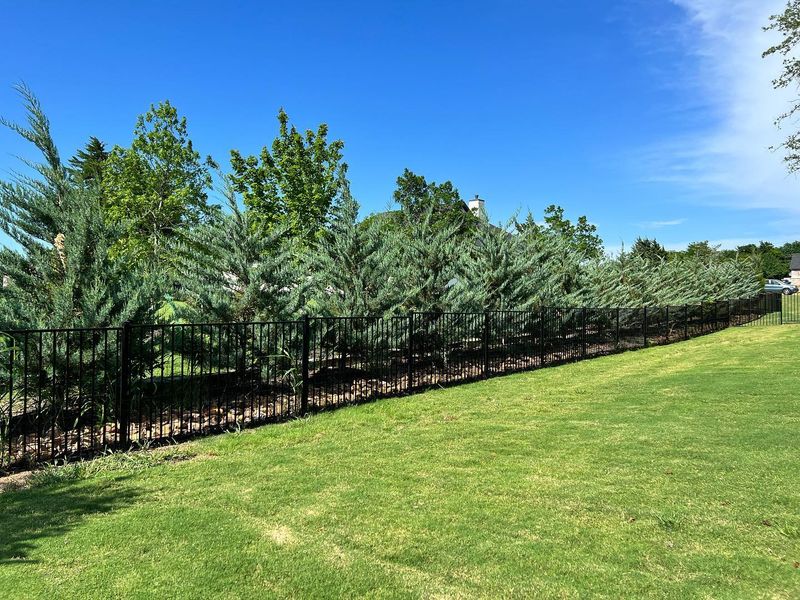
Drive almost any Texas back road in winter and you will notice dark green spires holding their color while everything around them looks bare. That reliable silhouette belongs to a tree settlers once used for fence posts, cedar chests, and farmstead windbreaks.
Eastern red cedar is technically a juniper, and it grows across the eastern half of the state with very little fuss. Give it full sun and average soil, and it climbs one to two feet a year.
Mature height often lands between twenty and forty feet, with a spread wide enough to block a neighbor’s second-story window. Spacing matters more than most people realize.
Plant them eight to ten feet apart for a solid wall, or twelve feet apart if you want each tree to keep its natural cone shape. Slightly wider spacing helps air move through, which cuts down on branch tip fungus during humid springs.
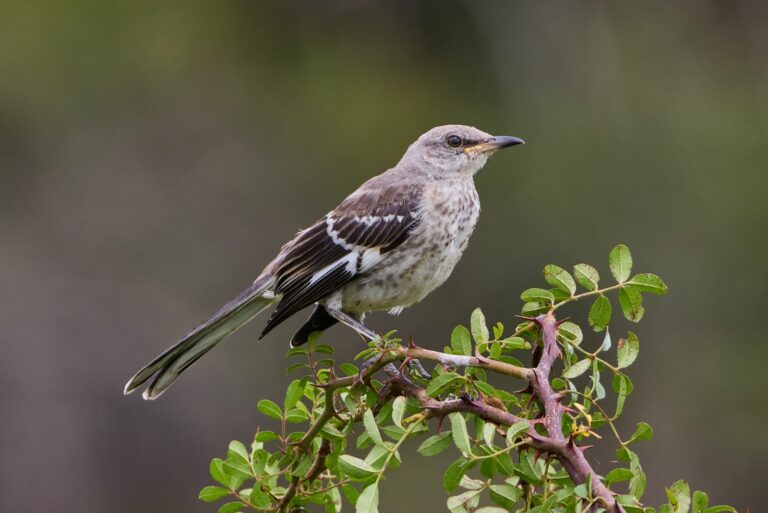
Female trees carry frosty blue berries that cedar waxwings and mockingbirds treat like a buffet. Male trees release pollen each winter, so ask the nursery which one you are buying.
Water deeply once a week for the first two summers, then step back and let the tree handle drought on its own. Avoid shearing the sides flat, since juniper foliage regrows slowly from bare wood.
A light hand with the pruners keeps the screen thick from the ground up for decades. Deer usually browse elsewhere, which is another quiet win for rural yards.
Its dense branching also blocks winter wind, which is why ranchers once lined pastures with it as a living windbreak. Songbirds use the thick interior branches for winter roosting, tucking in out of sight from hawks.
2. Ashe Juniper Rugged Hill Country Cover
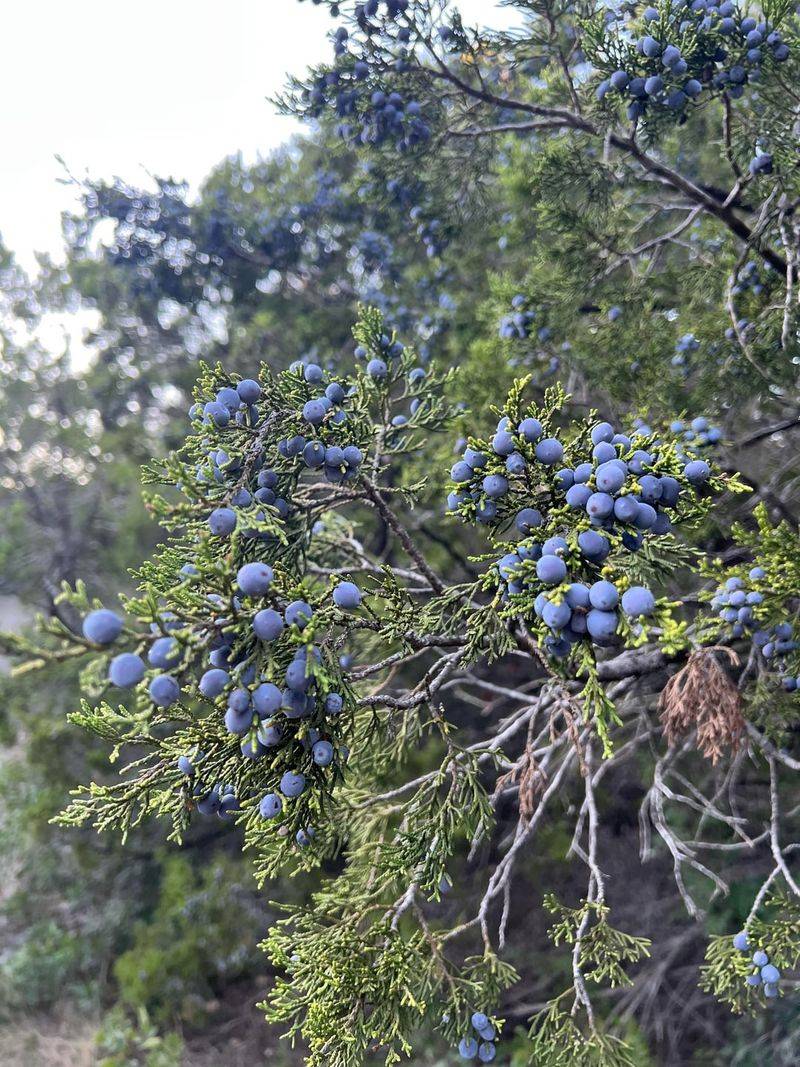
Hill Country locals call it mountain cedar, sometimes with a grumble, but this shaggy native holds thin limestone soil together like nothing else. Its bark peels in long strips that golden-cheeked warblers weave into their nests.
Ashe juniper grows as a multi-trunked small tree, usually reaching fifteen to thirty feet with a rounded, bushy outline. Branches often start right at ground level, which is exactly what you want when the goal is hiding a road or a fence line.
Your Texas Garden Changes Every Week. Your Plan Should Too.
Gardening in Texas changes quickly throughout the season. Every Friday you’ll receive a simple weekly plan showing exactly what to plant, prune, fertilize, harvest, and protect so you never miss the right timing.
Rocky, alkaline ground that defeats other trees suits it fine. Once roots settle in, extra water becomes optional in all but the harshest summers.
Growth runs moderate, so buying five-gallon or fifteen-gallon plants speeds up your screen considerably. Plant six to eight feet apart in a staggered double row for a screen that feels natural rather than perfectly uniform.
Mulch the root zone with a few inches of shredded hardwood and keep it pulled back from the trunk. One honest heads-up: male plants shed heavy pollen in late December and January, which triggers what locals nickname cedar fever.
Female plants produce blue-gray berries instead, feeding foxes, raccoons, and dozens of bird species through winter. Resist the urge to strip the lower limbs for a tidy look, because those branches are the privacy part.
Trim only broken or crossing wood, ideally in late winter. Handled this way, a young row can screen a view in five or six years and keep doing it for a lifetime.
Its extensive root system also helps stabilize thin Hill Country slopes, which is part of why crews often leave a buffer strip along creeks when clearing. Fence posts cut from mature trunks were prized by early settlers for resisting rot in the ground for decades.
3. Yaupon Holly Berry-Filled Privacy Hedges
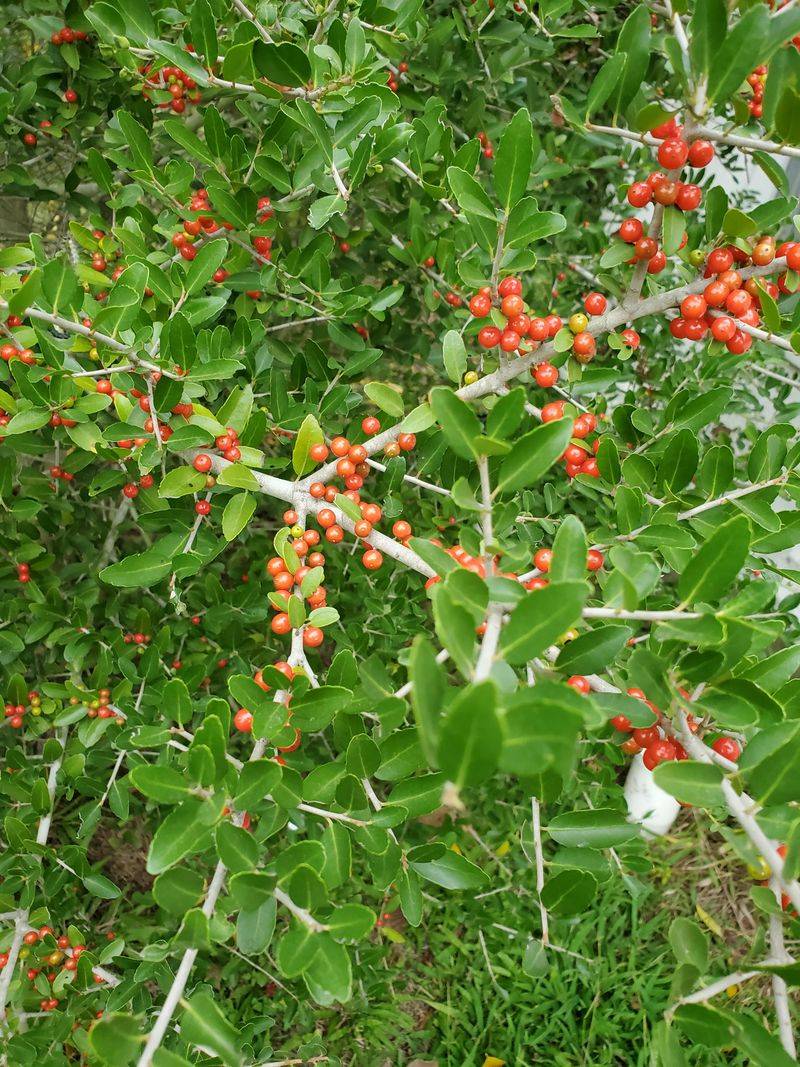
Native peoples brewed the leaves of this holly into a caffeinated tea long before coffee reached the Gulf Coast. Botanists later handed it an unfortunate species name, but the plant itself is a gem.
Yaupon holly grows as a shrubby small tree, typically twelve to twenty-five feet tall and nearly as wide when left alone. Tiny leathery leaves stay glossy green through January, and female plants glow with red berries that cardinals strip by February.
Sun or part shade both work, and it tolerates soggy clay as well as sandy ground. Salt spray near the coast barely bothers it.
That flexibility makes it one of the safer privacy picks for the eastern two-thirds of Texas. Space plants five to seven feet apart for a hedge you can hold at eight or ten feet, or ten feet apart for tree form.
Prune in late winter before new growth pushes, and it responds by thickening rather than sulking. Watch for suckers at the base if you want a clean trunk, since yaupon happily sends up fresh shoots.
Some gardeners let those shoots fill in for extra density right at ground level. For faster coverage, look for named selections such as Pride of Houston, which grows upright and berries heavily.
Weeping forms look lovely but screen poorly, so read the tag twice. Give young plants a soaker hose once weekly through the first summer. After that, rainfall usually carries them, and deer tend to nibble only lightly.
Dwarf selections such as Nana stay under three feet and work well as a low border rather than a full screen. If harvesting leaves for tea, pick young spring growth, since fresh leaves taste noticeably more bitter than dried ones.
4. Wax Myrtle Quick Fragrant Screens

Crush a leaf between your fingers and you get a spicy bayberry scent that colonial candlemakers once boiled out of the waxy berries. Southern wax myrtle carries that fragrance and grows quickly enough to make impatient gardeners smile.
Expect twelve to twenty feet in height, sometimes more, with olive-green foliage that holds through winter across most of the state. Growth of three feet a year is common when moisture is decent.
Where it truly shines is wet ground. Low corners of the yard that stay soggy after storms are welcome territory, though it also handles sandy dry soil once established.
Plant five to six feet apart for a hedge, or eight feet apart if you plan to let it become a small multi-trunked tree. A staggered double row fills gaps faster along a busy street.
Roots partner with bacteria that pull nitrogen from the air, so heavy feeding is unnecessary. One spring scattering of compost is plenty.
Hard freezes in North Texas can brown the foliage on young plants, and severe cold may knock them back toward the roots.
They usually resprout with vigor, but gardeners north of Dallas should site them beside a warm wall or choose a hardier option.
Shear lightly in early spring for a formal look, or leave the branches loose and airy for a softer screen. Trim suckers only if you dislike the thicket habit.
Yellow-rumped warblers feast on the gray berries, and the plant shrugs off salt wind near the coast.
Dense wax myrtle thickets give small birds a safe place to nest away from cats and hawks. Coastal gardeners often pair it with yaupon holly for a mixed screen.
5. Texas Mountain Laurel Compact Scented Barriers
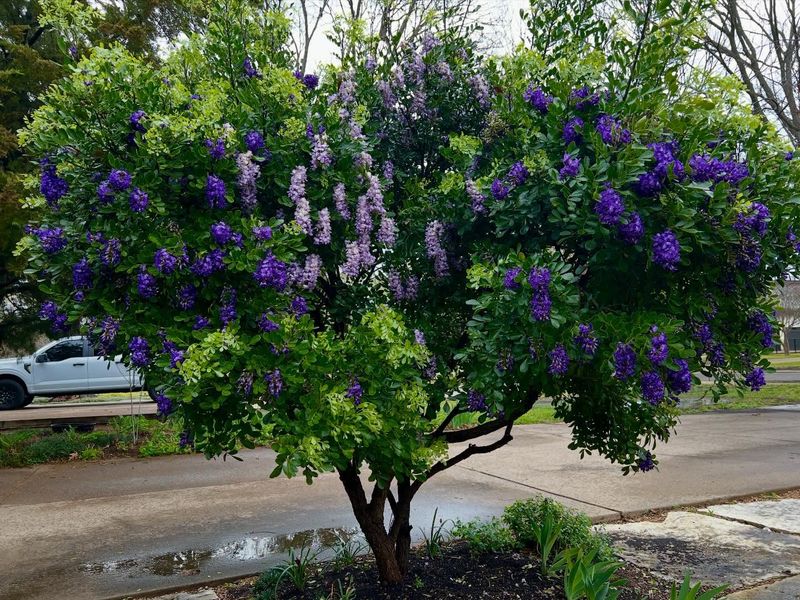
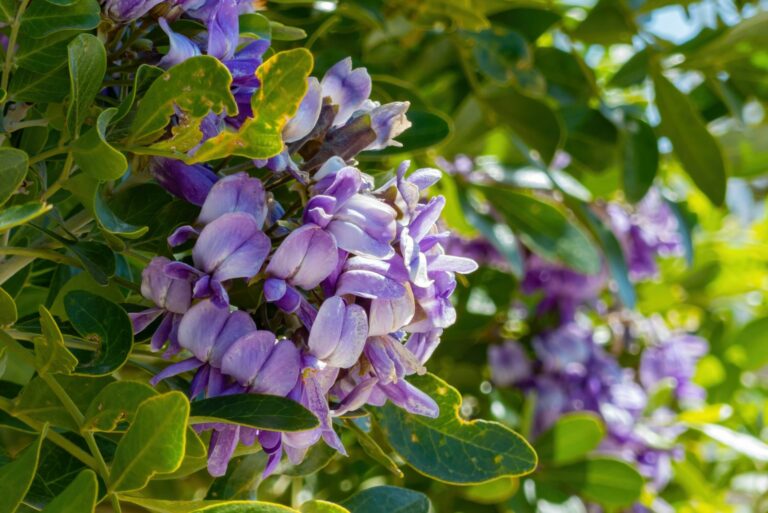
Every March, gardeners in San Antonio catch a whiff of grape soda drifting over fences and know exactly what is blooming. Purple flower clusters hang like small bunches of wisteria, and the scent travels a surprising distance.
Texas mountain laurel stays modest, usually reaching ten to fifteen feet over many years, with thick glossy leaflets that stay put through winter. Slow growth is the trade-off for a plant that asks very little once rooted.
Good uses include screening a patio, softening a narrow side yard, or blocking sightlines where a forty-foot tree would feel overwhelming. Set plants six to eight feet apart and practice patience.
Drainage decides success. Limestone gravel, caliche, and rocky slopes suit it beautifully, while heavy clay that holds water invites root rot.
Raised beds or mounded soil solve that problem in Houston-style ground. Full sun produces the heaviest bloom, though afternoon shade is tolerated.
Water sparingly after the first year, because too much irrigation causes more trouble than drought. Fuzzy seed pods follow the flowers and hold hard red seeds that look like beads.
Those seeds are toxic if swallowed, so sweep them up in yards where small children play. Genista caterpillars occasionally chew new growth into webbed tangles.
Knock them off with a hose or spray Bt, and the plant bounces back within weeks. Skip the shears nearly altogether, since heavy pruning removes next spring’s flower buds. Take out only damaged branches, right after blooming wraps up.
Bees are drawn heavily to the spring flowers, and because growth is so slow, many gardeners start with the largest container size they can afford.
6. Carolina Cherry Laurel Tall Glossy Walls
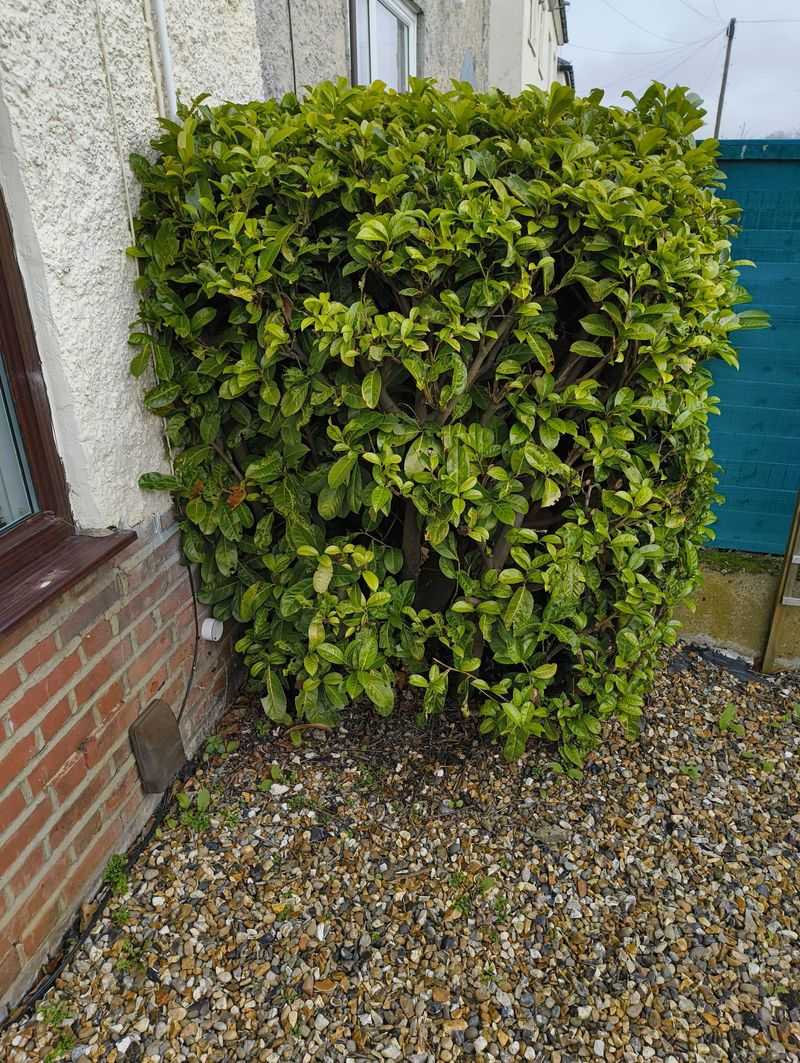
In East Texas woodlands, this glossy-leaved native quietly forms thickets along fence rows without anyone planting it. That eagerness is precisely why it works so well as a fast privacy wall.
Carolina cherry laurel reaches twenty to thirty feet with a dense, upright habit and leaves that shine like someone waxed them.
Small white flowers appear in early spring with a faintly sweet smell, followed by shiny black fruit that birds scatter around the neighborhood.
Growth is quick, often two feet or more per year in decent soil with regular water. Sun or partial shade both suit it, and it takes clay better than most evergreens on this list.
Space plants six to eight feet apart for a tall hedge, or ten feet for individual trees. It accepts shearing well, making it one of the few natives suited to a formal clipped screen.
Two cautions deserve attention. Crushed leaves contain compounds toxic to livestock, so avoid planting along pastures or horse paddocks.
Seedlings also sprout freely from bird-dropped fruit, meaning you may spend a few minutes each spring pulling volunteers out of flower beds. A thick mulch layer smothers most of them before they take hold.
In the hotter, drier western half of the state, extra irrigation keeps foliage from scorching. Root rot shows up in soggy soil, so plant slightly high and keep sprinkler spray off the trunk.
Compact selections such as Bright N Tight stay denser near the base for a polished screen.
7. American Holly Spiny Evergreen Privacy
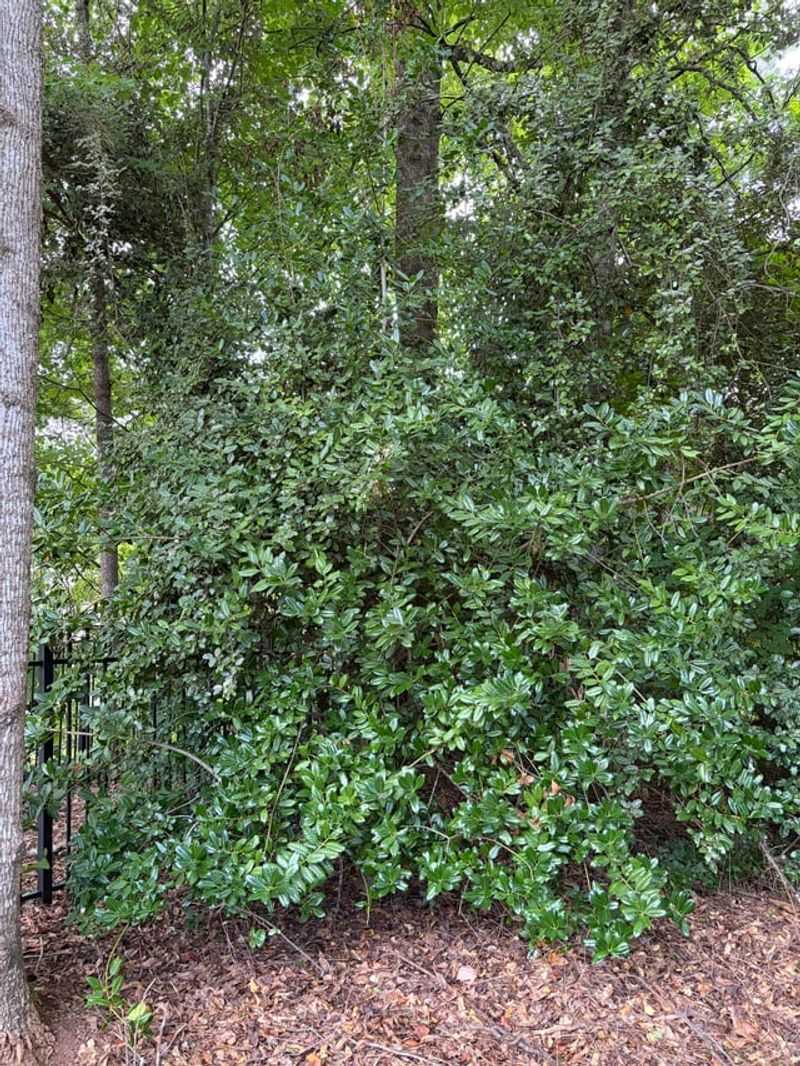
Cut a sprig for December decorating and you are borrowing a tradition from East Texas piney woods, where this holly grows wild along shaded creek bottoms. The same qualities that make it a holiday classic also make it a sturdy year-round screen.
American holly is native to the eastern third of the state and typically reaches thirty to fifty feet with a spread of eighteen to forty feet. Its spiny leaves stay on year-round, giving deer a texture they generally avoid.
Growth is slow to moderate, so buying larger nursery stock shortens the wait for a solid screen. Part shade to full sun both work, and the tree prefers acidic, moist, well-drained soil similar to what East Texas pines already enjoy.
Space plants ten to fifteen feet apart for a tree-form screen, or six to eight feet apart if you plan to keep it sheared as a dense hedge. Because it needs both sexes nearby, keep at least one male plant close so the females can set their bright red berries.
Those berries persist through winter and become an important food source for cardinals, mockingbirds, and other songbirds when little else is available. Prune lightly in late winter to shape the plant, since heavy cuts remove years of growth at once.
Give young trees a deep soak weekly through their first two summers, then let established roots handle ordinary Texas dry spells on their own.