What Your Pothos Really Needs In Arizona This Fall, And What You Should Stop Doing
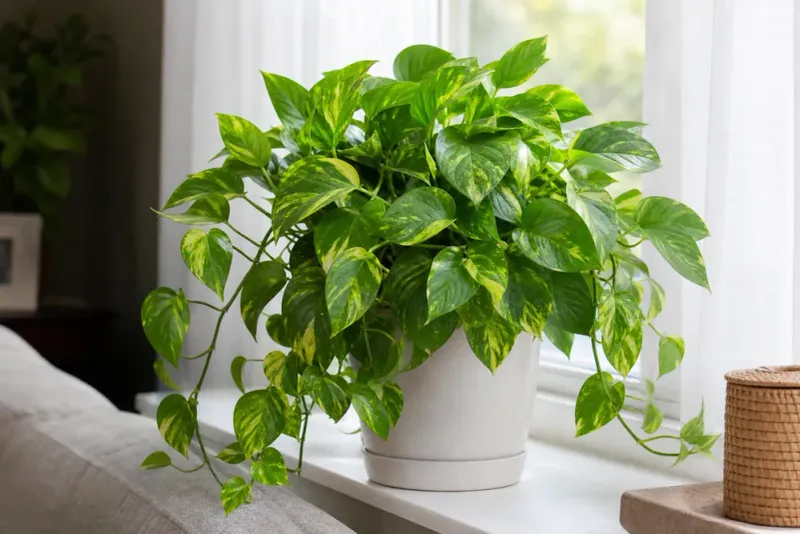
Your pothos has probably been fine all summer, so why does it suddenly look a little off when the days get shorter? Fall changes the light in your home, and heating can change the air if you use it.
A few small tweaks can help, and a few habits are worth dropping. Here is how to read your own plant and your own rooms instead of following a rigid schedule.
Arizona fall care starts with the room
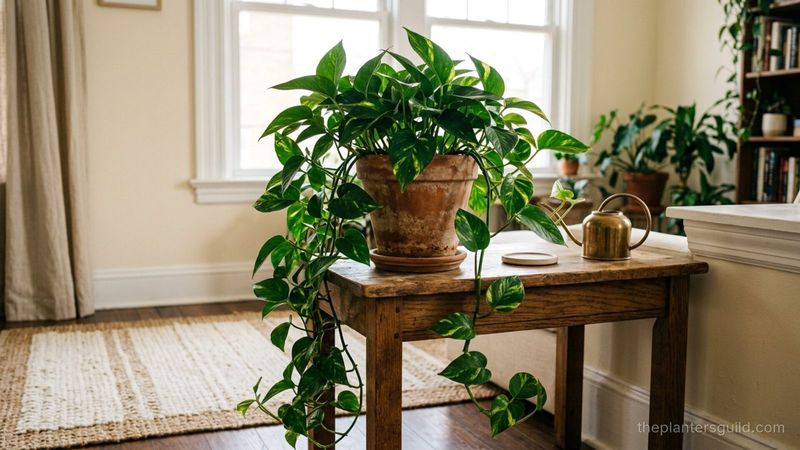
Pothos is a tropical houseplant, so what matters is the spot it lives in, not the calendar on your wall. In fall, days get shorter, and the light reaching your plant can change even if you never move the pot.
If you run a heater, the air in that room may also feel different than it did in summer.
That is why a fixed seasonal routine tends to misfire. Plants in a bright south window and plants on a dim bookshelf will not need the same care.
Arizona extension guidance on indoor plants points out that watering depends on conditions, and that most indoor plants use less water in winter.
A better approach is to look at where the pothos sits, how bright it is there, and whether heater vents or drafts are nearby. Then check the potting mix before you water.
Heating and air conditioning can dry plants, and plants near air registers may be damaged, so placement deserves a second look too.
Does its summer spot still get enough light?
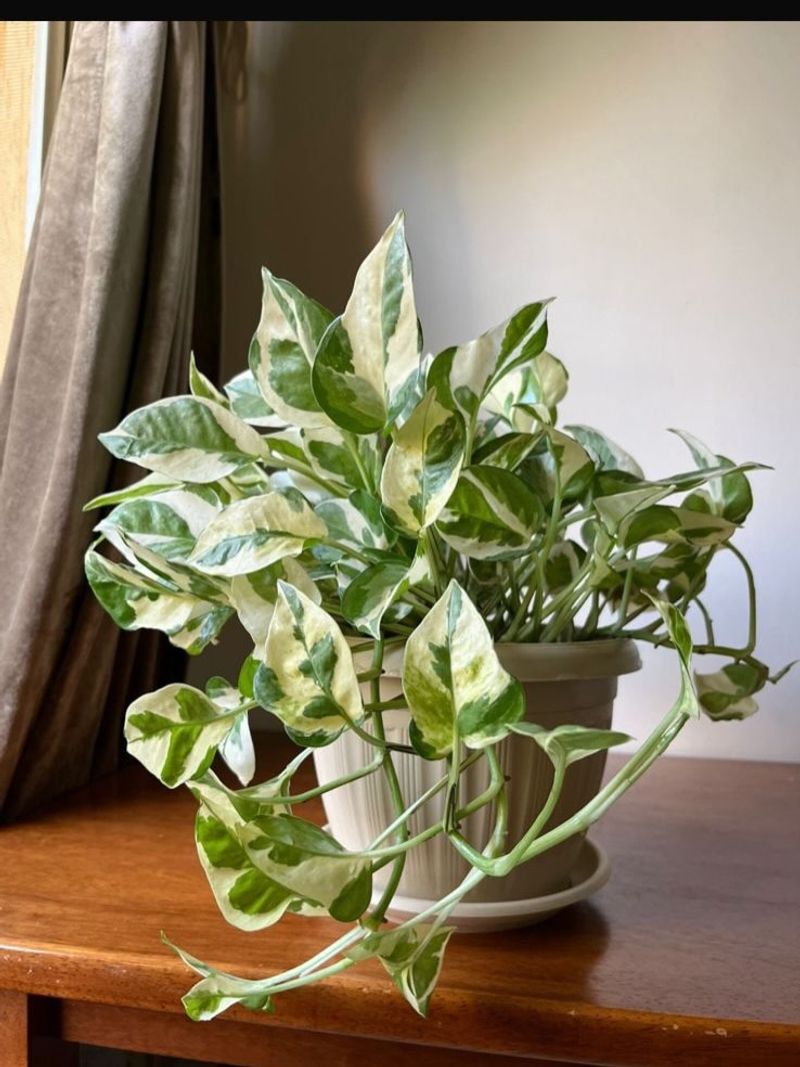
Sunlight enters your windows at a different angle once fall arrives, and daylight hours shrink. The corner that worked in July might now be dimmer, or it might get a harsher beam than before.
A quick look at the spot at different times of day tells you more than guessing.
Pothos does best in bright, indirect light where possible. Clemson’s pothos guide notes that it tolerates lower light, but variegated leaves can lose some of their pattern or color when conditions are dim.
Harsh direct sun is the thing to avoid, since strong rays through glass can stress the leaves. A sheer curtain or a spot a few feet back from the window can soften it.
If your plant is thriving where it is, there is no need to move it just because the season changed.
Check the soil before you water
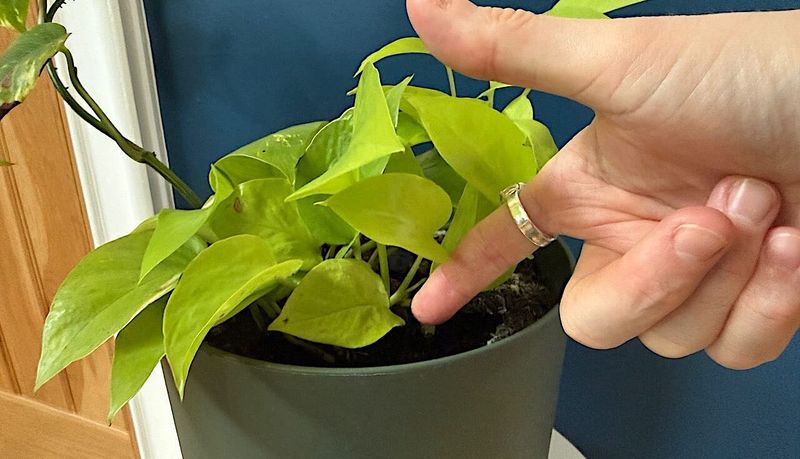
Arizona is dry outside, but that does not mean a potted pothos indoors needs extra water. The mix, the pot size, the light, the temperature, and the drainage all affect how fast it dries.
So the soil, not the calendar, should tell you when it is time.
A common cue for many houseplants, described in Arizona’s indoor plant guidance, is checking the top inch of soil. That is a general rule of thumb, not a universal law.
For pothos specifically, Clemson’s advice is to let the mix dry between waterings.
When it is time, water thoroughly until extra drains from the bottom. Then empty the saucer so the pot does not sit in drained water.
Your Arizona Garden Changes Every Week. Your Plan Should Too.
Gardening in Arizona changes quickly throughout the season. Every Friday you’ll receive a simple weekly plan showing exactly what to plant, prune, fertilize, harvest, and protect so you never miss the right timing.
Fall light is often weaker, so you may find the mix stays damp longer, but let the pot show you.
Keep the pot away from vents and drafts
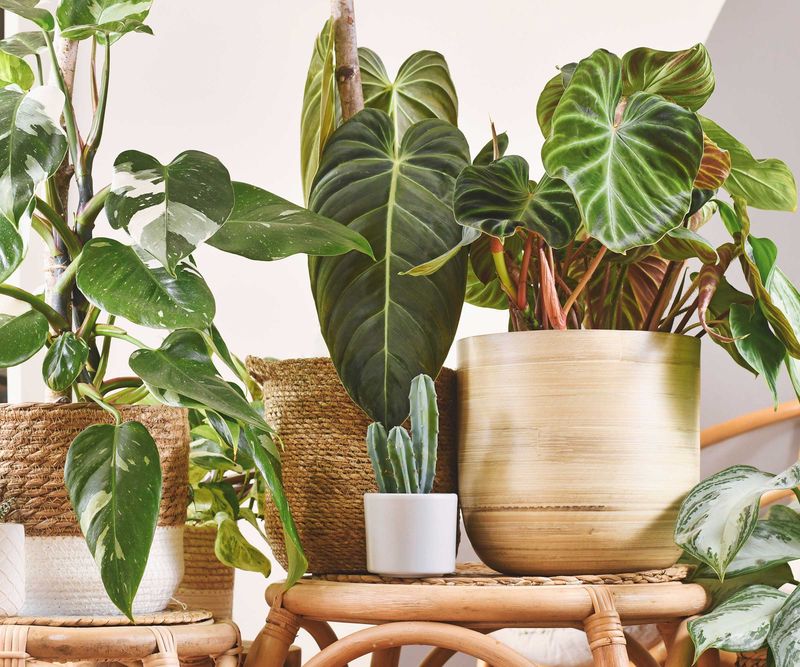
Where the pot sits can matter as much as how you water it. A pothos parked right above a heater vent can get blasts of hot, dry air.
The same goes for fireplaces, cold window glass, and drafty doorways.
Aim for a steadier spot where the air is fairly calm. If you use heating, glance at where the vents are before you settle on a shelf.
Even a move of a few feet can make a difference.
Temperature ranges can help you picture it. University of Arizona guidance suggests about 70 to 80°F by day and 60 to 68°F at night for foliage houseplants, while Clemson lists 70 to 85°F by day and 60 to 70°F at night for pothos.
Treat these as general ranges, not hard thresholds, since every home runs differently.
Dry air does not automatically call for misting
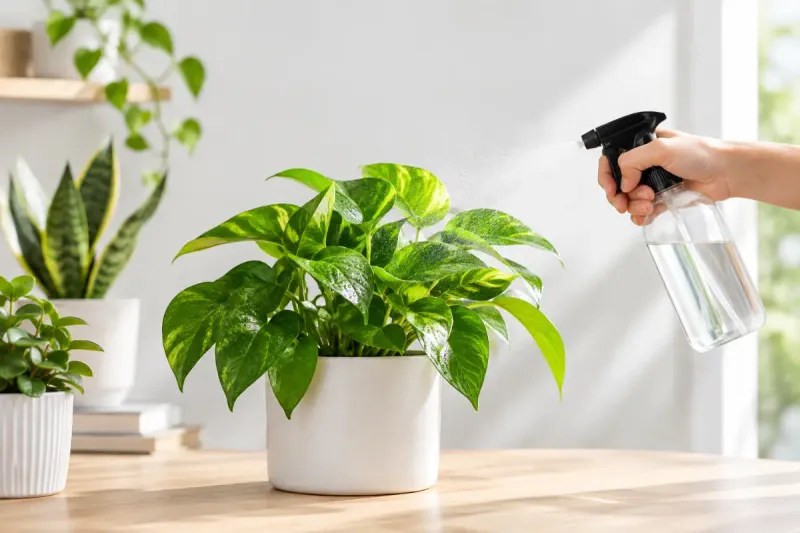
Heated rooms can feel dry, and that makes many people reach for a spray bottle. Pothos is more easygoing than that.
According to Clemson’s pothos guide, it tolerates typical household humidity, even though it may like more.
Daily misting is not a lasting fix. Penn State Extension explains that humidity rises only briefly after misting, and that pebble trays make almost no difference to room humidity.
If a room is very dry and your plant looks stressed, a humidifier is a practical option. It is just that, an option, not a requirement for every pothos.
Before buying anything, rule out other causes such as vents, light, and watering.
Leaf changes are clues, not diagnoses
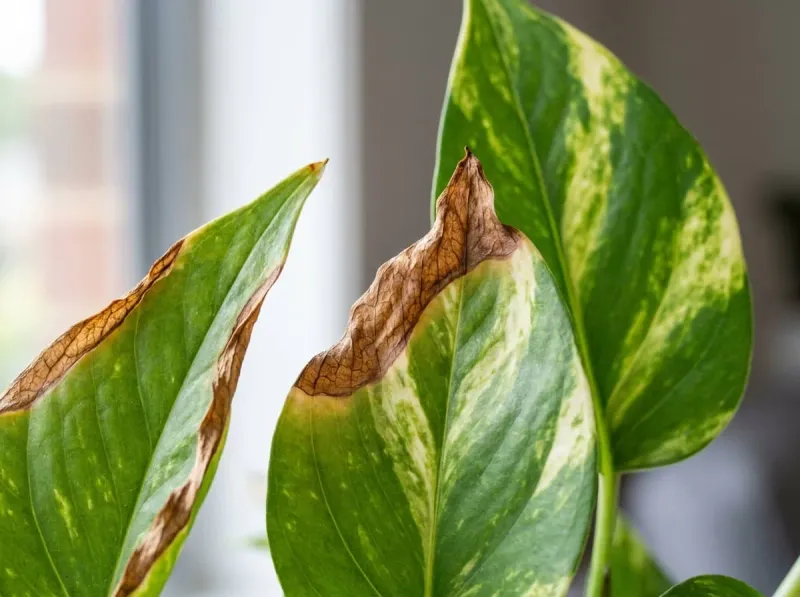
One yellow leaf can send people into a panic. But yellowing and brown tips are clues, and several things can cause them.
Watering habits, light levels, and other environmental factors all show up in Arizona’s list of indoor plant problems.
Dry air may contribute to brown tips, but not every brown tip comes from Arizona’s dry climate. A leaf near a vent, a pot that stays soggy, or a spot that has gotten dimmer could each tell a different story.
Before you change anything, run a short check. Feel the mix, note how much light the plant gets, and see whether it sits in a draft or near an air register.
Change one thing at a time so you can see what helps.
Inspect a summered pothos before bringing it inside
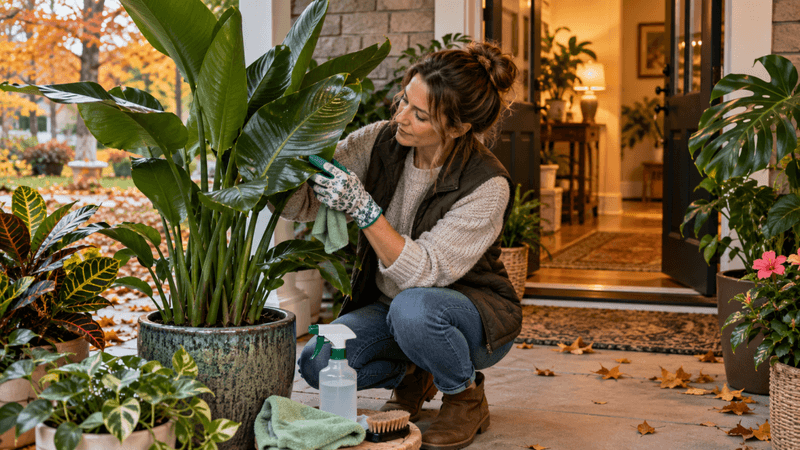
Some pothos spend the summer on a shaded patio, though plenty never leave the house. If yours did, give it a careful look before it rejoins your other plants.
Check the leaves, the undersides, the stems, and the soil surface for pests.
Arizona’s extension guidance recommends checking and cleaning plants when you move houseplants indoors. Wiping the leaves and tidying the pot helps you spot trouble early.
If you find anything suspicious, keep the plant apart from your others for a bit while you sort it out.
Keep pothos out of reach of pets
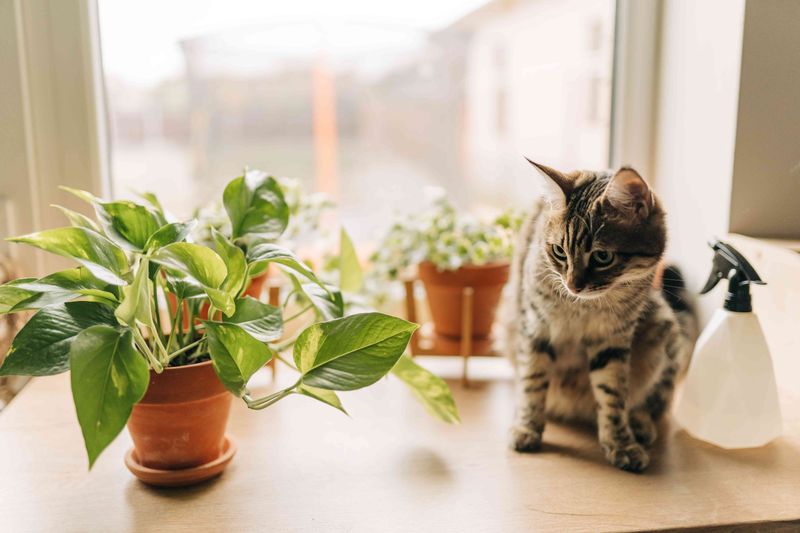
Pothos looks harmless, but it is toxic to cats and dogs. The ASPCA lists golden pothos as toxic, and chewing it may cause oral irritation, drooling, vomiting, and difficulty swallowing.
Place it where pets cannot reach, such as a high shelf or a hanging planter. Trailing vines can dangle, so check that they stay out of range.
If you think a pet has eaten some, contact a veterinarian or ASPCA Animal Poison Control right away.
A simple check beats a new watering schedule
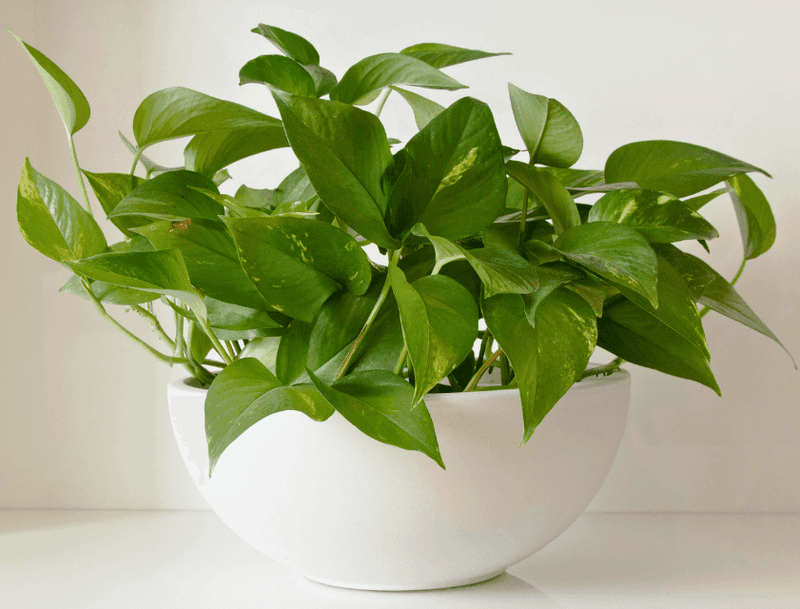
Try this routine each week or two: look at the light, see that the pot is clear of vents and drafts, and check the mix before you water. Arizona’s indoor plant guidance and Clemson’s pothos advice both point the same direction.
Add water or humidity only when your plant and room call for it. A pothos usually tells you what it needs, if you keep looking.