What Zoysia Grass Needs In September After A Brutal Texas Summer
Zoysia grass in Texas is built for punishment, and it takes a significant amount of it through summer.
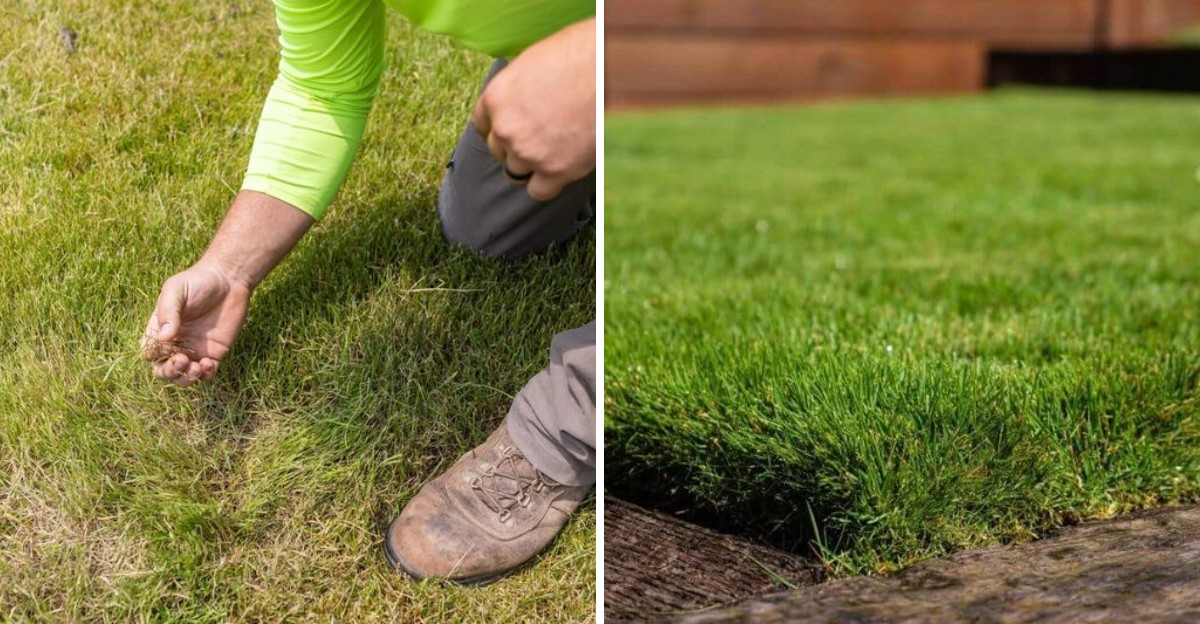
The heat, the drought, the relentless intensity of July and August push even the toughest zoysia lawns to their limits. By September most of them are showing exactly what the season asked of them.
Thin patches, slow color recovery, and a general tiredness that makes the lawn look like it needs something. It does. And September is the window to provide it.
What you do for your zoysia lawn right now directly affects how it finishes the season and how it comes back in spring. Most Texas homeowners either do too much too soon or miss the window entirely.
1. Deep, Infrequent Watering Sessions
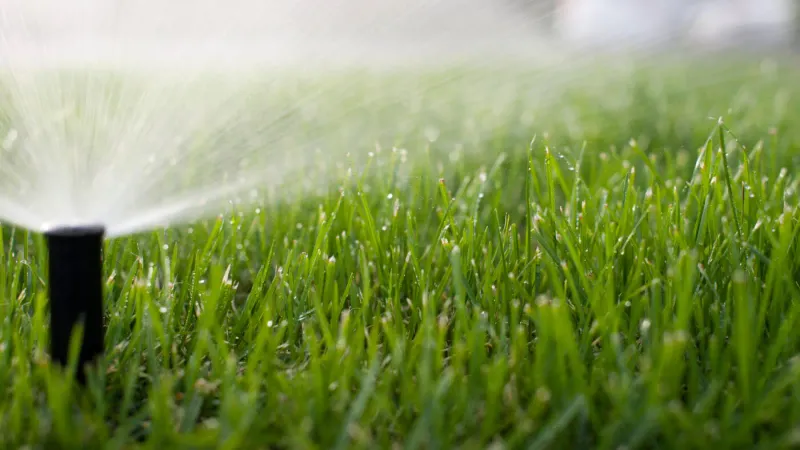
A tiny sip of water will not help much, but a big, steady drink will. Most zoysia lawns recover best with about 1 inch of water per week.
That total includes any rain that falls, so check the forecast before you turn on the sprinklers. Try to split that inch into one or two deep sessions instead of many quick sprinkles.
Why does deep watering matter so much? Roots grow toward moisture. When water soaks several inches down, roots follow it and grow longer and stronger.
Light, daily watering does the opposite. It keeps moisture near the surface, so roots stay shallow and lazy. Shallow roots struggle the next time a heat wave or drought hits.
Timing also plays a big role. Water early in the morning, ideally between 4 a.m. and 9 a.m. The grass blades dry quickly once the sun comes up, which lowers the chance of fungus and disease.
Evening watering might feel convenient, but it leaves the blades wet all night. That damp, cool setting is exactly what lawn diseases love, especially as September nights start to cool off.
Not sure how long to run your sprinklers? Try the tuna can trick. Place a few empty tuna cans around the yard, turn on the water, and time how long it takes to fill them about 1 inch deep.
Once you know that number, you have your watering schedule. Also, check local water rules, since many Texas cities limit which days you can water.
2. Proper Mowing Height With A Sharp Blade
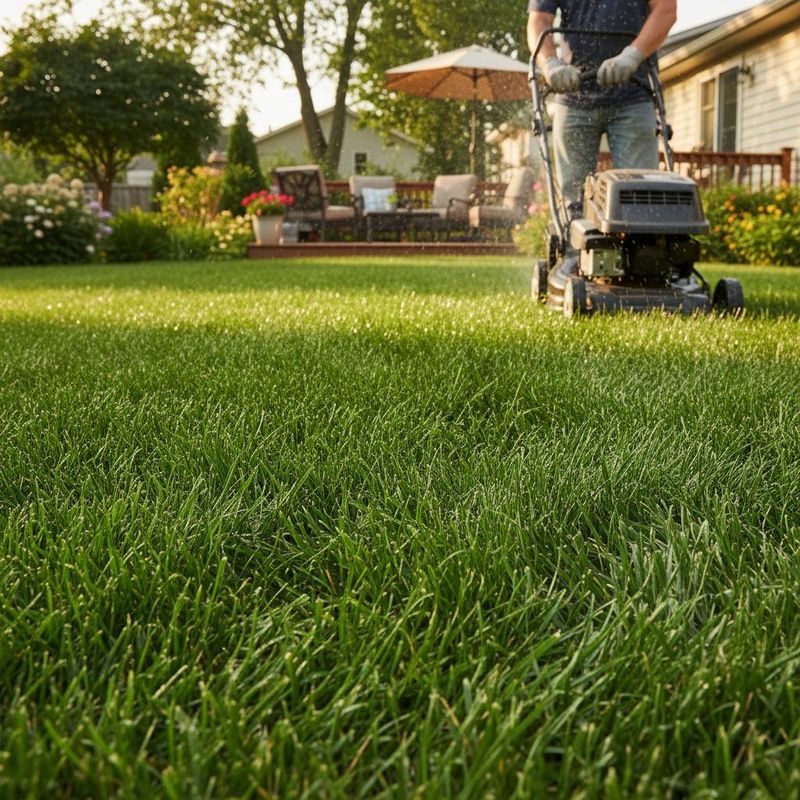
Plenty of Texans know this feeling. After a long, hot summer, it is tempting to mow the lawn super short so you do not have to do it again for a while. Sadly, your zoysia will not thank you for that shortcut.
Zoysia grows best when kept at roughly 1 to 2 inches tall. Taller blades shade the soil, hold moisture, and help the plant make food from sunlight. Cutting too low, which is called scalping, strips away that protection.
Stressed patches are even more fragile. If parts of your yard look thin or brown, raise the mower deck a notch before you cut those spots. Giving weak areas extra height helps them rebuild strength.
Have you heard of the one-third rule? It says you should never remove more than one-third of the grass blade in a single mowing. So if your zoysia is 3 inches tall, trim it down to about 2 inches, not lower.
Your Texas Garden Changes Every Week. Your Plan Should Too.
Gardening in Texas changes quickly throughout the season. Every Friday you’ll receive a simple weekly plan showing exactly what to plant, prune, fertilize, harvest, and protect so you never miss the right timing.
Following that rule may mean mowing a little more often in early fall. September rains can cause a quick growth spurt, so keep an eye on it.
A lawn that gets small, regular trims stays healthier than one that gets chopped all at once.
Blade sharpness matters too. Dull blades rip and shred the grass instead of slicing it cleanly. Those torn tips turn brown and give germs an easy way in.
A quick fix is to sharpen or replace your mower blade before fall mowing begins. Many hardware stores offer blade sharpening for a small fee. Your lawn will look cleaner, greener, and much happier within a week or two.
3. A Light, Well-Timed Fertilizer Application

Zoysia is one of the least hungry warm-season grasses you can grow in Texas. It needs far less nitrogen than St. Augustine or Bermuda grass. That makes feeding it a lot like seasoning soup, where a little goes a long way.
After a harsh summer, your lawn could use a small boost to help it recover. A light fertilizer application in early September is usually plenty. The goal is to support healthy roots and color, not to push wild new growth.
Before you buy a bag, think about getting a soil test. The Texas A&M AgriLife Extension offers affordable soil testing, and the results tell you exactly what your yard is missing. You might learn your soil already has enough phosphorus or potassium.
Many experts suggest about half a pound to one pound of nitrogen per 1,000 square feet for this feeding.
Look for a slow-release product so the nutrients trickle out over several weeks. Always follow the directions on the label.
Timing is the tricky part. Feeding too late in the fall or using too much nitrogen can do real harm. The grass keeps pushing out tender new leaves when it should be getting ready for winter rest.
Those soft leaves are more likely to get damaged by cold weather. Heavy nitrogen in fall also raises the risk of disease, especially large patch. So stop fertilizing well before your area’s first expected frost.
After spreading, water the fertilizer in lightly so it reaches the soil. Sweep any granules off sidewalks and driveways, too. That keeps them out of storm drains and local creeks.
4. Pre-Emergent Weed Control Before Seeds Sprout
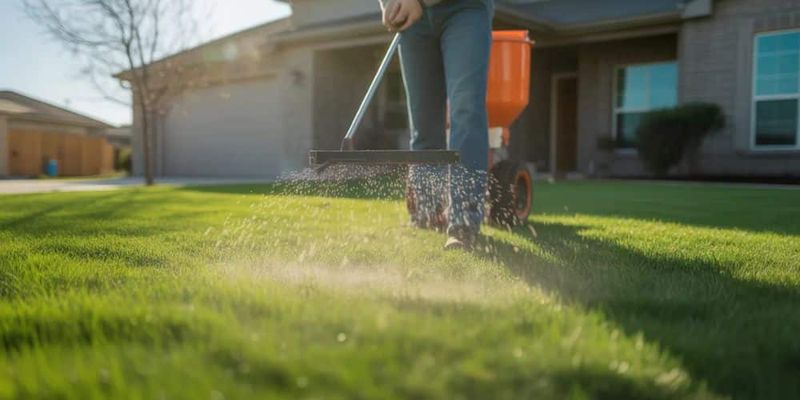
Weeds are sneaky planners. While you are busy nursing your lawn through the heat, winter weed seeds are sitting in the soil, waiting for cooler weather. Once temperatures drop, they sprout fast and grab any open space they can find.
Thin zoysia after a tough summer gives them plenty of room. Two of the biggest troublemakers in Texas are annual bluegrass, also called Poa annua, and henbit.
Henbit has purple flowers and square stems, while Poa annua forms light green clumps with fluffy seed heads.
A pre-emergent herbicide is your best defense. It creates a thin barrier in the top layer of soil. When weed seeds try to sprout, the barrier stops them before they ever break through.
There is one catch. Pre-emergents only work before seeds germinate. If the weeds are already up and growing, the product will not do much at all.
For most of Texas, the best window is late August through mid-September. A good clue is when nighttime temperatures start dipping into the 70s and then the 60s. North Texas usually needs to act a bit sooner than South Texas.
After applying, water the product in with about half an inch of water. That activates the barrier in the soil.
Try not to rake, aerate, or dig in treated areas afterward, since breaking the soil can open holes in your protection.
One more tip matters if you plan to patch bare spots. Many pre-emergents can stop new sod or plugs from rooting well. Read the label carefully and skip treating any areas where you plan to lay new grass soon.
5. Close Monitoring For Large Patch Disease
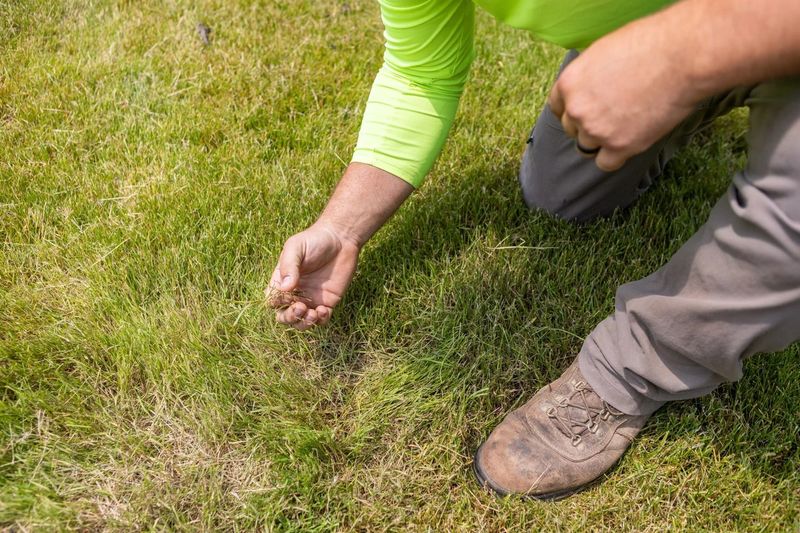
“Why is there a giant brown circle in my yard?” That question pops up in Texas lawn forums every single fall. Often, the answer is a disease called large patch.
Large patch is caused by a fungus named Rhizoctonia solani. It loves zoysia, and it becomes active when temperatures cool into the 70s and conditions turn wet. September and October are prime time for it.
The signs are easy to spot once you know them. Look for round, yellow or orange patches that can grow several feet wide. The edges often have an orange or bronze ring, while the center may start greening back up.
If you pull up a blade near the edge, check the base. Infected leaves usually look dark and rotten where they meet the stem. They also pull away from the plant very easily.
Prevention starts with habits you are already learning. Overwatering keeps the soil soggy, which gives the fungus a perfect home. Extra nitrogen also feeds the problem, so stick to that light fall feeding.
Good drainage helps as well. If water puddles in certain spots after rain, those areas may need aeration or some grading. Watering in the morning instead of at night keeps blades drier, too.
Some lawns seem to get large patch year after year. If yours has a history of the disease, a preventive fungicide can help. Apply it in early fall, before symptoms show up, and follow label directions closely.
Fungicides work much better as a shield than a cure. Once the patches appear, damage often lingers until spring green-up. Still, catching it early can keep those brown circles from spreading.
6. Repairing Bare Spots With Sod Or Plugs
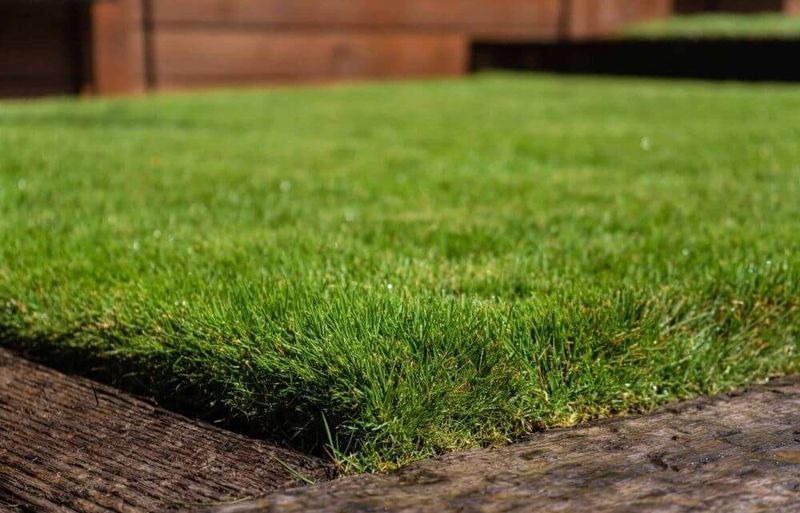
Sometimes a lawn just needs a little patch job, like a favorite pair of jeans with a hole in the knee. You watered, you mowed right, and you waited. Still, a few spots stayed brown and bare.
First, figure out if those areas are truly gone or just dormant. Tug gently on the grass. If it pulls up with no roots attached and the stems snap like dry straw, it is time to replace it.
Zoysia seed is not the best choice for quick repairs. It sprouts slowly and can take a full season or more to fill in. Sod or plugs give you much faster results.
Sod works great for larger bare areas. Plugs are small, round pieces of zoysia that you plant in a grid, usually about 6 to 12 inches apart. They cost less and slowly spread to fill the gaps.
Prep the soil before planting. Rake away old, brown grass, loosen the top couple of inches, and mix in a little compost if the dirt is hard. Make sure the new pieces sit level with the rest of the lawn.
Timing is everything here. Patching in early September gives the new grass several weeks of warm soil to grow roots before the first frost arrives.
Keep new sod and plugs moist every day for the first two weeks. After that, slowly cut back to your normal deep watering routine. Hold off on mowing until the new grass is firmly rooted and will not lift when tugged.