Why California Rosemary Splits Open In The Middle As It Ages
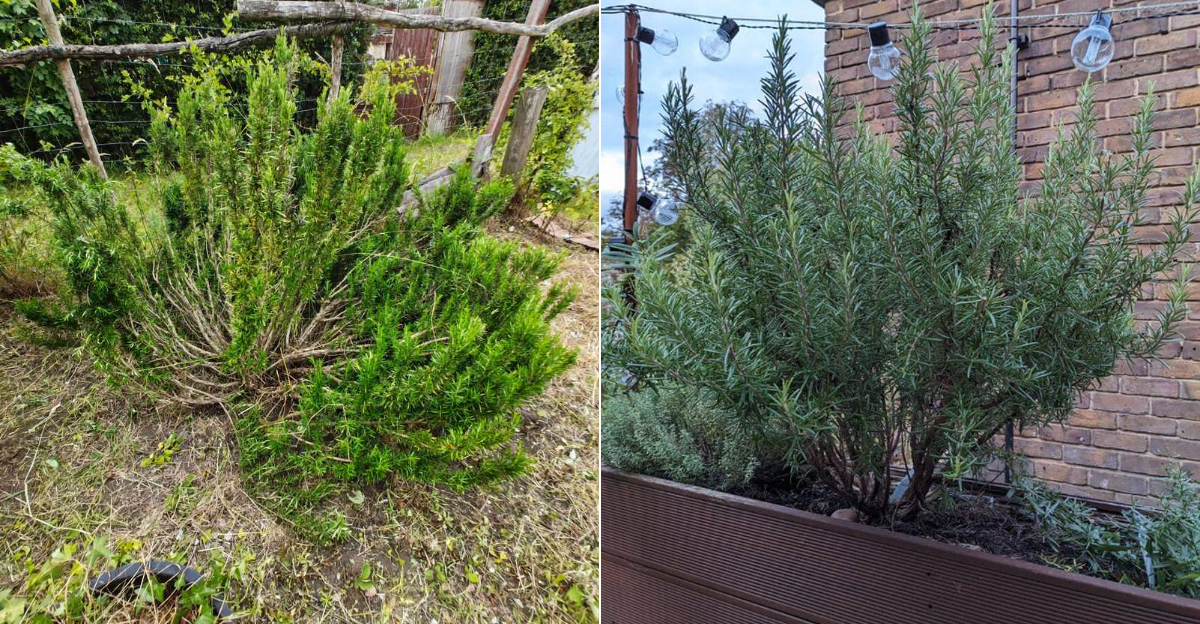
Rosemary can spend years looking like one of the toughest plants in a California yard. It handles sun, keeps its fragrant foliage, and usually asks for far less attention than fussier garden favorites.
Then, as the plant gets older, something odd can happen: the once-full shrub starts opening up right through the middle. Suddenly, your neat green mound has a dramatic center part nobody requested.
The change can be easy to miss at first. A small gap appears, a few stems lean outward, and before long the plant may look more like a loose ring than the compact rosemary you remember planting.
Naturally, that raises questions. Is it normal aging? Did the weather play a role? Has the plant simply decided it wants a completely different hairstyle?
Older shrubs often reveal their history through shape, structure, and growth patterns, and rosemary is no exception. California conditions can add their own twist as plants mature year after year.
Before grabbing the pruners or assuming the shrub is finished, take a closer look at how it is changing. That widening center may be telling you more than you think.
1. Older Rosemary Gets Woody And Heavy In The Center
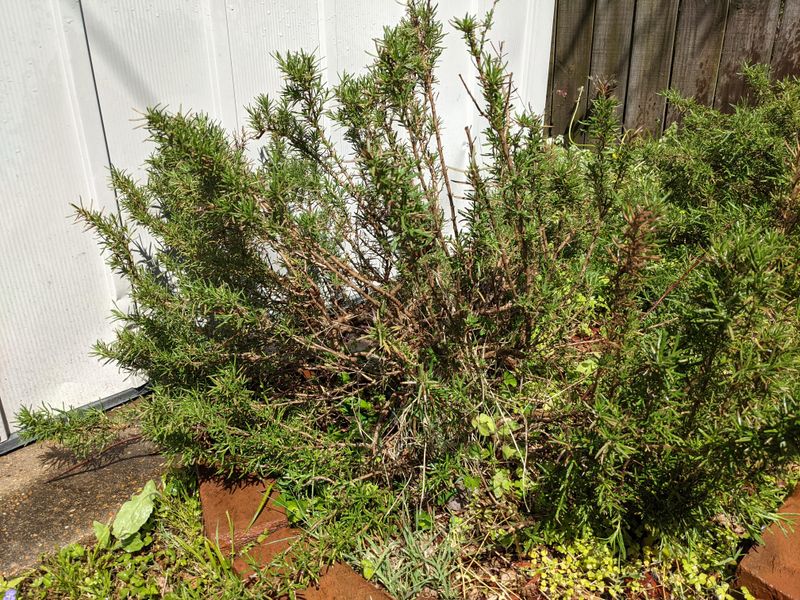
Everyone thinks of rosemary as a soft, leafy herb. But give it a few years, and the stems at the base start turning hard and brown like wood.
That woody growth is totally normal, but it changes the way the plant holds itself together.
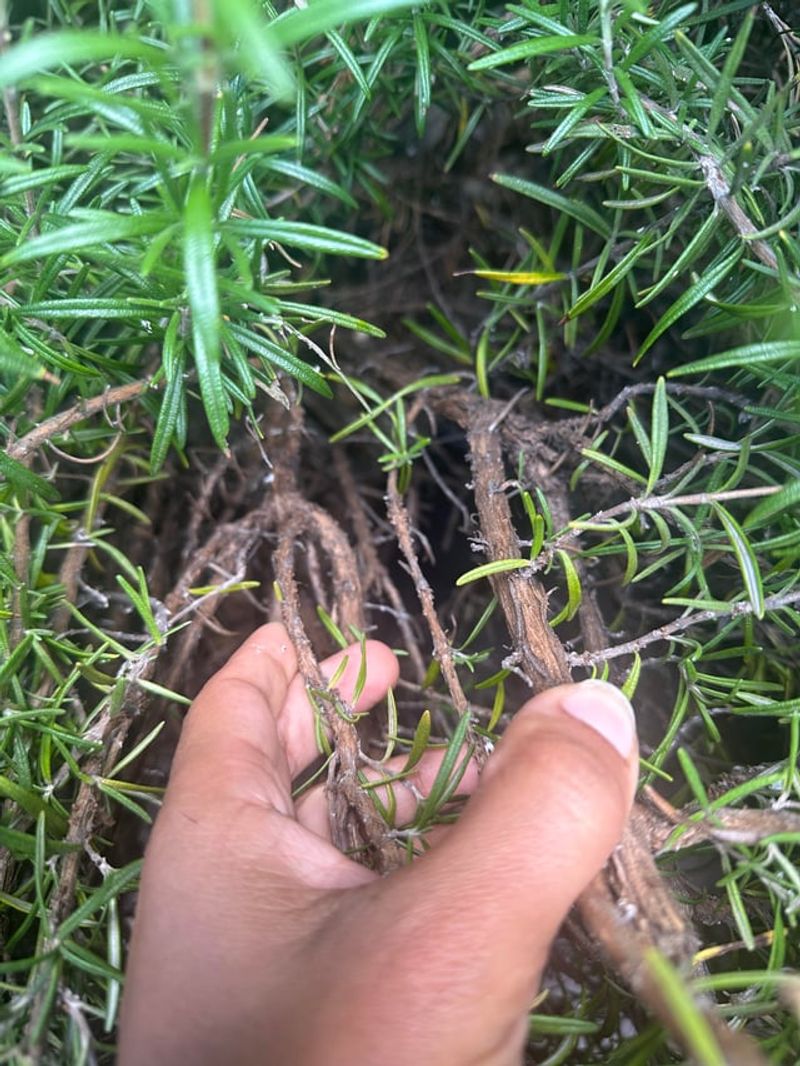
As rosemary ages, the main stems at the center get thicker and heavier. They stop producing many new leaves.
Instead, they just add bulk and weight to the middle of the plant. Over time, that added weight puts pressure on the crown, which is the central point where all the branches meet near the ground.
The crown can only hold so much before things start to shift. When the center becomes too dense and heavy, the outer branches begin to lean away from it.
This is one of the first signs that your plant is starting to split. The inner stems also stop getting much airflow or sunlight, which makes them weaker and less flexible.
Younger rosemary plants are light and springy. Older ones are stiff and dense.
That change in structure is what makes older plants so much more likely to crack open in the middle. Keeping the plant lightly trimmed each year can slow down how fast the center becomes woody and heavy.
2. Long Branches Start Pulling Away From The Crown
One thing that surprises a lot of California gardeners is just how long rosemary branches can get. Left on their own, they can stretch out two feet or more.
And the longer they grow, the heavier they become at the tips. When a branch gets too long, gravity starts doing its job. The tip of the branch gets heavier and pulls the whole stem downward and outward.
Since the branch is still attached at the crown, this creates a kind of tug-of-war between the center and the tip. Eventually, the branch leans so far out that it starts to pull away from the main body of the plant.
Your California Garden Changes Every Week. Your Plan Should Too.
Gardening in California changes quickly throughout the season. Every Friday you’ll receive a simple weekly plan showing exactly what to plant, prune, fertilize, harvest, and protect so you never miss the right timing.
You might notice a gap forming between a few branches and the center. That gap gets wider as more branches follow the same pattern.
Before long, the plant looks like it has a hollow middle with all its growth pushed to the outside edges.
Trimming long branches back by about one-third each season helps a lot. It keeps the weight at the tips from getting out of control.
It also encourages new growth closer to the crown, which fills in the center and keeps the plant looking full and balanced. Regular light pruning is one of the best habits you can build as a rosemary grower.
3. The Middle Opens Up As Lower Growth Thins Out
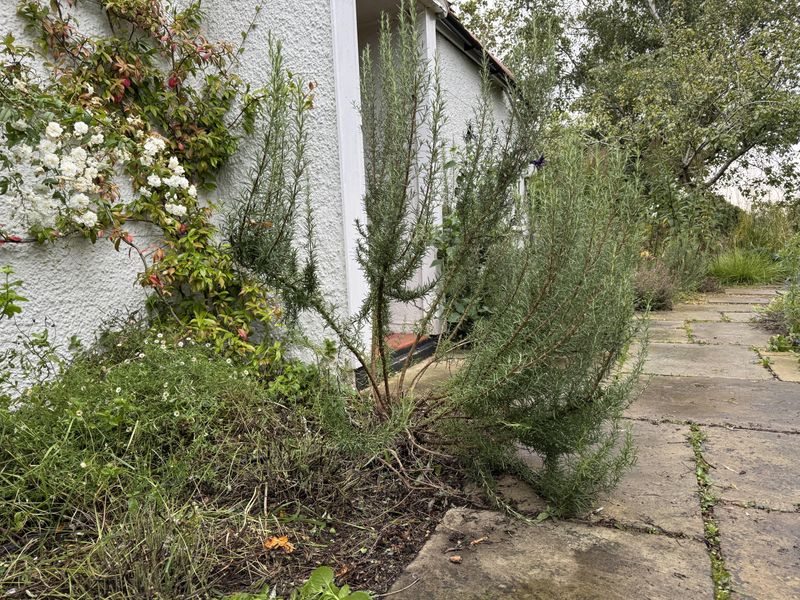
Have you ever looked down at a rosemary plant from above and noticed the middle looks almost empty? That open center is one of the clearest signs that the plant is aging.
It happens because the lower and inner parts of the plant slowly stop producing new growth.
Rosemary tends to push most of its new growth to the tips of its branches. The inner stems, especially the older ones near the base, get less sunlight and less energy.
Over time, those inner stems shed their leaves and stop branching out. All that is left in the middle is bare, woody stalk.
As the inner growth thins out, the plant naturally opens up in the center. The outer branches keep growing and filling out, but nothing is filling in from the inside.
This creates that hollow, bowl-shaped look that is so common in older plants.
One way to slow this process is to plant rosemary in a spot where it gets sunlight from multiple angles. When light only hits the plant from one side, the shaded inner stems thin out even faster.
Rotating potted plants or trimming nearby plants that block sunlight can make a real difference. Keeping the center open to light and air from early on helps the inner stems stay active longer.
4. Heavy Top Growth Can Make The Plant Flop Apart
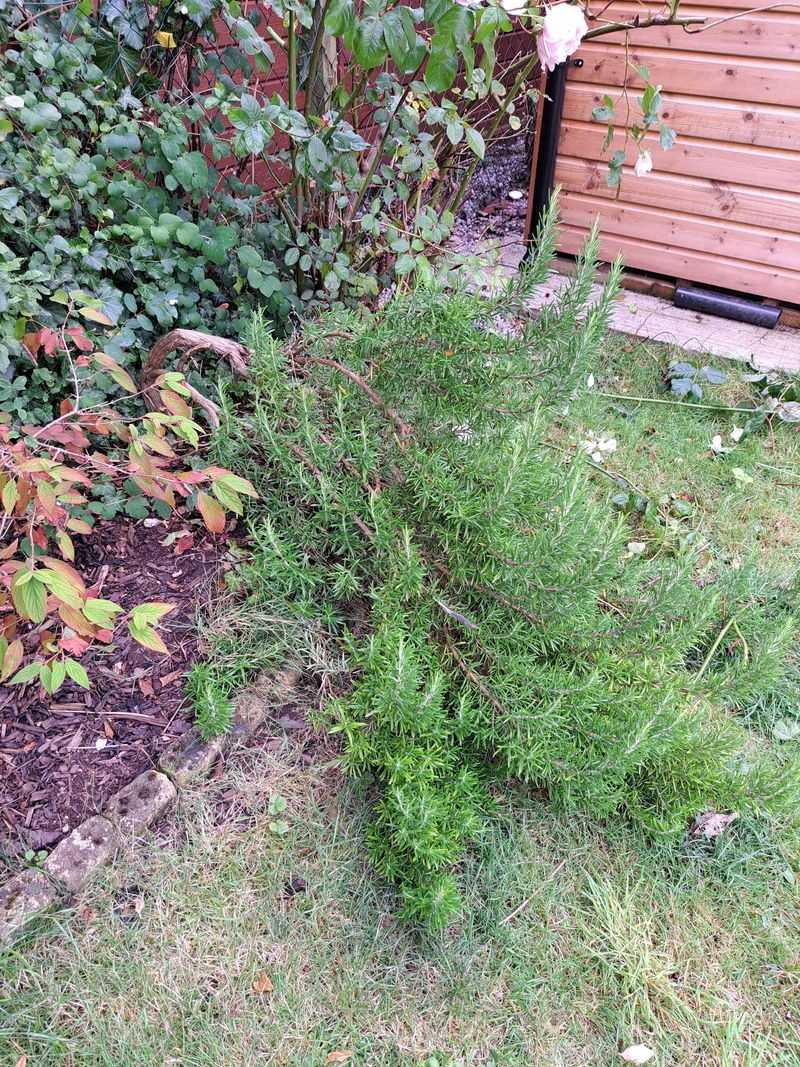
Rosemary grows fast when conditions are good. Warm California weather, regular watering, and rich soil can push a plant to grow thick and lush in a short amount of time. But all that fast growth at the top comes with a downside.
When the upper part of the plant gets very dense and leafy, it becomes heavy. The branches have to support all that weight from above while staying rooted at the crown below.
Over time, the weight becomes too much for the woody center stems to hold upright. The plant starts to flop. Branches lean outward in different directions, and the whole structure spreads apart like a slowly opening hand.
This flopping is especially noticeable after rain or watering, when the leaves and stems are holding extra moisture and weighing even more.
Gardeners in warm climates often see this happen faster because the growing season is longer and the plant never fully slows down. Cutting back the top growth by about a third in late summer or early fall helps reduce the weight load on the center.
Avoid letting the plant grow unchecked for more than one season. A little maintenance now saves you from dealing with a completely collapsed plant later. Consistent, light trimming is always better than one big dramatic cut.
5. Too Little Pruning Lets The Woody Frame Take Over
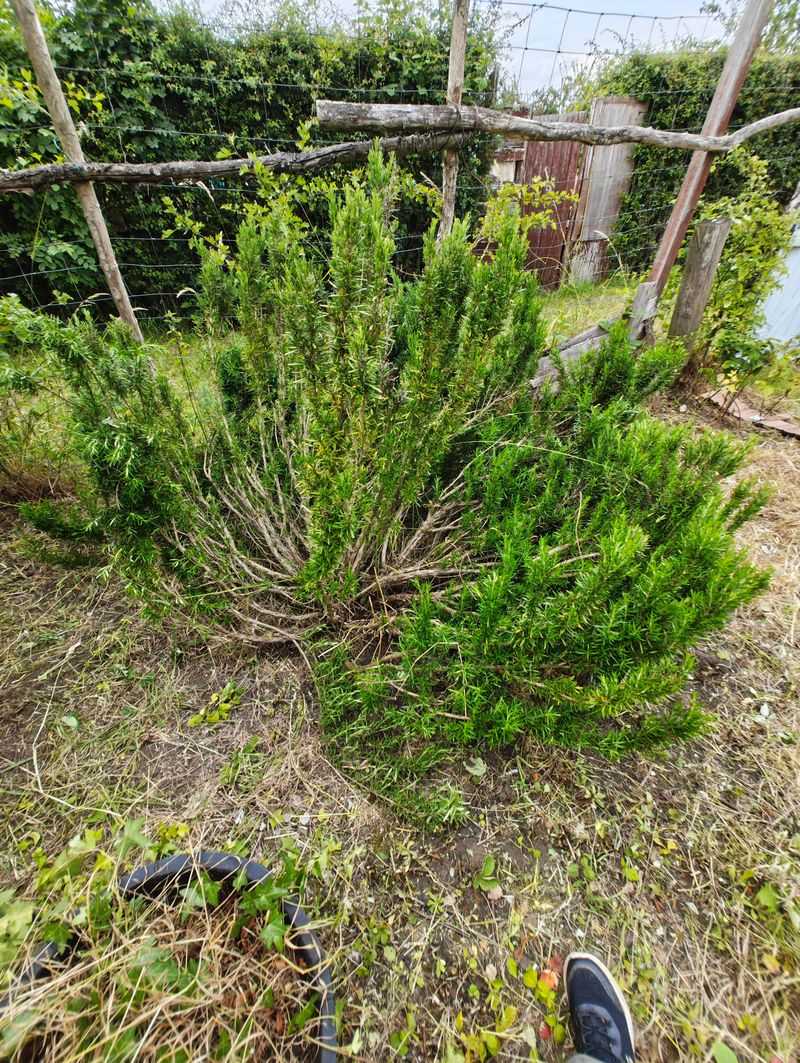
Pruning might feel like extra work, but skipping it is one of the biggest reasons rosemary plants end up splitting open. When you never trim the plant, the woody frame underneath keeps growing without anything to balance it out.
Every year that passes without pruning, the stems at the center get thicker and more rigid. The plant puts energy into building that woody structure rather than producing soft, leafy growth.
Once the woody frame dominates, it is very hard to reverse the process without risking damage to the plant.
A well-pruned rosemary stays compact and flexible. The branches stay shorter and lighter, which means less pressure on the crown.
New growth fills in the gaps, keeping the plant looking full and healthy. Without pruning, all of that gets lost.
The best time to prune rosemary is right after it finishes blooming in spring. You can also do a light trim in late summer to shape the plant before cooler weather arrives.
The key is to remove only the soft, green tips and never cut back so far that you reach the bare wood. Removing about one-third of the new growth each season is a safe and effective rule.
Starting a regular pruning habit early in the life of your plant makes a huge difference in how it ages.
6. Cutting Back Into Bare Old Wood Can Make Things Worse
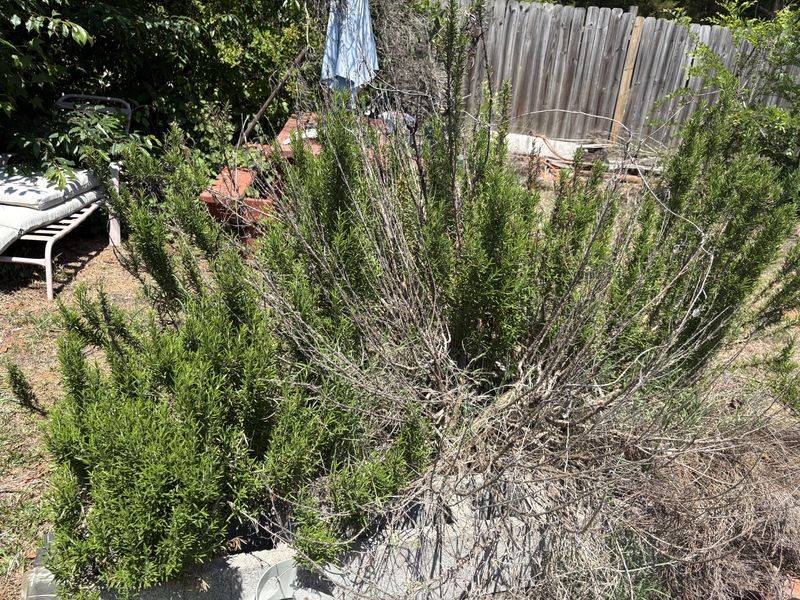
When gardeners finally notice their rosemary splitting open, the first instinct is to cut it way back. That seems logical.
But cutting too far back into the old, bare wood can actually make the problem worse instead of better.
Unlike many other shrubs, rosemary has a hard time sending out new growth from bare, woody stems. The older brown sections of the plant do not have many dormant buds waiting to sprout.
When you cut into that bare wood, you may be left with a stub that never grows back properly.
This is one of the most frustrating parts of dealing with an aging rosemary. The very thing that seems like it should fix the plant can end up weakening it further.
Branches that are cut back to bare wood often stay bare, leaving the plant looking even more sparse and open than before.
The safest approach is to always leave some green growth on every branch you cut. Even a few inches of green leaves above the cut point gives the stem a much better chance of pushing out new growth.
If the plant is already very woody and bare in the center, it may be time to consider replacing it with a younger plant rather than trying to force a recovery. Starting fresh with a new rosemary is often the most practical choice.
7. Sunlight Stops Reaching The Inner Stems
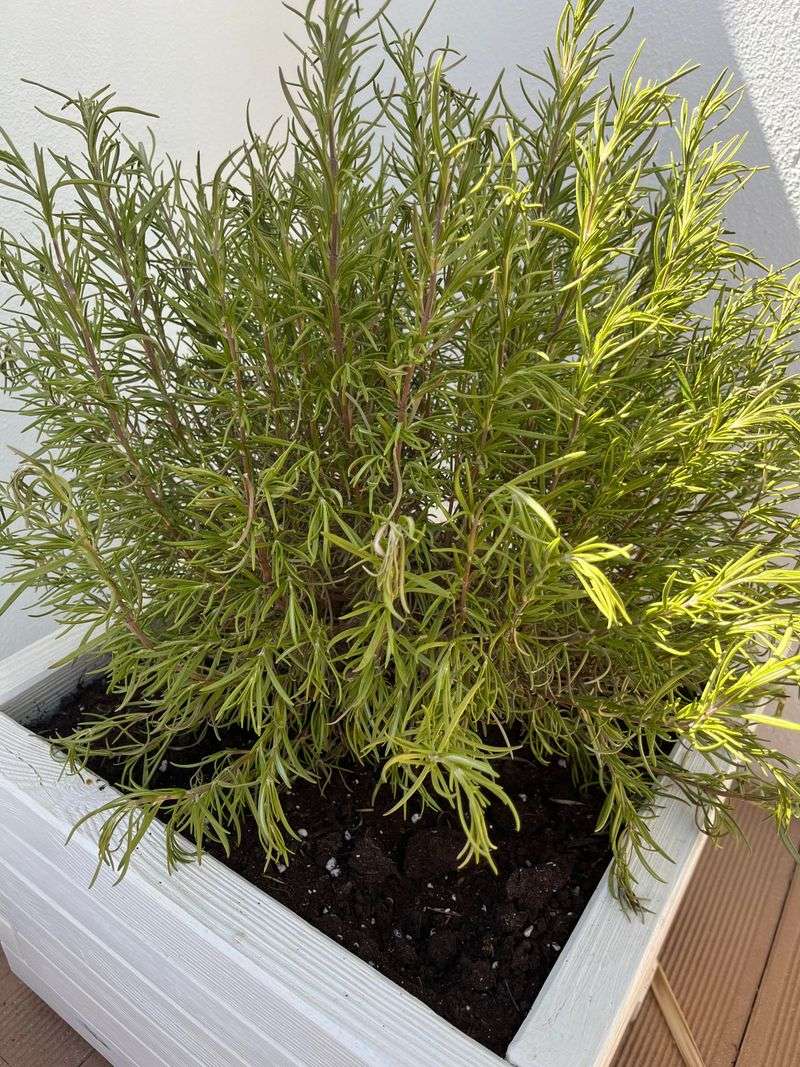
Sunlight is like fuel for a plant. Without it, stems slow down, stop leafing out, and eventually go bare. For rosemary, this is a huge part of why the middle opens up as the plant gets older.
As the outer branches grow longer and thicker, they form a kind of canopy over the center of the plant. That canopy blocks sunlight from getting to the inner stems.
Without light, those inner stems cannot make food or grow new leaves. They become weak, woody, and eventually stop contributing to the plant at all.
Over several seasons, the shaded inner zone becomes almost completely bare. All the living, leafy growth gets pushed to the sunny outer edges.
The plant ends up looking like a green ring with an empty middle, which is a classic sign of light starvation in the center.
Thinning out some of the outer branches can help let more light into the center. You do not need to remove a lot, just enough to open up a few gaps in the canopy.
Even a small amount of extra light reaching the inner stems can encourage them to stay active longer.
Planting rosemary in a spot with full sun from all sides also helps slow this process down from the very beginning.
Good light placement is one of the simplest ways to keep the plant full and healthy for longer.
8. Wide Sprawling Plants Are More Likely To Split
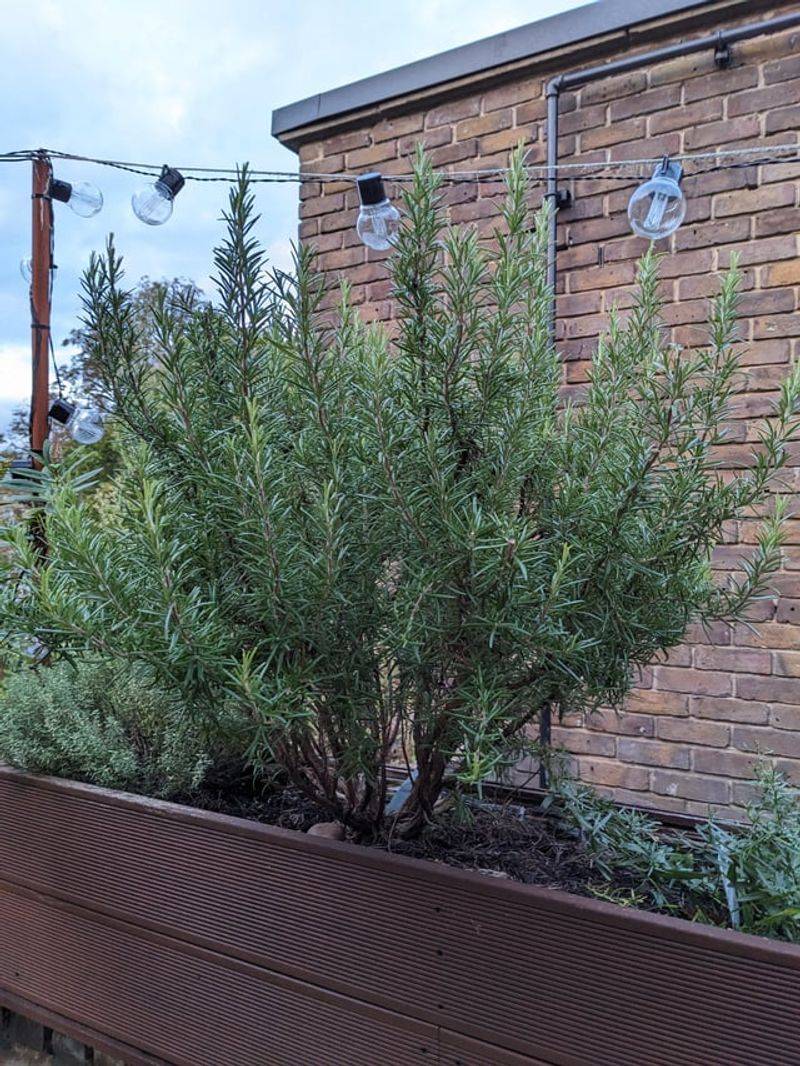
Not all rosemary varieties grow the same way. Some stay upright and compact.
Others spread out wide and low to the ground. The sprawling types are far more likely to develop that split, open-center look as they get older.
Wide-growing rosemary varieties put most of their energy into spreading outward rather than growing tall. The branches reach out in all directions and can cover a large area over several years.
This growth habit looks beautiful when the plant is young and full. But as it ages, the outer branches keep spreading while the center loses its structure.
Because the branches are growing away from the center rather than upward, gravity pulls them down toward the ground.
Over time, they touch the soil and sometimes even root along their length. This pulls the plant apart even further and makes it harder to bring back together.
If you are choosing a rosemary variety and want to avoid the splitting problem, look for upright types rather than prostrate or creeping varieties. Upright varieties stay more compact and hold their shape much longer.
For sprawling types that you already have, placing a few small stakes around the outer edges can help keep the branches from spreading too far.
Trimming the longest branches back each year also helps keep the spread from getting out of hand before the center collapses completely.