Where To Find Texas Native Edible Plants Garden Centers Rarely Carry
Texas gardeners know the nursery aisle routine. Tomatoes, basil, citrus, maybe a peach tree with a hopeful tag. Easy. Familiar.
Then you search for the plants that actually taste like Texas history, and suddenly the shelves get strangely quiet.
The wild chile your grandmother mentioned? The tart berry shrub birds seem to guard? The dark little fruit from a native tree that looks unbothered by heat?
Now the hunt begins.
Some of the best edible natives do not sit under bright retail signs. They hide at specialty nurseries, plant sales, and local spots where staff know the difference between trendy and truly rooted.
That is the fun part, and also the tricky part. Where do you go when the grocery-store garden no longer feels bold enough?
Pack water, keep your plant list flexible, and leave room in the car. The next stop may hold a flavor, a story, or a wildlife magnet you never expected to grow at home.
Texas keeps its best garden secrets off the main nursery aisle.
However, there’s one small rule before the fun starts: confirm every unfamiliar plant, edible part, and harvest stage through a trusted local reference before it reaches the kitchen.
1. Start At The Natural Gardener In Austin
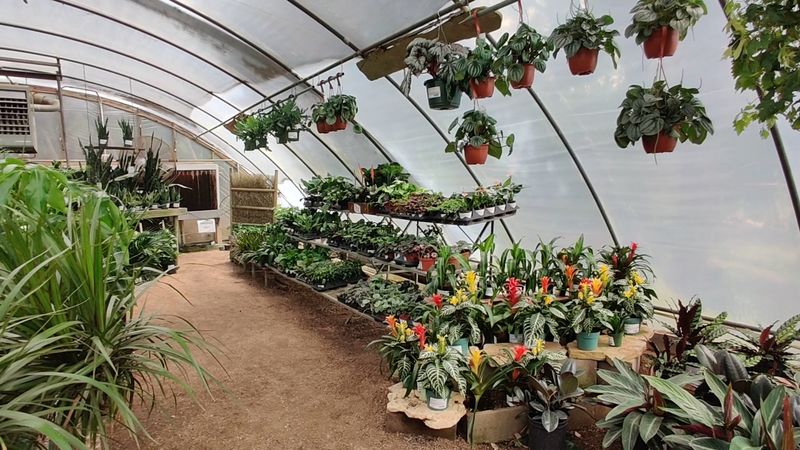
The native edible hunt starts well in Austin.
The Natural Gardener sits at 8648 Old Bee Caves Road in Austin, and the whole place feels built for gardeners who want more than another basil six-pack.
This nursery has long leaned into organic methods, native plants, herbs, vegetables, and useful landscape choices. That mix matters for edible natives because many of the best Texas plants do not sit in neat fruit-tree rows.
Ask directly about chile pequin, agarita, native herbs, and other Texas edible species that may rotate through the benches.
Inventory can change fast, so treat the staff like your secret map. They often know what came in that morning, what sold out last week, and what may return when the season shifts.
That is where this stop earns its place.
Central Texas yards can be tricky, with limestone soil, sudden dry spells, and sun that acts like it owns the deed. A plant that works here needs grit, not just good looks.
Walk the grounds slowly and notice the demonstration areas. They help you see how plants settle into real space, not just pot life.
Bring a short wish list and a flexible attitude.
Native edible shopping works like a treasure hunt with roots. The best find may be the plant you did not know you needed until someone pointed at it and said, “that one belongs here.”
2. Browse Barton Springs Nursery In Austin
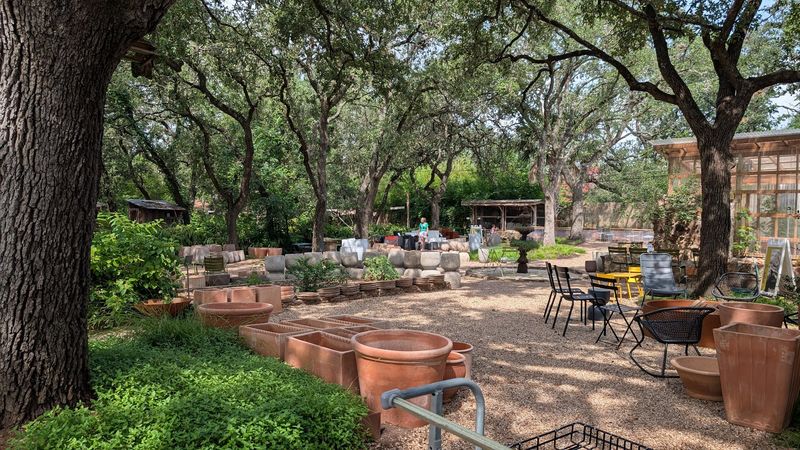
Some Austin nurseries feel tied to the land around them.
Barton Springs Nursery, located at 3601 Bee Caves Road in Austin, has that Central Texas feel from the first few steps. The place carries natives, herbs, vegetables, houseplants, and landscape plants, but its real strength is local knowledge.
That helps when the target is not a normal fruit tree.
Your Texas Garden Changes Every Week. Your Plan Should Too.
Gardening in Texas changes quickly throughout the season. Every Friday you’ll receive a simple weekly plan showing exactly what to plant, prune, fertilize, harvest, and protect so you never miss the right timing.
Ask about chile pequin, agarita, Texas persimmon, native passionflower, or seasonal native herbs. They may not all appear on the same day, and that is normal with harder-to-source plants.
The staff can often point you toward the right season or a better substitute for your exact yard.
This is where a casual visit can turn into a small plant detective mission.
Native passionflower deserves special attention. It can offer edible fruit and also support Gulf Fritillary butterflies, which gives your garden food value and flutter value in one vine.
Not bad for a plant with drama in the flowers.
Central Austin conditions can shift from shaded courtyards to bright limestone slopes, so ask about sun and soil before checkout. A smart placement choice matters more than a pretty impulse buy.
Call ahead before the drive, especially for specific native edibles.
Barton Springs Nursery is a strong stop for gardeners who want useful plants, good conversation, and a cart that slowly becomes harder to steer.
3. Visit Rainbow Gardens In San Antonio
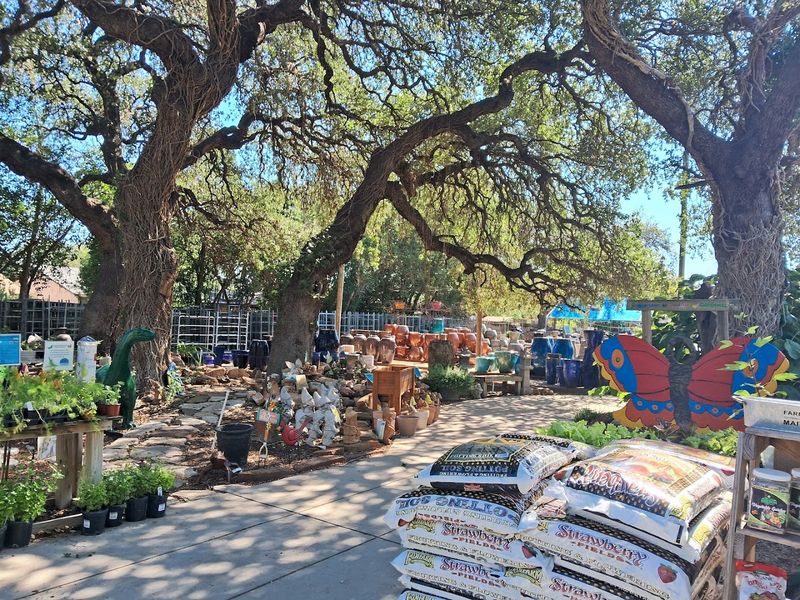
San Antonio gardeners get two big doors into the same plant world.
Rainbow Gardens has locations at 8516 Bandera Road and 2585 Thousand Oaks in San Antonio, which makes it easier for Bexar County shoppers to choose the side of town that fits the errand.
This garden center is not exclusively native, but its regional focus gives native edible hunters a solid chance.
Ask staff where the native and drought-tough edible choices are that week. Chile pequin, agarita, Texas persimmon, native herbs, and other hardy plants may appear by season, but stock can shift quickly.
The trick is to ask clearly.
Do not wander past every shrub and hope one winks at you.
San Antonio heat rewards plants with deep roots and local manners. That makes native edibles valuable, especially for yards where water use matters and wildlife value is part of the goal.
Agarita can bring tart red berries and a tough Hill Country attitude. Texas persimmon brings dark fruit and a handsome small-tree shape. Chile pequin adds fire, bird appeal, and a tiny pepper with big opinions.
Check the event calendar too, since workshops and seasonal programs can make a visit more useful.
Rainbow Gardens works well for gardeners who want broad selection and local guidance in one trip. Bring patience, bring questions, and bring a trunk with room to negotiate.
4. Shop Buchanan’s Native Plants In Houston
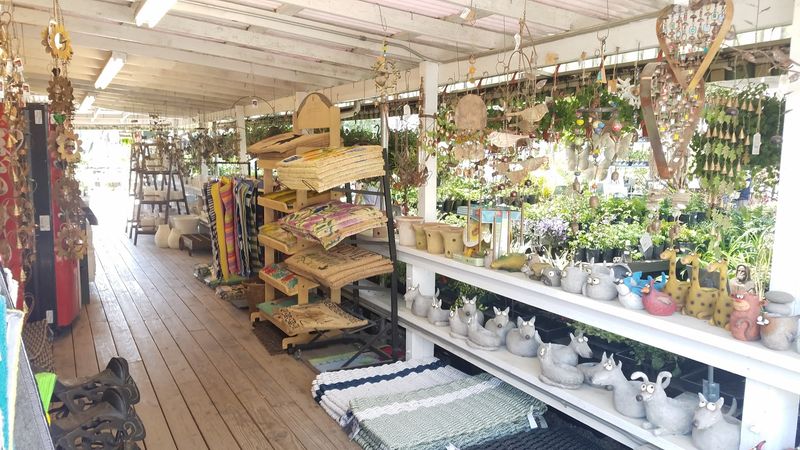
Houston needs plant advice with Gulf Coast sense.
Buchanan’s Native Plants is located at 611 East 11th Street in Houston Heights, and that address matters because the nursery understands heat, humidity, heavy soils, storms, and the strange mood swings of Gulf Coast gardening.
This is a strong stop for gardeners who want native plants with edible or wildlife value.
Ask about chile pequin, native passionflower, edible native herbs, and fruiting natives that may fit Houston conditions. The exact lineup can change by week, which is part of the native plant game.
The staff can help separate “possible” from “practical,” and that saves a lot of backyard regret.
Chile pequin can feel right at home in Houston’s warmth and humidity. Birds love the small peppers, and gardeners with brave taste buds value the heat.
Tiny pepper, loud personality.
Native passionflower can also earn space, especially for gardeners who want fruit potential and butterfly support from the same vine.
Buchanan’s organic focus adds another layer of usefulness. Native edibles do better with healthy soil and fewer harsh inputs, especially when pollinators and birds are part of the plan.
Visit early during summer, since Houston does not wait politely to get hot.
This nursery feels like a conversation with the region. Your cart may leave with plants, but your notebook may leave with the better harvest.
5. Check Natives Of Texas Near Kerrville
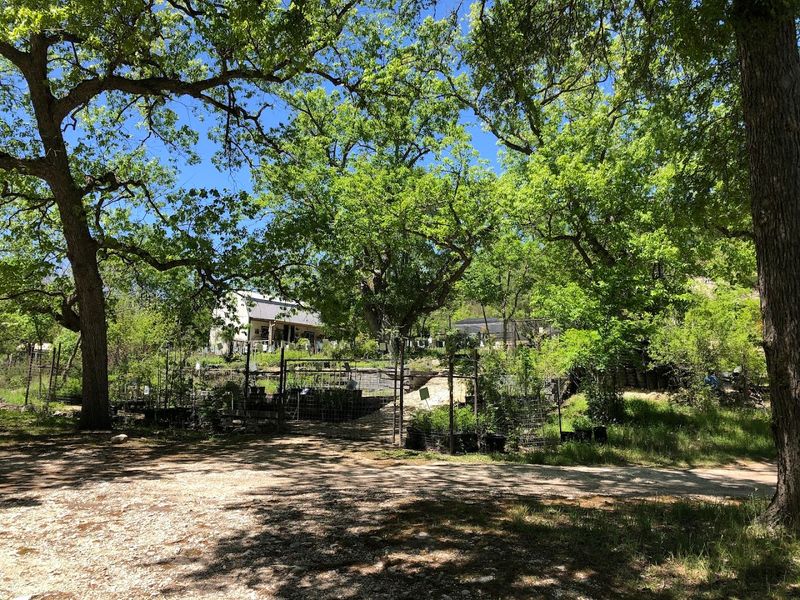
The Hill Country tells gardeners the truth fast.
Natives of Texas, located at 4256 Medina Highway in Kerrville, sits in the kind of rocky, limestone country that shows exactly what tough plants can handle. That makes it a smart stop for native edible hunters.
This nursery focuses on regional Texas natives, including plants suited to Central Texas, West Texas, and dry Hill Country conditions.
That focus matters for edibles like Texas persimmon and agarita. Both can fit the landscape beautifully, and both have food histories tied to Texas.
Texas persimmon brings small dark fruit when ripe and a sculptural trunk that looks good even without fruit. Agarita brings tart red berries, wildlife value, and leaves that basically say, “do not crowd me.”
The plant has attitude. Respect the spikes.
Because this nursery sits near the conditions many of its plants prefer, the stock can feel more connected to place than a random shipment on a retail rack.
Ask staff what performs best in thin soil, where to place young plants, and how much water they need during the first year.
That first-year care matters, even for tough natives.
Call before the drive, since specialty inventory can move fast. A trip to Natives of Texas feels like a Hill Country field lesson with plants for sale. That is a very useful kind of road trip.
6. Try North Haven Gardens In Dallas
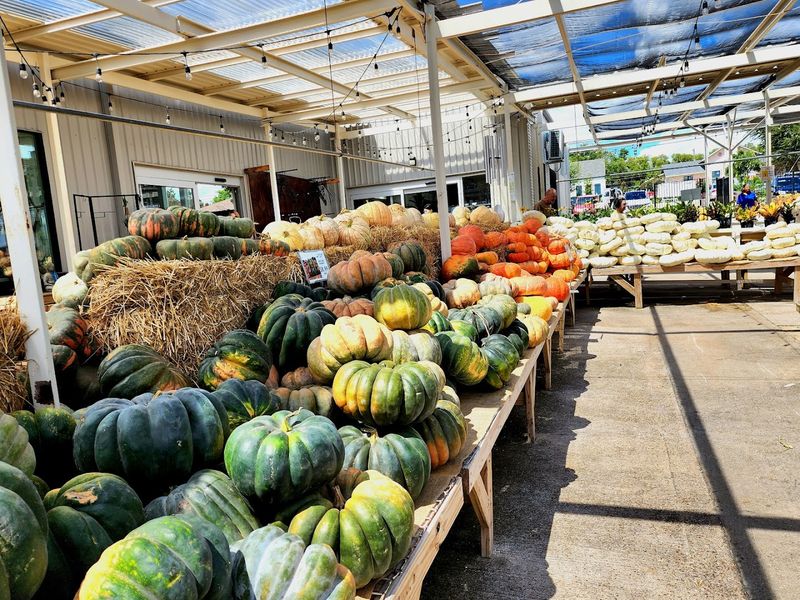
North Texas native edible shopping needs its own playbook.
North Haven Gardens is located at 7700 Northaven Road in Dallas, and it gives local gardeners a strong place to ask region-specific questions before they gamble on a hard-to-find plant.
Dallas conditions are not the same as Austin, Houston, or San Antonio.
Blackland Prairie soil, hot summers, and colder winter snaps can change what belongs in a yard. That makes local staff knowledge especially valuable.
Ask about chile pequin, native passionflower, native herbs, and edible landscape plants suited to North Texas. Some choices may need protected placement, especially during colder winters.
That is not a deal breaker. It is just plant matchmaking.
Chile pequin may grow in North Texas with a thoughtful site and some winter awareness. Native passionflower can offer fruit interest and butterfly value, which gives it more than one reason to climb.
A plant that feeds pollinators and starts a garden conversation is already earning rent.
North Haven Gardens also carries vegetables, herbs, soil products, and supplies, so the edible garden can grow beyond native finds in one visit.
Ask staff what arrived recently and what may return later in the season.
Harder-to-source plants rarely sit around forever.
This stop works best with curiosity and a flexible list. Sometimes the exact plant is not there, but the right lead is.
7. Visit Pollinatives In Converse
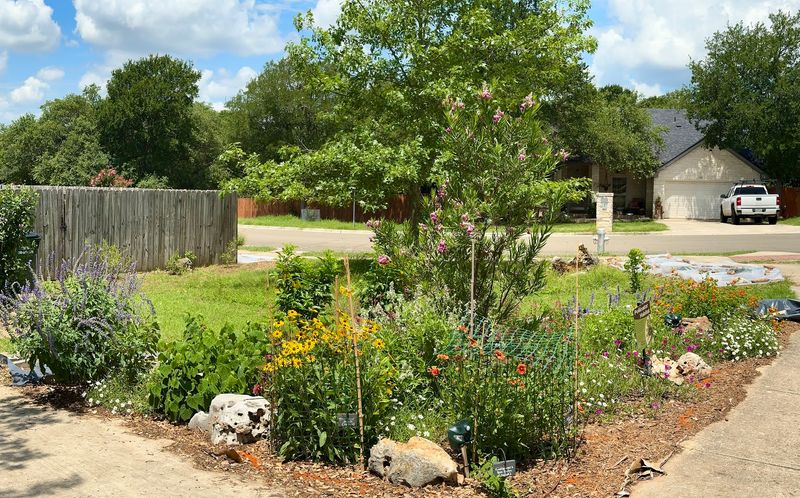
A small native nursery can make a big plant hunt feel personal.
Pollinatives is located at 101 South St in Converse, just northeast of San Antonio, and it gives gardeners a focused place to shop for Texas native plants without wandering through rows of unrelated nursery stock.
That focus matters when you are chasing native edibles or wildlife-friendly plants with useful histories.
This is the kind of stop where the inventory may feel more specialized than huge. That can be a good thing. You are more likely to find staff who know the plants, understand local growing conditions, and can tell you what belongs in a Central Texas yard.
Ask about chile pequin, native passionflower, edible native herbs, and any seasonal plants with food or wildlife value.
Stock can shift quickly, especially at smaller native nurseries, so follow their updates before heading over. A plant that shows up on Thursday can become someone else’s trunk treasure by Saturday.
That is native plant shopping. Fast roots, faster gardeners. Go with a flexible list, ask good questions, and leave room for one surprise.
A small nursery can still send you home with a very big garden idea.
8. Check Lady Bird Johnson Wildflower Center Plant Sales
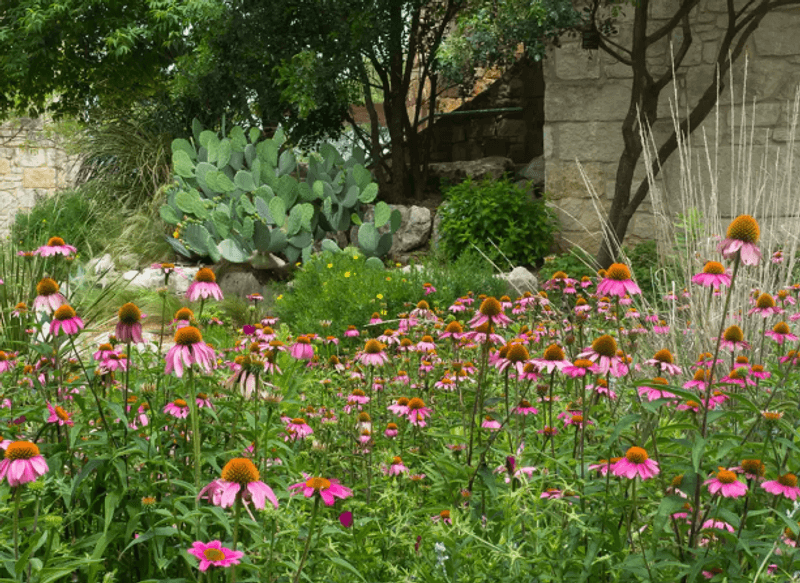
A native plant sale at the state botanical garden feels like cheating in the best way.
Lady Bird Johnson Wildflower Center is located at 4801 La Crosse Ave in Austin, and its native plant sales give gardeners a strong chance to find Texas plants that rarely appear in regular retail rows.
This is not just a pretty garden with a gift shop glow.
The center focuses on Texas native plants, which makes its sales especially useful for gardeners chasing edible natives, wildlife plants, and regionally appropriate species with real roots in the landscape.
Ask about chile pequin, native passionflower, agarita, Texas persimmon, and other seasonal natives that may appear on the sale list.
Inventory can vary by event, so check the current plant list before heading over. Native plant sales can move fast, and the best cart strategy is part research, part cardio.
The address also makes this an easy place to preview online.
Search Lady Bird Johnson Wildflower Center on Google Maps, and you should find plenty of visitor photos of the gardens, paths, buildings, and plant displays before the trip.
That helps you know what kind of stop you are planning.
Even without the exact plant you wanted, this sale can send you home with something better suited to Texas than half the plants sold under shiny garden-center signs.