Why Winter Hummingbird Activity Can Vary at Your Arizona Feeder
If your feeder seems busier in winter, you are not imagining things, but the reason is more local than you might think. Arizona has deserts, canyons, grasslands, and mountains, and hummingbirds use them in different ways.
A few simple clues can help you figure out who is visiting your yard and why. Then you can make your space work better for them.
Winter activity varies across Arizona
Plenty of Arizona homeowners notice hummingbirds at their feeders in winter, and that observation is real. Still, a sudden statewide wave caused by cold is not something anyone has shown.
Project FeederWatch describes winter hummingbirds as a mix of regular winter birds and a few unexpected visitors, depending on the place.
Arizona is not one big backyard. A Phoenix patio, a Tucson wash, a Flagstaff pine lot, and a Sierra Vista canyon all offer different flowers, insects, and temperatures.
Forest Service habitat guidance notes that most hummingbirds in Arizona and New Mexico are migratory, while a few occur year-round.
So the better question is what is happening in your yard. The species that visit and the food around your feeder both shape what you see.
Which hummingbirds might visit in winter?
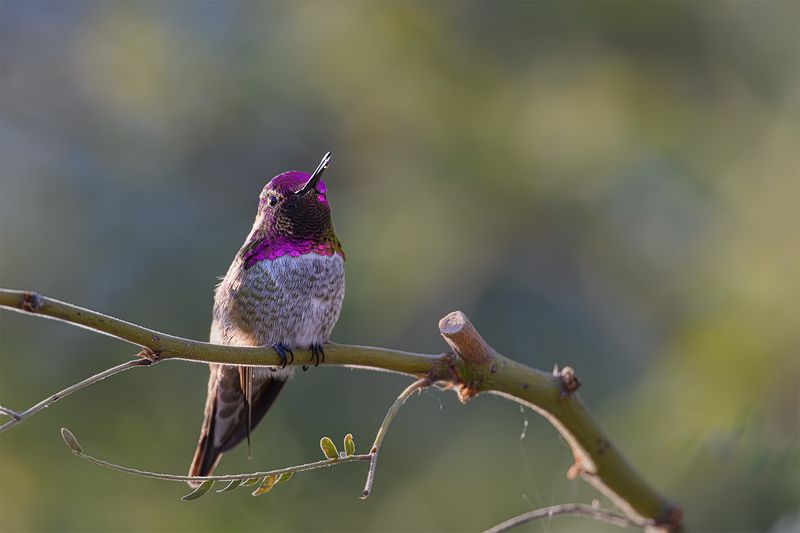
Many hummingbird species come to Arizona to breed in the warm months, then head out in fall, with migration peaking from about September into early October. Some birds do not follow that script.
Anna’s Hummingbirds are common winter residents in parts of the West, and some stay in Arizona yards through the cool season.
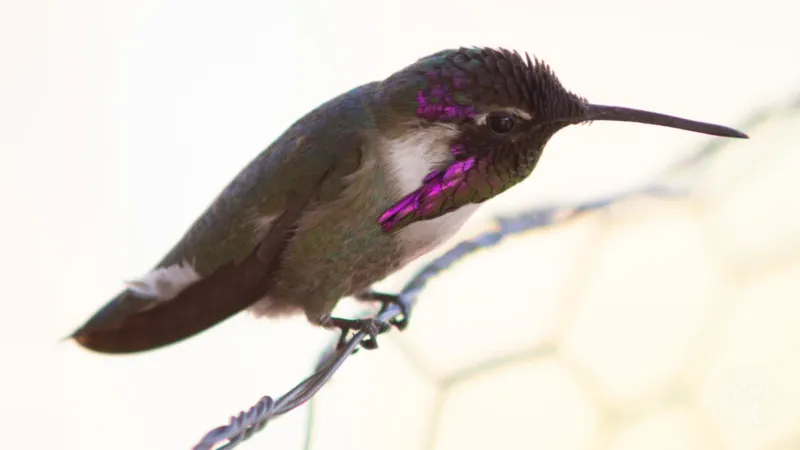
In the Phoenix area and points south, winter reports can also include Costa’s and Black-chinned Hummingbirds. Project FeederWatch explains that some of these birds may be late migrants or unusual lingerers rather than a planned mass arrival.
That means your neighbor across town might see a different bird than you do, or none at all. Forest Service habitat guidance shows how much movement varies by species and region.
If you spot an unfamiliar hummingbird in December, note the throat color, take a photo, and share it with local birders.
Why feeder activity can seem to change
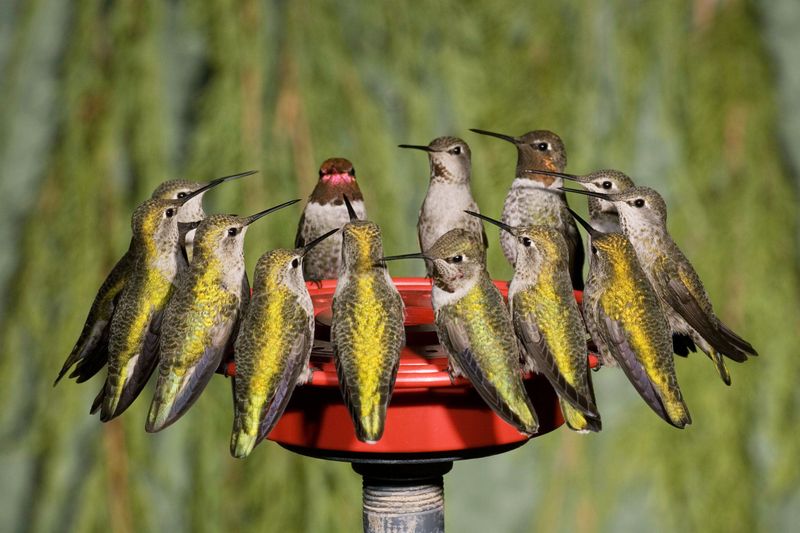
Feeder traffic often follows the food around it. When desert plants bloom nearby, birds may split their time between flowers and your feeder.
When blooms fade, your feeder may suddenly look more popular, even if the local bird count has not changed.
Weather matters too, along with whether feeders are filled and fresh. The Southeastern Arizona Bird Observatory notes that numbers and species at a site can shift with season and local conditions.
A busier feeder at one house is not proof that the regional population grew. It may simply mean birds found a reliable stop.
People also notice more when they are watching, and more winter feeders and more watchers make it likelier that birds get seen and reported.
Try keeping a simple log of dates, times, and bird markings. After a few weeks, patterns often show up.
Feeders supplement a wider food supply
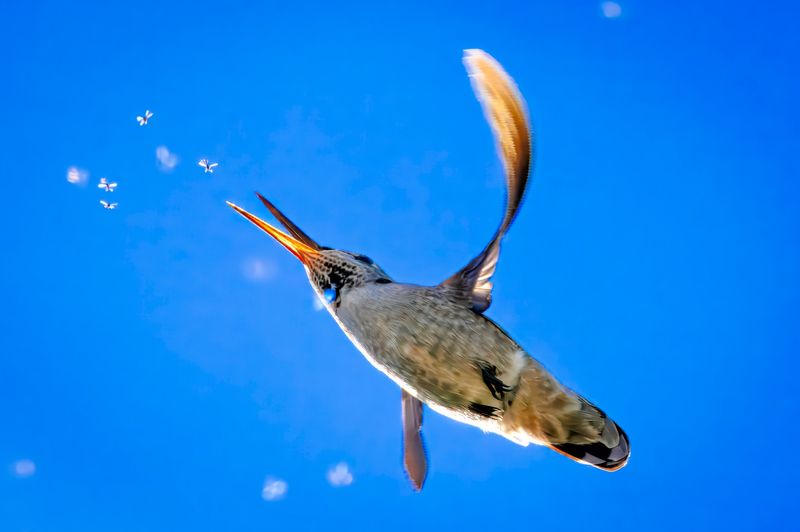
Hummingbirds eat more than sugar water. They sip nectar from flowers and catch tiny insects for protein, as the Forest Service explains in its habitat guidance.
Your Arizona Garden Changes Every Week. Your Plan Should Too.
Gardening in Arizona changes quickly throughout the season. Every Friday you’ll receive a simple weekly plan showing exactly what to plant, prune, fertilize, harvest, and protect so you never miss the right timing.
A bird at your feeder is getting a snack, not proof that it needs your feeder to survive.
Audubon describes feeders as supplemental food, and both Audubon and the Smithsonian call the idea that a feeder keeps birds from migrating a myth. Timing is driven by the birds’ own seasonal cues, not by whether you left the feeder out.
That is good news for homeowners. You can keep a feeder up without worry, and you can add natural food so the yard offers more than one option.
Flowers, shelter, and insects give birds a fuller menu.
Add suitable nectar plants in low-desert yards
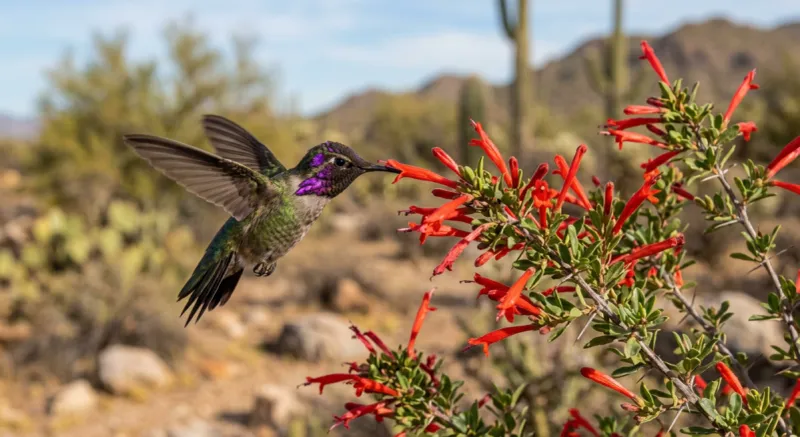
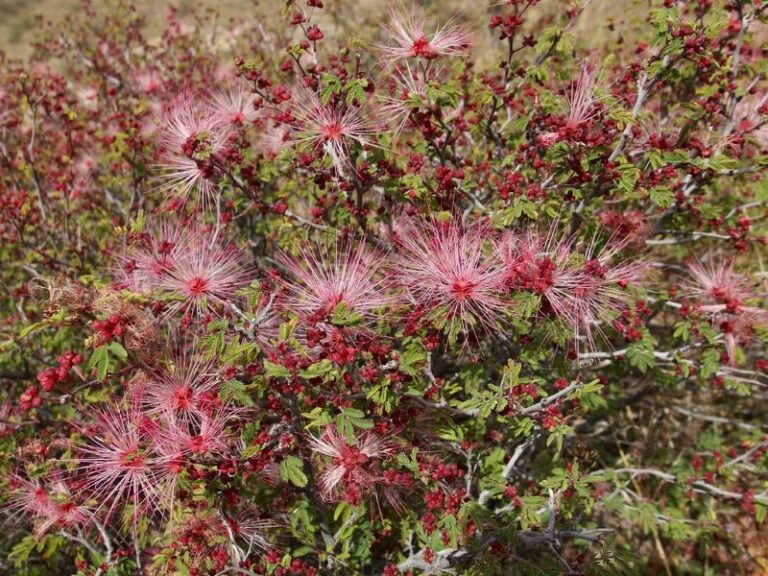
For Sonoran low-desert yards, two native shrubs are worth a look. Chuparosa (Justicia californica) can flower from about October or February into April, according to the Arizona-Sonora Desert Museum, and hummingbirds visit it.
Desert honeysuckle (Anisacanthus thurberi) can flower from January through April and is also visited.
Bloom timing varies with rainfall, temperature, and the exact spot, so watch your own plants rather than trusting a calendar. Neither shrub guarantees visitors, and a Sonoran Desert bloom schedule does not carry over to higher-elevation towns.
Plant in fall, when roots settle in easily, and place shrubs where you can see them from a window. Give them well-drained soil and water-wise care.
Habitat guidance from the Forest Service stresses that native flowers and shelter matter, so consider mixing plants with different bloom periods for a longer food supply.
Keep feeder nectar clean and usable
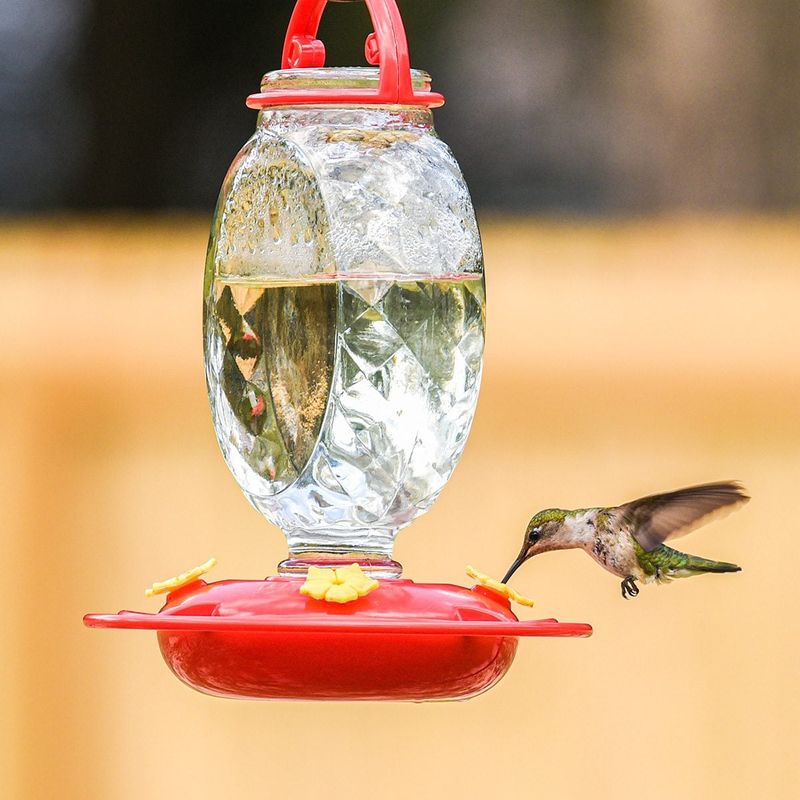
Mix 1 part refined white sugar with 4 parts water. Skip red dye, honey, and artificial sweeteners, and do not make the mix stronger.
The Smithsonian’s National Zoo says boiling is unnecessary if the sugar dissolves fully.
Cleaning depends on the weather. Audubon advises changing and cleaning daily or every other day in hot weather, every three days in temperate weather, and twice a week in cooler weather.
Arizona’s seasons shift fast, so adjust as the forecast does.
If you see mold, cloudiness, or other contamination, clean the feeder right away and refill with fresh nectar. A bottle brush helps reach tight spots.
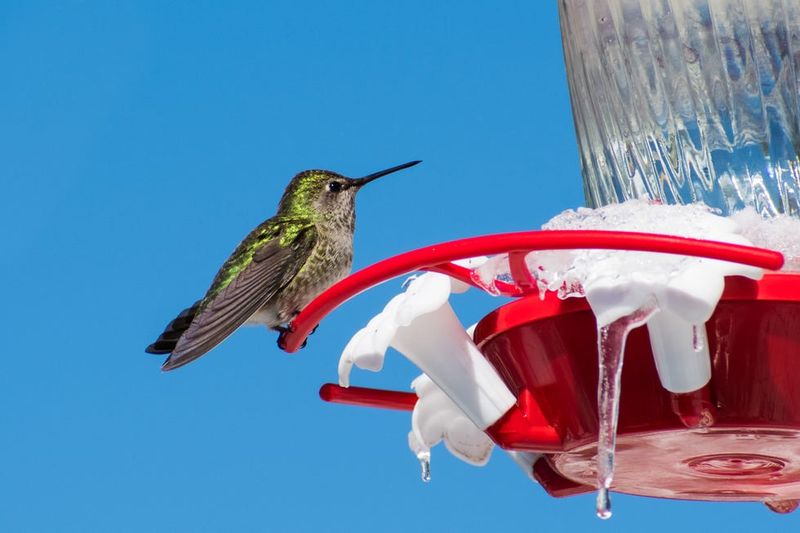
In places where temperatures regularly drop below freezing, keep the nectar from freezing, such as by bringing the feeder in overnight. Audubon says cold nectar itself is not known to cold-stun hummingbirds, so the concern is ice, not chilly liquid.
Build a balanced winter feeding space
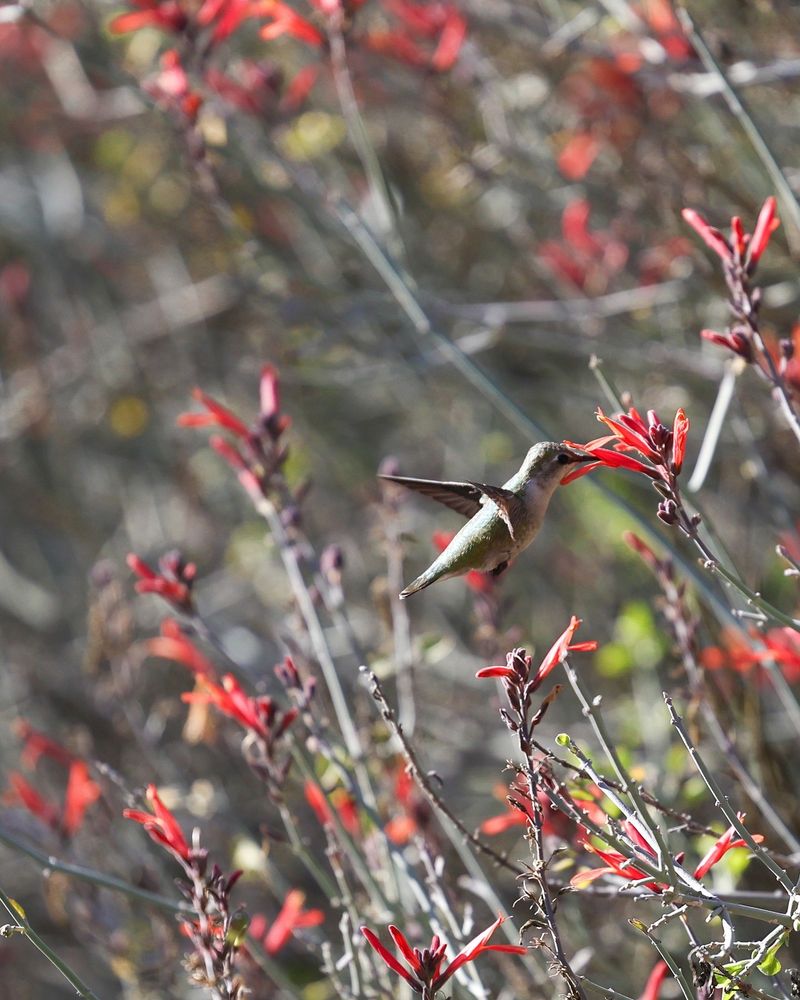
Winter feeder activity probably reflects the birds and food around your own yard, not a statewide surge driven by cold. A clean feeder with fresh nectar gives a dependable extra, and suitable low-desert blooms add natural food.
Pair them and see who stops by.
Per Audubon, keeping the feeder fresh matters most. Some days will be busy and some quiet, and both are normal.