Which North Carolina Perennials To Divide In September And Which Ones To Leave Alone
September feels like the obvious time to tackle overdue perennial division, especially with cooler weather finally making yard work more bearable.
But not every North Carolina perennial responds well to being divided this time of year, and getting it wrong can set a plant back significantly.
Some perennials genuinely benefit from a September split, while others need to be left completely undisturbed until an entirely different season arrives.
Knowing exactly which category your plants fall into changes how you approach this month’s garden tasks from the very start.
Many gardeners assume all perennials follow the same general rules, missing distinctions that matter more than most people realize. Understanding this list now could prevent setbacks that take an entire growing season to recover from.
Getting the timing right here makes all the difference between a healthier plant and an unnecessary struggle.
1. Divide Daylilies
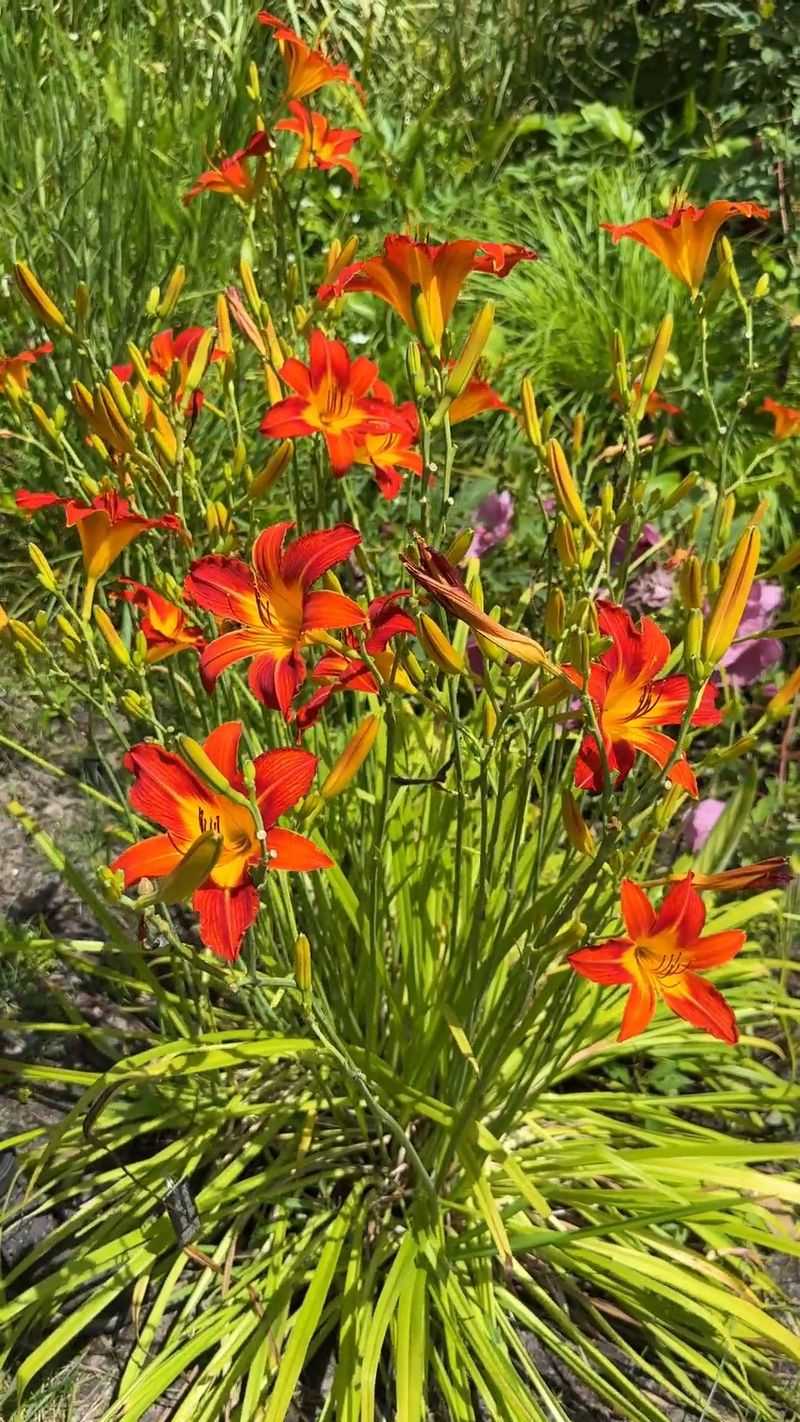
Daylilies are the workhorses of many Carolina gardens, and after a few seasons they grow into thick, crowded clumps. When the center starts looking bare and blooms shrink, that is your plant asking for room to breathe.
September works beautifully because the soil still holds summer warmth while the air feels cooler. Roots settle quickly, and your divisions get plenty of time to anchor before winter arrives.
Dig up the whole clump with a sturdy spade, lifting from a few inches out to protect the roots.
Once the clump is out, shake off loose dirt so you can see where the fans of leaves connect. Gently pull or slice the mass into smaller sections, aiming for three to five fans in each piece.
Sharp tools make cleaner cuts, which helps the plants recover faster. Replant your fresh sections at the same depth they grew before, spacing them a foot or two apart. Water them well and add a light layer of mulch to hold moisture.
That little bit of care goes a long way. Here is a bonus you will love: dividing daylilies gives you free plants to spread around the yard or share with neighbors. One tired clump can turn into several vibrant new patches.
Come next summer, those refreshed roots reward you with bigger blooms and healthier foliage. Few garden chores feel this satisfying, and daylilies make it almost foolproof for beginners and seasoned growers alike.
2. Divide Peonies
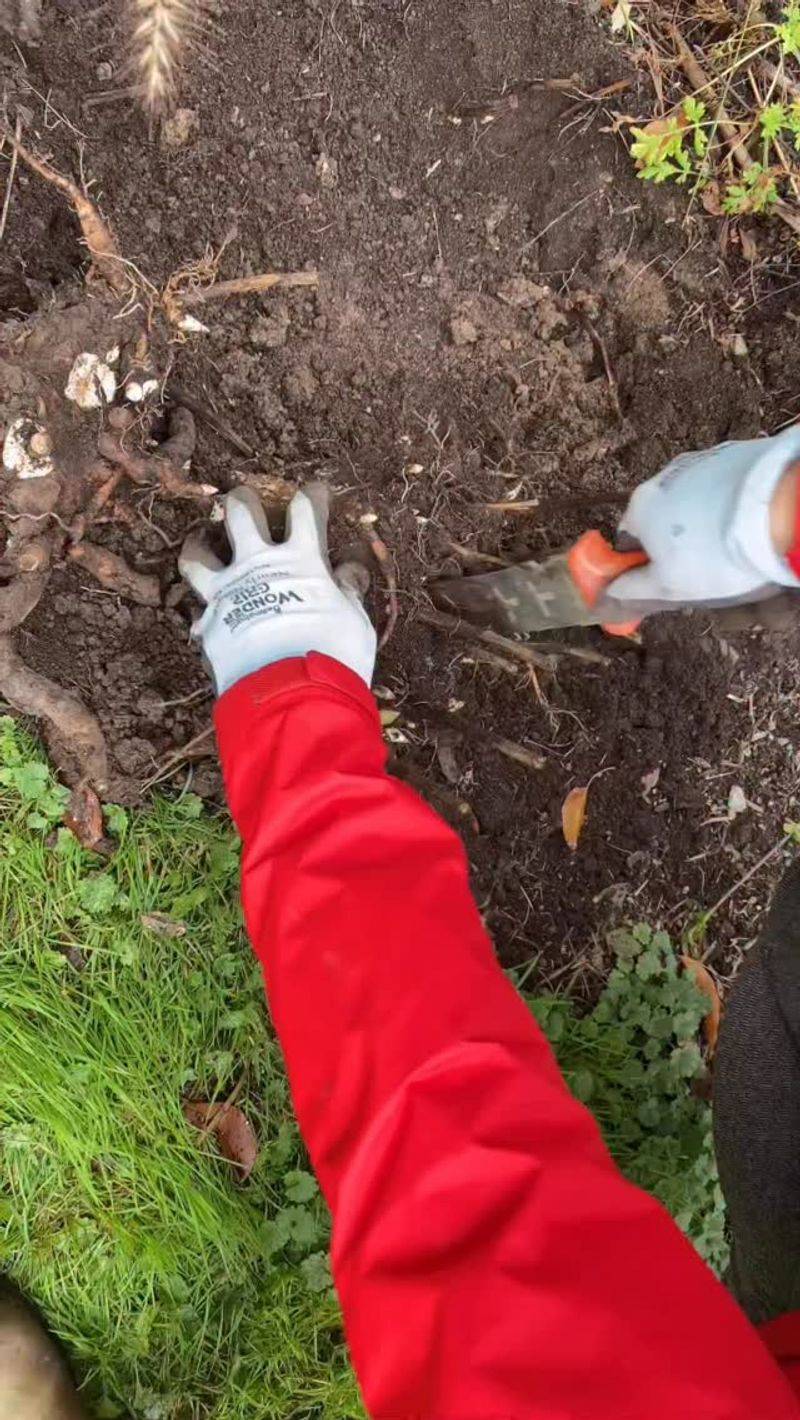
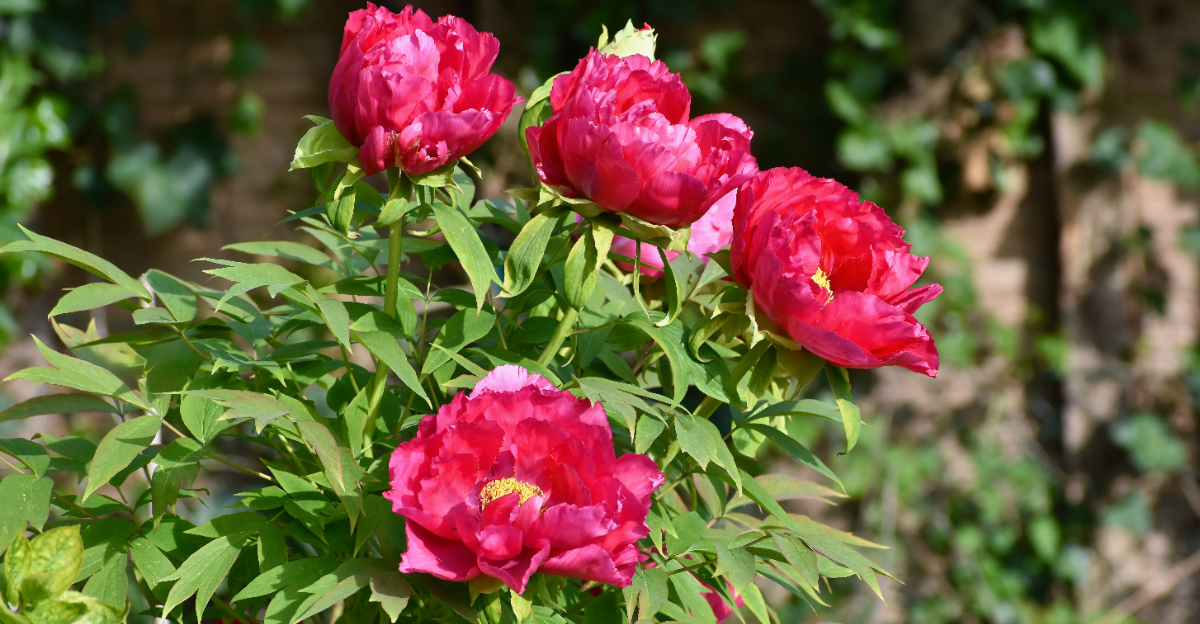
Peonies are old-fashioned charmers that can bloom for generations when treated right. Fall is the golden window for splitting them, and getting the timing correct really pays off.
By September, the plant has stored energy in its roots and finished its growing push for the year. That makes it the ideal moment to lift established clumps without shocking them.
Use a fork to gently loosen the soil around the roots, then ease the whole plant out of the ground.
Rinse the roots so you can spot the pink buds, often called eyes. Each division should carry three to five eyes along with a healthy chunk of root. Cut cleanly with a sharp knife, and toss any soft or damaged pieces.
Your North Carolina Garden Changes Every Week. Your Plan Should Too.
Gardening in North Carolina changes quickly throughout the season. Every Friday you’ll receive a simple weekly plan showing exactly what to plant, prune, fertilize, harvest, and protect so you never miss the right timing.
Now for the part that trips up so many gardeners: planting depth. Peony eyes should sit only about one to two inches below the soil surface. Bury them too deep, and you may get lush leaves with few or no flowers for years.
Choose a sunny spot with well-draining soil, since peonies dislike soggy feet. Space each division about three feet apart to give them room to fill in over time. Water them in and let nature handle the rest through winter.
Patience is your friend here. A freshly divided peony might sulk the first spring, but by the second or third year it rewards you with those big, fragrant blooms everyone loves. Treat them well now, and they may outlast you in the garden.
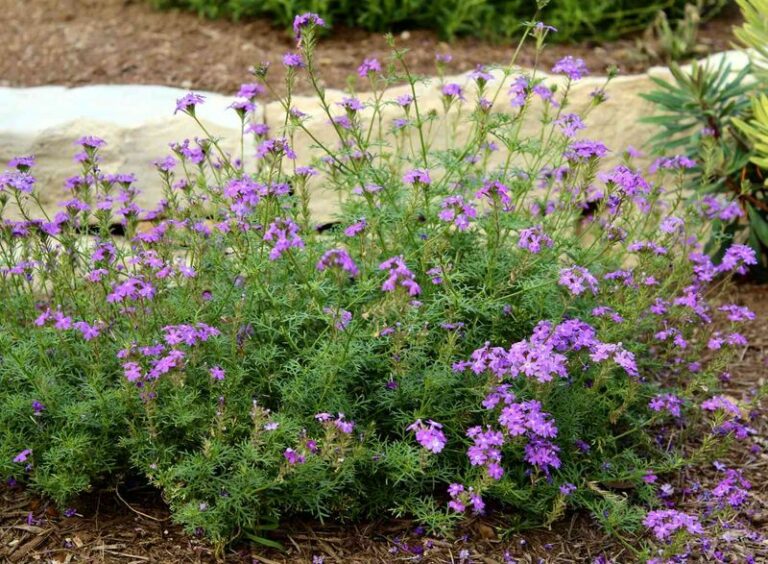
3. Divide Carolina Phlox
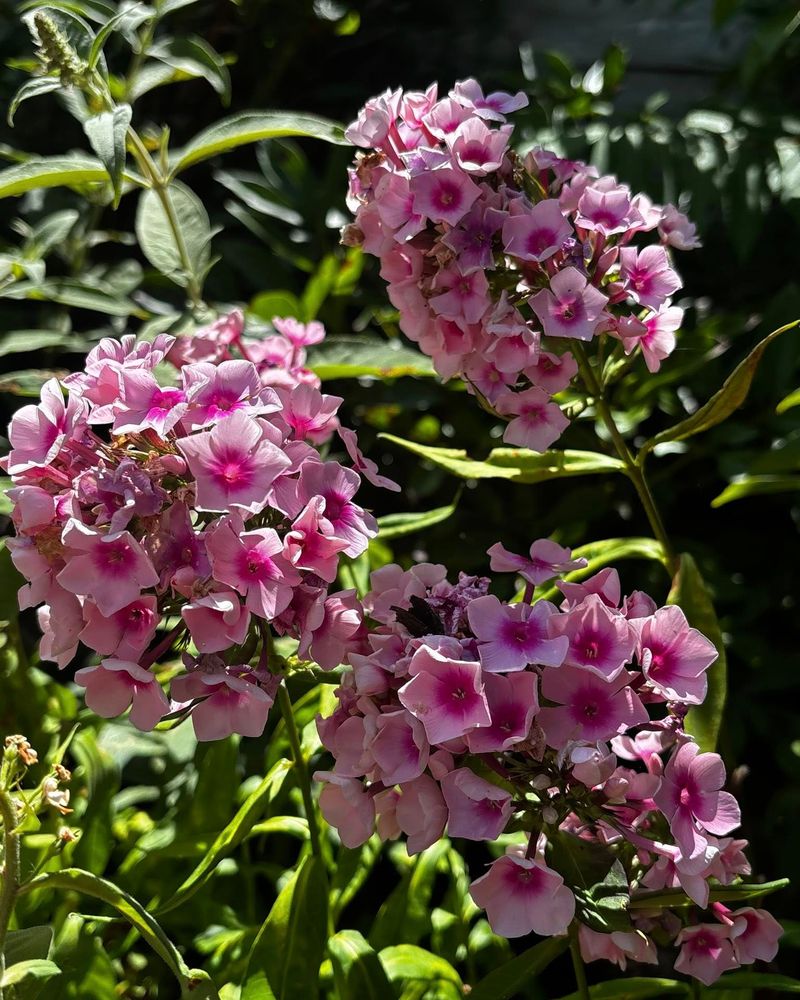
Carolina phlox brings soft clouds of pink and lavender to summer borders, and it grows happily across the state. Over time, though, the clumps get crowded and the center can thin out.
When you notice fewer blooms or stems flopping over, that crowding is usually the cause. September gives you a perfect chance to fix it while the weather cools and the roots stay active. Dividing every few years keeps the plant vigorous and full.
Start by digging up the clump with a spade, working around the outer edge to keep as many roots intact as possible. Lift the mass gently and set it on the ground where you can see what you are working with.
Pull the clump apart into smaller sections by hand, or use a knife for tougher spots. Each piece should have a good set of roots and a few healthy shoots. Discard the woody, worn-out middle if it looks tired.
Replant the divisions at their original depth in a spot with decent airflow, which helps prevent mildew on the leaves. Space them about a foot and a half apart so air can move freely. Water them thoroughly after planting.
A fun perk of splitting phlox is how fast it fills back in. Those small starts settle quickly and often bloom nicely the very next season.
Refreshing your phlox now means brighter color and stronger stems, plus a few extra plants to tuck into other corners of the yard.
4. Divide Hellebores
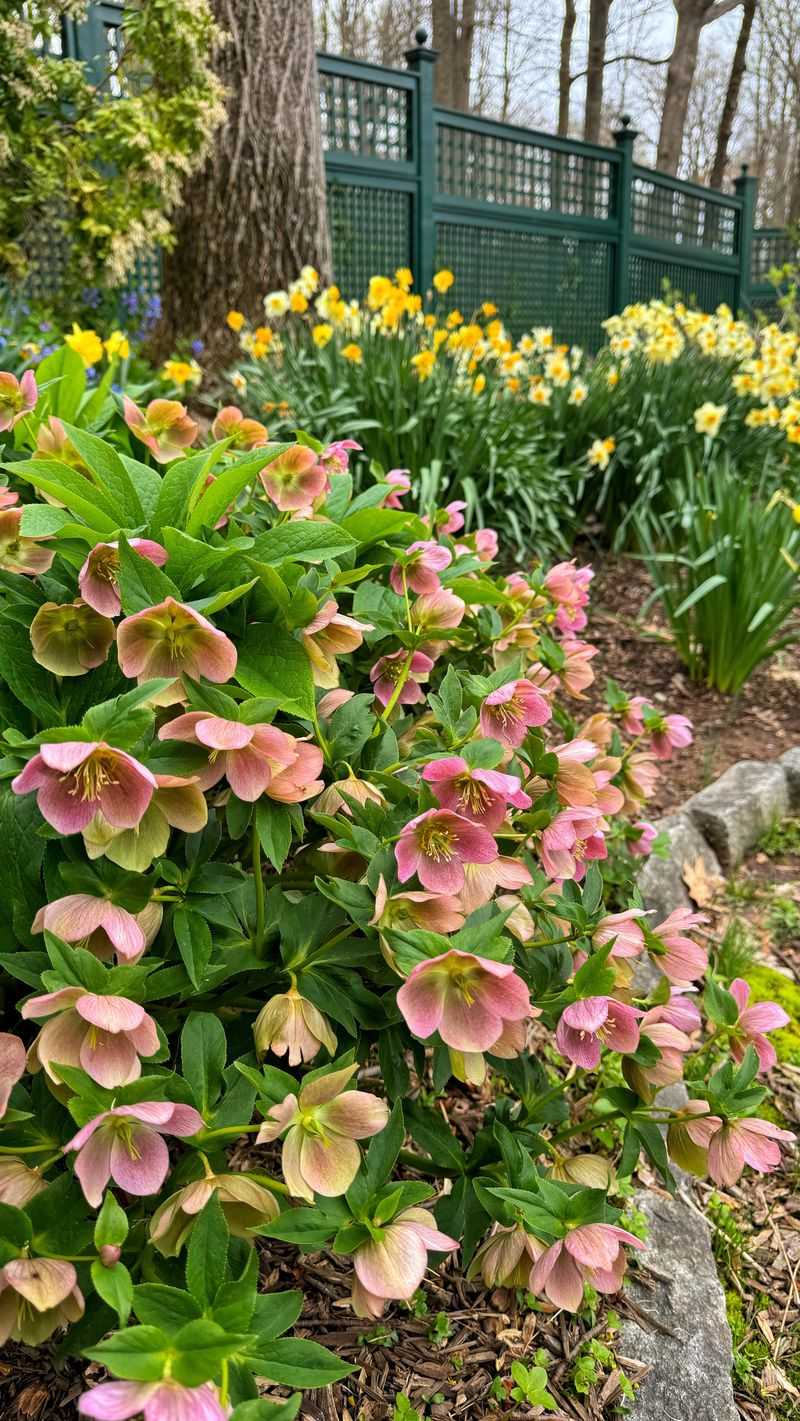
Hellebores, sometimes called Lenten roses, are treasured for their winter and early spring flowers when little else is blooming. Once they mature, you can multiply them by dividing, and late summer into early fall is the sweet spot.
These plants form slow, sturdy clumps, so you will not need to divide them often. But when you want more plants for shady beds, splitting an established one is the easiest route.
September timing lets the divisions root before cold weather rolls in. Dig up the whole clump carefully, since hellebore roots can be thick and a bit stubborn. Shake or rinse off the soil so you can see the crown clearly.
Look for natural sections where growth points cluster together. Use a clean, sharp knife to cut the crown into pieces, making sure each division has several roots and at least a couple of growth buds.
Handle them gently, as the roots do not like to dry out during the process. Replant right away in rich, shady soil at the same depth they were growing before. Water them in and add a little compost to help them settle.
Keep the soil lightly moist while they establish. Wear gloves during this job, because hellebore sap can irritate sensitive skin. It is a small thing to remember, but your hands will thank you.
With patience, your divided plants will reward you with those nodding winter blooms, spreading quiet beauty through the coldest months and filling shady spots that other flowers ignore.
5. Leave Garden Mums Alone
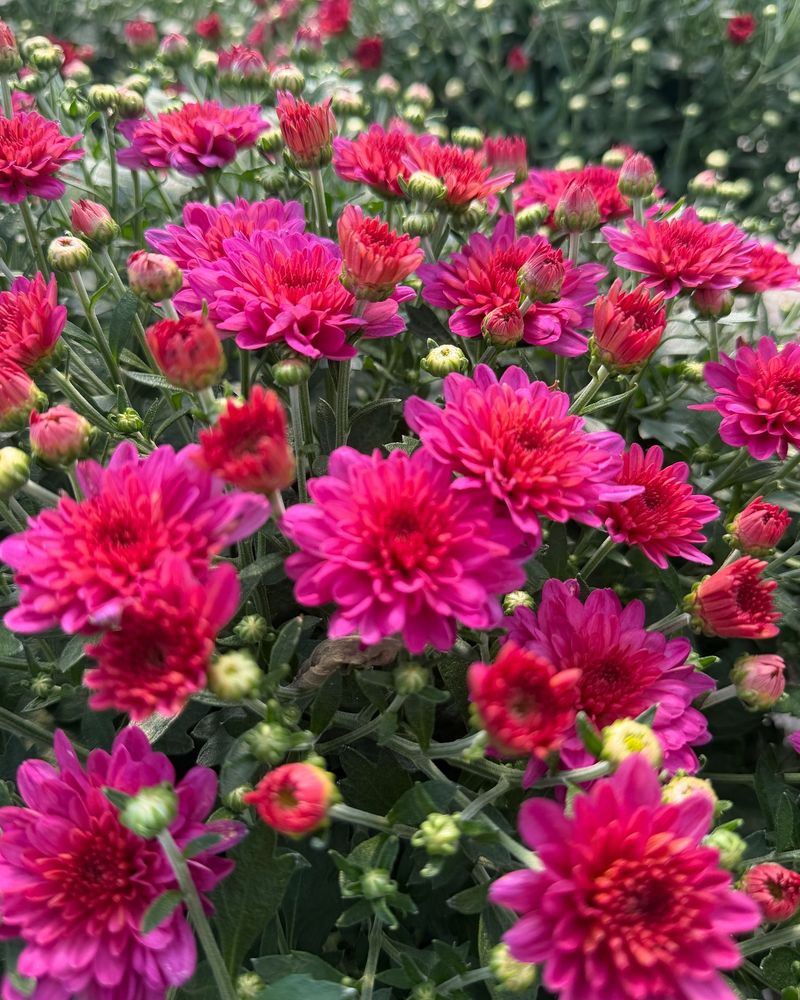
Garden mums put on their biggest show exactly when September rolls around, covering themselves in cheerful blooms. Because they are working so hard to flower right now, this is the worst time to disturb them.
Digging up a mum in the middle of its bloom cycle stresses the plant and interrupts all that flowering energy. You would likely lose the very display you have been waiting for all season.
Instead, let them shine where they are. Mums pour their strength into petals during fall, not into growing new roots. Splitting them now means the divisions would struggle to settle before winter.
That leaves them weak and vulnerable when cold weather arrives.
The better plan is to wait until spring. Once new green shoots appear at the base, you can lift and divide the clump with much better results.
Spring divisions have the whole growing season ahead to build strong roots.
For now, focus on enjoying the color and keeping your mums watered during dry spells. A little deadheading, or pinching off faded blooms, keeps them looking fresh longer.
Mulch around the base helps hold moisture and protect the roots through winter. Think of fall mums as guests at their own party. It would be rude to move them mid-celebration, right?
Give them the spotlight now, and pencil in that division job for spring. When warmer days return, your patience pays off with healthier plants and even more of those bold autumn flowers you love to see.
6. Leave White Wood Asters Alone
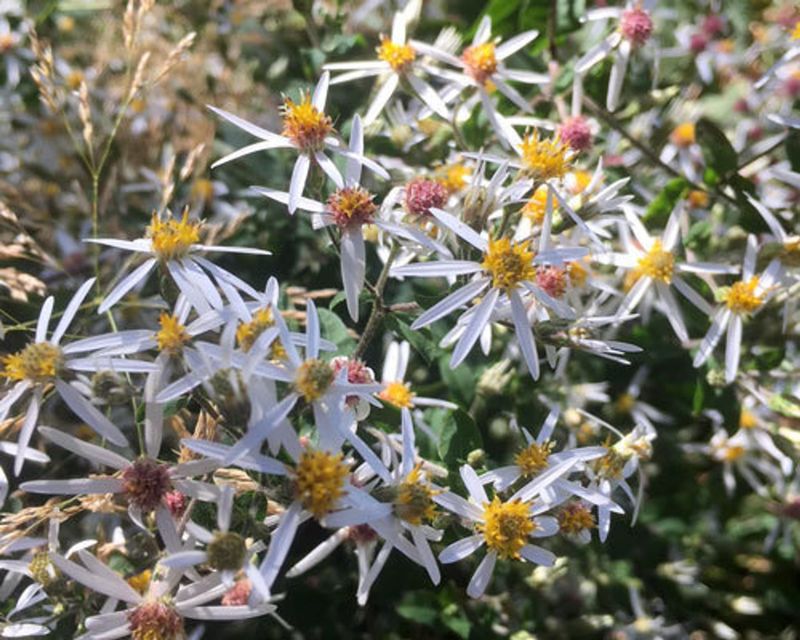
White wood asters sprinkle the shady edges of Carolina gardens with tiny star-shaped blooms in fall. They are quiet spreaders that light up spots where other flowers give up, especially under trees.
Right now, these asters are busy flowering, and that is a clear sign to leave them be. Pulling them apart during their big moment would cut short the delicate show.
It also robs pollinators of a late-season food source they truly need.
Fall blooming plants like these direct their energy upward into flowers rather than downward into fresh roots. A division now would land your plants in a tough spot, with little time to recover before the cold.
The risk simply is not worth it. Spring is the smarter choice for this task. Wait until you see new growth pushing up from the ground, which signals the roots are active and ready.
That fresh start gives divisions the best shot at thriving. Until then, just let your asters do their thing. They handle shade like champs and rarely ask for much attention.
A bit of mulch and occasional water during dry stretches keeps them content.
Here is something charming about wood asters: they often self-sow, quietly filling in bare patches on their own. So even without your help, they spread a gentle carpet of white each fall.
Enjoy that easygoing habit now, and save the dividing chores for those first warm days of spring when everything wakes back up.
7. Leave Narrow Leaf Coneflowers Alone
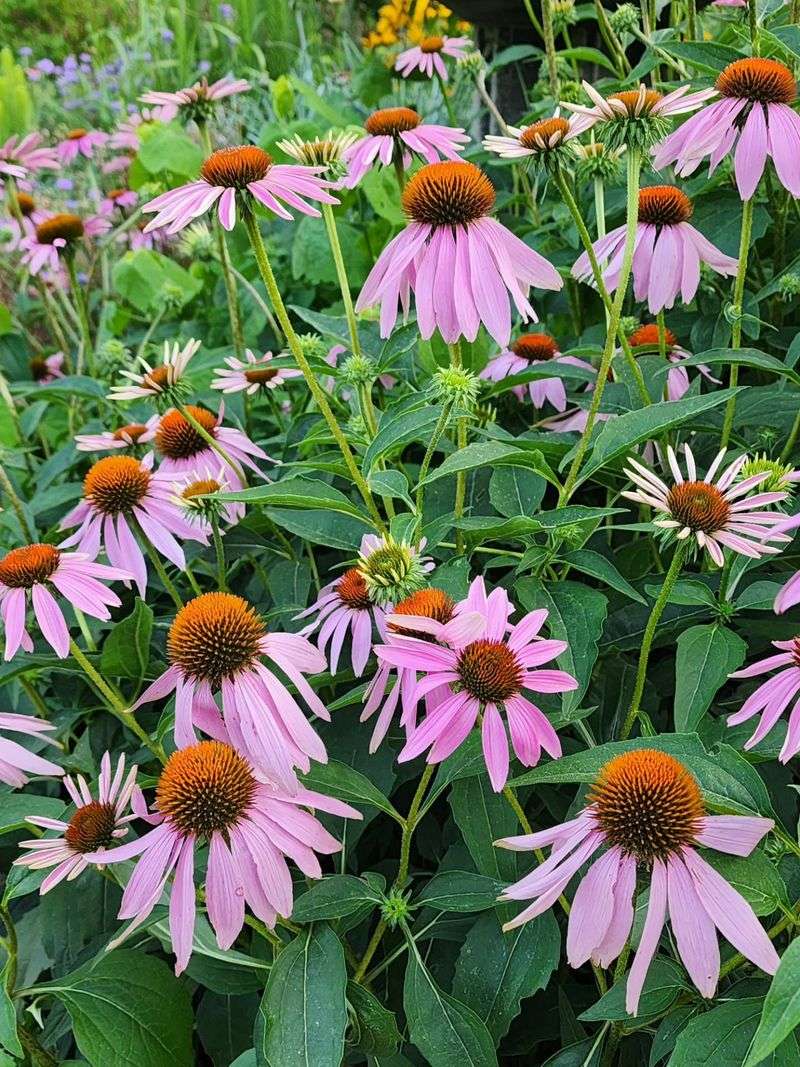
Narrow leaf coneflowers are tough natives that shrug off heat and drought like it is nothing. Their slender petals and bristly centers add prairie charm to sunny beds all summer long.
Even when a clump grows crowded, fall is not the right time to split it. These plants grow deep, sturdy taproots that dislike being disturbed as the season winds down.
Digging now can damage those roots and set the plant back badly.
Coneflowers use late summer and fall to store energy and set seed, feeding birds like goldfinches along the way. Interrupting that cycle stresses the plant when it can least afford it.
A poorly timed division may leave you with weak, struggling starts.
Spring is far kinder to these prairie beauties. When new leaves unfurl and the soil warms, the plant is in growth mode and bounces back quickly.
That is when a crowded clump splits with much better success. For the time being, let the seed heads stand instead of trimming everything back. They add winter interest and become a snack bar for hungry birds during cold months.
It is a small choice that helps local wildlife. When spring finally arrives, dig deep to catch as much of the root as you can, then replant in a sunny, well-drained spot. Your patience means stronger plants and more of those bold, daisy-like blooms.
Leave your coneflowers standing now, and reward yourself with an easier, more successful division later.
8. Leave Baptisia Alone
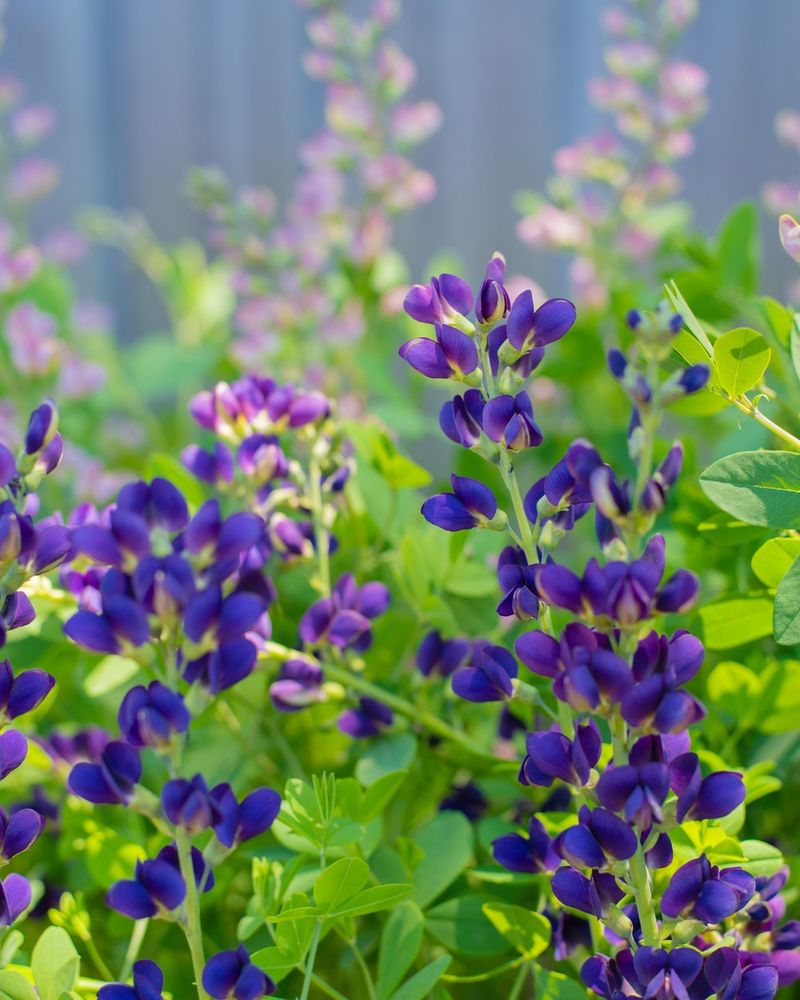
Baptisia, often called false indigo, is a bold native that acts almost like a shrub in the garden. Its blue-green leaves and tall flower spikes make a stunning statement each spring and summer.
What you cannot see is the real reason to leave it alone. Baptisia sends down a massive, deep taproot that anchors the plant firmly in place. That root does not take kindly to being dug up or moved.
Established plants can reach several feet across and dig their roots surprisingly deep into the soil. Trying to divide one is hard work, and the plant usually resents the disturbance. Many attempts leave both halves sulking for years afterward.
The good news is that baptisia rarely needs dividing at all. It happily stays put and grows more beautiful with age, forming a reliable centerpiece in native beds. Some clumps thrive in the same spot for decades.
If you want more baptisia, growing from seed is the gentler route, though it does take patience. Choose the planting location carefully from the start, since this is one plant that prefers to stay right where you set it.
Full sun and well-drained soil suit it best. Rather than fussing over division, enjoy the seed pods that rattle in the breeze come autumn. Kids especially love the sound they make.
Give baptisia a permanent home, step back, and let it settle in for the long haul. Some plants simply reward you most when you leave them undisturbed, and this one tops that list.