Why Are Owls Suddenly Roosting In Florida Backyard Trees
Hoo-hoo, at 2 AM, coming from a tree that’s been empty all summer. Something changed, and it wasn’t your yard.
Owls don’t pick trees at random. Most Florida owls live here year-round, and as fall courtship and winter nesting kick in, they call more, move more, and show up in trees they may have quietly used all along.
Your yard plays a part too. Tall trees, old stick nests, and a steady supply of rodents can make a backyard look like prime owl territory.
Next time that hooting starts up, resist the urge to shrug it off as one-off weirdness. Chances are your yard has something an owl wants.
1. Most Florida Owls Live Here Year-Round
Here is a surprise for many Floridians. Those owls in your yard probably did not fly in from somewhere far away.
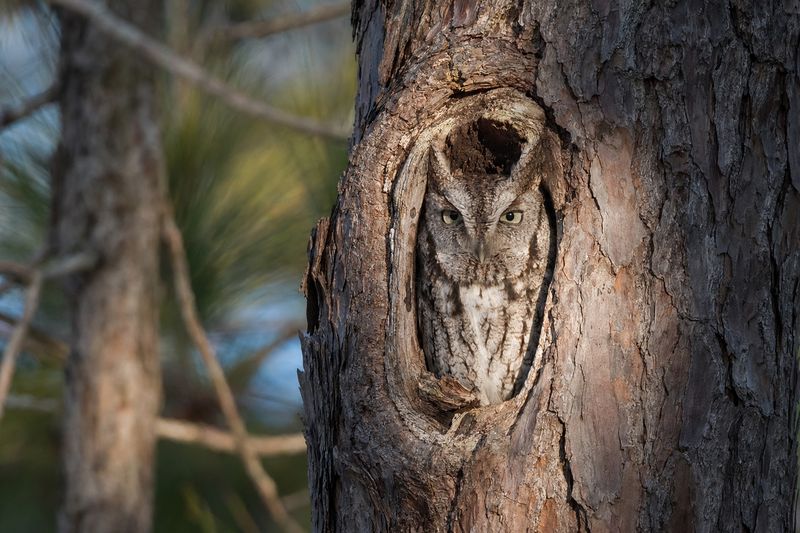
Most Florida owls stay put all year long. Great horned owls, barred owls, eastern screech-owls, and barn owls all call the Sunshine State home in every season.
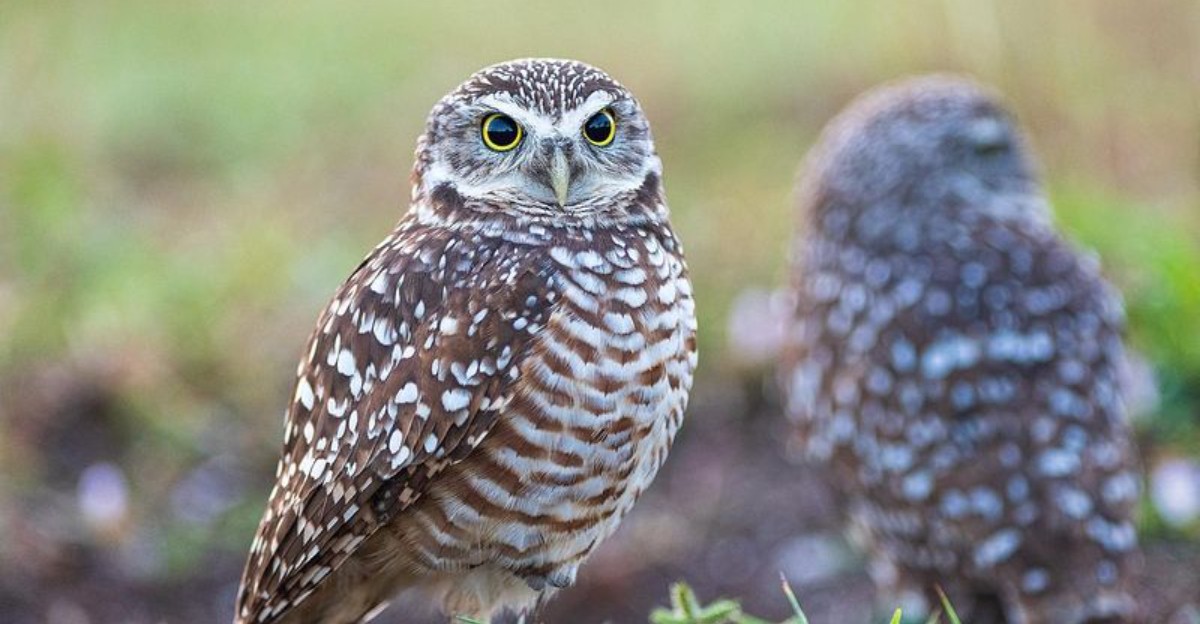
Our state even has its own special burrowing owl. This little ground-dweller is a subspecies found nowhere else in the country, which makes it a true local celebrity.
So why do they seem sudden? The answer is often about visibility and timing, not new arrivals.
In cooler months, some trees thin out a bit. Owls also get louder and more active as their breeding season kicks off, so people notice them more.
Owls live in many kinds of places across the state. You can find them in swamps, thick forests, open fields, and quiet neighborhoods with tall trees.
Suburbs work well for them because they offer shade, perches, and plenty of snacks. A backyard with mature oaks or pines can feel just like a cozy forest edge.
Want to spot your resident owl? Look for whitewash, which is white droppings, on branches or the ground below.
You might also find pellets, which are small bundles of fur and bones. These clues tell you an owl has been hanging around for a while, quietly sharing your space.
2. Great Horned Owls Start Courting In Late Fall
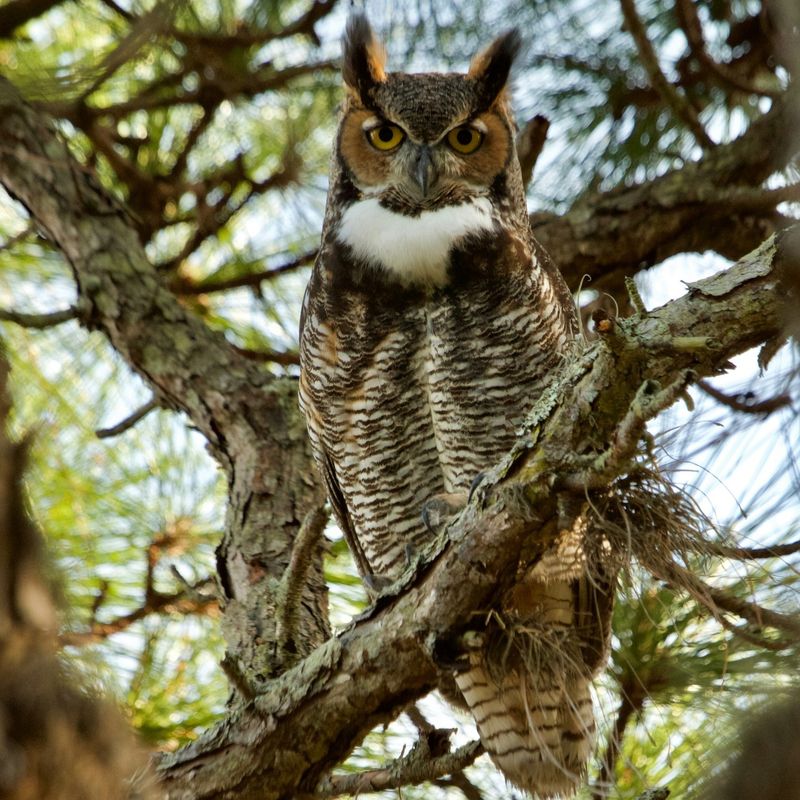
Picture a moonlit duet with one deep voice and one slightly higher voice answering back. That romantic soundtrack is great horned owls falling in love.
Courtship for these big birds usually starts in late fall and runs into early winter. Pairs call back and forth in what scientists call duets.
Here is a fun twist. The male actually has the deeper hoot, even though females are larger than males.
Those calls do more than sound sweet. They help a pair build a strong bond and tell other owls that this territory is taken.
You can hear great horned owls hooting from about mid-September to early April. The calls get stronger as breeding season heats up, which is why many families suddenly notice them.
A typical hoot sounds like a soft, rhythmic phrase. Many people describe it as hoo, h-hoo, hoo, hoo, almost like someone asking a question in the dark.
Your Florida Garden Changes Every Week. Your Plan Should Too.
Gardening in Florida changes quickly throughout the season. Every Friday you’ll receive a simple weekly plan showing exactly what to plant, prune, fertilize, harvest, and protect so you never miss the right timing.
If you hear two owls trading calls, try stepping outside quietly. Keep lights low and listen for a few minutes without talking.
Kids especially love this nighttime game. Turn it into a listening challenge and see who can tell the male from the female first.
Just keep your distance and enjoy the show. Courting owls prefer privacy, much like anyone on a first date.
3. Nesting Can Begin As Early As December
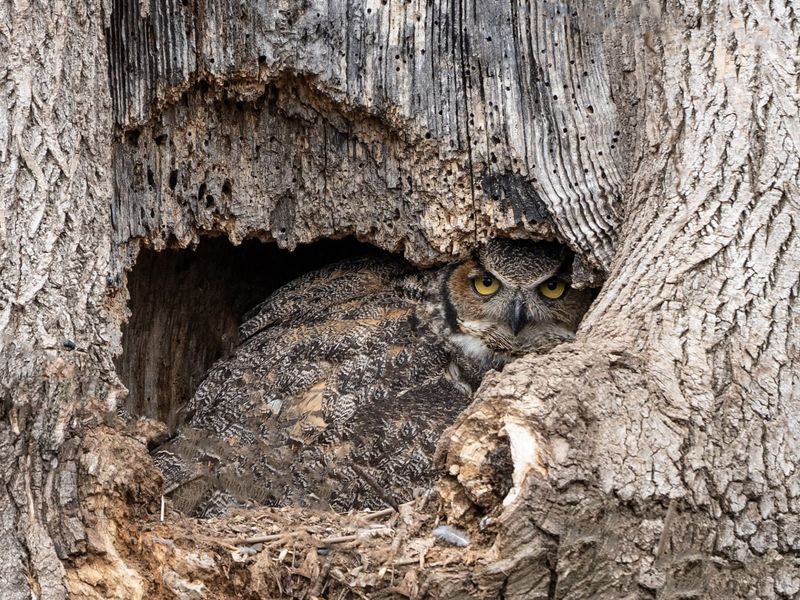
While your neighbors hang holiday lights, an owl family might be setting up a nursery overhead. Florida owls get a head start that surprises a lot of people.
Great horned owls can begin nesting as early as December. Eggs are often laid in December and January, right in the middle of the holiday season.
That early start is a smart move. It gives the babies, called owlets, plenty of time to grow strong before spring and summer arrive.
Other owls follow their own calendars. Barred owls usually start nesting in late January and early February.
Barn owls in Florida typically lay eggs in February. Burrowing owls have a long breeding season, often from mid-February to early July, though some begin sooner.
Because of this timing, winter is a busy season in your trees. Adults spend more time near the nest, guarding it and bringing food.
Here is some practical advice. If you plan to trim large trees, try to schedule the work before December or after the nesting season ends.
Look carefully for big nests or owls sitting still in one spot. A quick check can save a family a lot of stress.
When in doubt, call your local wildlife office before cutting. They can help you plan around your feathered tenants.
4. They Move Into Old Stick Nests Built By Other Birds
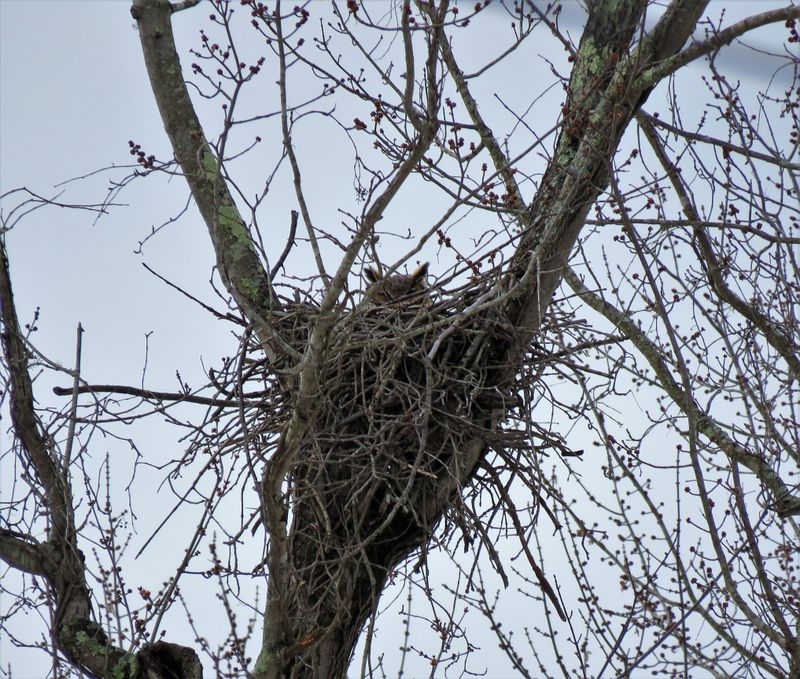
Some birds are master builders. Great horned owls, on the other hand, are more like house hunters looking for a fixer-upper.
These owls do not build their own nests. Instead, they move into old stick nests left behind by hawks, crows, or even eagles.
It is a bit like moving into a home with the furniture already in place. They simply settle in and get to work raising a family.
Great horned owls may also use natural tree cavities. Abandoned buildings and cliff ledges can work too, if the spot feels safe.
Barred owls have similar tastes. They prefer tree cavities but will happily borrow an old crow or hawk nest when one is handy.
Burrowing owls take a totally different path. They dig their own underground homes, and Florida birds may also use burrows made by gopher tortoises or armadillos.
So what does this mean for your yard? That big messy clump of sticks in your tall pine might be prime owl real estate.
If a hawk or crow nested there last year, an owl may claim it this winter. Leaving those old nests alone gives owls a ready-made place to land.
A healthy, mature tree is basically a welcome mat. Keep it standing when you safely can.
5. Barred Owls Sometimes Hunt In Daylight
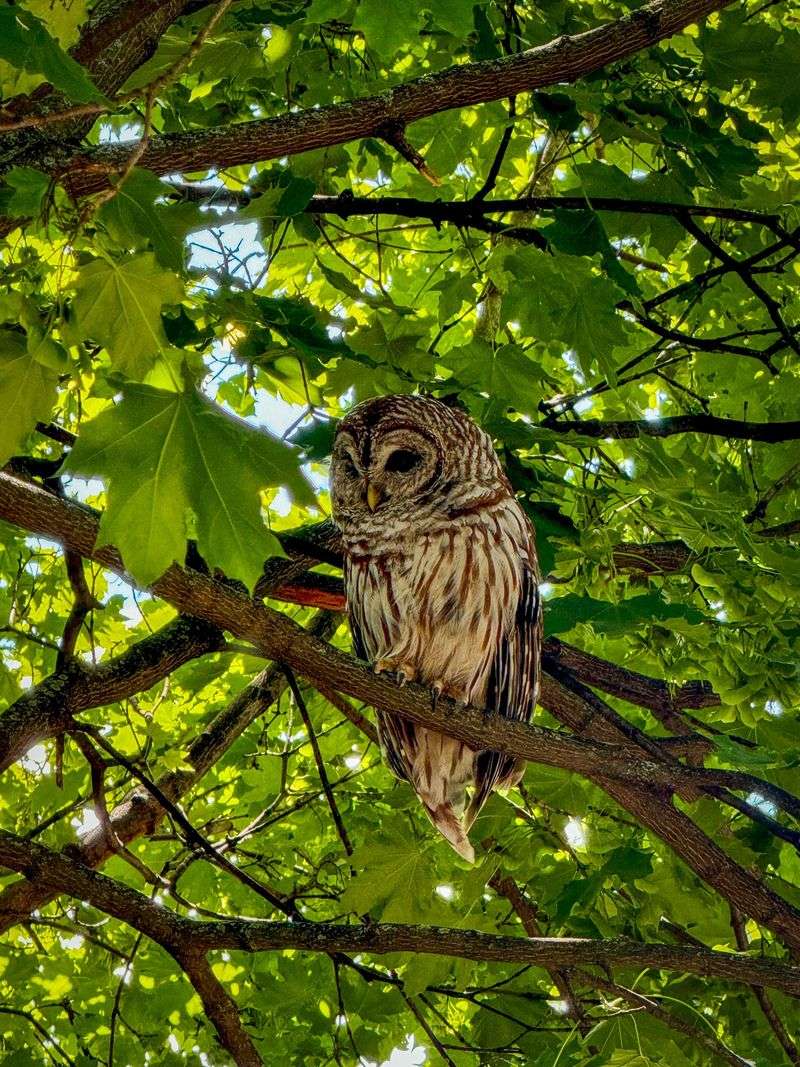
Did you just see an owl at lunchtime? You are not dreaming, and you probably met a barred owl.
Most owls are night workers. Barred owls, however, are often spotted hunting and moving around during the day.
They are especially active at dawn and dusk. Rainy days also seem to bring them out, along with the busy weeks when they are feeding hungry chicks.
You can recognize a barred owl by its round head and dark brown eyes. Its chest has neat vertical streaks, almost like a striped sweater.
Their famous call sounds like someone asking, who cooks for you, who cooks for you all? Once you hear it, you will not forget it.
Barred owls are sit-and-wait hunters. They perch quietly, watch the ground below, and then swoop down on prey without a sound.
This patient style makes backyards a great hunting spot. Fences, low branches, and porch railings make handy lookout posts.
If one lands nearby, grab binoculars instead of your phone flash. Bright lights and loud noises can stress the bird and push it away.
Watching quietly from a window is the best seat in the house. You might catch a daytime hunt that most people only see on nature shows.
6. Backyard Rodents Make An Easy Meal
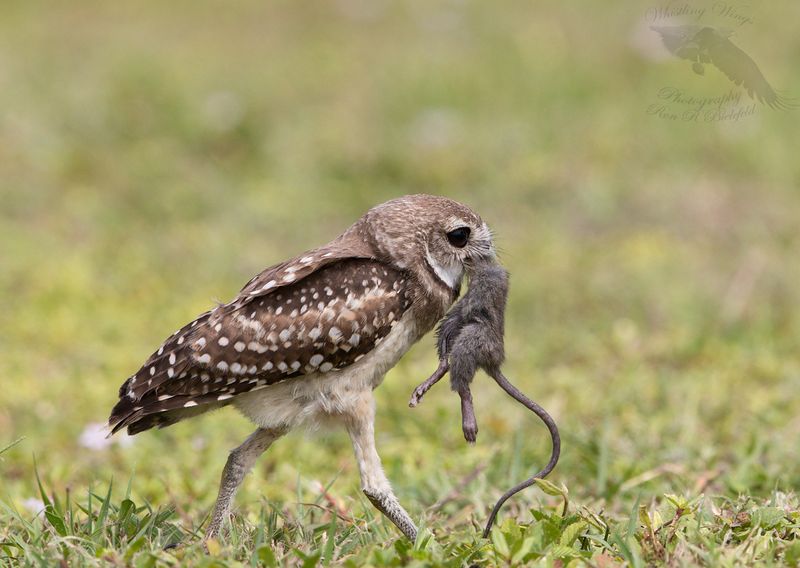
Think of owls as free, feathered pest control with excellent night vision. Your yard might be their favorite restaurant.
Neighborhoods often have plenty of rats, mice, and other small critters. Owls love that, and they help keep those populations in check.
One barn owl family can eat a huge number of rodents in a single year. That is a lot of help for people who do not want mice in the garage.
Great horned owls eat rodents, rabbits, reptiles, frogs, insects, and even crustaceans. They are not picky eaters at all.
Barred owls hunt rats, rabbits, squirrels, frogs, lizards, snakes, and birds. Some even wade into shallow water to grab fish or crawfish.
Eastern screech-owls mostly munch on insects. They help control roaches and crickets, which many Florida homeowners will cheer about.
Here is a helpful tip. Skip rodent poison if owls live nearby, because an owl that eats a poisoned rat can get very sick.
Snap traps or sealing entry holes are safer choices. Keeping a little natural cover, like brush piles at the yard edge, can also support the food chain.
In short, a busy rodent buffet draws owls in. Treat them kindly, and they will happily work the night shift.
7. Screech Owls Will Move Into Nest Boxes
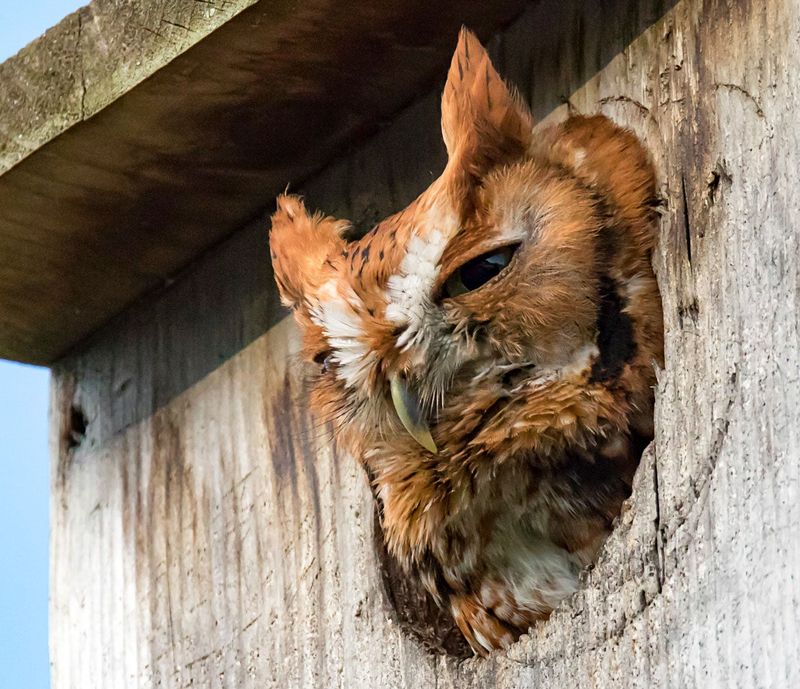
Small enough to fit in your hands, the eastern screech-owl has a big personality. It also has a soft spot for a good wooden box.
These little owls adapt well to wooded neighborhoods. They often move right into nest boxes that people hang in their yards.
Their call is not really a screech. It sounds more like a soft whinny or a trembling trill, kind of like a tiny horse in the trees.
Nest boxes can also attract great horned owls and barred owls. Each kind needs a different size box, so check plans made for your target species.
Timing matters a lot. The best time to put up a box is from late October through January.
That window lets owls find the box before breeding starts in February or March. A box hung in April may sit empty until next year.
For screech owls, mount the box about 10 to 30 feet high on a sturdy tree. Add a couple inches of wood shavings inside, since owls do not bring nesting material.
Face the opening away from strong winds, and skip any perch on the front. Perches mainly help unwanted visitors like squirrels or snakes.
Then be patient. A shy little tenant may move in when you least expect it.
8. Don’t Leave Small Pets Outside Unattended
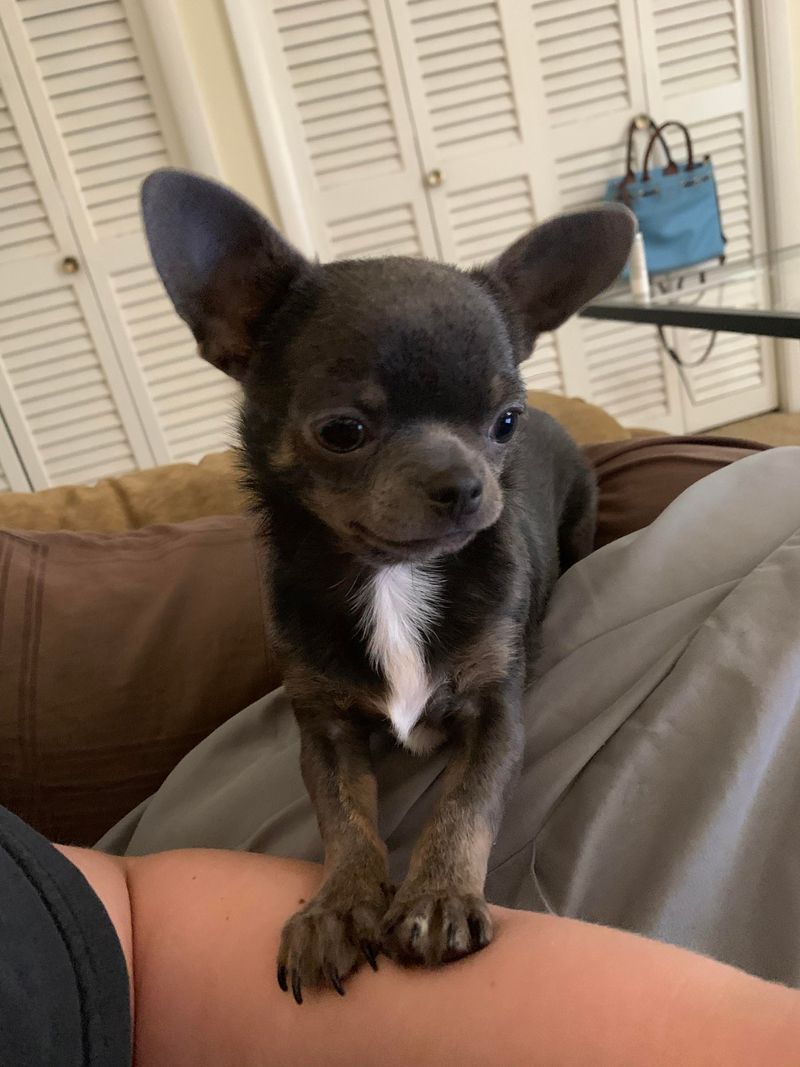
Owls are wonderful to watch, but they are wild hunters first. A small pet can look a lot like dinner from a high branch.
Great horned owls are especially powerful. Their grip is often compared to a bald eagle’s, which is incredibly strong for a bird.
They can take large prey, including raccoons, hawks, and even other owls. Rabbits and rodents are regular menu items too.
There have been reports of great horned owls going after small dogs. Cats, chickens, and rabbits kept outdoors can also be at risk.
The good news is that a few simple habits make a big difference. Most owl trouble happens from dusk until dawn.
Walk small dogs on a leash at night, and stay close by. Bring cats indoors before sunset if you can.
Backyard chickens need a covered coop with sturdy wire on top. Open runs leave them exposed to attacks from above.
Porch lights and motion lights can help too. Owls prefer quiet, dark spaces, so a little brightness may make them hunt elsewhere.
None of this means owls are villains. They are simply doing what nature built them to do, and a careful owner keeps everyone safe and happy.
9. Owls And Their Nests Are Protected By Federal Law
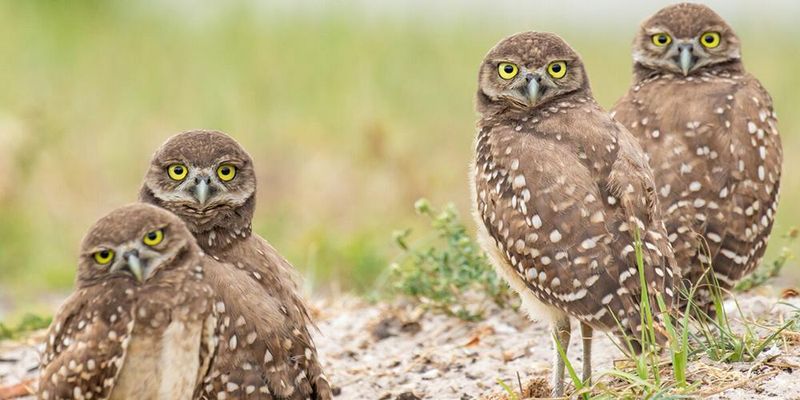
Here is something every homeowner should know. That owl in your tree has serious legal backup.
Most owl species in the United States are protected by the Migratory Bird Treaty Act. The law covers the birds, their nests, and their eggs.
This rule dates back to 1918. It was created to protect birds that were being overhunted, and it still matters today.
Under this law, you cannot keep a native owl or take its nest or eggs. You need special federal permission, which is rarely given to regular folks.
Breaking the law can lead to big fines and even jail time. Some states allow permits for certain birds, but federal law usually comes first.
So what should you do if owls are nesting in your yard? The simple answer is to let them be.
Do not try to move a nest, even if it seems inconvenient. Wait until the young owls have left before trimming that tree.
If you find an injured owl or a fallen owlet, call the Florida Fish and Wildlife Conservation Commission or a licensed rehabber. They know how to help safely.
Respecting these rules keeps owls around for future generations. Your backyard becomes a small but mighty safe haven.