These Are The Texas Vegetables You Should Plant In June For A Fall Harvest
June in Texas feels like the wrong time to be thinking about a fall vegetable garden, but that instinct is exactly what causes so many Texas gardeners to miss one of the most productive growing windows the state has to offer.
Fall vegetables do not plant themselves in September. They go in the ground in June and July, during the heat, when everything else seems focused on just getting through the summer.
The Texas fall season rewards that early effort with cooler growing temperatures, reduced pest pressure, and a quality of vegetable flavor that the spring garden rarely matches.
Crops that struggle to fully develop in spring heat often reach their best in the gradually cooling weeks of October and November. Getting them started now means they have the time they need to mature properly before conditions shift.
If you have been letting your Texas garden coast through summer and hoping fall takes care of itself, June is exactly the month to change that habit.
1. Tomatoes (Solanum Lycopersicum)
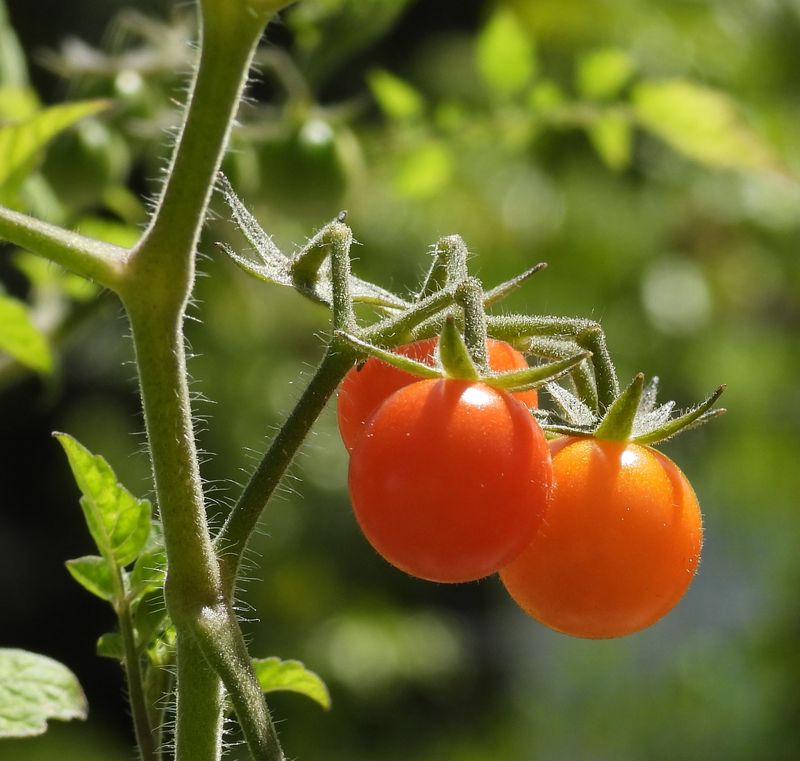
Few things beat the taste of a homegrown tomato pulled fresh from the vine. In Texas, June is a smart time to plant tomatoes for a fall harvest because the long growing season gives them plenty of time to mature before cooler temperatures settle in.
The key is choosing heat-tolerant varieties that can handle the Texas summer sun without slowing down.
Varieties like Celebrity, Solar Fire, and Heatmaster are popular choices for Texas gardeners. These types are bred to set fruit even when temperatures stay high.
Look for transplants at your local nursery or start your own seeds indoors a few weeks before you plan to put them in the ground.
Tomatoes need full sun, meaning at least six to eight hours of direct sunlight each day. Well-drained soil with plenty of organic matter helps roots grow strong and deep.
Raised beds work especially well in Texas because they warm up quickly and drain properly after heavy rains.
Consistent watering is one of the most important things you can do for your tomato plants. Uneven watering leads to problems like blossom end rot, which causes the bottom of the fruit to turn dark and soft.
Water deeply a few times each week rather than giving shallow sprinkles every day. Mulching around the base of your plants keeps moisture in the soil and helps regulate temperature.
Stake or cage your plants early so they have support as they grow tall and heavy with fruit. With good care, your tomato plants should start producing ripe fruit by late summer and continue well into fall.
2. Peppers (Capsicum Spp.)
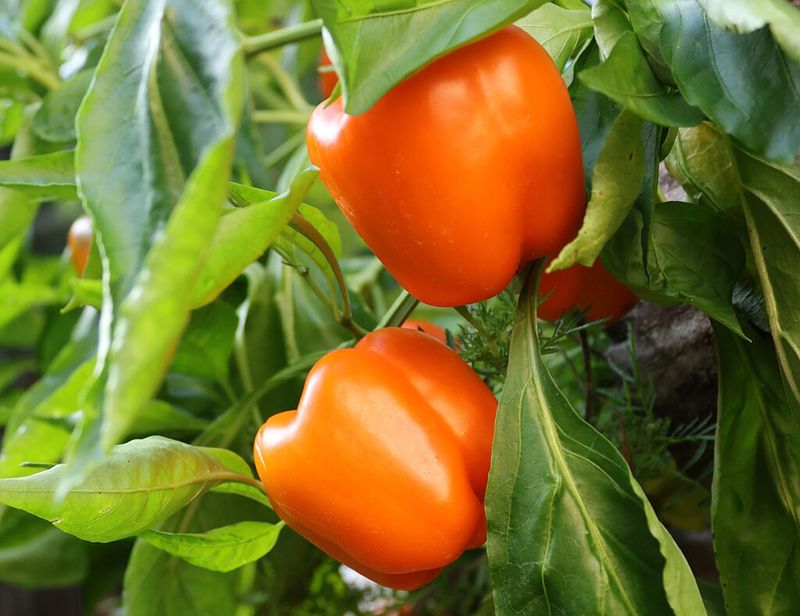
Peppers are one of the most rewarding crops you can grow in a Texas garden, and June is a great time to get them started.
Whether you love sweet bell peppers for stuffing or fiery jalapeños for salsa, these plants genuinely thrive in warm weather. The summer heat that makes other vegetables struggle is exactly what peppers love most.
Your Texas Garden Changes Every Week. Your Plan Should Too.
Gardening in Texas changes quickly throughout the season. Every Friday you’ll receive a simple weekly plan showing exactly what to plant, prune, fertilize, harvest, and protect so you never miss the right timing.
Bell peppers, banana peppers, jalapeños, serranos, and poblanos all do well when planted in June across most parts of Texas. They need full sun and warm soil to get established quickly.
Starting with healthy transplants from a nursery rather than seeds gives you a head start and helps ensure you get a good yield before fall arrives.
Peppers prefer well-drained soil that has been enriched with compost. Sandy or clay-heavy soils should be amended before planting so roots have room to spread and absorb nutrients.
Adding a slow-release fertilizer at planting time gives young plants the boost they need to grow strong stems and plenty of branches.
One thing many new gardeners do not know is that pepper plants actually produce more fruit when they experience mild water stress between waterings.
This does not mean you should neglect them, but letting the soil dry out slightly between deep waterings encourages better flavor and fruit development. Overwatering can lead to root problems and poor yields.
By late summer and early fall, your pepper plants should be loaded with colorful, flavorful fruit ready for picking. Harvest regularly to keep the plants producing.
Peppers can be eaten fresh, roasted, dried, or frozen for use throughout the cooler months ahead.
3. Eggplant (Solanum Melongena)
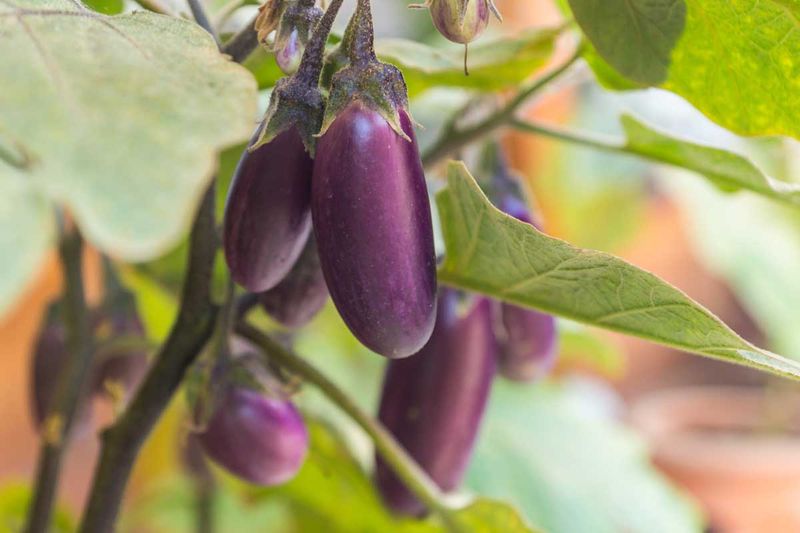
Eggplant is one of those vegetables that truly shines in the Texas heat. While many crops slow down or struggle during the hottest months of the year, eggplant keeps right on growing and producing.
Planting in June means your eggplant will have a long, warm stretch of weather to build strong roots and develop plenty of fruit before the first cool snap of fall arrives.
There are several varieties worth trying in a Texas garden. Black Beauty is a classic choice with large, dark purple fruit.
Ichiban is a long, slender Japanese-style eggplant that tends to be more tender and mild. Florida High Bush is another excellent option because it handles heat and humidity especially well.
Eggplant needs full sun, which means at least eight hours of direct light each day. The soil should be rich in organic matter and drain well.
If your garden soil tends to stay wet after rain, consider planting in raised beds or mounding the soil slightly to improve drainage around each plant.
Consistent moisture is important for producing smooth, flavorful fruit. When eggplant does not get enough water, the fruit can become bitter and tough.
Drip irrigation or a soaker hose works well because it delivers water directly to the roots without wetting the leaves, which helps prevent fungal issues in humid Texas weather.
Fertilize your eggplant regularly throughout the growing season using a balanced vegetable fertilizer. Watch for flea beetles, which love to chew tiny holes in the leaves.
Row covers can protect young plants until they are established and strong enough to handle minor pest pressure on their own.
4. Okra (Abelmoschus Esculentus)
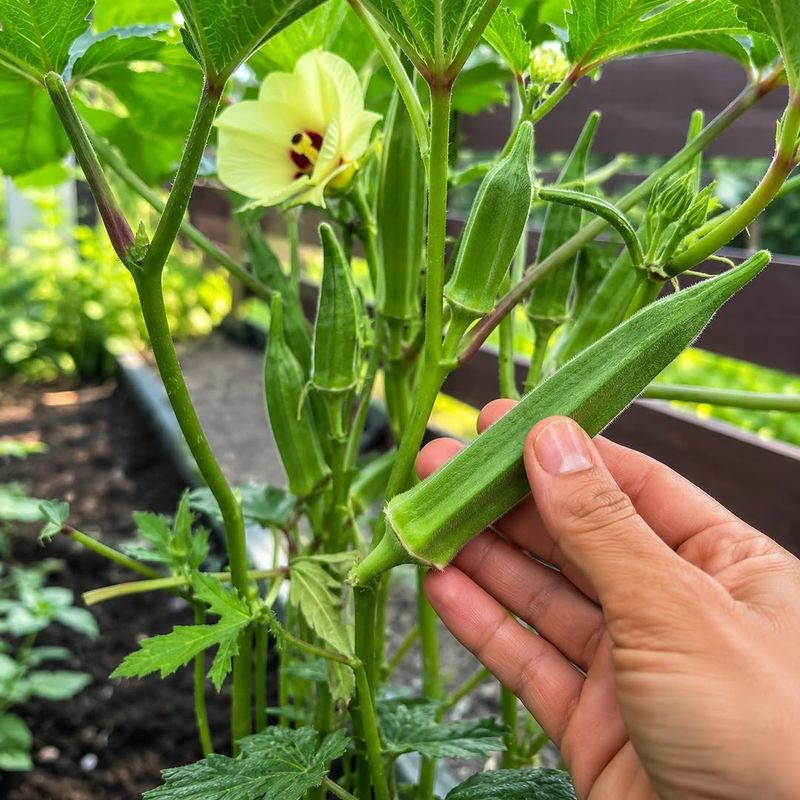
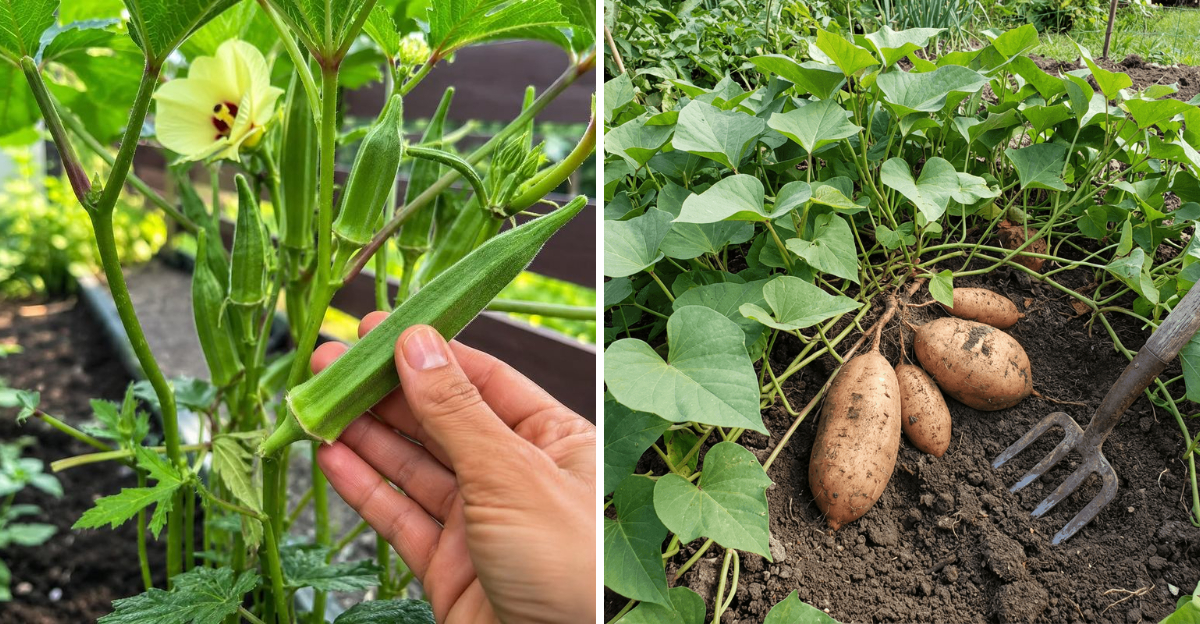
If there is one vegetable that was practically made for Texas summers, it is okra. This tough, fast-growing plant loves heat, handles dry spells better than most crops, and produces a steady supply of edible pods from midsummer all the way through fall.
Planting okra in June means you will be harvesting tender pods just a few weeks later. Okra grows quickly from seed and does not always transplant well because it develops a taproot that does not like to be disturbed.
Sowing seeds directly into the garden in June is usually the best approach in Texas. Plant seeds about an inch deep and space them roughly twelve inches apart in rows that are three feet apart to give the plants room to grow tall and spread out.
Full sun is a must for okra. It will not produce well in shady spots. The soil does not need to be especially rich, but it should drain well. Okra is surprisingly forgiving once established and can handle short dry periods without much trouble.
That said, regular watering during the hottest weeks will keep the plants healthy and producing more pods.
Harvest okra pods when they are two to four inches long for the best texture and flavor. Pods that are left on the plant too long become tough and fibrous.
Check your plants every day or two during peak production because pods can grow surprisingly fast in the summer heat.
Okra is a staple in Southern cooking and shows up in gumbo, stews, and fried dishes. Growing your own means you always have fresh pods ready to use, and the plants even produce beautiful flowers that make the garden look attractive throughout the season.
5. Southern Peas / Cowpeas (Vigna Unguiculata)
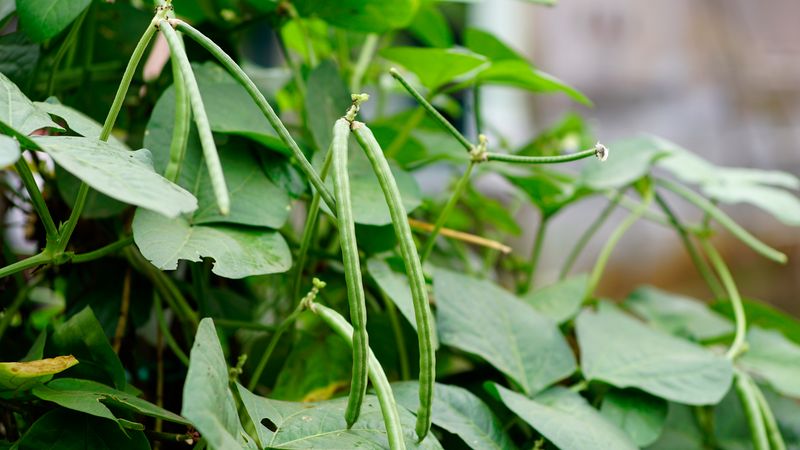
Southern peas, also called cowpeas, are a beloved staple of Southern gardens for good reason. They are tough, productive, and incredibly well-suited to the heat and occasional drought conditions that come with a Texas summer.
Planting them in June gives you a hearty fall harvest while also doing something good for your soil at the same time.
Varieties like Black-Eyed Peas, Purple Hull, Crowder Peas, and Zipper Cream are all popular in Texas gardens. Each has its own flavor and texture, but they all share the same love of warm weather and sunny conditions.
These plants grow quickly and begin producing pods within sixty to seventy days of planting, making them a reliable choice for a fall harvest.
One of the best things about southern peas is that they are nitrogen-fixing legumes. This means their roots work with beneficial soil bacteria to pull nitrogen from the air and store it in the soil.
After the season ends, tilling the spent plants back into the ground gives your garden a natural nutrient boost for future crops.
Southern peas do not need much fertilizer, especially nitrogen, because they produce their own. Over-fertilizing can actually cause them to grow lots of leaves with fewer pods.
A light application of phosphorus and potassium at planting time is usually all they need to get off to a strong start.
Water regularly but avoid keeping the soil soggy. These plants are drought-tolerant once established but still benefit from consistent moisture during flowering and pod development.
Harvest pods when they feel plump and full for the best flavor, and enjoy them fresh, dried, or frozen throughout the fall season.
6. Sweet Potatoes (Ipomoea Batatas)
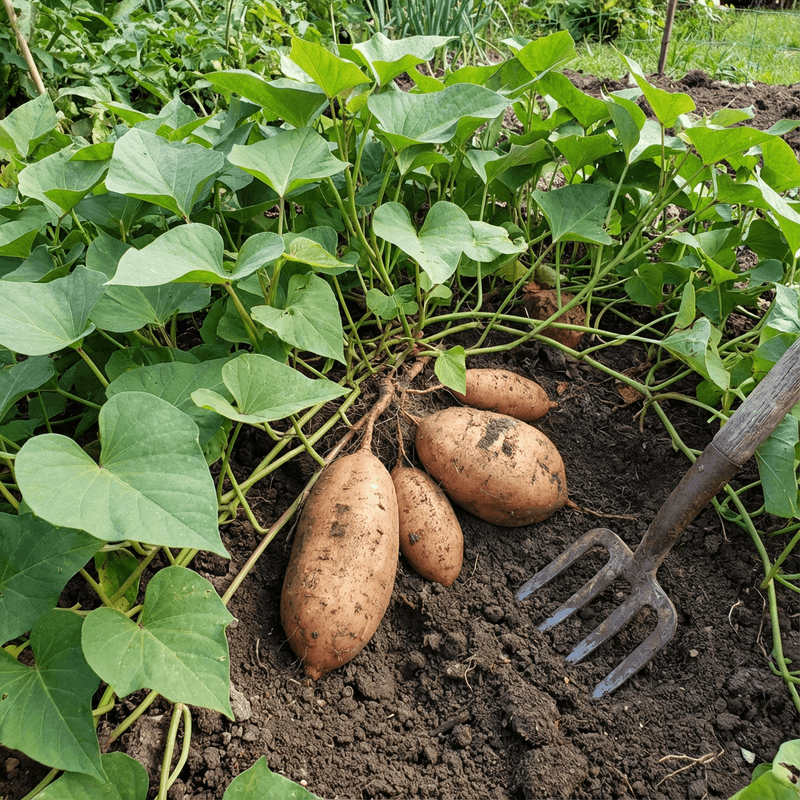
Sweet potatoes have been grown in Southern gardens for centuries, and Texas is one of the best places in the country to cultivate them.
These heat-loving plants thrive in long, warm growing seasons, and a June planting gives the roots plenty of time to develop into large, sweet tubers ready for a late fall harvest.
There is something deeply satisfying about pulling a big, beautiful sweet potato out of the ground after months of watching the vines spread across your garden.
Sweet potatoes are planted from slips, which are small rooted shoots that grow from a mature sweet potato.
You can buy slips from a nursery or produce market, or you can grow your own by placing a sweet potato in water until sprouts appear and then rooting them in moist soil.
Popular varieties for Texas include Beauregard, Centennial, and Jewel, all of which produce reliably in the Texas climate.
Well-drained, loose soil is essential for growing good sweet potatoes. Heavy clay soil makes it hard for the tubers to expand, which leads to small or misshapen roots.
Sandy loam soil is ideal. Mounding the soil into raised rows about eight to ten inches high gives the roots room to grow deep and wide.
Sweet potato vines spread quickly and can cover a large area of the garden. Do not let this worry you because the spreading vines actually help keep weeds down and hold moisture in the soil.
Avoid moving or disturbing the vines too much once they are growing because this can reduce your harvest.
Harvest sweet potatoes about ninety to one hundred twenty days after planting, typically in October or November in Texas. Cure the harvested roots in a warm spot for a week or two before storing to improve their sweetness and shelf life.
7. Winter Squash / Summer Squash (Cucurbita Spp.)
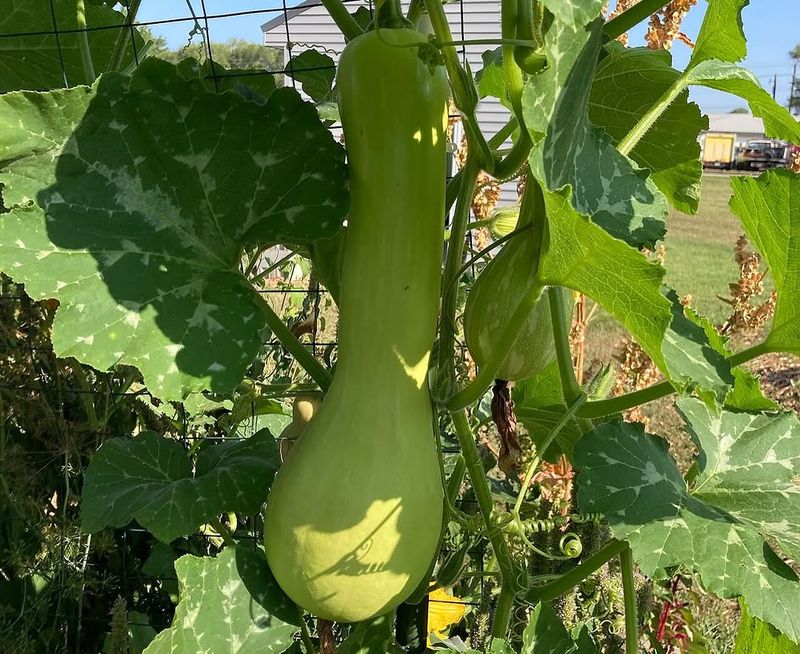
Squash is one of the most productive vegetables you can grow in a Texas garden, and planting in June sets you up for a fantastic fall harvest.
Whether you prefer tender zucchini, golden yellow squash, or a hard-shelled butternut squash perfect for roasting, there is a variety suited to your taste and your garden space.
These plants grow fast and produce heavily, so even a small planting can reward you with more squash than you might expect.
Zucchini and yellow squash are classified as summer squash and tend to mature quickly, often within fifty to sixty days.
Butternut, acorn, and spaghetti squash are winter squash varieties that take a bit longer, usually seventy to one hundred days, but they store well after harvest and are wonderful for fall cooking.
Planting both types in June gives you fresh squash to enjoy in late summer and hard squash to store for fall meals.
Squash needs full sun and well-drained soil rich in organic matter. Work compost into the planting area before sowing seeds or setting out transplants.
Plant in hills or rows, spacing plants generously so air can move between them. Good air circulation helps prevent powdery mildew, which is a common problem in humid Texas summers.
Water squash deeply and consistently, especially during flowering and fruit development. Irregular watering can cause fruit to develop poorly or drop from the plant before maturing.
Mulching around the base of each plant helps retain soil moisture and keeps the roots cool during the hottest part of the day.
Harvest summer squash when small and tender for the best flavor. Winter squash should be left on the vine until the skin hardens and the stem begins to dry out. Both types are incredibly versatile in the kitchen and make a great addition to any fall meal.