Why Coastal Delaware Lawns Take More Damage Than Inland Ones Before Winter
Salt gets in everything here. It rides the wind off the Atlantic. It settles on your grass blades. It quietly rewrites the rules of what a healthy lawn looks like.
Delaware’s coastline sells a postcard version of life: boardwalks, dune grass, endless horizon. Nobody mentions what that same air does to a front yard in Fenwick Island or Dewey Beach.
Grass along the Delaware shore deals with different pressures than grass fifteen miles inland. Winter wind pulls moisture away faster than roots can replace it.
Nor’easters roll in off the water. They can undo a season of growth in a single night. None of this is bad luck. It’s just geography doing what geography does.
Here’s what to do this November, threat by threat, before frost. Coastal living is worth it. A patchy, winter-worn yard isn’t the price of admission.
Salt Spray Damages Coastal Plants Faster
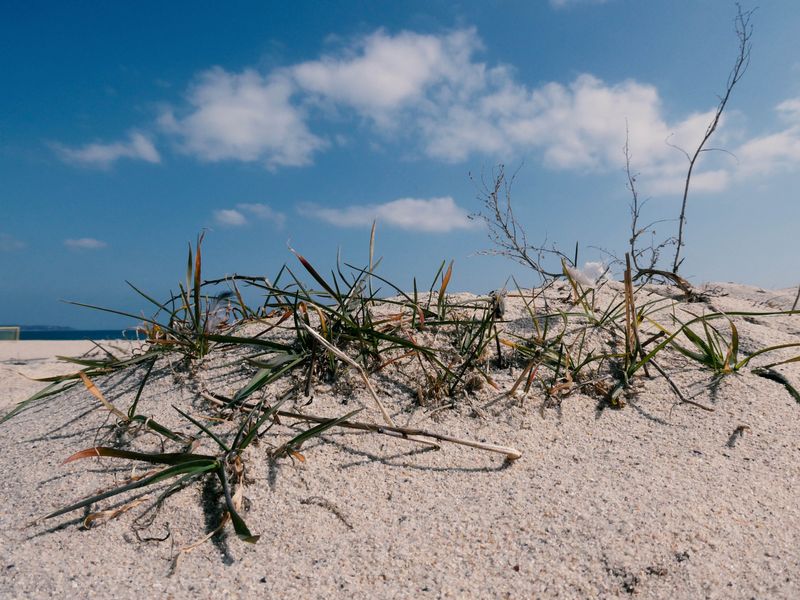
Your grass absorbs salt with every gust of wind. Every time the wind blows off the Atlantic, it carries tiny salt droplets that land directly on your lawn.
Salt spray is one of the most persistent threats coastal Delaware lawns face. It coats grass blades and leaves, pulling moisture right out of plant tissue through a process called osmosis.
When salt draws water out of a leaf, the plant cannot replace it fast enough. The tips turn brown, the blades curl, and eventually whole patches go crispy even on days when rain falls.
Inland yards never see this kind of chemical assault. A lawn in Middletown or Dover gets normal rainwater, which actually rinses the soil clean. Coastal grass gets dosed repeatedly, and November nor’easters add more.
The closer your yard sits to the waterline, the worse the exposure gets. Homes within a quarter mile of the beach can receive salt deposits year-round, not just during storms.
Choosing salt-tolerant grasses like tall fescue gives your lawn a fighting chance. Bermudagrass is also salt-tolerant, but as a warm-season grass it goes dormant and tan by now in Delaware’s climate, so plan overseeding or cautious use again next season.
Rinsing your lawn with fresh water after heavy wind events helps flush salt away while daytime temperatures stay above freezing.
Installing a windbreak using dense shrubs or a solid fence can reduce how much spray reaches your turf.
Small changes in your yard layout can make a massive difference in how much salt your grass actually absorbs each season. Salt spray is persistent, but a prepared homeowner can stay ahead of it.
Sandy Soil Drains Nutrients Quickly

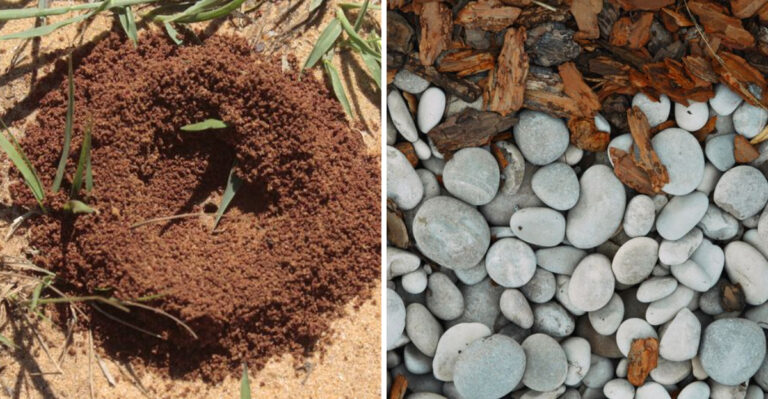
Sandy soil can be deceptive. It looks fine on the surface, but it refuses to hold onto anything your lawn actually needs to grow.
Coastal Delaware is built on sandy substrate left behind by ancient ocean activity. That sand drains water so fast that roots barely get a drink before moisture disappears six inches below the surface.
Nutrients behave the same way. Nitrogen, potassium, and phosphorus leach out of sandy soil after almost every rainfall. Your fertilizer investment can wash away before your grass absorbs it.
Inland areas of Delaware tend to have heavier loam or clay-based soils that grip nutrients and water far more effectively. Those soils act like a slow-release sponge, feeding roots steadily over time.
Sandy coastal soil behaves differently. It drains quickly, letting water and nutrients pass through rather than holding onto them.
The fix requires building organic matter into your soil consistently. Topdressing with compost this month adds structure and helps sandy particles bind together better over winter.
A slow-release fall feeding helps because it delivers nutrients gradually, not all at once. When nutrients release slowly, there is more time for roots to absorb them before rain washes them away.
Watering deeply but less often until the ground freezes also trains roots to grow deeper, where moisture lingers a bit longer. Sandy soil is a tough opponent, but smart soil management levels the playing field significantly over a few seasons.
Damp Fall Air Breeds Snow Mold
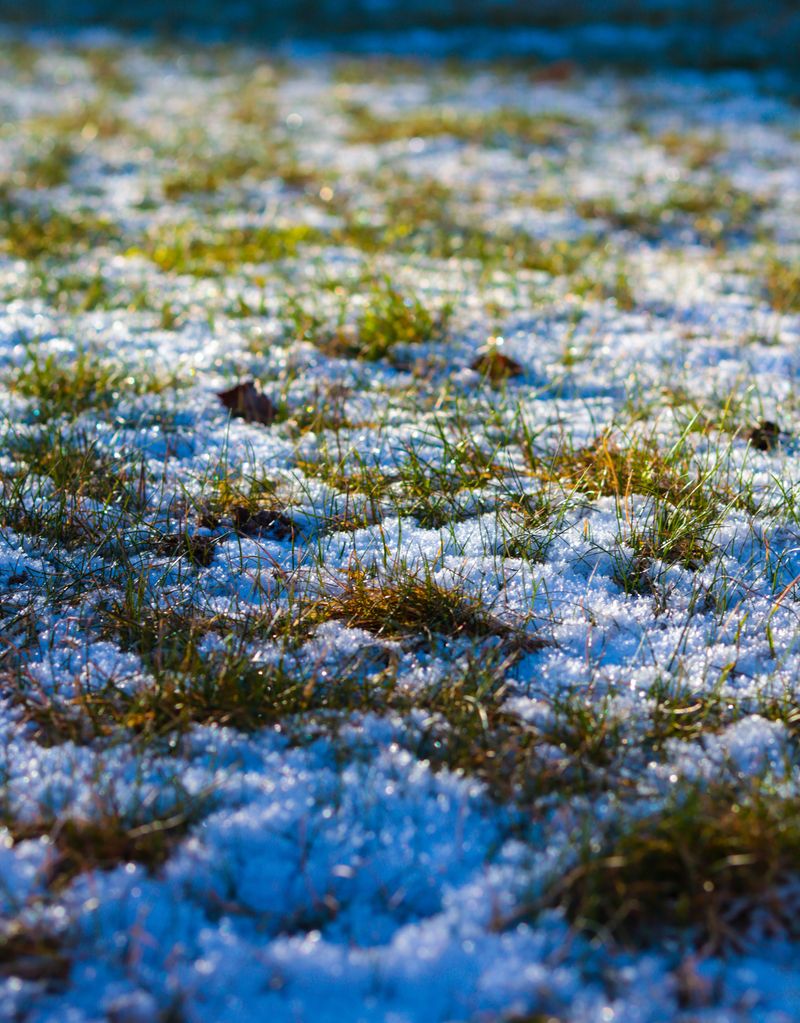
Damp, chilly coastal air is uncomfortable for people, and it also creates ideal conditions for lawn fungus. Snow mold loves that steady dampness, and your turf pays the price.
Coastal Delaware sits right where ocean humidity collides with falling temperatures. That combination creates exactly the cool, wet conditions that fungal diseases love most.
Snow mold and red thread both thrive when humidity stays high all night. Grass blades stay wet for hours after sunset, giving spores plenty of time to germinate and spread.
Inland towns like Newark or Smyrna get damp autumns too, but ocean proximity pushes coastal humidity even higher. That extra moisture in the air translates directly into more fungal pressure on your lawn.
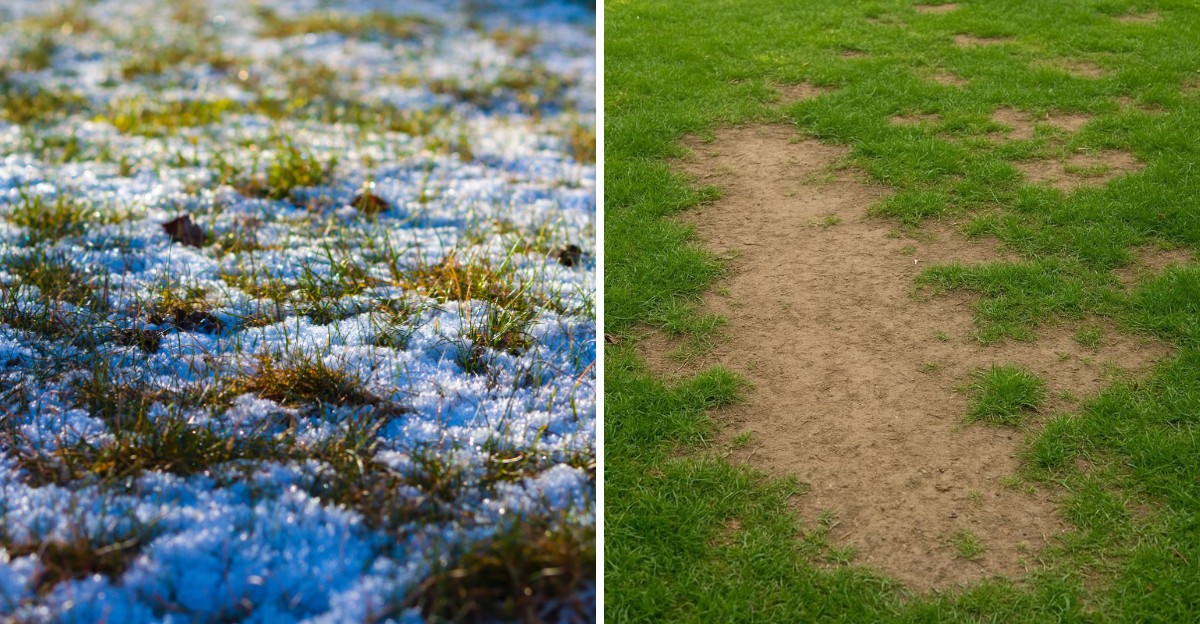
Snow mold shows up in late winter as matted, gray-pink circles scattered across your yard. Homeowners sometimes mistake it for drought stress or grub damage, which leads to the wrong treatment and more wasted time.
Improving air circulation through your lawn helps reduce fungal risk noticeably. Trimming overhanging branches and thinning dense shrubs allows wind to move through your turf and dry out wet blades faster after rain.
Your final mowing height before dormancy matters enormously. Grass left too long going into winter mats down under snow and invites more fungal disease.
Clearing fallen leaves promptly, before they mat down and rot, gives coastal lawns a strong head start against winter outbreaks. Acting this month is always smarter than reacting in spring after the damage is already visible across your yard.
Wind Stresses Shrubs Near The Shore
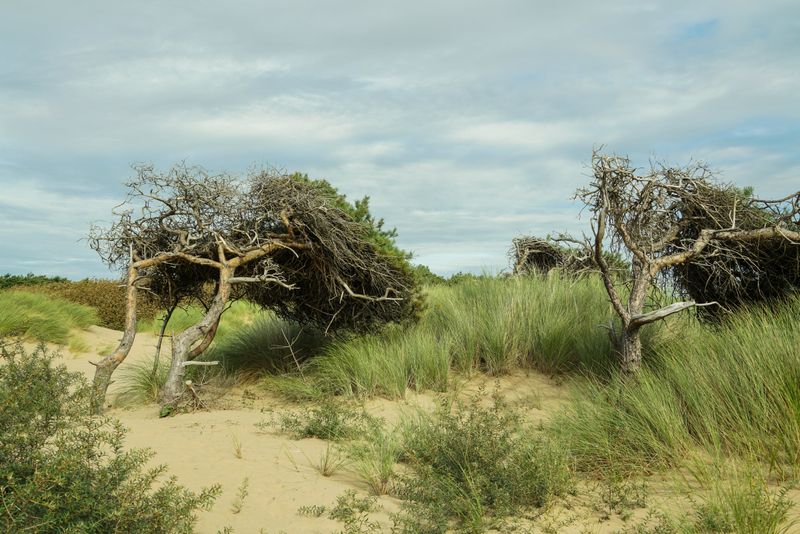
Stand outside on a breezy November day and you’ll notice the same wind pressure your shrubs deal with constantly. Coastal wind is relentless, and it reshapes everything it touches.
Persistent onshore winds in coastal Delaware blow from the ocean with surprising force, even on calm-looking days. Shrubs, ornamental grasses, and lawn edges take the brunt of this constant physical pressure.
Wind pulls moisture out of leaves faster than roots can replace it. This process, called desiccation, causes browning along leaf edges and tips that looks a lot like drought damage or disease.
Plants growing near the shore actually develop a lopsided shape over time. They lean away from the ocean because the windward side experiences so much more damage than the sheltered side.
Inland yards enjoy calmer conditions by comparison. Trees and structures block and slow the wind before it reaches most inland lawns, giving plants a much gentler growing environment.
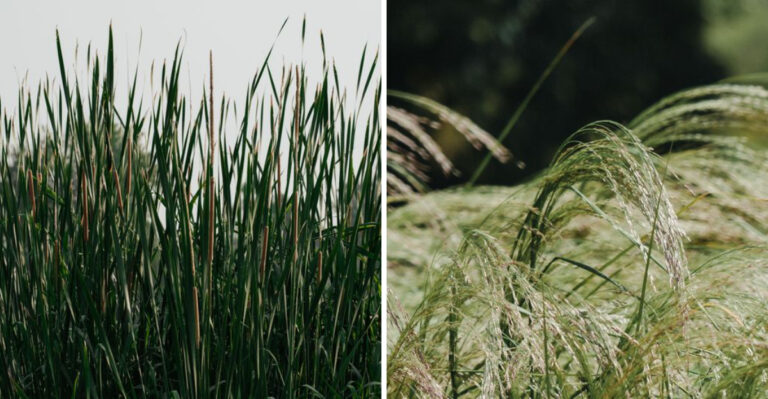
Planting wind-resistant species near the coast makes a real difference. Native plants like bayberry, beach plum, and switchgrass handle coastal wind far better than ornamental species bred for sheltered garden conditions.
Staking young shrubs and trees during their first two winter seasons helps them establish strong root systems before wind stress becomes a serious problem. Without support early on, young plants can rock loose from the soil repeatedly.
A well-placed fence or burlap screen on the windward side of your yard can reduce wind speed dramatically. Protecting your plants from wind is one of the highest-value investments a coastal homeowner can make.
Summer Tourists Left Compacted Soil
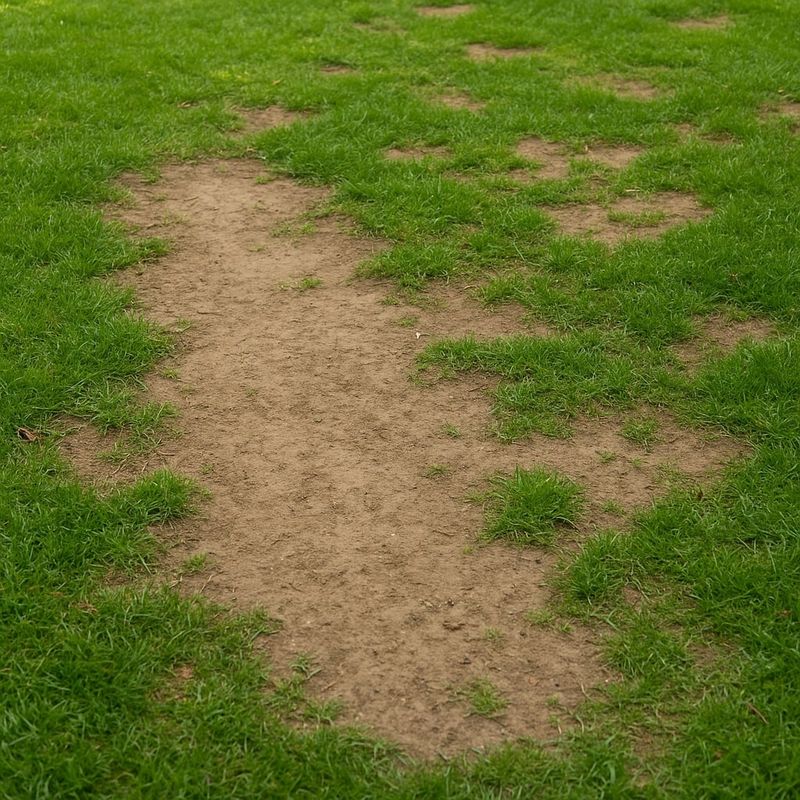
Large numbers of visitors arrived on Delaware’s coastline this summer, and most had no idea their foot traffic gradually compacted the soil in lawns and landscapes they walked across.
Foot traffic is one of the most underestimated forms of lawn damage in shore communities. Every step compresses soil particles together, squeezing out the air pockets that grass roots desperately need to breathe.
Near dune access paths and public beach entrances, compaction remains severe now. Grass in these areas thins out quickly because roots cannot penetrate the dense, compressed ground beneath the surface.
Compacted soil also drains poorly, which sounds ironic given how sandy coastal soil naturally is. But when foot traffic packs fine sand particles tightly together, water pools on the surface instead of soaking in evenly.
Inland lawns rarely see this kind of concentrated pressure. A backyard in suburban Wilmington might host a few dozen people at a summer cookout, but coastal properties near popular beaches often saw hundreds of walkers each week.
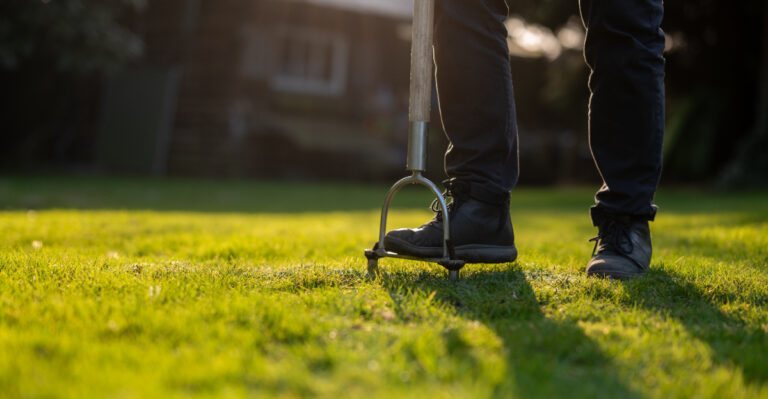
Core aeration is the most effective remedy for compacted coastal soil. A core aerator pulls small plugs of soil out of the ground, opening up channels for air, water, and nutrients to reach struggling roots.
Aeration is best done in early fall, so plan on next September, when grass can recover and fill gaps.
Adding clearly marked paths through your yard also helps guide foot traffic away from your most vulnerable lawn areas. A little redirection goes a long way when tourist season comes back next summer.
Groundwater Carries Salt Intrusion
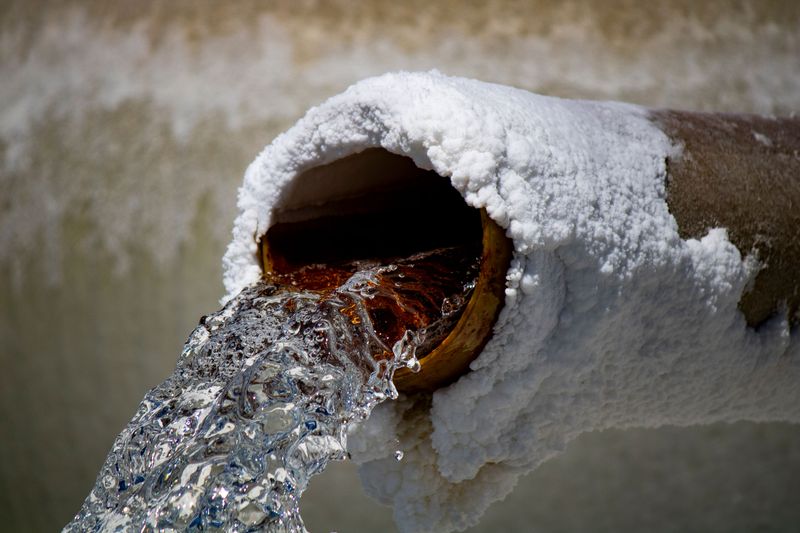
The threat is not just coming from above. Saltwater is also creeping up from below, and most coastal homeowners have no idea it is happening beneath their feet.
Coastal Delaware sits at low elevation, and the water table sits surprisingly close to the surface in many neighborhoods. When ocean tides rise or storms push seawater inland, salt infiltrates groundwater supplies.
That salty groundwater travels upward through sandy soil via capillary action. Grass roots absorbing moisture from the ground end up pulling in salt along with water, reducing the plant’s ability to absorb nutrients properly.
Salt accumulation in soil changes its chemistry in ways that make it harder for grass to absorb any nutrients at all. Even if you fertilize regularly, salt-saturated soil blocks nutrient uptake at the root level.
Inland lawns sit far above the tidal influence zone, so their groundwater stays fresh. Coastal lawns have no such buffer, especially in low-lying areas near bays, inlets, and marshes.
Testing your soil’s salt content this month gives you a clear picture of how bad the intrusion has become since summer. Simple soil test kits are available at most garden centers and give results within minutes.
Gypsum is a soil amendment that helps displace sodium from soil particles without raising pH. Applying it before frost can gradually improve soil chemistry and reduce the toxic effects of salt accumulation.
Addressing groundwater salt intrusion takes patience, but consistent effort over several seasons can restore your lawn’s ability to thrive. Coastal Delaware lawns take more damage from below than most people ever realize.
Storms Impact Coastal Yards Harder
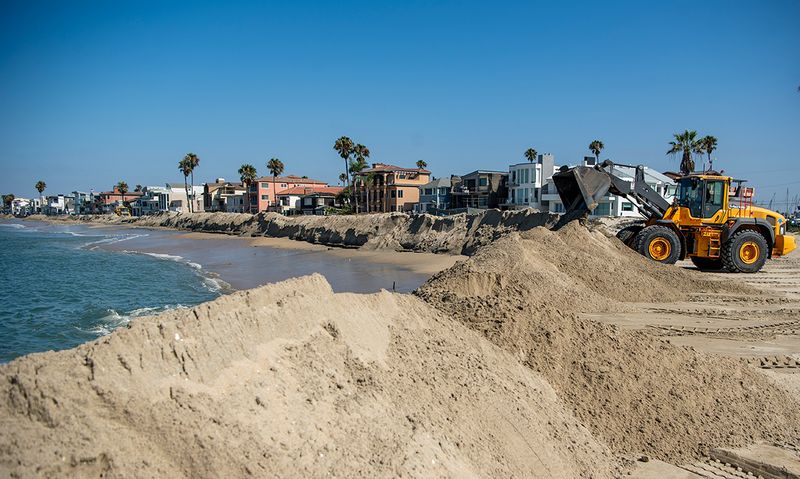
Inland yards rarely, if ever, experience flooding from storm surge. Coastal Delaware homeowners know that feeling all too well, and it changes everything about how you care for a yard.
Nor’easters, tropical remnants, and even strong winter squalls affect coastal properties with an intensity that inland areas rarely experience. Storm surge, flooding, and extreme wind combine into a single destructive event.
Saltwater flooding is particularly harmful for lawns. When storm surge covers a yard for even a few hours, salt soaks into the soil at levels that can take months or even years to flush out naturally.
Physical damage compounds the chemical harm. Storm winds rip out sod, scatter topsoil, and deposit sand and debris across the entire yard in a matter of hours.
After a major storm, coastal homeowners often face a lawn that looks severely damaged. Inland neighbors might deal with a few downed branches and some standing water, but the recovery is far shorter and simpler.
Choosing storm-resilient turf varieties helps minimize post-storm recovery time. Grasses with deep, extensive root systems hold soil in place better and bounce back faster after flood events.
Grading your yard to direct water away from the lawn and toward drainage channels reduces how long floodwater sits on your turf. Every extra hour of saltwater contact increases the damage your grass has to recover from afterward.
Having a post-storm lawn recovery plan ready before nor’easter season peaks puts you miles ahead of the scramble. Preparation is the only real defense against what the Atlantic can throw at a coastal yard.
Winterize Soil Against Salt, Wind, Sand
Bare sand blows around freely all winter, and coastal yards are surrounded by it. When winter wind sweeps open sandy areas, topsoil and organic matter disappear shockingly fast without cover.
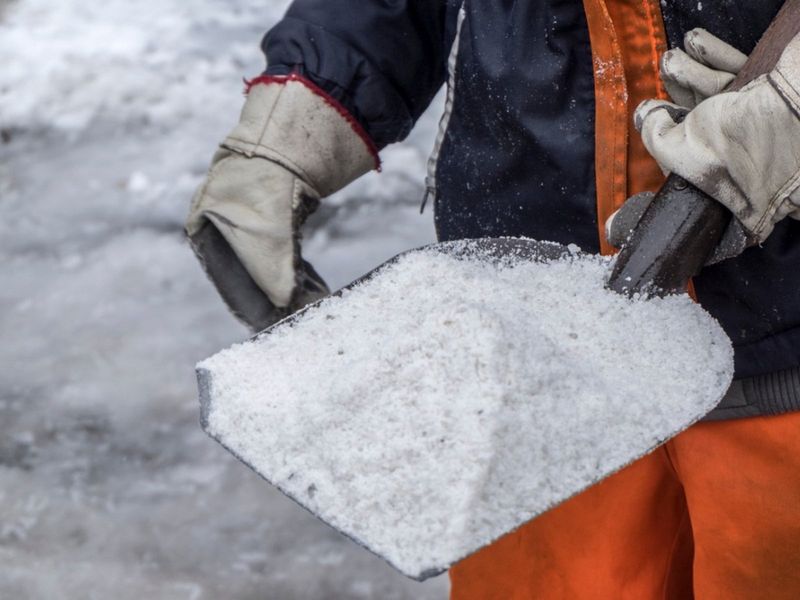
Salt left in the soil from fall storms lingers longer than most homeowners realize in cold weather. A deep watering on a mild November afternoon, before the first hard freeze, can flush surface salt below the root zone.
That head start protects grass before dormancy locks everything in. Spread gypsum now, topdress thin spots with compost, and cover bare sandy beds with leaf mulch or straw before the ground freezes.
Winter wind also dries evergreen shrubs, since frozen roots cannot replace lost moisture. Mulch them two to three inches deep and wrap plants in burlap before the coldest, windiest weeks arrive.
Inland lawns benefit from shade trees, denser soil, and sheltering buildings that buffer lawns against winter wind extremes. Coastal lawns have fewer buffers and more loose sand waiting to be carried away.
Installing snow fence or burlap screens along windward edges helps trap blowing sand and slow wind across your turf. A thin layer of shredded leaves can hold soil in place and soften temperature swings along exposed edges.
Keeping foot traffic and equipment off frozen, dormant turf also protects fragile grass crowns through the long winter months. Finishing these jobs before December is one of the simplest and most valuable upgrades you can make.
Coastal Delaware lawns take more damage from winter than most homeowners expect, but smart timing and smart soil prep can keep your turf healthy until spring.