How to Grow a Christmas Rose (Hellebore) in Virginia for Deep-Winter Blooms
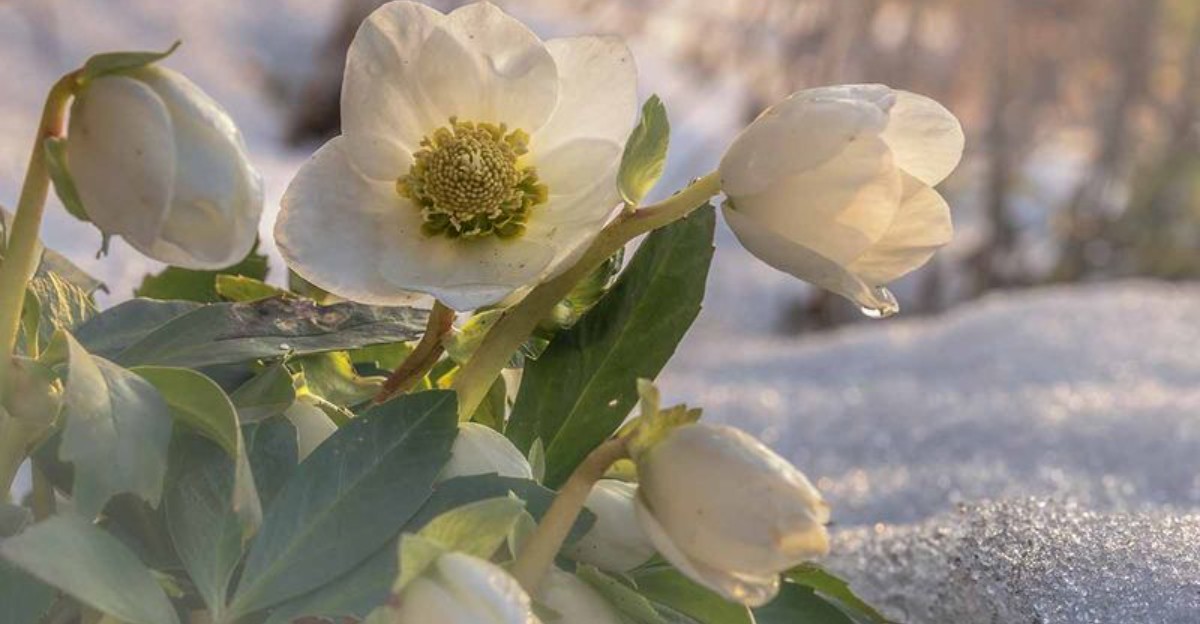
Those white blossoms you spot poking through January snow are not petals at all. They are tough, leafy sepals that can hang on for weeks, slowly blushing pink or green as they age.
I laughed the first time I saw one bloom beside a frozen birdbath. Every other plant in my yard looked asleep, yet this one acted like spring had already arrived. It shrugged off frost, sleet, and a crusty layer of ice without fuss.
Here’s what caught my attention most. Deer and rabbits mostly walk right past it, and a happy clump can keep coming back for decades in Virginia gardens. That kind of loyalty is rare in a flower bed.
You need very little space, a bit of shade, and some patience. So why settle for a bare, brown winter yard when a living bouquet could be waiting under your trees?
Those Snow-Dusted Christmas Rose Flowers Have a Clever Trick
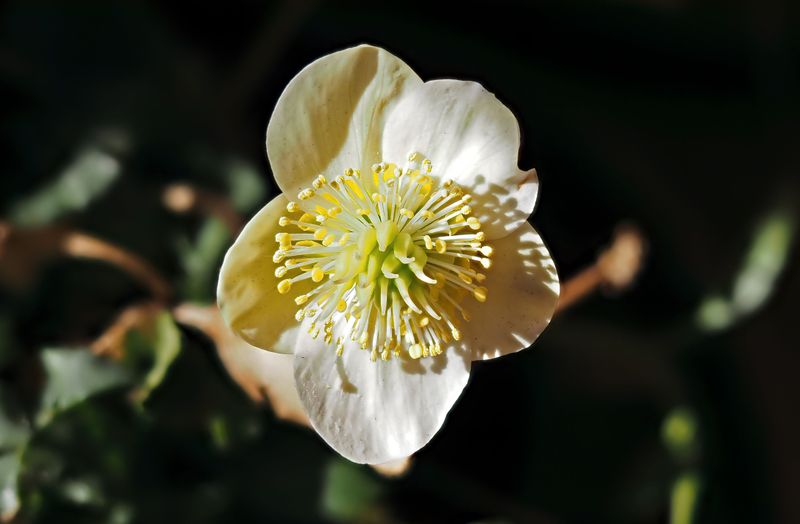
Funny thing is, the part of a hellebore you call a flower is mostly sepals. Sepals are the sturdy outer layer that protects a bud, and on hellebores they act like petals.
Because they are thicker than true petals, they handle cold snaps far better.
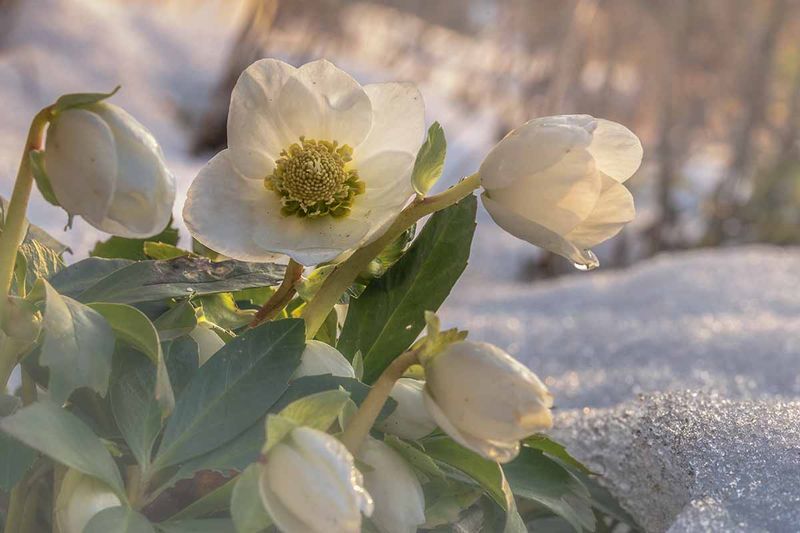
That toughness explains why Helleborus niger, the true Christmas rose, can open in December or January in milder parts of the state. Flowers often droop on frosty nights and then lift again as the day warms.
It looks dramatic, yet the plant usually recovers just fine.
Virginia covers USDA zones from about 5b in the western mountains to 8a near the coast. Christmas roses are hardy in roughly zones 3 to 8, so nearly every corner of the state works.
Bloom timing shifts with location, though.
Gardeners in Norfolk or Richmond may see buds before the holidays. Folks near Blacksburg or Highland County often wait until late winter.
A sheltered spot near a wall can nudge things a little earlier.
Many people mix up the Christmas rose with the Lenten rose, Helleborus x hybridus. Lenten roses usually bloom from February into April and come in more colors.
Grow both, and you can stretch hellebore season across the coldest months of the year.
Shade Under Bare Oak Branches Makes Hellebores Happiest
In my own yard, the best hellebores sit beneath a big old oak. Winter sun pours through the bare branches when the plants are blooming.
Then summer leaves block the harsh afternoon heat.
Hellebores are woodland plants at heart. They prefer partial to full shade, especially during hot summers.
Too much direct sun can scorch their glossy evergreen leaves and leave them crispy and tired by August.
Deciduous trees like oaks, maples, and dogwoods create that ideal on-and-off shade. The north or east side of a house also works nicely.
Morning light with afternoon shade keeps plants comfortable without cooking them.
Think about viewing spots too. Flowers often nod downward, so planting them on a slope, near a path, or along a raised bed lets you admire their faces.
A spot visible from a kitchen window means you can enjoy blooms on chilly days without putting on boots.
Avoid low corners where water collects after storms. Even shade lovers struggle when their feet stay wet.
Also give each plant room to grow, about 18 to 24 inches apart, since clumps widen over the years.
Picking the right home is the biggest favor you can do for these plants. They resent being moved, so a little planning now saves headaches later.
Plant the Hellebore Crown Right at Soil Level This Fall
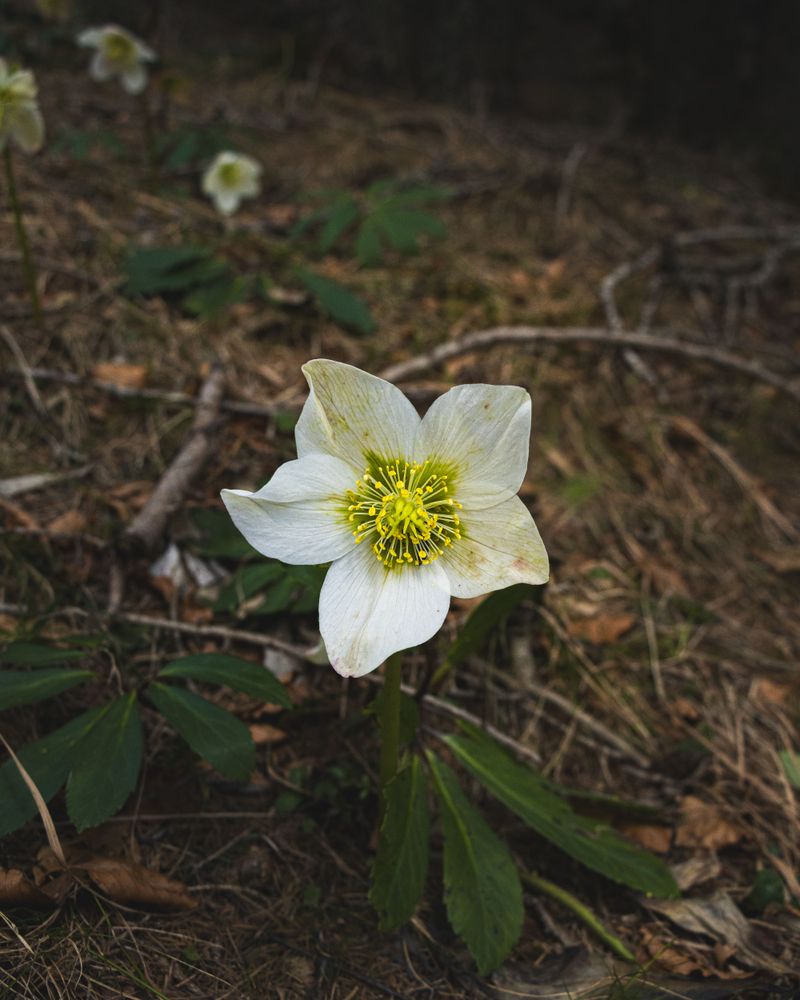
Fall is my favorite time to plant hellebores, and the plants seem to agree. Setting them out from September through November gives roots weeks of cool, moist soil to settle in.
By winter, they are ready to rest and grow steadily.
Spring planting works as well. Just expect to water more often during that first summer, when young roots are still shallow.
Start by digging a hole about twice as wide as the pot but no deeper. Loosen circling roots gently with your fingers.
Then place the plant so the crown, where stems meet roots, sits right at or slightly above ground level.
Burying the crown is one of the most common mistakes. Buried crowns hold moisture and can rot.
A slightly high planting is much safer than a deep one.
Backfill with your improved soil and press it lightly with your hands. Water slowly and deeply to settle everything around the roots.
Finish with an inch or two of shredded leaves or compost, keeping mulch a few inches away from the crown.
Winter planting is possible in milder regions when the ground is not frozen. Pick a mild day, and give the plant a sheltered spot out of cold winds.
Gloves are smart, since all parts of hellebores are toxic.
Heavy Virginia Clay Needs Compost Before Hellebores Move In
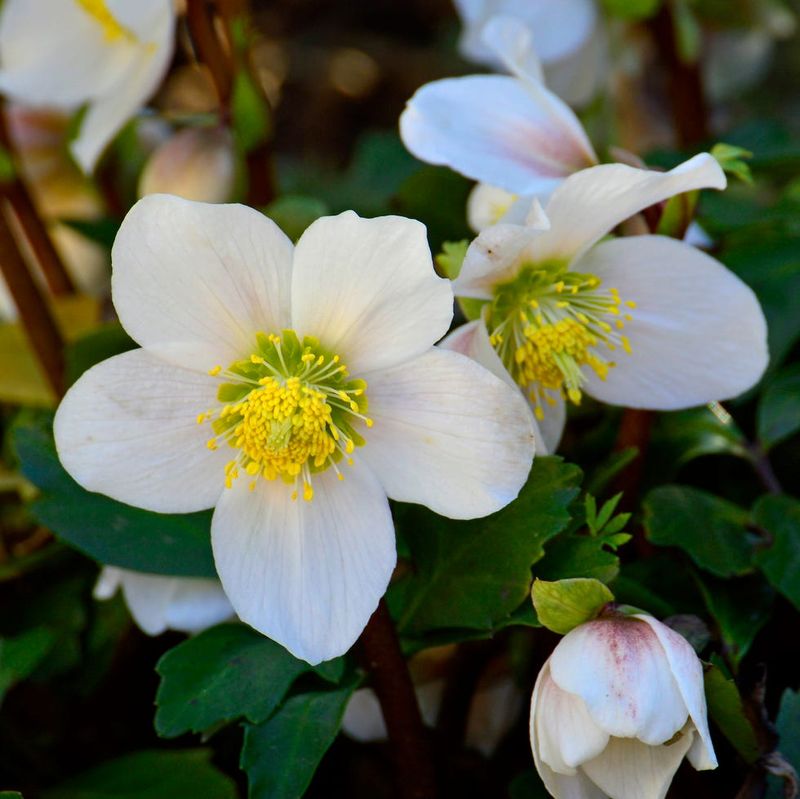
Anyone who has dug in the Piedmont knows that sticky red clay. It holds water like a sponge after rain and bakes like a brick in August.
Hellebores can handle a lot, but soggy clay is their weak spot.
Drainage matters more than almost anything else. Roots that sit in wet soil through winter may rot, and crown rot is hard to reverse once it starts.
Test drainage by filling your planting hole with water and watching how fast it disappears.
If water lingers for hours, mix in plenty of organic matter. Compost, leaf mold, and well-aged pine bark fines help loosen heavy soil.
Work them into a wide area, not just the planting hole, so roots can spread easily.
Hellebores like soil near neutral, around pH 6.5 to 7.5. Much of the state leans acidic, especially under pine trees.
A soil test through Virginia Cooperative Extension is cheap and tells you whether garden lime would help.
Sandy coastal soils have the opposite problem. Water rushes through and carries nutrients away.
Compost helps there too, holding moisture a little longer around the roots.
Raised beds or gentle mounds are handy shortcuts for difficult sites. Lifting the root zone just a few inches can make a surprising difference in how well plants settle in.
Snip Ragged Hellebore Leaves Before the Buds Pop Up
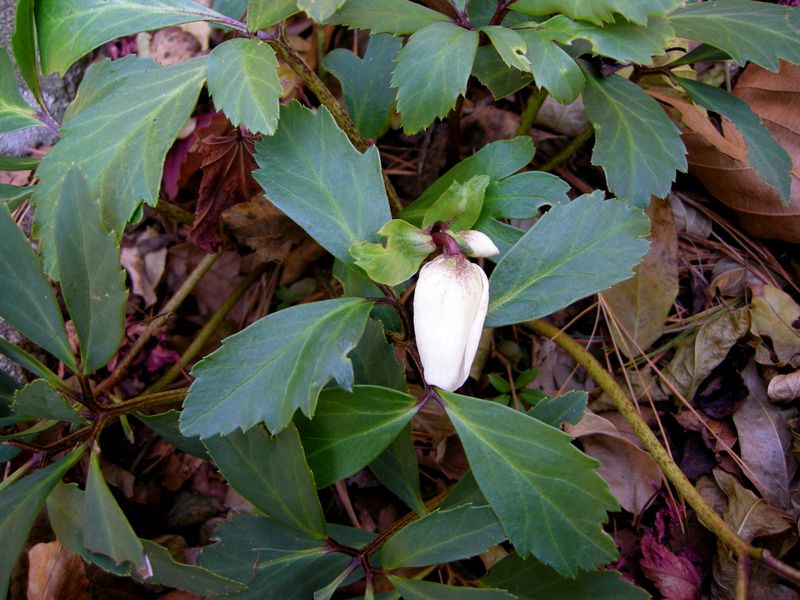
Late winter haircut day is oddly satisfying. Old hellebore leaves often look battered by January, with brown edges and spots.
Clearing them out lets fresh flowers take center stage.
Wait until you see flower stems or buds rising from the center. Then cut the old leaves off near the base with clean pruners.
Be careful not to nick the new buds hiding underneath.
For Christmas roses that bloom early, you can tidy up in late fall instead. Many Lenten rose growers remove leaves in January or February.
Either way, the goal is the same: better air flow and a cleaner display.
Watering needs stay modest. Established plants handle dry spells well once their roots are deep.
Young plants, though, appreciate a deep soak every week or so during hot, dry summer stretches.
Water at the base instead of over the leaves. Wet foliage invites fungal trouble, especially in humid weather.
A soaker hose under mulch works beautifully.
Feeding is simple. A layer of compost in early spring is often enough, and a light slow-release fertilizer can help on poorer soils.
Skip heavy doses of nitrogen, which push leaves over flowers.
Wear gloves when you trim. The sap can bother sensitive skin, and toxic plant parts should stay away from kids and pets.
Hungry Deer Usually Stroll Past a Hellebore Bed
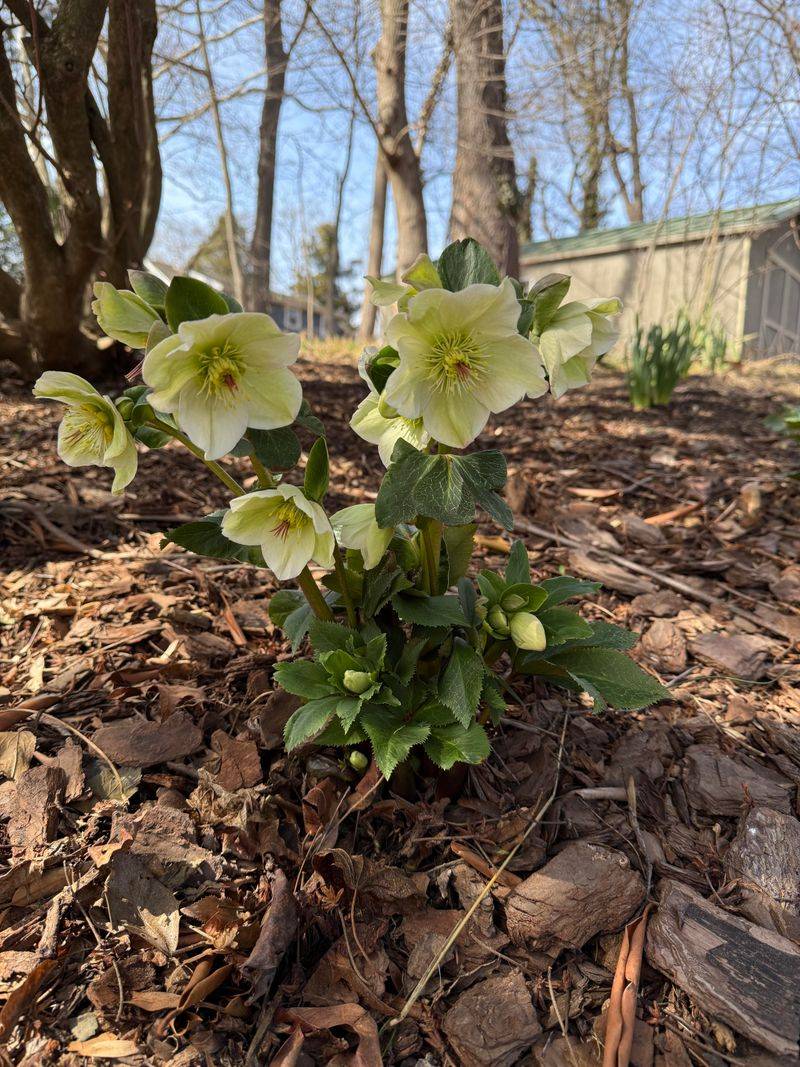
Deer in many Virginia neighborhoods treat hostas and tulips like a salad bar. My hellebores, on the other hand, rarely get a second glance.
That alone makes them worth growing in deer country.
All parts of the plant contain bitter, toxic compounds. Deer and rabbits seem to learn quickly that these leaves taste awful.
Voles also tend to leave the roots alone, which is a nice bonus.
No plant is fully deer-proof, of course. During harsh winters, very hungry animals may nibble almost anything.
Still, hellebores land near the top of most deer-resistant plant lists.
Use that advantage in your design. Plant hellebores along woodland edges or in spots where other perennials keep getting chewed.
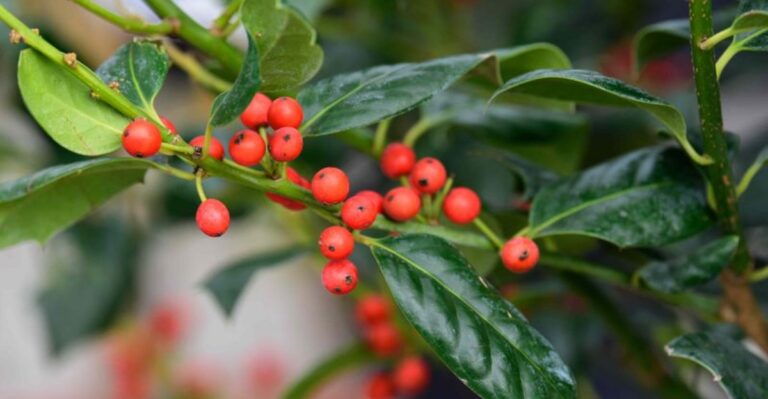
Their evergreen leaves add a steady green cover even when nothing else survives the browsing.
The same toxicity calls for some care at home. Keep curious dogs, cats, and small children from chewing on leaves or roots.
Mild stomach upset is the usual result, but nobody wants that worry.
Pair hellebores with other shade plants deer usually avoid. Ferns, wild ginger, and native foamflower make attractive neighbors.
Together they create a low-fuss shade garden that keeps looking good when hungry wildlife comes calling.
Aphids and Black Leaf Spots Can Sneak Onto Hellebores
Most years, hellebores barely ask for help. A few problems can show up, though, and catching them early keeps plants looking sharp.
A quick weekly look during bloom time is plenty.
Aphids love tender new stems and buds in spring. You may notice sticky leaves or tiny green insects clustered together.
A strong spray of water from the hose often knocks them off, and insecticidal soap works for stubborn groups.
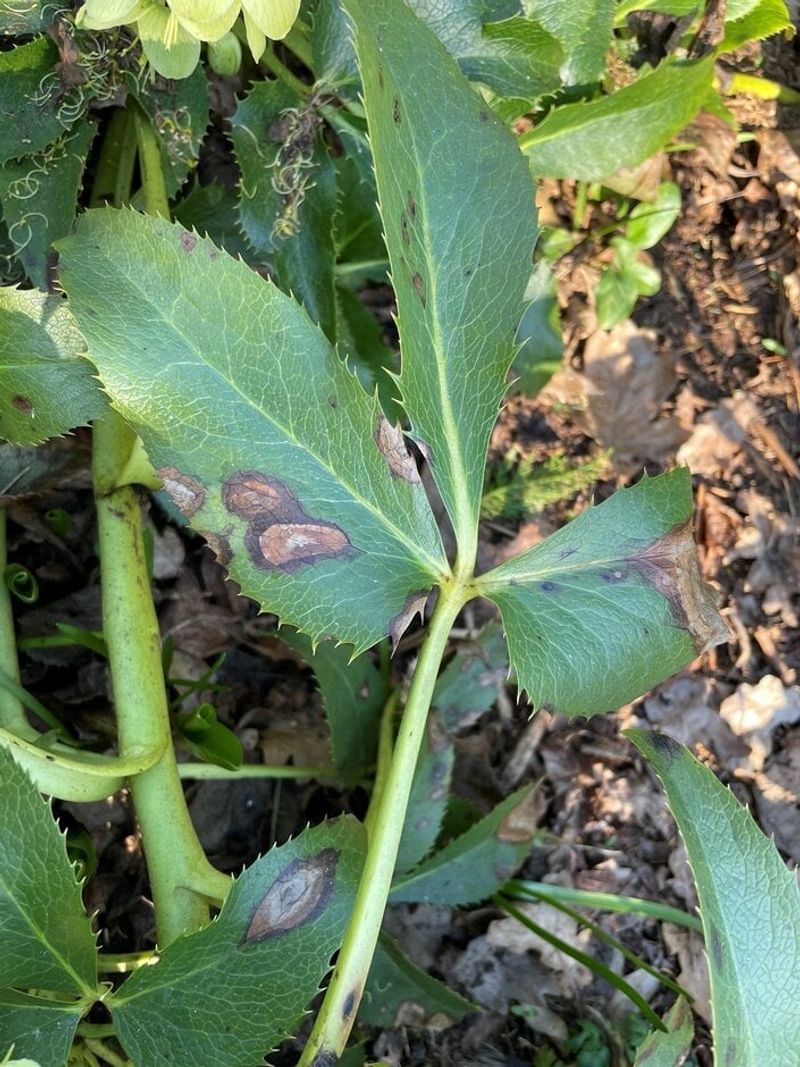
Leaf spot is a fungal disease that leaves brown or black patches on foliage. It spreads faster in damp, crowded beds.
Remove spotted leaves and toss them in the trash, not the compost pile.
Good spacing and morning watering help prevent fungal trouble. So does that late winter leaf cleanup.
Fresh air moving around the plant is one of your best tools.
Crown rot shows up as wilting or mushy stems near the base. Poor drainage or deep planting usually causes it.
Prevention through careful planting beats any cure.
A virus called hellebore net necrosis causes black streaks and twisted, stunted growth. It is uncommon in home gardens and often linked to infected nursery stock.
Remove and discard any plant with those symptoms, and buy from reputable sellers.
Hellebore Seedlings and New Varieties Can Fill Your Winter Garden
Here is a lovely surprise from patient gardening. Happy hellebores often drop seeds, and tiny seedlings pop up around the mother plant.
After a few years, one clump can become a small colony.
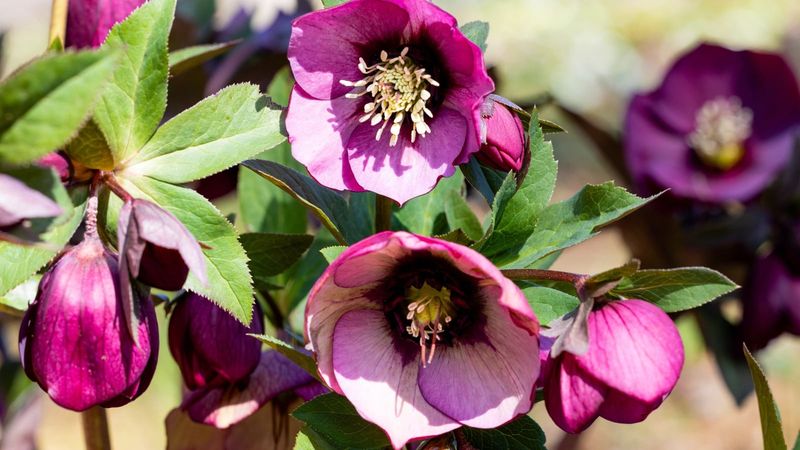
Seedlings from hybrid Lenten roses may not match the parent. Some come out white, others pink or speckled.
I think that is half the fun, since every seedling is a little mystery.
Gently dig up young seedlings in spring when they have a few true leaves. Move them to a shaded nursery bed or pots.
Most will bloom in two to three years.
Dividing mature plants is possible but slow to recover. Hellebores dislike root disturbance, so many gardeners just let clumps grow.
If you must divide, do it in early fall with a sharp spade.
Shopping for more plants opens a whole palette. Christmas rose cultivars like ‘Josef Lemper’ and the hybrid ‘Ivory Prince’ bloom early with creamy flowers.
Lenten rose types range from slate purple to green and double-flowered forms.
Mixing early and late bloomers gives color from December into April. With good soil and shade, these long-lived perennials can brighten your Virginia winters for decades.
Start with one plant this fall, and see where it leads.