Why Cutting St. Augustine Too Short Can Make A Struggling Lawn Look Even Worse In Florida
Step outside on a sticky Florida morning, and your bare feet tell the story before your eyes do. The yard feels crunchy, scratchy, and oddly warm, like a doormat left in the sun.
You have cared for it faithfully with regular water and food, and it has probably heard a pep talk or two. Still, it looks more like a faded beach towel than a lush green carpet.
Odd as it sounds, the very chore meant to tidy things up may be quietly making the whole mess worse. It tends to go unnoticed because it looks so responsible.
A neat, tight trim feels satisfying, like a fresh haircut before picture day. Your yard, however, might see it as a sunburn with no umbrella in sight.
Your grass has been quietly asking for something all season, and it has nothing to do with a shopping trip. If it could talk, it would probably request a small beach umbrella.
Scalped Blades Leave Weak Roots Exposed To The Florida Sun
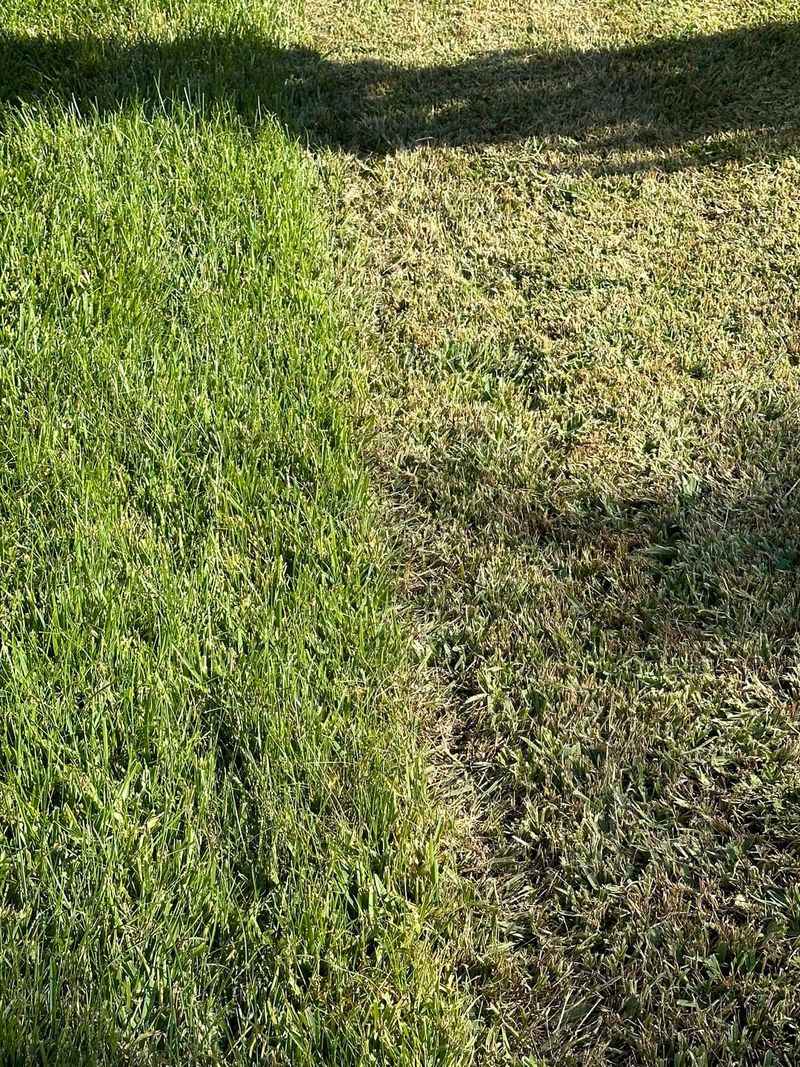
Picture a sunburned tourist on Clearwater Beach, and you have a good image of scalped grass. Those wide St. Augustine blades are the lawn’s sunscreen, and cutting them short strips that protection away.
Grass leaves act like tiny solar panels that feed the whole plant. Fewer leaves mean less food, so the roots slowly shrink and weaken.
St. Augustine also grows from thick above-ground runners called stolons. When mowed too low, those runners sit bare in the harsh Florida sun and dry out fast.
A struggling lawn has almost no energy saved up to handle that shock. Instead of bouncing back, it turns yellow, then tan, then patchy.
Soil temperature matters too, which surprises plenty of homeowners. Tall blades shade the ground, while short ones let sandy Florida soil bake like a sidewalk at noon.
Hot soil loses moisture quickly, so your sprinklers can barely keep up. The grass looks thirsty even when you water on schedule.
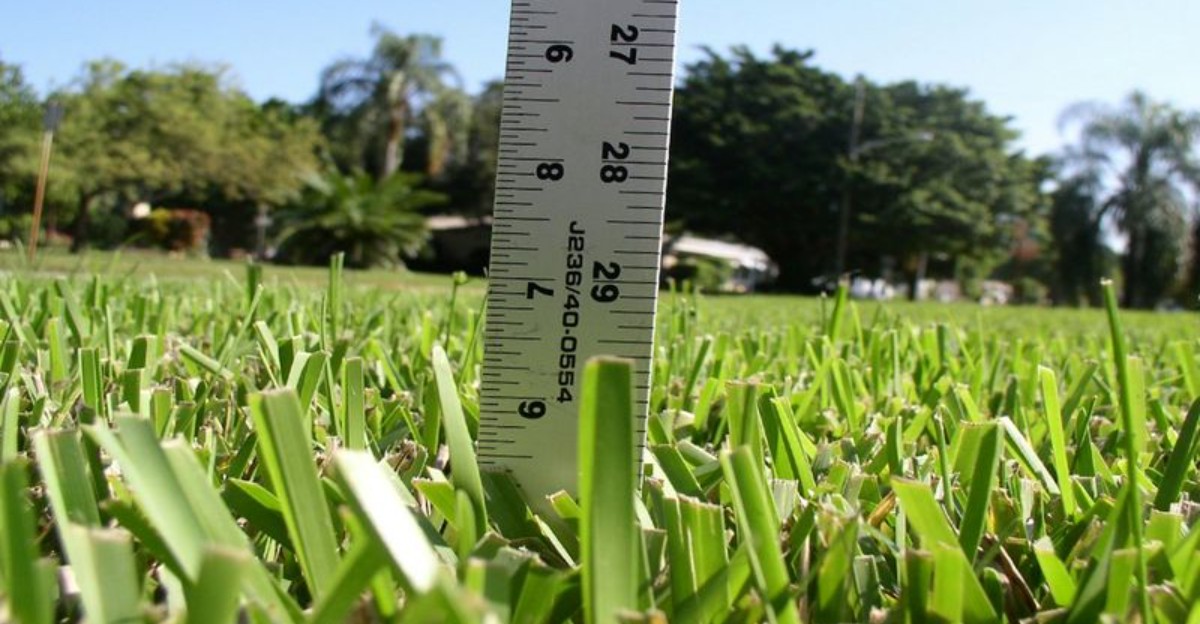
Most experts suggest keeping St. Augustine between 3.5 and 4 inches tall. Some dwarf varieties, like Seville, can handle a lower cut, though not by much.
Did you know St. Augustine grass has been a staple of Southern lawns for well over a century? Its spreading runners are a big reason it has lasted so long.
So the short answer is simple: height equals health for this grass. Give those blades room to work, and they will return the favor.
The Late September Stress Window
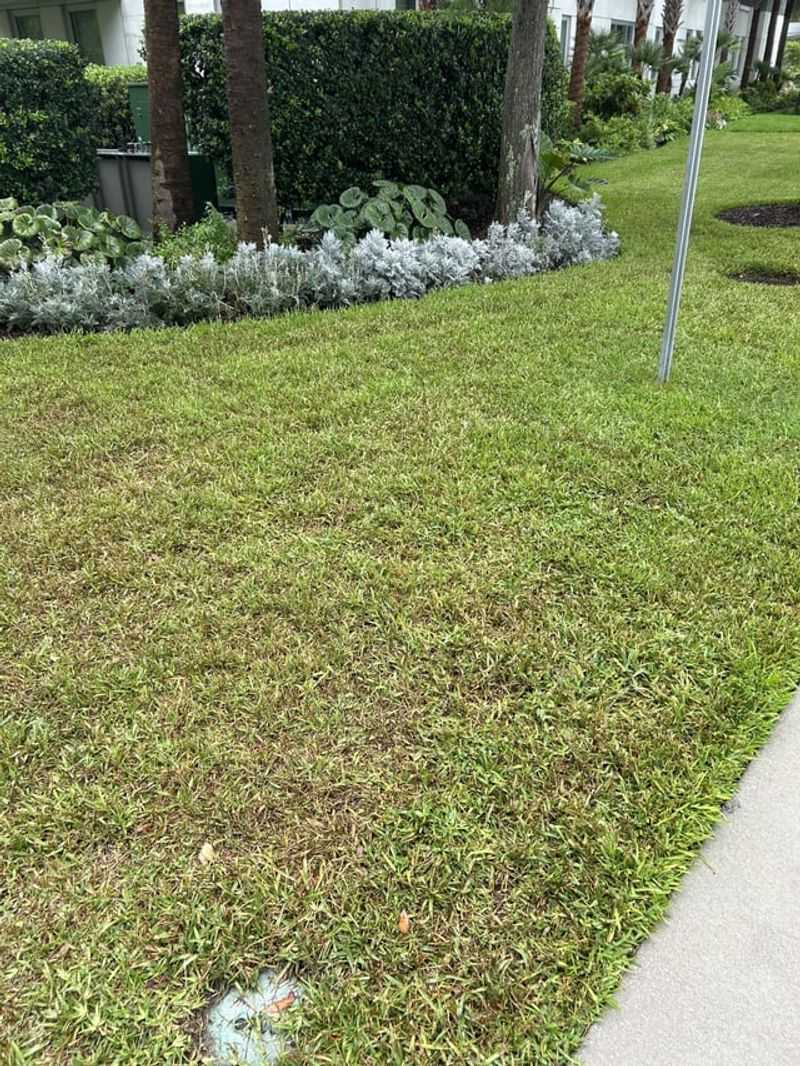
Late September in Florida feels like summer refusing to leave the party. Days are still hot, rain storms are fading, and your lawn is tired from months of stress.
Right now, St. Augustine is trying to store energy before the cooler months arrive. Scalping it at this moment is like skipping dinner before a long hike.
Growth begins slowing down as days get shorter. That means any damage from a low cut takes much longer to repair than it would in June.
Rainy season also winds down around this time across most of the state. Less rain plus a short cut creates a quick path to drought stress.
Your Ohio Garden Changes Every Week. Your Plan Should Too.
Gardening in Ohio changes quickly throughout the season. Every Friday you’ll receive a simple weekly plan showing exactly what to plant, prune, fertilize, harvest, and protect so you never miss the right timing.
Many homeowners trim lower in fall, hoping to mow less often later. Sadly, that shortcut leaves a weak lawn heading into winter with thin, patchy coverage.
North Florida lawns can even face light frost by December. Grass cut short has less leaf cover to protect the runners from cold snaps.
South Florida lawns stay greener longer, but they still slow down. Wherever you live, fall is a season to protect the grass rather than push it.
Think of September as the lawn’s savings season. Tall blades now mean stored food, deeper roots, and a better-looking yard next spring.
One simple habit helps a lot this month. Raise the mower one notch and let the grass hold onto every bit of energy it makes.
Your future self, staring at a green March lawn, will be grateful. Fall patience often pays off more than another trip to the garden store.
The Golf Course Look Gone Wrong
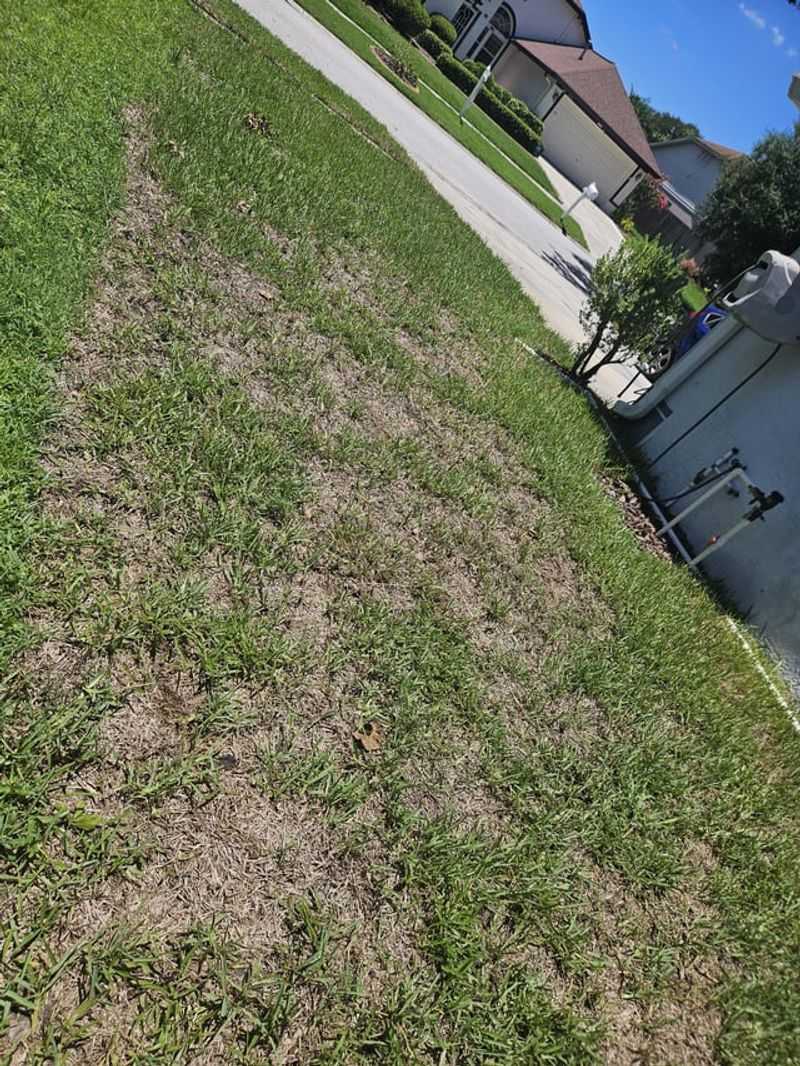
Here is a confession many Florida homeowners share. They cut the grass extra short, thinking it will look neat and tidy, like a golf course.
Golf greens use very different grasses that are built for tight trimming. St. Augustine is a wide-bladed, sprawling grass that does not tolerate that kind of haircut.
Another common slip is mowing a thin lawn lower to make it look even. Cutting uneven spots shorter only exposes more bare soil and brown runners.
Dull mower blades make the problem worse. Instead of slicing, they tear the leaf tips, leaving ragged edges that turn brown within a day or two.
Bumpy yards cause scalping too, even when the mower height seems fine. Wheels dip into low spots, and the blade cuts right down to the stolons.
Some folks also remove too much at once after a vacation. A good rule is to cut no more than one third of the blade in a single mow.
Picture trimming your own hair by half in one sitting. It would look strange for weeks, and grass feels a similar shock.
Mowing wet grass adds one more headache. Soggy blades clump, the mower slides, and uneven scalped strips appear across the lawn.
Fortunately, these mistakes are easy to fix. A sharp blade, a higher deck, and a little patience make a big difference.
Check your mower setting before your next Saturday mow. That one quick look could save your lawn weeks of struggle.
A Taller Mower Setting For Faster Recovery
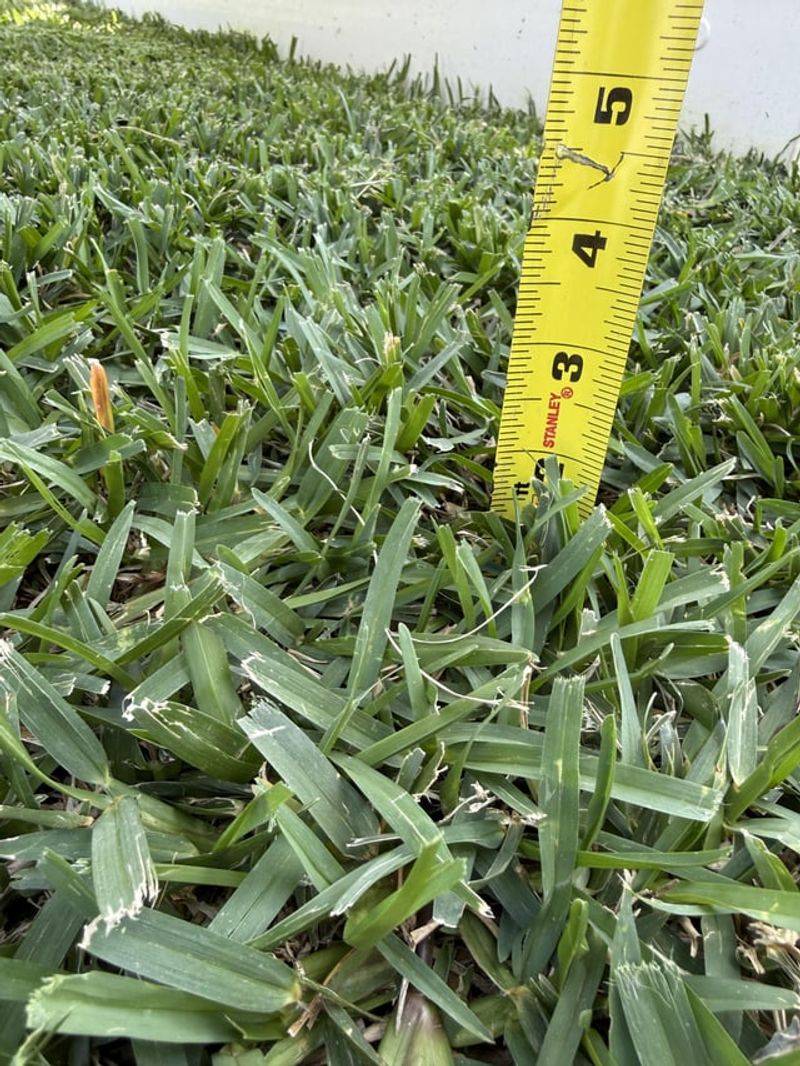
A scalped St. Augustine lawn can usually bounce back. The runners are tough, and they respond quickly once you give them a break.
Start by raising your mower to its highest or second-highest setting. For most rotary mowers, that lands close to the 3.5 to 4 inch target.
Next, sharpen or replace the blade. Clean cuts heal fast, while torn tips invite browning and disease.
Water deeply but less often, about three quarters of an inch each time. Early morning watering, before 10 a.m., helps the grass dry off during the day.
Skip heavy feeding right away, since a weak lawn may not make good use of a big dose of nitrogen. A light, slow-release fertilizer with potassium supports roots better in early fall.
Also check your local rules first. Some Florida counties limit fertilizer during the summer rainy season, so timing matters.
Leave the clippings on the lawn when you mow. They break down fast and return helpful nutrients to the soil.
Bare patches may need extra help if the runners have not spread in a few weeks. Plugs or small pieces of sod can fill gaps and speed recovery.
Patience is the secret ingredient here. Many lawns show fresh green growth within a few weeks once the height is corrected, though recovery is slower in fall.
Walk the yard every few days and look for new runners creeping into thin, bare spots. Those little green shoots are proof your repair plan is working nicely.
An Open Invitation For Weeds Plus Chinch Bugs
Weeds are the ultimate opportunists, and a scalped lawn rolls out a welcome mat. Sunlight hits the bare soil, and weed seeds like dollarweed wake right up.
Tall St. Augustine normally shades out many of these weeds. Once that leafy canopy is gone, weeds grow faster than the stressed grass can recover.
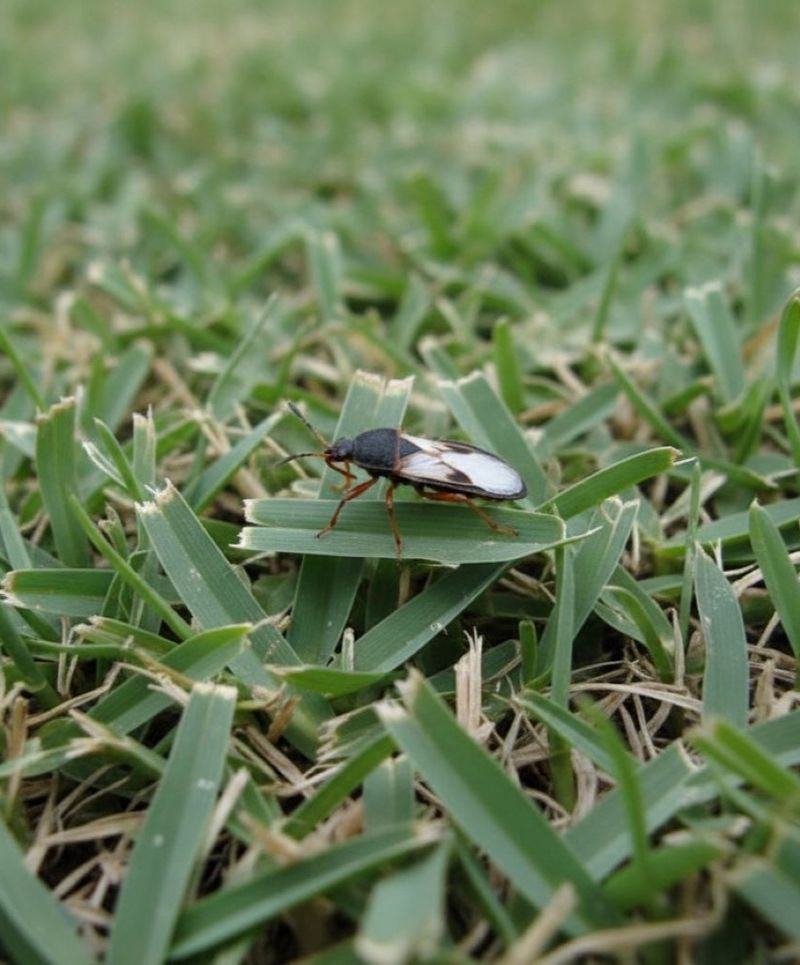
Chinch bugs are another big worry in Florida yards. These tiny insects love hot, dry, sunny patches, which is exactly what short grass creates.
Chinch bug damage often looks like drought at first. Yellow spots spread outward, usually near sidewalks or driveways where heat builds up.
Fungus can move in too, especially large patch as nights cool in fall. Weak grass has fewer defenses, so brown rings can spread quickly after rain.
Then there is the look of the lawn itself. Short, thin grass shows every bump, bare patch, and sandy spot, like a bad haircut under bright lights.
Neighbors may notice the difference before you do. A tall, thick lawn looks lush, while a scalped one appears faded and tired.
Repairs cost money, too, which stings even more. Herbicides, insect treatments, and replacement sod can drain a budget faster than you might expect.
Here is a fun twist, though. Simply raising the mowing height is one of the cheapest pest control tools you will find.
Healthy grass holds up on its own. A thick, tall stand crowds out weeds and fares better against bugs and fungus.
Keep an eye out for these warning signs through October. Catching trouble early makes the repair far easier and much less expensive.
A Mowing Routine Built For Next Spring
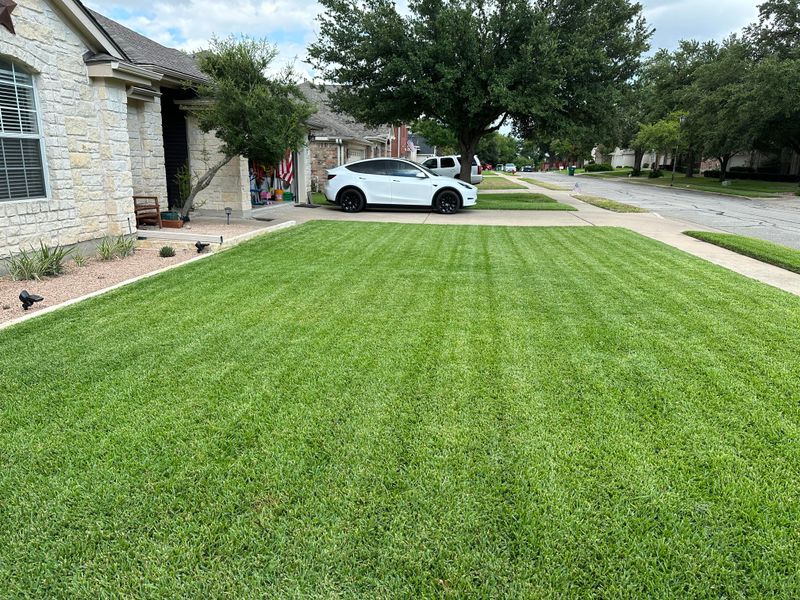
Many great lawns start with a boring habit, and that is a good thing. Consistent mowing at the right height helps more than most gadgets.
Set your mower deck once and leave it there. Mark the setting with a dab of paint so no one lowers it by accident.
Mow often enough that you only remove the top third of the blades. During peak summer growth, that might mean every five to seven days.
In late fall and winter, mowing can slow to every two or three weeks. Let the grass tell you when it needs a trim instead of following the calendar.
Sharpen the blade about twice a season, or more often for larger yards. A quick look at the grass tips will tell you if it is time.
Level out low spots with a thin layer of sand or topsoil. Smoother ground keeps the mower from dipping and scalping those hidden hollows.
Change your mowing pattern each time you cut. Switching directions keeps the grass standing upright and prevents ruts from forming.
Train anyone who helps with yard work, including lawn services. Ask them to keep St. Augustine near 4 inches, and check their work now and then.
Fun fact: St. Augustine spreads by runners, so a healthy lawn can keep filling in its own gaps year after year.
Treat your grass like a friend who needs shade and snacks. Keep it tall, feed it lightly, and it will reward you with a cool, green carpet.