Why Experienced Virginia Gardeners Top Their Beds With Compost Before Winter
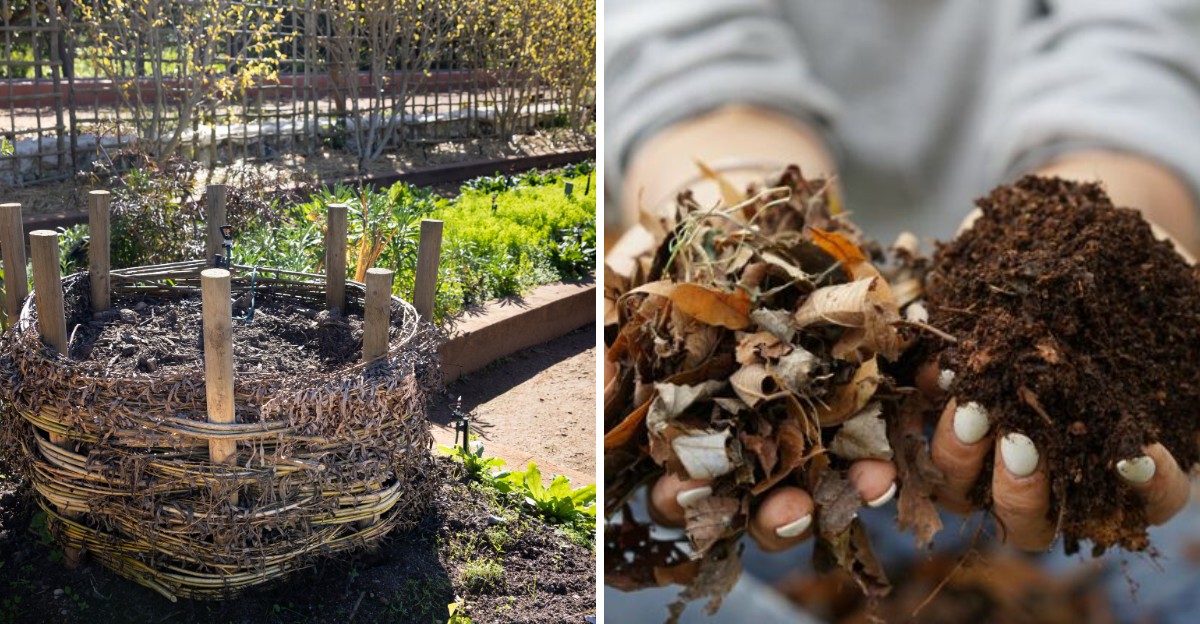
Soil microbes keep working through a Virginia winter, quietly chewing on organic matter whenever the ground stays unfrozen.
Most gardeners assume their beds simply sleep from December until the first warm week of March arrives.
That red clay under your boots can hold water like a bathtub after a cold January rain. Gardeners in Virginia know the feeling of sinking boots and soggy rows once a wet winter settles in.
I skipped one simple fall chore years ago, and my spring beds paid the price for months afterward. You might notice the difference too, once you compare a covered bed with a bare one by April.
Seasoned growers seem to spend late fall spreading something dark and crumbly across their empty garden beds. What do they know about cold months that the rest of us keep learning the hard way?
1. Crumbly Compost Loosens Heavy Virginia Clay
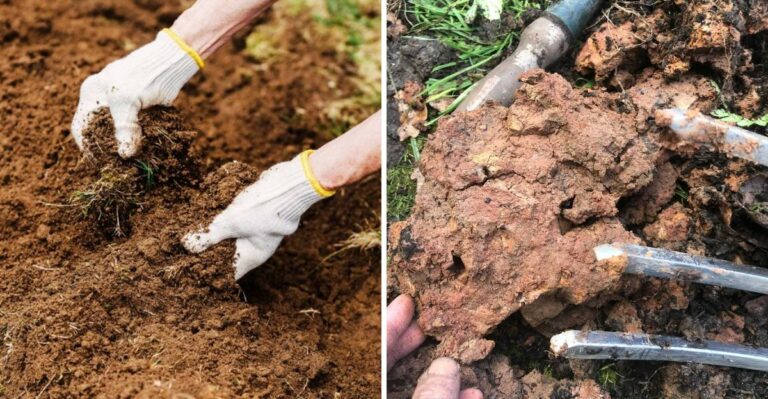
Red clay sticks to a shovel like peanut butter, and anyone digging in the Piedmont knows that struggle well. My first garden there felt more like pottery class than planting, and I nearly gave up that spring.
Compost changes clay by helping tiny soil particles clump into larger crumbs with air pockets between them. Virginia Cooperative Extension notes that organic matter improves structure in both heavy clay and fast-draining sandy soils.
Those small air spaces matter because roots need oxygen just as much as they need water and nutrients. Waterlogged clay pushes air out, so roots struggle and plants often look yellow and stunted by early summer.
Winter gives compost several months to work its way down with help from rain, frost, and earthworms. You barely need to lift a fork, since nature handles much of the mixing while you stay warm inside.
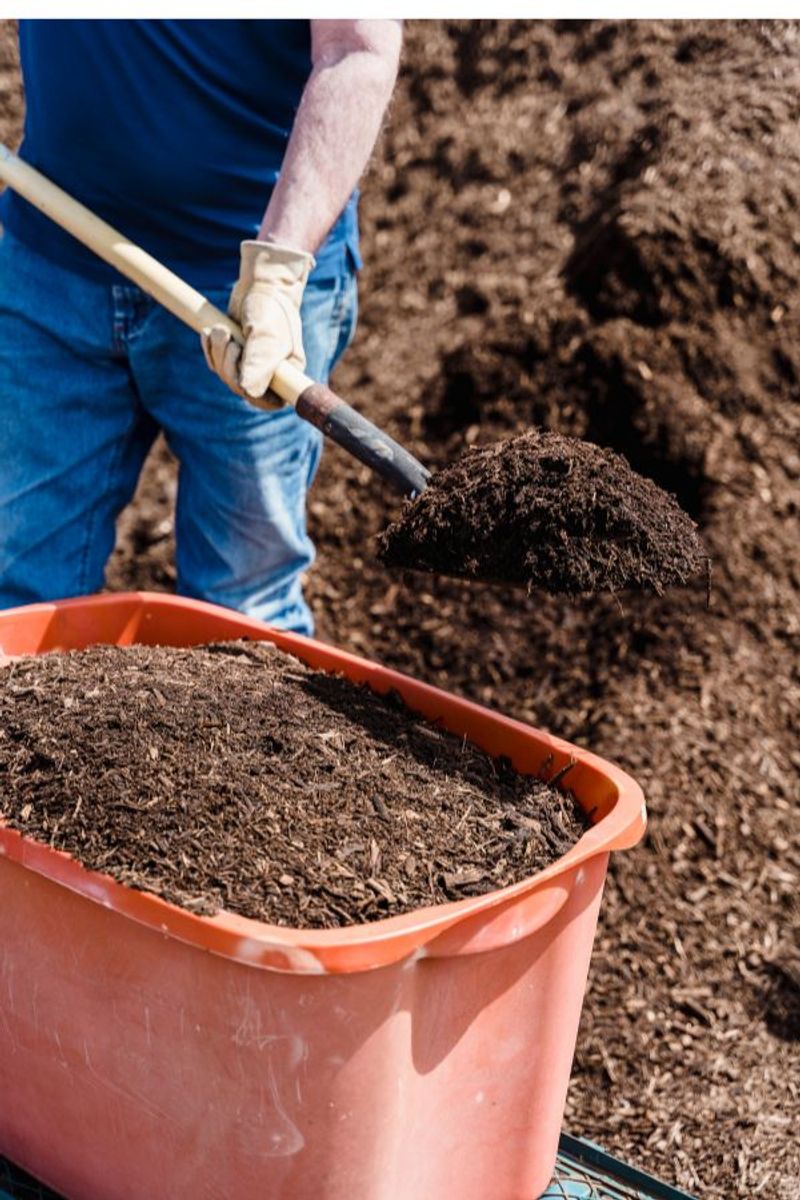
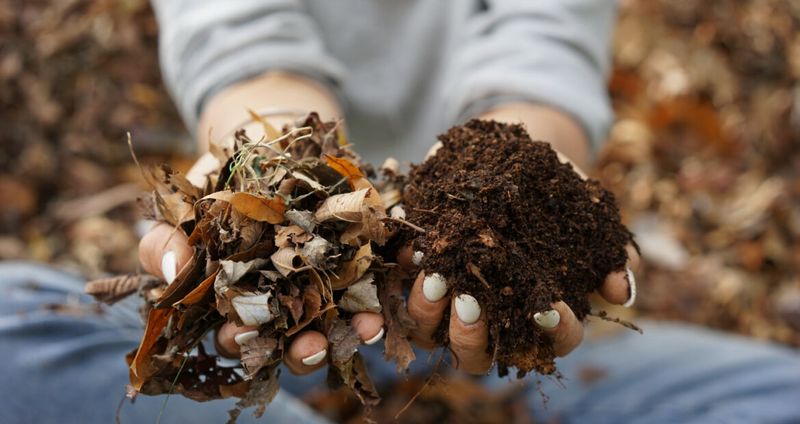
Spread a layer about one to two inches thick across the bed after you clear out spent summer crops. Finished compost works best here, because fresh scraps can attract critters and break down unevenly over winter.
I like to rake it gently so the surface looks even, then I simply walk away until spring. By March, a handful of soil usually feels softer and darker, and it smells pleasantly earthy too.
Clay will not turn into perfect loam after one season, so plan on repeating the routine each fall. Patience pays off here, and many gardeners notice real changes after two or three yearly applications of compost.
2. Spongy Compost Soaks Up Cold Winter Rain
A cold rain in February can dump an inch of water on your garden before lunch is even over. Bare soil often lets that water rush away, but compost-covered soil tends to drink it in slowly instead.
Organic matter behaves a bit like a kitchen sponge, holding moisture while still letting extra water drain downward. Extension experts explain that each small increase in organic matter can raise how much water soil holds.
Balance is the real prize here, since soggy soil and dusty soil both cause trouble for young plants. Compost helps clay drain better and helps sandy soil hold onto moisture that would otherwise slip away quickly.
I noticed this most during a dry stretch one May, when my composted beds stayed damp much longer. Neighboring bare rows had cracked and crusted, while my lettuce kept growing without needing extra hose time.
Spring weather here can swing from soaking storms to warm, breezy weeks with little rain at all. Soil with plenty of organic matter carries stored moisture into those dry spells and gives seedlings steadier conditions.
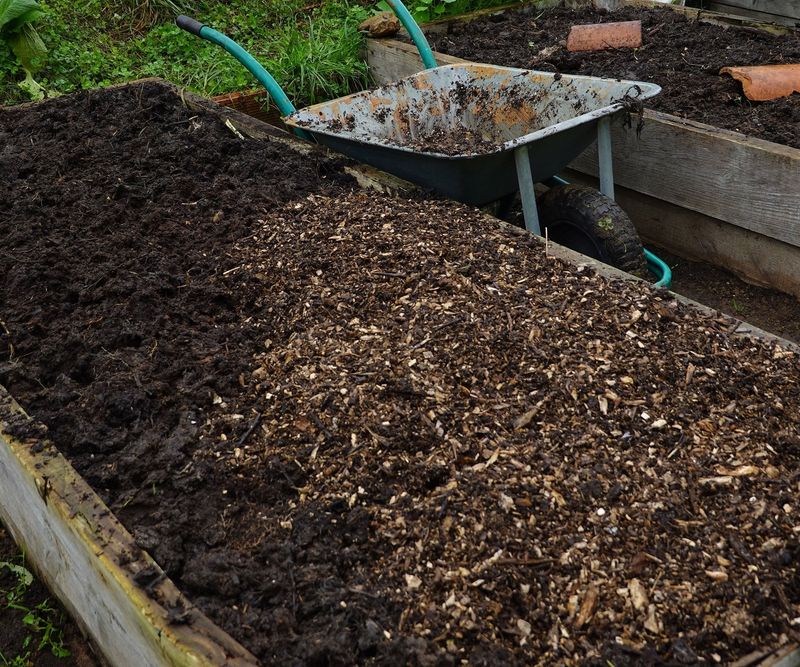
For best results, apply compost before the ground freezes so it settles in with early winter rains. A light layer of shredded leaves on top can help hold it in place during heavier storms.
You can test your progress with a simple squeeze, grabbing a handful of soil a day after rain. Healthy soil should hold together loosely, then crumble apart instead of forming a sticky, shiny ball in your palm.
3. Slow Feeding Nutrients Wait Under The Compost
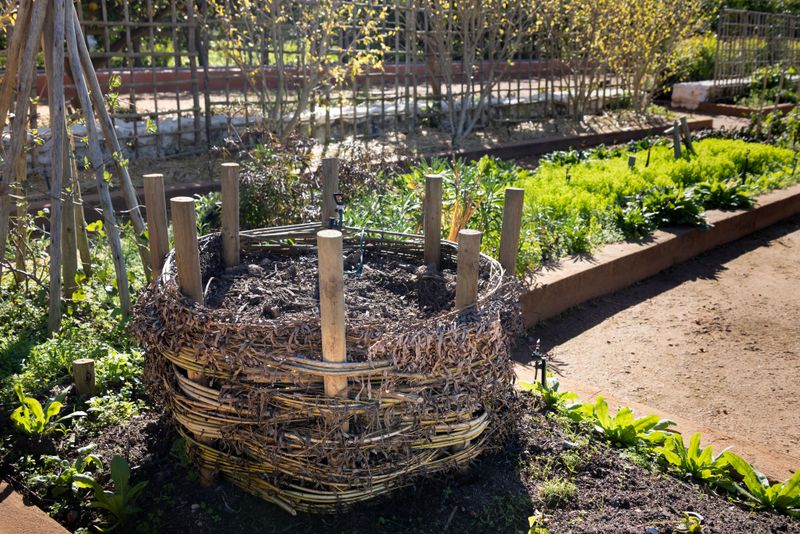
Compost feeds your garden on a slow drip, not a quick jolt, and that pace suits winter perfectly. Cold soil slows the breakdown, so nutrients trickle out gradually as temperatures creep upward in spring.
Finished compost contains nitrogen, phosphorus, and potassium, along with smaller amounts of other helpful nutrients. Levels vary depending on what went into the pile, so think of compost as a soil builder first.
I used to pour on bagged fertilizer every spring without thinking much about where it was going. After a few years of fall compost, my soil test showed healthy levels, and I cut back quite a bit.
Speaking of soil tests, Virginia Tech runs an affordable testing lab that many local gardeners rely on. Fall is a great time to mail a sample, since results arrive well before spring planting season begins.
Too much compost can actually push phosphorus levels higher than plants need, which can harm nearby streams. Extension specialists suggest checking test results first, especially if you have added manure-based compost for many years.
Plant-based compost made from leaves and yard trimmings tends to carry less phosphorus than manure blends. Mixing your sources over time keeps things balanced and helps you avoid building up more nutrients than necessary.
By planting time, those slowly released nutrients sit right where young roots will find them first. Your tomatoes and peppers still might want a little extra feeding later, but they start with a steady foundation.
4. Busy Earthworms And Soil Microbes Stay Fed
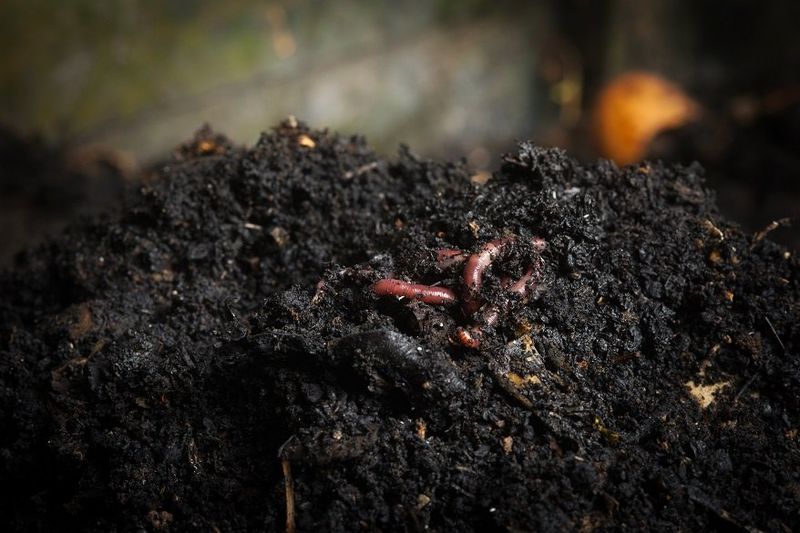
Earthworms do not pack their bags and leave when temperatures drop, though they do slow down quite a bit. On mild winter days, they often head toward the surface looking for something tasty to eat.
A fresh layer of compost gives them exactly that, along with countless bacteria and fungi that live inside. These tiny helpers turn organic matter into forms that plants can use once spring growth starts again.
I love lifting a corner of compost in January and spotting worms wriggling away from the sudden light. It feels like peeking into a hidden kitchen where someone has been cooking dinner quietly all season.
Microbial activity drops sharply in cold soil, yet it rarely stops during the many mild stretches here. Coastal and Piedmont regions often see thaws that let soil life wake up briefly and keep working.
Bare ground offers these creatures little shelter, and it can swing between frozen and muddy very quickly. Compost acts as both food and cover, which helps soil communities stay healthier until warmer weather returns.
Earthworm tunnels also create pathways for water and roots, which adds to the improved structure mentioned earlier. Their castings are rich in nutrients, so every worm becomes a tiny fertilizer factory under your feet.
Skip heavy tilling in spring if you want to protect this underground workforce you have been feeding. Gently planting through the compost keeps fungal networks intact, and your soil will reward that restraint later.
5. Fewer Spring Weeds Sprout Through A Compost Layer
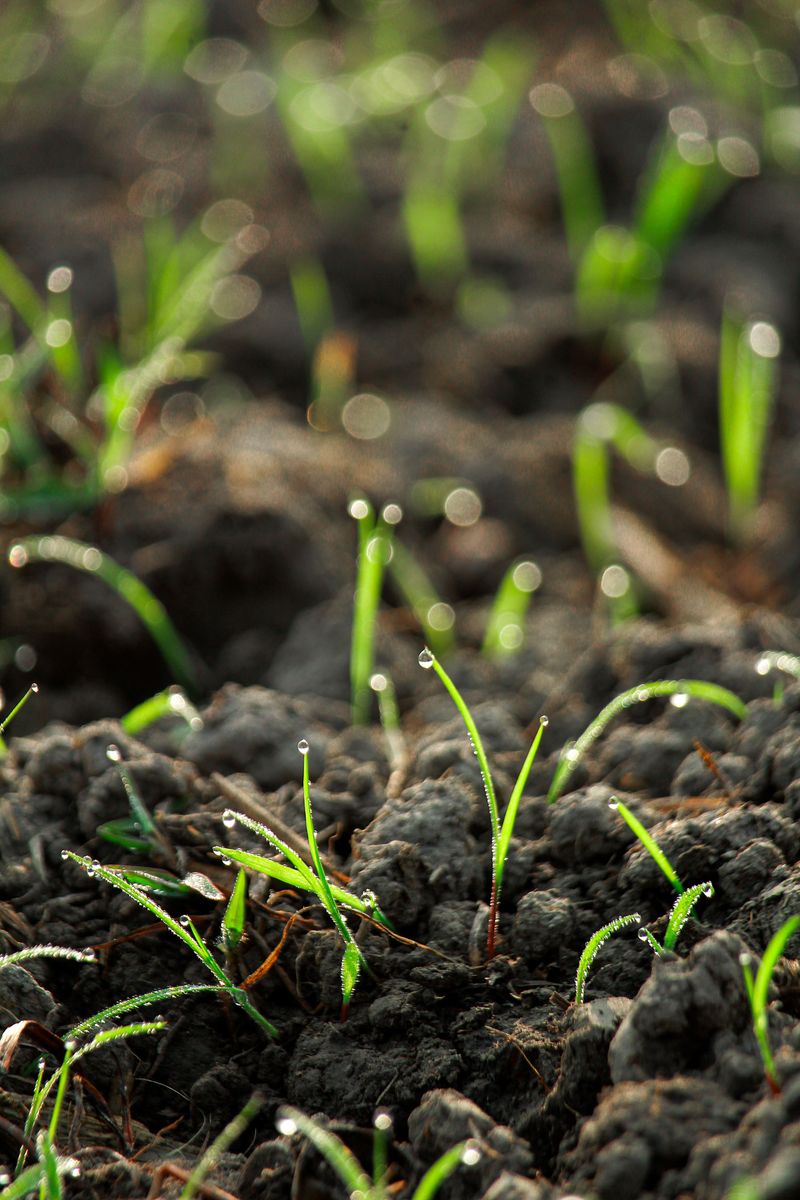
Weed seeds are patient little troublemakers, sometimes waiting years in the soil for their chance to sprout. Many of them need light to germinate, which is why disturbed bare soil often turns green fast.
A layer of compost on top can shade some of those seeds and slow their spring takeoff. Results vary, so think of compost as a helpful buffer rather than a perfect barrier against every weed.
I noticed fewer chickweed seedlings in my composted beds compared with the bare strip along the fence. Chickweed loves cool weather, so it often appears in late winter before most vegetables even go in.
One caution matters a lot here, and it involves where your compost actually comes from. Poorly made compost can carry weed seeds itself, especially if the pile never heated up enough during processing.
Look for finished compost from trusted sources, such as products labeled under the Seal of Testing Assurance program. Many local municipal programs also sell screened compost, and some even test it regularly for quality.
For extra weed control, add shredded leaves or straw over the compost in especially troublesome areas. Make sure straw is seed-free, since some bales come packed with grain seeds that sprout all spring.
Pull any early weeds while they are tiny, because loose compost lets roots slide out easily. That quick five-minute chore in March can save you an hour of tugging stubborn weeds in June.
6. Covered Soil Stays Put During Heavy Storms
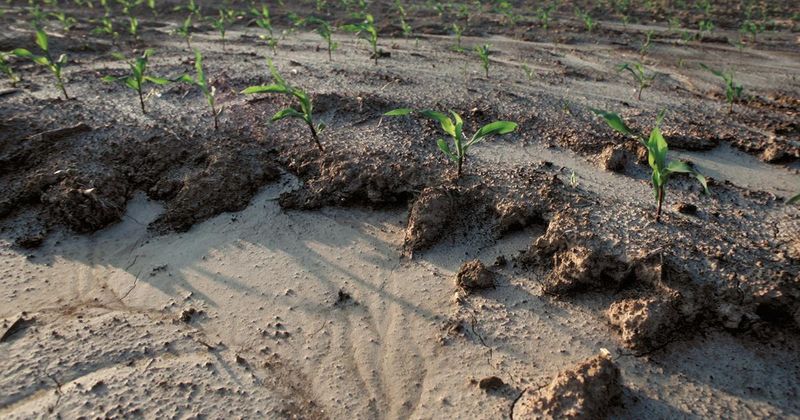
Muddy water running off a garden bed is really your best topsoil leaving for somewhere else. Watching it trickle down the driveway after a storm once made me groan louder than any weeding session.
Bare soil gets pounded by raindrops, which break apart crumbs and wash the smallest particles away. Compost cushions that impact and helps water sink in instead of carrying soil across the yard.
Runoff matters beyond your backyard, since sediment and extra nutrients can travel toward local streams and rivers. Much of the state drains into the Chesapeake Bay, where sediment is a well-known water quality concern.
Programs across Virginia encourage homeowners to keep soil covered as one simple way to protect waterways. Prince William County and other localities share similar advice through their environmental and stormwater education programs.
Sloped beds benefit the most, so start there if your yard tilts even slightly toward the street. Spreading compost thinly across the slope and adding a leaf layer can help everything stay in place.
Edges deserve attention too, because water often slips out where beds meet paths or lawn. A simple border of logs or boards can hold compost in place during heavy downpours this season.
Covered soil also forms less crust after storms, which makes spring seeding much easier for tiny sprouts. Carrot and lettuce seeds often struggle to push through hard crusts, so a soft surface really helps them.
7. A Compost Blanket Softens Freeze And Thaw Swings
Frost heave sounds dramatic, and honestly it looks that way when perennials pop partly out of the ground. Repeated freezing and thawing can push shallow roots upward, leaving crowns exposed to cold, drying winds.
Many parts of this region see exactly that pattern, with frozen mornings followed by surprisingly mild afternoons. Those quick swings can stress young plants, especially anything planted in fall that has not rooted deeply yet.
Organic material on the surface acts like a light blanket, slowing how fast soil warms and cools. It cannot stop a hard freeze, but it can soften the daily swings that cause heaving trouble.
I first noticed this with a row of strawberries that kept lifting out during one choppy winter. After I added compost and straw the next fall, they stayed snug and fruited much better that spring.
Western mountain areas tend to stay colder longer, while coastal gardens see milder but frequent ups and downs. Both regions can benefit, though timing your application before the soil freezes solid works best everywhere.
Avoid piling compost directly against woody stems or the crowns of perennials, since that can trap moisture. Leave a small gap around each plant so air can still move freely through the base.
Check your beds after a thaw and gently press any lifted plants back into the soil. A quick top-up of compost around them helps keep roots covered until steady spring weather finally arrives.
8. Ready To Plant Beds Greet You In Spring
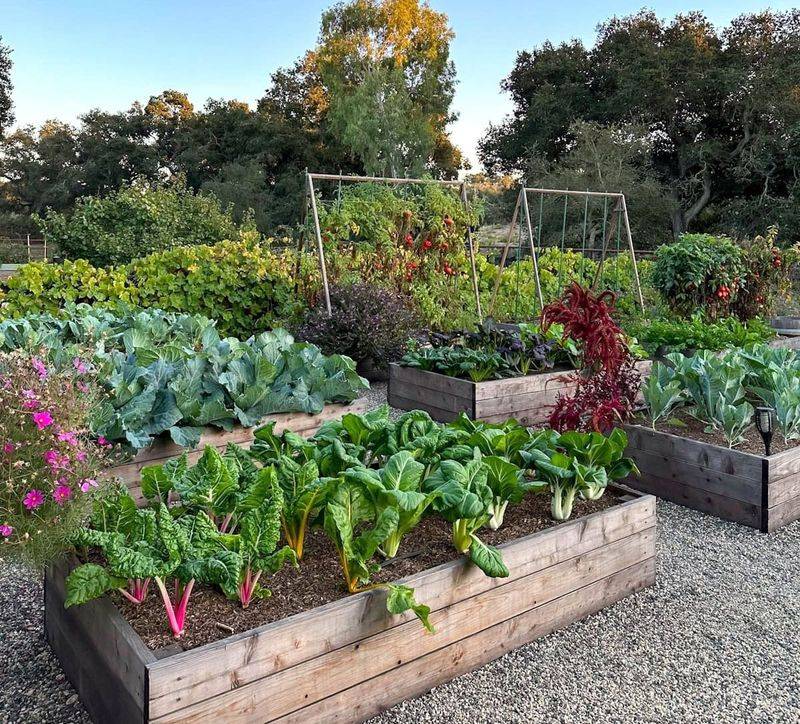
Spring arrives in a rush, and suddenly seed packets, seedlings, and chores all demand attention at once. Having beds already prepped feels like finding money in an old coat pocket on a chilly morning.
Fall compost has months to settle and blend with the top layer of soil before planting begins. By March, it usually looks less like a separate layer and more like part of the bed itself.
Cool-season crops such as peas, spinach, and lettuce often go into the ground around early spring here. Exact timing depends on your region, so check local frost dates through Virginia Cooperative Extension resources.
Soft, crumbly soil lets you scratch a seed row with a fingertip instead of wrestling with a hoe. I honestly grin every year when my trowel slides right in on that first planting day of the season.
Wait until soil dries enough to crumble before you work it, even if the calendar says go. Digging wet soil can undo the structure your compost spent all winter building for your plants.
A light rake to smooth the surface is often all the preparation a composted bed really needs. Skipping deep tilling saves your back and keeps earthworm tunnels and fungal threads in good working order.
Make a quick note of what worked this year, then plan your next fall compost session ahead of time. Small repeated efforts build richer soil, and each season gets a little easier than the last one.