Why Florida Palms Develop Bud Rot After a Warm, Wet Fall (And the Early Sign to Check)
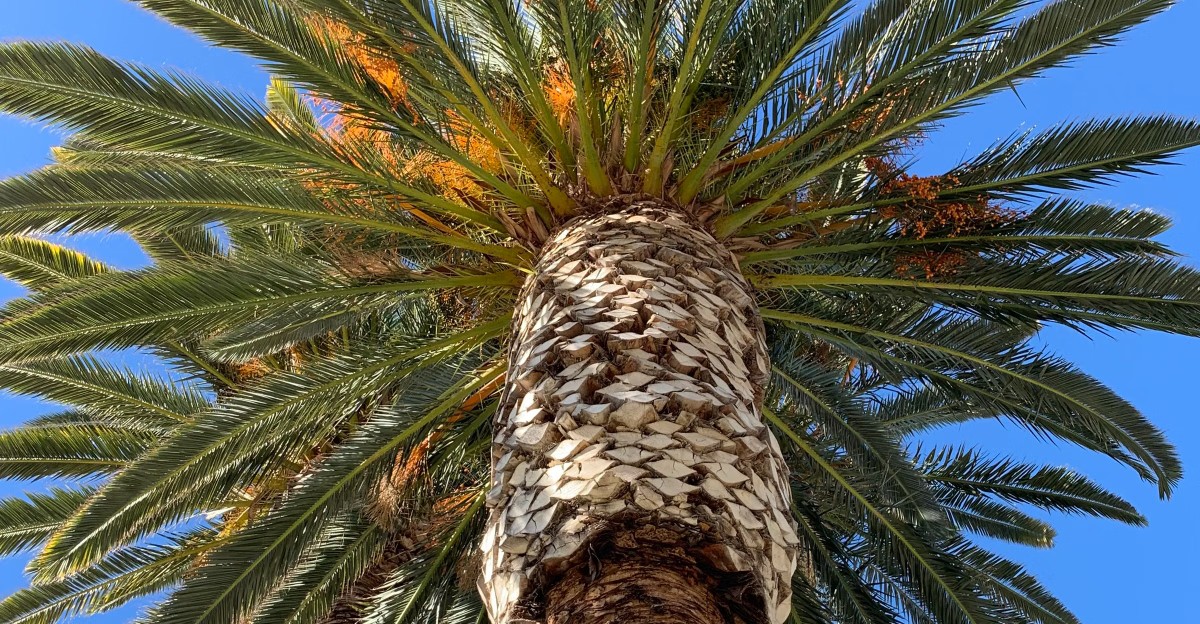
A palm can keep a full head of healthy green fronds while its heart quietly rots away inside. The older leaves often look fine for weeks after the real trouble starts.
That center is the single growing point at the top of the trunk. Palms have only one, and they cannot grow a backup if it fails. I find that fact a little unnerving every time I walk past my own queen palm.
Here in Florida, a warm and soggy autumn gives a sneaky microbe exactly what it craves. Rain sits in the crown, humidity hangs around, and spores get busy where you can’t easily see them.
You can catch it early, though, with one quick check that takes seconds. The clue hides in plain sight, right at the very top of the tree. Have you looked at yours lately?
1. Trouble Starts Deep Inside the Palm Crown
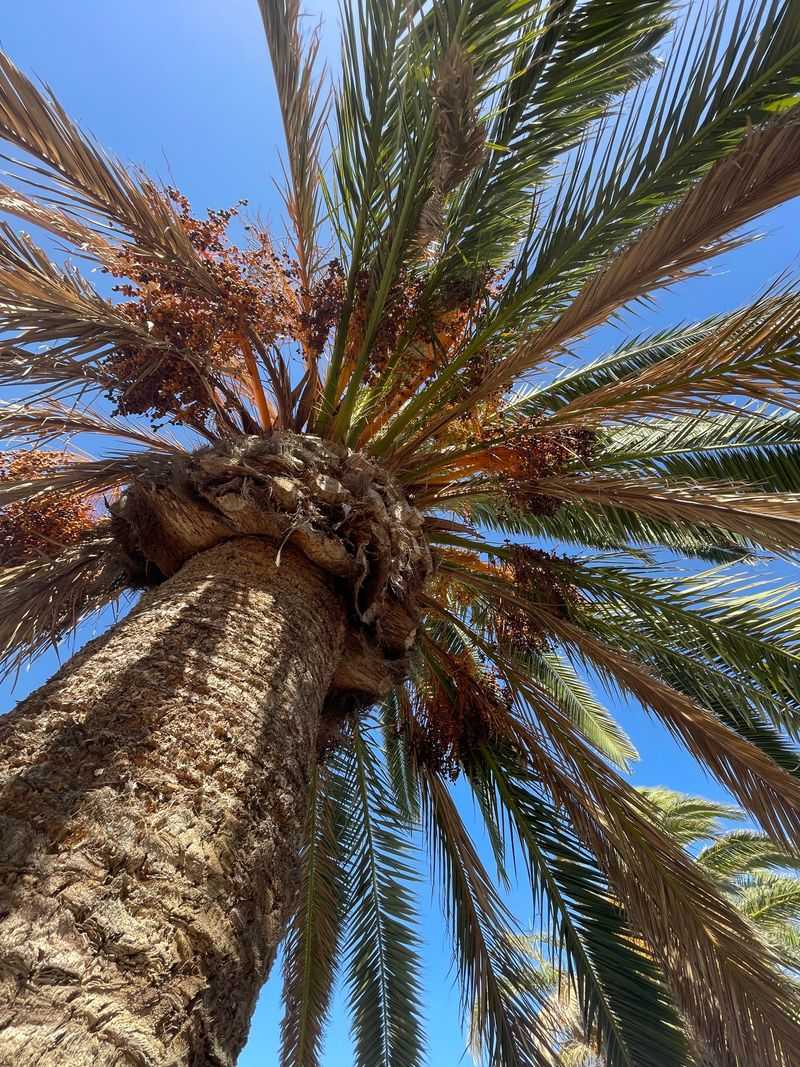
Palms grow from one spot only. Tucked inside the crown sits the bud, also called the apical meristem, and every new frond the tree will ever make comes from there.
That design works great until something attacks the bud. A hardwood tree can push out new branches from many places, but a palm has no spare growing point.
When the bud rots, the palm stops producing leaves for good.
University of Florida plant pathologists list bud rot as a disease of that exact spot. The rot starts in soft, young tissue at the core, often where water collects between tightly packed leaf bases.
I like to think of the crown as a little cup. Rain trickles down the fronds and settles right where the tender tissue lives.
In dry weather that water evaporates fast.
A warm, wet fall changes the math. The cup stays damp for days, and the soft tissue inside stays warm enough for microbes to thrive.
Bud rot also hides well. The mature fronds you see from the yard were formed months earlier, so they can stay green even while the center struggles.
That delay explains why so many homeowners spot the problem late.
2. Check That Tall Spear Leaf in the Center First
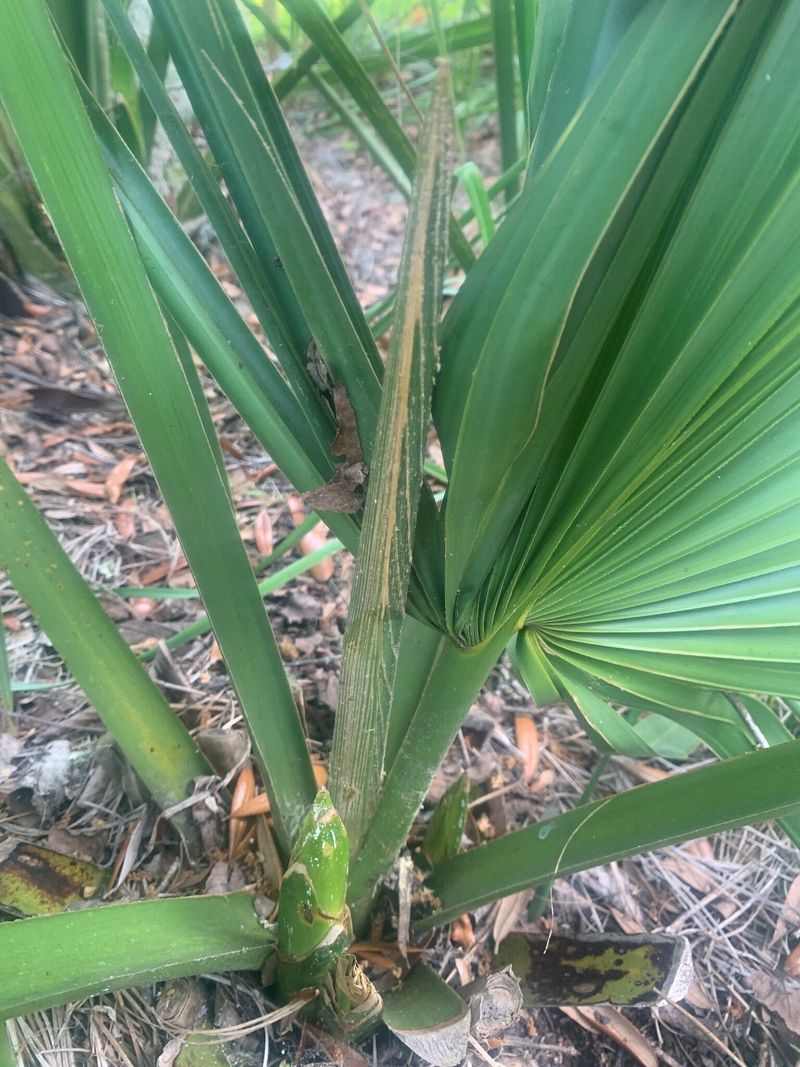
Your best early warning sits right on top. The spear leaf is the newest frond, still folded and pointing straight up from the middle of the crown.
According to UF/IFAS Extension, the first symptom of bud rot often shows up here. The spear and the next youngest leaves may turn pale green, then yellow or brown, and they may wilt or droop.
Next comes the simple test. On a small palm you can reach, grab the spear gently and give it a light tug.
A healthy spear holds firm. A spear that slides out with little effort has likely rotted at the base.
Sniff the base if it pulls free. Rotting tissue often smells sour or foul, and the bottom may look brown and mushy.
Tall palms make this trickier. You can’t reach the spear, so watch for a crown with no new leaf rising in the middle.
Extension experts describe this as an open-topped look, with fronds splayed out and nothing standing up in the center.
Binoculars help a lot here. I keep a pair by the back door after heavy rain and do a quick scan every couple of weeks during fall.
3. Phytophthora Loves a Soggy Florida Autumn
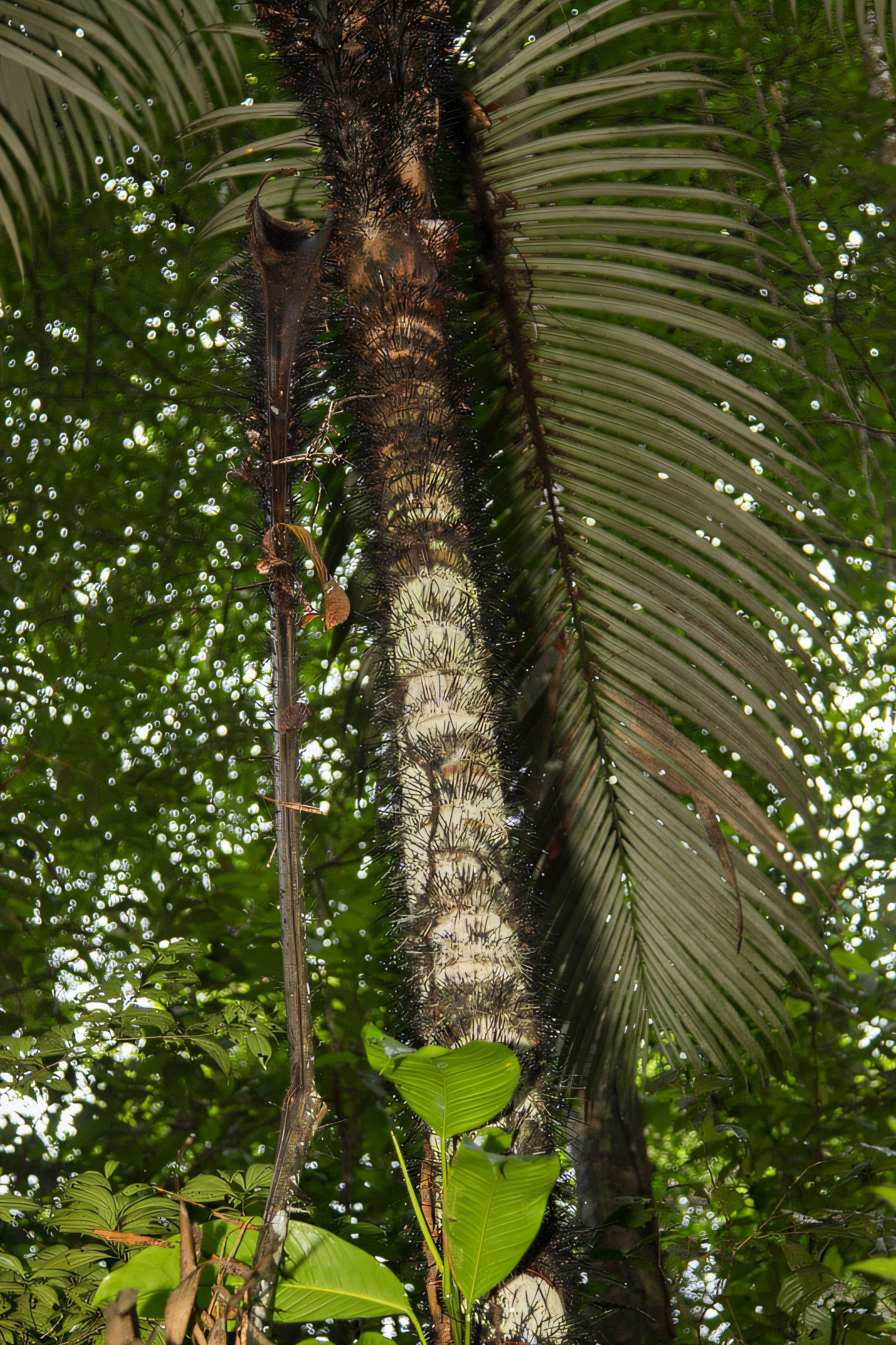
Meet the main culprit, at least in Florida’s wettest months. Phytophthora palmivora is a water mold, a fungus-like organism that spreads through swimming spores.
Those spores need free water to move. Rain splash carries them from palm to palm, and a crown that stays wet gives them time to infect the bud.
Warm temperatures speed up the whole process.
UF/IFAS notes that Phytophthora bud rot is most common during the rainy season and often rises after tropical storms and hurricanes. A fall packed with late-season storms and humid days stretches that risky window longer than usual.
Wind-driven rain makes things worse. Storms can bruise or tear young tissue, opening tiny wounds that make infection easier.
Many palm types can catch it. Coconut palms, cabbage palms, queen palms, and Washingtonia palms all show up in extension reports, so no common landscape palm is guaranteed safe.
Fun fact for your next backyard chat: Phytophthora palmivora also infects cacao and papaya in the tropics. This same group of water molds includes the one behind the Irish potato famine in the 1840s.
Pretty humbling company for a backyard palm problem.
4. Thielaviopsis Sneaks in Through Wounds and Cuts
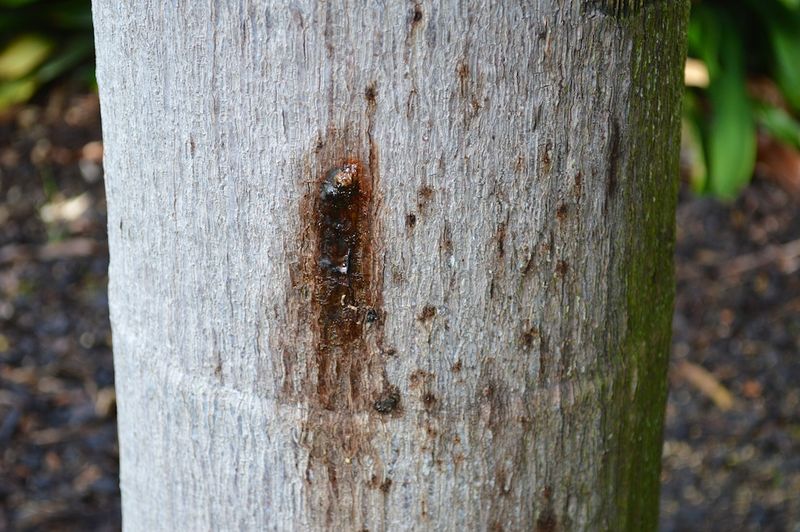
Phytophthora isn’t working alone. Another fungus, Thielaviopsis paradoxa, also causes bud rot, and it has a sneaky habit of entering through damage.
Extension researchers at the University of Florida explain that this fungus lives in soil and on plant debris. It usually needs a wound to get started.
That could be a pruning cut, a crack from a strong storm, or damage from cold or mishandling during planting.
Why does fall matter here? Storm season brings broken fronds and torn tissue, and plenty of folks prune heavily after hurricanes.
Add warm, wet weather, and the fungus has open doors plus ideal conditions.
Symptoms look a lot like Phytophthora bud rot. The spear wilts, the young leaves discolor, and the bud turns soft and smelly.
Telling them apart takes a lab test. Your county extension office can help send a sample to the UF Plant Diagnostic Center, which is worth doing if you care for many palms.
Personally, I’ve become far more careful with my pruning saw. Leave green fronds alone, avoid gouging the trunk, and skip the rough hurricane cut that strips a palm down to a few spears.
5. Your Sprinkler Might Be Soaking the Palm Crown
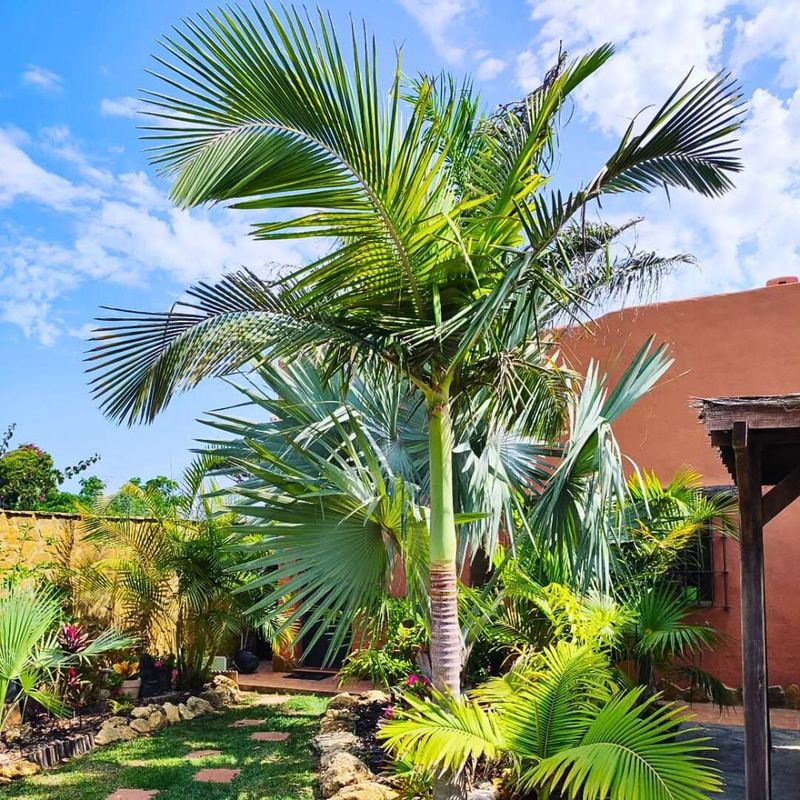
Rain gets the blame, but sprinklers can quietly join in. Overhead irrigation that sprays into a palm crown keeps the bud damp even on dry days.
That matters most for young palms. Short trees sit right in the spray zone, and their crowns are easy targets for daily misting.
UF/IFAS lists water management as a key step for reducing bud rot in juvenile palms.
Walk your yard while the system runs. You may spot heads blasting straight into fronds or soaking the center of a pygmy date palm every morning.
Quick fixes go a long way:
Adjust or lower spray heads so water lands on soil, not leaves. Swap to drip or bubblers near palms where you can.
Run irrigation early in the morning so foliage dries quickly.
Cut back on watering during a rainy fall. Many Florida counties have watering restrictions anyway, and a rain sensor will skip cycles after a good storm.
Planting depth counts too. Palms set too deep often struggle with root and trunk problems, so keep the root ball level with the surrounding soil.
A happy palm handles stress better.
6. Copper Fungicide Sprays Work Best Before Symptoms Appear
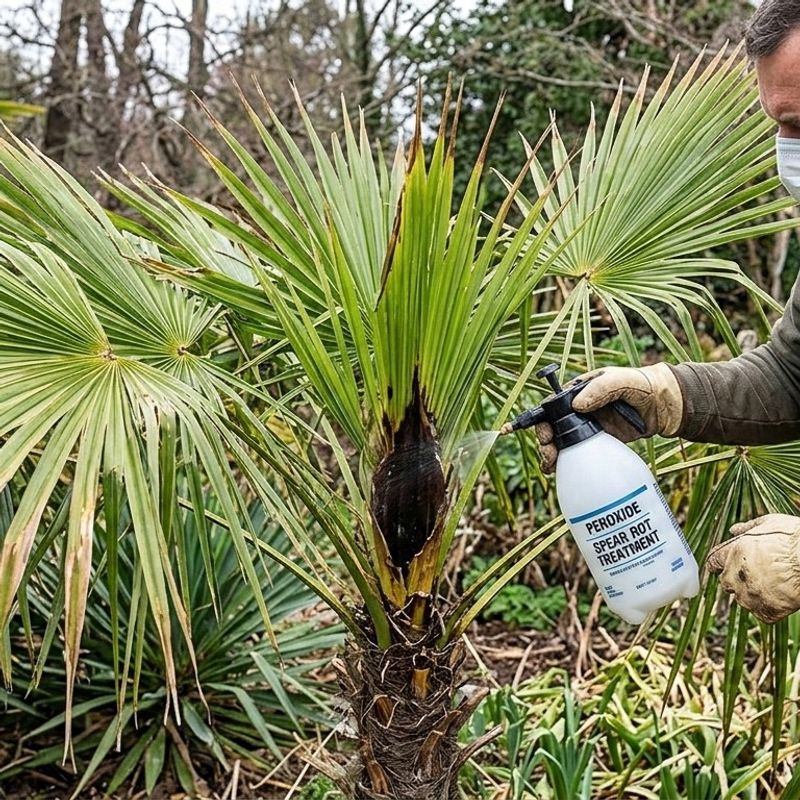
Timing is everything with fungicides. They protect healthy tissue, but they can’t bring back a bud that has already rotted.
UF/IFAS suggests preventive sprays for valuable or high-risk palms, especially after long rainy spells or a passing tropical storm. Copper-based fungicides are a common choice for Phytophthora, and some products with other active ingredients are labeled for it as well.
Aim for the crown. The goal is coating the spear and the youngest leaf bases, where infection starts.
A few safety habits help:
Read the full label and follow it exactly, since that label is the law. Wear gloves and eye protection.
Avoid spraying before heavy rain or on windy days.
Not every palm needs treatment. A healthy, mature palm in a sunny, breezy spot may do fine without any spray.
Young palms, recently planted ones, and those near a palm that already had bud rot are better candidates.
I treat fungicide like an umbrella. You grab it when the forecast looks rough, not after you’re already soaked.
If a palm already shows the loose spear, skip the spray and move on to removal decisions instead.
7. Better Airflow Around Palm Fronds Helps Crowns Dry Faster
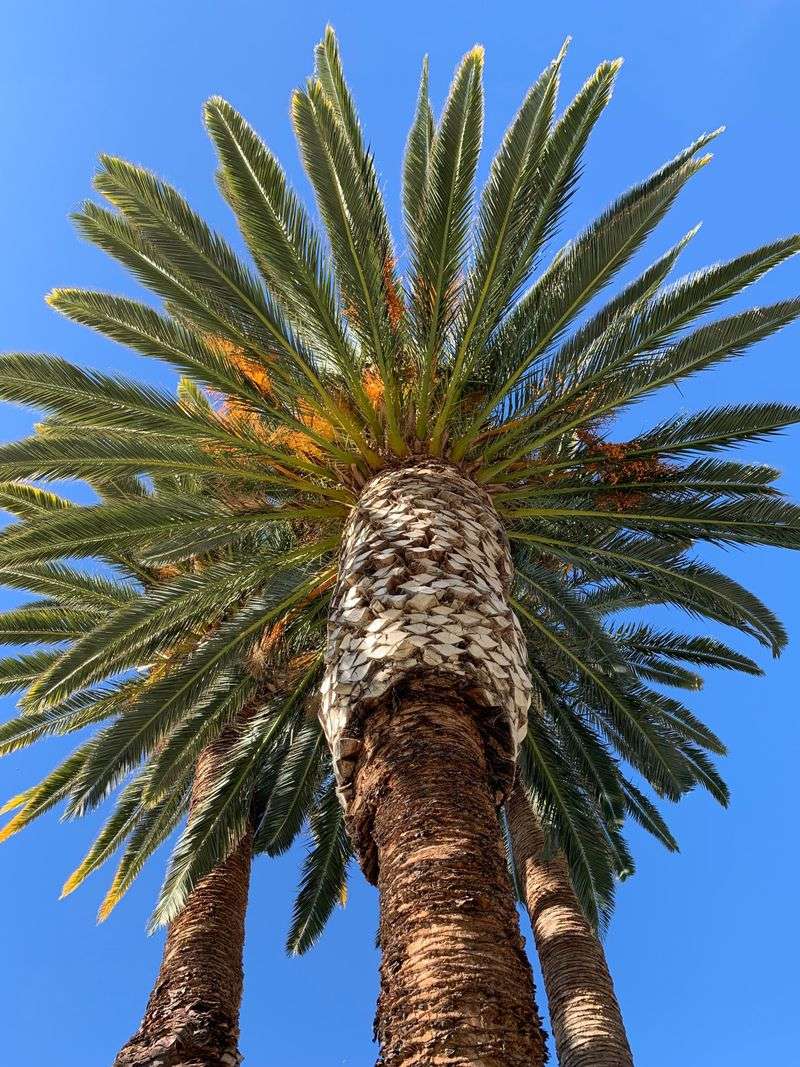
A breeze is a palm’s quiet helper. Moving air dries wet crowns faster, which cuts the time spores have to settle in.
Crowded plantings slow that drying. Palms jammed against walls, tucked under oaks, or packed tightly together can stay damp long after a storm passes.
Take a look around your palms this fall. Thin out overgrown shrubs and vines climbing into the canopy.
Trim back nearby tree limbs that hang over the crown, if that’s practical and safe.
Spacing matters for new plantings too. Give palms room based on their mature size, not their nursery size.
A foxtail palm that looks tiny today will fill out quickly in Florida heat.
Sanitation helps as well. Rake up rotting fronds and debris around the base, since some fungi survive in that material.
One caution about trimming the palm itself. Removing healthy green fronds won’t improve airflow in a useful way, and it weakens the tree.
UF/IFAS recommends cutting only fronds that are fully brown or hanging well below horizontal.
Sun exposure plays a part too. Palms in bright, open spots tend to dry out faster after rain than those in deep shade.
8. A Palm With a Rotted Bud Usually Needs to Come Down
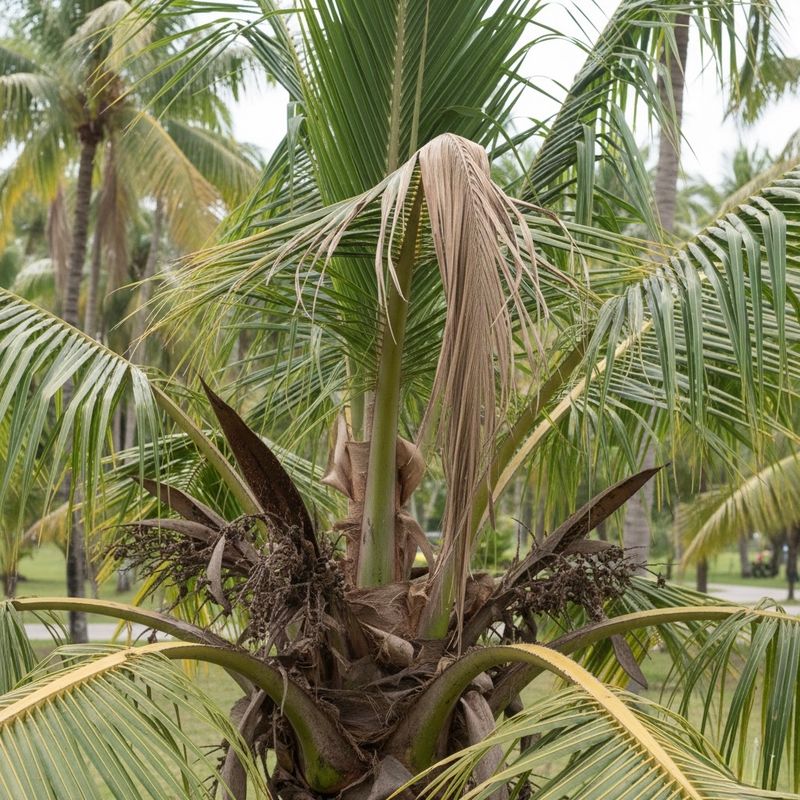
Nobody enjoys this part. Once the bud has rotted, the palm can’t grow new leaves, and UF/IFAS advises that fungicides won’t fix it.
The remaining green fronds may hang on for months. Still, they are slowly running out, and the crown will eventually collapse or fall.
Prompt removal protects your other palms. Infected tissue can produce spores that splash onto neighbors during the next rain.
Bag or haul away the crown and debris rather than leaving them in a pile nearby.
Hire a certified arborist for tall palms. A weakened crown can drop without warning, and that’s no job for a ladder and a hand saw.
Before you replant, think about the spot. Did water pool there?
Did sprinklers hit the crown? Fixing those issues gives your next palm a better shot.
Consider a lab diagnosis if you’re unsure, since nutrient problems like potassium deficiency or cold damage can also affect new growth. Your county extension office can point you in the right direction.
My biggest takeaway? Make the spear check a fall habit.
A few seconds after each big storm can save a lot of heartache later.