Why Moles Suddenly Become Obvious in a Soft, Rain-Soaked Florida Lawn
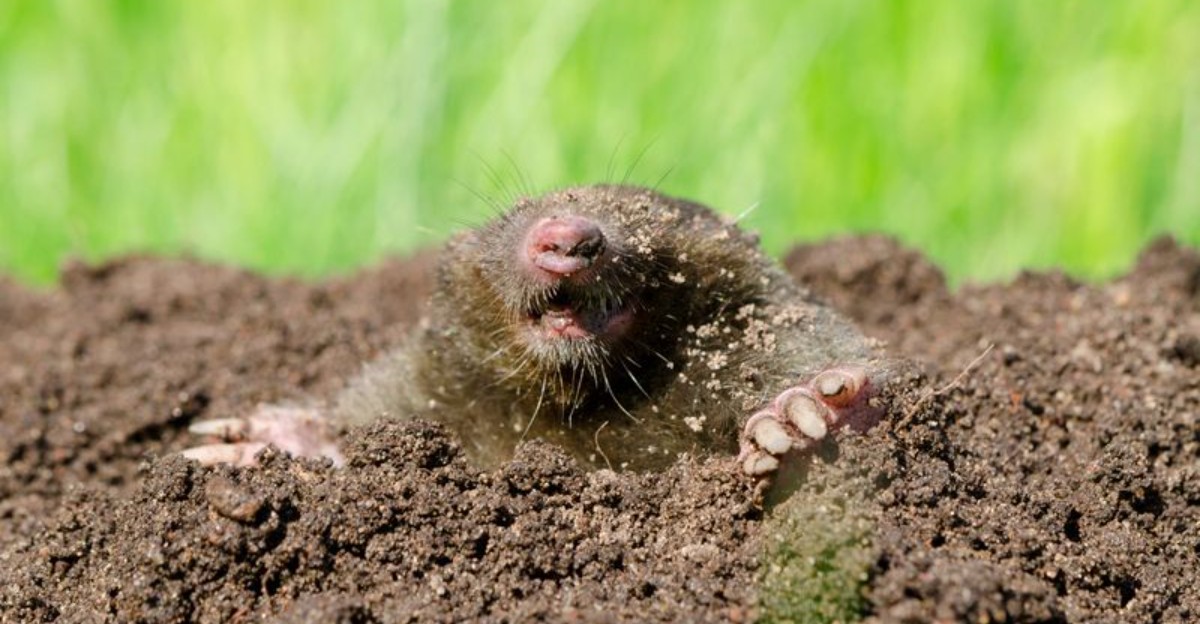
A furry digger no longer than your hand can shove a fresh tunnel through the ground at roughly 18 feet per hour. It swims through soil with paddle-shaped front feet and barely uses its tiny eyes.
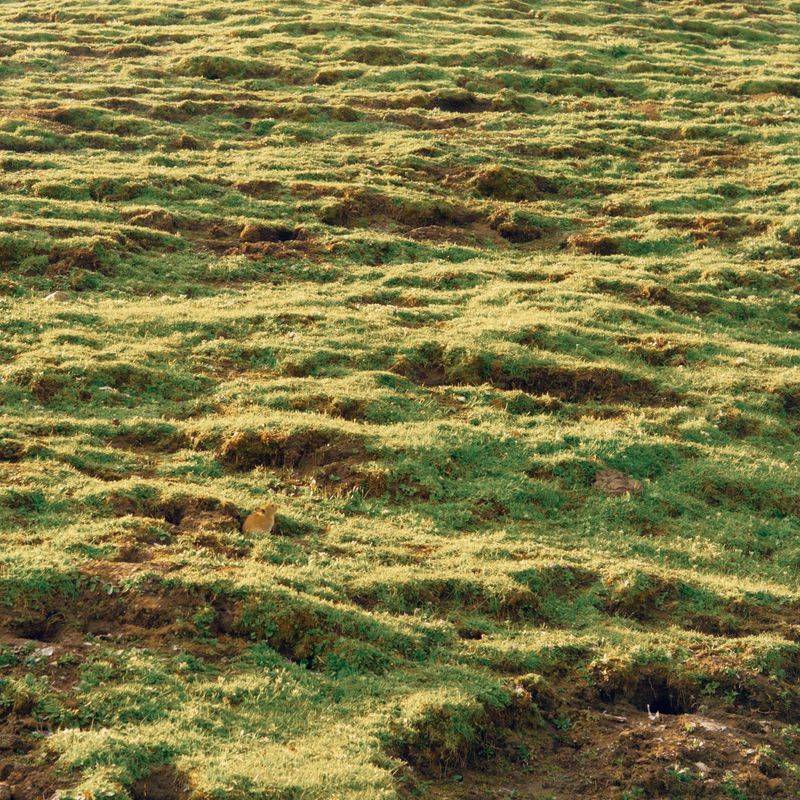
After a big Florida storm, that hidden worker often stops being hidden. Raised ridges snake across the grass overnight, and your sneakers sink into squishy little tunnels.
I used to blame the sprinkler guy for those lumpy lines. These days, I see them as a map of somebody’s breakfast hunt.
The wet ground tells a story, and it reads like a treasure trail.
Funny how the damage seems to pop up only after a heavy rain. Was the culprit there all along, or did the storm invite a new guest to the party?
The answer has more to do with worms than with weather alone.
Those Squishy Mole Ridges Have Been Brewing Below Your Grass for a While
Plenty of homeowners believe a mole moved in the night of the storm. In most cases, it had been living under the yard for weeks or even months.
Eastern moles spend nearly all their time underground. During dry spells they hunt in deeper tunnels, often 6 to 12 inches down, where the soil stays cooler and damper.
Those deep runways rarely show at the surface, so you walk right over them without a clue.
Rain flips that script. When the top few inches turn moist and soft, the mole shifts its hunting closer to the grass roots.
Shallow feeding tunnels push the turf upward, and suddenly your neat lawn looks like it has varicose veins.
I like to think of it as the mole switching floors in its apartment building. It did not just arrive.
It simply moved upstairs where the food got better.
That shift matters for how you respond. A brand-new ridge network does not mean a brand-new invasion of dozens of animals.
University of Florida wildlife specialists note that a single mole can create a surprising amount of tunneling, so one busy digger may be behind the whole mess.
Soaked Soil Pulls Earthworms Up and the Moles Follow Them
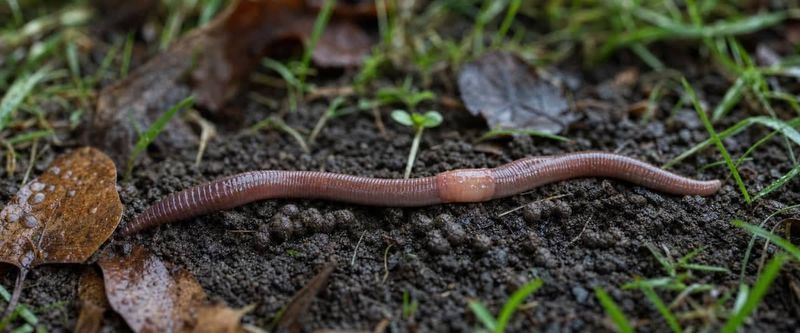
Food is the real story here. Moles are insect eaters, and earthworms sit at the top of their menu, followed by beetle grubs, mole crickets, and other soil critters.
Watch your driveway after a downpour and you will spot worms wiggling on the concrete. Saturated soil pushes them upward, and many gather in the moist layer just beneath the turf.
Grubs and other invertebrates also tend to move toward the surface when conditions are right.
A hungry mole notices. These animals have a huge appetite, eating somewhere around 70 to 100 percent of their own body weight every day.
That is like you polishing off a whole second version of yourself in snacks before bedtime.
With the buffet sitting near the roots, the mole has every reason to tunnel shallow. Each surface ridge is basically a feeding path that traces where it searched for dinner.
Fun fact for your next backyard chat. Moles sometimes store extra earthworms in underground pantries, biting them in a way that leaves the worms unable to crawl off.
So when you see fresh ridges after a storm, read them as a sign of healthy soil life. Your yard is full of worms, and that is a compliment.
Wet Sand Lets an Eastern Mole Tunnel Like a Tiny Bulldozer
Ever tried digging a sandcastle moat with dry sand? It caves in.
Add water and suddenly you can carve neat channels, and moles enjoy the same advantage.
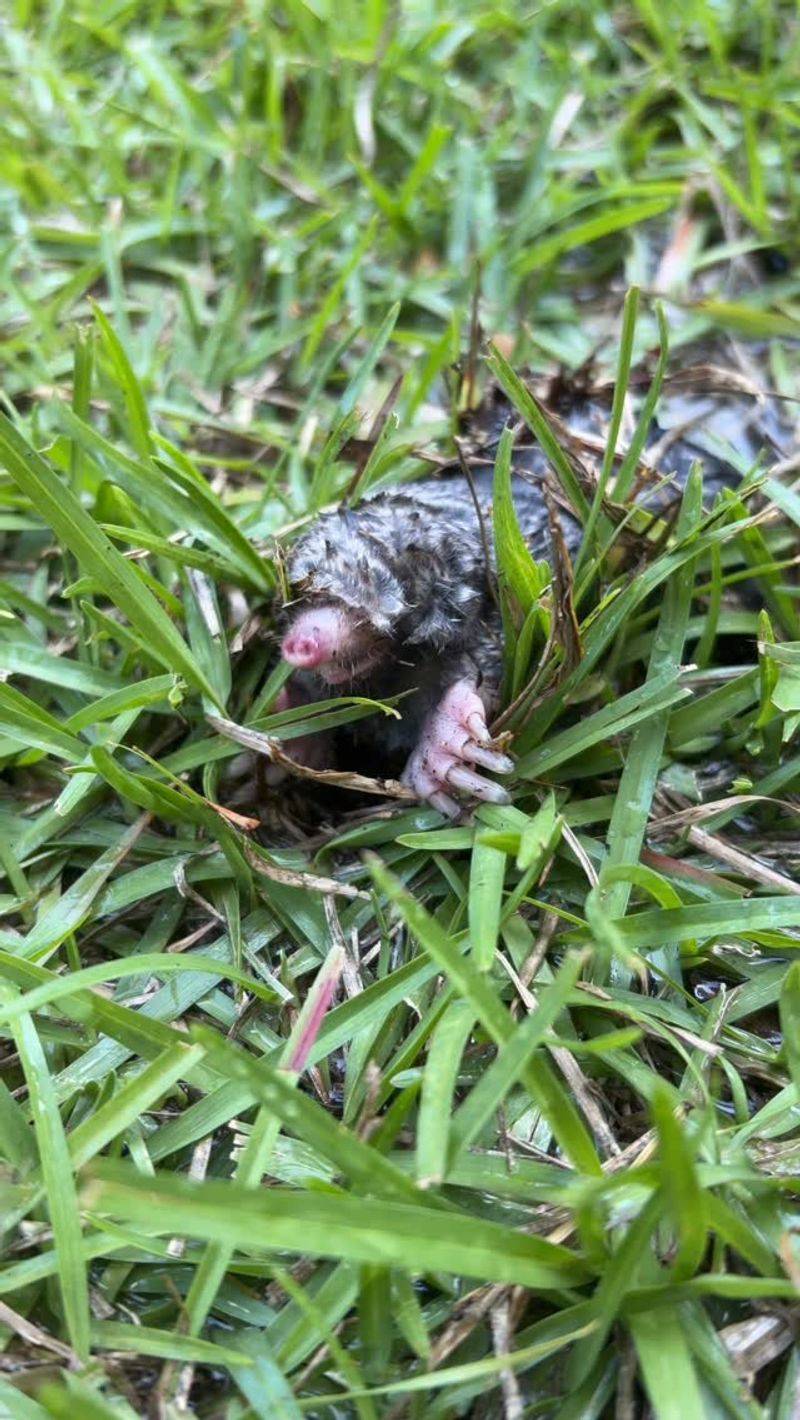
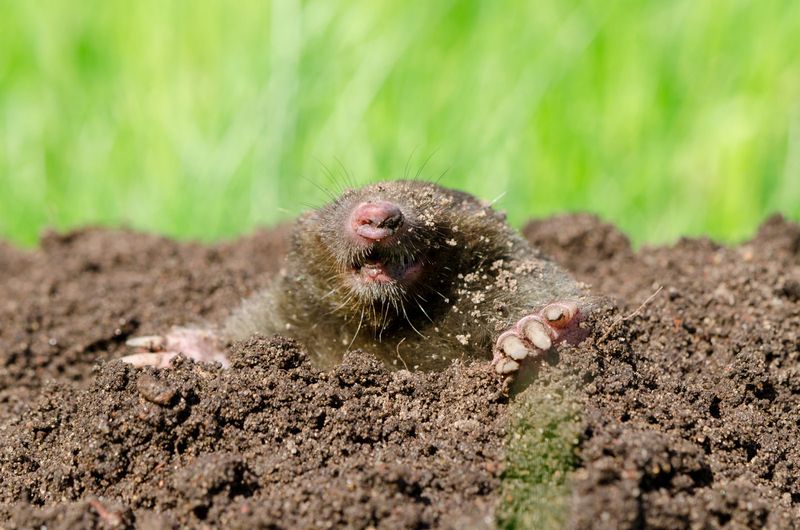
The Eastern mole, Scalopus aquaticus, is the species you will meet across most of Florida. It has broad, shovel-like front feet that face outward, plus a pointed snout and velvety fur that brushes either direction.
Tiny eyes hide under the fur, and there are no outer ears to snag on dirt.
Those powerful paws work best when soil is soft. Dry, hard-packed ground slows the mole down and pushes it deeper.
Damp sandy loam, on the other hand, lets it shove soil aside and press the roof of the tunnel upward with little effort.
Reports often cite surface tunneling speeds near 18 feet per hour. Under good conditions, one mole can add well over 100 feet of new runway in a day.
That speed explains the overnight shock. You go to bed with a smooth yard and wake up to a winding maze.
Nothing magical happened, just a strong little excavator working in perfect digging weather while you slept.
Summer Thunderstorm Season Keeps Mole Tunnels Popping Up for Months
Around here, the calendar practically schedules the rain for you. Most of the state sees a wet season from roughly late May into mid-October, with steamy afternoons and booming thunderstorms.
That steady rhythm keeps the soil soft day after day. Instead of one short burst of mole activity, you may see new ridges show up again and again all summer long.
Each soaking refreshes the worm buffet near the surface.
Regional differences matter a bit. North Florida gets cooler, drier winters, so mole activity near the surface often slows when the ground firms up.
South Florida stays warmer, and well-watered lawns there can show tunnels in nearly any month.
Fall and spring also bring flare-ups in many yards. Moderate temperatures and decent moisture create a sweet spot where moles hunt shallow and young moles may be spreading out to find their own territory.
My advice is simple. Do not panic over every fresh ridge in July.
Keep notes on where tunnels appear and how often. After a few weeks, you will see which runways get reused, and that information is gold if you decide to take action later.
Shallow Feeding Ridges and Volcano-Shaped Molehills Tell Different Stories
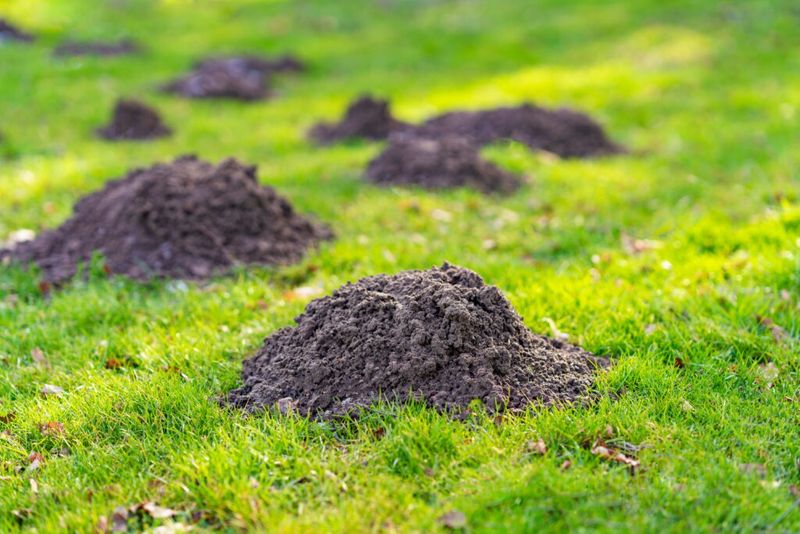
Two kinds of clues show up in a mole-visited yard, and each one means something different.
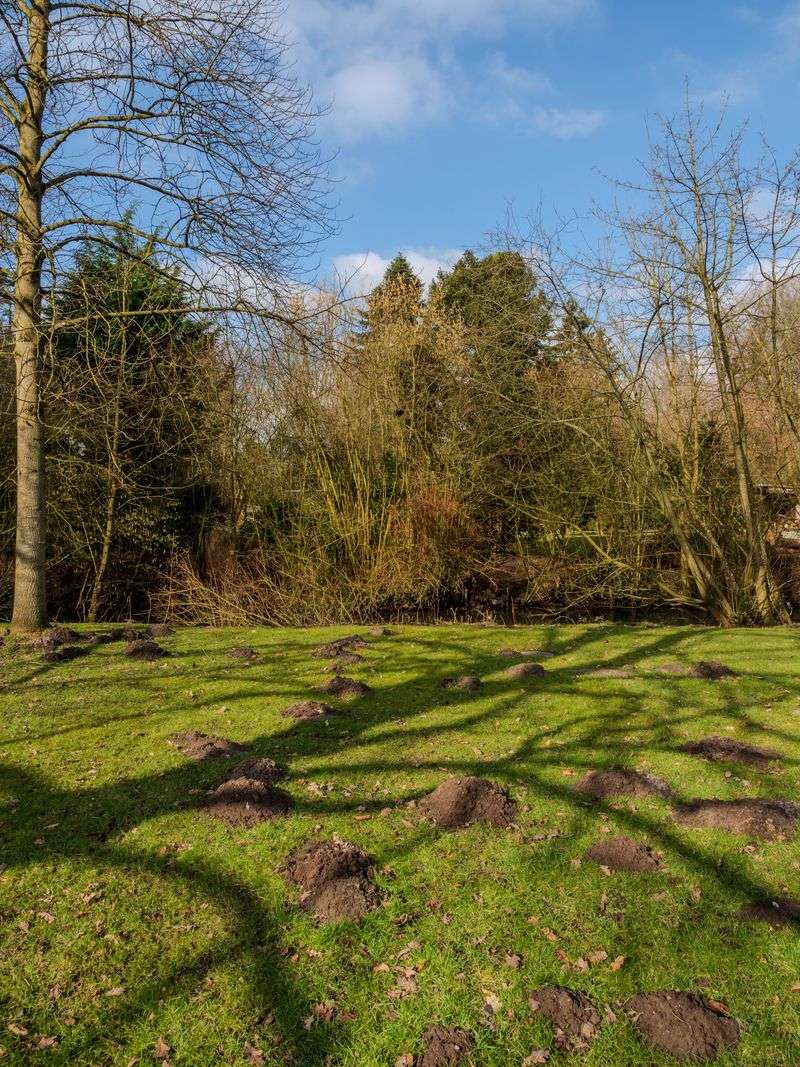
Raised ridges are feeding tunnels. They sit just below the turf, often wander in odd curves, and may be used once and abandoned.
Step on one and it squishes flat, leaving a soft spot that feels spongy underfoot.
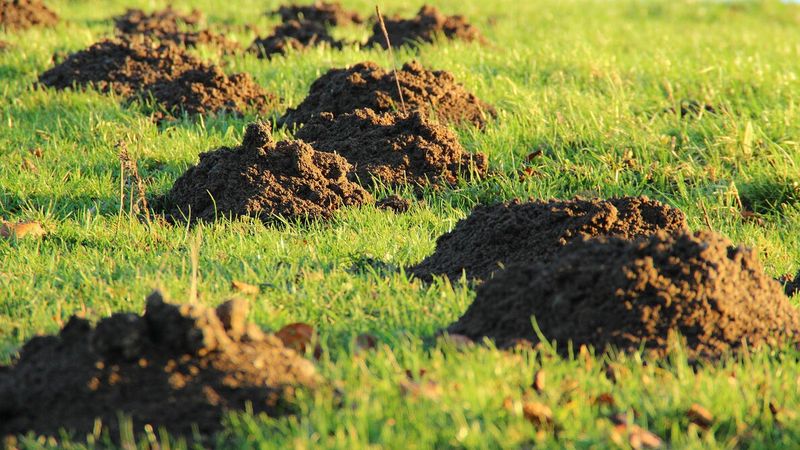
Molehills are the other sign. These rounded or cone-shaped piles of loose soil form when a mole digs a deeper tunnel and pushes the extra dirt up to the surface.
Eastern moles tend to make fewer molehills than some western species, so many Florida yards show mostly ridges.
Here is a handy trick. Press down a short section of each ridge with your foot, then check back in a day or two.
Any section that pops back up is an active travel lane, while flat ones were likely one-time snack runs.
Active runways usually follow straight edges like sidewalks, fences, driveways, or garden borders. Moles like those reliable routes between feeding areas.
Knowing the difference saves time and money. You only need to focus on the busy lanes, not every squiggle across the grass.
Pocket Gopher Mounds and Armadillo Holes Can Fool You Into Blaming Moles
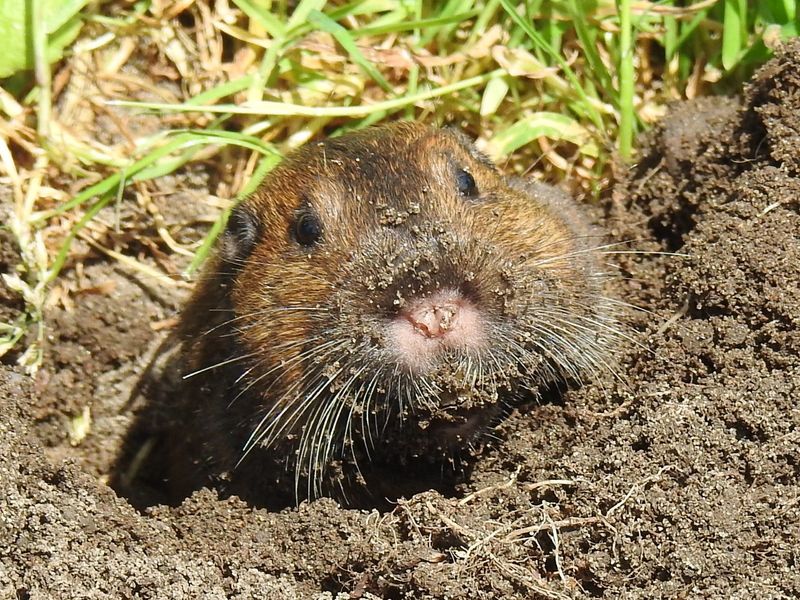
Not every lumpy yard belongs to a mole. Florida has a few other diggers that leave very different calling cards.
Southeastern pocket gophers, which many old-timers call salamanders, push up large fan-shaped mounds of sandy soil. You will not see the raised ridges a mole makes, because gophers tunnel deeper and plug their openings.
They also chew plant roots, while moles mostly ignore plants.
Nine-banded armadillos are another frequent suspect after rain. They root around with their snouts and claws, leaving small cone-shaped holes about 1 to 3 inches wide and torn-up patches of sod.
They are hunting the same grubs and worms, so wet weather draws them in too.
Then there are mole crickets. These insects tunnel near the surface and can cause thin, spongy turf, especially in bahiagrass.
Their trails are much smaller than a mole’s ridges.
Why bother sorting this out? Each animal needs its own plan.
A mole trap does nothing for an armadillo, and armadillo fencing will not stop a mole. A quick look at the evidence, ideally at dusk or dawn, points you toward the right fix.
Skip the Grub Treatment and Castor Oil Hype Before Spending Money
Walk down any garden store aisle and you will find shelves promising a mole-free yard. Most of them overpromise.
Grub insecticides are a popular first move. The trouble is that earthworms, not grubs, make up most of a mole’s diet.
University extension specialists, including those at UF/IFAS, point out that treating for grubs often does little to send moles packing, and it can harm helpful soil life.
Castor oil repellents get mixed reviews. Some homeowners report short-term results, but research support is limited.
Summer storms can also wash the product deeper or dilute it quickly.
Gadgets like vibrating stakes, pinwheels, and sonic spikes have weak evidence behind them. Chewing gum, mothballs, and car exhaust are old folk tricks that do not work well and may create safety problems for kids and pets.
So what does help? Avoid overwatering, since constantly soggy turf keeps worms near the surface.
Water deeply and less often, following your local watering restrictions. Fix low spots where water pools after storms.
Those habits will not erase every mole, but they make your lawn a less tempting dining room.
Mole Traps, Wire Barriers, and a Little Patience Bring the Lawn Back
Sometimes the smartest move is a calm one. Moles aerate soil and eat lawn pests like mole crickets, so a few ridges in a back corner may be worth tolerating.
When the damage gets out of hand, trapping is widely considered the most reliable approach. In Florida, moles are not a protected species, so property owners can generally trap them on their own land.
Check with your county or the Florida Fish and Wildlife Conservation Commission if you have questions about local rules or relocation.
Place traps on active runways you confirmed with the step-down test. Spring and fall, when moles tunnel shallow, are prime times.
Read the instructions carefully and keep pets and kids away.
For flower beds or vegetable plots, buried barriers work well. Sink hardware cloth about 24 inches deep with a few inches bent outward at the bottom.
It takes effort, but it protects that one special spot for years.
Repair is easy. Roll or press ridges flat, then water lightly so roots reconnect with the soil.
Most St. Augustine and bahiagrass lawns recover quickly. Give it a few weeks of warm weather, and those lumpy lines become a distant memory.