What To Do With Crape Myrtles In Florida This April For Bigger Blooms
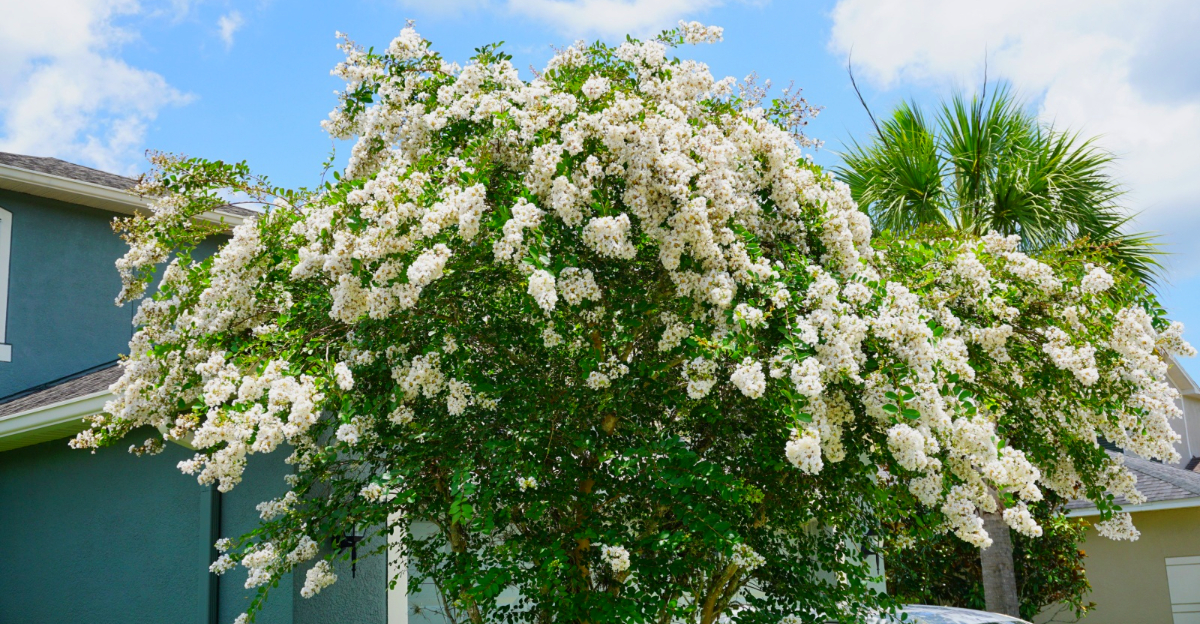
Crape myrtles don’t wait long in Florida. By April, new growth is already pushing out, and what you do now can influence how those summer blooms turn out.
It’s a moment many gardeners overlook or handle a bit too aggressively, especially when it comes to pruning.
With temperatures rising quickly across Florida, this short window offers a chance to guide healthy growth before the trees shift into full bloom mode.
A few simple adjustments this month, from light pruning to basic care, can help support stronger, more vibrant flowering as the season moves forward.
1. Prune Lightly Only If Needed And Avoid Heavy Cuts
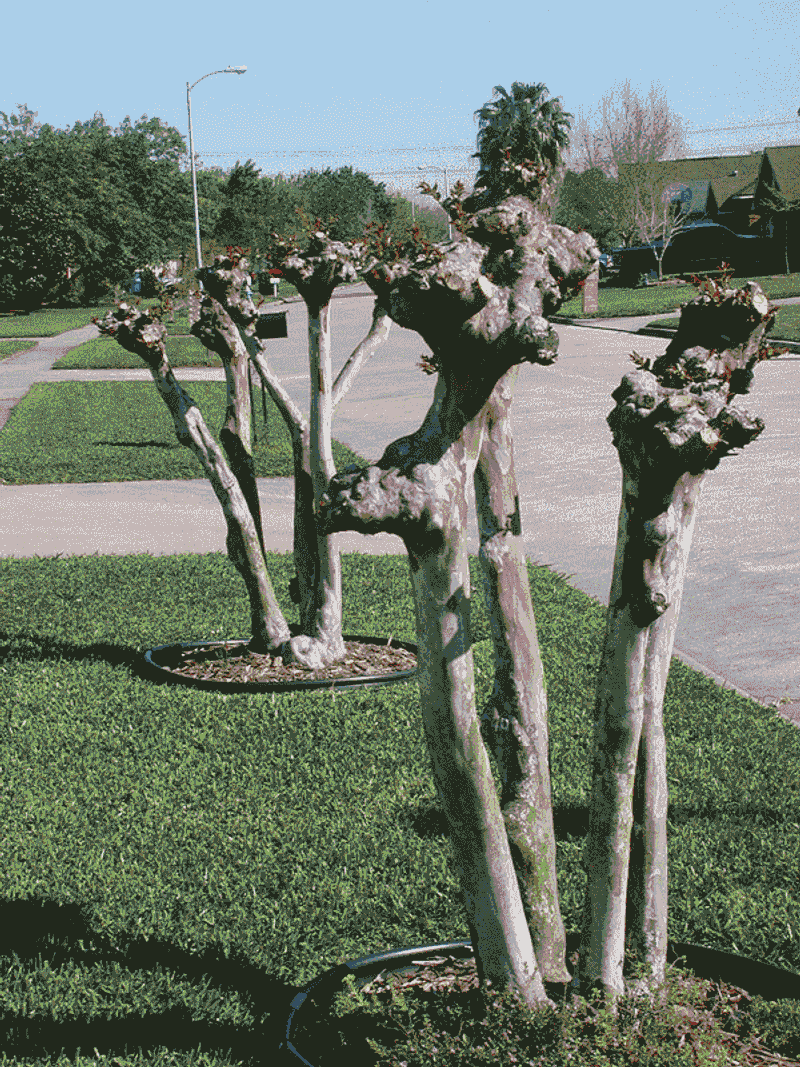
Walk through almost any Florida neighborhood in April and you will likely spot at least one crape myrtle that has been cut back so severely it looks more like a collection of knobby stumps than a flowering tree.
That practice, often called “crape murder,” removes the very branch tips where flower buds are forming, setting back bloom production significantly.
By the time April arrives in Florida, crape myrtles are actively growing and flower buds are beginning to develop along new shoots. Cutting into that growth now can reduce the number of blooms you see later in summer.
The University of Florida IFAS recommends pruning crape myrtles in late winter before new growth starts, not once spring momentum is already underway.
If you notice a few crossing branches, damaged limbs, or awkward growth angles, light selective cuts are reasonable. Use sharp, clean pruning tools and remove only what is clearly necessary.
Avoid heading back the main branch structure just to control height.
Crape myrtles naturally develop a beautiful form when left to grow on their own terms, and restraint in April almost always rewards Florida gardeners with fuller, more colorful flower clusters by midsummer.
2. Remove Suckers And Basal Growth Early In The Season
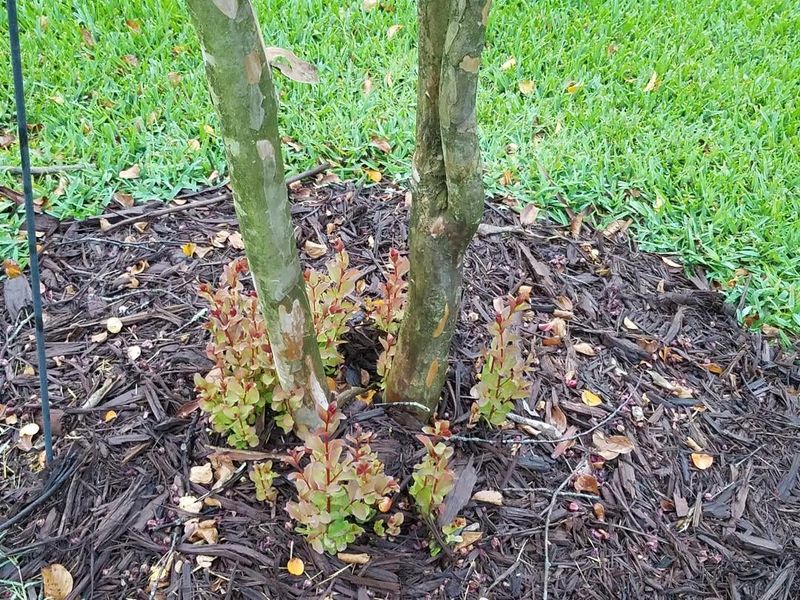
Suckers are sneaky. They emerge quietly from the base of crape myrtles and blend in with surrounding growth until they are stealing a noticeable amount of energy from the main tree.
In Florida’s warm April climate, these basal shoots can pop up quickly once soil temperatures rise, so catching them early makes removal much easier and less disruptive.
These unwanted shoots divert water and nutrients away from the upper canopy where flowering happens. When the tree is busy feeding a cluster of basal sprouts, it has fewer resources available to support strong bloom development.
Removing suckers promptly helps the tree focus its energy exactly where you want it – up in the canopy, producing the flower clusters that make crape myrtles so popular across Florida landscapes.
Snap or cut suckers off as close to the base as possible, ideally at or just below the soil line. Leaving even a short stub can encourage the sucker to regrow quickly.
Check the base of your crape myrtle every couple of weeks throughout spring since Florida’s growing conditions encourage rapid regrowth.
This simple habit takes only a few minutes and pays off with noticeably stronger flowering performance through the warmer months ahead.
Your Florida Garden Changes Every Week. Your Plan Should Too.
Gardening in Florida changes quickly throughout the season. Every Friday you’ll receive a simple weekly plan showing exactly what to plant, prune, fertilize, harvest, and protect so you never miss the right timing.
3. Apply A Balanced Fertilizer If Growth Is Slow
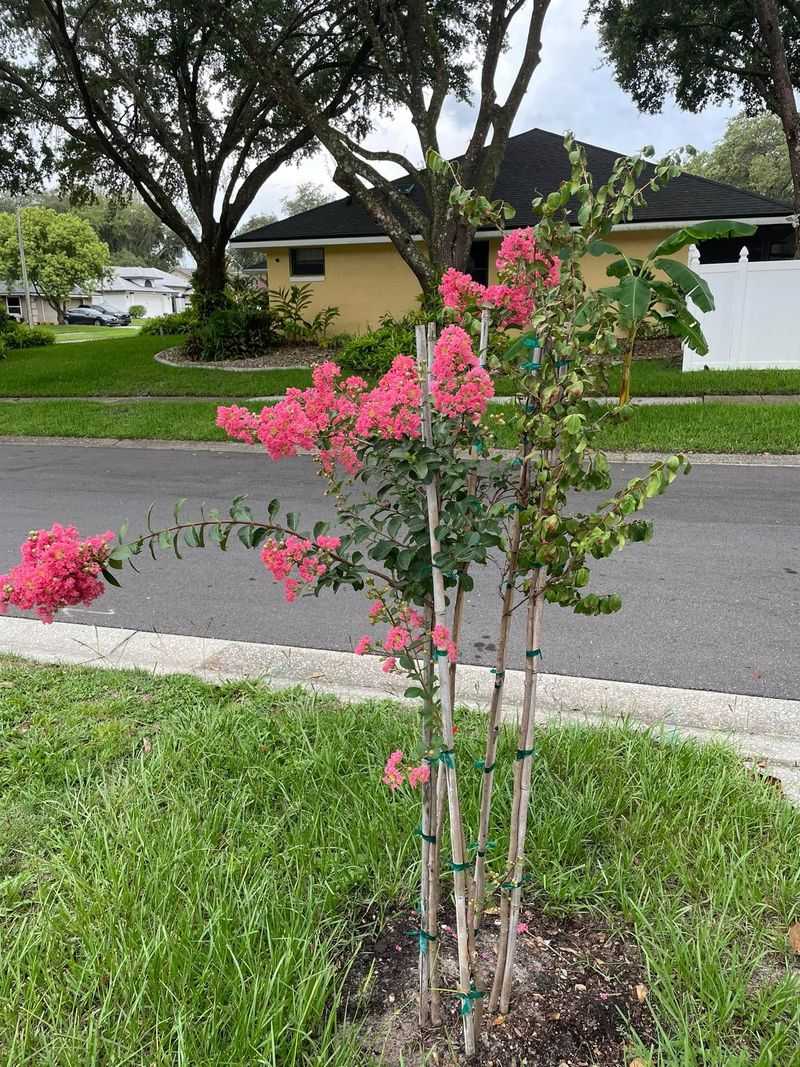
Not every crape myrtle in Florida needs fertilizer in April, but if your tree is putting out fewer leaves than expected or the new growth looks pale and sluggish, a light feeding can help move things in the right direction.
Crape myrtles growing in sandy Florida soils sometimes lack the nutrients needed to support vigorous spring growth and strong bloom production.
A balanced, slow-release fertilizer formulated for trees and shrubs works well in most situations. Look for a product with roughly equal ratios of nitrogen, phosphorus, and potassium, and follow the label rates carefully.
Applying too much can cause problems of its own, which is covered in a later section. Scatter granules evenly around the drip line of the tree rather than piling fertilizer directly against the trunk, and water it in thoroughly after application.
Mid-spring is a reasonable time to feed crape myrtles in Florida because the trees are actively growing and can use the nutrients efficiently.
Feeding too late in the season, however, can push tender new growth that may struggle during Florida’s occasional summer heat spikes.
If your crape myrtle looks healthy and is leafing out well, skipping fertilizer this year is a completely reasonable choice that many experienced Florida gardeners make.
4. Refresh Mulch To Help Retain Soil Moisture
Florida soil, especially the sandy varieties found across much of the state, drains quickly and dries out between rain events faster than gardeners sometimes expect.
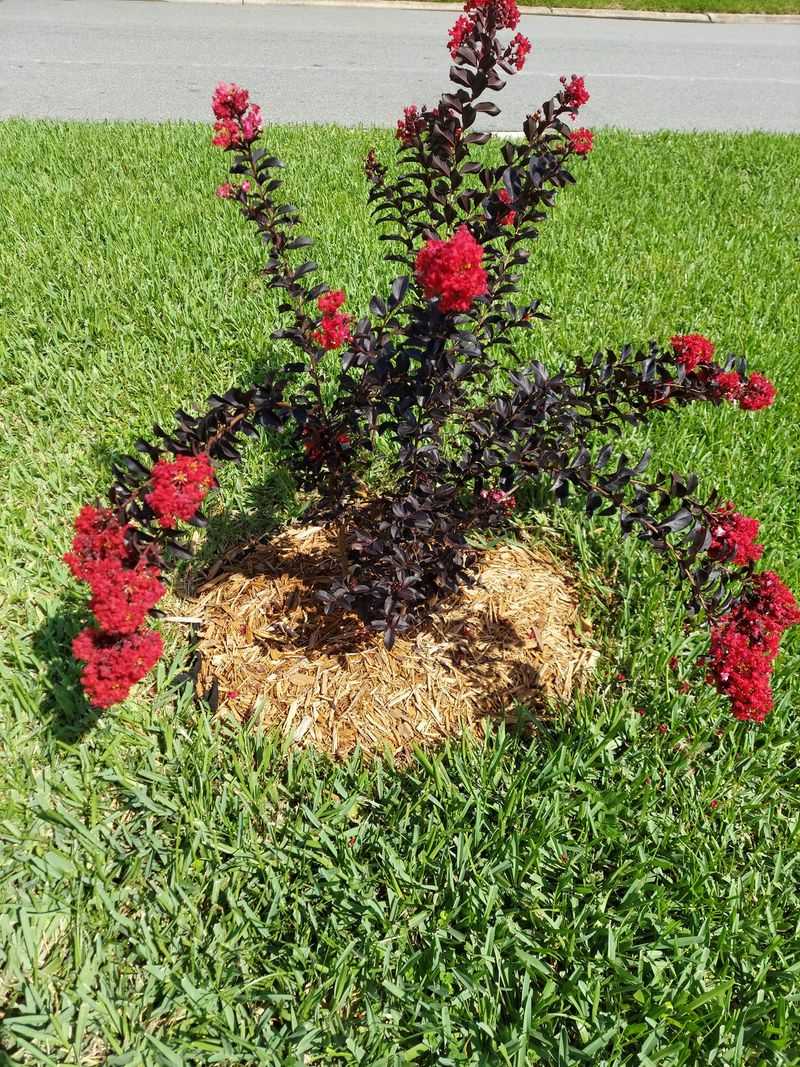
Refreshing the mulch layer around your crape myrtle in April is one of the easiest ways to help the tree hold onto soil moisture during dry spring stretches and moderate the soil temperature as summer heat builds.
Aim for a two to three inch layer of organic mulch such as shredded bark, pine straw, or wood chips spread out to the drip line of the tree. One detail that matters more than most people realize is keeping the mulch a few inches away from the actual trunk.
Mulch piled against the bark can hold excess moisture against the wood and create conditions that weaken the tree over time.
Beyond moisture retention, a fresh mulch layer also helps slow weed growth around the base of the tree, which reduces competition for water and nutrients.
As the organic material breaks down over the season, it gradually improves the soil structure beneath, which benefits Florida crape myrtles growing in sandy or nutrient-poor ground.
Refreshing mulch once or twice a year is a low-effort habit that supports overall tree health and sets the stage for better summer blooms.
5. Check For Aphids And Other Early-Season Pests
Crape myrtles in Florida tend to attract a handful of pest species, and April is when the first wave of activity often begins. Aphids are among the most common early-season visitors.
These tiny, soft-bodied insects cluster on tender new growth and flower buds, feeding on plant sap and potentially reducing the tree’s energy for blooming if populations build up unchecked.
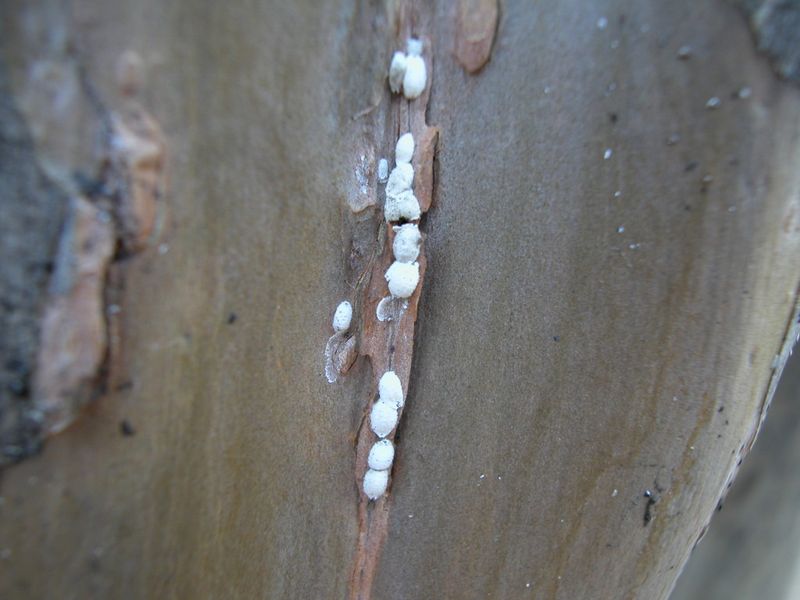
Crape myrtle bark scale is another pest worth watching for in Florida yards. It appears as white or gray crusty patches on branches and can cause sooty mold to develop on the bark and leaves below.
Lady beetles are natural predators that help keep both aphid and scale populations in check, so encouraging beneficial insects in your yard is a worthwhile strategy.
Orange oil applications have also shown effectiveness against some scale populations without harming pollinators.
Start monitoring your crape myrtles now by checking the undersides of leaves and along new shoot growth every week or two.
Catching a pest problem early gives you far more options and usually requires much less intervention than addressing a heavy infestation later in the season.
A strong blast of water from a garden hose can knock aphid colonies off tender shoots and is often enough to manage light infestations on Florida crape myrtles without any chemical products.
6. Water Consistently During Dry Spring Periods
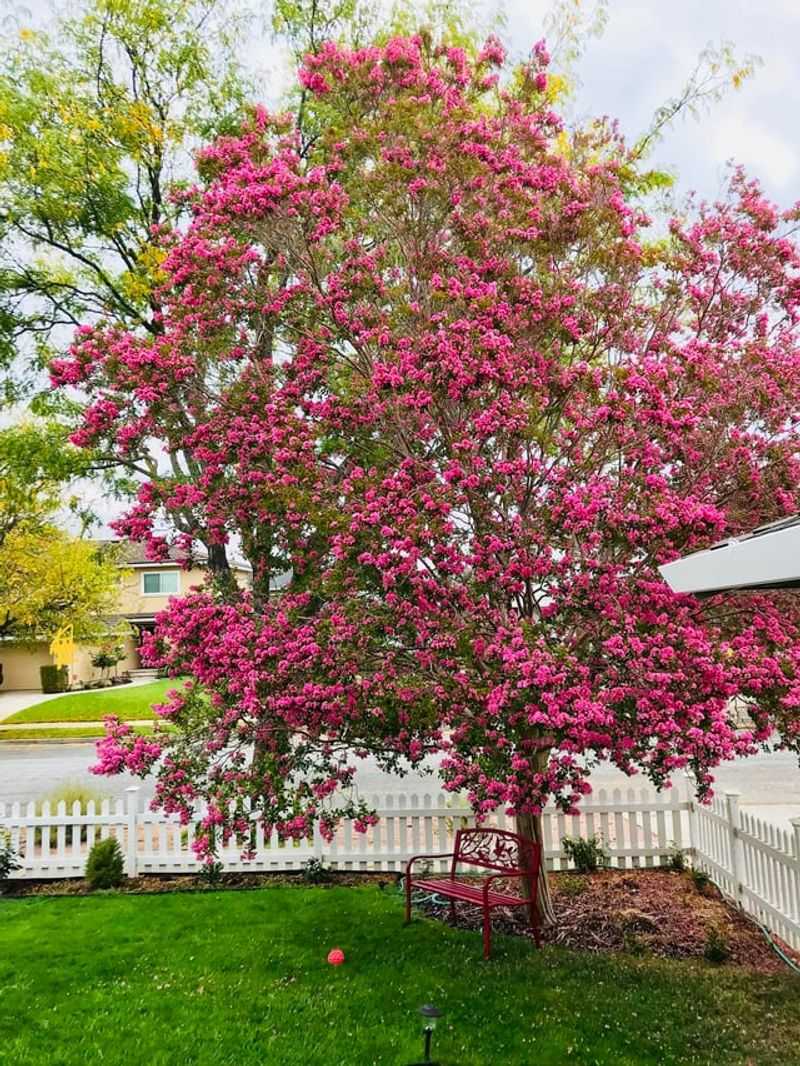
Spring rainfall in Florida can be unpredictable. Some April weeks bring regular afternoon showers, while others stay dry for stretches long enough to stress actively growing trees.
Crape myrtles are fairly drought-tolerant once established, but during spring when they are pushing out new foliage and beginning to set flower buds, consistent soil moisture supports better growth and bloom development.
Young crape myrtles planted within the last two to three years need more attention to watering than mature, well-established trees.
For younger trees, deep watering once or twice a week during dry periods encourages roots to grow deeper into the soil, which improves drought resilience over time.
Mature crape myrtles across Florida typically manage well on their own once established but can still benefit from supplemental watering during extended dry spells.
Water at the base of the tree rather than spraying foliage, and try to water in the morning so any moisture on leaves has time to dry before evening. Wet foliage overnight in Florida’s humid conditions can encourage fungal issues.
A simple way to check soil moisture is to push a finger two to three inches into the soil near the drip line. If it feels dry at that depth, the tree is ready for a good, thorough watering session.
7. Ensure Full Sun For Strong Flowering Later
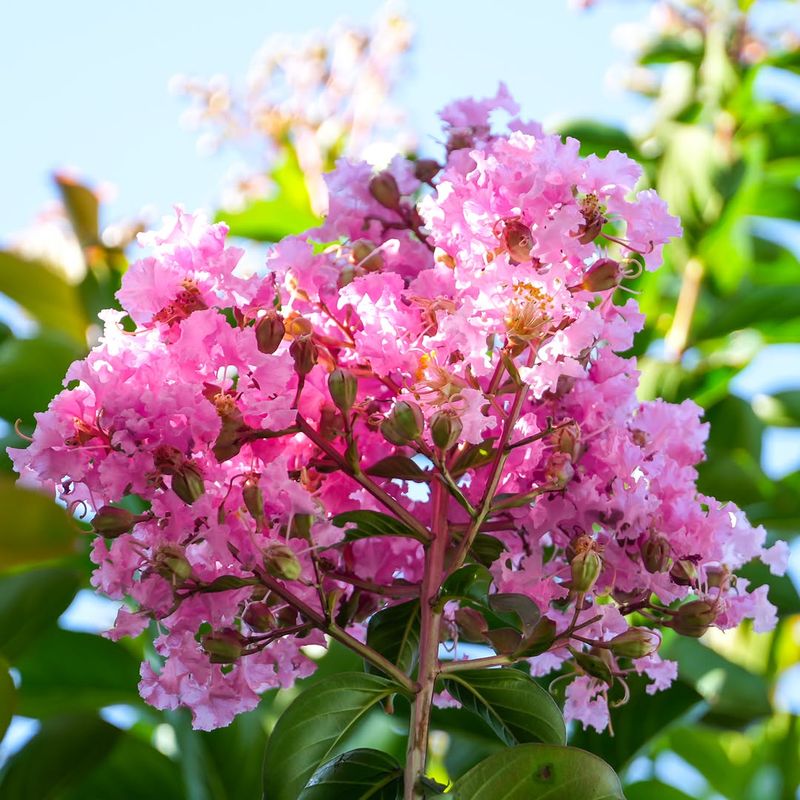
Crape myrtles are sun-loving trees, and their bloom performance is closely tied to how much direct sunlight they receive each day.
In Florida landscapes where buildings, fences, or large shade trees have grown to block light, crape myrtles often produce noticeably fewer flowers than those growing in open, sunny spots.
April is a good time to take an honest look at the light conditions around your trees.
For the strongest flowering, crape myrtles generally need at least six hours of direct sunlight daily, and eight or more hours tends to produce the most impressive bloom displays.
If nearby shrubs or small trees have grown large enough to cast shade on your crape myrtle through part of the day, selectively trimming that competing vegetation can make a meaningful difference in how well the tree blooms by midsummer.
Relocating a crape myrtle is possible but stressful for the plant, and spring is not the ideal time to attempt a major transplant in Florida’s warming temperatures. Instead, focus on managing the surrounding landscape to open up more light.
If a crape myrtle is deeply shaded and has struggled to bloom for several seasons, improving sun exposure now may not show full results until next year, but the investment in better placement pays off over the long run.
8. Avoid Overfertilizing To Prevent Excess Leaf Growth
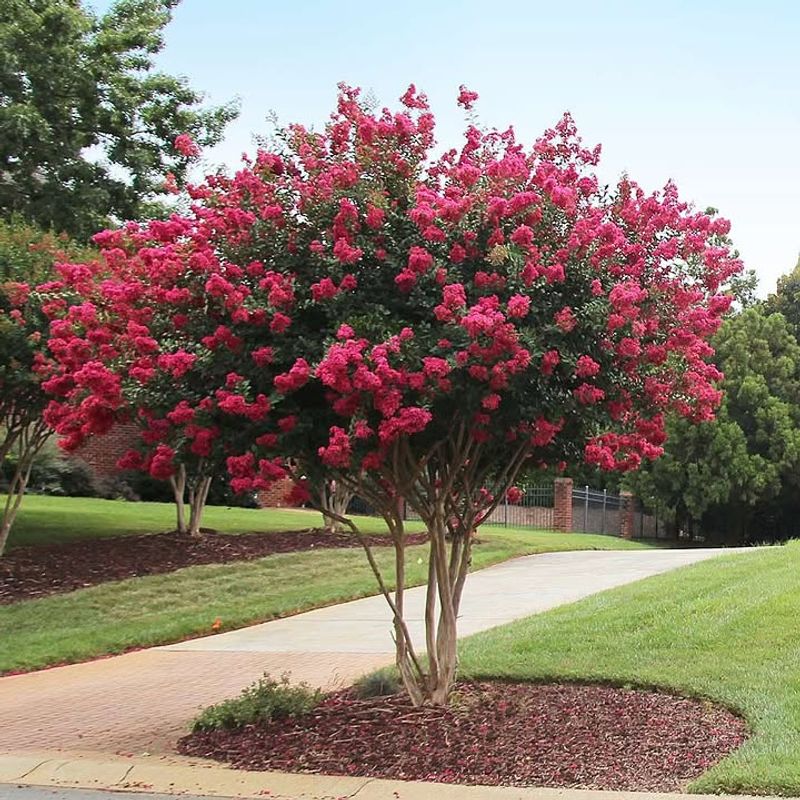
More fertilizer does not always mean more blooms, and crape myrtles are a clear example of that principle.
Applying too much nitrogen in spring can push the tree into producing an abundance of lush, dark green leaves while flower bud development takes a back seat.
Florida gardeners who fertilize heavily in hopes of encouraging faster growth sometimes end up with beautiful foliage and very few flowers come summer.
Nitrogen is the nutrient most responsible for leafy, vegetative growth.
When a crape myrtle receives more nitrogen than it needs, the tree essentially prioritizes building leaves and shoots over producing the reproductive structures that lead to flowers.
Using a slow-release fertilizer with a balanced or slightly lower nitrogen ratio helps reduce the risk of tipping the tree toward excessive foliage growth at the expense of blooms.
If your crape myrtle is already growing in reasonably fertile Florida soil and putting out healthy new growth on its own, skipping fertilizer entirely this spring is a sound option.
Healthy crape myrtles in good soil often bloom abundantly without any supplemental feeding.
Observe how the tree is actually performing before reaching for a fertilizer bag, and when in doubt, apply less than the maximum label rate rather than more. Restraint here often produces better flowering results.
9. Clean Up Old Seed Heads And Debris Around The Base
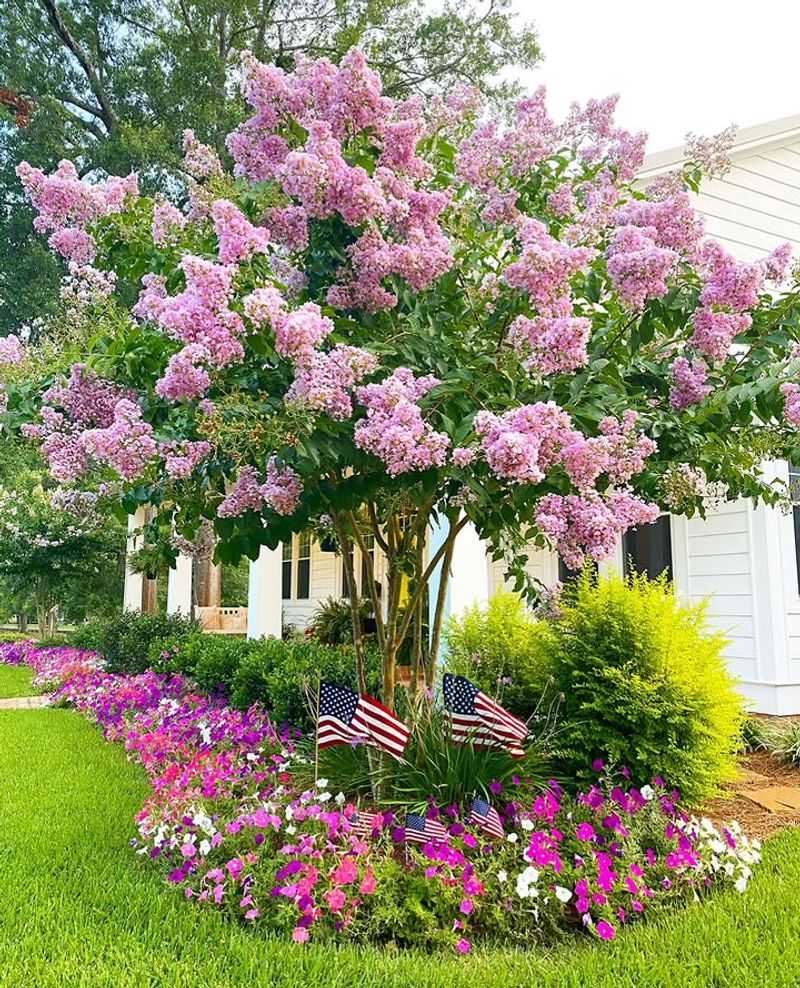
Old seed heads from last season can still be clinging to branch tips on some crape myrtles in Florida yards come April.
While they are not necessarily harmful to the tree, removing them can redirect the plant’s energy toward new growth and flower production rather than seed maturation.
It also tidies up the appearance of the tree heading into the main growing season.
Cleaning up fallen debris around the base of the tree is equally worthwhile. Fallen leaves, old flower petals, and spent seed pods can accumulate over winter and harbor fungal spores or provide shelter for insects that may cause problems as temperatures rise.
Raking the area beneath your crape myrtle and disposing of the debris removes potential sources of disease and keeps the base of the tree looking neat and well-maintained.
Florida’s warm, humid climate can make fungal issues more common than in cooler states, so reducing sources of moisture-trapping debris is a practical preventive step.
After clearing away old material, this is also a natural moment to assess the mulch layer and refresh it if needed, connecting this cleanup step with broader spring maintenance.
A clean, well-mulched base sets up your crape myrtle for a healthier growing season and gives you a clearer view of what the tree actually needs going forward.