Florida Plants That Will Be Destroyed In This Heat If You Don’t Act Now
Florida summers do not ease you in. One stretch of brutal heat and certain plants go from struggling to gone faster than most homeowners expect.
The window between early stress signs and real damage is shorter than it looks, and July has a way of closing it without much warning. Some plants in Florida yards right now are already past comfortable and heading somewhere worse.
Not because of anything the gardener did wrong, but because certain plants have a heat threshold that a Florida summer crosses without hesitation. The ones that need attention right now are not always the ones that look the most dramatic.
Some of the most vulnerable plants send quiet signals that are easy to miss until the damage is already done. A few targeted actions taken this week can pull a struggling plant back from the edge.
Wait too long and the options narrow considerably.
1. Hydrangeas Need Shade Before Leaves Scorch
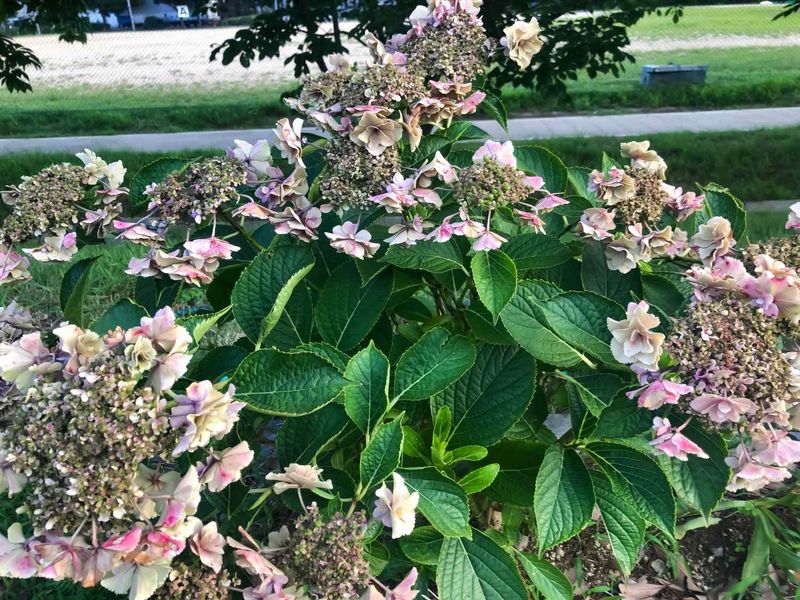
A hydrangea with curling, brown-edged leaves and faded blooms is one of the most recognizable signs of summer stress in this state. Hydrangeas (Hydrangea species) are beautiful, but they are not built for blazing afternoon exposure, especially in Florida sandy soil that dries out fast.
Not all hydrangeas are the same, and site fit matters enormously before you plant one.
Bigleaf hydrangeas (Hydrangea macrophylla) are among the most commonly sold types here. They are particularly sensitive to afternoon sun and reflected heat from walls, driveways, and fences.
Oakleaf hydrangea (Hydrangea quercifolia) handles heat somewhat better, but it still benefits from afternoon shade in the hottest months.
Leaf scorch shows up as brown, papery edges, usually starting on the outermost leaves first. Wilting by midday, even in moist soil, is another warning sign.
Blooms fade quickly and may drop early when the plant is stressed. Roots dry out fast in exposed beds without mulch coverage.
Move potted hydrangeas to a spot with morning sun and afternoon shade right away. For in-ground plants, add two to three inches of mulch around the base to hold moisture and cool the soil.
Water deeply and consistently rather than lightly and often. Avoid wetting the leaves in the heat of the day.
Afternoon shade from a tree, fence, or shade cloth can make a real difference before the worst heat arrives.
2. Caladiums Collapse Fast In Harsh Afternoon Sun
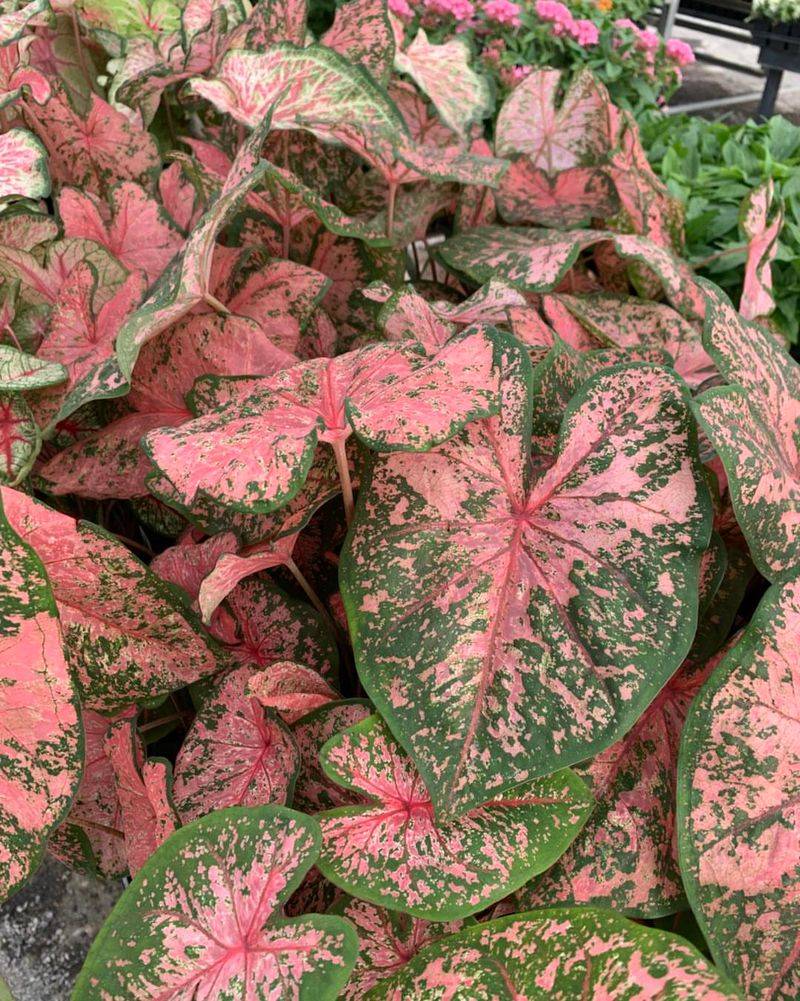
Few sights stop a Florida gardener in their tracks like a pot of caladiums that has gone completely limp by two in the afternoon. Caladiums (Caladium species and hybrids) are prized for their bold, colorful foliage.
That beauty comes with a clear preference for shade or filtered light in most situations.
Many caladium varieties prefer bright indirect light or partial shade, though some newer sun-tolerant hybrids can handle more exposure. Even those sun-tolerant types can struggle when afternoon heat is intense.
They can also decline when containers sit on hot concrete or pool decks, or when potting mix dries out between waterings. The leaves scorch, fade, and collapse faster than most gardeners expect.
Your Florida Garden Changes Every Week. Your Plan Should Too.
Gardening in Florida changes quickly throughout the season. Every Friday you’ll receive a simple weekly plan showing exactly what to plant, prune, fertilize, harvest, and protect so you never miss the right timing.
Scorched caladium leaves show up as pale, washed-out patches or crispy brown spots, often starting near the leaf edges or tips. The whole plant may droop dramatically if root-zone moisture drops too low.
Western exposure is especially harsh and should be avoided for most varieties.
Move pots into bright shade or a sheltered east-facing spot where morning light reaches them without the brutal afternoon angle. Keep soil evenly moist but never waterlogged, because soggy soil creates root problems that shade alone cannot fix.
Check moisture at least every other day during peak summer weeks. Avoid assuming that moving a caladium to shade will solve a drainage issue.
Both moisture and placement need to work together for the plant to recover.
3. Impatiens Wilt When Heat And Sun Hit Together
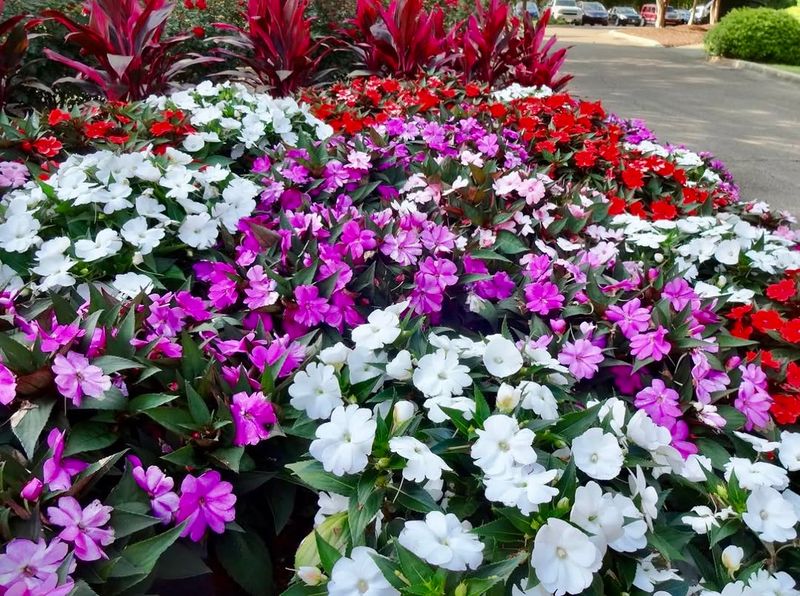
Walk past a sunny flower bed in mid-July and it is easy to spot impatiens (Impatiens walleriana) that are struggling. Stems go limp, flowers fade or drop, and the whole planting looks exhausted by noon even when the soil is still damp.
Heat and direct sun working together create a level of stress that impatiens often cannot manage for long.
Standard garden impatiens perform best in shade or filtered light. They are not sun-loving plants, and placing them in a spot with direct afternoon exposure is one of the most common mistakes made in warm-season Florida gardens.
Even partial shade from a tree or structure can make a significant difference in how well they hold up.
Downy mildew is a real concern with Impatiens walleriana in humid conditions. If plants collapse without obvious sun or drought stress, disease may be involved.
Choosing disease-resistant varieties is worth considering for problem spots. Switching to New Guinea impatiens (Impatiens hawkeri), which tends to be more heat and disease tolerant, can also help.
For plants already struggling, move containers to a shadier location right away. In-ground beds benefit from afternoon shade and consistent moisture.
Avoid overhead watering in the evening, which can encourage fungal issues. Keep the root zone cool with a light layer of mulch.
Check drainage too, because standing water after rain adds stress on top of heat. Impatiens can rebound, but only when conditions actually suit them.
4. Peace Lilies Belong In Deep Shade During Summer
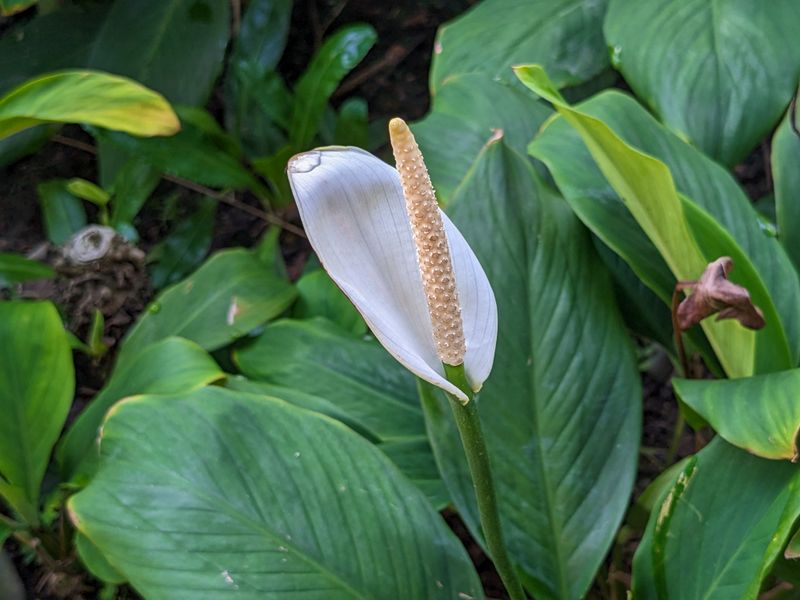
A peace lily left on a sunny porch or patio in summer will tell you quickly that it is in the wrong place. Brown leaf edges, drooping stems, and bleached-out patches on the foliage are all signs that this plant is getting far too much light and heat for its comfort.
Peace lilies (Spathiphyllum species and hybrids) are shade-loving plants that belong in deep or bright indirect shade, especially outdoors in summer.
Peace lilies are non-native ornamentals. They are not native landscape plants and should not be treated as outdoor ground-cover plants in this state.
They work best as container plants on covered porches, lanais, or shaded patios where light, drainage, and watering can be managed carefully.
Outdoors in summer, even bright indirect light can cause leaf scorch when temperatures climb. Direct sun, even for an hour or two in the afternoon, can damage foliage fast.
Hot containers sitting on concrete or tile surfaces heat the root zone and cause further stress.
Move peace lily containers to the deepest shade available, away from reflected heat off walls or pavement. Set pots on a surface that does not absorb and radiate heat, or place a saucer underneath to create a small buffer.
Water when the top inch of soil feels dry, but make sure drainage holes are clear so roots never sit in standing water. Consistent moisture and deep shade are the two things this plant needs most to recover during summer.
5. Ferns Dry Out Quickly When Pots Overheat
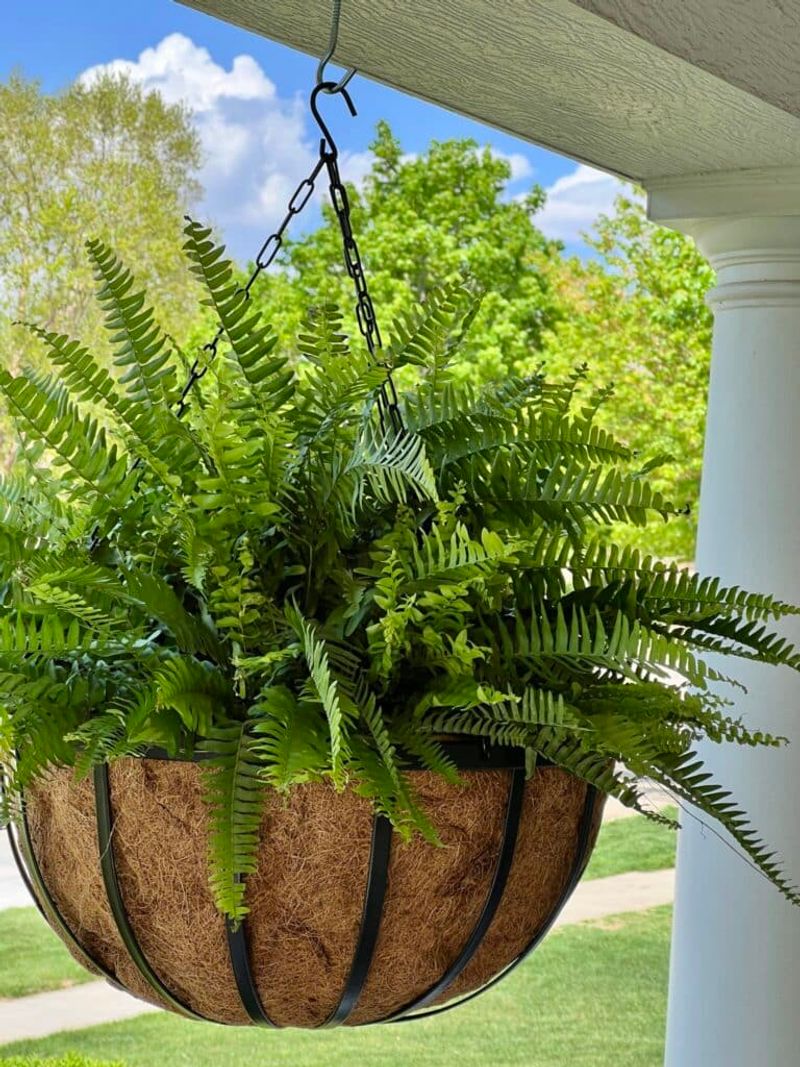
A hanging basket of Boston fern that looked lush in spring can turn brown and crispy surprisingly fast once summer heat arrives in full force. Boston fern (Nephrolepis exaltata) is one of the most popular porch and patio ferns used across this state.
It is a non-native ornamental that thrives in filtered light, high humidity, and consistent moisture, all of which become harder to maintain as temperatures climb.
Hanging baskets are especially vulnerable because they are exposed on all sides to heat and moving air. The potting mix in a hanging basket dries out much faster than soil in a ground bed.
On a sunny porch, a west-facing wall, or near a pool deck, baskets can go from moist to bone dry within a day during a heat spike. Roots that stay too dry for too long will cause fronds to brown and drop.
Filtered light is ideal. Avoid placing fern baskets where direct afternoon sun hits them for more than an hour.
Good airflow helps with humidity naturally present in summer, but too much hot, dry wind pulls moisture from the fronds faster than the roots can replace it.
Water hanging baskets daily during peak heat, and check the weight of the basket to judge moisture levels. Mist fronds in the morning to help with humidity.
Make sure drainage is not blocked, because soggy roots cause rot just as quickly as dry roots cause browning. Shade cloth or a covered porch structure gives the best protection for summer fern care.
6. Begonias Burn Before Gardeners Notice The Damage
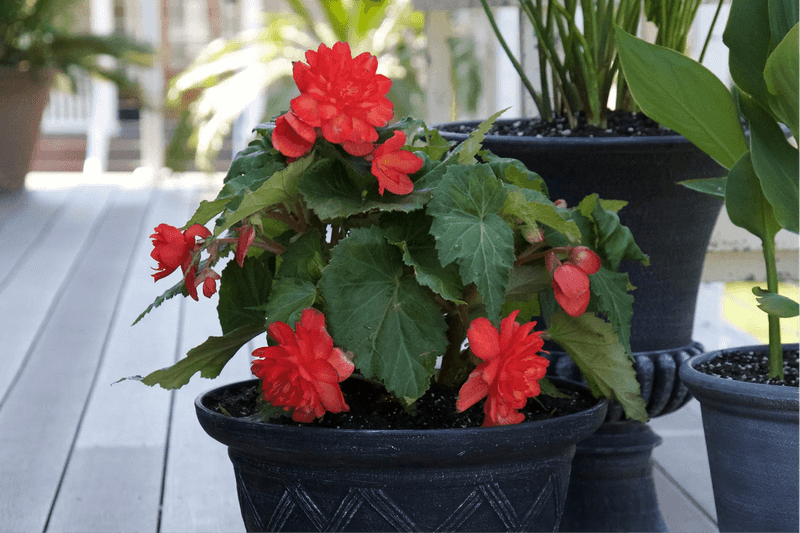
Begonias can look perfectly fine in the morning and show real damage by late afternoon, especially when they are sitting in a spot that gets harsh western sun.
Begonias (Begonia species and hybrids) are non-native ornamentals widely grown across this state for their colorful blooms and interesting foliage.
Most varieties perform far better in bright shade, morning sun, or filtered light than in direct summer exposure.
Wax begonias (Begonia x semperflorens-cultorum) handle more sun than many other types. Even they can scorch when afternoon heat is relentless and containers sit on hot surfaces.
Tuberous begonias and rex begonias are especially sensitive and should be kept well out of direct sun during the hottest months. Faded color, pale or bleached leaf patches, limp stems, and dropped blooms are the most common signs of heat damage.
Container stress is a major factor. Small dark pots sitting on concrete, tile, or a pool deck absorb and hold heat that can cook the root zone even when the foliage looks okay.
By the time leaves show visible damage, roots may already be stressed.
Move begonia containers to a covered porch, east-facing spot, or area with shade cloth protection. Use larger pots to buffer temperature swings in the root zone.
Water when the top of the soil feels dry, and make sure drainage is working. Avoid heavy afternoon sun exposure for any begonia variety during the peak of summer, and do not wait for visible leaf damage before acting.
7. Newly Planted Shrubs Need Protection Right Away
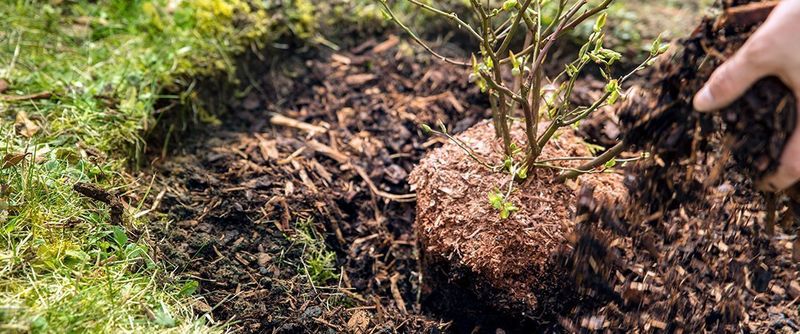
Planting a new shrub in summer feels optimistic, but it comes with real risk if the right steps are not taken immediately.
Newly planted shrubs are far more vulnerable to heat stress than established ones because their root systems have not had time to spread into surrounding soil.
A root ball that fits inside a nursery pot is not ready to handle a week of harsh afternoon sun on its own.
Transplant stress starts the moment a shrub goes into the ground. The plant is trying to push new roots into unfamiliar soil while also managing water loss through its leaves in intense heat.
Sandy soil dries quickly and offers little buffer. Hot mulch or bare soil around the planting hole can raise root-zone temperatures further.
Reflected heat from driveways, walls, and fences adds even more stress.
Shallow watering is one of the most common mistakes made with new shrubs. Light, frequent watering keeps only the surface moist and does not encourage roots to go deeper.
Water deeply and allow the soil to absorb moisture down through the root ball. Check root-zone moisture by pressing a finger a few inches into the soil near the base of the plant.
Apply two to three inches of mulch, keeping it away from the stem. Avoid heavy pruning right after planting.
Temporary shade cloth can help during the first few weeks if the site gets harsh afternoon exposure. Give new shrubs consistent attention through the entire establishment period, which can last several months in summer heat.
8. Container Herbs Struggle When Roots Get Too Hot
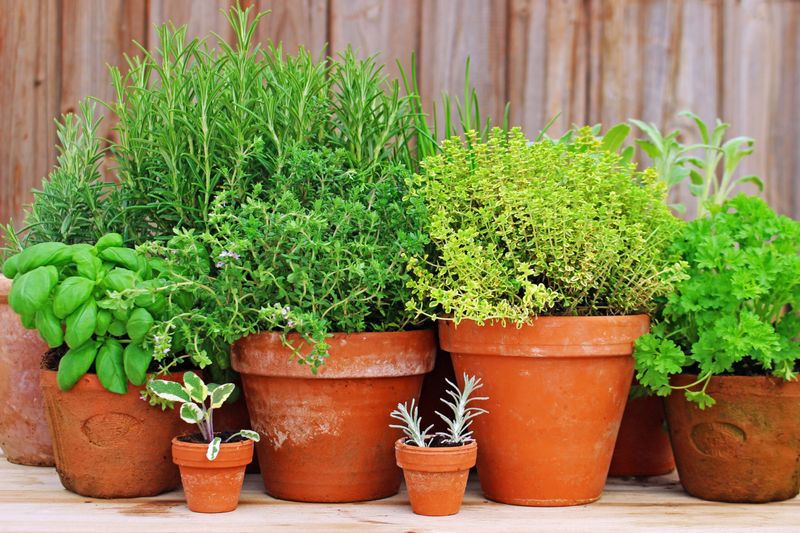
A pot of basil on a sunny pool deck in July is one of the quickest ways to watch a healthy plant decline in just a few days. Container herbs grown in this state face a challenge that outdoor gardeners in cooler climates rarely deal with.
Their root zones can overheat before the plant even has a chance to wilt.
Basil (Ocimum basilicum) is especially sensitive to both cold and heat extremes. It loves warmth but suffers when root temperatures climb too high inside small, dark containers sitting on concrete or pavement.
Parsley (Petroselinum crispum) and cilantro (Coriandrum sativum) are cool-season herbs that struggle in peak summer heat regardless of container placement.
Mint (Mentha species) and thyme (Thymus species) handle more heat, but even they need relief from blazing afternoon sun.
Rosemary (Salvia rosmarinus) is among the most heat-tolerant of common herbs, but root rot from poor drainage is still a risk in summer rains.
Small pots dry out fast, and dark containers absorb heat that can damage roots even when the top of the soil feels moist. Balconies, patios, and pool decks reflect heat upward and sideways, creating conditions that stress roots from multiple directions.
Switch to larger, light-colored pots to reduce temperature swings. Move tender herbs like basil and parsley to a spot with morning sun and afternoon shade.
Check moisture daily. Make sure every container has working drainage holes, and never let pots sit in standing water after heavy rain.