Cedar Waxwings Suddenly Flocking to Your North Carolina Yard? Here’s What It Means
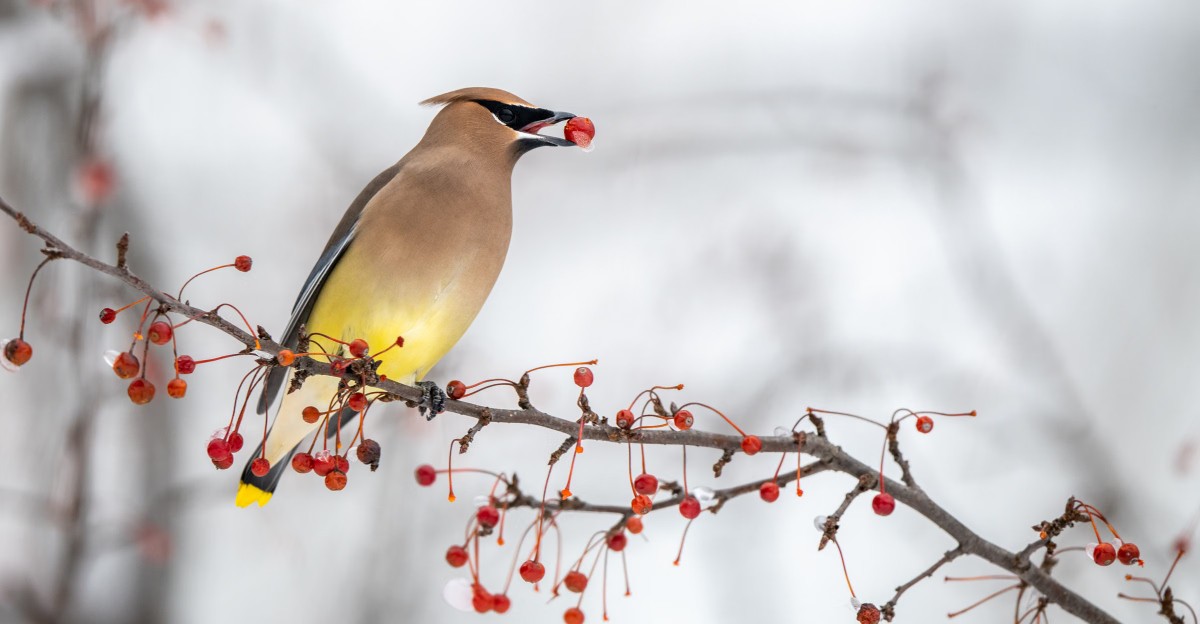
Some of the birds in your yard right now may have bright red waxy tips on their wing feathers that look like drops of sealing wax. Scientists still are not fully sure what those little red tips are for.
One day the holly tree is quiet. The next morning, dozens of sleek, masked birds crowd every branch, whistling in thin, high notes you can barely hear. Then, just as fast, they vanish.
I love how these surprise guests turn an ordinary North Carolina winter morning into a show. Their arrival is rarely random, though, and it can tell you a lot about what is growing in your yard.
The real question is what made your trees the chosen spot this week. The answer might be hanging on your branches as you read this.
1. Those Masked Birds Picked Your Berry Trees for a Reason
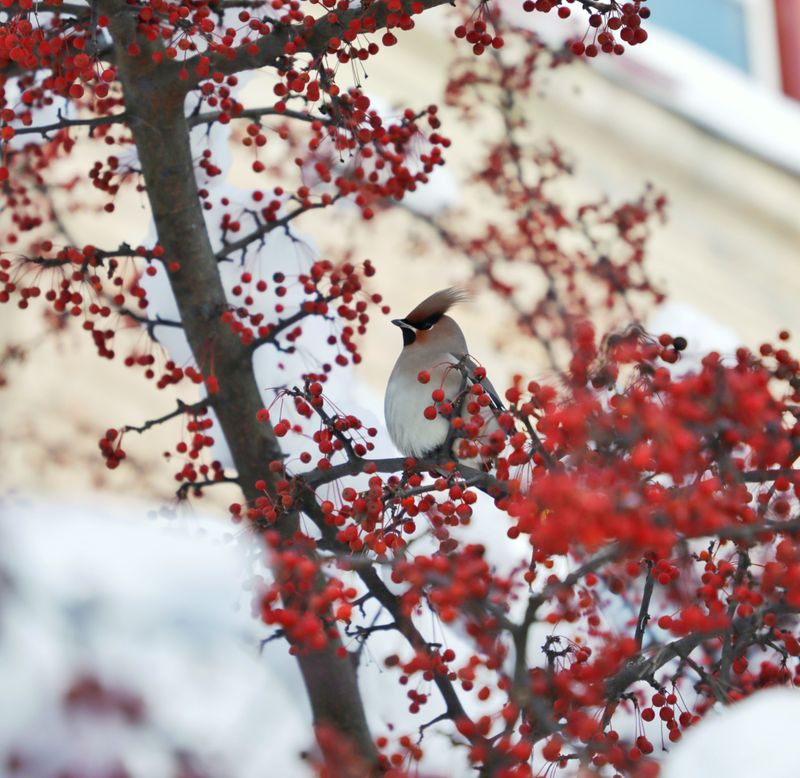
Food is the big story here. Cedar waxwings eat mostly fruit, and in winter they wander in flocks searching for trees and shrubs still loaded with berries.
Many birds follow fixed travel routes each year. Waxwings are different, because they are nomadic, so they go wherever the fruit is plentiful. Cornell Lab of Ornithology notes their winter movements are hard to predict from year to year.
In North Carolina, these birds can be found in every season. Numbers swell in late fall and winter, though, when birds from farther north join the local ones. They often stay into spring, and some flocks linger into May.
So when a crowd lands in your yard, it usually means one simple thing. Your plants are offering a ripe, easy meal at the right moment.
Maybe your holly berries finally softened after a few frosts. Perhaps a nearby food source ran low, sending the flock searching for a new spot. Either way, your yard passed the test.
There is nothing wrong when this happens. It is a normal, healthy part of the season, not a sign of strange weather or a problem with your plants.
I tend to think of it as a compliment. Waxwings are picky about ripe fruit, and they found yours worth the stop.
2. Cedar Berries and Holly Fruit Top the Waxwing Menu
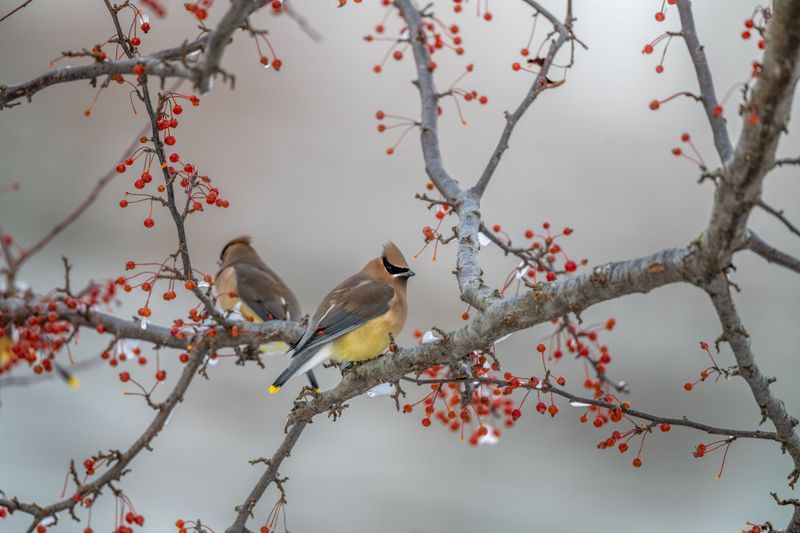
The name gives away one of their favorite snacks. Eastern red cedar, which is actually a juniper, produces small, dusty blue berry-like cones that waxwings eagerly gobble.
Fruit makes up a huge share of their diet. During summer they also catch flying insects, often over streams and ponds, and they feed insects to their young. In winter, though, it is mostly fruit.
Around North Carolina yards, watch these plants closely: American holly, yaupon holly, and winterberry hold bright berries well into winter. Eastern red cedar keeps its blue fruit for months. Hackberry, sumac, and native hawthorns also attract hungry flocks.
In spring, the menu changes. Serviceberry and wild cherry ripen, and waxwings shift to those sweet early fruits.
One fun detail is how they eat. A waxwing often swallows berries whole, plucking them while perched or even grabbing them in a quick, fluttering hover.
If you spot a flock in a tree you cannot identify, take a close look at the fruit. You may learn something new about your own yard, and it is a great way to figure out which plants are pulling their weight for wildlife.
3. A Holly Stripped Bare Overnight Is Totally Normal Waxwing Behavior
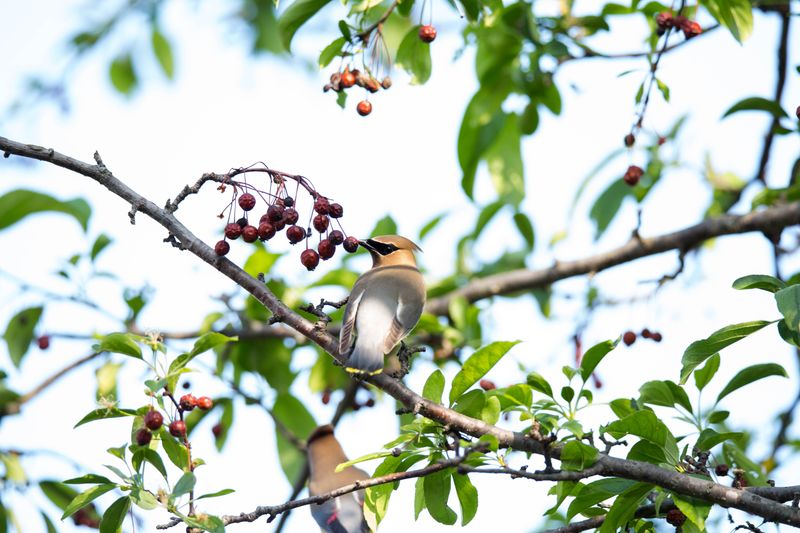
It can feel a little shocking. On Monday your holly glows with red berries, and by Wednesday it looks picked clean.
Waxwings feed as a team, and a large flock can empty a loaded tree within a day or two. Once the fruit runs low, they move on to the next good spot.
Your holly will be fine. Birds eating the berries does not harm the plant, and the tree will flower and fruit again next season.
Gardeners who love holiday berries sometimes feel a bit disappointed. If you want branches for wreaths, cut a few early, before the flocks arrive.
There is also a bright side for the landscape. Waxwings swallow fruit whole and pass the seeds later, helping native plants spread to new places.
That seed-spreading job matters, but it has a catch. Waxwings also eat fruit from invasive plants like privet and Bradford pear, which can spread those problem plants into woods.
So the bare branches are part of a bigger cycle. Your tree fed a hungry flock, and in return the birds carried seeds across the countryside, ready to sprout somewhere new next spring.
4. Listen for That Thin, High Whistle Above the Treetops

Plenty of people hear waxwings long before they see them. The sound is a soft, very high, buzzy whistle, often written as “sreee” or “bzeee.”
Waxwings do not really sing a proper song. They use these thin calls to keep the flock together, especially while flying or feeding.
Here is something you might not expect. Some adults struggle to hear the call at all, because the pitch is so high, and hearing for high sounds often fades with age.
Try this on a calm winter morning. Step outside, stand still, and listen near fruiting trees or tall cedars.
If you hear a faint chorus of whistles coming from the treetops, look up. A tight group of birds may be swirling overhead before dropping into a tree.
Free tools can help too. The Merlin Bird ID app from Cornell Lab listens through your phone and suggests which birds are calling nearby.
Kids often have the sharpest ears for this sound. Turning it into a family listening game is a fun way to notice waxwings, and once you learn that whistle, you will start catching flocks you used to miss.
5. Waxwings Passing Berries Down a Branch Is Real
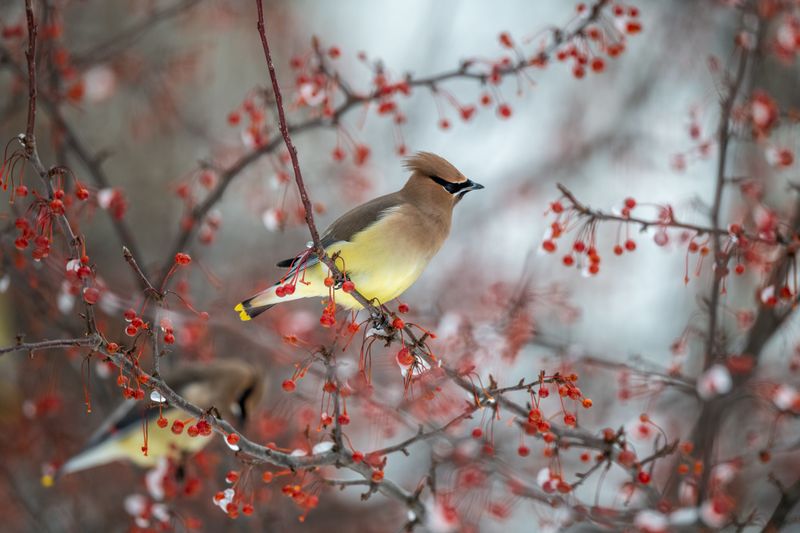
Some bird behaviors sound made up, and this one is a favorite. Waxwings sometimes sit in a neat row on a branch and pass a berry or flower petal from bird to bird.
The berry may travel down the line and back again before one bird finally eats it. Audubon and Cornell both describe this charming habit.
Passing food is also part of courtship. A male and female hop toward and away from each other, trading a berry or petal back and forth during a short dance.
Waxwings are very social. Outside nesting season, you rarely see just one, and flocks often perch shoulder to shoulder.
One thing I love about watching them is how calm they seem. They tend to feed, rest together in a bare treetop, then return for more fruit.
Want a better view? Keep binoculars near a window that faces your berry trees, and check during morning hours when flocks are busy.
You may also notice the tiny red tips on their wing feathers. Those waxy spots gave the bird its name, and older birds often show more of them, so a close look can reveal a little about each bird.
6. Overripe Berries Can Make Waxwings Wobbly
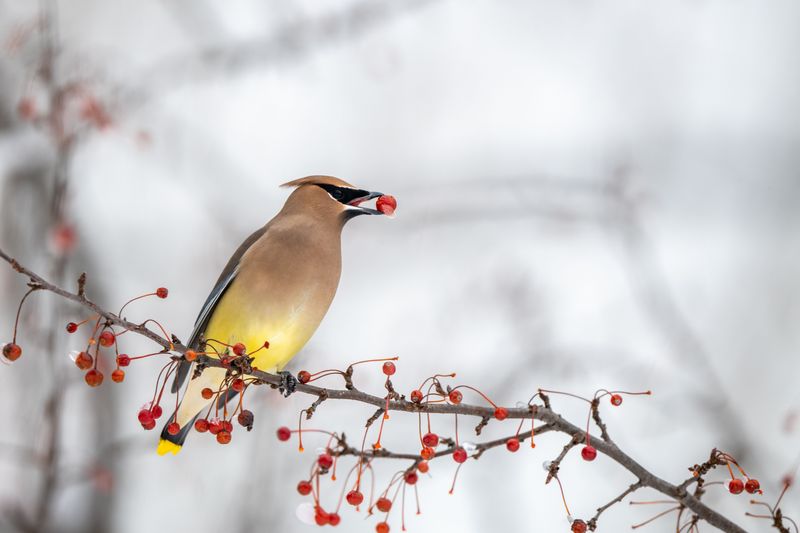
Late winter fruit is not always fresh. After many freezes and thaws, some berries start to ferment, and waxwings occasionally eat enough to get dizzy.
Wildlife experts have documented this. Affected birds may fly clumsily, sit oddly still, or have trouble keeping their balance.
The bigger risk is windows. A wobbly bird is more likely to strike glass, and window collisions are a serious problem for waxwings in general.
You can lower that risk with a few easy steps. Add decals, screens, or string cords on the outside of large windows near fruiting trees, spaced a few inches apart.
If you find a stunned bird, gently place it in a ventilated box in a quiet, warm spot. Many recover within a couple of hours and fly off on their own.
If the bird seems injured or does not recover, contact a licensed wildlife rehabilitator. Cedar waxwings are protected by the federal Migratory Bird Treaty Act, so it is not legal to keep one as a pet.
The North Carolina Wildlife Resources Commission lists rehabilitators on its website. Saving that contact now means you will know who to call if a bird needs help.
7. Native Shrubs Like Winterberry Bring Waxwing Flocks Back
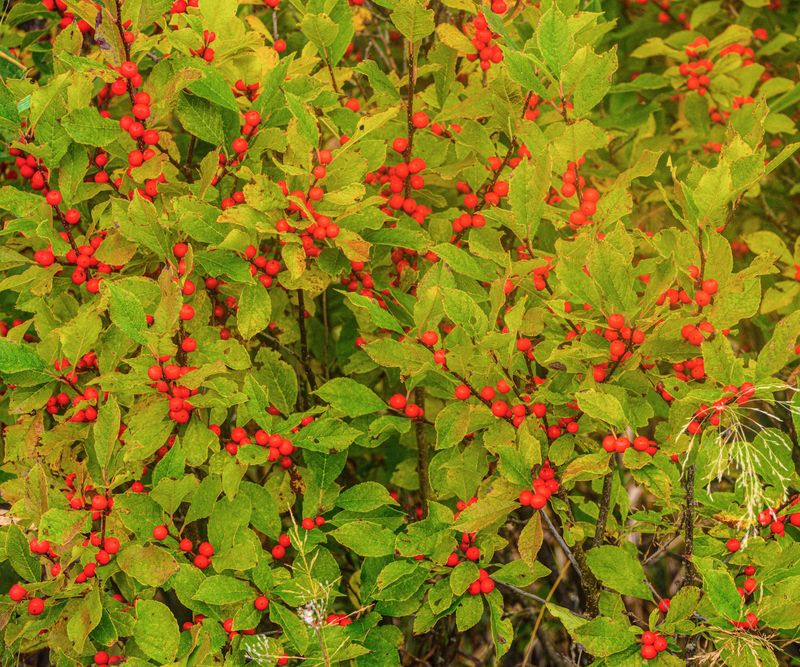
Planting for waxwings is one of the easiest ways to make your yard a regular stop. They do not visit seed feeders, so fruit-bearing plants are the real draw.
Native choices work best and support many other birds too. Good options for North Carolina gardens include:
Winterberry and American holly for bright winter fruit. Eastern red cedar for berries plus cozy evergreen shelter. Serviceberry and flowering dogwood for fruit in spring and fall.
Native hawthorns, blackgum, and southern wax myrtle add even more variety. NC State Extension’s plant toolbox is a helpful place to check which plants fit your soil and sunlight.
For hollies like winterberry, remember a key detail. Only female plants make berries, and they need a male plant nearby for pollination.
Fall and winter are great times to plant trees and shrubs across most of the state. Cooler air and winter rain help roots settle before summer heat arrives.
Skip invasive fruiting plants such as Bradford pear, privet, and nandina. Nandina berries can even be toxic to birds, and removing it gives native shrubs more room to shine.
8. A Shallow Birdbath Keeps Visiting Waxwings Coming Back
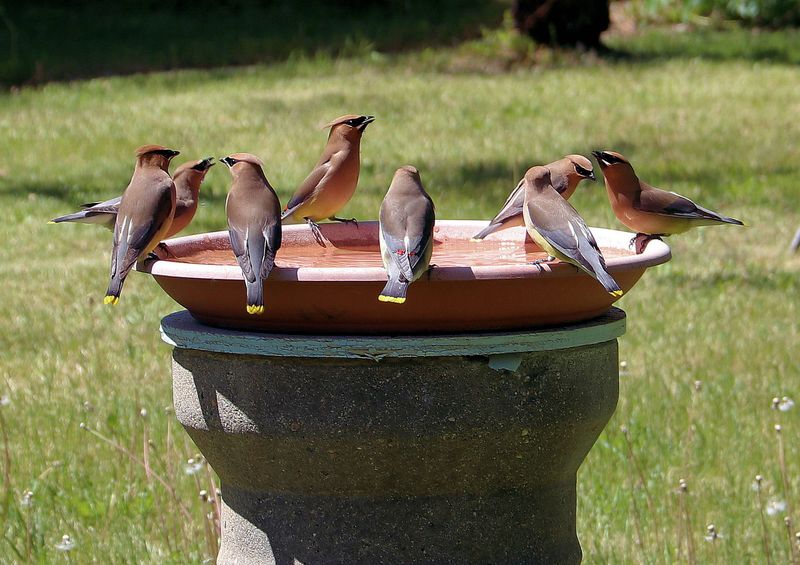
Fruit gives waxwings plenty of sugar, but they still need fresh water. A simple birdbath can turn a quick visit into a longer stay.
Keep the water shallow, about one to two inches deep. Birds feel safer with gentle slopes and a rough surface to grip.
Clean the bath every few days. Scrub it with a brush and refresh the water to help reduce the spread of bird illness.
During cold snaps, a heated birdbath can help, especially in the mountains, where winter freezes are common. Even in the Piedmont and coast, an unfrozen water source draws attention.
Place the bath near trees or shrubs so birds can dart to cover. Leave a little open space around it, though, so neighborhood cats cannot sneak close.
One more tip makes a real difference. Skip pesticide sprays on fruiting plants, since waxwings eat insects in warmer months and feed them to their chicks.
The biggest takeaway is simple. Ripe native fruit, fresh water, safe windows, and a little patience make your yard a welcome stop, and next winter, those masked visitors may well find their way back.