Why Georgia Tomatoes Split Open Even When You Water Them Perfectly
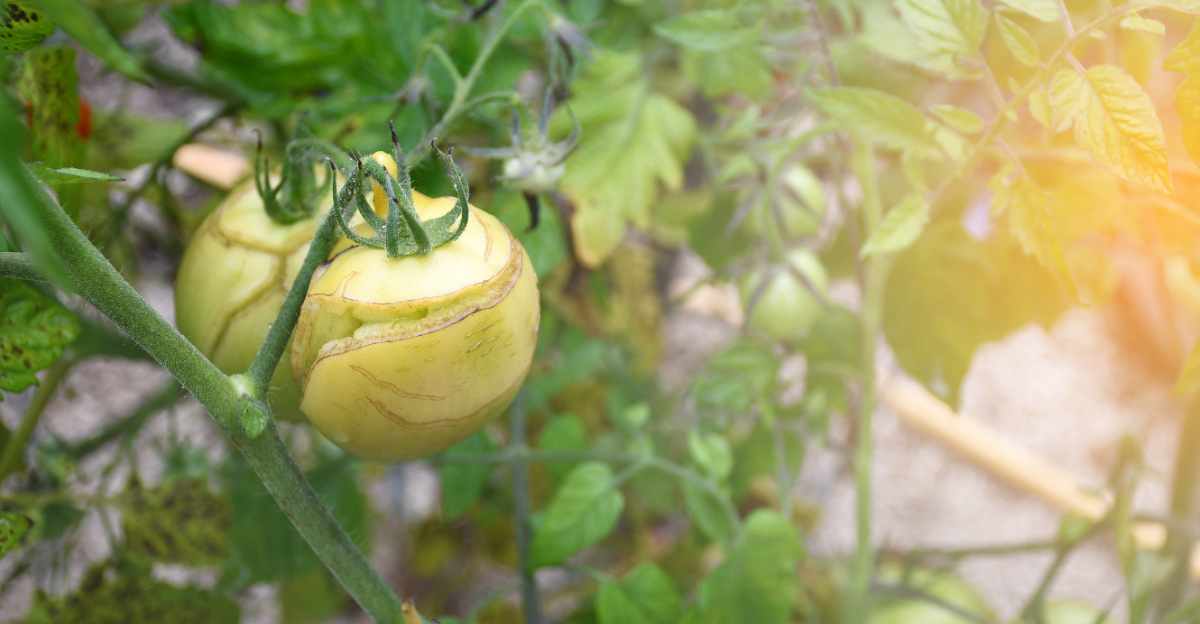
Growing tomatoes is rewarding until you pick one that suddenly splits open. Everything looked healthy the day before, so the damage feels completely unexpected.
It is frustrating because careful watering should have prevented it.
Many gardeners immediately blame themselves. Others wonder whether insects caused the problem.
The real answer is often much less obvious. Weather can quietly change what happens inside the fruit.
Even steady watering cannot always prevent splitting when conditions suddenly shift.
Georgia gardens often face this frustrating surprise during summer. Tomatoes respond to rapid changes in moisture after dry periods, even when your routine stays consistent.
Understanding what is happening behind the skin helps explain why healthy fruit suddenly cracks. The reason is simpler than most people expect, and knowing it can save future harvests from disappointment.
1. Sudden Rain Often Causes Tomatoes To Split
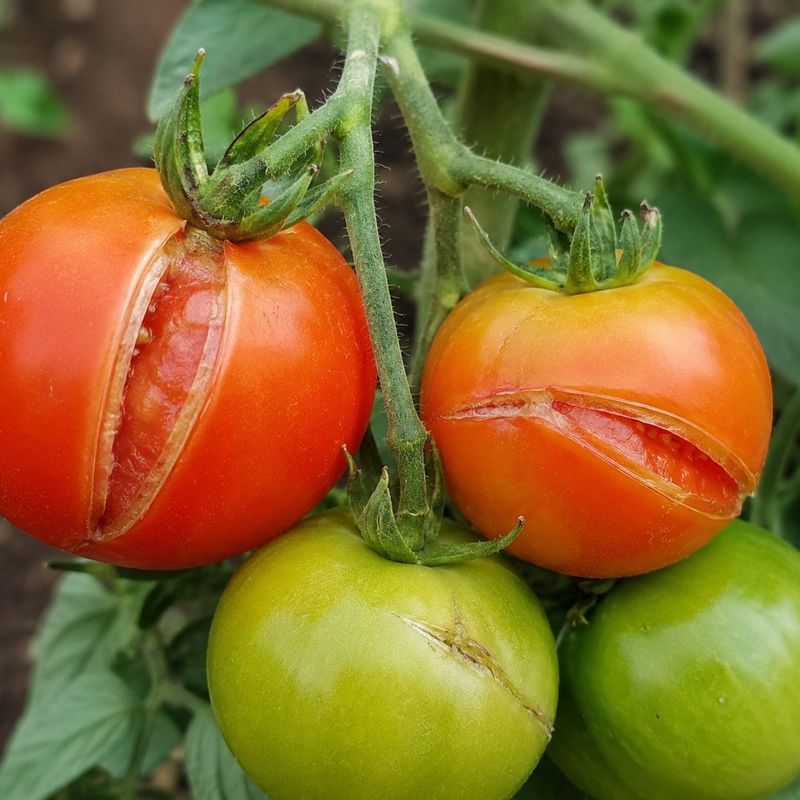
A single heavy rainstorm can undo weeks of careful watering. When a big rain hits after a dry stretch, tomato plants drink up water fast.
Too much, too quickly, and the fruit swells faster than the skin can stretch.
Tomato skin is tough but not elastic. Once the inside grows faster than the outside can handle, the skin tears.
Radial cracks run from the stem down, and concentric cracks circle the top like rings.
Hot summers in the South bring exactly this kind of pattern. Long dry spells break with sudden afternoon storms.
Tomatoes that were holding steady suddenly get flooded with moisture through the roots.
Consistent watering between rain events can reduce the shock. Keeping soil moisture steady means the plant is not swinging between thirsty and waterlogged.
A rain gauge helps track how much water the garden actually received.
Covering plants with row fabric before a heavy storm is an option some gardeners use. It slows how fast water reaches the roots.
Not foolproof, but it can soften the impact on fruit that is close to ripe.
Checking forecasts regularly during peak season matters more than most people realize. Preparing ahead of a big storm gives you a chance to harvest any nearly ripe tomatoes before the rain hits and causes splitting.
2. Ripe Fruit Is More Likely To Crack
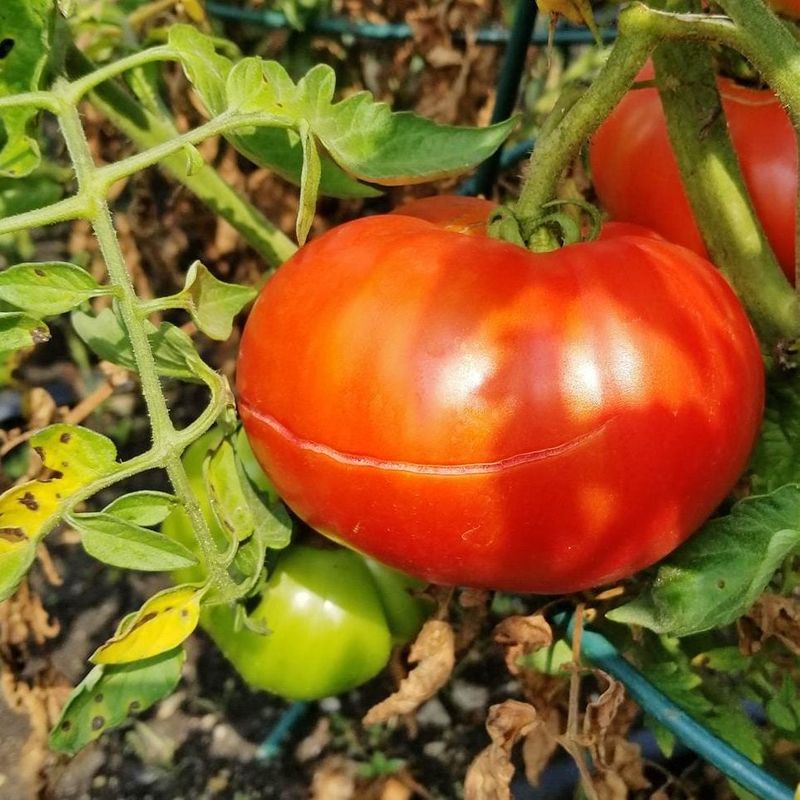
Ripe tomatoes crack more easily than green ones. Skin on a fully ripe fruit gets thinner and less flexible.
Any pressure from inside, and it gives way.
Green tomatoes have firmer, thicker skin. They can handle sudden moisture swings better than fruit that has already softened.
Once a tomato turns red and juicy, it has much less tolerance for rapid change.
Sugars inside a ripe tomato also pull in water. Osmosis draws moisture toward high-sugar areas, which adds internal pressure.
That extra pressure pushes against skin that is already stretched thin.
Watching your plants closely during the final ripening stage matters. Fruit can go from perfect to cracked in less than 24 hours after a heavy rain.
Checking daily during summer storms is a practical habit worth building.
Leaving tomatoes on the vine longer than needed raises the risk. Picking them just before full ripeness and letting them finish indoors at room temperature is a reasonable approach.
Your Georgia Garden Changes Every Week. Your Plan Should Too.
Gardening in Georgia changes quickly throughout the season. Every Friday you’ll receive a simple weekly plan showing exactly what to plant, prune, fertilize, harvest, and protect so you never miss the right timing.
Flavor holds up well when done right.
Gardeners who grow in humid climates often pick fruit slightly early on purpose. It is a trade-off worth considering.
A slightly underripe tomato on your counter beats a split one rotting in the garden any day of the week.
3. Some Tomato Varieties Split More Easily
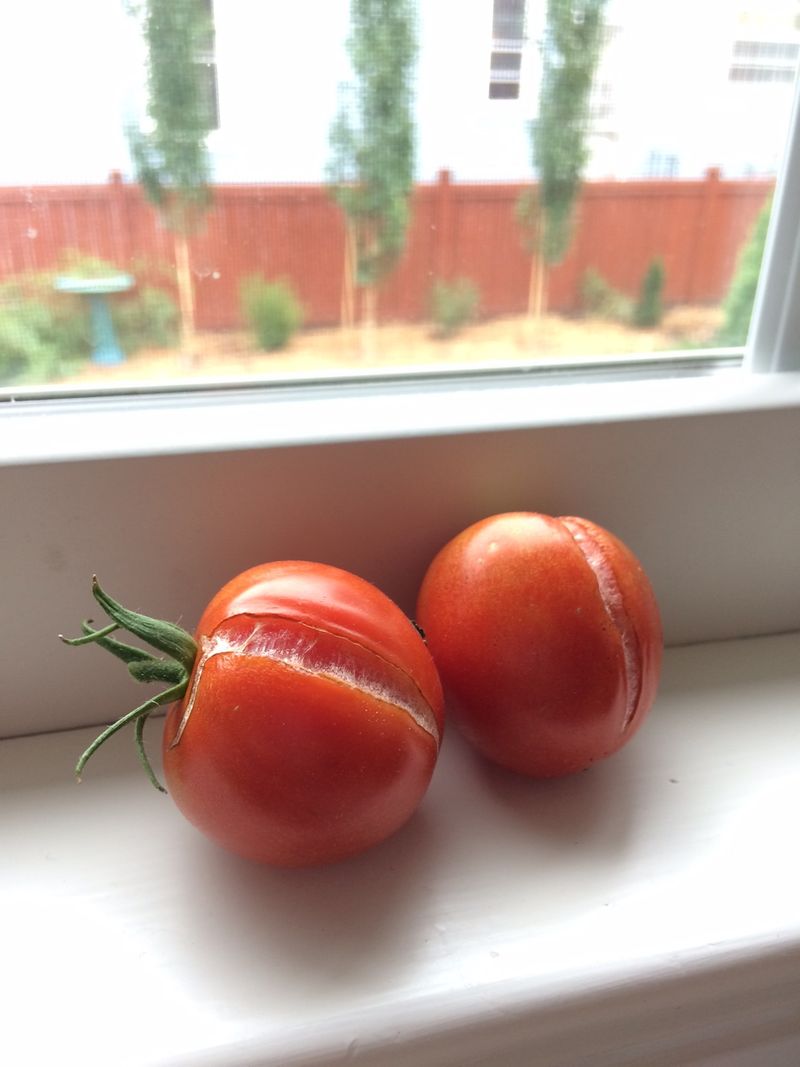
Not every tomato is built the same. Skin thickness, fruit size, and water uptake rates vary by variety.
Some types are just more prone to cracking than others.
Large beefsteak tomatoes tend to split more often. Their size means more surface area under pressure.
Cherokee Purple and Brandywine, both popular heirlooms, are known for cracking in wet conditions.
Crack-resistant varieties exist and are worth seeking out. Jet Star, Mountain Fresh, and Jasper are bred with tougher skin.
They handle moisture swings better without losing flavor or texture.
Cherry tomatoes seem small and harmless, but they split easily too. Sungold and Sweet 100 are beautiful producers but crack at the first hint of extra rain.
Juliet is a grape-style cherry that holds up better in humid weather.
Reading seed catalog descriptions before planting helps. Look for phrases like crack-resistant or firm skin in the variety notes.
Seed companies are usually straightforward about which types struggle in wet climates.
Swapping one or two varieties each season is a low-risk experiment. Planting a mix of crack-prone and crack-resistant types gives you a better overall harvest.
If one type struggles in your specific soil and climate, the others can still pull through strong.
4. Mulch Helps Keep Soil Moisture Steady
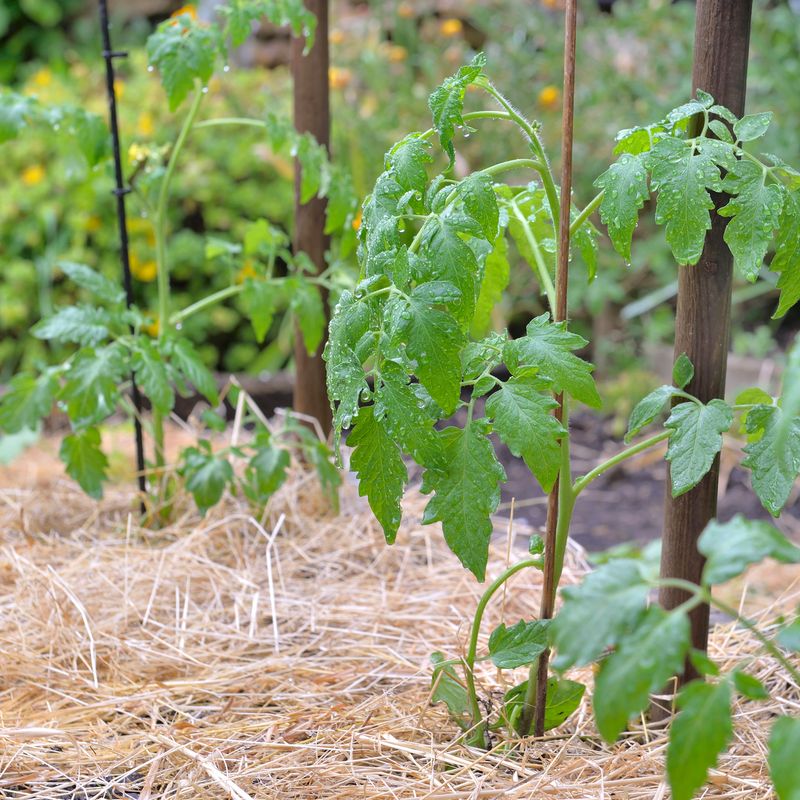
Bare soil dries out fast in summer heat. One hot afternoon and the top few inches can go from moist to bone dry.
Mulch acts like a blanket that slows that process down.
Straw, wood chips, and shredded leaves all work well around tomato plants. A layer two to three inches thick makes a real difference.
Soil stays cooler and holds moisture longer between watering sessions.
When soil moisture stays consistent, plants absorb water at a steadier pace. Tomatoes do not get hit with sudden surges.
Fruit develops more evenly and skin stays flexible rather than tight and brittle.
Mulch also reduces splashing during rain. Soil-borne pathogens can travel from ground to plant when rain hits bare dirt.
Keeping a layer between the soil and the plant helps with more than just moisture.
Applying mulch early in the season works better than waiting. Once plants are established and the soil has warmed, lay it down around the base.
Keep it a few inches away from the main stem to avoid moisture buildup against the plant.
Refreshing mulch mid-season helps it stay effective. It breaks down over time, especially in the heat.
Adding a fresh layer in July keeps the soil protected through the hottest and wettest part of the growing season.
5. Harvesting Early Can Prevent Cracks
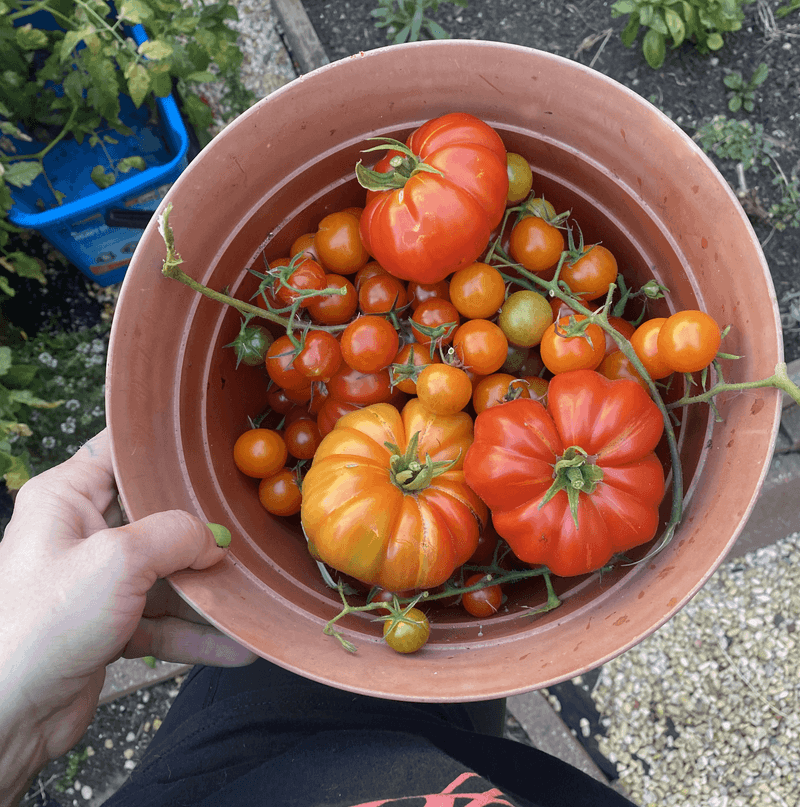
Picking tomatoes before they reach full ripeness on the vine is a practical strategy. Fruit continues to ripen after harvest.
Leaving it indoors on a counter lets it finish without the risk of cracking from rain.
Look for tomatoes that have turned mostly red or orange but still feel slightly firm. That is usually a good window for early harvest.
Avoid refrigerating them right away since cold temperatures affect texture and flavor.
Breaker stage is the term growers use for this point. Color has started to change, but the fruit is not yet soft.
Tomatoes picked at breaker stage ripen well indoors and hold their flavor closely.
Checking plants before a predicted storm is a smart move. If fruit looks close to ripe and rain is expected, pick it early.
That one decision can save a dozen tomatoes from splitting overnight.
Early harvesting also reduces pest and disease pressure. Fruit sitting on the vine longer attracts insects and can develop spots from prolonged humidity.
Getting it off the plant sooner keeps the garden cleaner overall.
Some gardeners worry that early-picked tomatoes taste less flavorful. In practice, tomatoes picked at breaker stage often taste quite close to vine-ripened fruit.
The difference is usually small compared to losing a whole batch to cracking after a summer storm.
6. Split Tomatoes Are Usually Safe To Eat
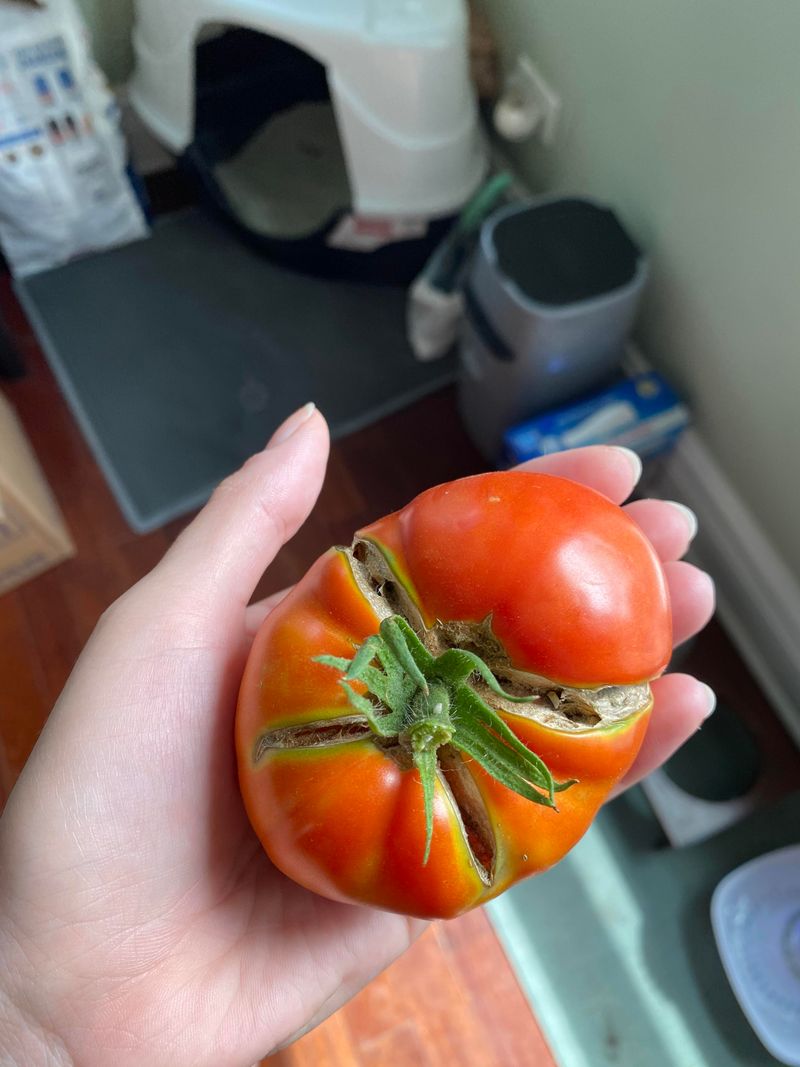
A split tomato does not mean a ruined tomato. If the crack is fresh and clean, the fruit inside is often perfectly fine.
Millions of home gardeners eat split tomatoes every season without issue.
Speed matters once a tomato cracks. The open skin lets bacteria and insects in quickly.
Harvest it right away and inspect it carefully before eating or cooking with it.
Small cracks near the stem are usually the least concerning. Deep splits that expose the inner flesh to soil or standing water carry more risk.
Use your judgment based on what you see and smell.
Cutting away the cracked section and using the rest is a common approach. As long as the remaining flesh looks firm, smells fresh, and shows no signs of mold, it is reasonable to eat.
Cooking it into sauce, soup, or salsa is a practical way to use up cracked fruit quickly.
Leaving split tomatoes on the vine is where trouble starts. Insects move in fast.
Rain can push soil into the crack. Within a day or two, what started as a minor split can become a mushy, unusable mess.
Cracked tomatoes stored at room temperature should be used within a day. Do not let them sit too long.
7. Good Drainage Helps Prevent Water Swings
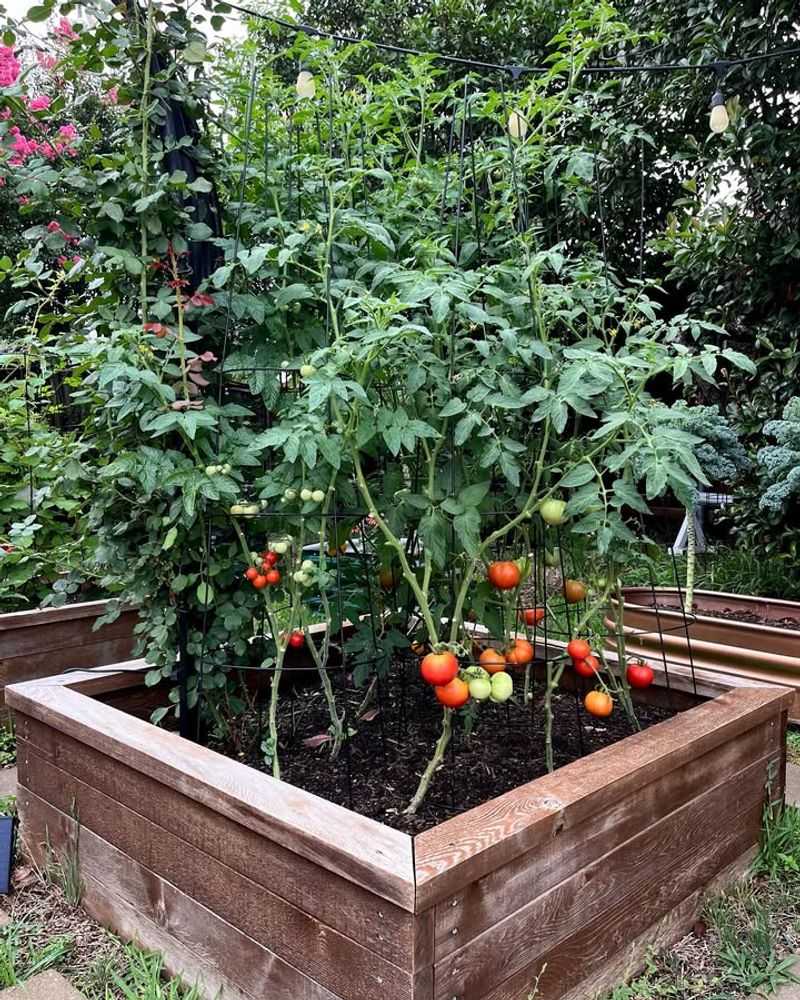
Soggy soil is a recipe for cracked fruit. When roots sit in standing water after rain, they absorb moisture at an uncontrolled rate.
Tomatoes swell fast and skin cannot keep up.
Heavy clay soil is a common problem in many parts of the South. Water pools in it rather than draining through.
Roots stay wet long after rain stops, which keeps pushing moisture into the fruit.
Raised beds offer a practical fix. Filling them with a mix of compost, topsoil, and coarse material like perlite improves drainage significantly.
Roots stay moist but not waterlogged, which keeps uptake more predictable.
In-ground gardeners can improve drainage by working in compost before planting. Breaking up compacted layers with a garden fork also helps water move through more freely.
It takes effort upfront but pays off across the whole season.
Sloping your garden bed slightly is another option. Even a gentle angle lets excess water run off rather than pool.
Flat beds in low-lying spots tend to collect water after storms.
Checking drainage after a rain event gives you useful information. If puddles sit for more than an hour, the soil likely needs improvement.
Addressing that before planting season in Georgia or nearby regions can reduce splitting problems before they start.