Why Is Your Oregon Basil Bolting During August’s Heat Wave
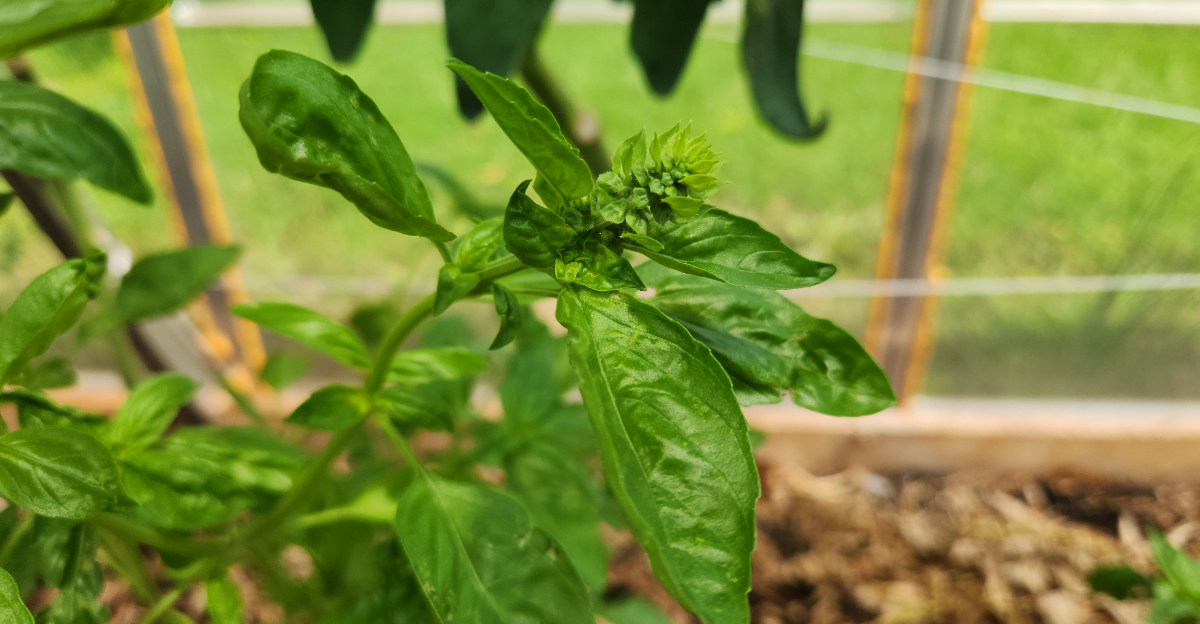
Your basil looked lush last week, but now it is racing upward, growing narrow leaves, and forming flower buds almost overnight.
August heat can push Oregon basil into survival mode, especially when hot afternoons, warm nights, and dry soil arrive together.
Instead of spending energy on leafy growth, the plant shifts toward producing seeds before conditions become tougher.
That change, called bolting, can leave the leaves smaller, firmer, and more bitter than the tender handfuls you expected for pesto.
Long daylight hours, inconsistent watering, cramped roots, and repeated harvesting stress can speed things up, too. Bolting does not mean your basil is ruined, though.
Pinching flower stems, watering deeply, adding light afternoon shade, and harvesting regularly may slow the process.
Once you understand what triggered the sudden growth spurt, you can keep the plant productive longer in your garden and make smarter choices for the rest of Oregon’s hottest month.
1. August Heat Flipping The Flower Switch
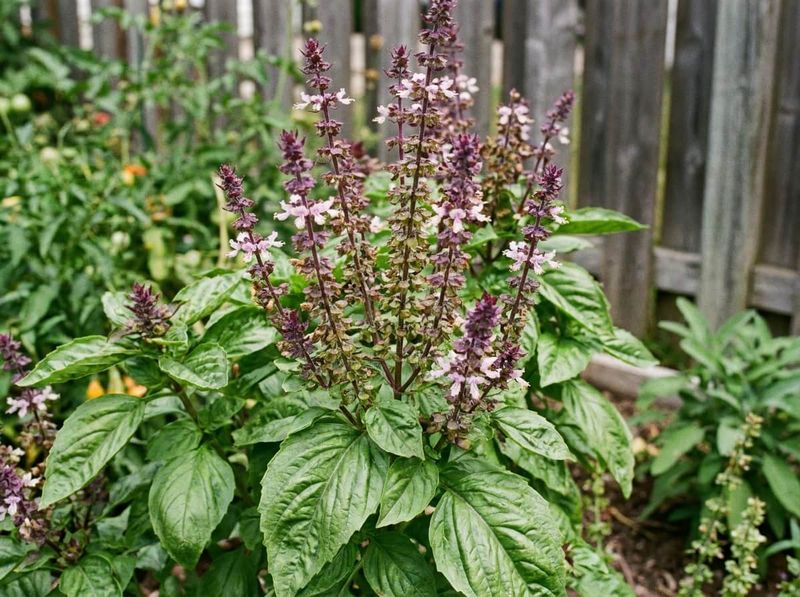
Most gardeners do not realize that basil has an internal timer, and high temperatures are what set it off. When daytime highs push past 85 degrees Fahrenheit for several days in a row, basil reads that as a signal to stop making leaves and start making flowers.
This is called bolting, and it happens whether you want it to or not.
Oregon’s August heat waves can be surprisingly intense, especially in the Willamette Valley and southern regions. Temperatures that stay high overnight are especially tough on basil.
The plant never gets a chance to cool down and reset, so it keeps pushing toward flowering mode.
The science behind it is pretty simple. Basil is a warm-season annual, meaning it has one goal before the season ends: make seeds.
Heat speeds up that biological clock. Once the switch flips, the plant puts most of its energy into flower and seed production instead of leaf growth.
You can slow this process by providing afternoon shade using a lightweight row cover or a sheer curtain draped over a frame. Placing taller plants nearby to block the harshest sun also helps.
Keeping the soil consistently moist adds another layer of protection. When basil stays a little cooler, it holds off on flowering longer and keeps producing the fragrant, tender leaves you actually want to cook with.
2. Dry Soil Sending Basil Into Survival Mode
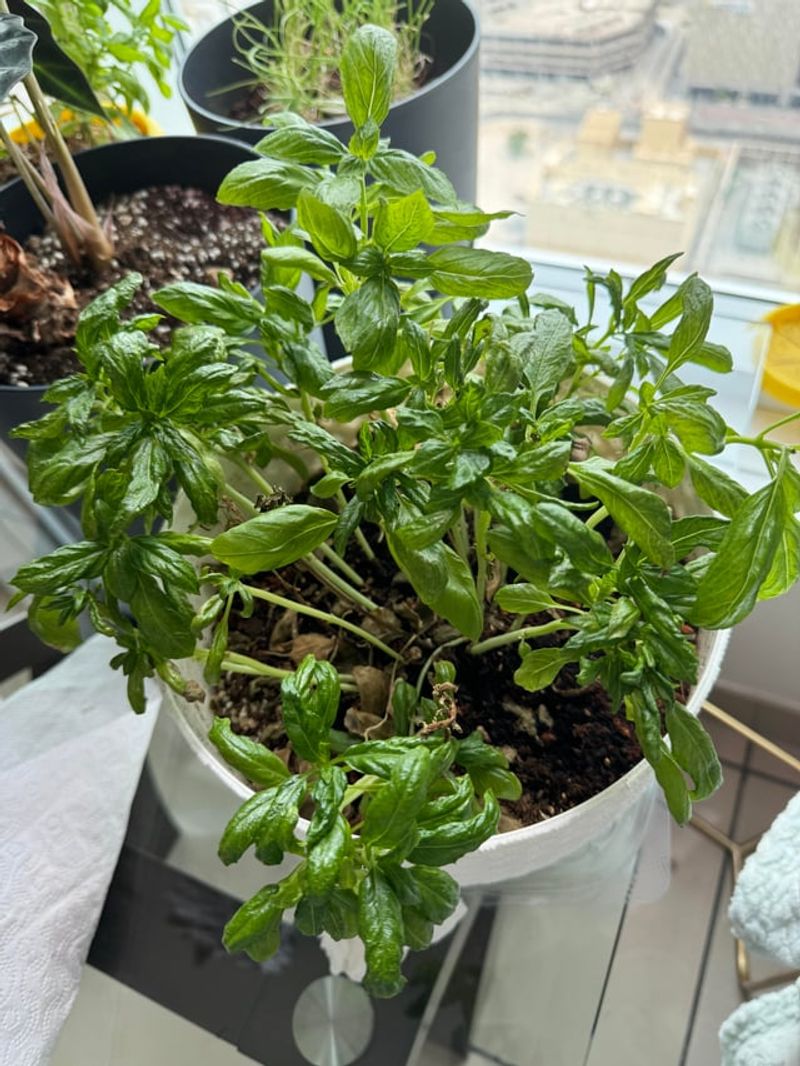
Stress is a powerful trigger for bolting, and dry soil is one of the fastest ways to stress out a basil plant. When the roots cannot find enough moisture, the plant panics.
It assumes the growing season is ending and rushes to produce seeds before conditions get worse.
In August, soil can dry out faster than you expect. Even if you watered yesterday, a hot afternoon sun and a light breeze can pull moisture from the top few inches of soil within hours.
Basil roots are not deep, so they feel that dryness quickly.
Checking soil moisture every morning is a smart habit during heat waves. Push your finger about an inch into the soil near the base of the plant.
Your Oregon Garden Changes Every Week. Your Plan Should Too.
Gardening in Oregon changes quickly throughout the season. Every Friday you’ll receive a simple weekly plan showing exactly what to plant, prune, fertilize, harvest, and protect so you never miss the right timing.
If it feels dry at that depth, it is time to water. Do not wait for leaves to droop before acting, because by then the stress signal has already been sent.
Adding a layer of mulch around your basil plants makes a big difference. Straw, shredded leaves, or even a thin layer of compost helps hold moisture in the soil for much longer.
Aim for about two inches of mulch, but keep it a little away from the main stem to avoid rot. Consistent soil moisture keeps basil calm, and a calm basil plant keeps growing leaves instead of racing toward seeds.
3. Skipping Water On The Hottest Days
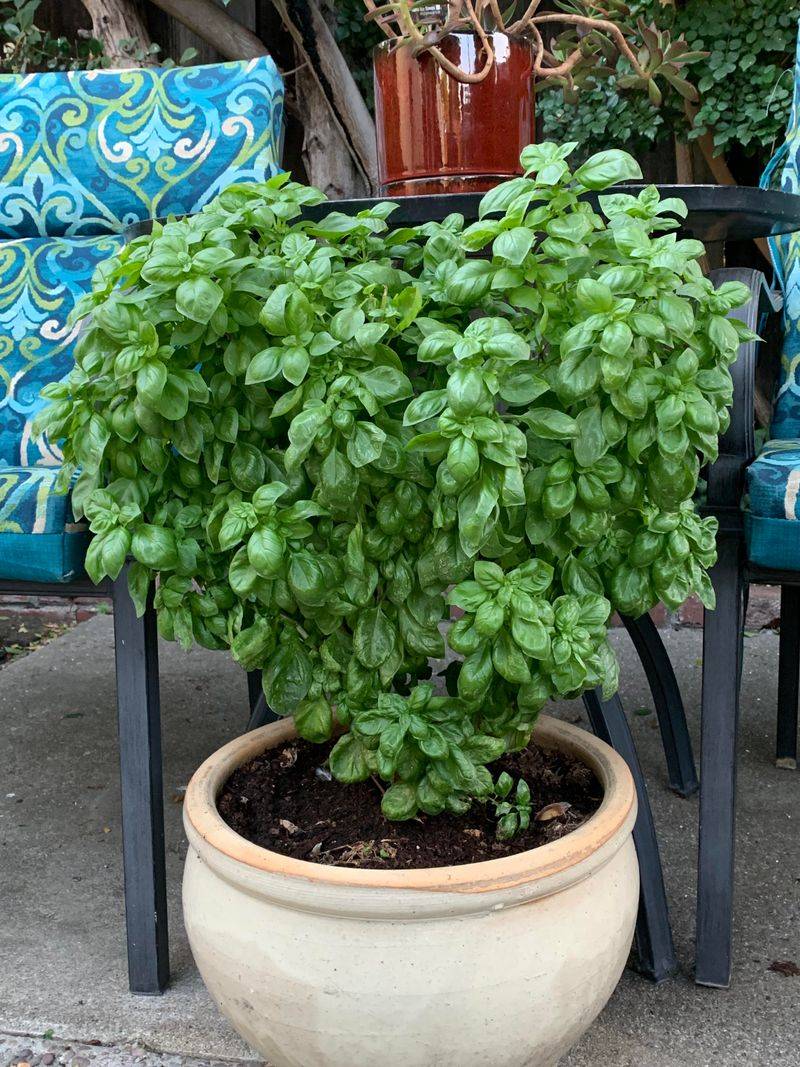
Skipping a watering session on a 95-degree day can push basil over the edge faster than almost anything else. Some gardeners assume that watering on hot days will scorch the leaves or do more harm than good.
That idea mostly applies to overhead watering in direct sun, but watering at the base of the plant is always safe and necessary.
The best time to water basil during a heat wave is early morning, before the sun gets strong. Morning watering gives the roots a full supply of moisture to draw from throughout the day.
Evening watering works too, but wet foliage overnight can invite fungal issues, especially in humid parts of Oregon.
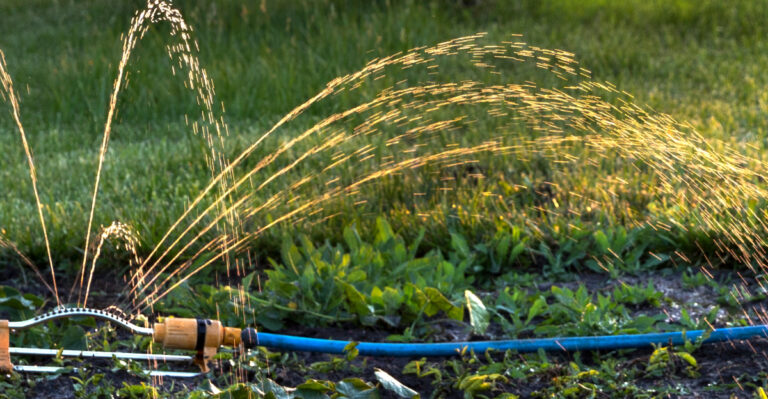
Deep watering is better than light watering. A quick sprinkle only wets the top of the soil, which evaporates fast and does not reach the roots.
Instead, water slowly and let it soak in several inches deep. This encourages roots to grow downward, where the soil stays cooler and holds moisture longer.
During a serious heat wave, you may need to water basil twice a day. Check the soil mid-afternoon and give it a drink if it feels dry more than an inch down.
Consistent watering sends a steady signal to the plant that conditions are fine and there is no need to rush into seed production. That small habit keeps your harvest going strong all month.
4. Missing Those Sneaky Little Flower Buds
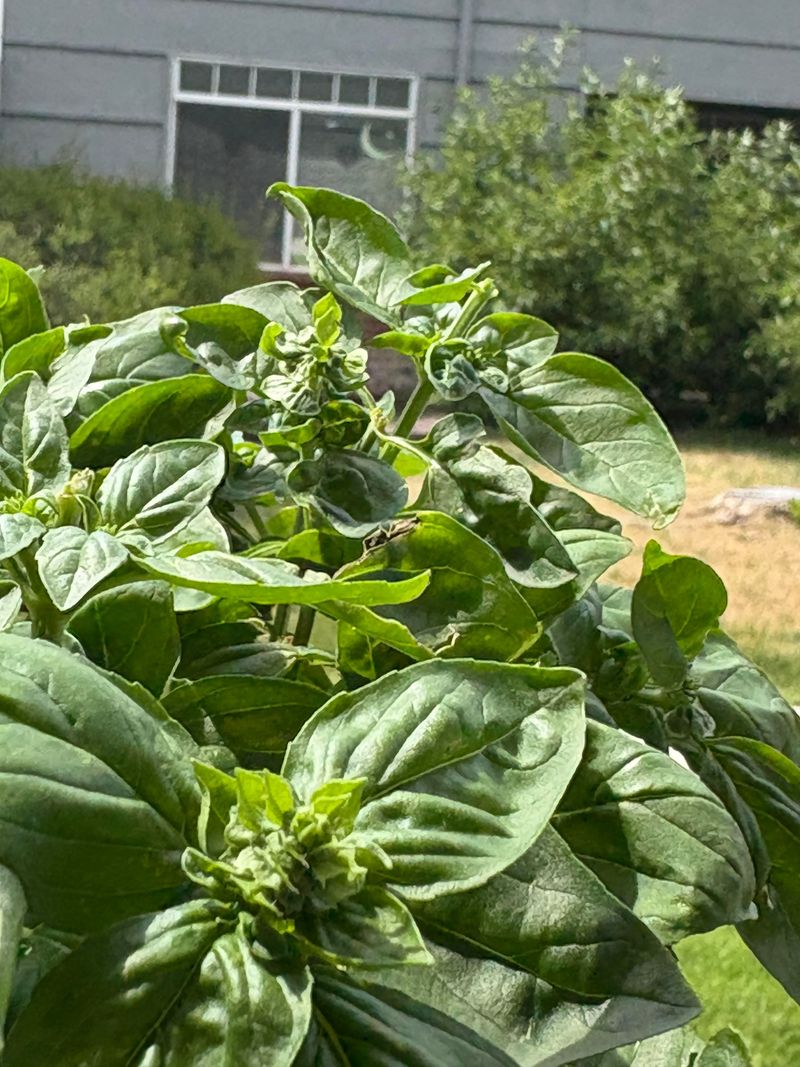
Basil gives you a warning before it fully bolts, and that warning comes in the form of tiny flower buds. They appear at the top of the main stem, clustered in small groups that look a bit like little green spikes.
Most gardeners do not notice them until the flowers have already opened, and by then the flavor of the leaves has already started to change.
Those buds are the first sign that your plant is shifting gears. Once flowers open and start producing pollen, the leaves begin to taste more bitter and less sweet.
The essential oils that give basil its bold, bright flavor start moving away from the leaves and into the reproductive parts of the plant.
Catching buds early and pinching them off is one of the most effective things you can do to extend your harvest. Check your plants every two to three days during August.
Look at the top of each stem and any side branches. If you see a cluster of tiny buds forming, pinch or snip them off right away.
You do not need special tools for this. Your fingers work perfectly fine.
Just pinch the bud cluster off along with the top inch or two of stem. This also encourages the plant to branch out and grow more leaves from the sides.
More branches means more leaves, and more leaves means more basil for your kitchen all the way through early fall.
5. Letting Tall Stems Get Away From You
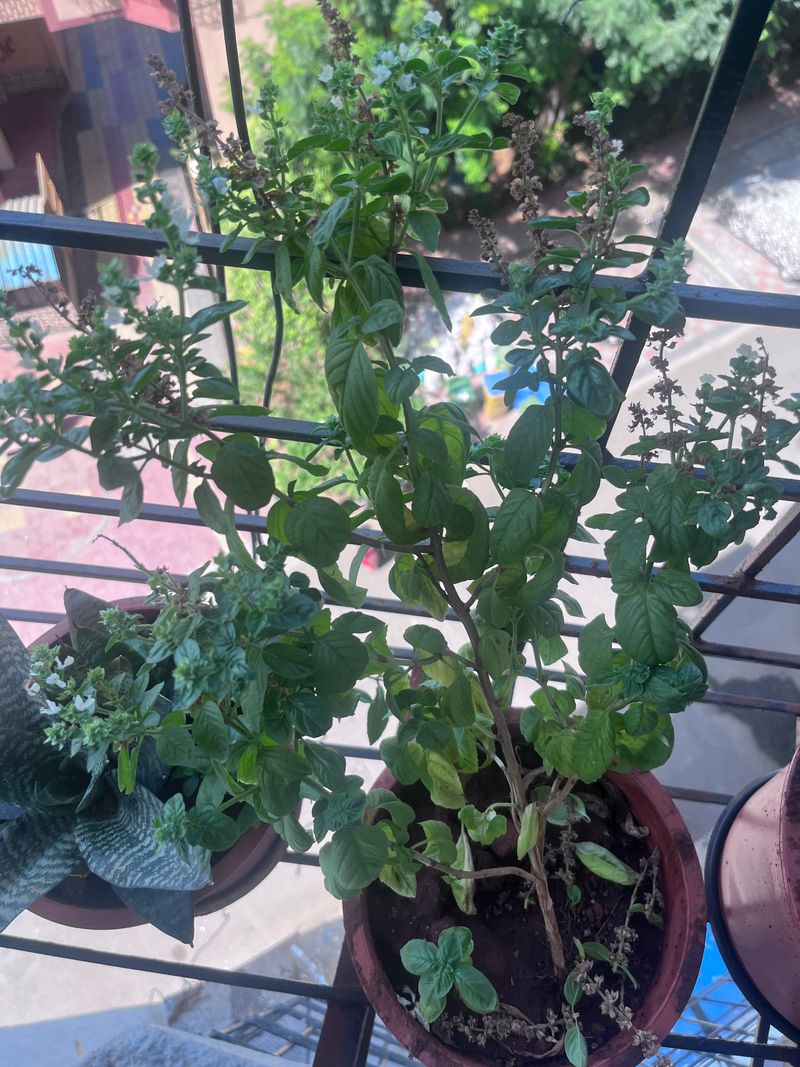
When basil stems grow tall and leggy without being trimmed, the plant is already well on its way to bolting. Tall stems are a sign that the plant has been putting energy into height and flower production rather than leafy growth.
Once stems get woody and stretched out, they are much harder to bring back to a productive state.
A well-maintained basil plant should look full and bushy, not tall and thin. Regular trimming keeps it that way.
Each time you cut a stem back, the plant responds by sending out two new branches from just below the cut. Over time, those two branches each get cut again, creating four, then eight, and so on.
The result is a compact, leafy plant that stays in leaf-growing mode much longer.
Do not be afraid to cut basil back hard. Trim stems down to just above a set of healthy leaves, leaving at least two or three sets of leaves on the stem.
Cutting too close to the base can stress the plant, but cutting back by one-third to one-half is totally fine and actually helpful.
Make trimming a regular habit, not just something you do when things get out of hand. Every week or so, walk through your garden with a small pair of scissors and give your basil a quick shape-up.
Consistent trimming during August keeps stems short, growth focused on leaves, and bolting at bay for much longer than if you let things go.
6. Hot Containers Cooking Roots By Afternoon
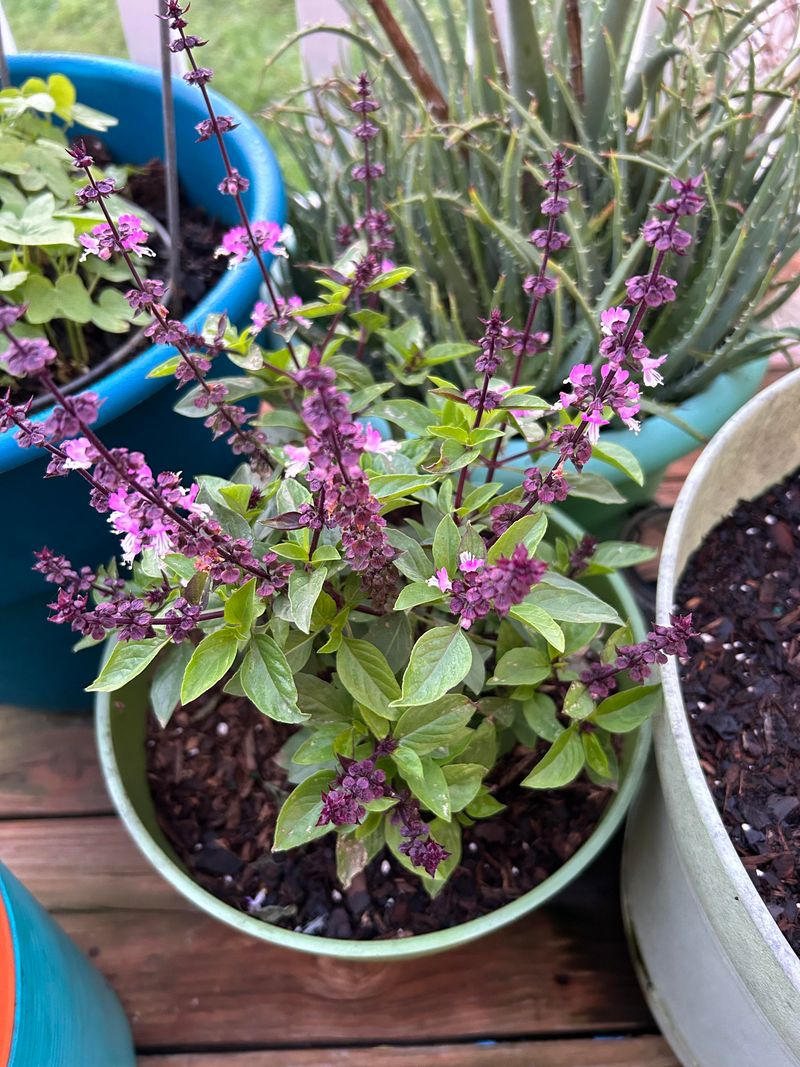
Container gardening is popular in Oregon, but pots come with a hidden problem during August heat waves. Dark-colored containers, especially plastic ones, absorb a huge amount of heat throughout the day.
By mid-afternoon, the soil inside can reach temperatures that are seriously damaging to roots, sometimes over 100 degrees Fahrenheit.
Basil roots are sensitive. When they overheat, the plant loses its ability to absorb water efficiently, even if the soil is moist.
That moisture stress triggers the same bolting response as dry soil. The plant thinks it is in danger and rushes to set seed before conditions get worse.
Switching to light-colored pots or wrapping dark containers in a reflective material can reduce heat absorption significantly. Terracotta pots breathe better than plastic and tend to stay a bit cooler, though they also dry out faster.
Double-potting, where you place one pot inside a larger one with air space between them, is another clever trick that insulates the roots.
Moving containers to a shadier spot during the hottest part of the afternoon is one of the easiest fixes. Basil loves morning sun and can handle a few hours of bright indirect light in the afternoon just fine.
A location that gets full sun from sunrise until around noon, then dappled shade after that, is close to ideal during a heat wave.
Protecting the roots from extreme heat keeps the plant stable and focused on producing leaves instead of seeds.
7. Sunny Patios Turning Into Basil Ovens
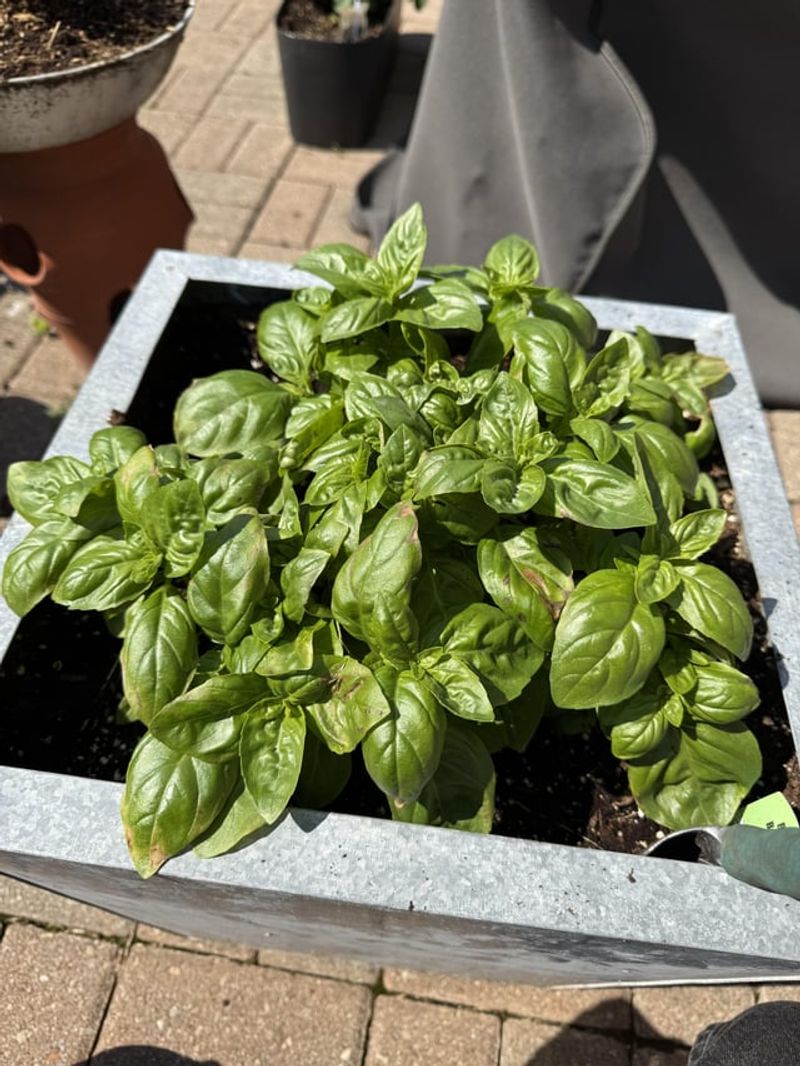
Concrete and pavement absorb and radiate heat in a way that open garden beds simply do not.
A sunny patio in August can feel like a frying pan, and anything sitting on that surface, including your basil, feels every degree of it.
Reflected heat from walls, fences, and light-colored surfaces adds even more warmth to the mix.
Basil grown on a south-facing patio with no shade can experience temperatures that are 10 to 20 degrees higher than the air temperature. That difference is enough to push a plant from comfortable to stressed in just a few hours.
Heat stress on patios often comes on fast and without much warning.
One practical solution is to raise containers off the patio surface using pot feet or a small wooden platform. Even a couple of inches of airflow beneath the pot reduces heat transfer from the hot pavement.
Grouping pots together also helps, because plants shade each other slightly and create a small pocket of cooler, more humid air between them.
Adding a patio umbrella or a shade sail above your container garden is one of the best investments you can make for summer herb growing. Afternoon shade from a structure or overhead cover keeps temperatures manageable and dramatically reduces bolting.
Oregon has some surprisingly intense summer sun, and giving your patio basil a little shelter during the peak heat hours makes the difference between a plant that thrives and one that gives up on you by mid-August.
8. Older Plants Racing To Make Seeds
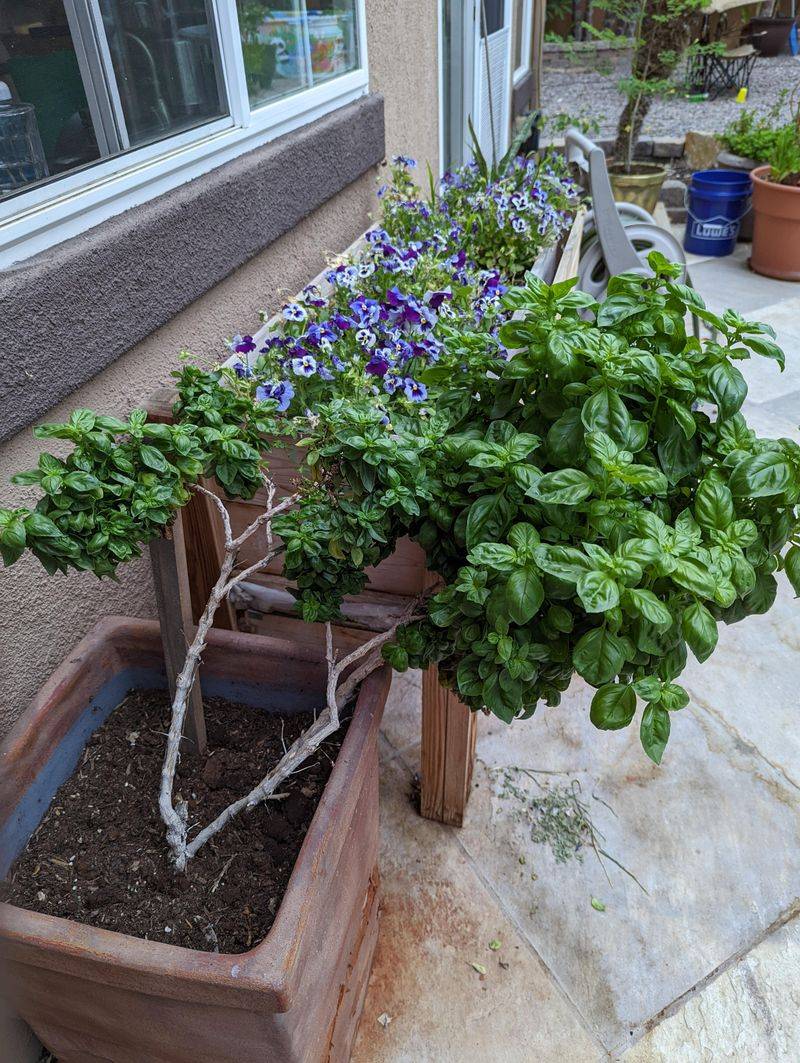
Age plays a big role in how quickly basil bolts. Plants that were started in early spring are already several months old by August, and older basil plants are naturally more eager to flower than younger ones.
Their biological drive to reproduce is stronger, and heat just accelerates that process even further.
You might notice that newer transplants or late-started seedlings hold off on bolting longer than the plants you have been tending since May. That is not a coincidence.
Younger plants are still in a growth phase and have more time before their internal clock pushes them toward seed production.
One smart strategy is to stagger your plantings throughout the season. Starting a new batch of basil seeds in late June or early July gives you a fresh round of young, vigorous plants right when your original ones are starting to slow down.
These younger plants will carry your harvest through September with much less bolting pressure.
Succession planting is common among experienced herb gardeners in this state, and it is easier than it sounds. A small tray of basil seedlings started indoors can be ready to transplant outdoors in just three to four weeks.
Keep a few seeds on hand and start a new batch every month or so during the growing season.
Fresh plants are more productive, more flavorful, and much less likely to bolt at the first sign of a heat wave.
Rotating crops keeps your herb garden working hard all summer long.
9. Harvesting Too Gently To Keep It Bushy
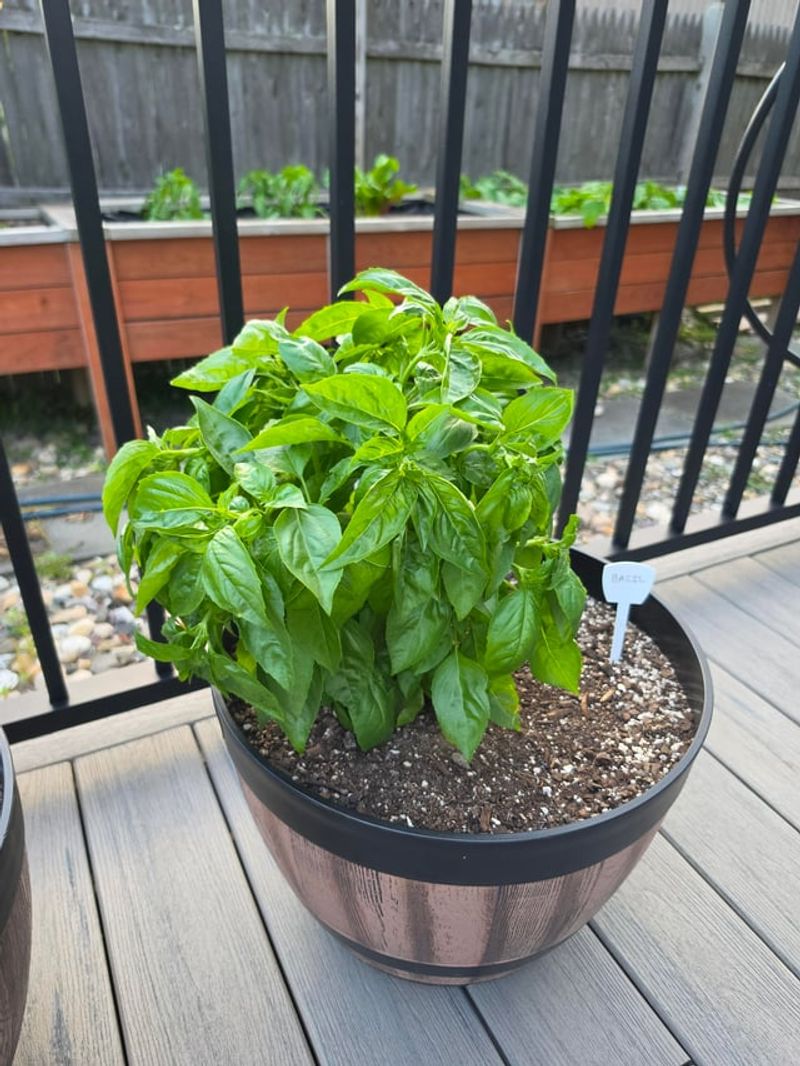
A lot of home gardeners are too careful when harvesting basil, and that caution actually works against them. Picking just a few leaves here and there without cutting back the stems does very little to slow bolting.
In fact, leaving long stems intact encourages the plant to keep growing upward toward flowers rather than branching outward into new leafy growth.
Bold harvesting is the key to a bushy, productive plant. Each time you harvest, you should be cutting entire stems back rather than just plucking individual leaves.
Cut stems down to just above a leaf node, which is the spot where two leaves meet the stem. The plant will respond by sending out two new stems from that point.
Think of every harvest as a pruning session. You are not just taking what you need for dinner, you are also shaping the plant for its next round of growth.
This dual-purpose approach keeps basil compact, full, and focused on producing more leaves instead of sending up flower stalks.
Aim to harvest at least once a week during August, even if you do not need basil for cooking. Regular cutting keeps the plant in a vegetative state and delays bolting noticeably.
If you end up with more basil than you can use fresh, blend it into pesto and freeze it in ice cube trays for easy use later.
Nothing from a productive plant should go to waste, and regular harvesting is the single best thing you can do to keep your basil thriving through the hottest weeks of summer.