Why Kansas Lawns Turn Brown In Summer And How To Turn Them Green Again
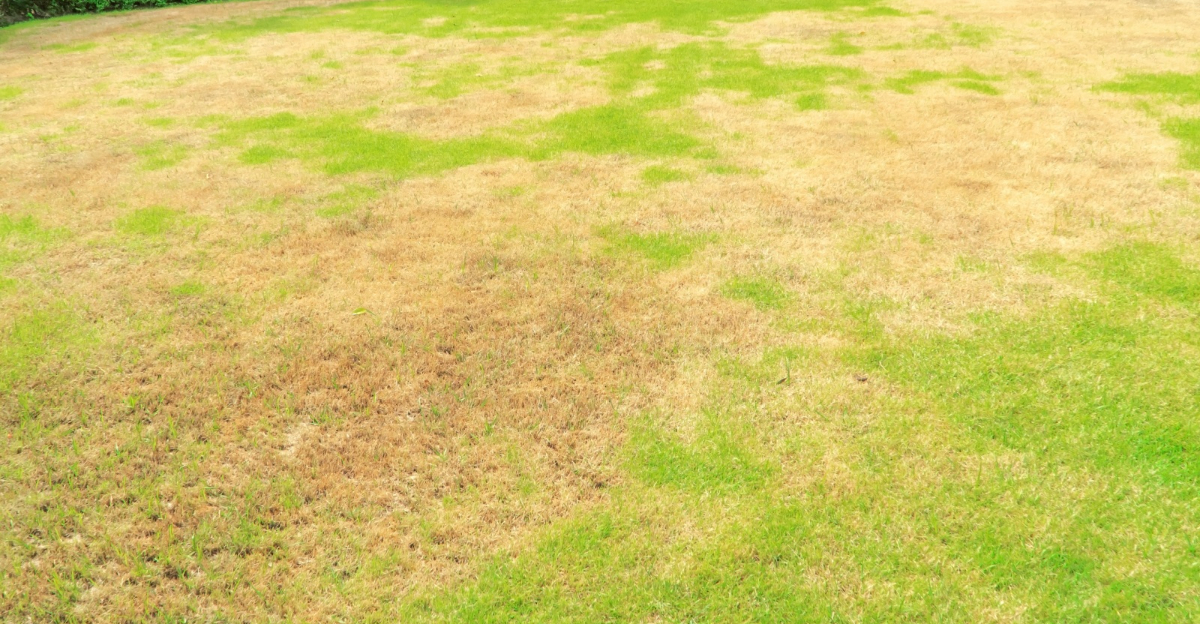
You walk out to your Kansas lawn one afternoon and stop cold. Brown patches have swallowed what used to be a clean stretch of green.
The yard looks rough and uneven, like a drought map someone forgot to fold away. Nothing you did last week explains the damage staring back at you.
Kansas summers are relentless. The heat presses down like a physical weight. It bakes the soil into something closer to ceramic than earth.
Grass quietly surrenders long before you spot the warning signs. A brown lawn feels personal. It can feel like a failure, but it rarely is.
Most struggling lawns are simply dehydrated, stressed, or starved of the right nutrients. Each of those problems has a clear, actionable fix.
You do not need a horticulture degree to figure this out. You do not need an expensive landscaping crew either.
Start with the right questions. The answers tend to follow. Green is closer than it looks.
Grass Goes Dormant In The Summer Heat
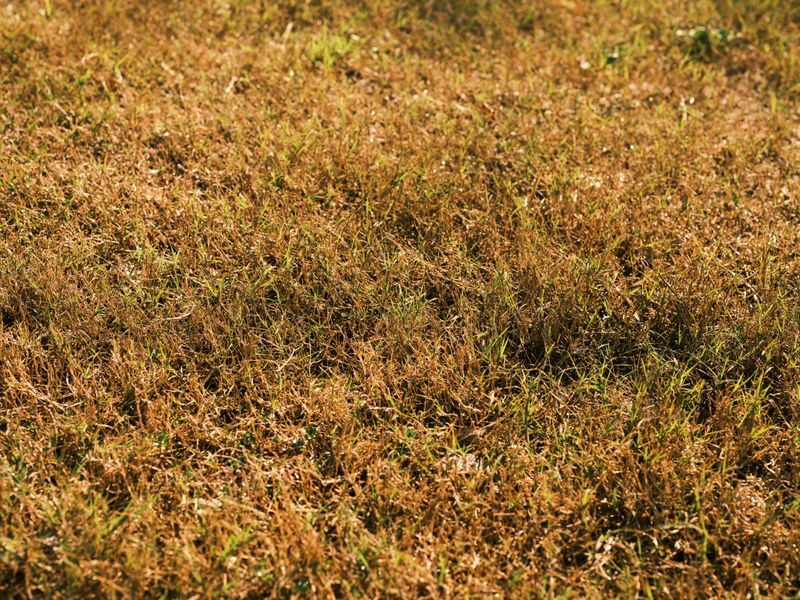
Brown grass is not always a disaster. Sometimes your lawn is just napping through the heat. Kansas summers can push temperatures past 100 degrees for weeks at a time.
Cool-season grasses like fescue and bluegrass protect themselves by going dormant when the heat gets extreme.
Dormant grass turns tan or straw-colored, but the roots stay alive underground. Think of it like a bear hibernating through winter, except your lawn is hiding from the sun.
The biggest mistake homeowners make is assuming dormant grass needs aggressive treatment. Watering it lightly every two weeks keeps the roots alive without forcing the grass out of dormancy too early.
Forcing growth during peak heat can actually stress the lawn more. Patience is your best tool when the thermometer climbs past 95 degrees.
Brown grass from dormancy looks uniform across the yard. If you see patchy or circular brown spots instead, something else is causing the problem, and you need to keep reading.
It Is Not Getting Enough Water
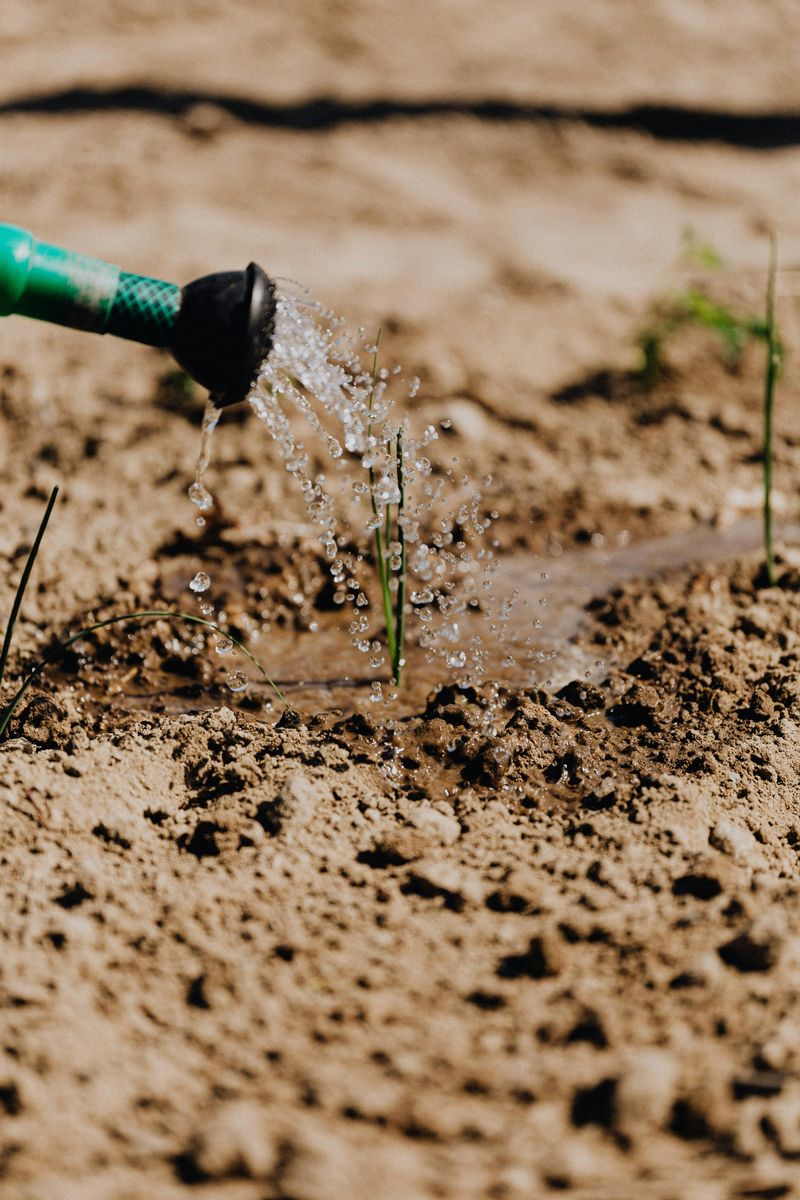
Drought stress is one of the most common reasons Kansas homeowners see brown grass. The signs show up fast when rainfall disappears for two or more weeks.
Grass blades curl inward when they need water. You can also do the footprint test: step on the grass and walk away.
If your footprints stay visible for more than 30 seconds, the lawn is thirsty. Healthy, hydrated grass springs back almost immediately after being stepped on.
Most Kansas lawns need about one inch of water per week during summer. Between rain and irrigation, that number keeps the roots happy and the blades green.
A simple rain gauge in the yard tells you exactly how much water your lawn is getting each week. That small tool takes all the guesswork out of your watering schedule.
Shallow, frequent watering trains roots to stay near the surface, which makes drought stress worse. Deep, infrequent watering pushes roots down where soil stays cooler and holds more moisture longer.
Brown Patch Fungus Is Spreading
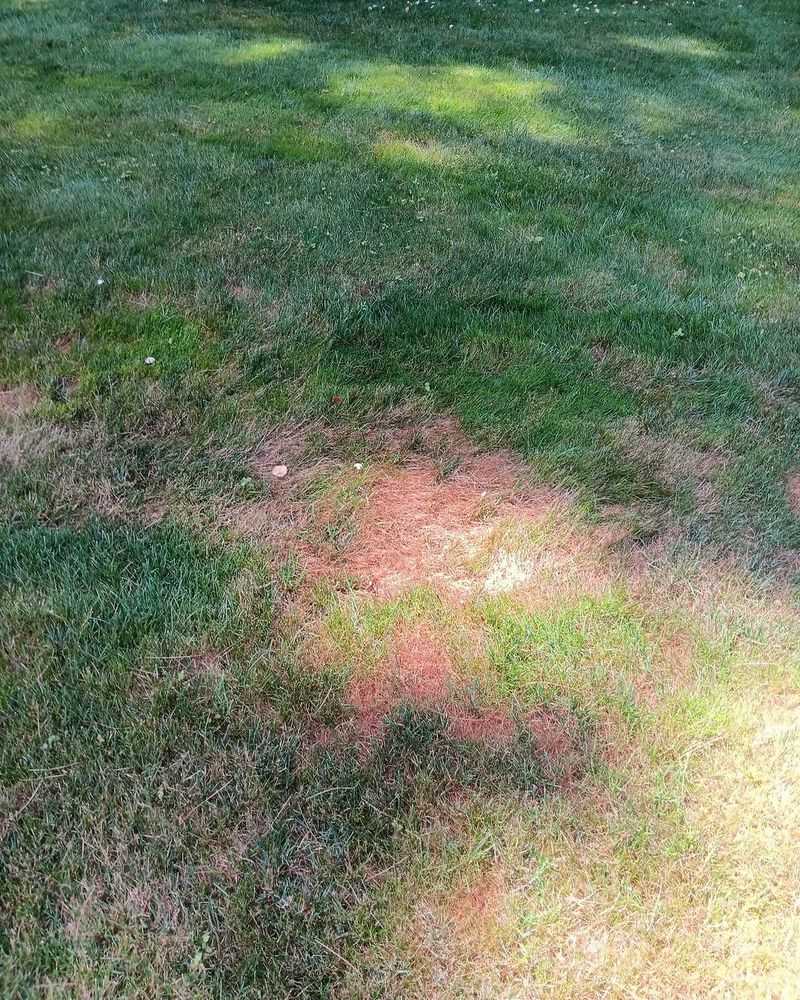
Brown patch fungus loves hot, humid nights. If your lawn has circular or ring-shaped brown spots, fungus is likely the culprit, not drought.
Your Kansas Garden Changes Every Week. Your Plan Should Too.
Gardening in Kansas changes quickly throughout the season. Every Friday you’ll receive a simple weekly plan showing exactly what to plant, prune, fertilize, harvest, and protect so you never miss the right timing.
This disease is caused by a fungus called Rhizoctonia solani. It spreads fast in temperatures between 70 and 90 degrees when humidity stays high overnight.
The rings can grow from a few inches wide to several feet across within a few days under the right conditions. Grass inside the ring often looks matted down and darker than the surrounding turf.
Overwatering and watering at night create the perfect environment for brown patch to spread. Wet grass blades sitting in warm, humid air overnight are like a welcome mat for fungal spores.
A fungicide labeled for brown patch can stop the spread when applied early. Look for products containing azoxystrobin or propiconazole at your local garden center.
Improving airflow by trimming nearby shrubs also helps reduce fungal pressure. Kansas homeowners dealing with brown grass patches in summer should always rule out fungus before grabbing the hose.
Grubs May Be Damaging Roots Underground
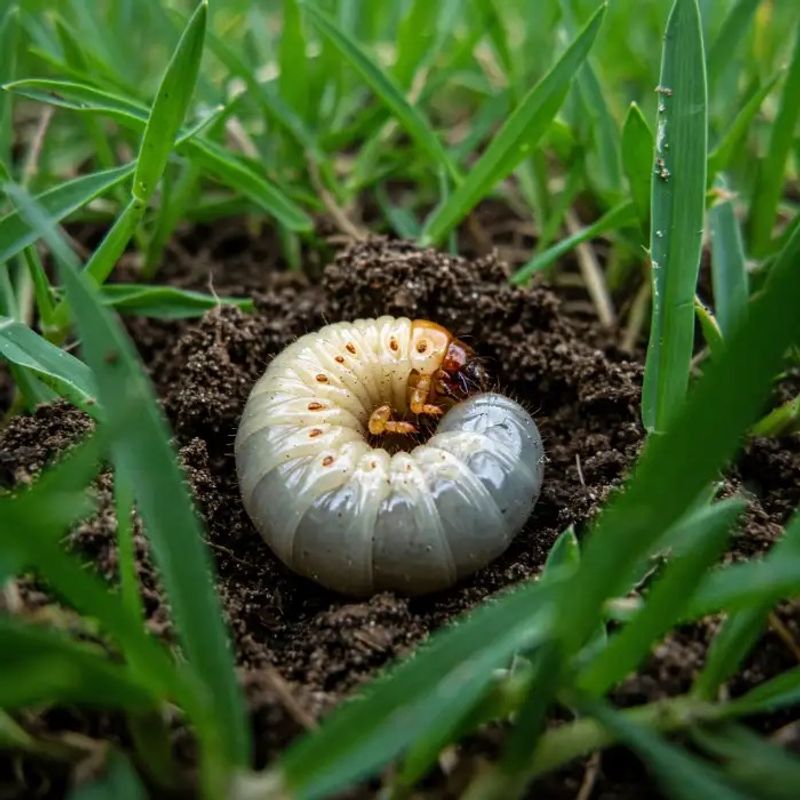
Something hidden might be weakening your lawn from below the surface. Grubs are the larvae of beetles, and they feed on grass roots without you ever seeing them.
Japanese beetle and masked chafer grubs are common in Kansas lawns. They feed on roots from late summer through early fall, cutting the grass off from its water and nutrient supply.
A telltale sign of grubs is grass that peels back like loose carpet. If you can lift a patch of brown turf and see white, C-shaped grubs underneath, you have confirmed the problem.
Birds pecking persistently at your lawn is another clue. Skunks and raccoons digging up turf overnight are also signs that something is living just below the surface.
Treating grubs early in summer, before they grow large, gives you the best results. Products containing imidacloprid or chlorantraniliprole work well when watered in right after application.
Waiting too long makes treatment less effective. Brown grass from grub damage will not recover until the root zone is repaired and the grubs are gone.
Dull Mower Blades Are Tearing The Grass
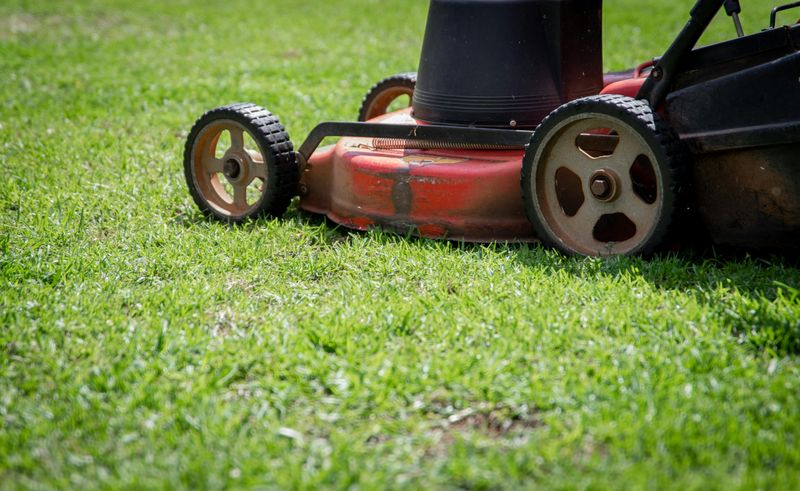
Sharp blades cut clean. Dull blades tear, and damaged grass turns brown at the tips within a day or two of mowing.
Most homeowners never think about sharpening their mower blades, but dull blades are one of the most overlooked causes of brown grass. The damage looks like the tips of every blade were dried out or slightly burned.
A clean cut heals fast and keeps the grass looking green. A ragged tear leaves the grass vulnerable to moisture loss and fungal entry points at every blade tip.
Mower blades should be sharpened at least once per season, and twice if you have a large yard. If you hit a rock or a root, sharpen the blade right away before mowing again.
You can sharpen blades yourself with a metal file or angle grinder, or take them to a hardware store. The whole process takes less than 20 minutes and makes a visible difference in your lawn’s appearance.
Brown grass from dull blades recovers quickly once you start cutting clean again. Your lawn will look greener within one to two weeks of switching to a sharp blade.
The Grass Is Being Cut Too Short

Cutting the lawn very short can seem like a time-saver, but it is one of the fastest ways to end up with brown grass. Removing too much of the leaf blade at once takes away the surface the plant uses to produce energy from sunlight.
Most grass types in Kansas do best when kept between three and four inches tall during summer. Cutting below two inches during a heat wave puts enormous stress on the plant.
Short grass also loses moisture faster because the soil is more exposed to direct sun. Longer blades shade the ground, keep the soil cooler, and reduce evaporation significantly.
The one-third rule is a simple guideline that every homeowner should follow. Never remove more than one-third of the grass blade in a single mowing session.
If your lawn got away from you and grew tall, raise the mower height and take it down gradually over two or three mowings. Dropping it all at once shocks the grass and invites brown patches.
Raising your cut height is one of the easiest free fixes for brown grass. A few simple adjustments to your mower deck can transform how your yard looks all season long.
Watering At Night Is Encouraging Fungus
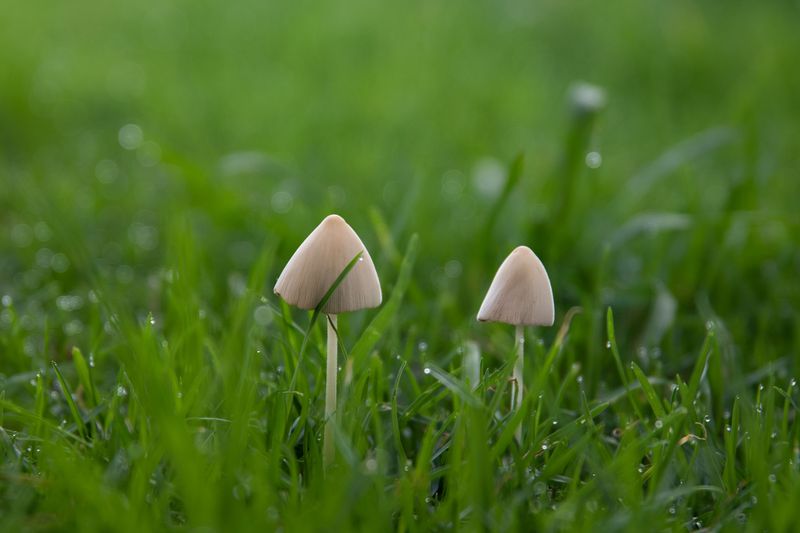
Watering at night feels convenient, especially during hot summers. The problem is that wet grass sitting in darkness and humidity creates favorable conditions for fungal disease to develop.
Fungal spores are always present in soil and air. They just need moisture and warmth to activate, and nighttime watering gives them exactly that combination.
Morning watering is the gold standard for lawn care. When you water early, the sun and wind dry the grass blades throughout the day, removing the moisture that fungus needs to spread.
Watering between 6 and 10 in the morning hits the sweet spot. The soil absorbs moisture before the heat of the day causes evaporation, and the blades dry off naturally by afternoon.
Evening watering may also attract moisture-dependent pests like slugs that prefer damp conditions after dark. Shifting your schedule to mornings solves multiple problems with one simple change.
If your irrigation system is set to run at night, reprogram it before fungus takes hold. Brown grass caused by fungal disease spreads much faster than most homeowners expect.
Too Much Fertilizer Is Burning The Lawn
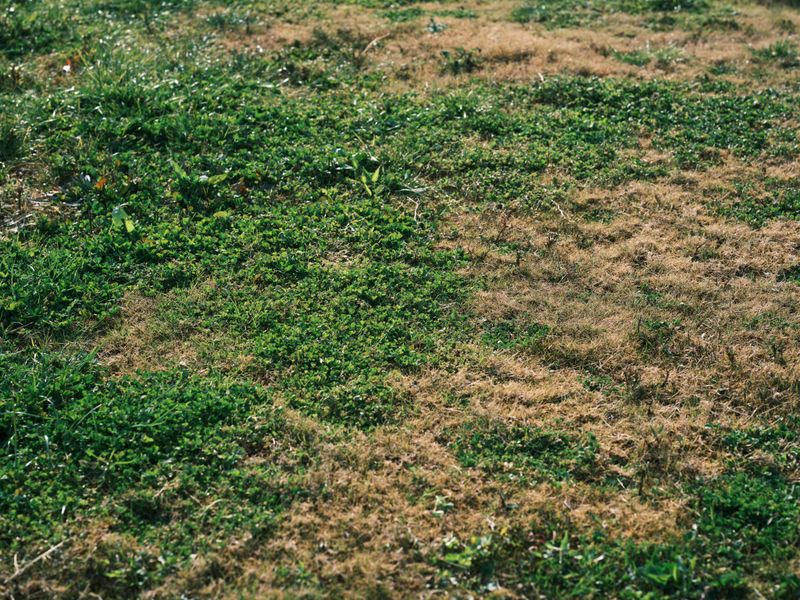
More fertilizer does not mean more green grass. Applying too much nitrogen at once creates a chemical burn that turns grass brown almost overnight.
Fertilizer burn happens when salt from the fertilizer pulls moisture out of the grass blades. The result appears dried out in irregular streaks or patches across the yard.
The pattern of fertilizer burn usually follows where the spreader overlapped or where granules clumped together. Straight brown stripes or sharp-edged patches are classic signs of over-application.
If you suspect fertilizer burn, water the area deeply for several days in a row. Flushing the excess nitrogen out of the soil gives the grass a chance to recover.
Slow-release fertilizers reduce the risk of damage because they deliver nutrients gradually over weeks. They cost a little more upfront but protect your lawn from the setbacks that fast-release products can cause.
Always read the label before applying fertilizer, and never apply more than recommended. Brown grass from fertilizer burn is avoidable with a little patience and the right product choice.
Thatch And Compacted Soil Are Blocking Water
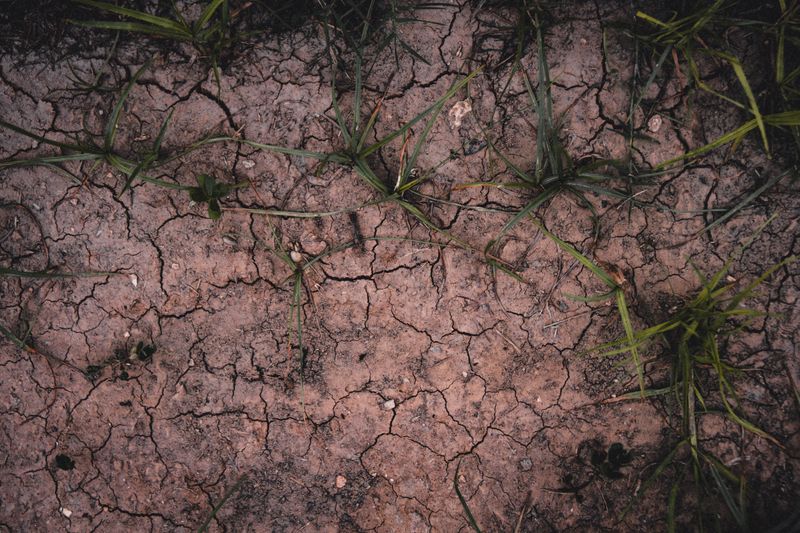
Water cannot help your lawn if it cannot reach the roots. Thatch buildup and compacted soil are two hidden problems that block moisture and oxygen from getting where they need to go.
Thatch is the layer of dry stems, roots, and debris that builds up between the grass blades and the soil. A thin layer is fine, but anything thicker than half an inch starts causing problems.
Kansas has a lot of clay-heavy soil that compacts easily under foot traffic and heavy equipment. Compacted soil is so dense that water runs off the surface instead of soaking in.
Core aeration is one of the most effective fixes for both issues. A core aerator pulls small plugs of soil out of the ground, opening up channels for water, air, and nutrients to reach the roots.
Dethatching with a special rake or power dethatcher removes the excess organic layer above the soil. Doing both in early fall gives your lawn a fresh start heading into the cooler season.
Brown grass caused by blocked water access can look exactly like drought stress. Testing your soil moisture an inch below the surface tells you whether water is actually getting through.
Water Deeply Once A Week In The Morning
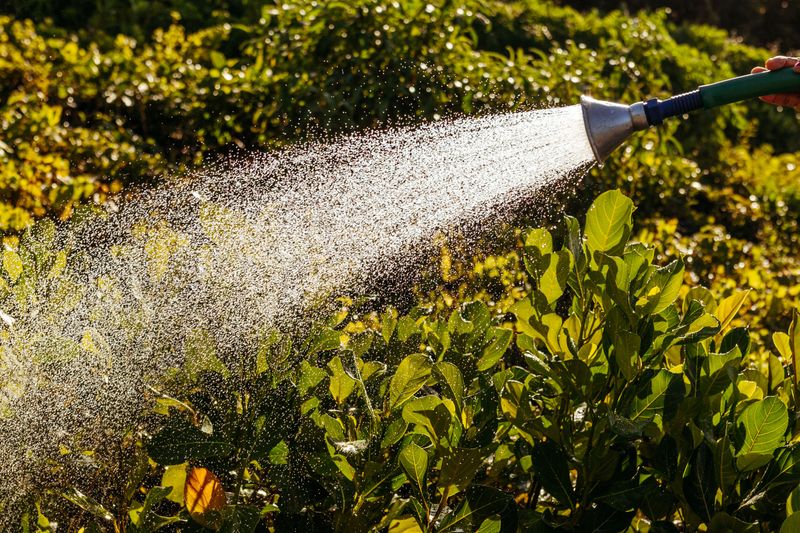
One deep watering session beats five shallow ones every single time. Deep watering pushes moisture down six to eight inches into the soil, right where grass roots want to grow.
Shallow watering keeps roots near the surface, making your lawn fragile and vulnerable. Roots that chase deep moisture become stronger and more resilient to heat and drought stress.
One inch of water per week is the target for most Kansas lawns during summer. You can measure this with a tuna can or a rain gauge placed in the spray zone.
Watering in the morning gives the soil time to absorb moisture before heat evaporates it. Early morning irrigation also keeps fungal pressure low by allowing blades to dry out during the day.
If your lawn is already brown from drought, start with two deep waterings in the first week to rehydrate the soil. Then drop back to once a week as the grass begins to recover.
Consistent morning watering is one of the simplest and most effective solutions for brown grass in Kansas. Your lawn will reward the routine with steady green growth all season long.
Raise The Mower Height To 3 To 4 Inches
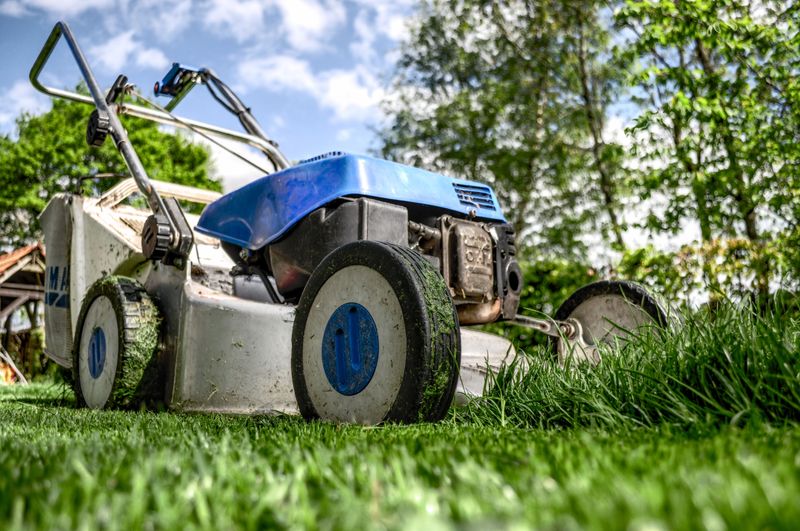
Your mower height setting might be the simplest fix sitting right in your garage. Raising the cutting deck to three or four inches is one of the fastest ways to stop brown grass from spreading.
Taller grass shades the soil below, which keeps ground temperatures cooler on hot summer days. Cooler soil retains moisture longer, which means less watering and less stress on your lawn.
Longer blades also have more surface area for photosynthesis, which means the grass produces more energy and develops stronger root systems. A well-fed root system handles heat and drought far better than a shallow one.
Check your mower manual to find the height adjustment lever or dial. Most push mowers and riding mowers make this adjustment in under two minutes with no tools required.
Mowing at a lower height during summer might feel neater, but it sets your lawn up for unnecessary stress. The short-term visual appeal is not worth the weeks of brown grass that follow.
Raising the mower height costs nothing and takes almost no effort. It is one of the most impactful changes Kansas homeowners can make to protect their lawns from brown grass all summer long.
Apply Grub And Fungus Control Now, Before It Spreads
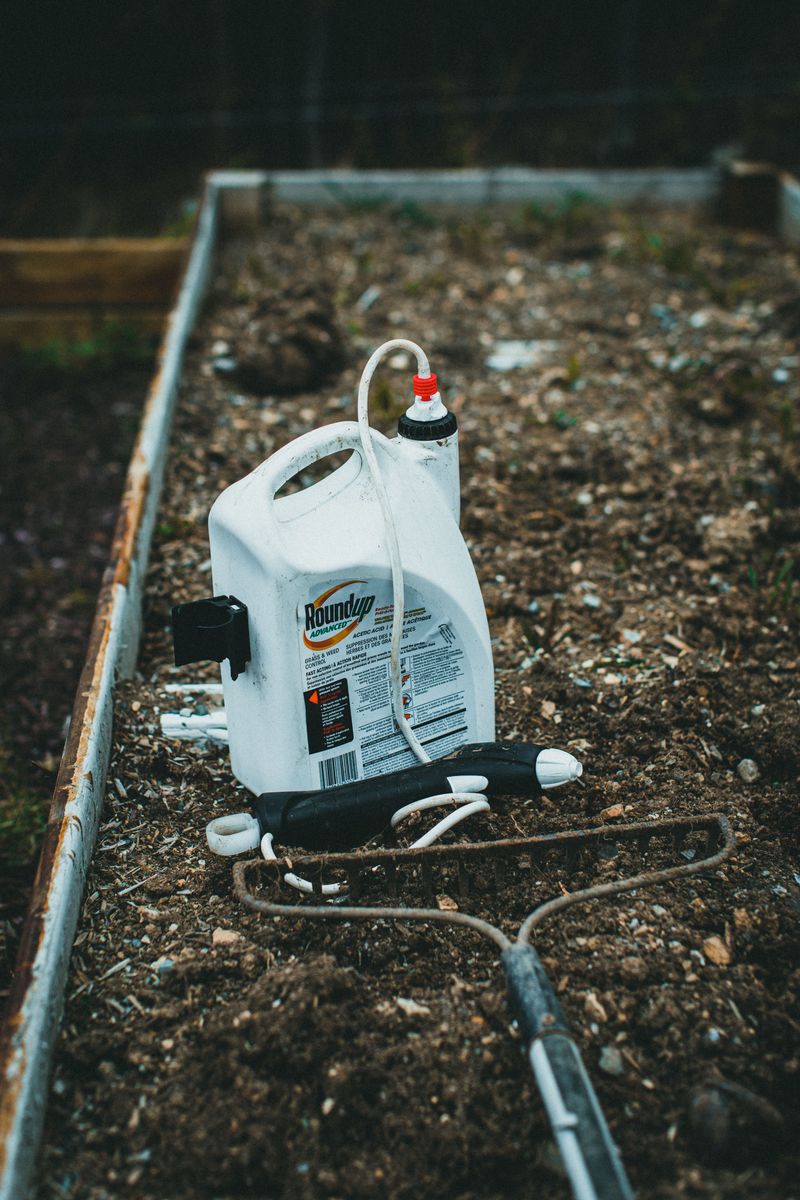
Waiting to treat grubs and fungus is one of the most costly mistakes you can make for your lawn. Both problems spread aggressively, and every day of delay means more brown grass and more repair work later.
Grub control products work best when applied in late June through July, while the larvae are still small and close to the surface. Larger grubs deeper in the soil are much harder to reach and treat effectively.
For fungal issues, a contact or systemic fungicide applied at the first sign of circular brown patches can stop the spread within days. Look for products labeled specifically for brown patch or dollar spot disease.
Granular products are easy to apply with a standard broadcast spreader. Liquid concentrates mixed in a pump sprayer give more precise coverage on smaller affected areas.
Always water in granular treatments right after application unless the label says otherwise. Moisture activates the active ingredients and moves them into the soil where they need to work.
Treating brown grass problems early saves both time and money. Prevention and early action are typically far less costly than reseeding or replacing large sections of damaged turf.