Why Keeping Regular Feeding Times Helps Mourning Doves Through Pennsylvania Winters
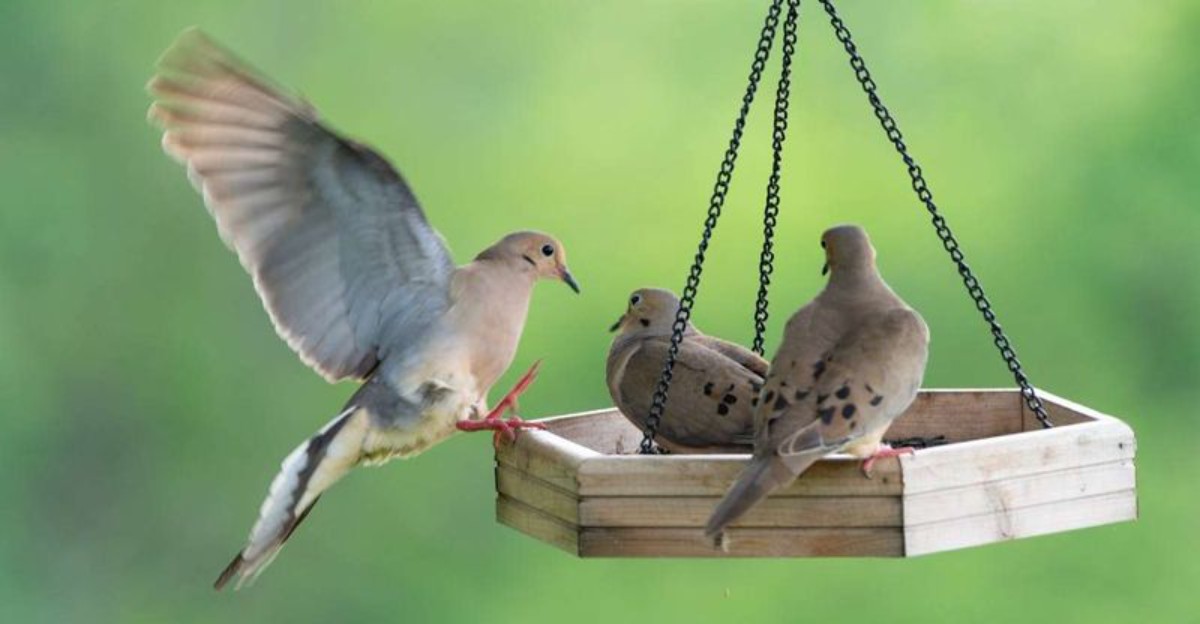
A single bird in my yard can stuff thousands of tiny seeds into a pouch in its throat, then fly off to digest them somewhere safe. I find that trick fascinating every time I see it happen on a frosty morning.
Plenty of these soft gray birds skip the long trip south. They tough it out through Pennsylvania snow, sleet, and those bitter January nights.
Their feet are bare, and they feed mostly on the ground, which makes deep snow a real problem.
You might be surprised by how quickly they learn your habits. Toss seed out at the same hour for a week, and don’t be surprised if a small crowd shows up early, waiting on the fence like regular customers.
So what does a predictable breakfast actually do for a bird facing a long, frozen night? The answer says a lot about how winter really works.
1. Those Doves Waiting on Your Snowy Fence Have a Plan
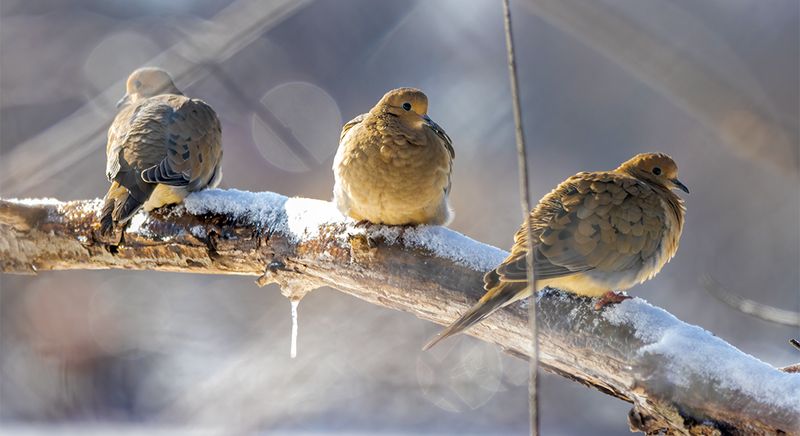
Every winter morning, I count the gray shapes lined up on my back fence before I even put my coffee down. Mourning doves are creatures of habit, and they notice when food shows up at the same time each day.
Birds that stay through cold weather spend most of their daylight hours looking for food. Short days in Pennsylvania give them only about nine to ten hours of light in December.
Every minute spent searching empty, snowy ground is a minute not spent eating.
Doves also have a clever tool working for them. They carry a stretchy pouch in the throat called a crop, where they store seeds quickly.
Researchers have found crops holding thousands of small seeds at once.
A dependable feeding spot lets them fill that crop fast and then retreat to cover. Less time out in the open means less exposure to wind and to hungry hawks.
Cooper’s hawks and sharp-shinned hawks often patrol backyard feeders in winter, so speed matters.
The way I see it, a regular schedule turns your yard into a reliable stop on their daily route. Birds don’t need you to save them, since they use many food sources.
Still, a predictable meal makes their tough season a little easier.
You can see why those birds sit there so patiently. They have learned that waiting pays off, and they trust you to show up.
2. Morning and Late Afternoon Seed Drops Matter Most
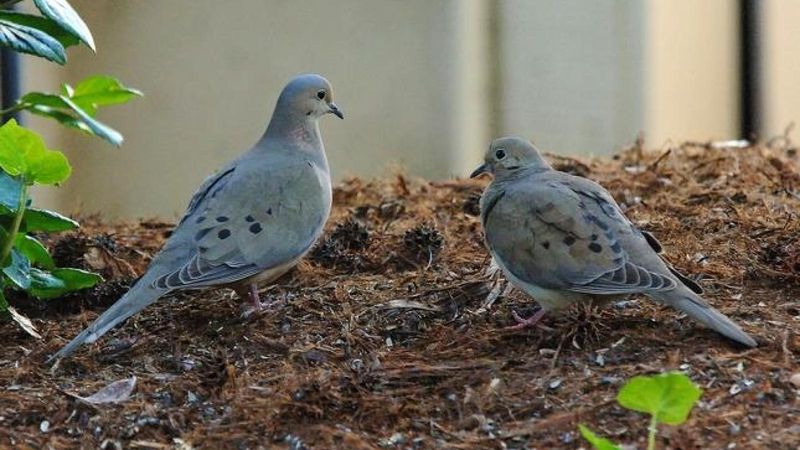
Timing is the secret ingredient most people overlook. A dove wakes up after a long night with its energy reserves running low, so an early meal gives it a fast boost.
Try putting seed out shortly after sunrise. That first feeding helps birds refuel after hours of shivering on a roost.
Shivering burns energy, and small birds can use up a big share of their fat reserves overnight.
The second key window comes in the late afternoon, about an hour or two before dark. Doves often feed heavily then, packing their crops before heading to roost.
Digesting that stored seed through the evening helps keep their bodies warm.
Here’s something worth knowing about consistency. If you feed at random hours, birds may still visit, but they waste energy checking back.
A steady routine lets them plan their day around your yard.
You don’t need to be perfect down to the minute. Within the same hour or so works well.
If you leave for work early, an evening top-off still helps a lot.
I keep a small bucket of seed by the back door so I don’t skip a day. On really busy mornings, I scatter enough to last until afternoon.
Watch your flock for a week or two. You’ll likely spot their favorite times and can match your schedule to theirs.
3. Bare Feet and Deep Snow Make Ground Feeding Tough for Doves
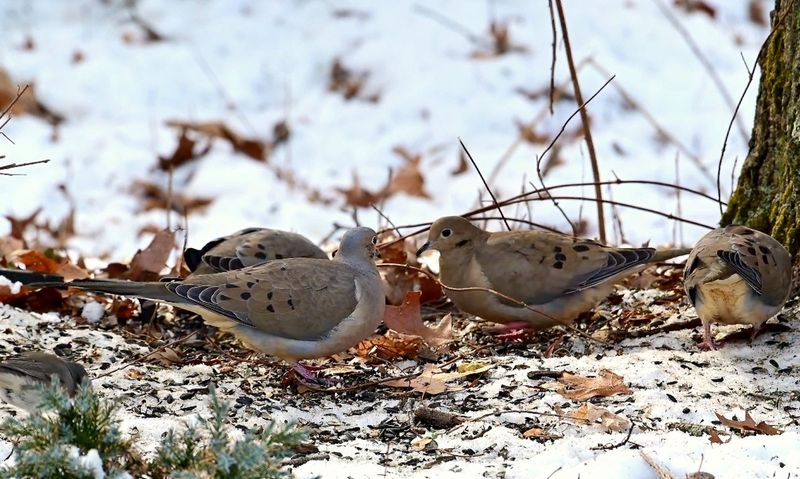
Take a close look at a dove’s feet sometime. Those pink, unfeathered toes look delicate, and in a way they are.
Mourning doves feed mostly on the ground, picking up seeds from grasses, weeds, and farm fields. Their natural menu includes foxtail, ragweed, corn, and other waste grain.
In fact, seeds make up about 99 percent of what they eat.
Snow changes everything. A few inches can bury most of that natural food, and an ice crust seals it off even more.
Doves don’t scratch through snow the way some sparrows do, so a heavy storm can leave them struggling to find a meal.
Biologists have noticed that doves living in northern areas sometimes lose toes to frostbite. That shows how hard cold weather can be on their exposed feet.
Standing around on frozen ground searching for food only adds to the strain.
Clearing a small patch of snow and scattering seed there can make a real difference. I use a shovel to open a spot about the size of a doormat.
Within an hour, the doves usually find it.
A feeding routine works especially well during and right after storms. Those are the days when natural seed is hardest to reach.
If you only feed on a few days all winter, pick the snowy ones first.
4. Millet and Cracked Corn Belong Low to the Ground
My first winter feeding doves, I filled a tube feeder and wondered why they kept pacing underneath it. Turns out they were waiting for other birds to spill seed.
Doves have a chunky body and short legs. They aren’t built for clinging to small perches.
A low platform feeder, a wide tray, or a cleared patch of ground suits them much better.
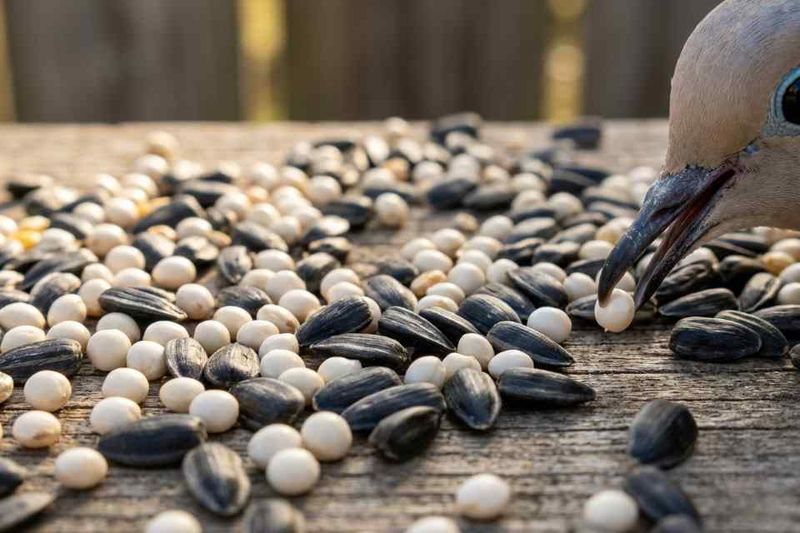
White proso millet ranks near the top of their wish list. Cracked corn, safflower, and black-oil sunflower seeds are popular too.
Doves swallow seeds whole, so smaller, easy-to-gulp options work well.
Skip the cheap mixes packed with red milo filler if you can. Many backyard birds ignore it, though doves sometimes eat it.
Read the bag and choose blends with plenty of millet.
Placement matters as much as the menu. Set your feeding area about 10 to 15 feet from shrubs or evergreens.
That distance gives doves a quick escape route without letting hiding cats get too close.
Keep portions sensible. Put out what the birds will finish in a day so seed doesn’t pile up, get soggy, and spoil.
You might want to think twice about bread or kitchen scraps. Those foods offer little real nutrition and can attract rats.
Stick with quality seed, and the doves will keep coming back.
5. Evergreen Shelter Turns a Feeding Spot Into a Winter Hangout
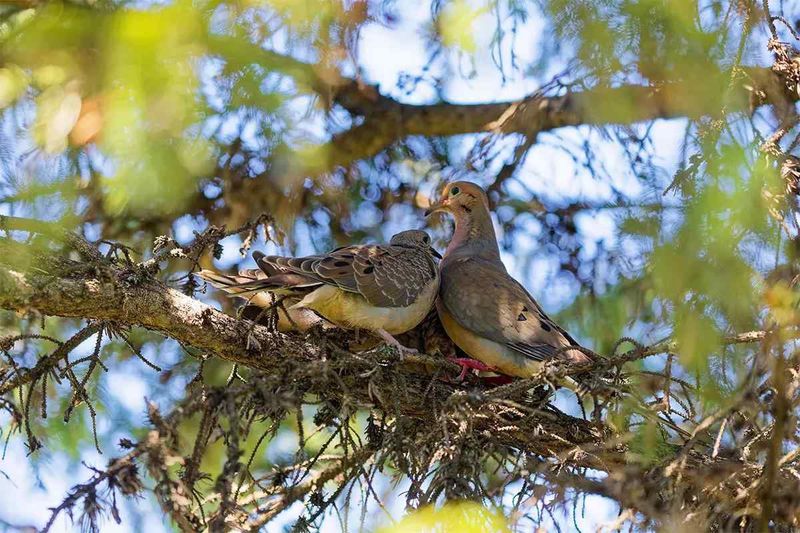
Food is only half the story. A dove that eats well still needs a safe, sheltered place to rest and digest.
On cold nights, doves often roost in dense evergreens. Thick needles block wind and trap a little warmth.
You’ll sometimes spot them huddled together, puffed up like gray pinecones.
Native evergreens make great choices for Pennsylvania yards. Eastern white pine, eastern hemlock, eastern red cedar, and American holly all offer solid winter cover.
They also support local insects and wildlife the rest of the year.
Avoid planting invasive shrubs like Japanese barberry or burning bush, even though they grow thick. They spread into woods and crowd out native plants.
Stick with species that belong here.
I love having a brush pile in one corner of my yard too. Stacked branches from fall cleanup create quick hiding spots near the feeding area.
Doves duck in there when a hawk swoops by.
Shelter close to food helps tie your routine together. Birds can eat, rest nearby, then return at the next feeding time without long flights in the cold.
You can see why a yard with both seed and cover becomes a favorite stop. If you’re planning spring planting, add an evergreen or two.
Future winters will thank you.
6. Clean Feeders and Open Water Keep the Dove Flock Healthy
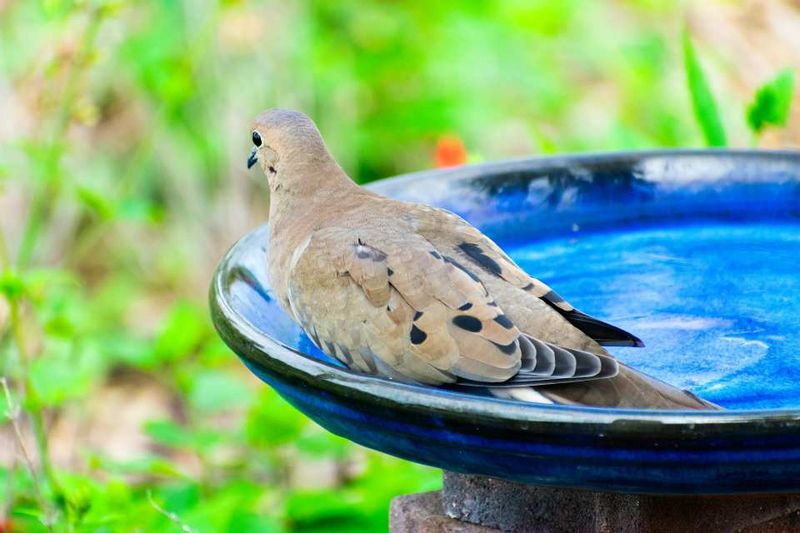
A crowded feeder can turn into a germ party fast. Doves are especially prone to a disease called trichomoniasis, which spreads through shared food and water.
Sick birds may look fluffed up, sluggish, or have trouble swallowing. If you notice that, take your feeders down for a week or two so the flock spreads out.
Wildlife agencies often suggest this step during outbreaks.
Regular cleaning helps prevent problems. Scrub feeders and trays every week or two with a solution of one part bleach to nine parts water.
Rinse well and let everything dry before refilling.
Rake up old hulls and moldy seed under feeding areas too. Wet, clumped seed grows mold quickly in thaw-and-freeze weather.
I move my ground feeding spot a few feet every so often to keep things fresh.
Water matters in winter more than people expect. Doves can drink by sucking water up like a straw, which is unusual among birds.
When puddles and creeks freeze, a heated birdbath gives them easy access.
Keep the water shallow, about one to two inches deep. Change it often so it stays clean.
Pairing a steady feeding schedule with a clean station means you help birds instead of spreading illness. A little scrubbing goes a long way.
7. Stick With Your Dove Feeding Routine Until Spring Arrives
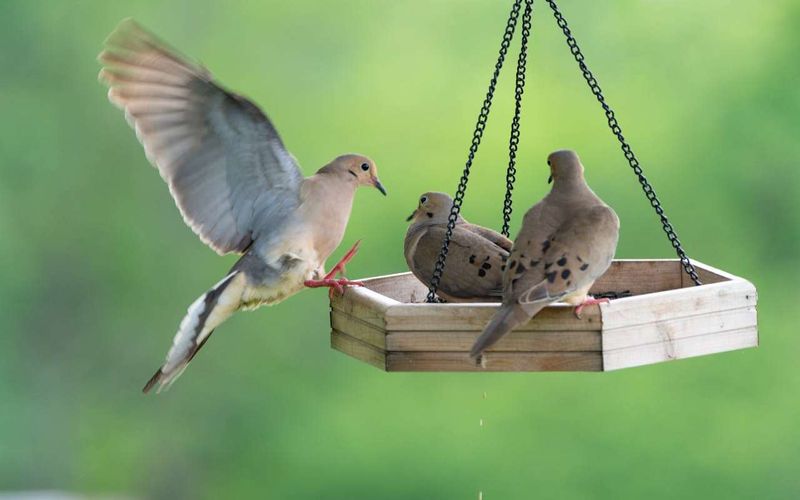
Once you start a winter routine, try to keep it going. Doves won’t starve if you skip a day, since they visit several food sources.
Still, a sudden stop during a cold snap can leave them scrambling.
Plan ahead for vacations or busy weeks. A neighbor can scatter a scoop of millet for you.
A covered platform feeder can also hold a few days of seed if you need it.
Keep feeding through late winter, which is often the hardest stretch. By February, natural seed supplies run thin after months of picking.
Pennsylvania can also get some of its biggest snowfalls in late winter.
Here’s what caught my attention last year. Doves in my yard started cooing and bowing to each other by March.
Mourning doves begin nesting early, sometimes while snow still lingers.
As spring weeds and grasses return, you can taper off slowly. Many people keep feeding year-round, and that’s fine with clean feeders.
Keep a simple notebook of visitors and weather. It’s a fun way to learn patterns, and you can share counts with Project FeederWatch through Cornell Lab of Ornithology.
The biggest takeaway? Steady, clean, and well-placed beats fancy every time.
Give those doves a dependable winter, and they’ll fill your yard with soft cooing all spring.